What is this? › Performing arts & ways (dō)
侍Samurai
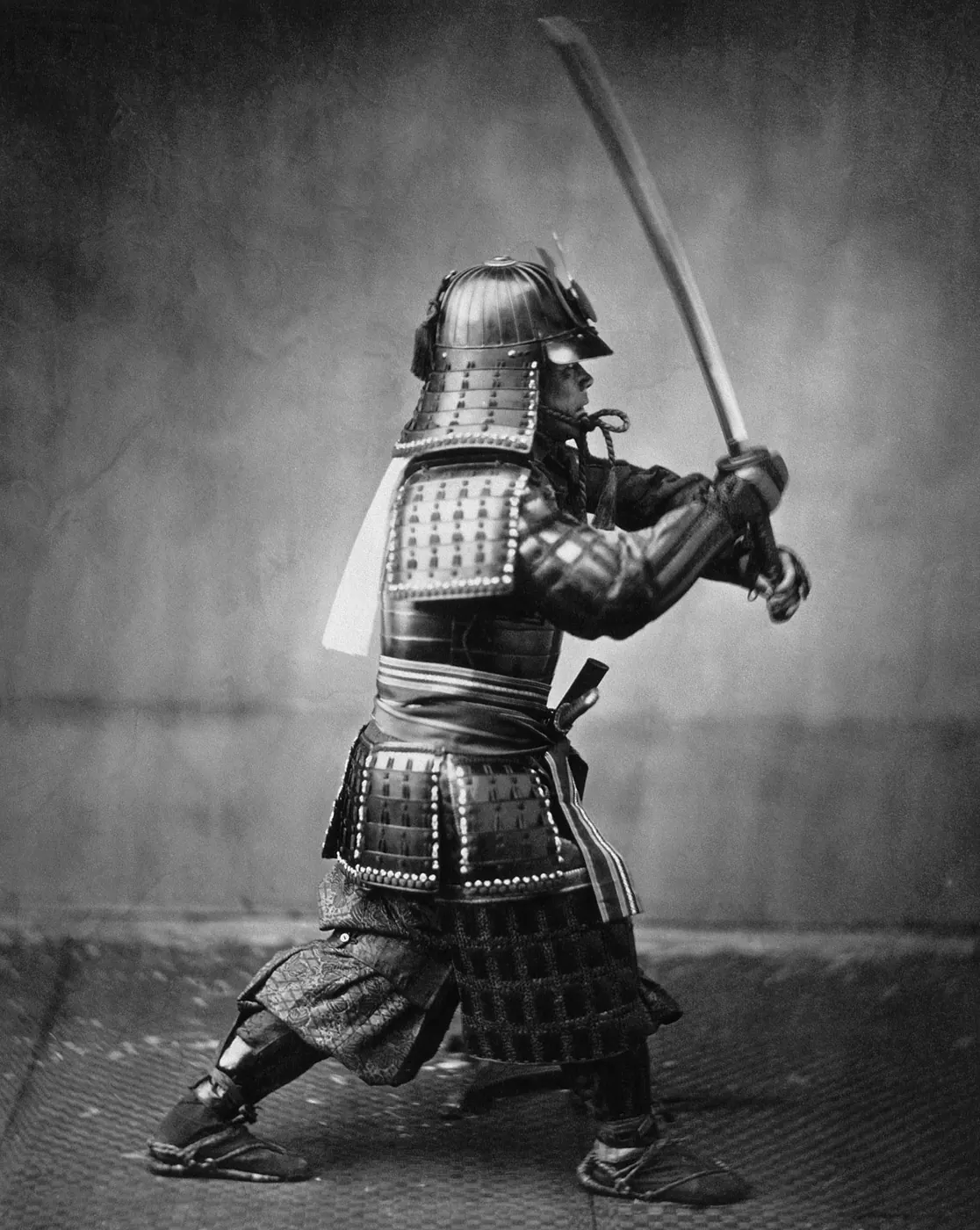
The samurai (侍) were members of the professional warrior class in pre-industrial Japan, who served as retainers to the lords. These men came from warrior families and trained from a young age in military arts through private instruction. Swordsmanship, archery, and horsemanship were the primary martial skills; and often in Japanese history, only samurai had the right to even possess these weapons. These weapons required years of training to master, and this commitment made the samurai superior to conscripts and militia, the latter who were typically given only days of training. The samurai also studied literature, calligraphy, and Confucian philosophy, befitting their roles as bureaucrats under the shoguns.
The role of the samurai changed over time. In the medieval period, warriors were closely associated with military service, landholding, lord-vassal ties, and local authority. Under the Tokugawa shogunate, prolonged peace and domain government transformed the warrior estate into a hereditary status and administrative class. Many samurai served as officials, police, teachers, or domain administrators while retaining privileges such as stipends, status distinction, access to office, and the right to bear arms.
Text from Wikipedia: Samurai — CC BY-SA 4.0. Read more on Wikipedia →
見Where to see it
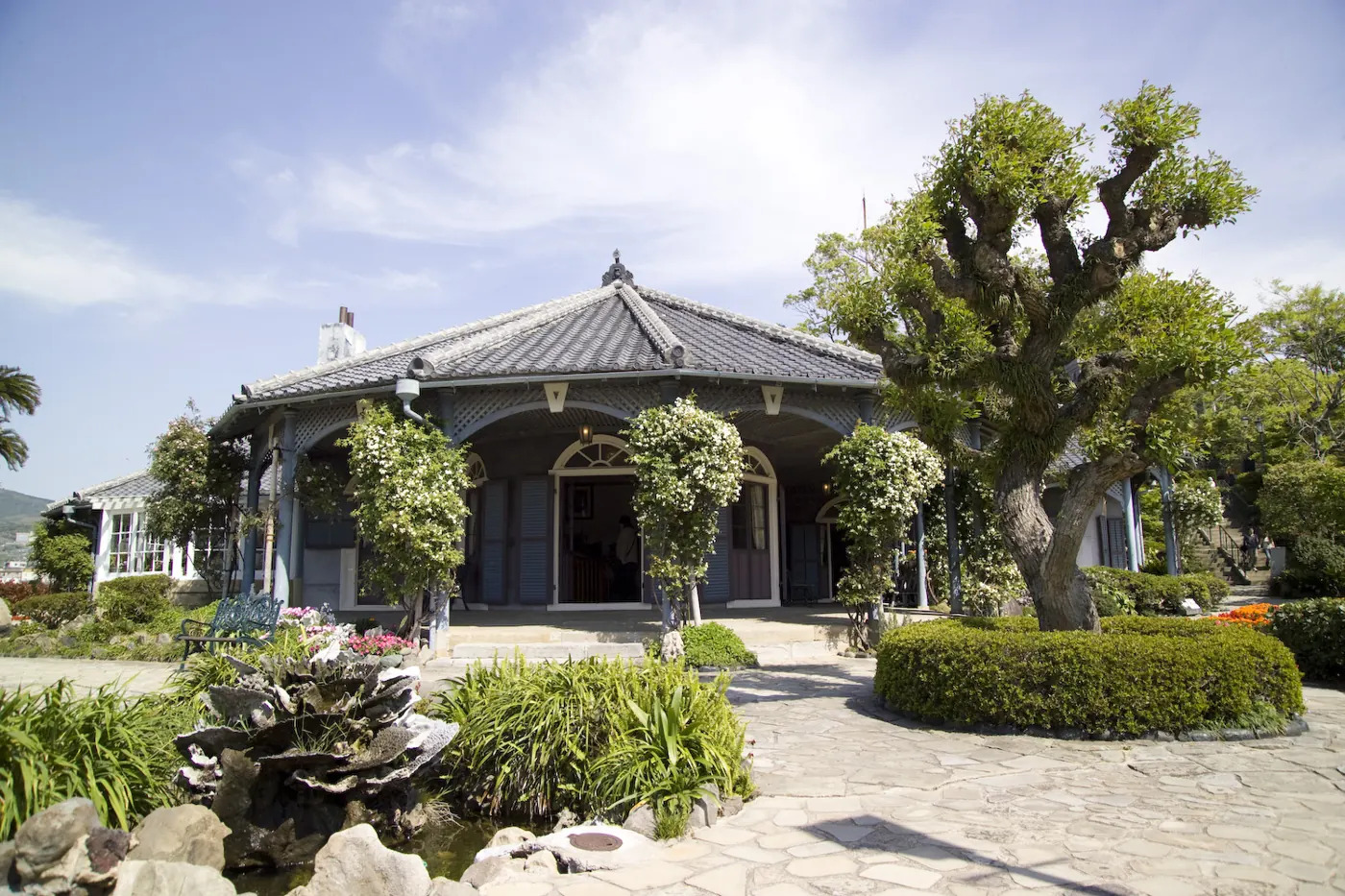 跡世界遺産Glover Garden (Nagasaki)Historic site · Kyūshū
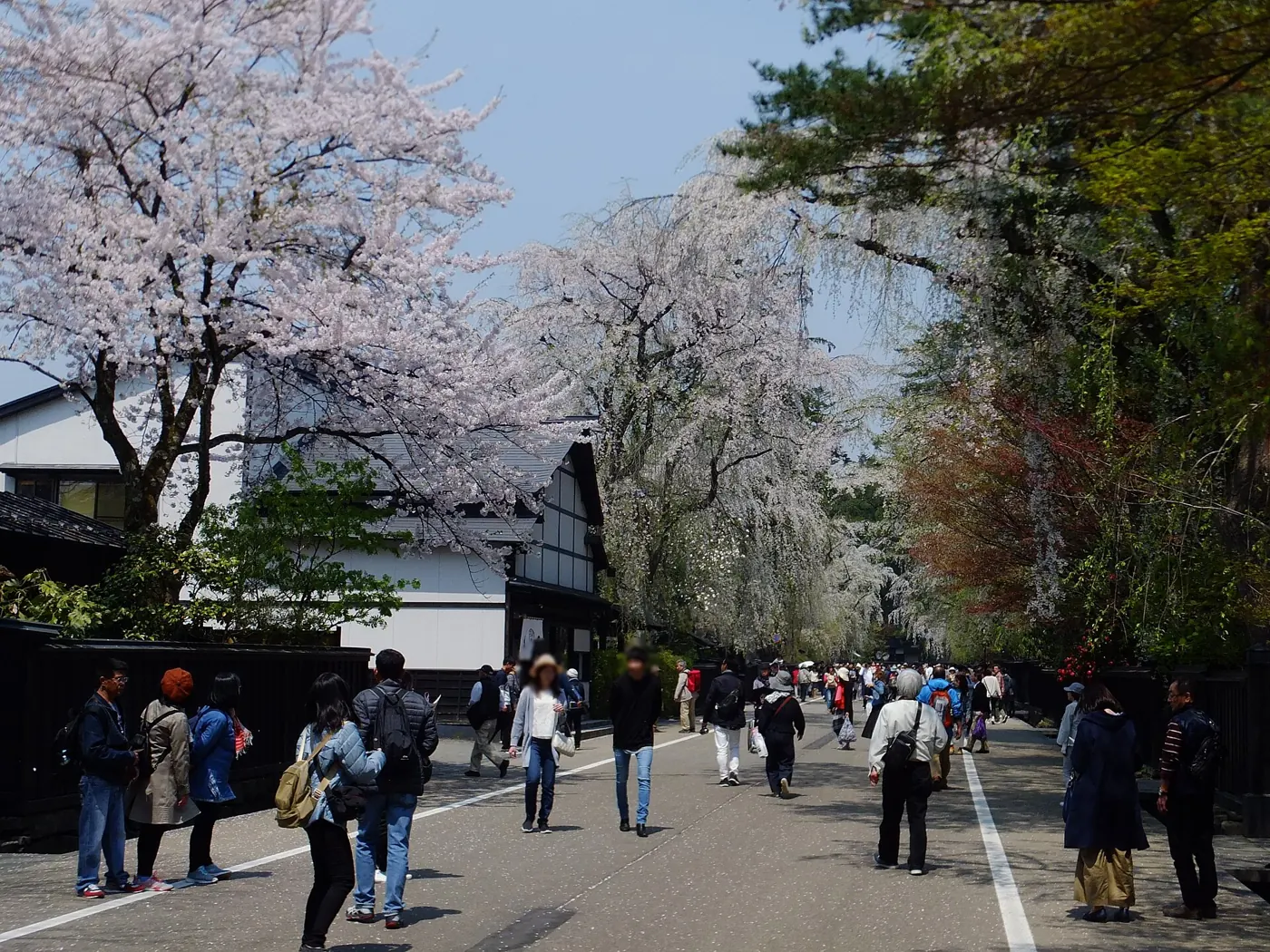 跡Kakunodate Samurai DistrictHistoric site · Tōhoku
Japan Tourism Agency explanations
旅Try it yourself: Samurai
Live prices and reviews from GetYourGuide. Many tours can be cancelled for free — check each listing.
Ad: we may earn a commission if you book through these links, at no extra cost to you.
Kenroku-en, the castle and the old teahouse streets with a local guide.
Check prices →Compare whether a rail pass saves money on your route before you buy tickets.
Check prices →Japan eSIM / mobile data
Ad: we may earn a commission if you book through these links, at no extra cost to you.
問Questions visitors ask
What is Samurai?
The samurai (侍) were members of the professional warrior class in pre-industrial Japan, who served as retainers to the lords.
Where can I see Samurai?
Places on Torii Guide where it is mentioned include: Glover Garden (Nagasaki), Kakunodate Samurai District.
芸Performing arts & ways (dō)
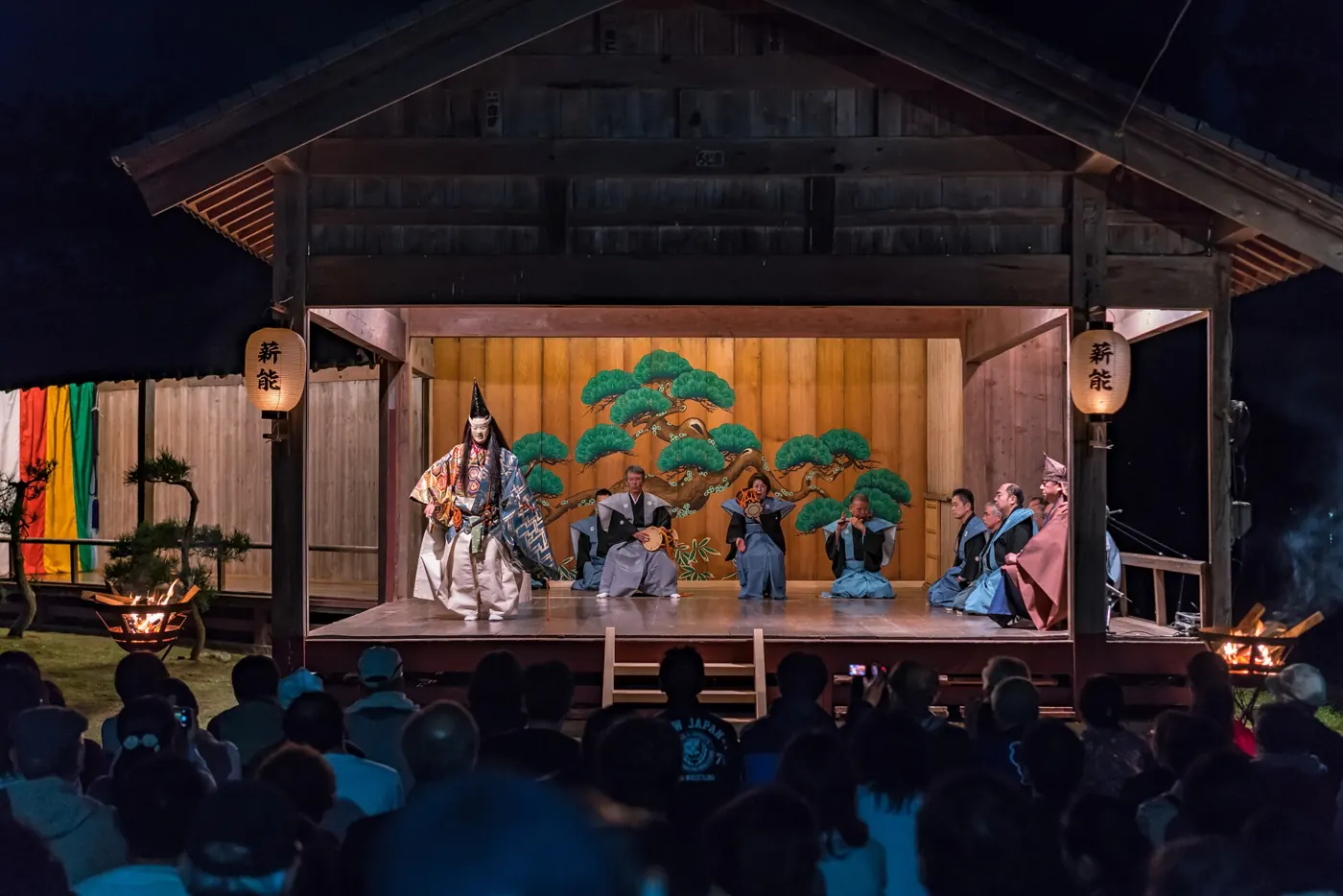 Noh能
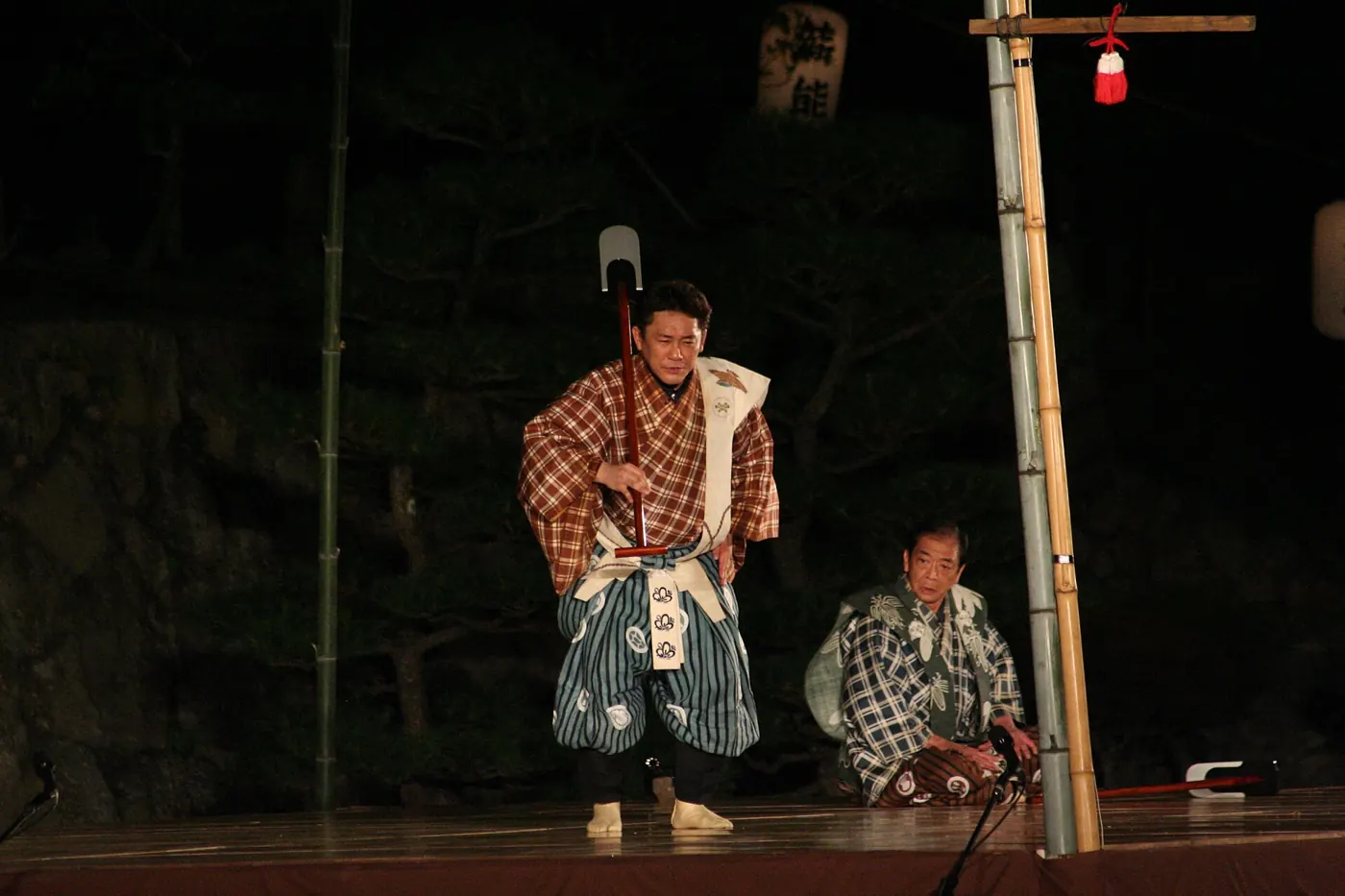 Kyōgen狂言
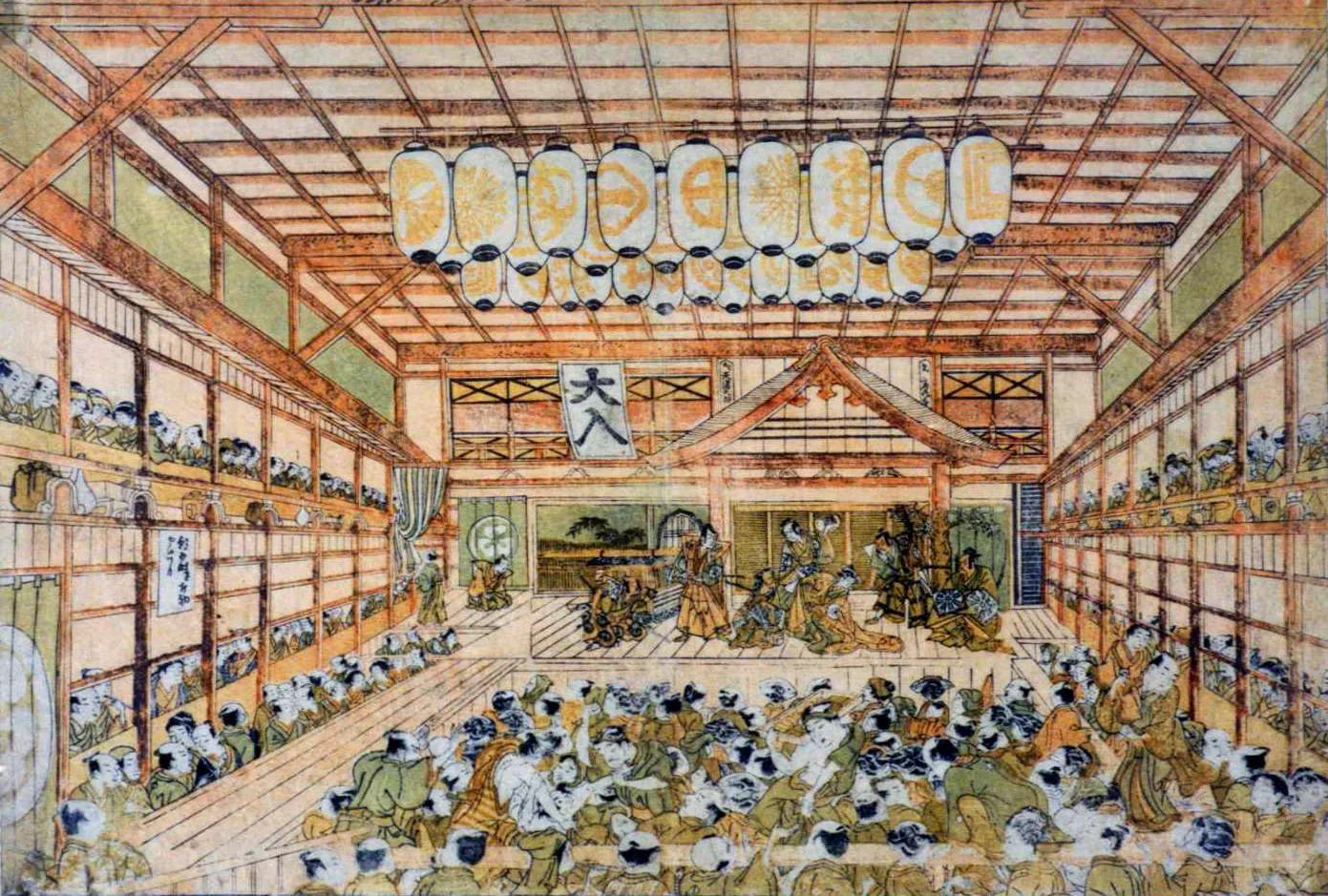 Kabuki歌舞伎
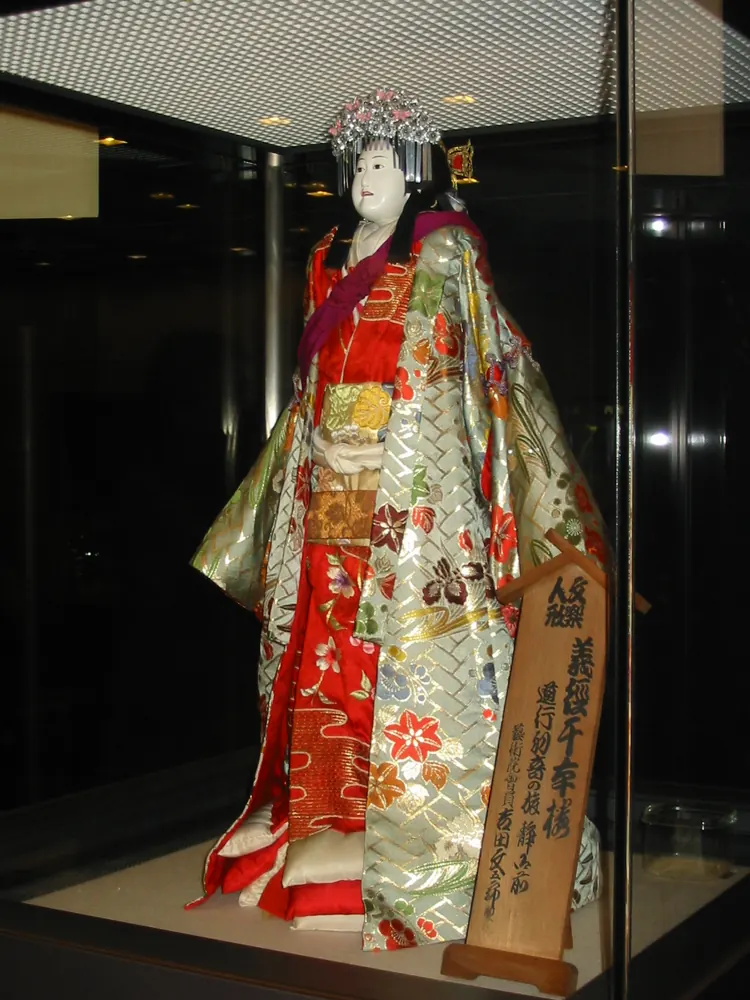 Bunraku文楽
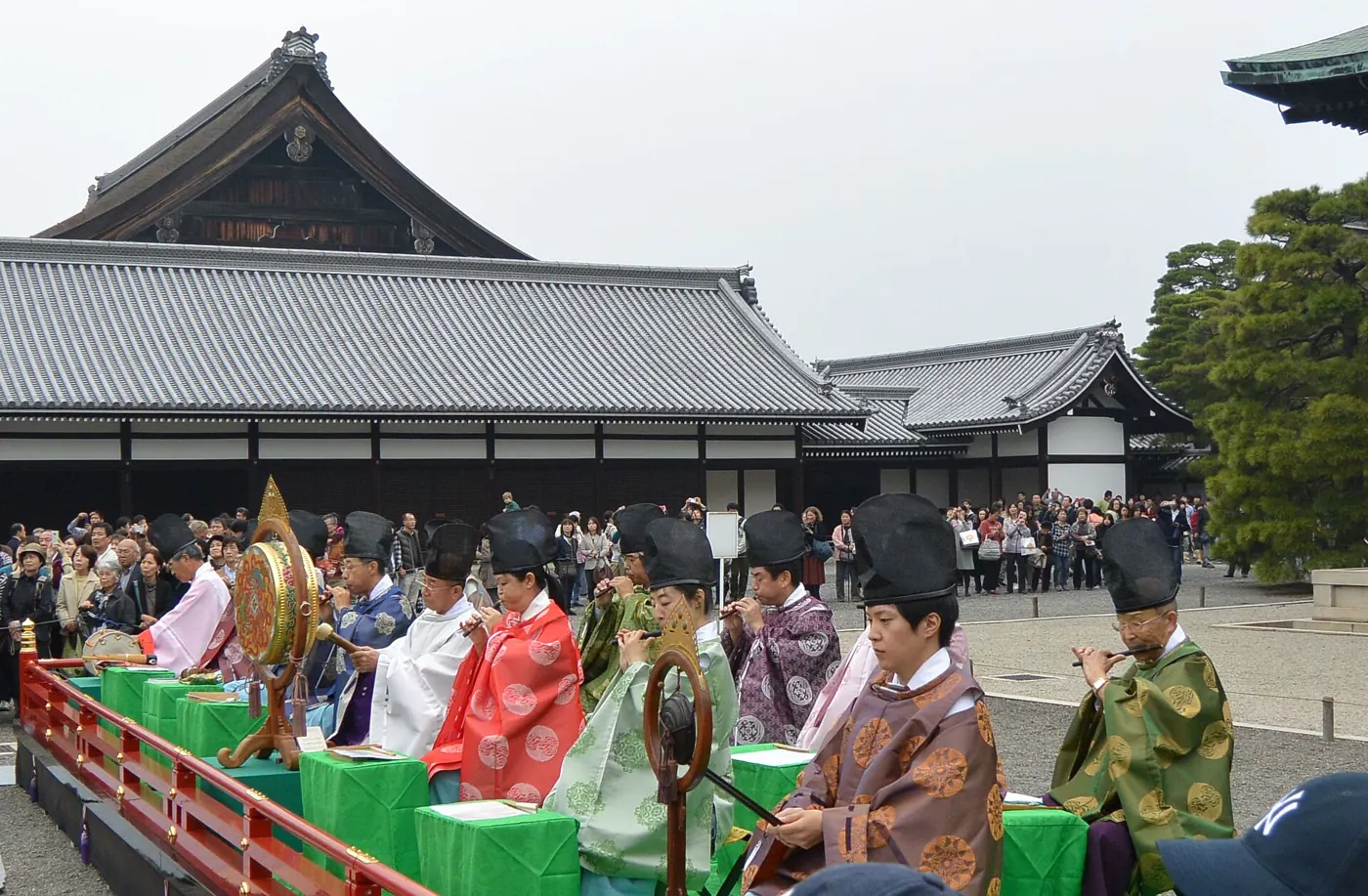 Gagaku日本の雅楽
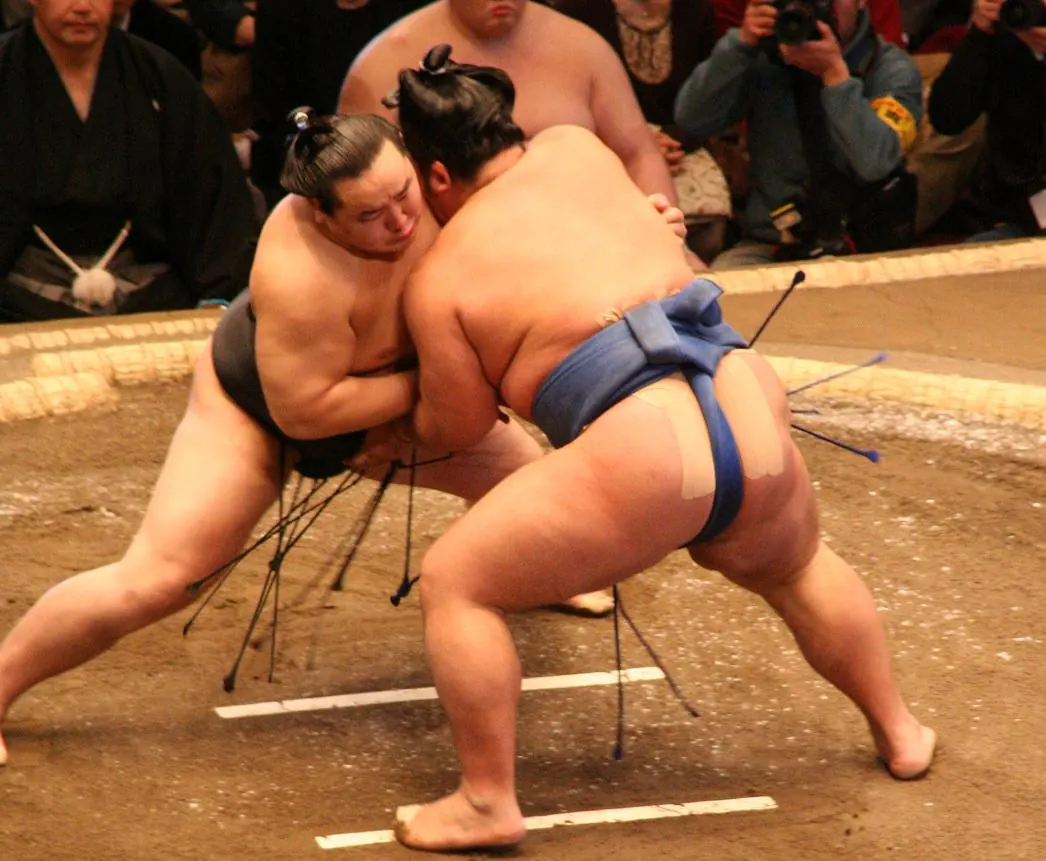 Sumo相撲
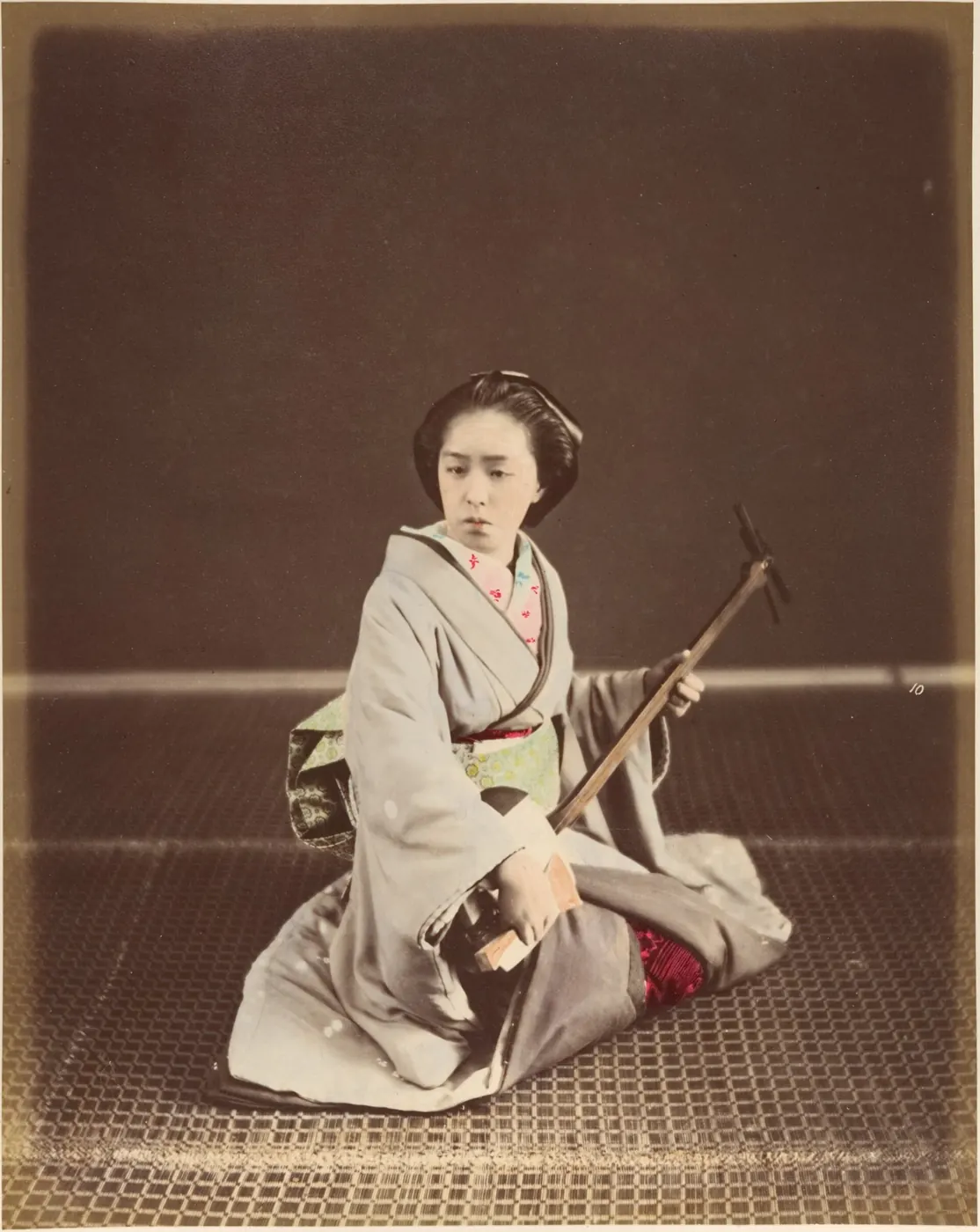 Geisha芸妓
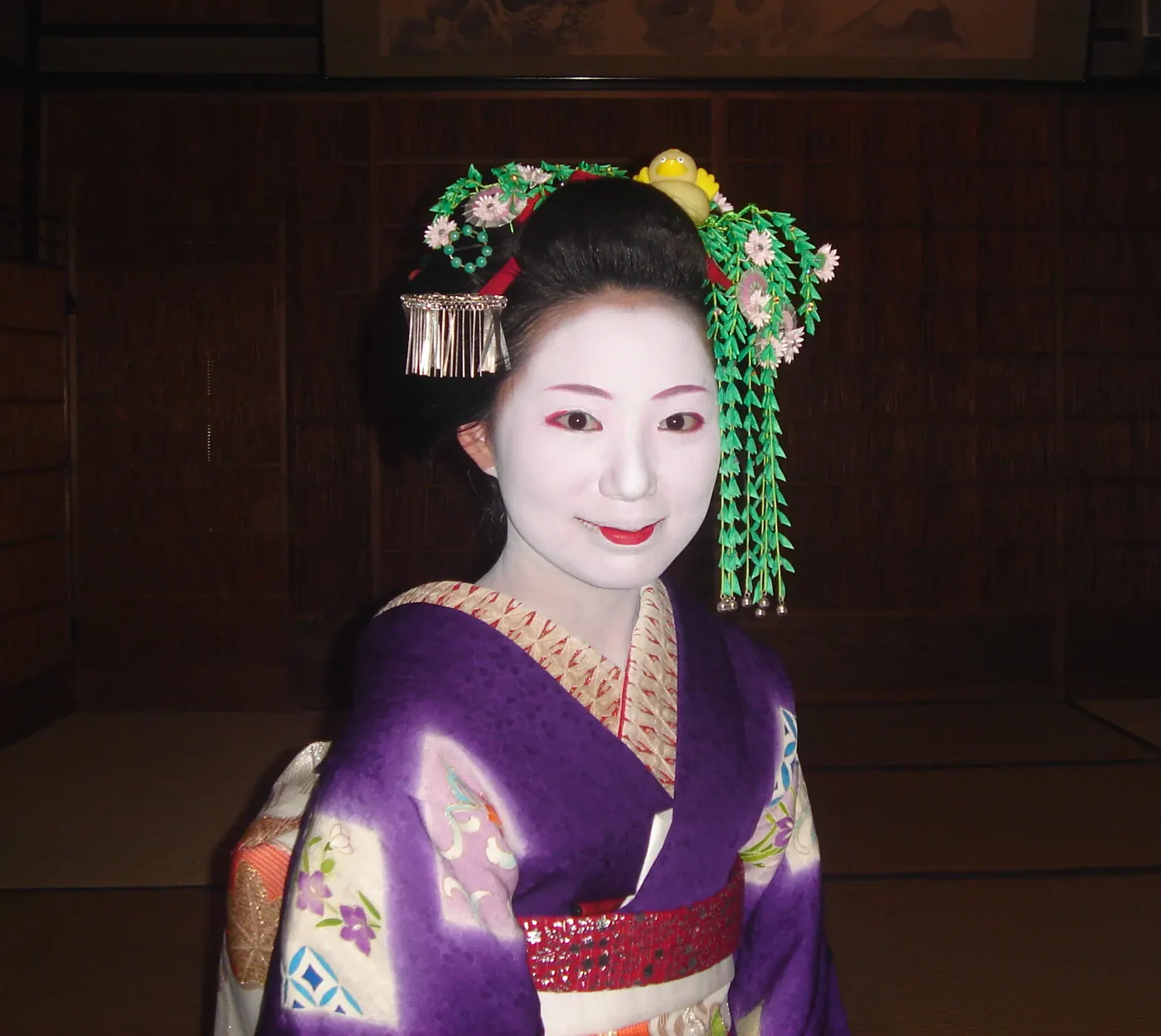 Maiko舞妓
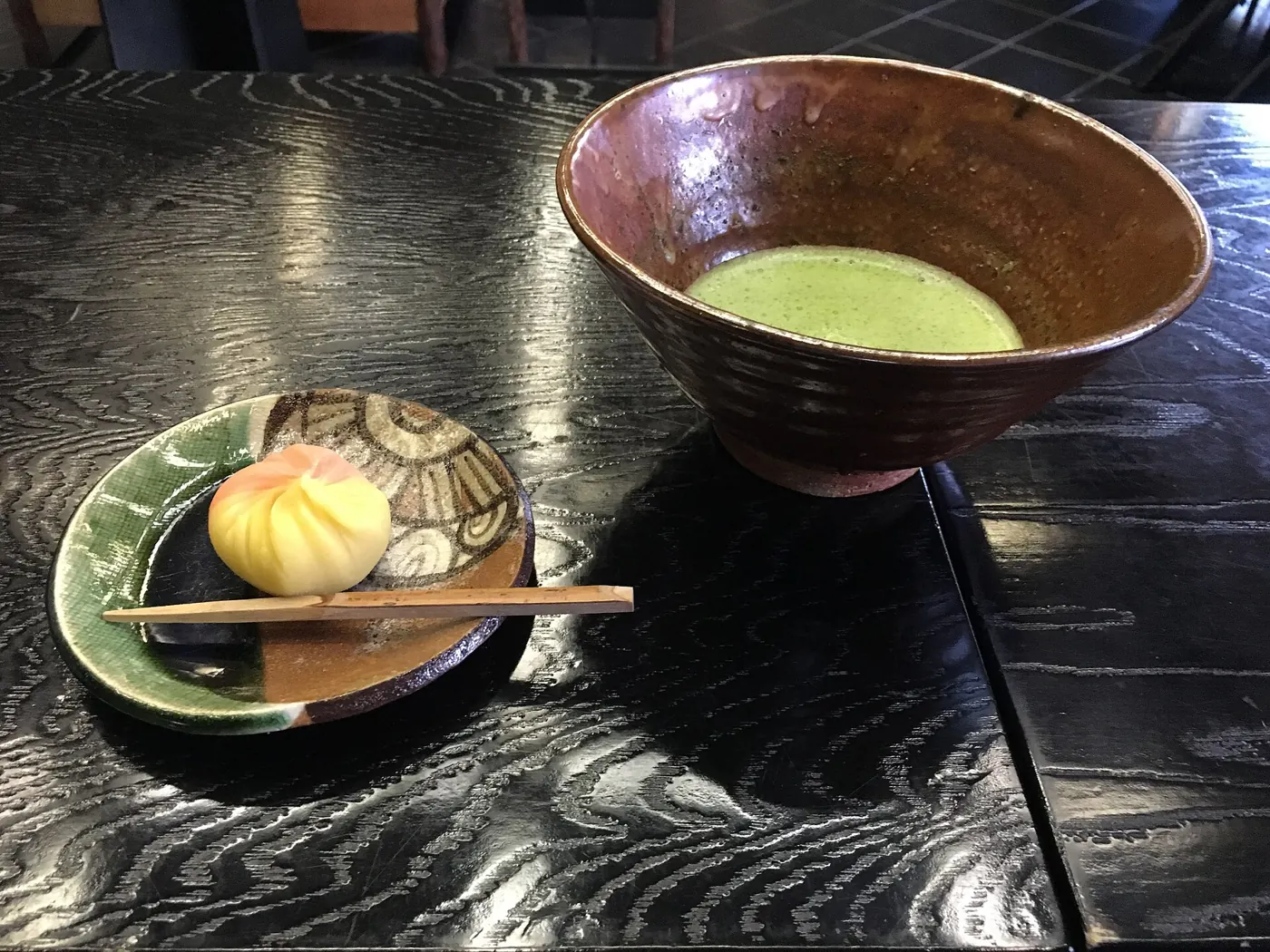 Sadō茶道
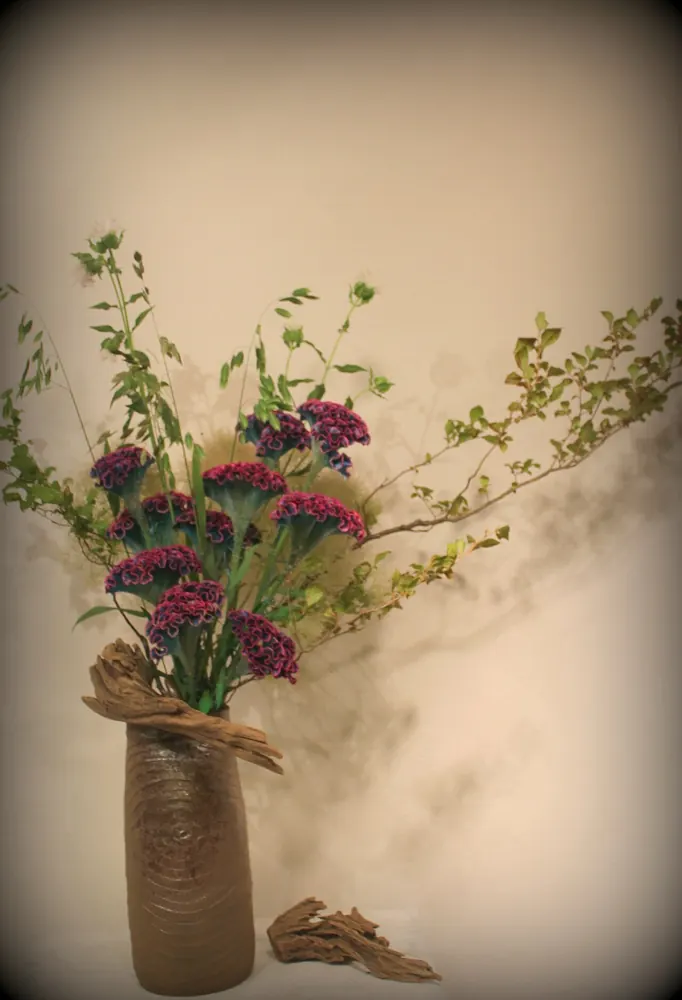 Ikebana生け花
 Shodō書
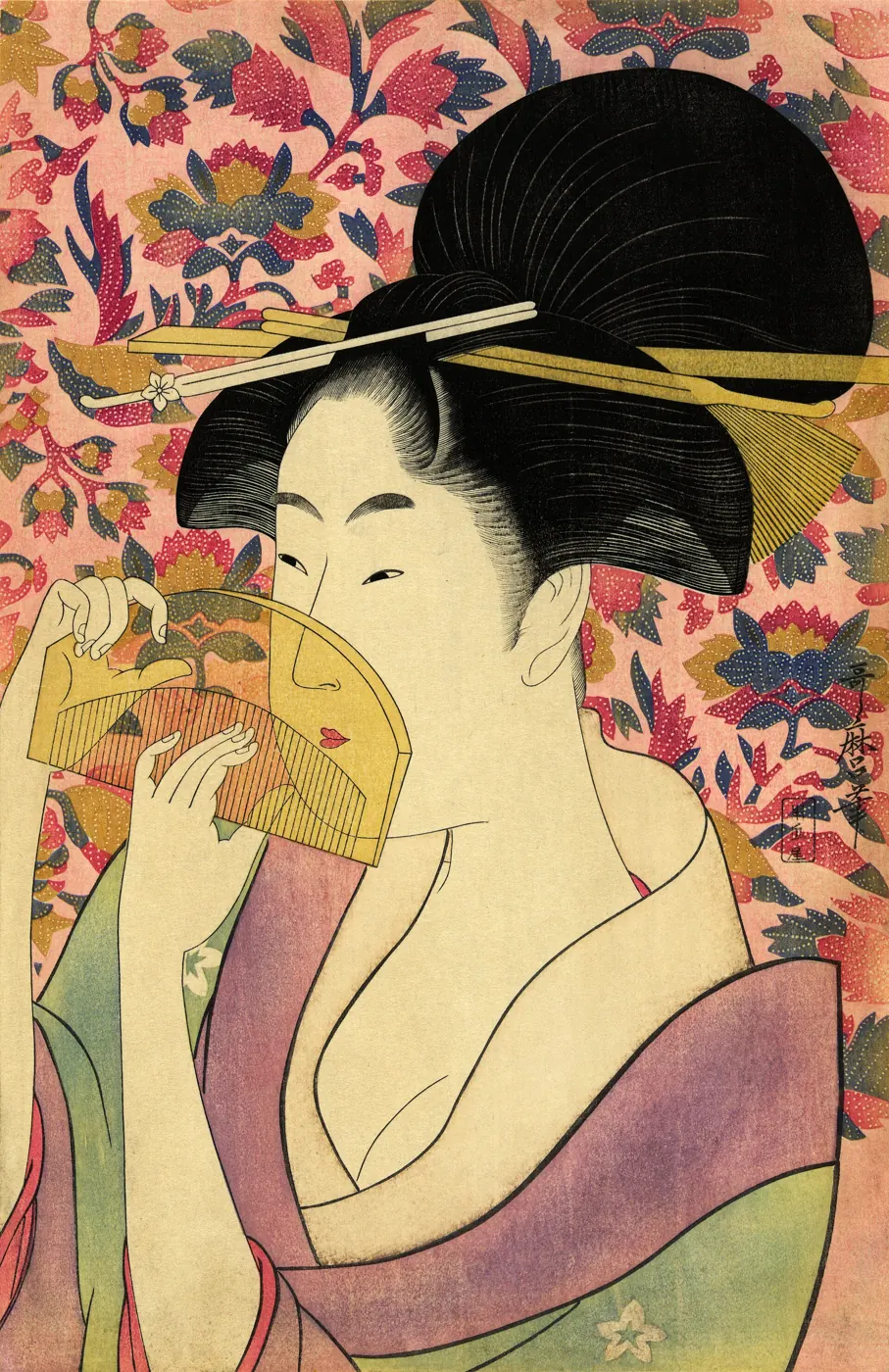 Ukiyo-e浮世絵
Open the scanner and compare →