What is this? › Performing arts & ways (dō)
歌舞伎Kabuki
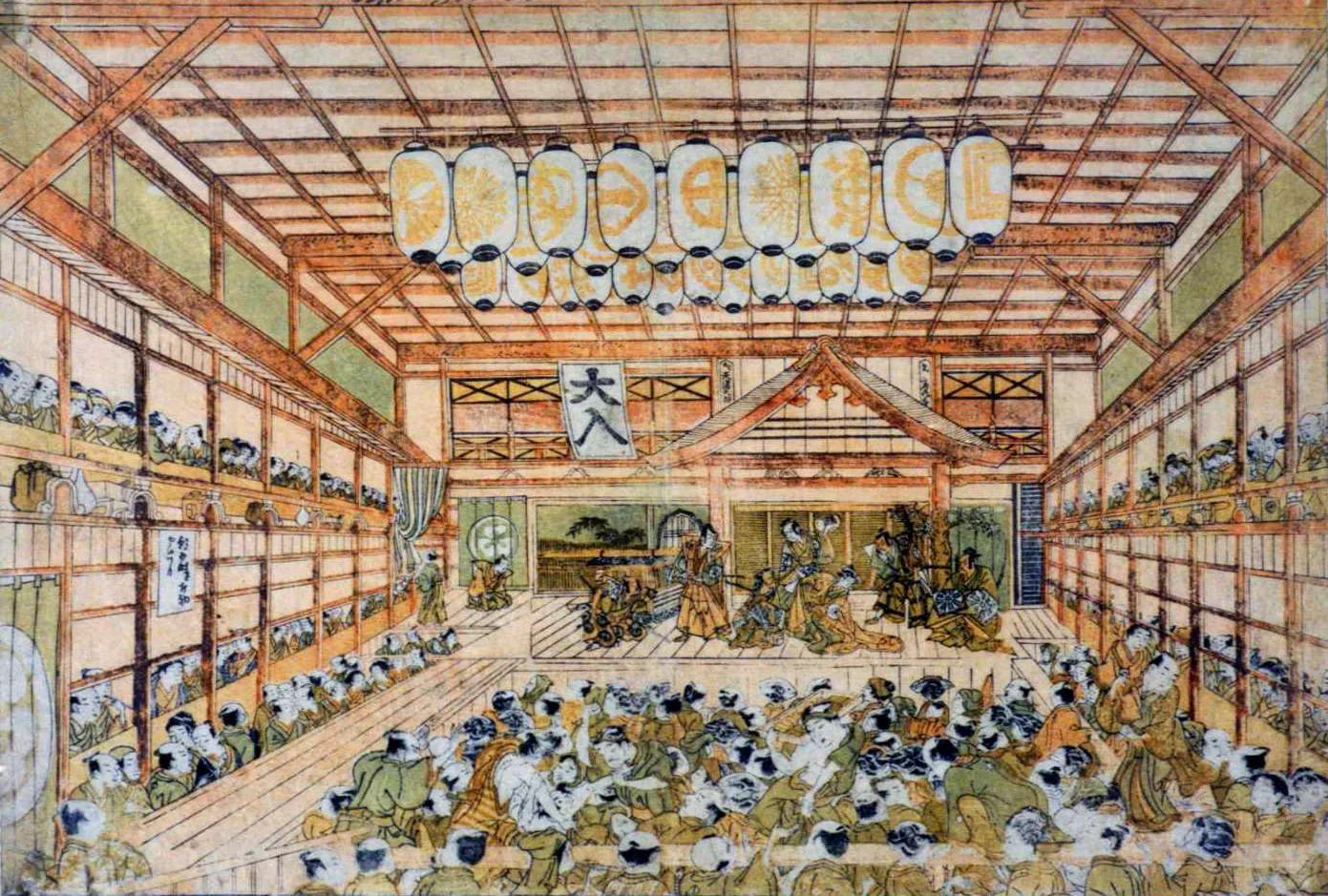
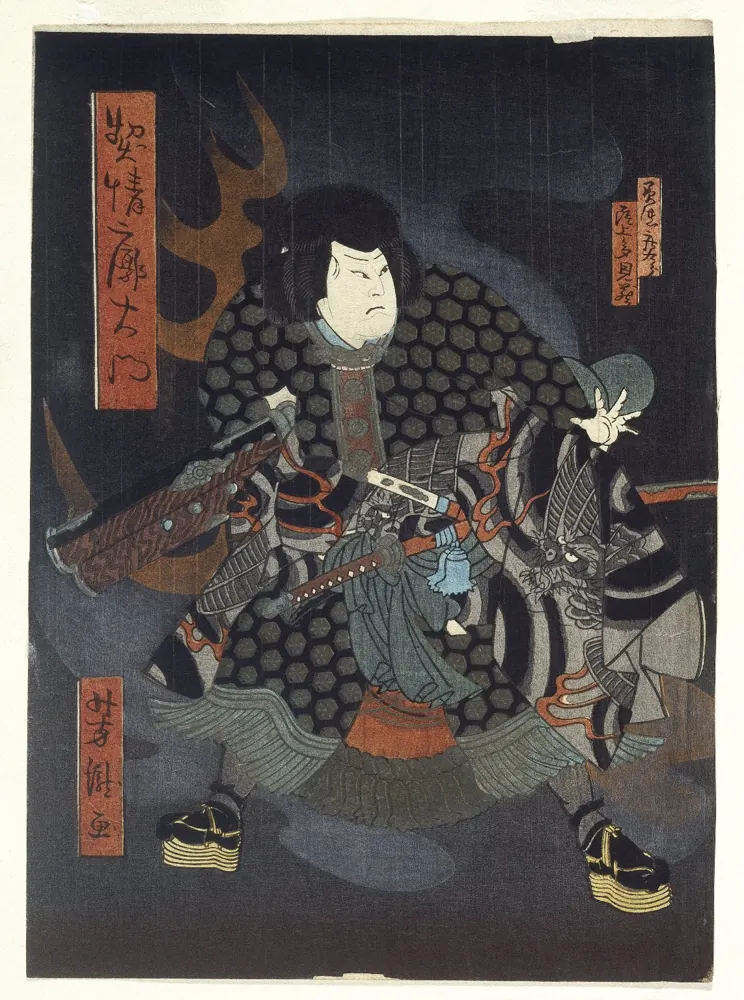
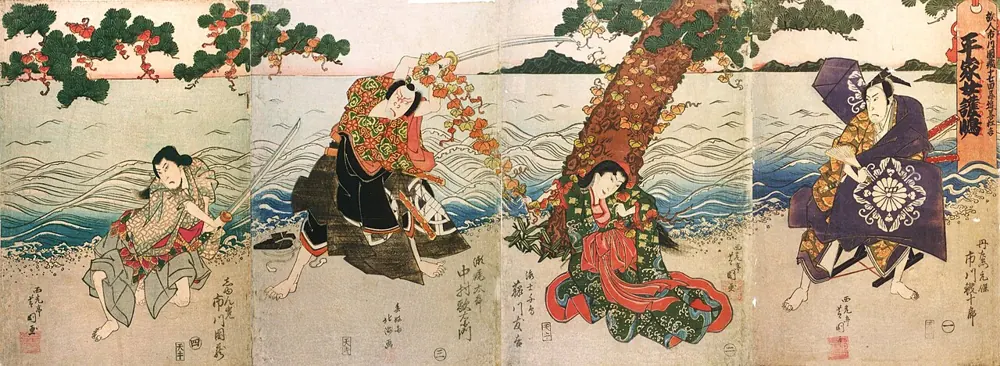
Kabuki (歌舞伎; Japanese pronunciation:) is a classical form of Japanese theatre, mixing dramatic performance with traditional dance. Kabuki theatre is known for its heavily stylised performances, its glamorous, highly decorated costumes, and for the elaborate kumadori make-up worn by some of its performers.
Kabuki is thought to have originated in the early Edo period, when the art's founder, Izumo no Okuni, formed a female dance troupe that performed dances and light sketches in Kyoto. The art form later developed into its present all-male theatrical form after women were banned from performing in kabuki theatre in 1629. Kabuki developed throughout the late 17th century and reached its zenith in the mid-18th century.
In 2005, kabuki theatre was proclaimed by UNESCO as an intangible heritage possessing outstanding universal value. In 2008, it was inscribed in the UNESCO Representative List of the Intangible Cultural Heritage of Humanity.
Text from Wikipedia: Kabuki — CC BY-SA 4.0. Read more on Wikipedia →
Japan Tourism Agency explanations
旅Try it yourself: Kabuki
Live prices and reviews from GetYourGuide. Many tours can be cancelled for free — check each listing.
Ad: we may earn a commission if you book through these links, at no extra cost to you.
Compare whether a rail pass saves money on your route before you buy tickets.
Check prices →Japan eSIM / mobile data
Ad: we may earn a commission if you book through these links, at no extra cost to you.
問Questions visitors ask
What is Kabuki?
Kabuki (歌舞伎; Japanese pronunciation: [ka.
芸Performing arts & ways (dō)
 Noh能
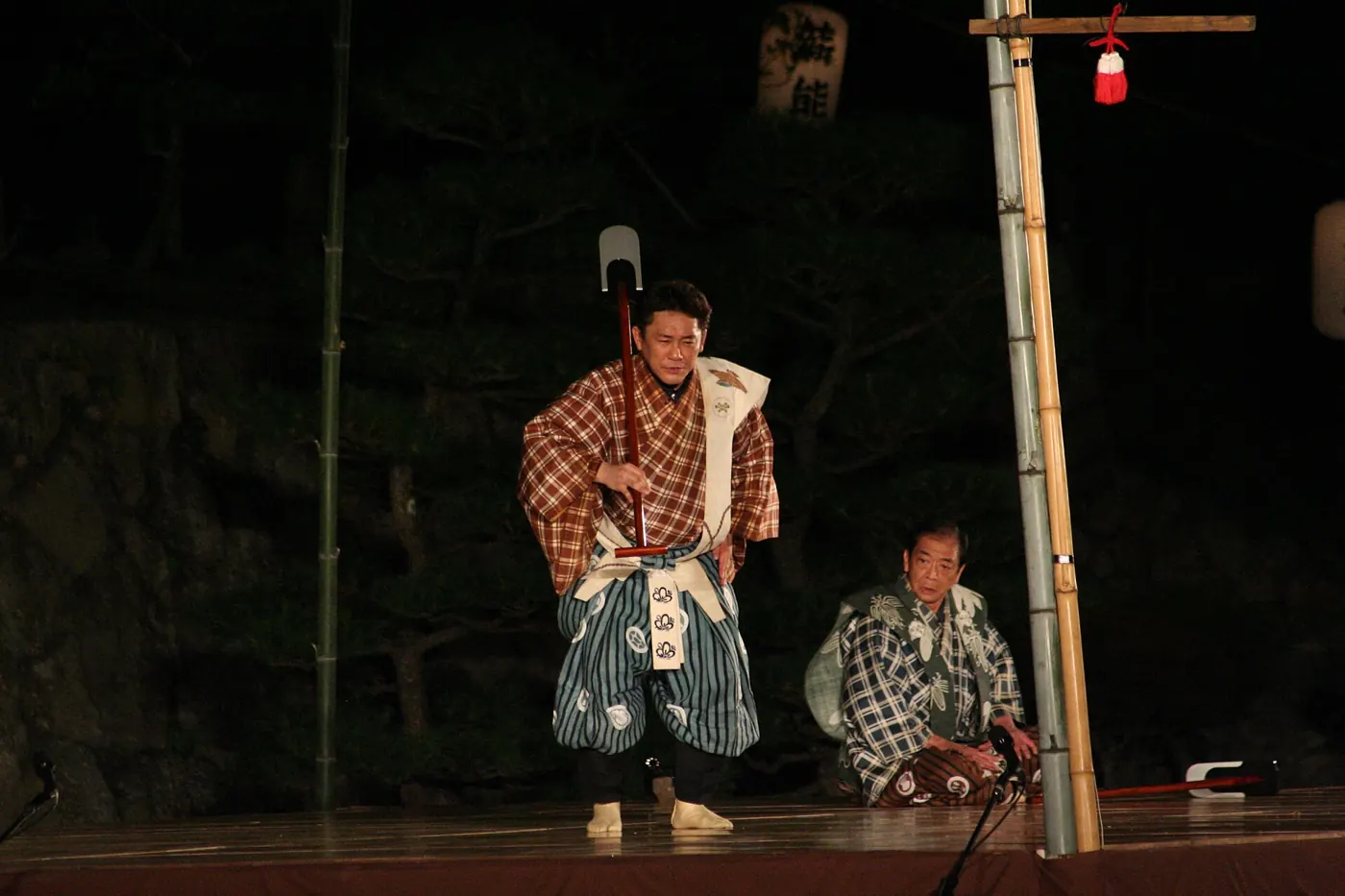 Kyōgen狂言
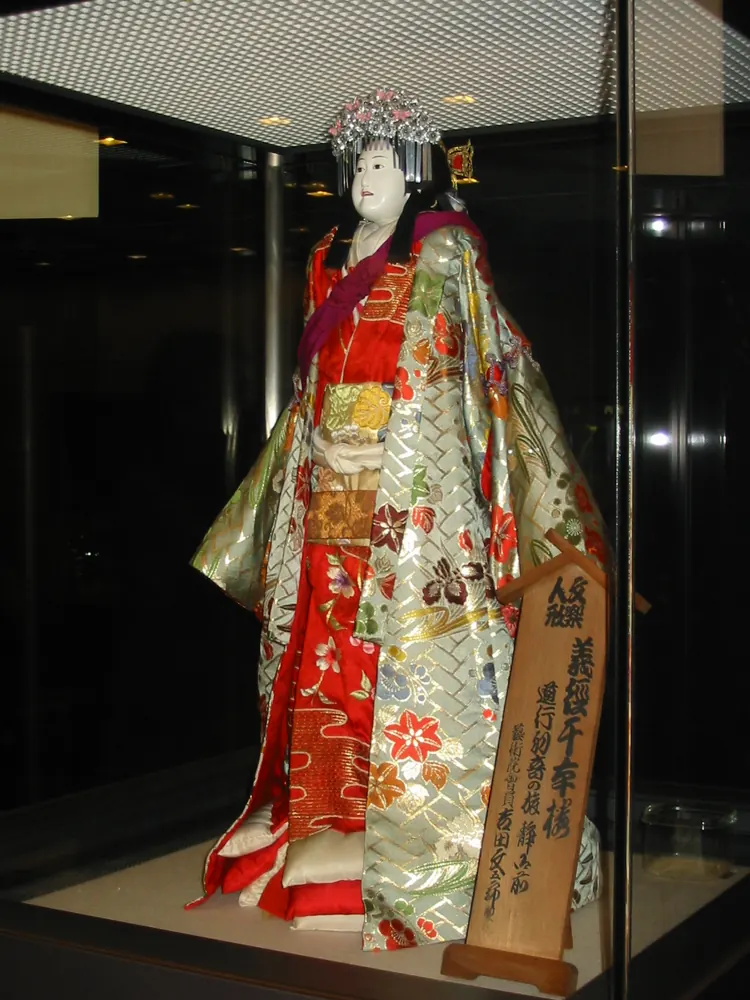 Bunraku文楽
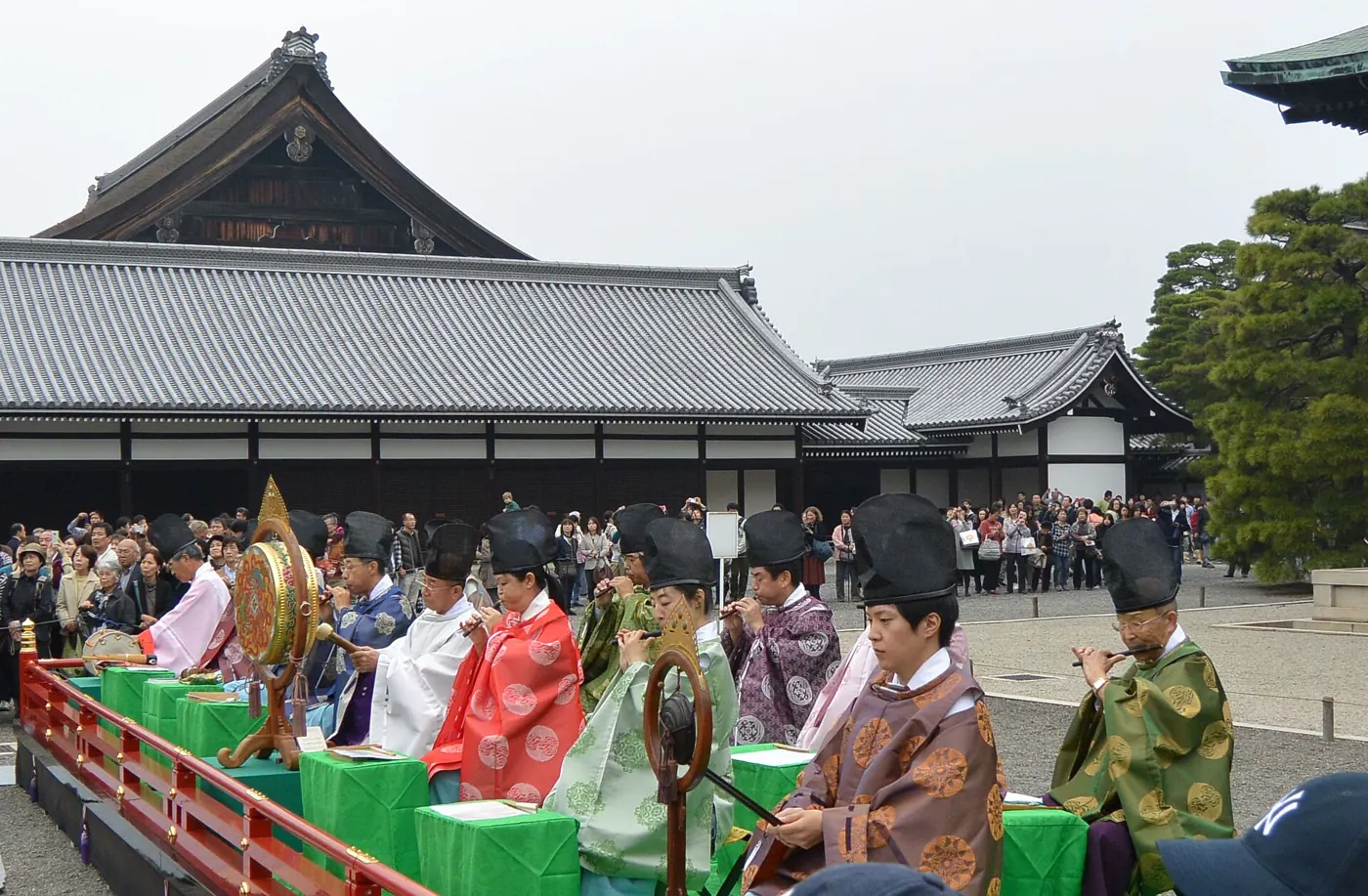 Gagaku日本の雅楽
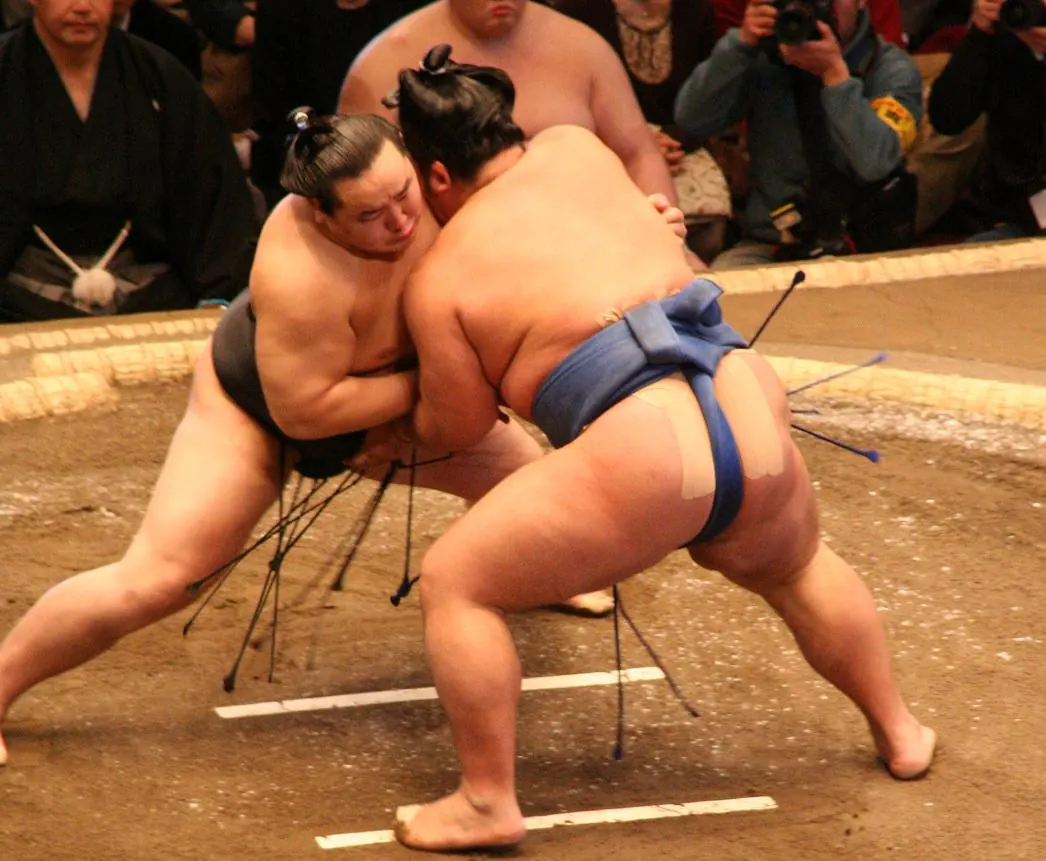 Sumo相撲
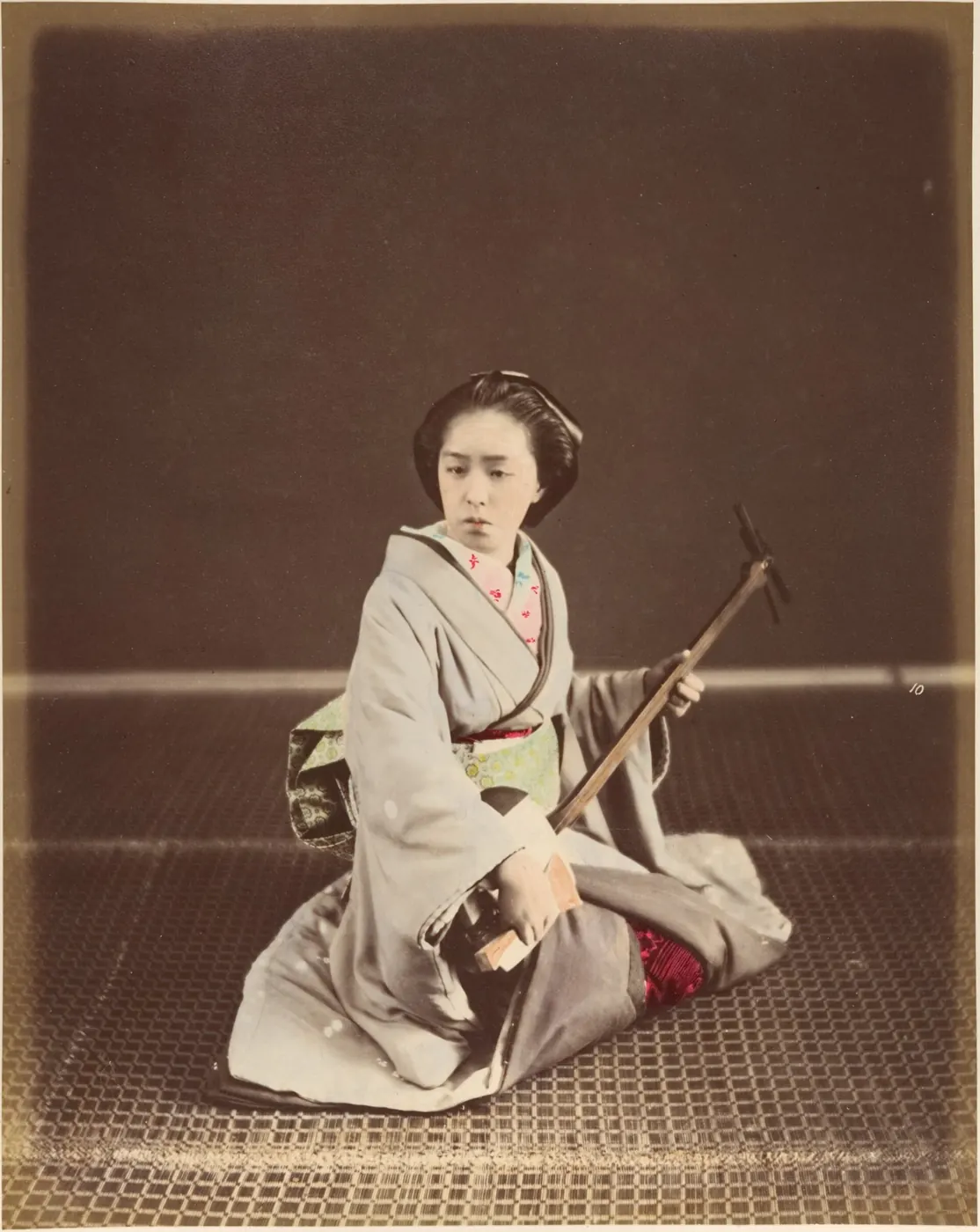 Geisha芸妓
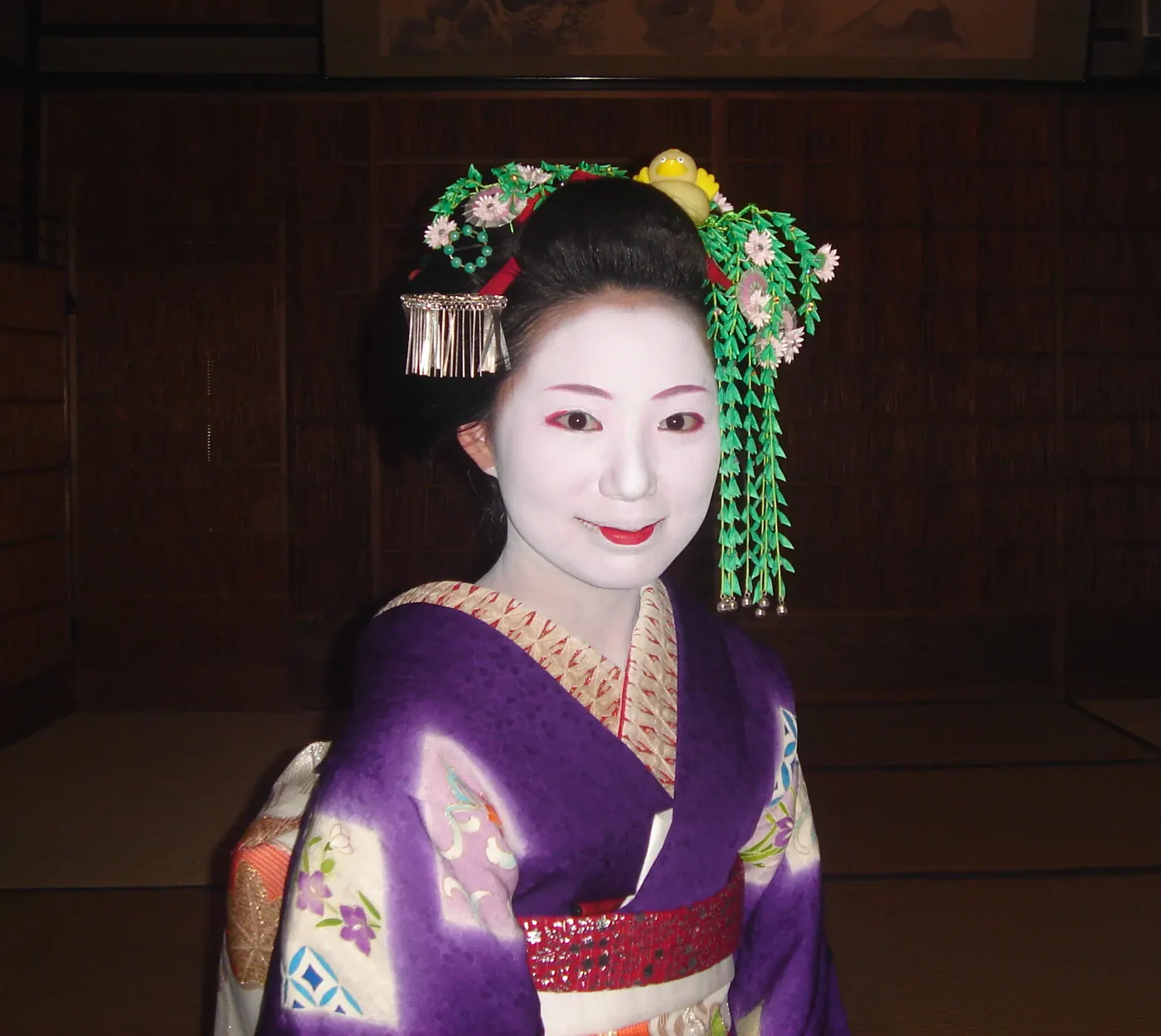 Maiko舞妓
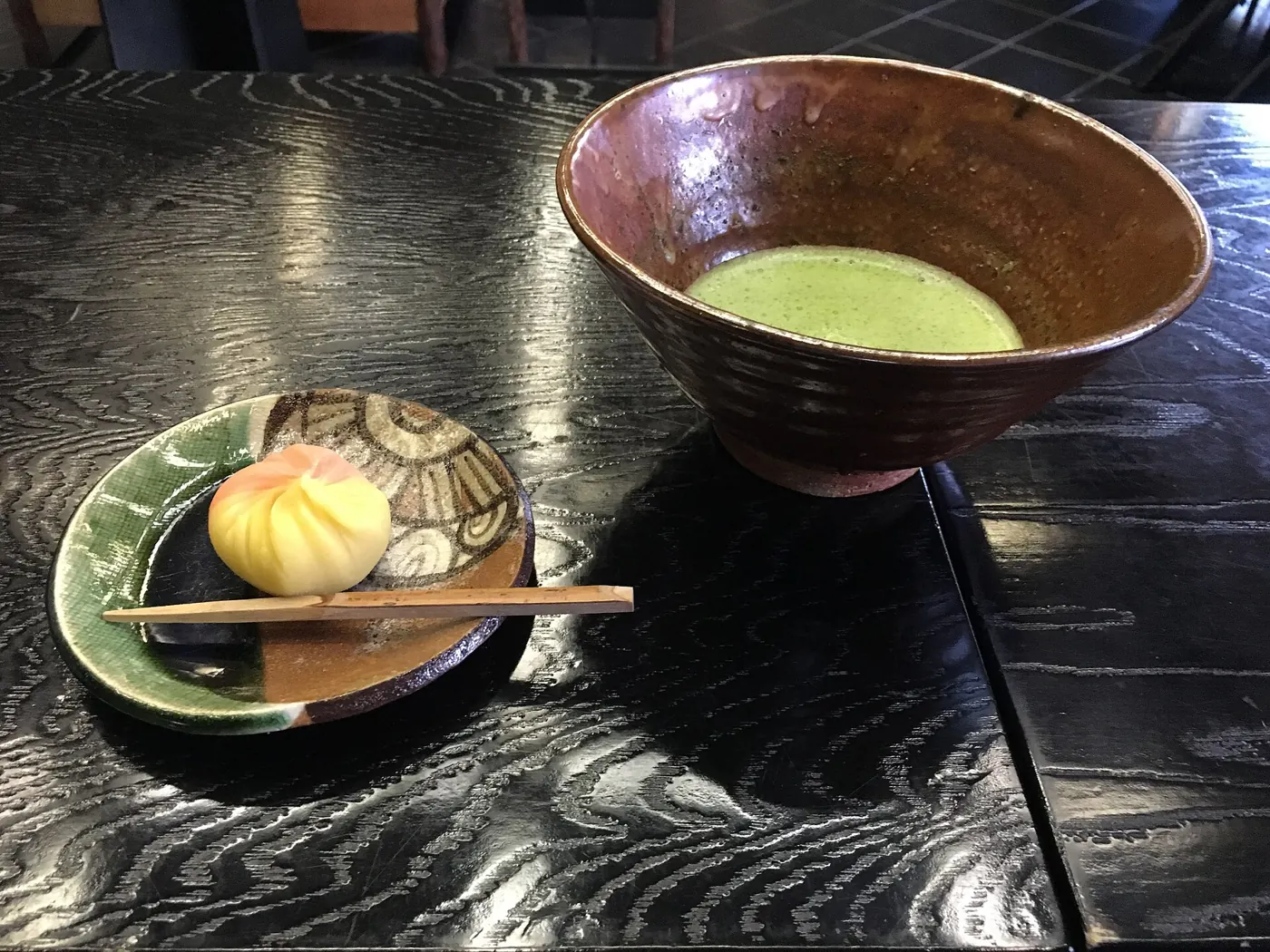 Sadō茶道
 Ikebana生け花
 Shodō書
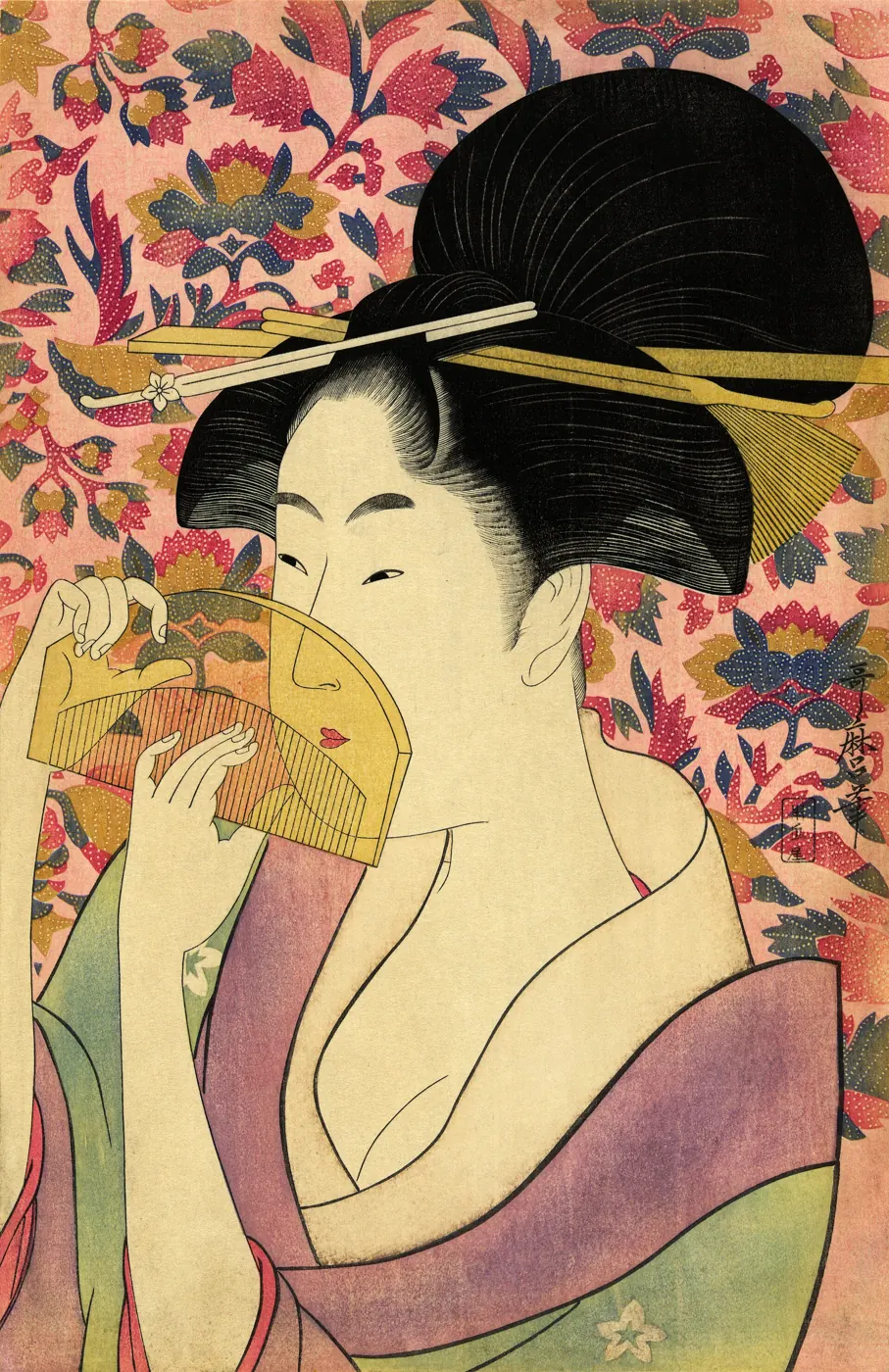 Ukiyo-e浮世絵
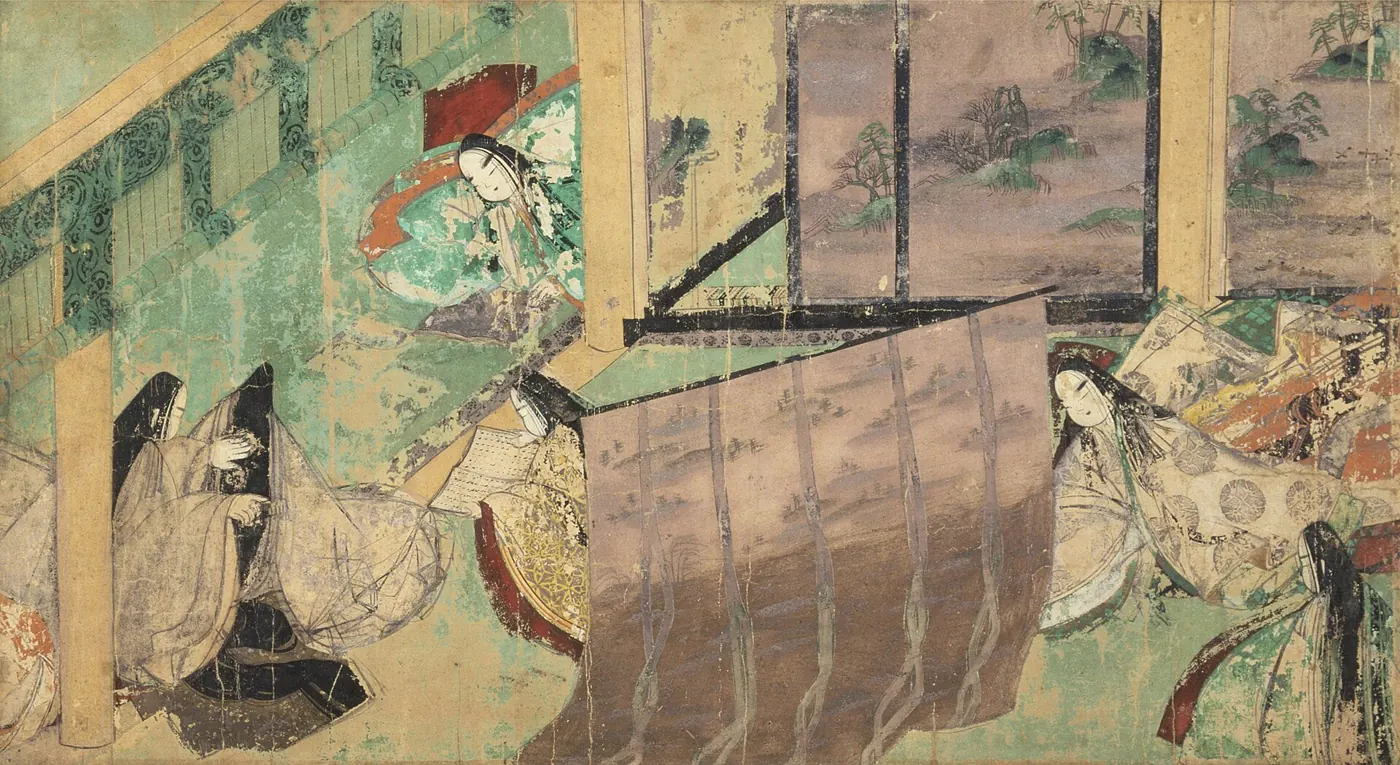 Yamato-e大和絵
Open the scanner and compare →