What is this? › Performing arts & ways (dō)
能Noh

Noh (能, Nō; Japanese pronunciation:, Sino-Japanese for "ability") is a major form of classical Japanese dance-drama that has been performed since the 14th century. It is Japan's oldest major theater art that is still regularly performed today. Noh is often based on tales from traditional literature featuring a supernatural being transformed into a human hero who narrates the story. Noh integrates masks, costumes and various props in a dance-based performance, requiring highly trained actors and musicians. Emotions are primarily conveyed by stylized conventional gestures while the iconic masks represent specific roles such as ghosts, women, deities, and demons. Having a strong emphasis on tradition rather than innovation, Noh is highly codified and regulated by the iemoto system.
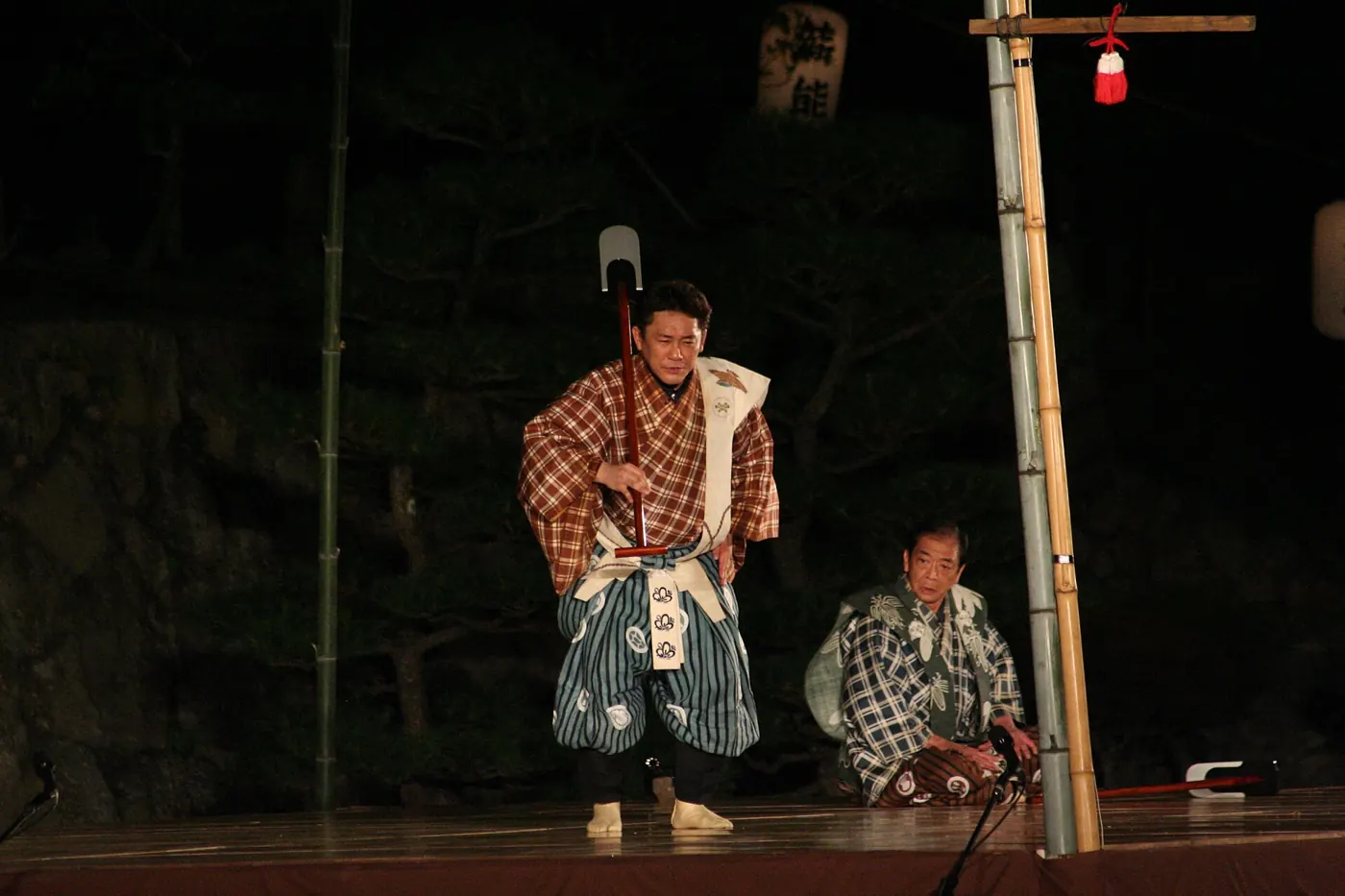
Although the terms Noh and nōgaku are sometimes used interchangeably, nōgaku encompasses both Noh and kyōgen. Traditionally, a full nōgaku program included several Noh plays with comedic kyōgen plays in between; an abbreviated program of two Noh plays with one kyōgen piece has become common today.
Text from Wikipedia: Noh — CC BY-SA 4.0. Read more on Wikipedia →
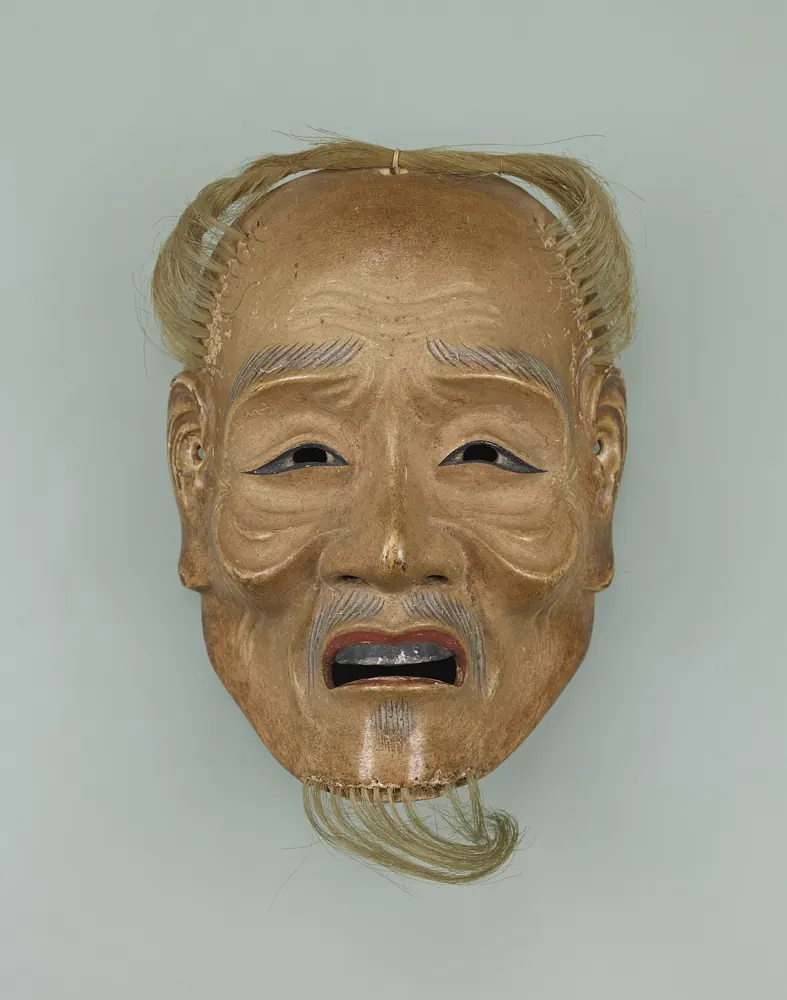
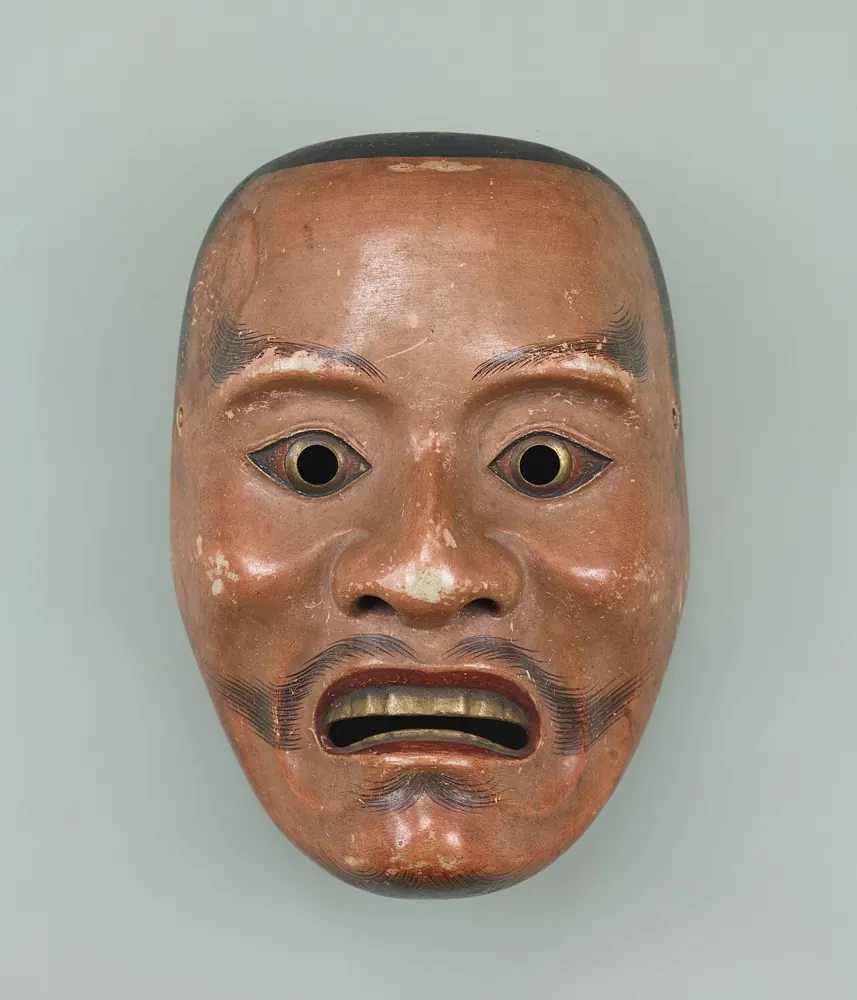
Japan Tourism Agency explanations
旅Try it yourself: Noh
Live prices and reviews from GetYourGuide. Many tours can be cancelled for free — check each listing.
Ad: we may earn a commission if you book through these links, at no extra cost to you.
Compare whether a rail pass saves money on your route before you buy tickets.
Check prices →Japan eSIM / mobile data
Ad: we may earn a commission if you book through these links, at no extra cost to you.
問Questions visitors ask
What is Noh?
Noh (能, Nō; Japanese pronunciation: [nó̞ò̞, nò̞ó̞, nó̞ó̞], Sino-Japanese for "ability") is a major form of classical Japanese dance-drama that has been performed since the 14th century.
芸Performing arts & ways (dō)
 Kyōgen狂言
 Kabuki歌舞伎
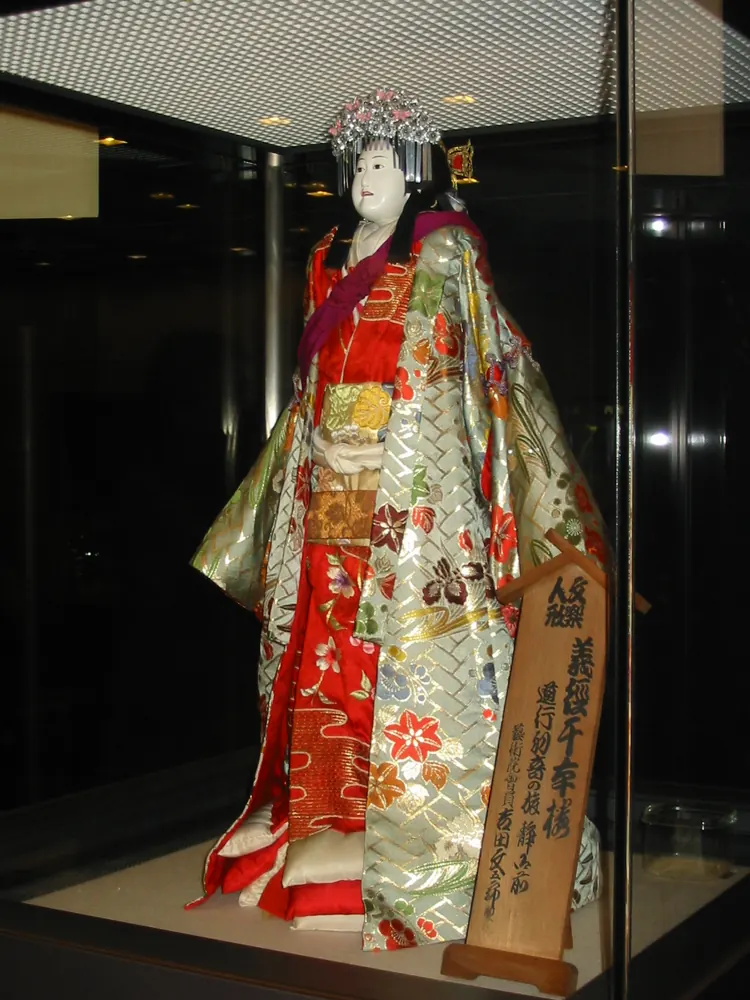 Bunraku文楽
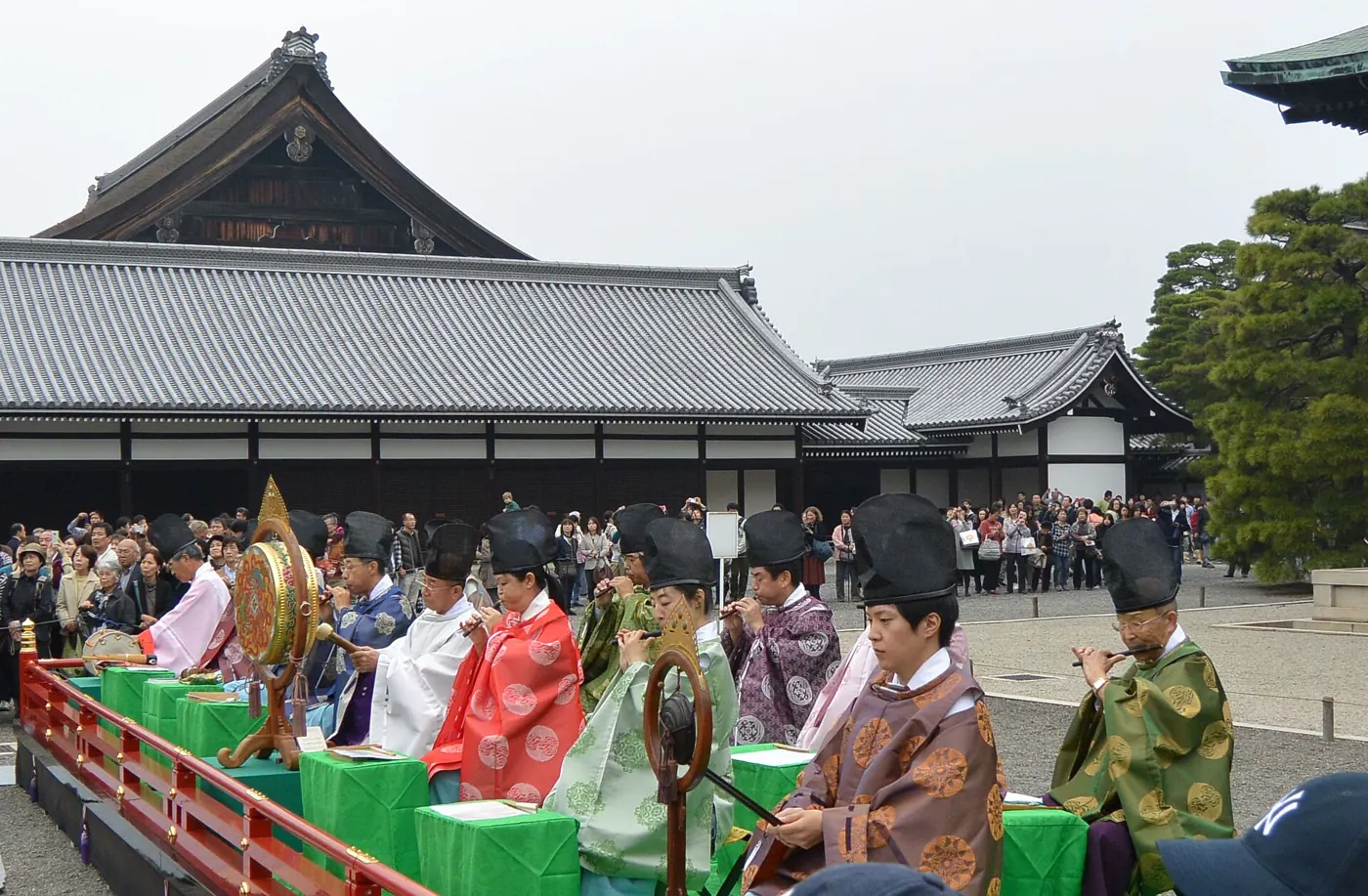 Gagaku日本の雅楽
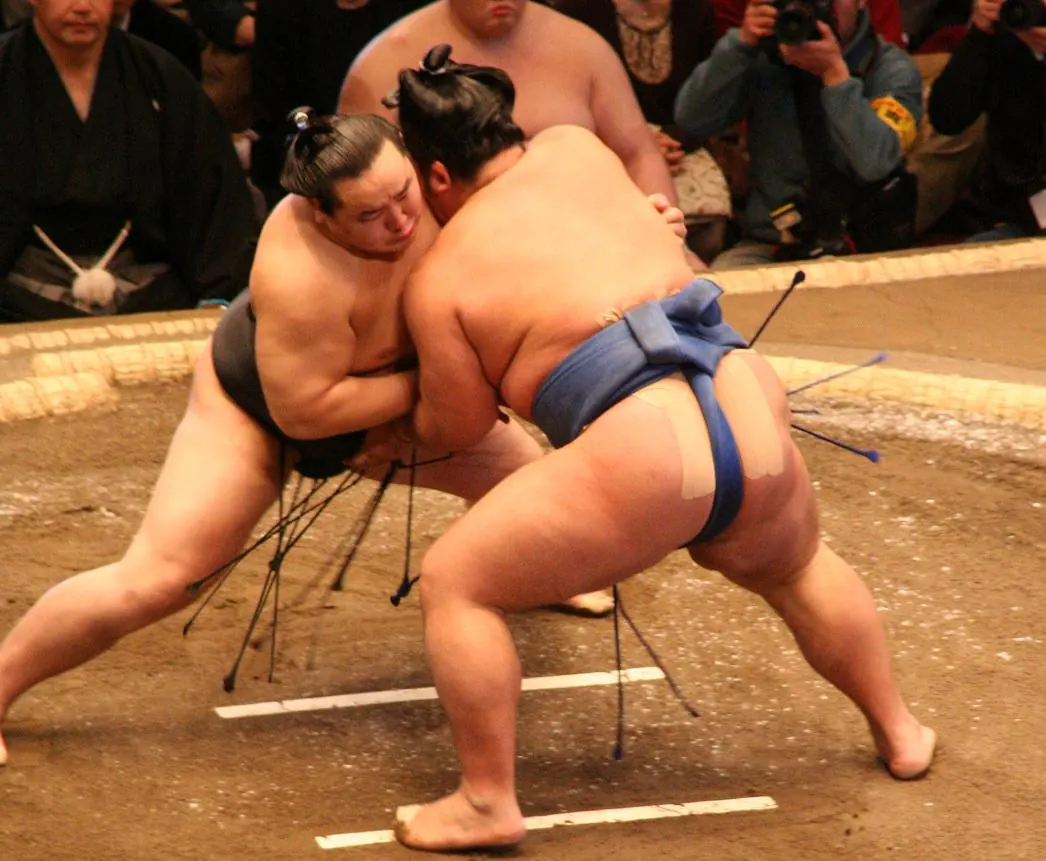 Sumo相撲
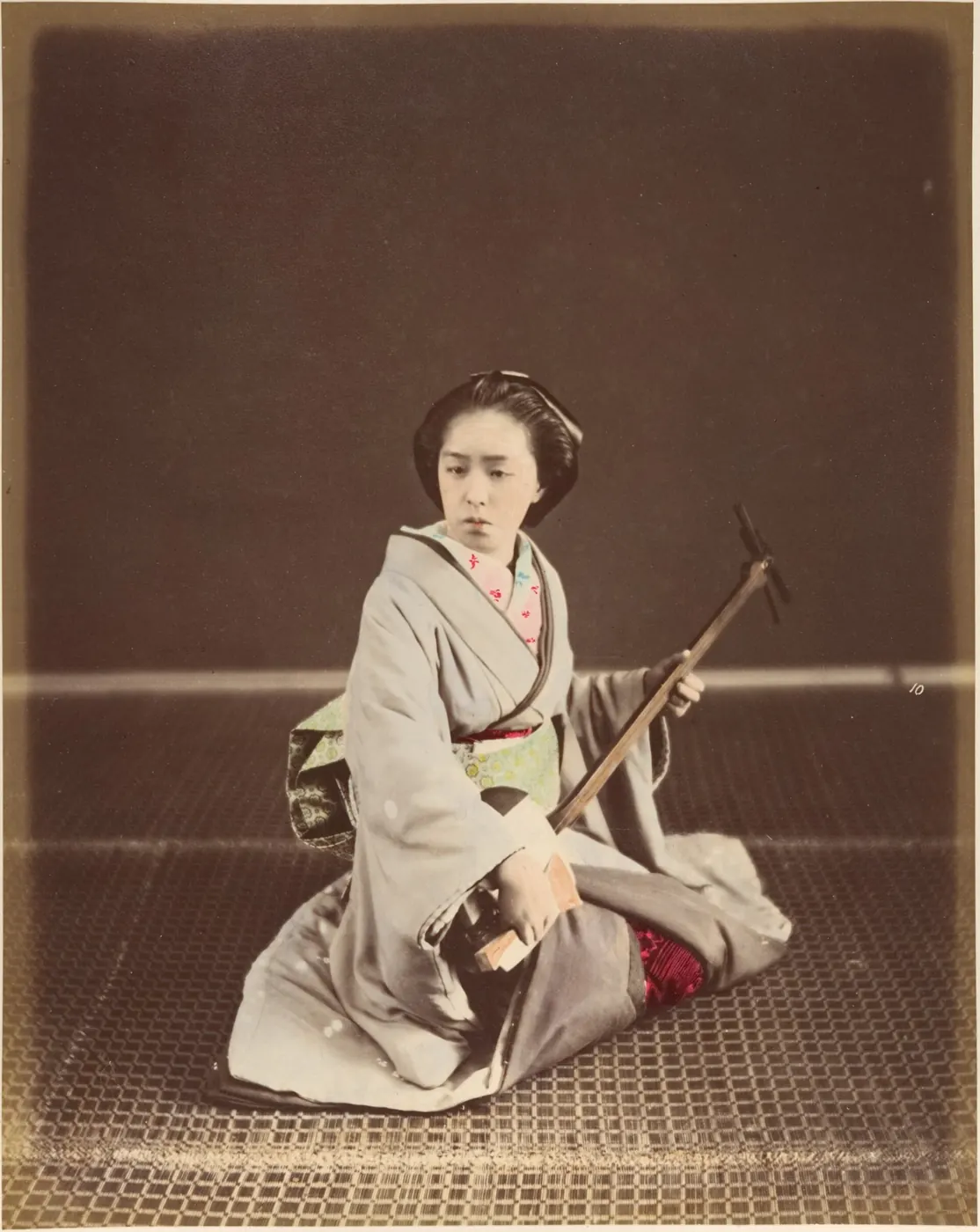 Geisha芸妓
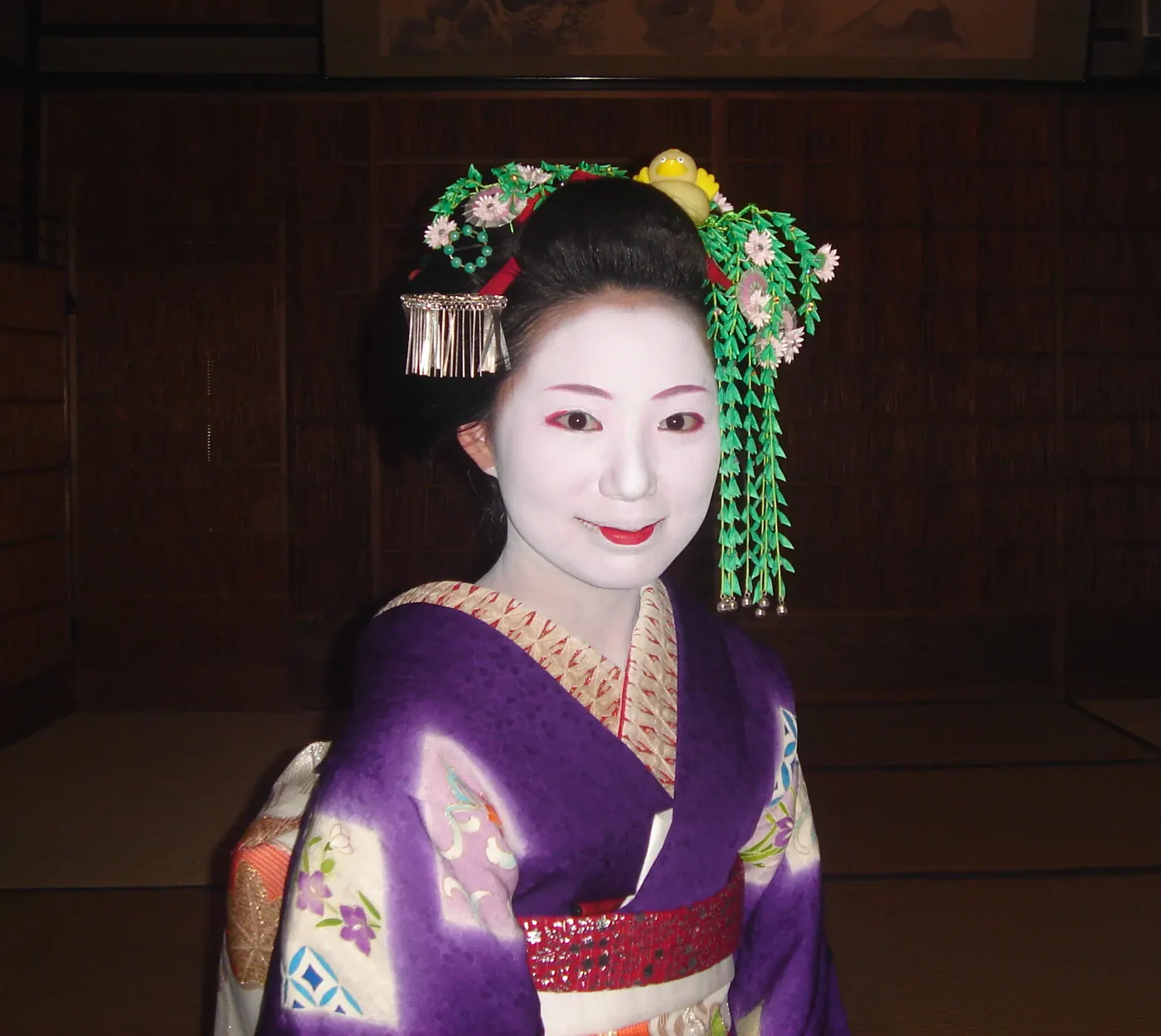 Maiko舞妓
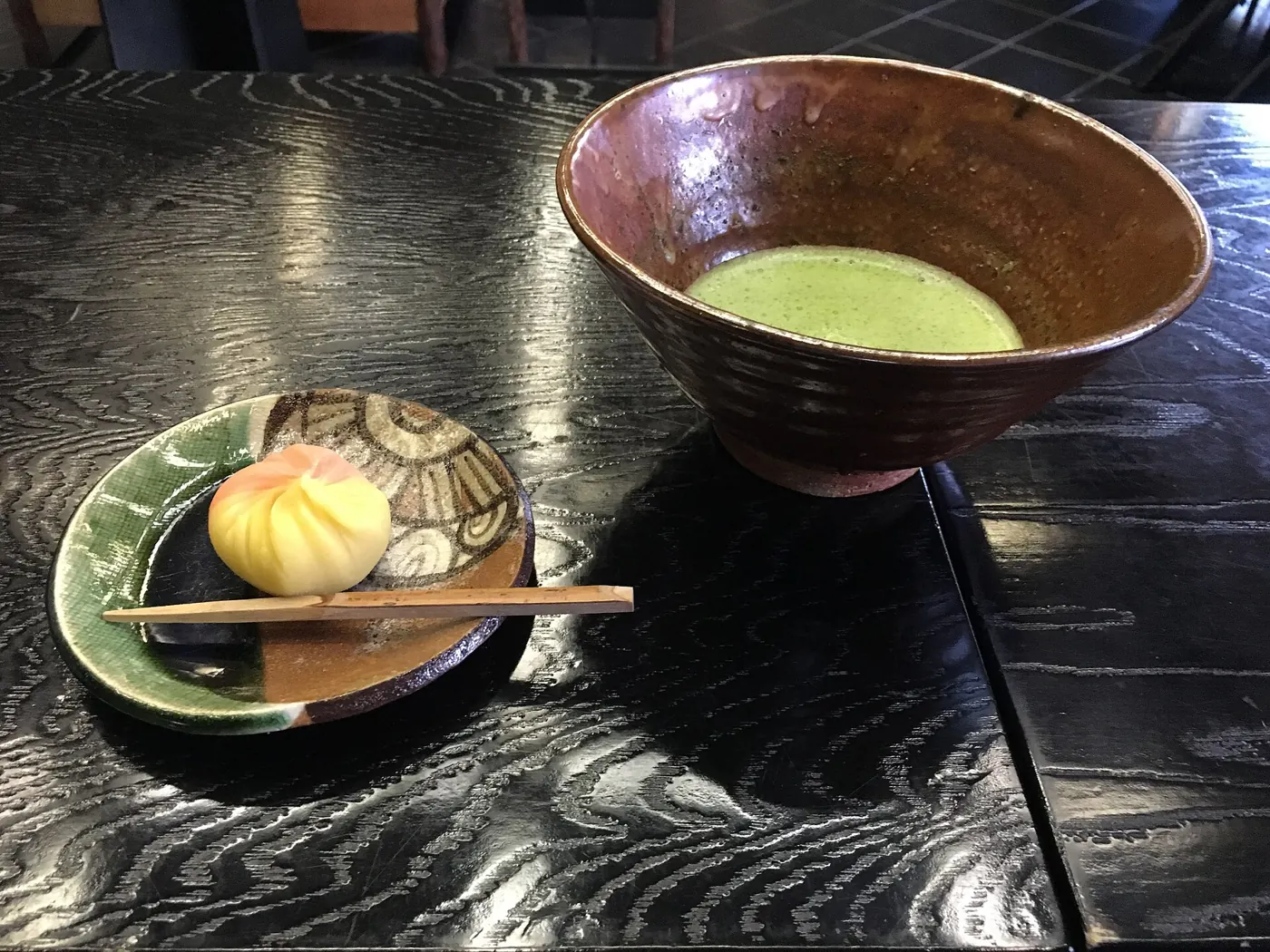 Sadō茶道
 Ikebana生け花
 Shodō書
 Ukiyo-e浮世絵
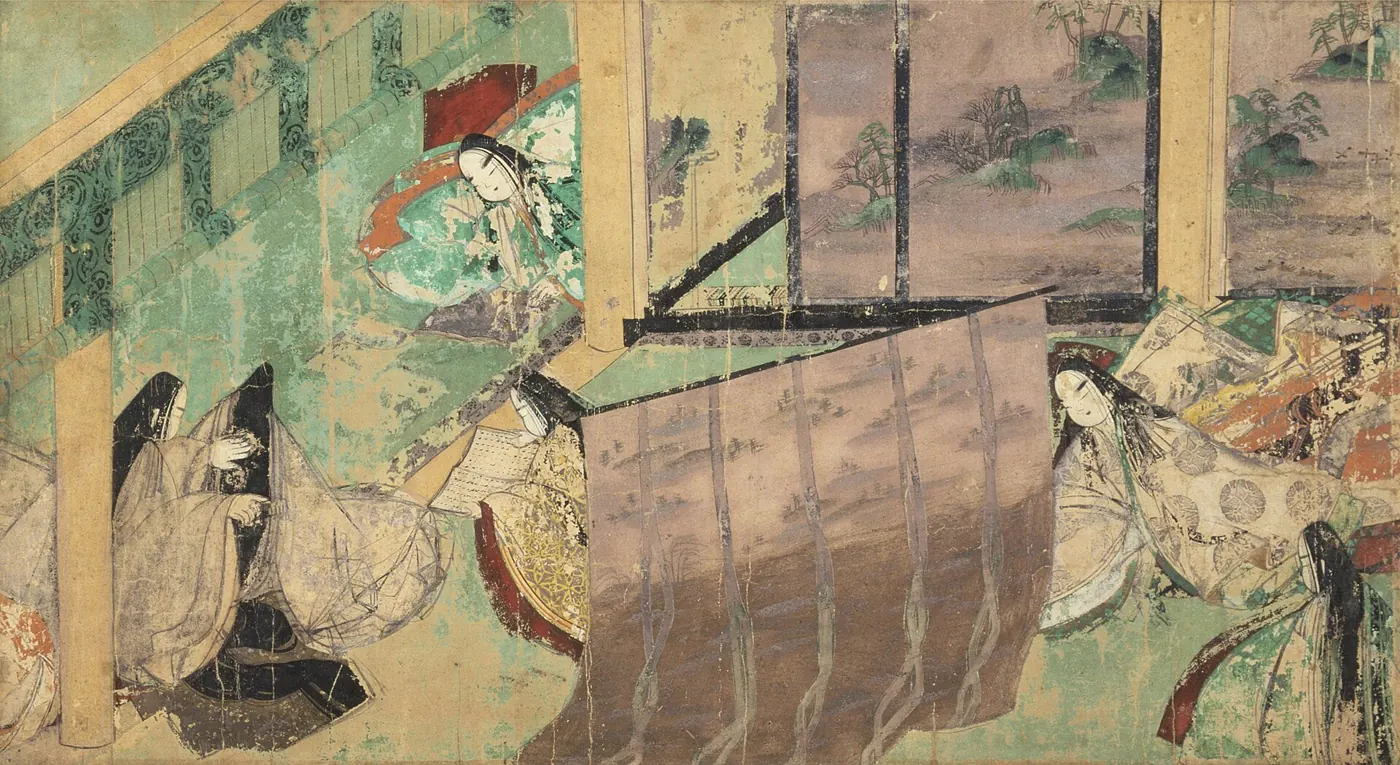 Yamato-e大和絵
Open the scanner and compare →