What is this? › Performing arts & ways (dō)
芸妓Geisha (geiko)
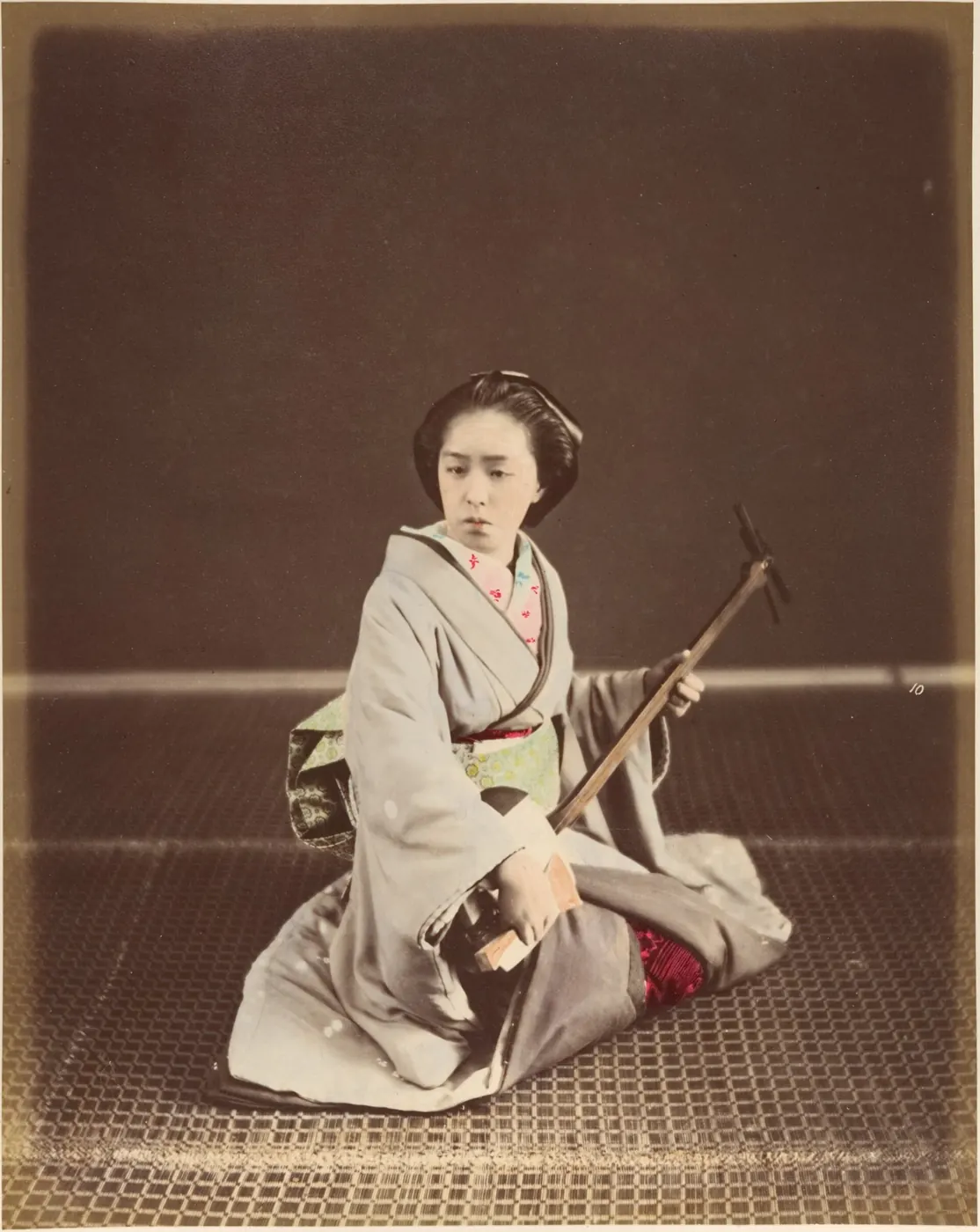
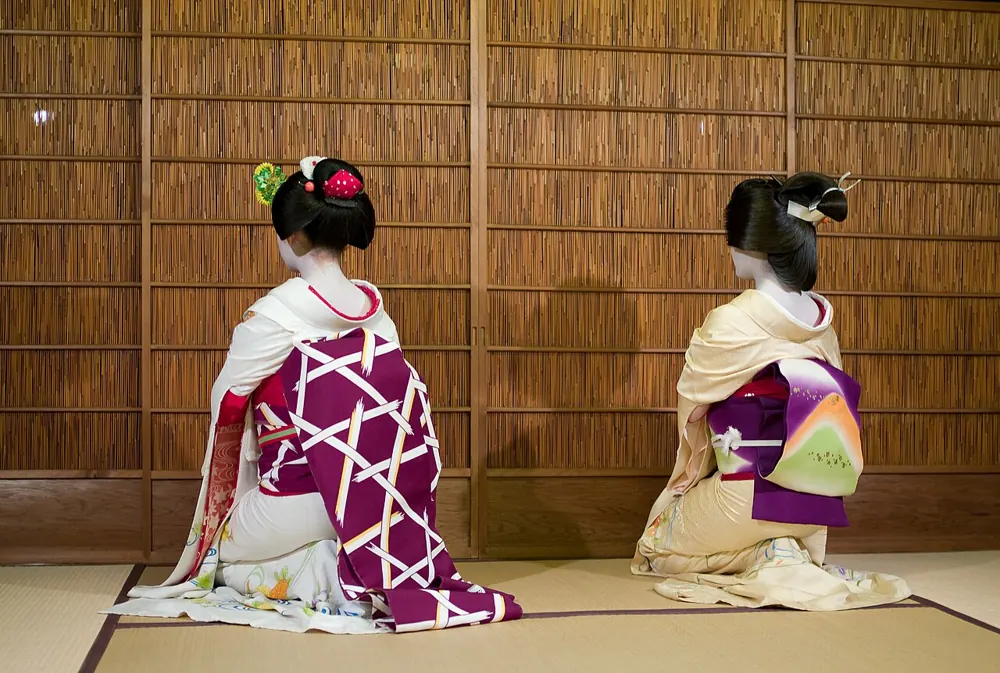
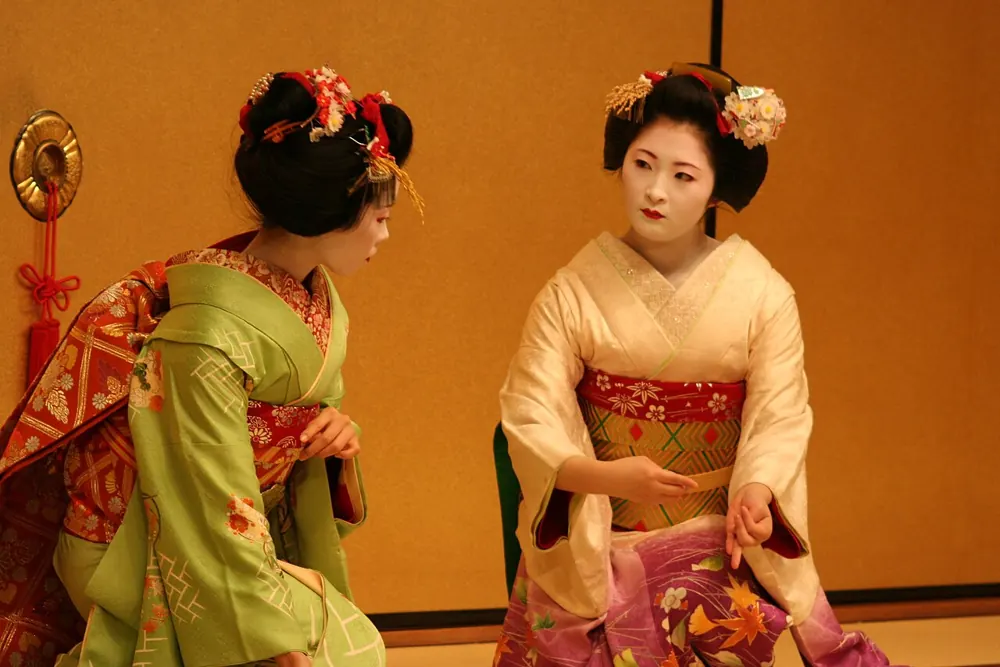
Geisha (芸者), also known as geiko (芸子; in Kyoto and Kanazawa) or geigi (芸妓), are female Japanese performing artists and entertainers trained in traditional Japanese performing arts styles, such as dance, music and singing, as well as being proficient conversationalists and hosts. Their distinct appearance is characterised by long, trailing kimono, traditional hairstyles and oshiroi make-up. Geisha entertain at parties known as ozashiki, often for the entertainment of wealthy clientele, as well as performing on stage and at festivals.
The first female geisha appeared in 1751, with geisha before that time being male performers who entertained guests. Only later did the profession become mainly characterised by female workers.
The arts that geisha perform are considered highly developed and, in some cases, unique throughout Japan to the world of geisha. For example, the Gion district of Kyoto is the only district wherein the kyo-mai style of Japanese traditional dance is taught. This style of dance is taught solely to the geisha within the district by the Inoue school, with the school's former head, Inoue Yachiyo, having been classified as a "Living National Treasure" by the Government of Japan, the highest artistic award attainable in the country, in 1955.
Text from Wikipedia: Geisha — CC BY-SA 4.0. Read more on Wikipedia →
Japan Tourism Agency explanations
旅Try it yourself: Geisha (geiko)
Live prices and reviews from GetYourGuide. Many tours can be cancelled for free — check each listing.
Ad: we may earn a commission if you book through these links, at no extra cost to you.
Fushimi Inari plus other classic Kyoto sights in one day.
Check prices →Walk the temple streets in kimono — many shops help you dress.
Check prices →Compare whether a rail pass saves money on your route before you buy tickets.
Check prices →Japan eSIM / mobile data
Ad: we may earn a commission if you book through these links, at no extra cost to you.
問Questions visitors ask
What is Geisha (geiko)?
Geisha (芸者), also known as geiko (芸子; in Kyoto and Kanazawa) or geigi (芸妓), are female Japanese performing artists and entertainers trained in traditional Japanese performing arts styles, such as dance, music and singing, as well as being proficient conversationalists and hosts.
芸Performing arts & ways (dō)
 Noh能
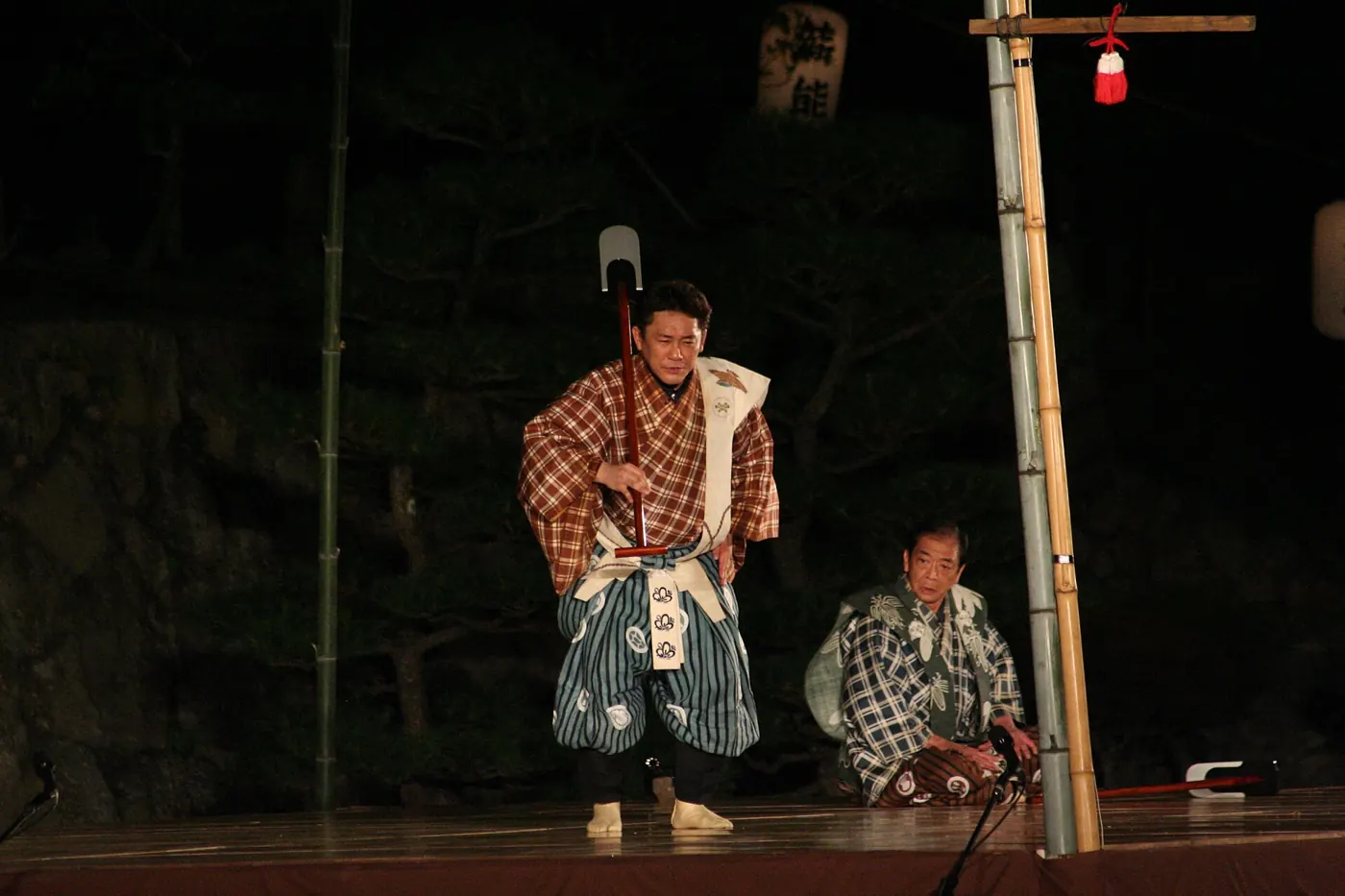 Kyōgen狂言
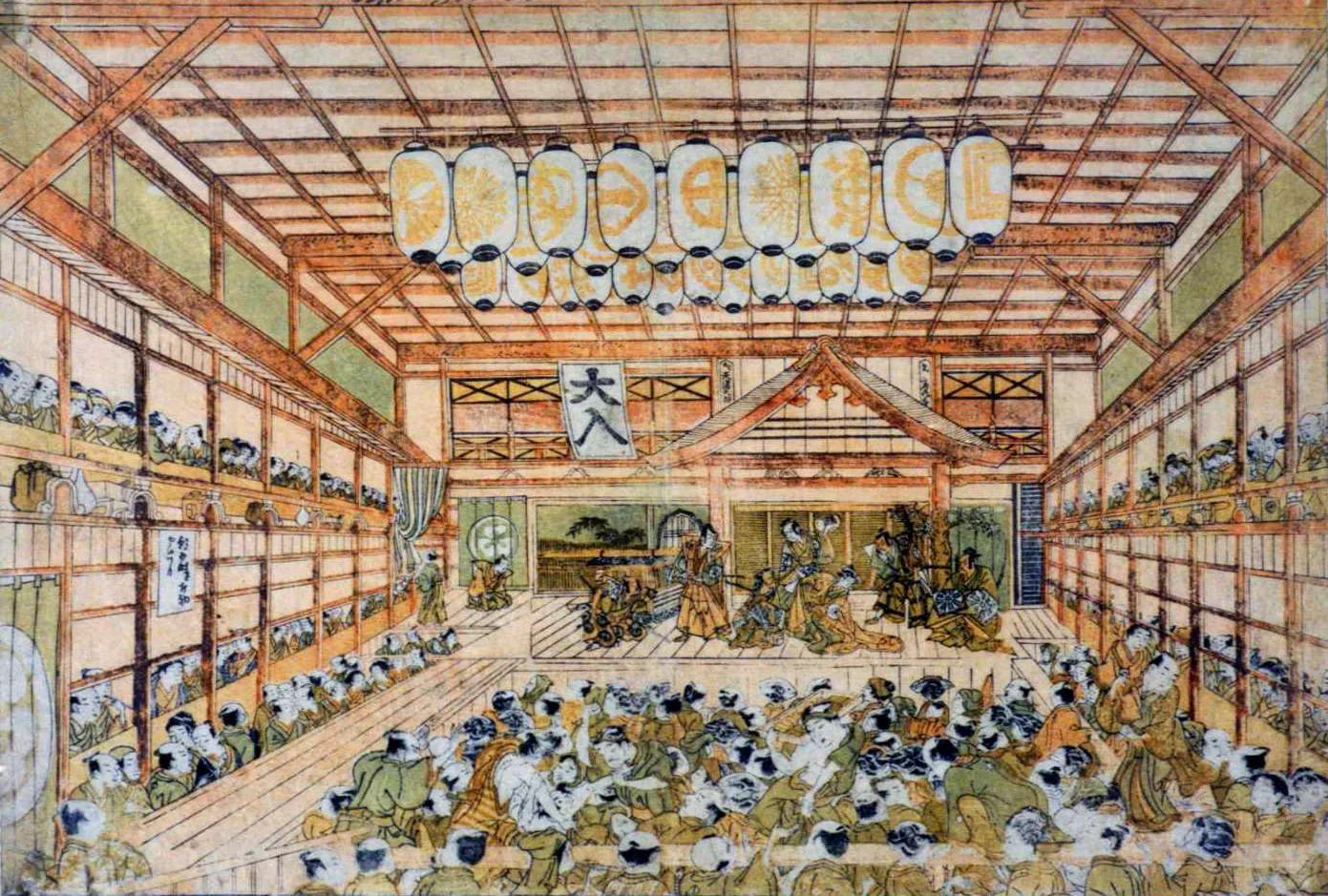 Kabuki歌舞伎
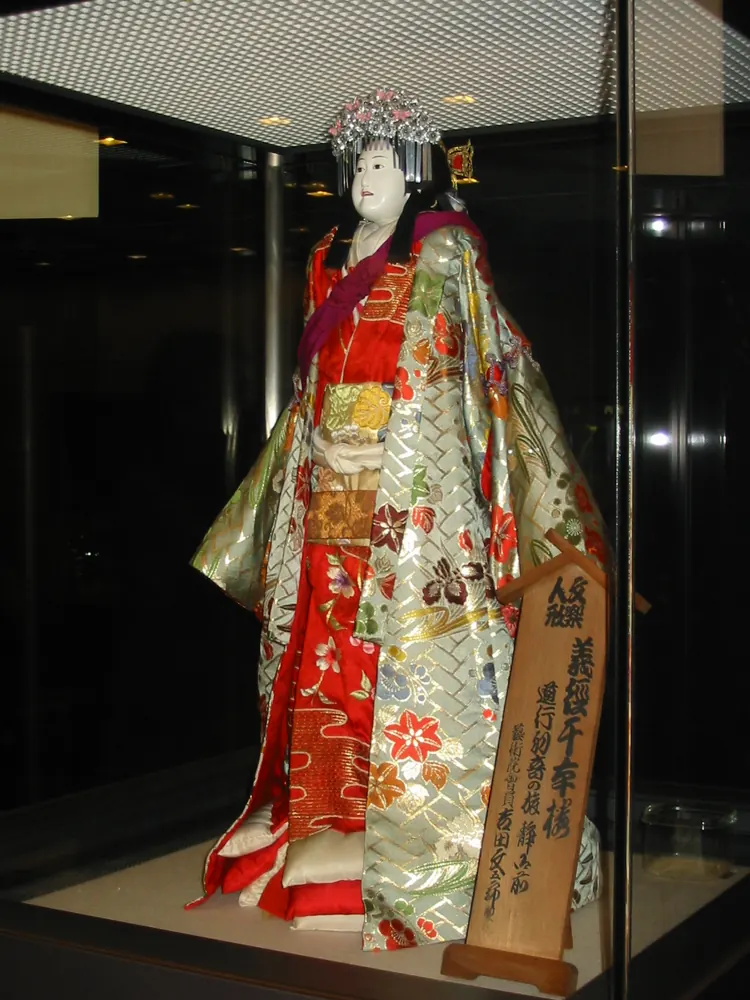 Bunraku文楽
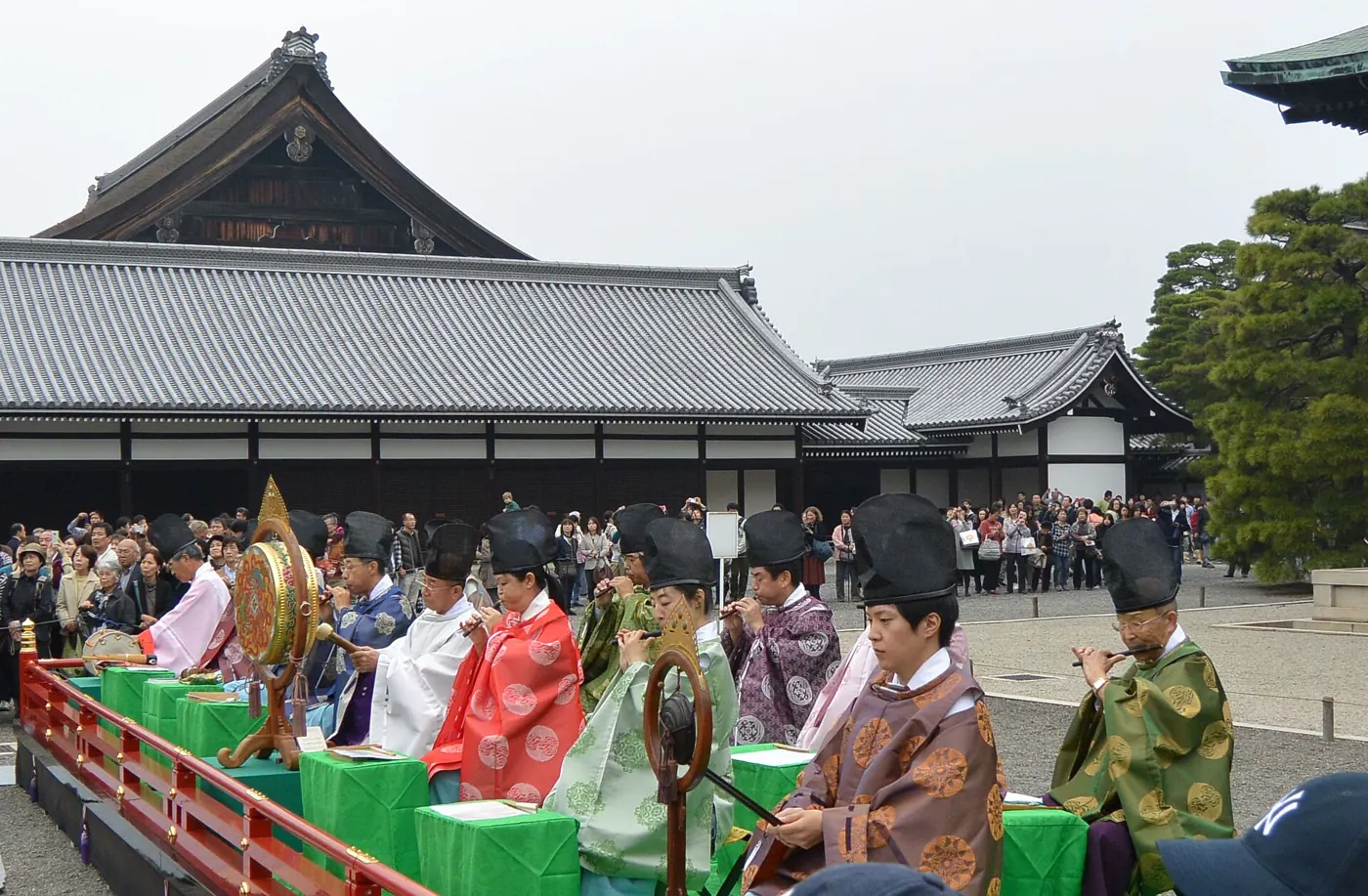 Gagaku日本の雅楽
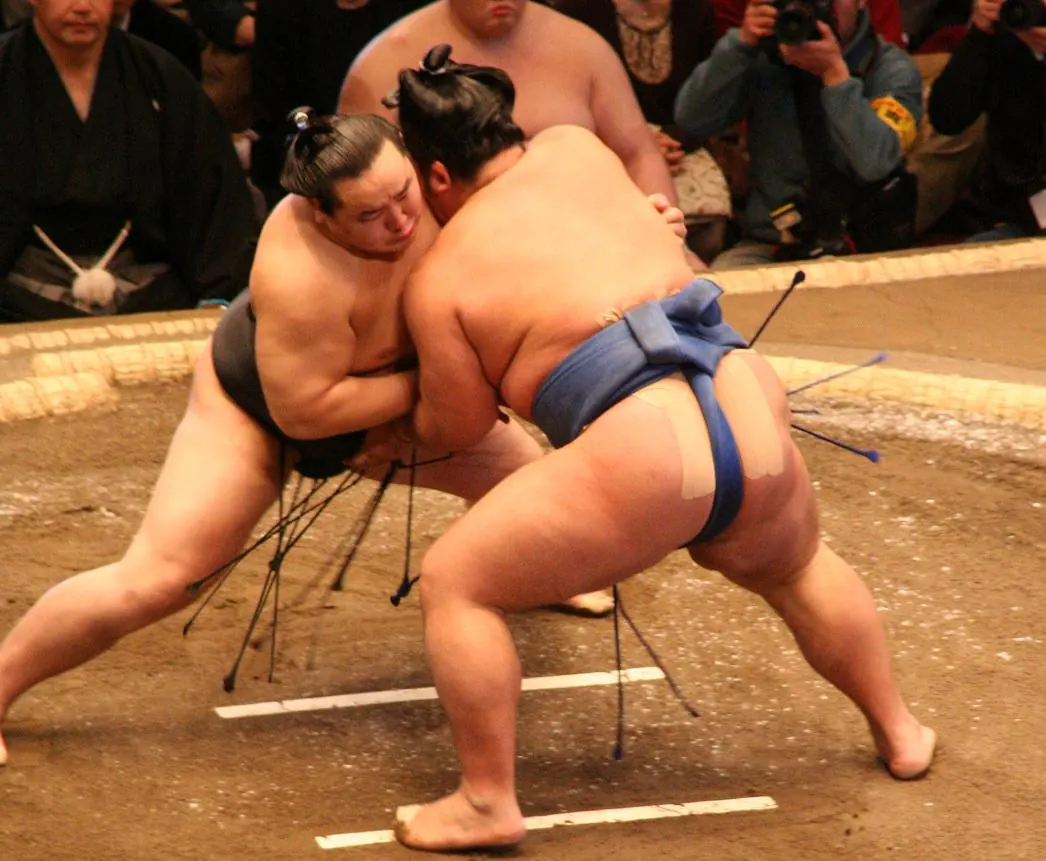 Sumo相撲
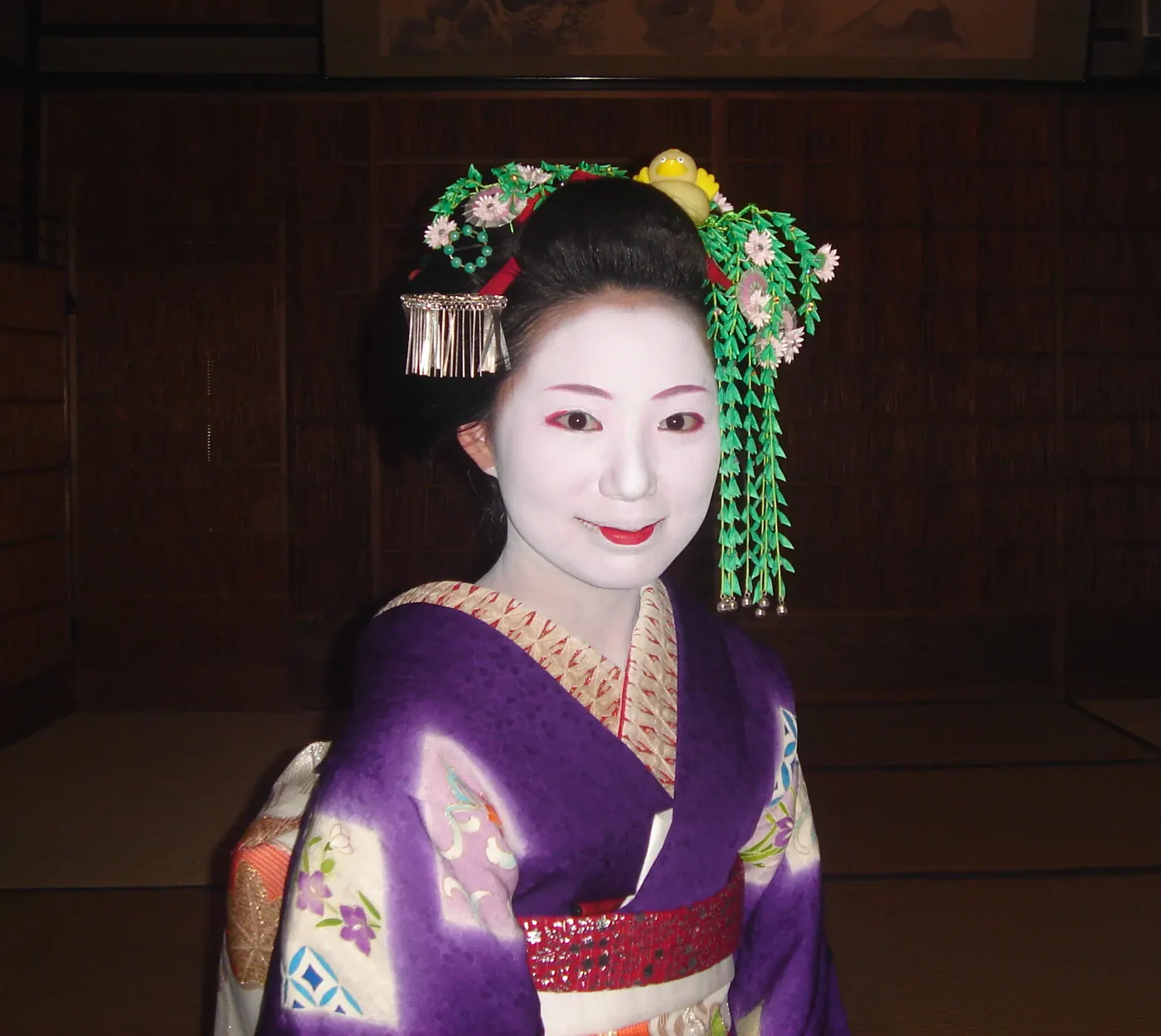 Maiko舞妓
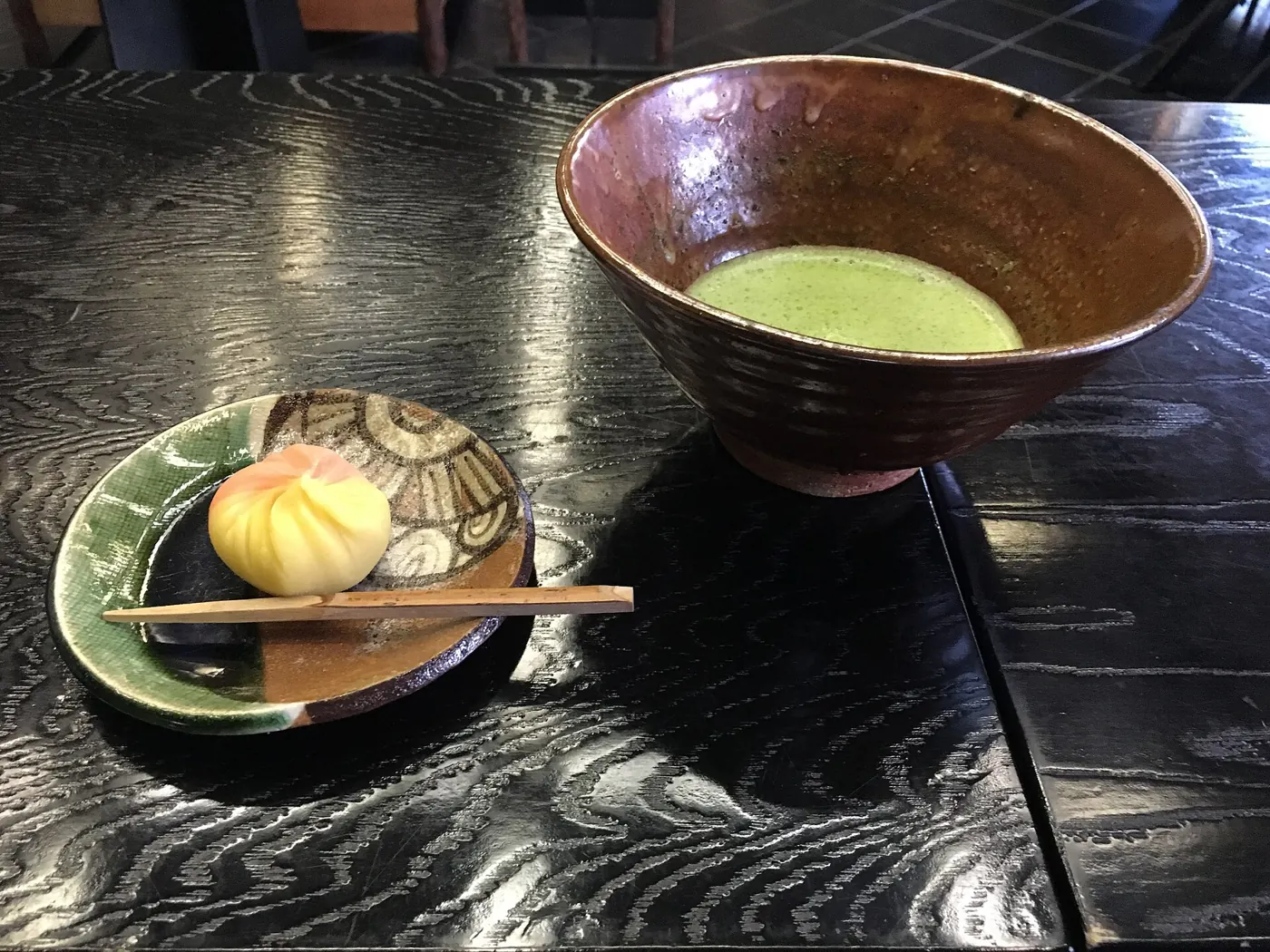 Sadō茶道
 Ikebana生け花
 Shodō書
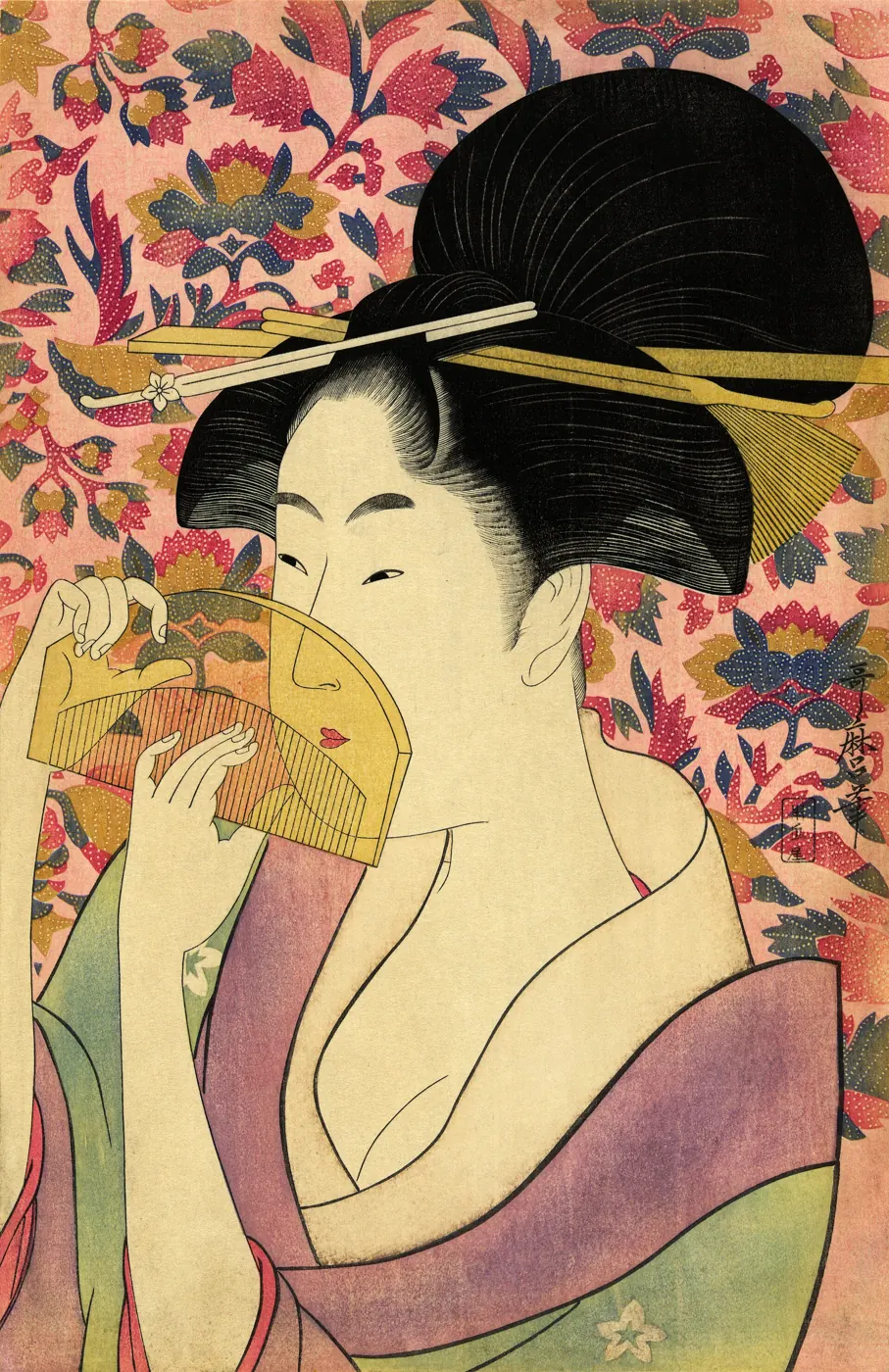 Ukiyo-e浮世絵
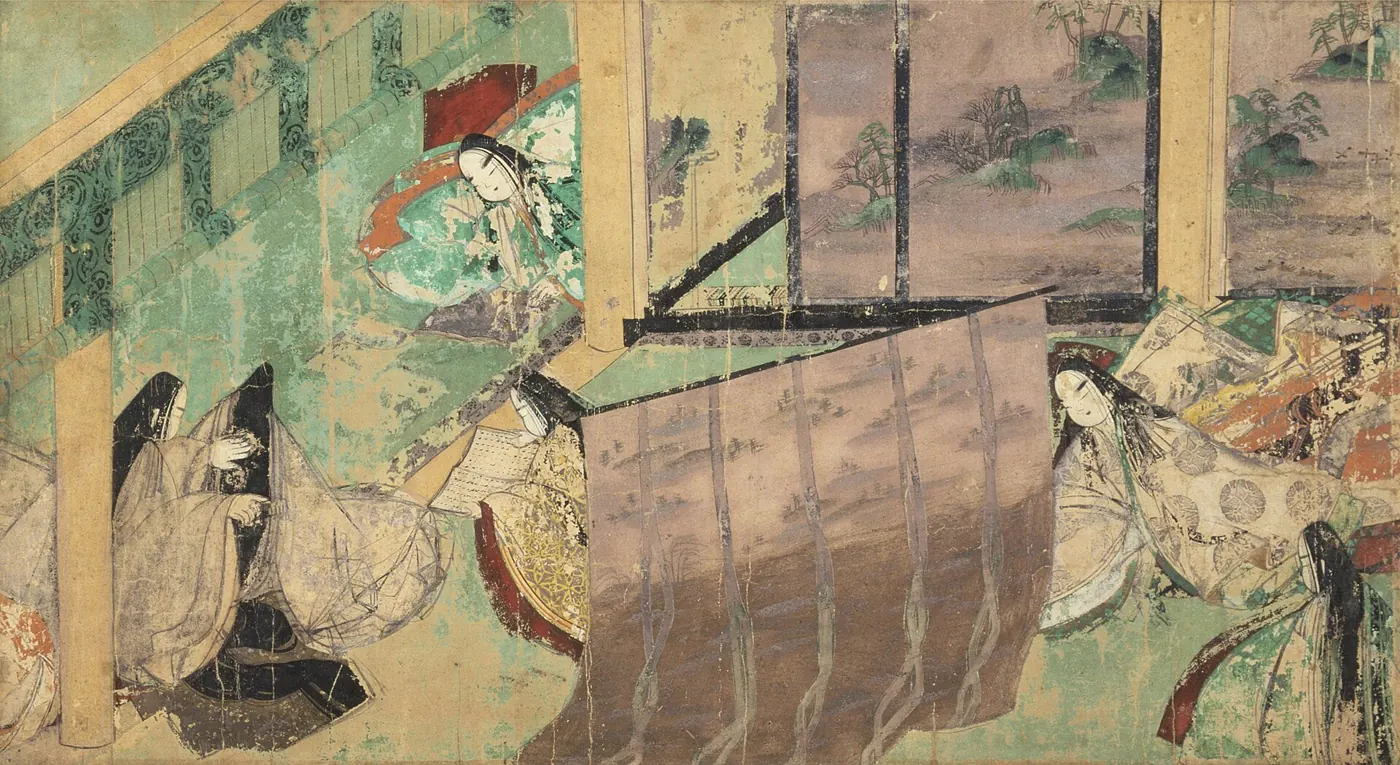 Yamato-e大和絵
Open the scanner and compare →