What is this? › Performing arts & ways (dō)
相撲Sumo
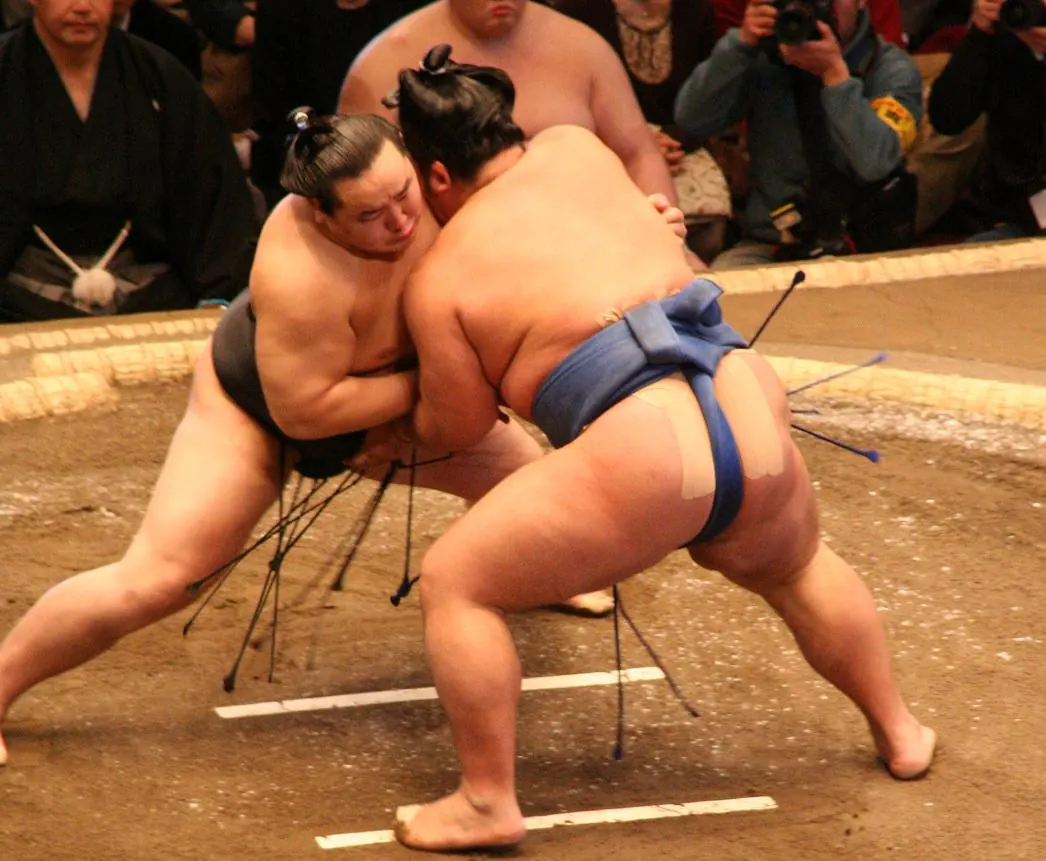
Sumo (Japanese: 相撲, Hepburn: sumō; pronounced, lit. 'striking one another') is a form of competitive full-contact wrestling where a rikishi (wrestler) attempts to force his opponent out of a dohyō (circular ring) or into touching the ground with any body part other than the soles of his feet (usually by throwing, shoving or pushing him down).
Sumo originated in Japan, the only country where it is practised professionally and where it is considered the national sport. It is considered a gendai budō, which refers to modern Japanese martial arts, but the sport has a history spanning many centuries. Many ancient traditions have been preserved in sumo, and even today the sport includes many ritual elements, such as the use of salt purification, from Shinto.
Life as a wrestler is highly regimented, with rules regulated by the Japan Sumo Association. Most sumo wrestlers are required to live in communal sumo training stables, known in Japanese as heya, where all aspects of their daily lives – from meals to their manner of dress – are dictated by strict tradition. The lifestyle has a negative effect on their health, with sumo wrestlers having a much lower life expectancy than the average Japanese man.
From 2008 to 2016, a number of high-profile controversies and scandals rocked the sumo world, with an associated effect on its reputation and ticket sales.
Text from Wikipedia: Sumo — CC BY-SA 4.0. Read more on Wikipedia →
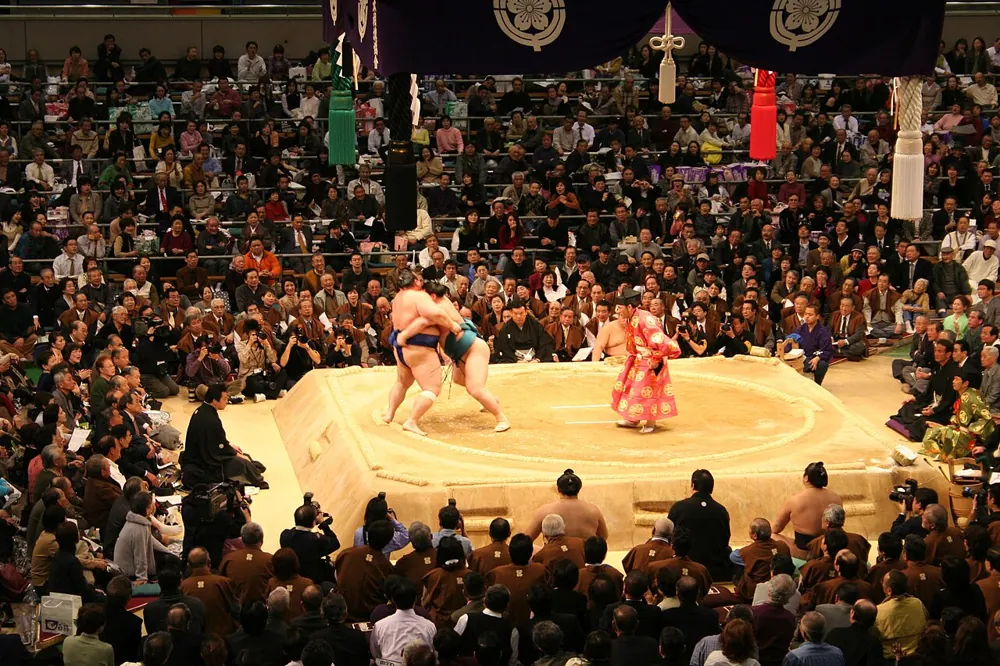
見Where to see it
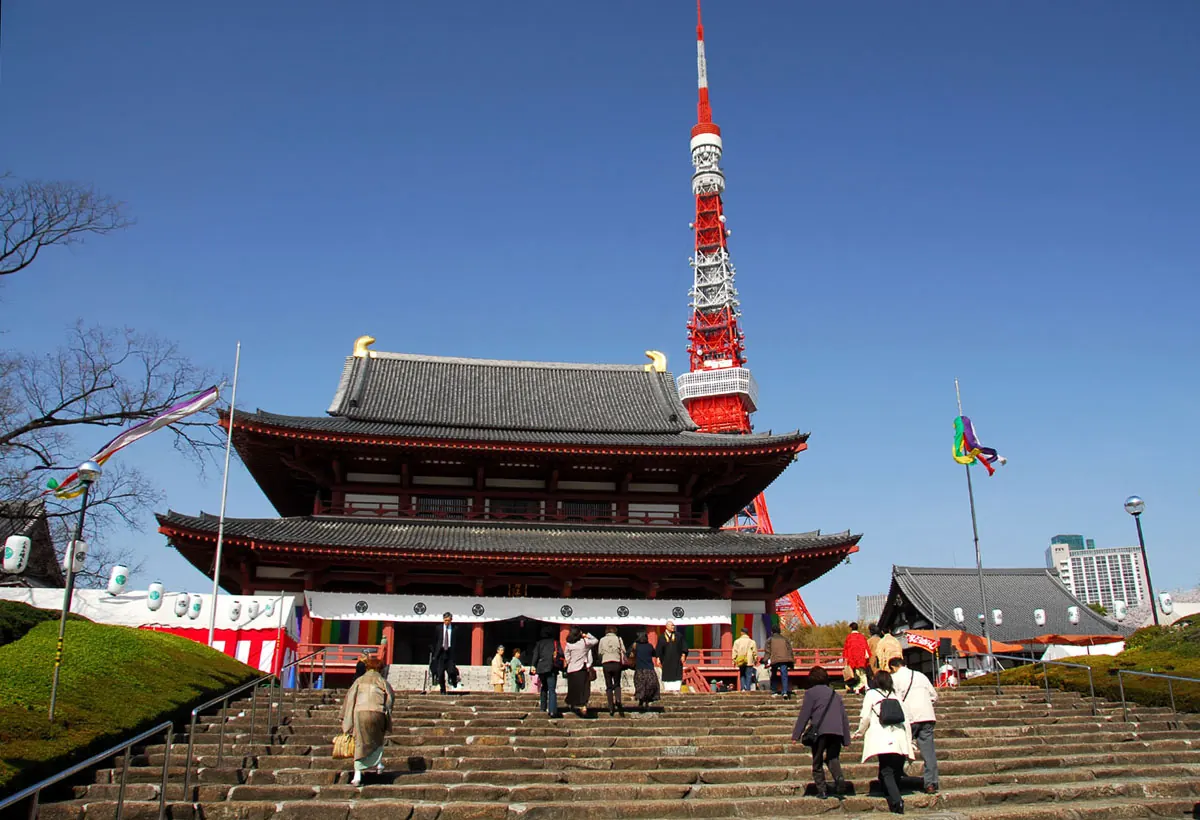 寺Zōjō-jiTemple · Tokyo
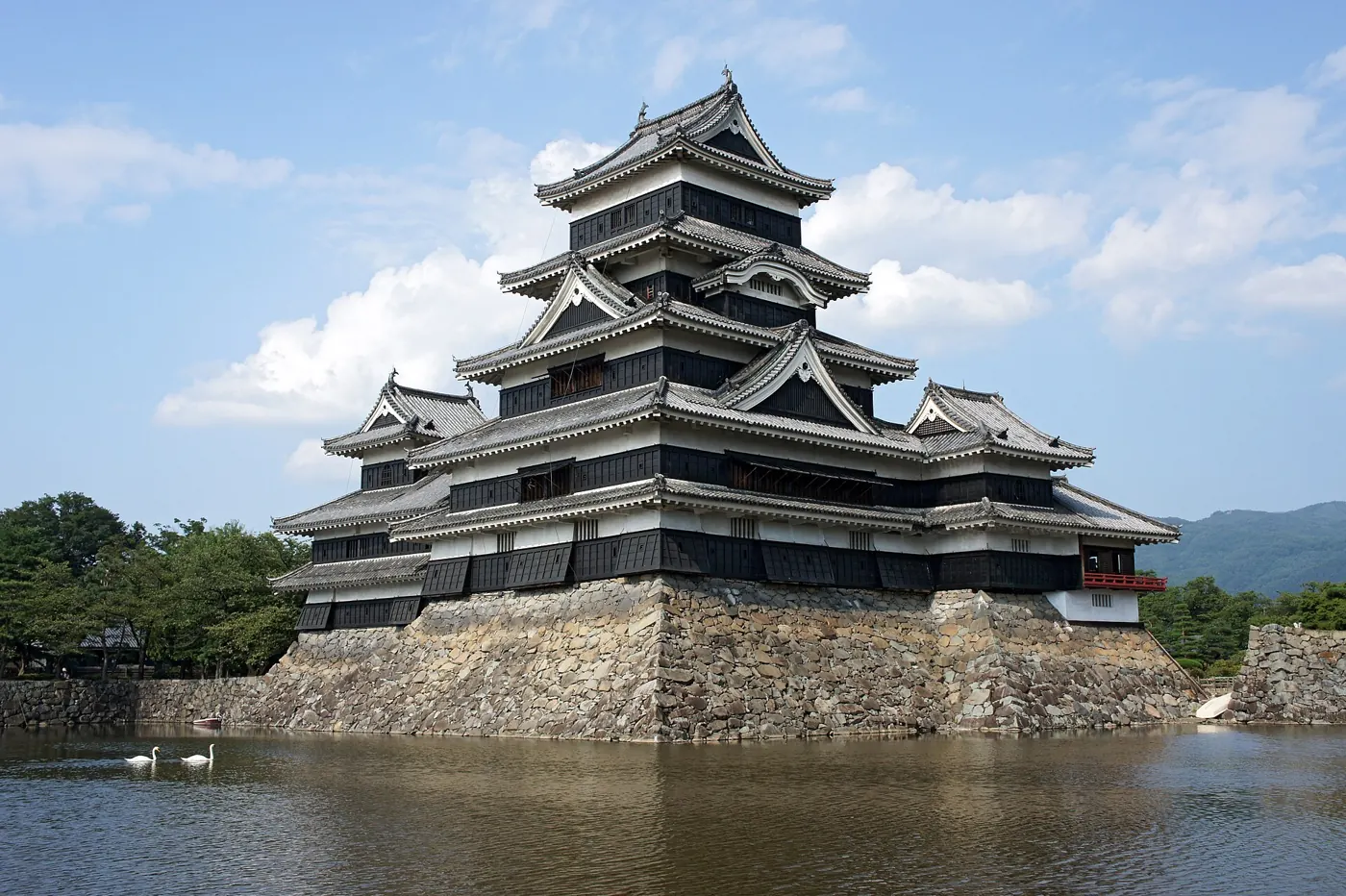 城Matsumoto CastleCastle · Takayama, Shirakawa-gō & Matsumoto
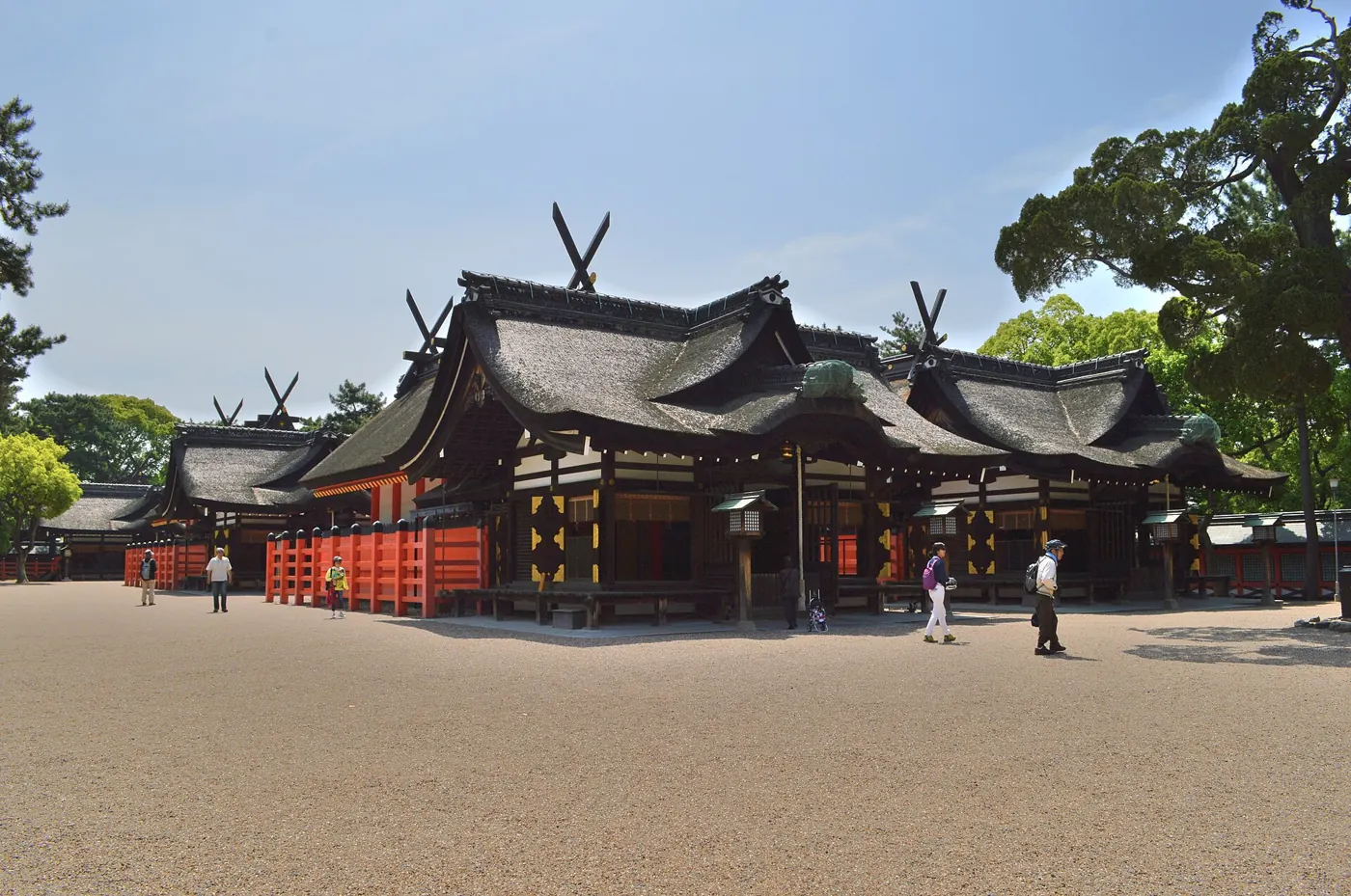 社Sumiyoshi TaishaShrine · Osaka & Kōbe
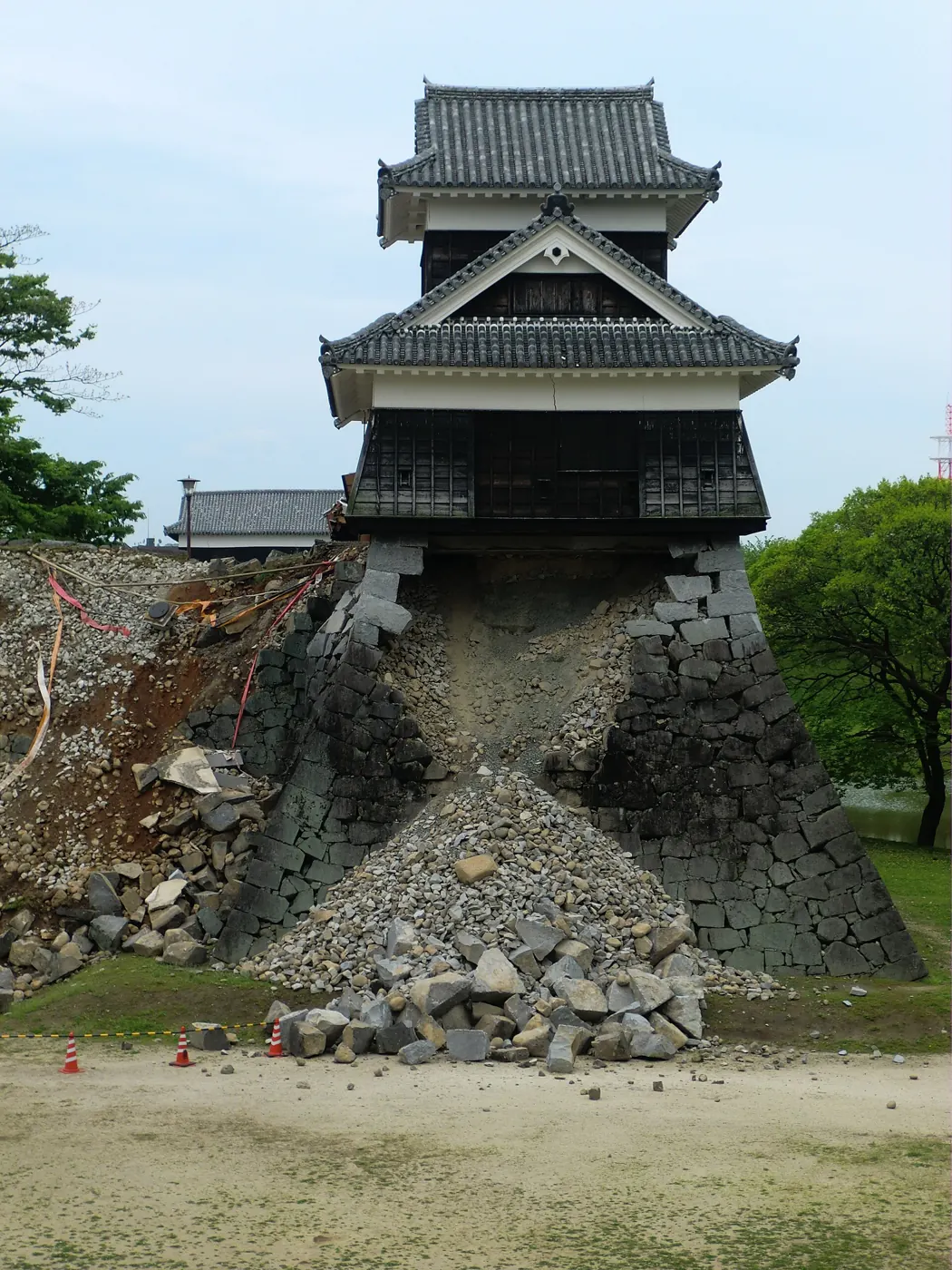 城Kumamoto CastleCastle · Kyūshū
Japan Tourism Agency explanations
旅Try it yourself: Sumo
Live prices and reviews from GetYourGuide. Many tours can be cancelled for free — check each listing.
Ad: we may earn a commission if you book through these links, at no extra cost to you.
Asakusa, Meiji Jingū and more with a guide — an easy first day in the city.
Check prices →Compare whether a rail pass saves money on your route before you buy tickets.
Check prices →Japan eSIM / mobile data
Ad: we may earn a commission if you book through these links, at no extra cost to you.
問Questions visitors ask
What is Sumo?
Sumo (Japanese: 相撲, Hepburn: sumō; pronounced [sɯmoː], lit.
Where can I see Sumo?
Places on Torii Guide where it is mentioned include: Zōjō-ji, Matsumoto Castle, Sumiyoshi Taisha, Kumamoto Castle.
芸Performing arts & ways (dō)
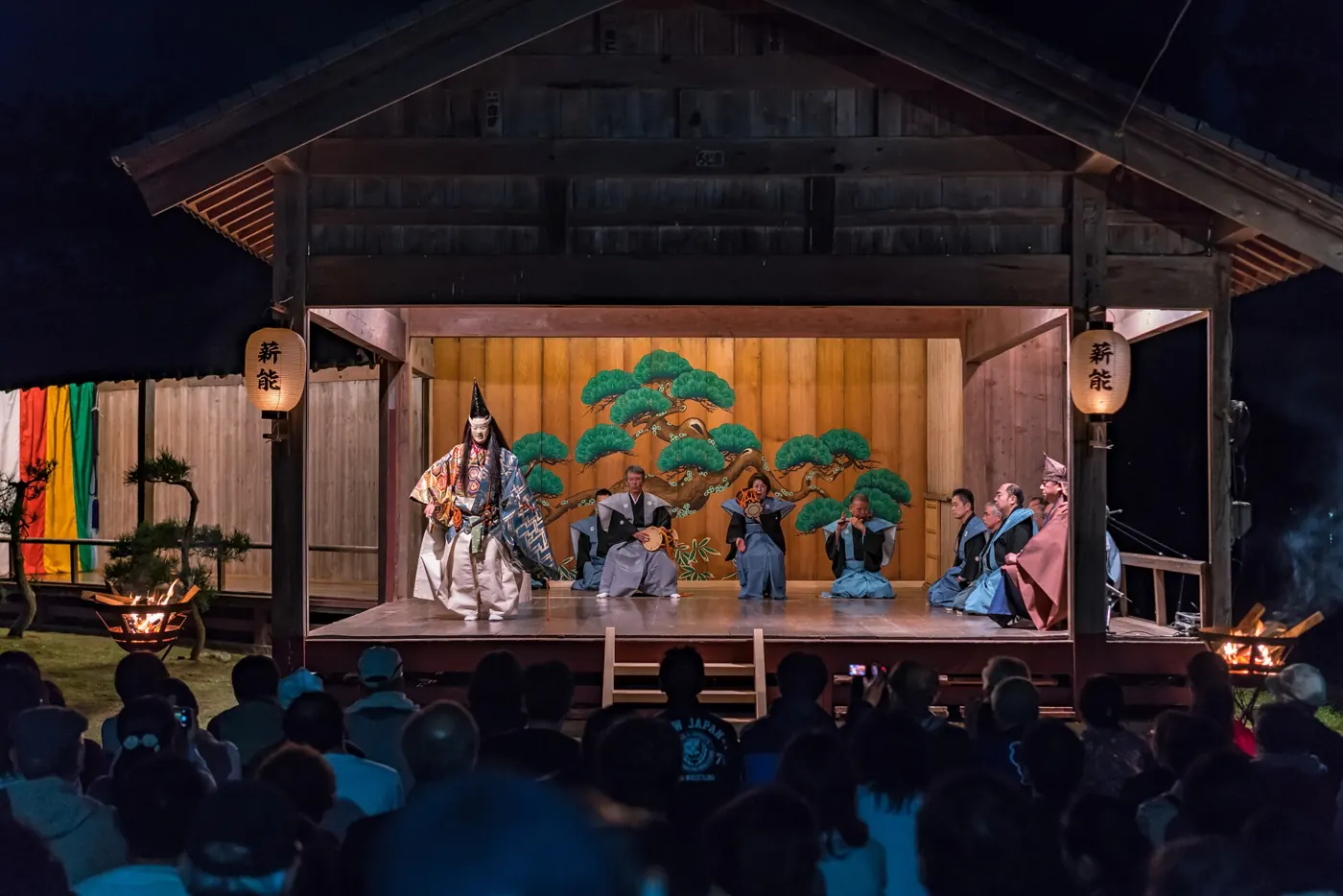 Noh能
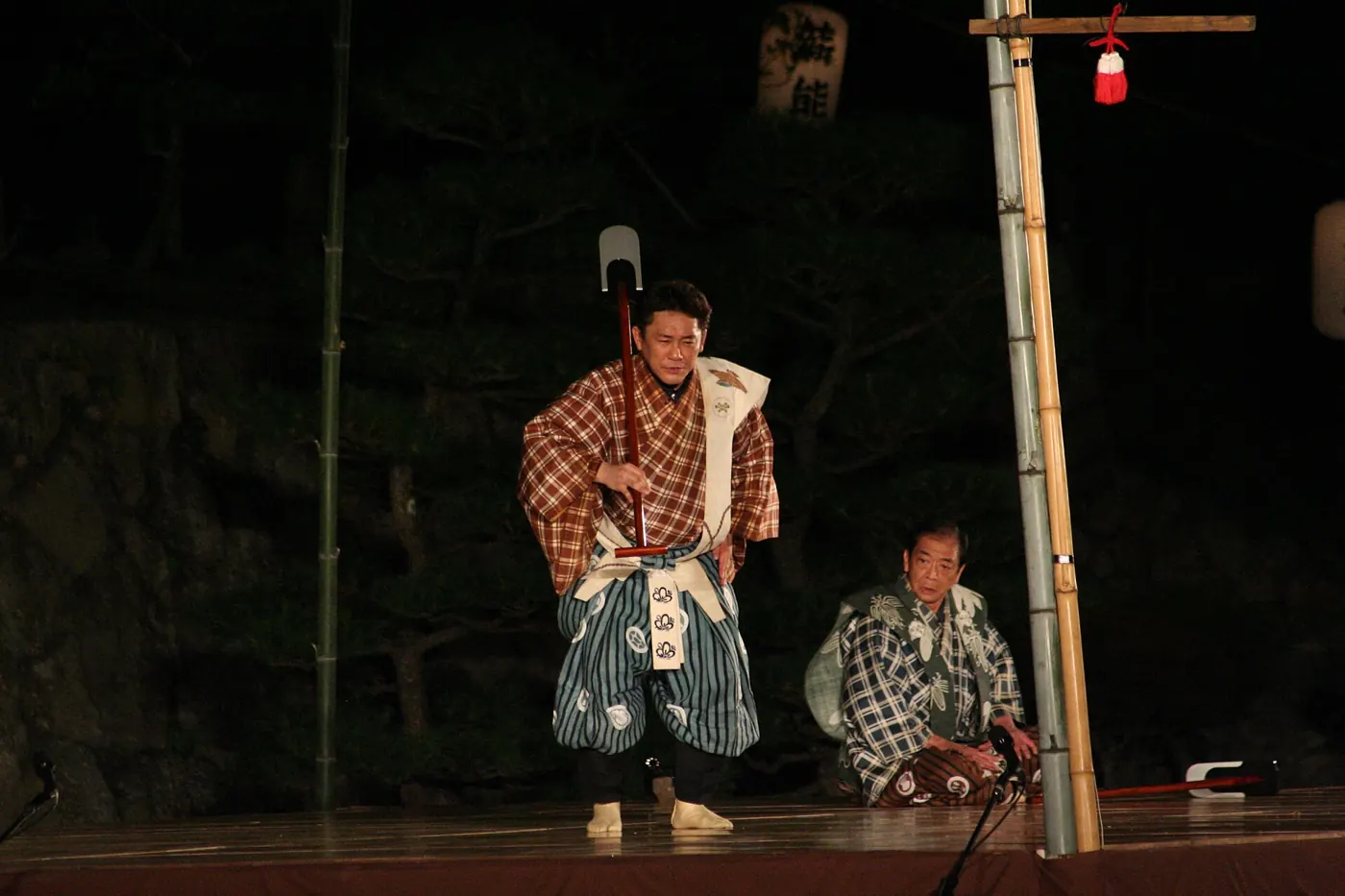 Kyōgen狂言
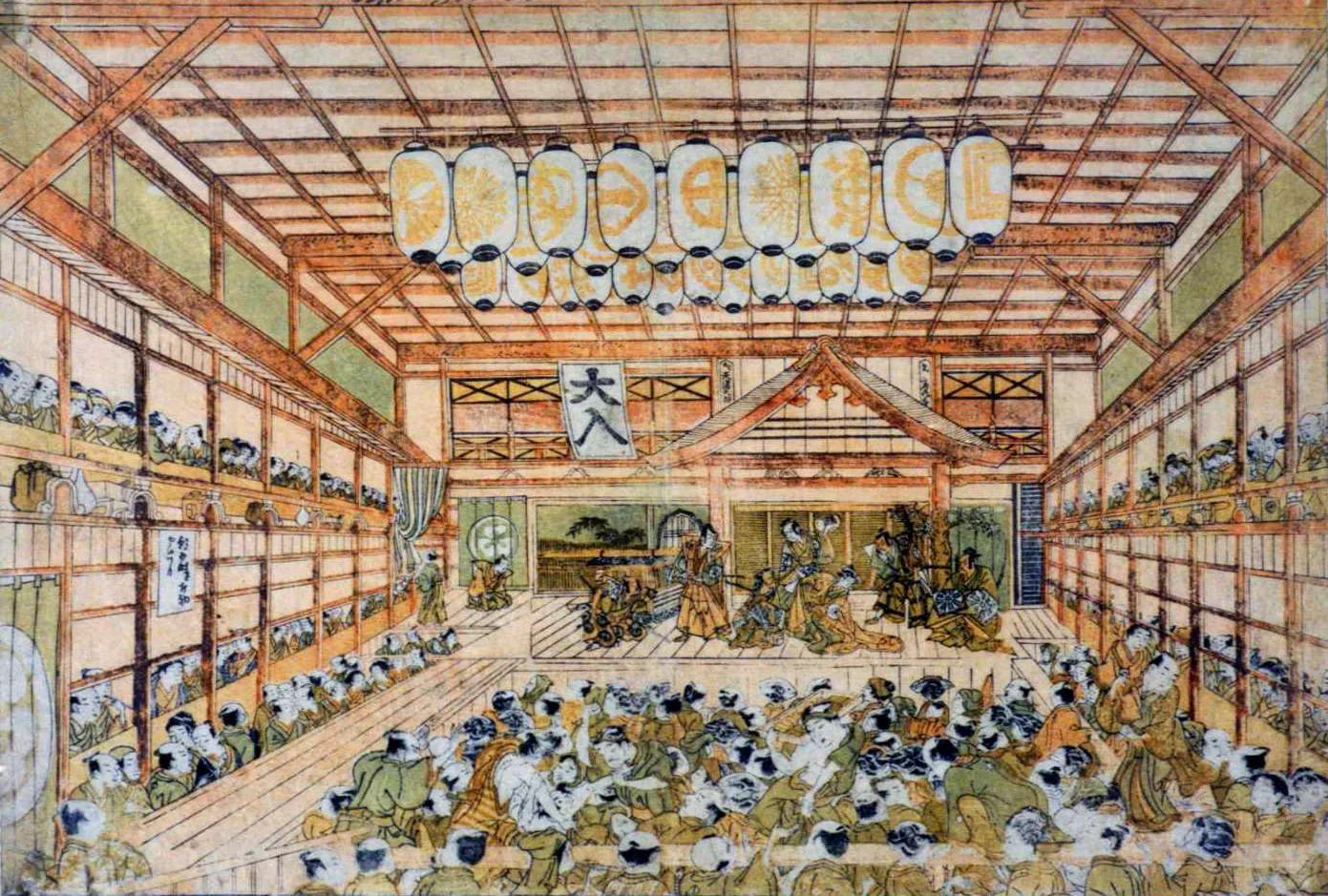 Kabuki歌舞伎
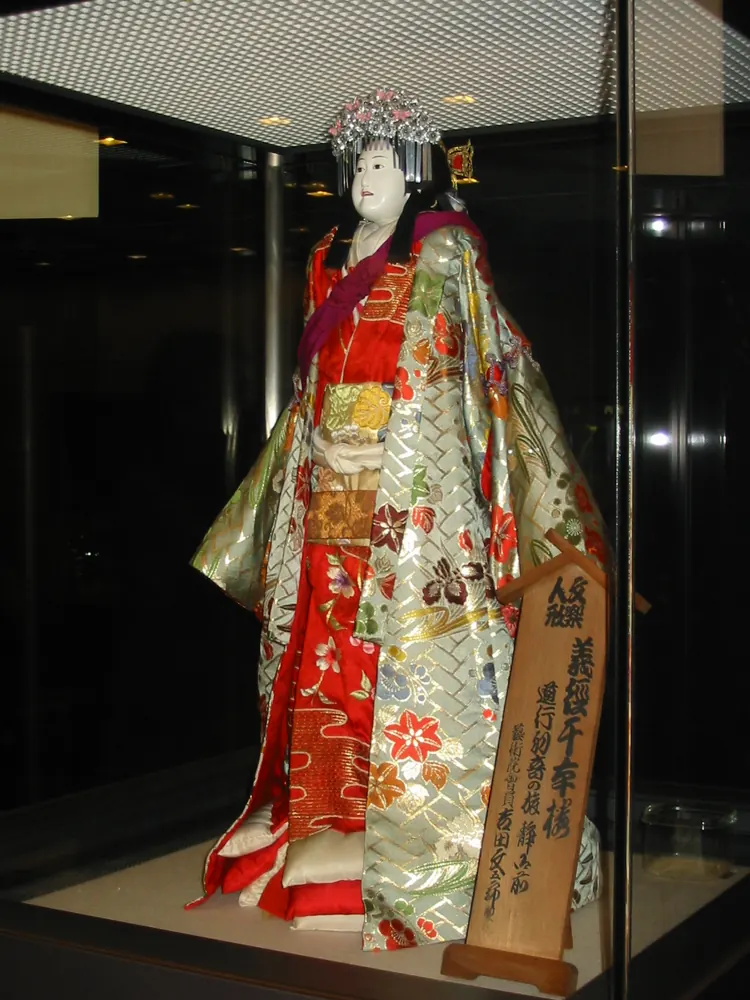 Bunraku文楽
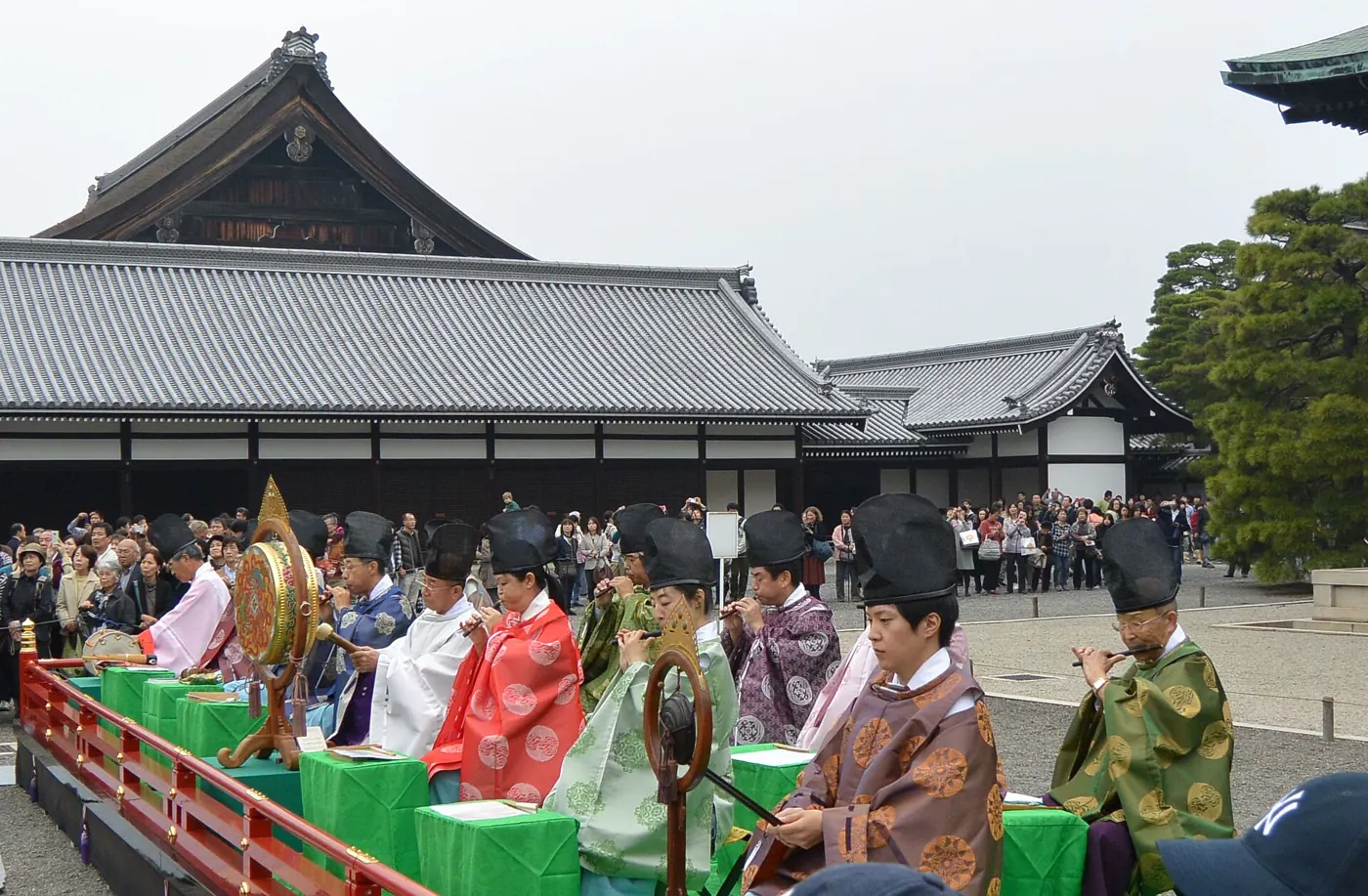 Gagaku日本の雅楽
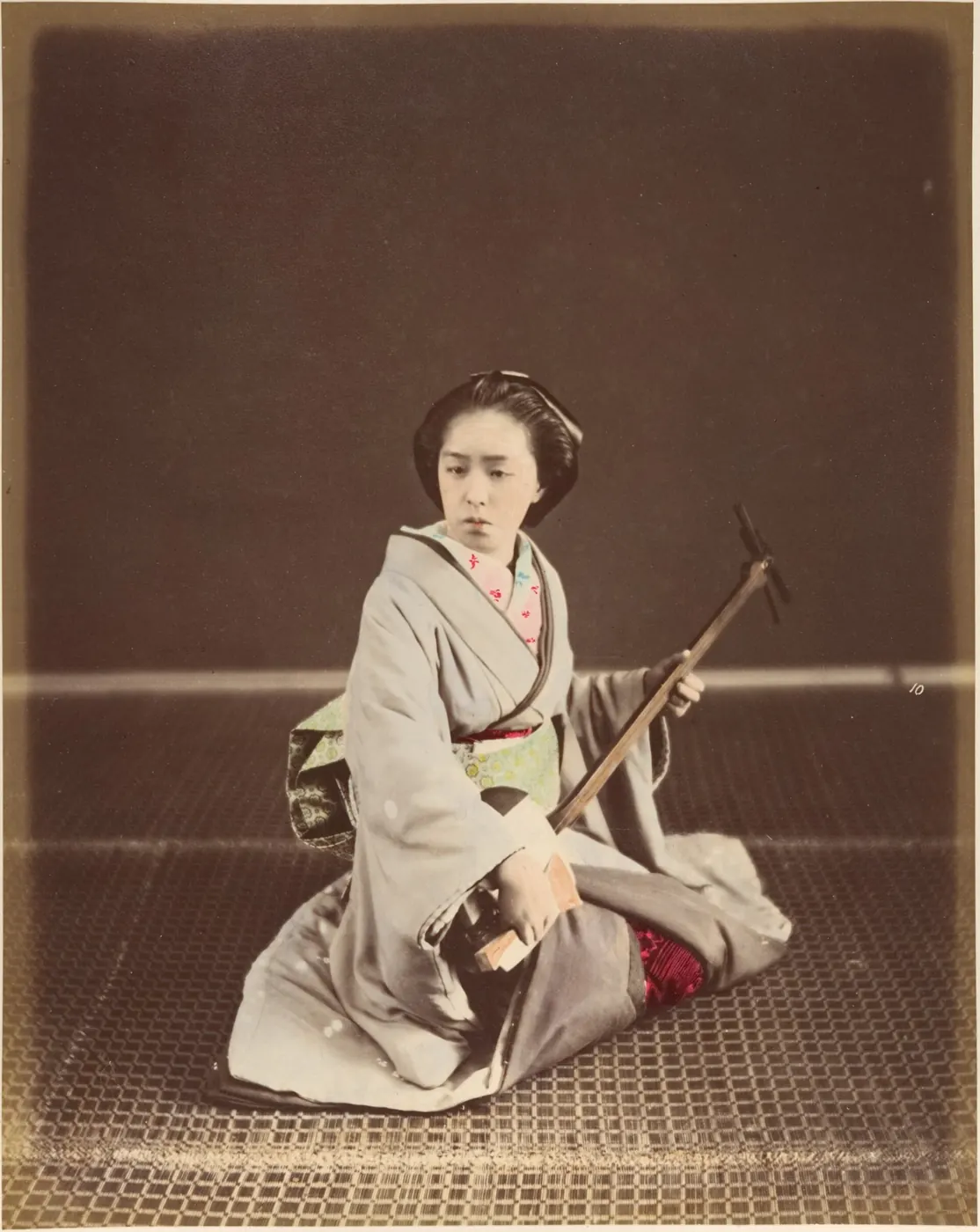 Geisha芸妓
 Maiko舞妓
 Sadō茶道
 Ikebana生け花
 Shodō書
 Ukiyo-e浮世絵
 Yamato-e大和絵
Open the scanner and compare →