What is this? › Performing arts & ways (dō)
日本の雅楽Gagaku (court music)
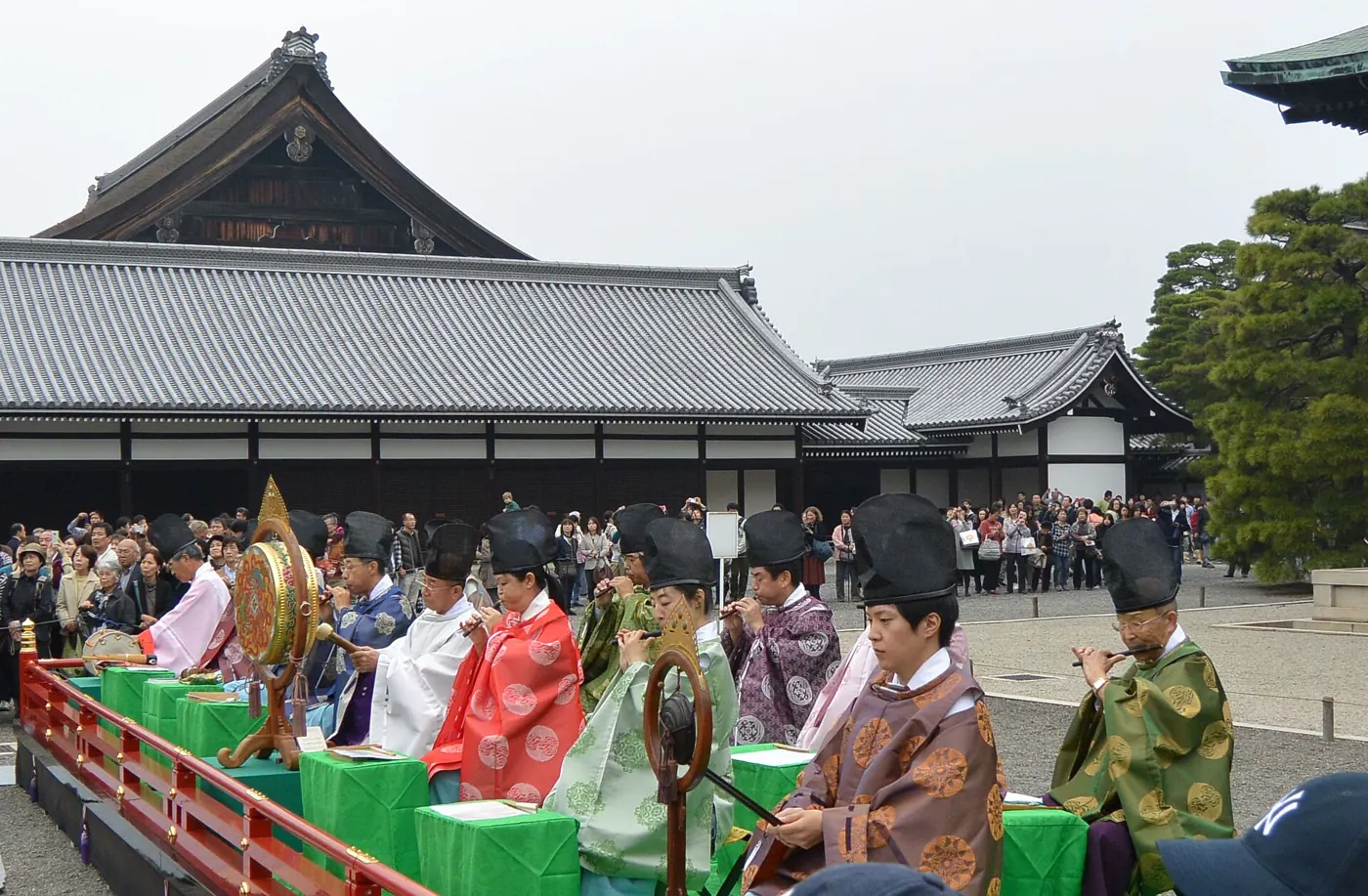
Gagaku (雅楽, lit. "elegant music") is a type of Japanese classical music that was historically used for imperial court music and dances. Gagaku was developed as court music of the Kyoto Imperial Palace, and its near-current form was established in the Heian period (794–1185) around the 10th century. Today, it is performed by the Board of Ceremonies in the Tokyo Imperial Palace. Gagaku is performed using wind, percussion, and string instruments. Each piece is based on a main melody which each instrument embellishes.
Gagaku consists of three primary repertoires:
Native Shinto religious music and imperial songs and dance, called Kuniburi no utamai (国風歌舞)
Vocal music based on native folk poetry, called Utaimono (謡物)
Songs and dance based on foreign-style music
A Chinese, Vietnamese and Indian form (specifically Tang dynasty), called Tōgaku (唐楽)
A Korean and Manchurian form, called komagaku (高麗楽)
Gagaku, like shōmyō, employs the yo scale, a pentatonic scale with ascending intervals of two, three, two, two, and three semitones between the five scale tones. Artistically it differs from the music of the corresponding Chinese form yayue (雅楽) which is a term reserved for ceremonial music.
Text from Wikipedia: Gagaku — CC BY-SA 4.0. Read more on Wikipedia →
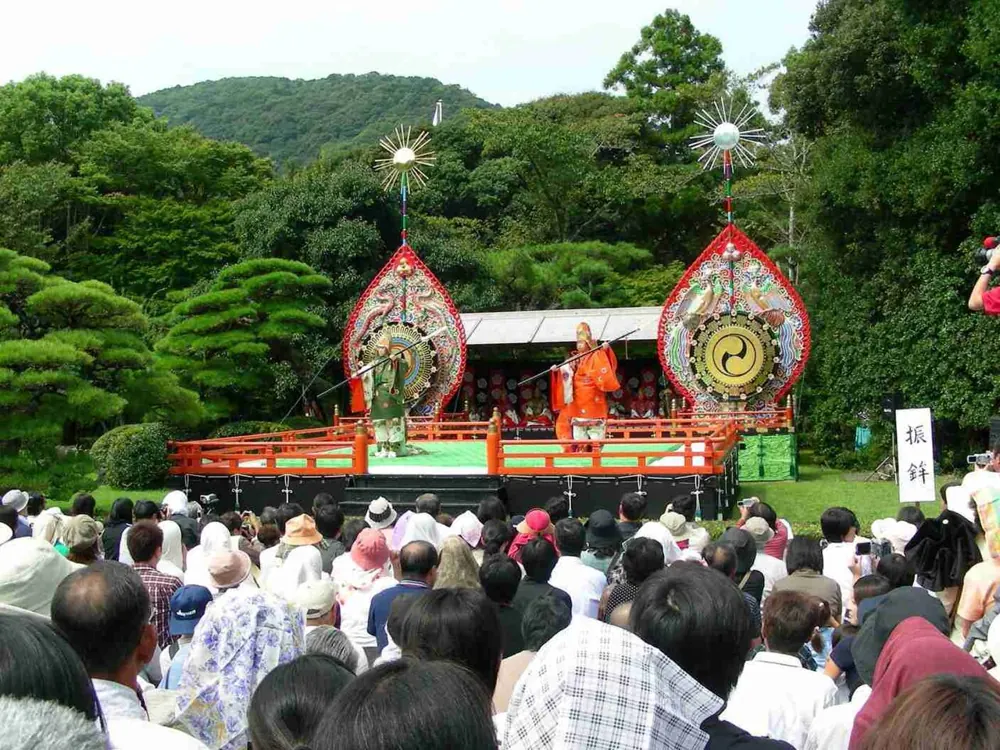
Japan Tourism Agency explanations
旅Try it yourself: Gagaku (court music)
Live prices and reviews from GetYourGuide. Many tours can be cancelled for free — check each listing.
Ad: we may earn a commission if you book through these links, at no extra cost to you.
Compare whether a rail pass saves money on your route before you buy tickets.
Check prices →Japan eSIM / mobile data
Ad: we may earn a commission if you book through these links, at no extra cost to you.
問Questions visitors ask
What is Gagaku (court music)?
Gagaku (雅楽, lit.
芸Performing arts & ways (dō)
 Noh能
 Kyōgen狂言
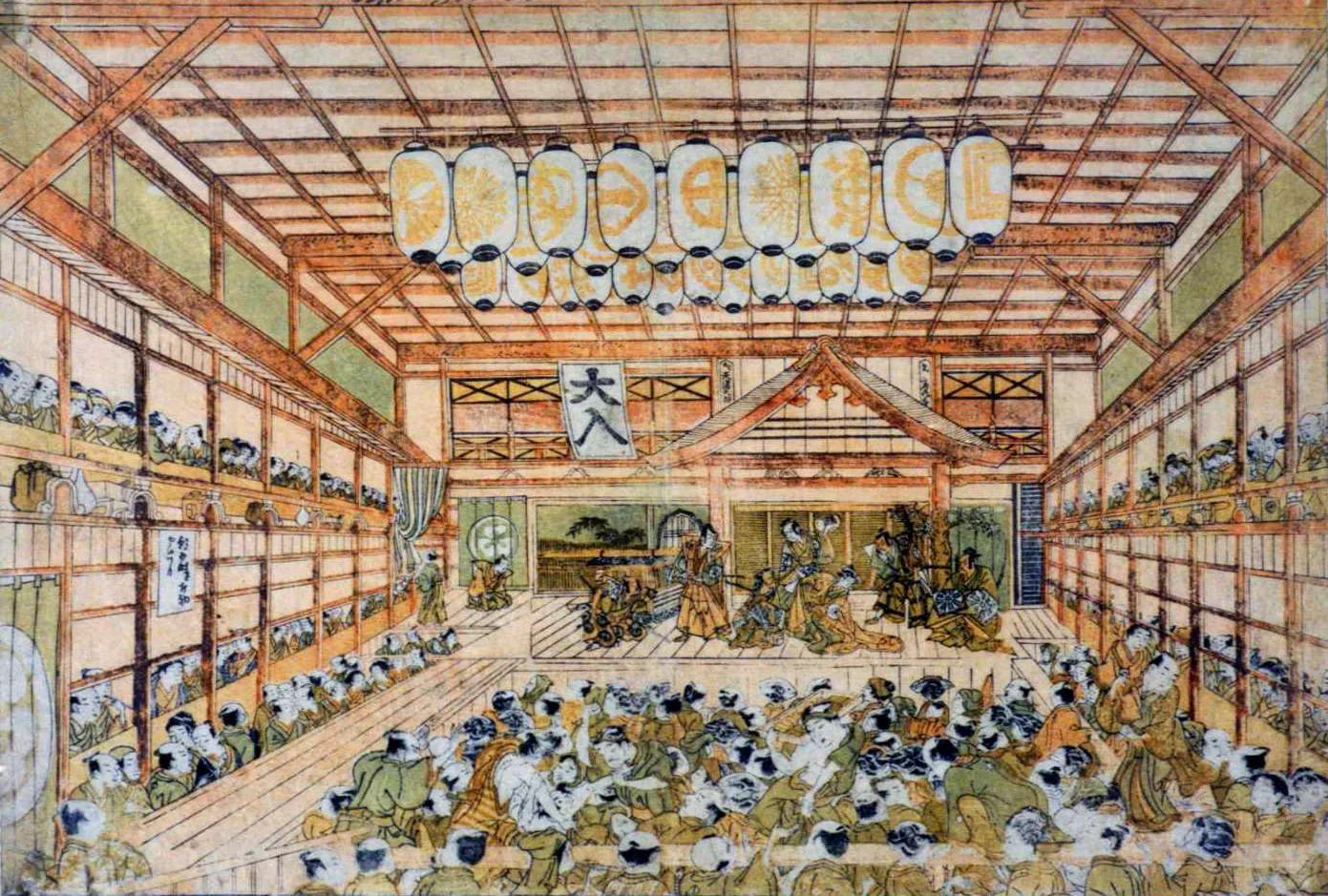 Kabuki歌舞伎
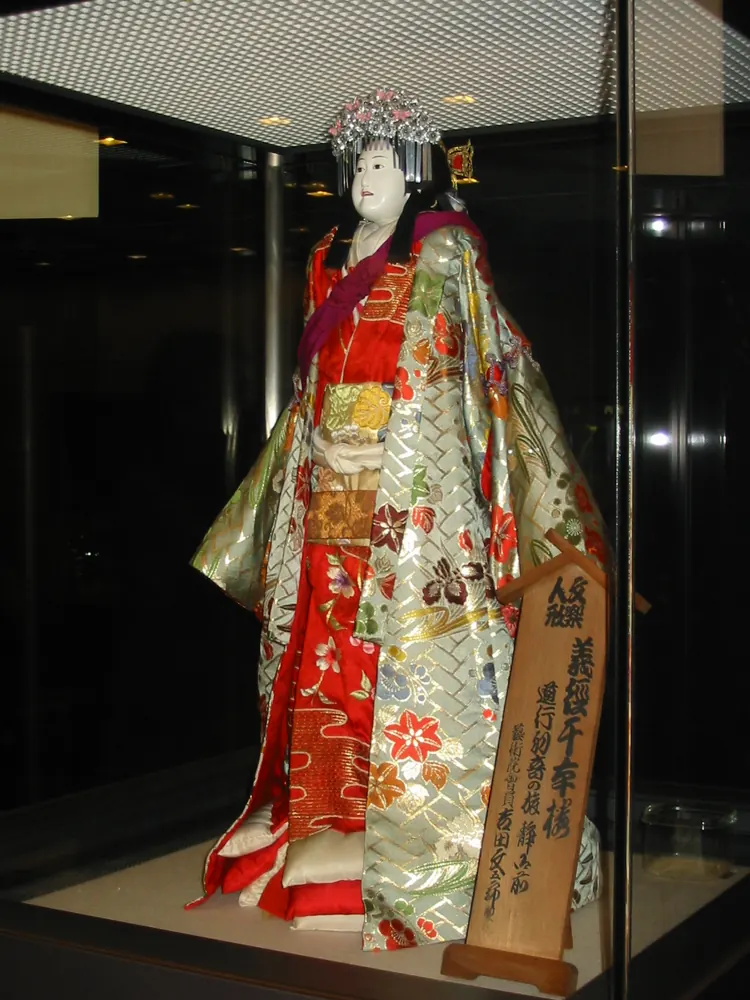 Bunraku文楽
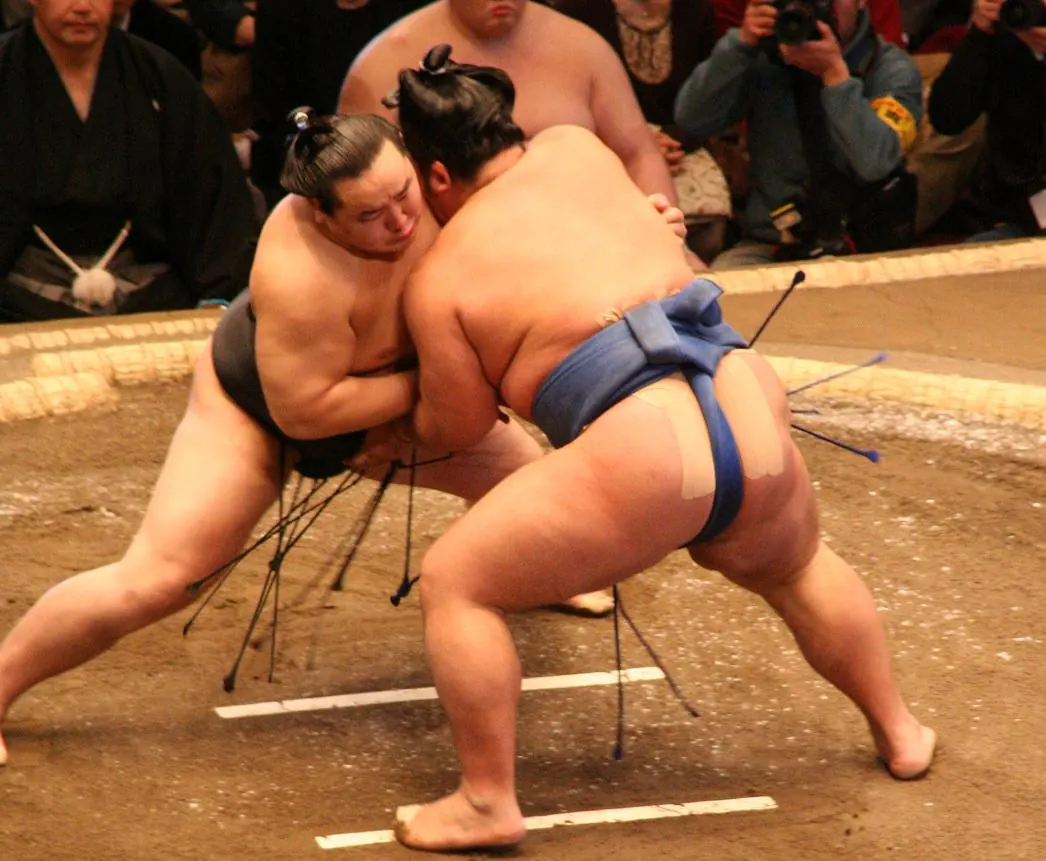 Sumo相撲
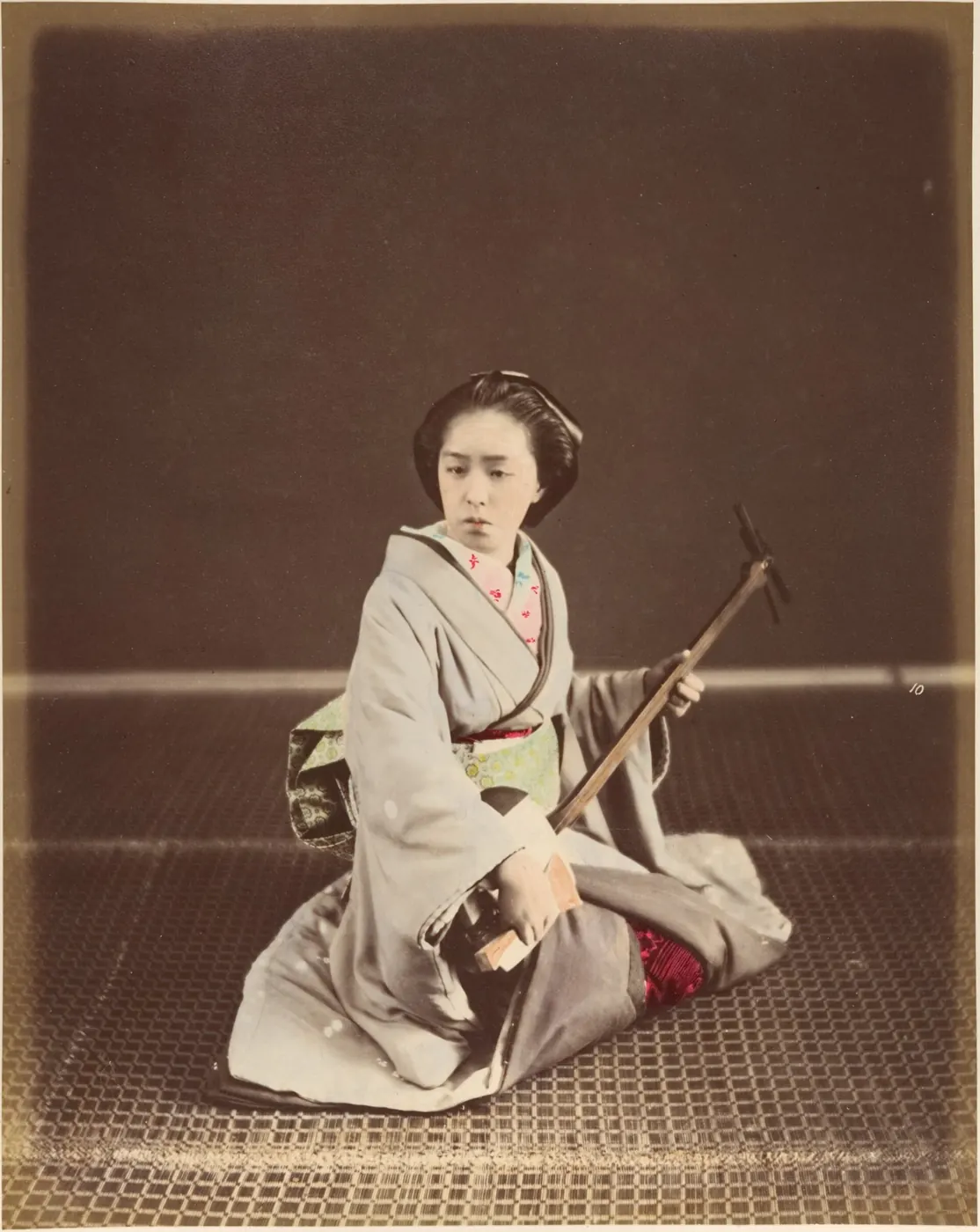 Geisha芸妓
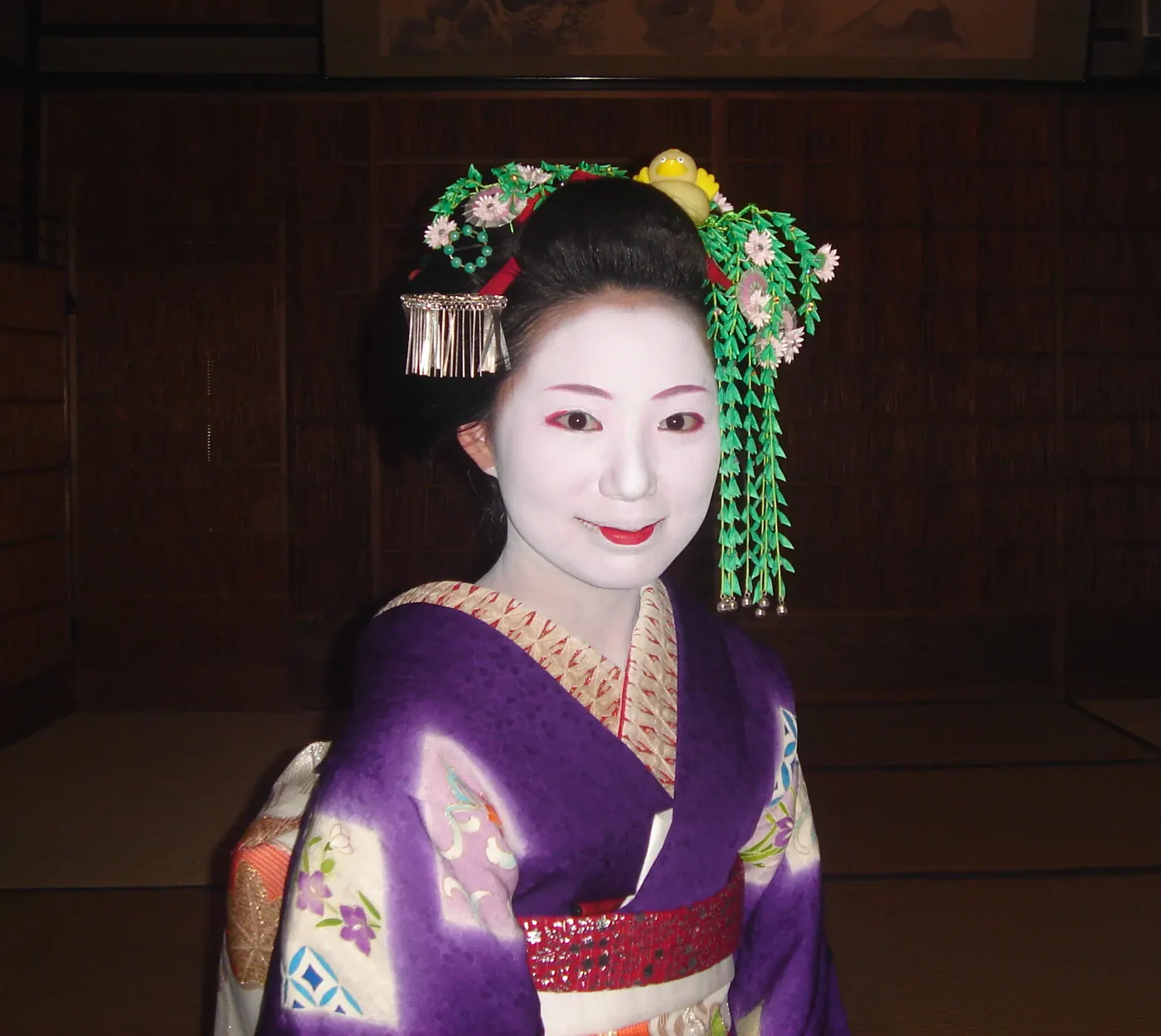 Maiko舞妓
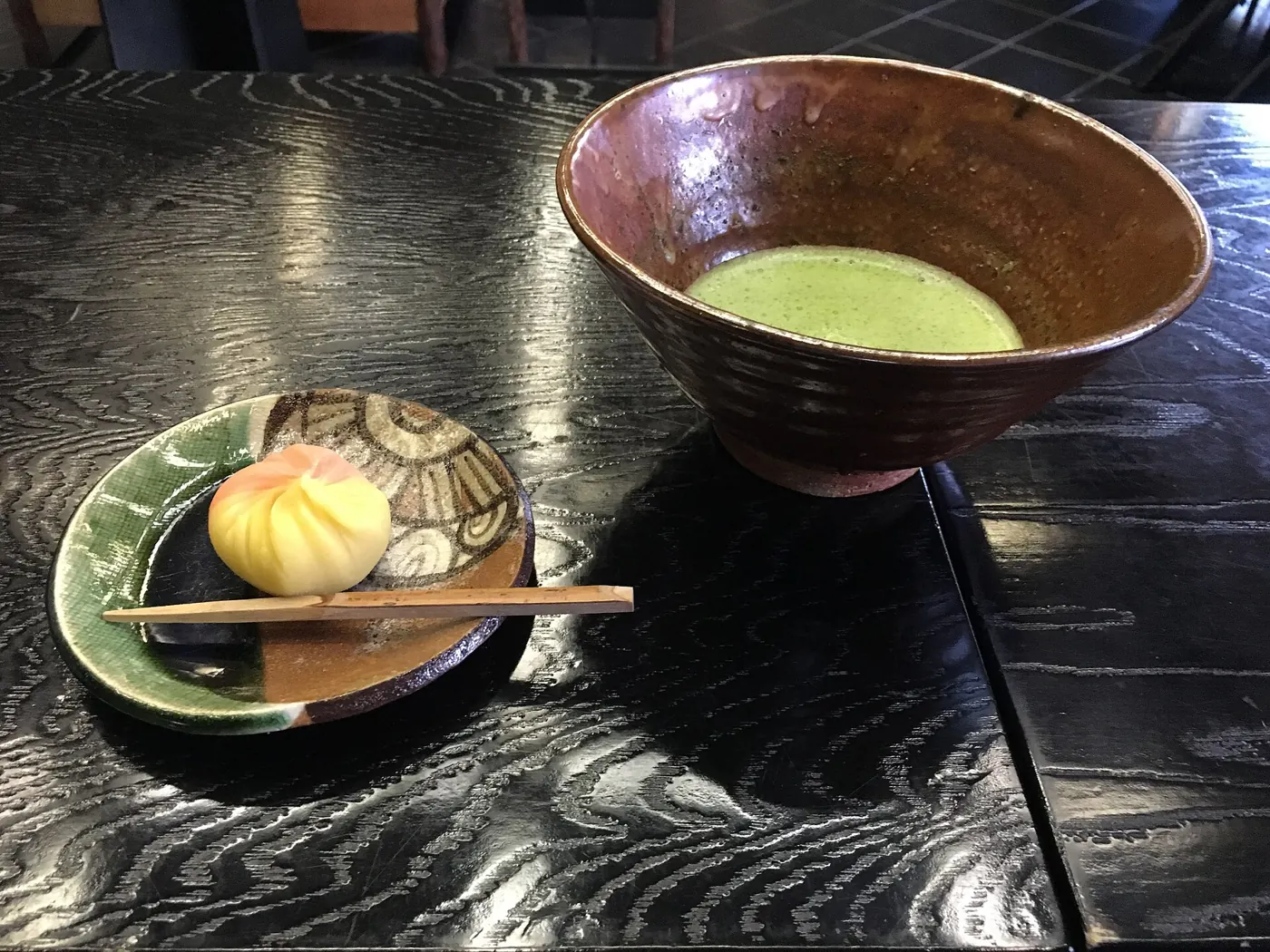 Sadō茶道
 Ikebana生け花
 Shodō書
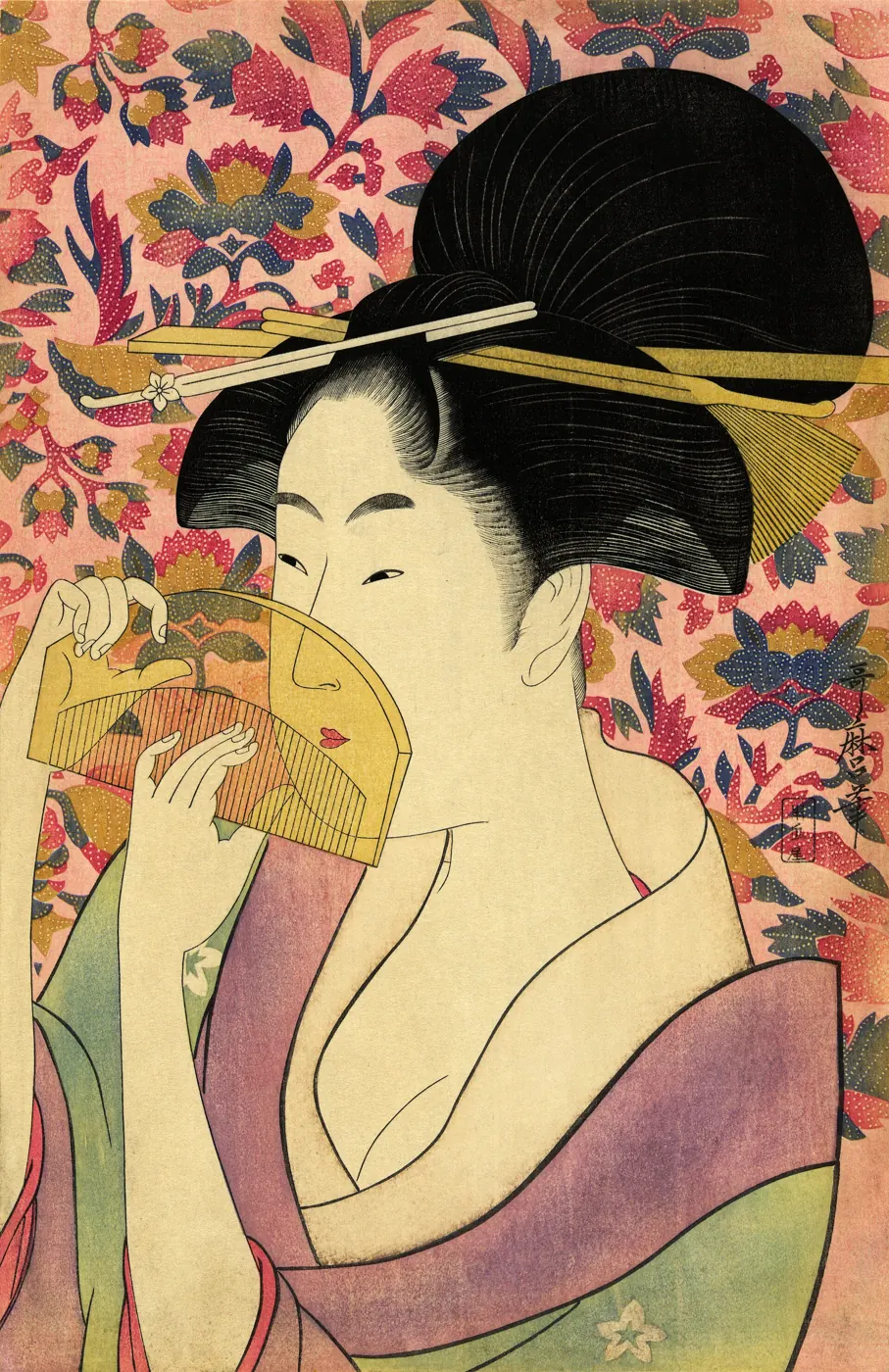 Ukiyo-e浮世絵
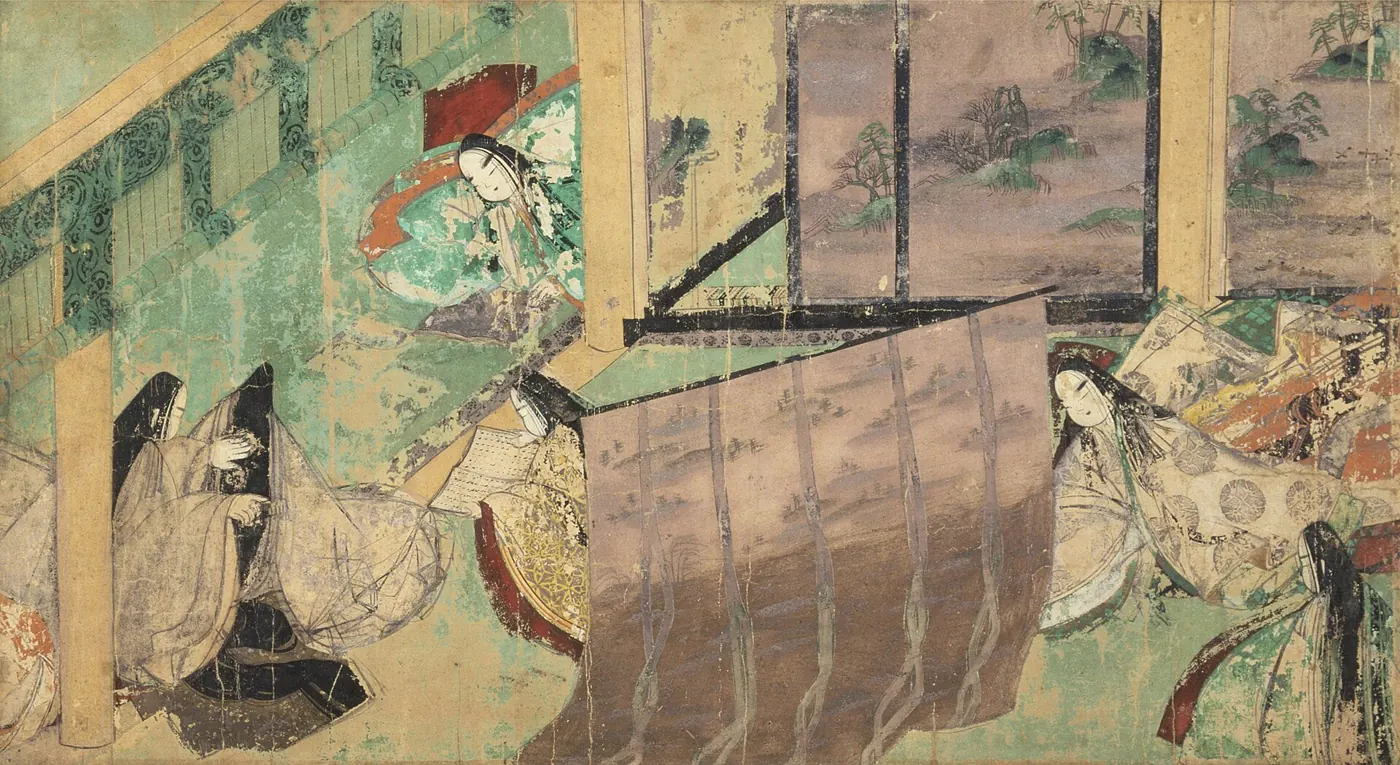 Yamato-e大和絵
Open the scanner and compare →