What is this? › Performing arts & ways (dō)
大和絵Yamato-e
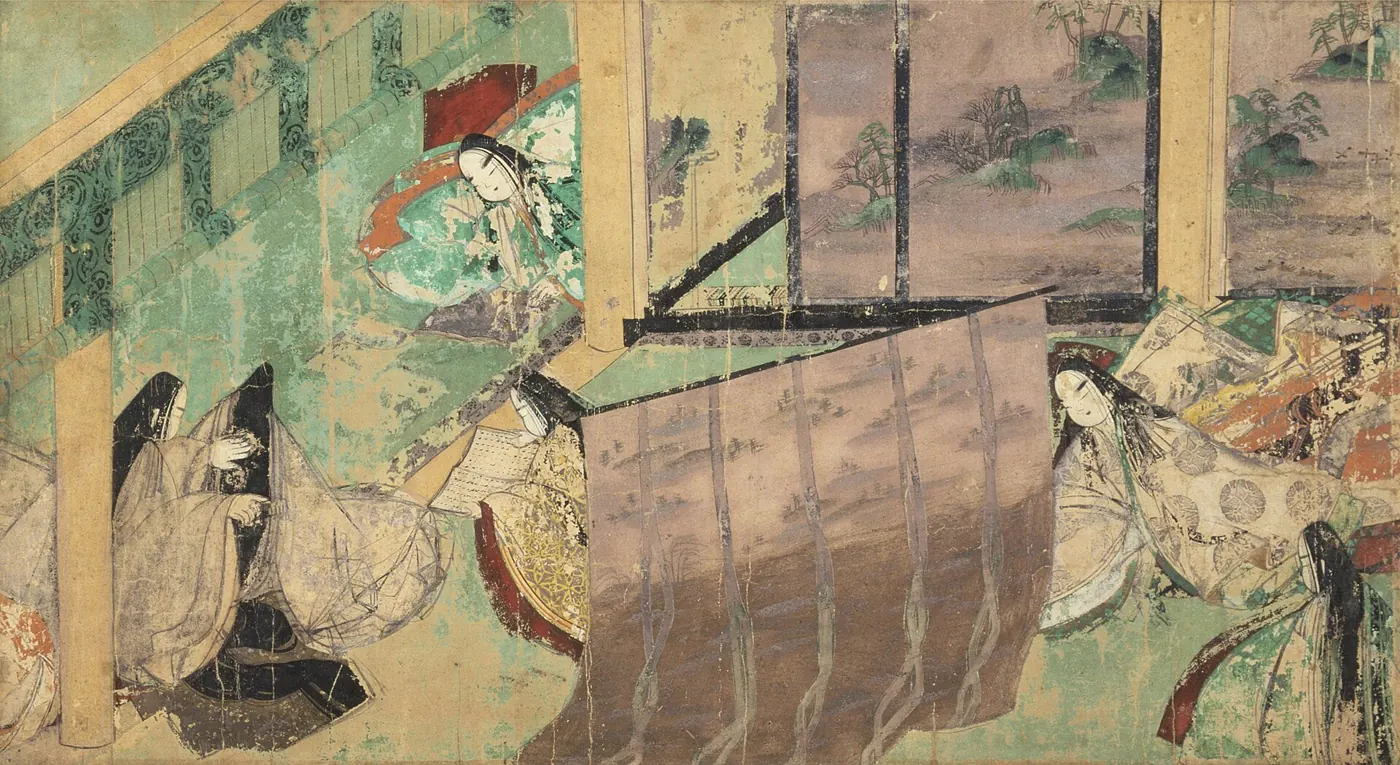
Yamato-e (大和絵) is a style of Japanese painting inspired by Tang dynasty paintings and fully developed by the late Heian period. It is considered the classical Japanese style. From the Muromachi period (15th century), the term yamato-e has been used to distinguish work from contemporary Chinese-style paintings kara-e (唐絵), which were inspired by Chinese Song and Yuan-era ink wash paintings.
Characteristic features of yamato-e include many small figures and careful depictions of details of buildings and other objects, the selection of only some elements of a scene to be fully depicted, the rest either being ignored or covered by a "floating cloud", an oblique view from above showing interiors of buildings as though through a cutaway roof, and very stylised depiction of landscape.
Yamato-e very often depict narrative stories, with or without accompanying text, but also show the beauty of nature, with famous places meisho-e (名所絵) or the four seasons shiki-e (四季絵). The pictures are often on scrolls that can be hung on a wall (kakemono), handscrolls (emakimono) that are read from right to left, or on a folding screen (byōbu) or panel (shōji). Although they received their name from the Yamato period, no yamato-e paintings from this period survive, nor from several centuries afterwards.
Text from Wikipedia: Yamato-e — CC BY-SA 4.0. Read more on Wikipedia →
旅Try it yourself: Yamato-e
Live prices and reviews from GetYourGuide. Many tours can be cancelled for free — check each listing.
Ad: we may earn a commission if you book through these links, at no extra cost to you.
Compare whether a rail pass saves money on your route before you buy tickets.
Check prices →Japan eSIM / mobile data
Ad: we may earn a commission if you book through these links, at no extra cost to you.
問Questions visitors ask
What is Yamato-e?
Yamato-e (大和絵) is a style of Japanese painting inspired by Tang dynasty paintings and fully developed by the late Heian period.
芸Performing arts & ways (dō)
 Noh能
 Kyōgen狂言
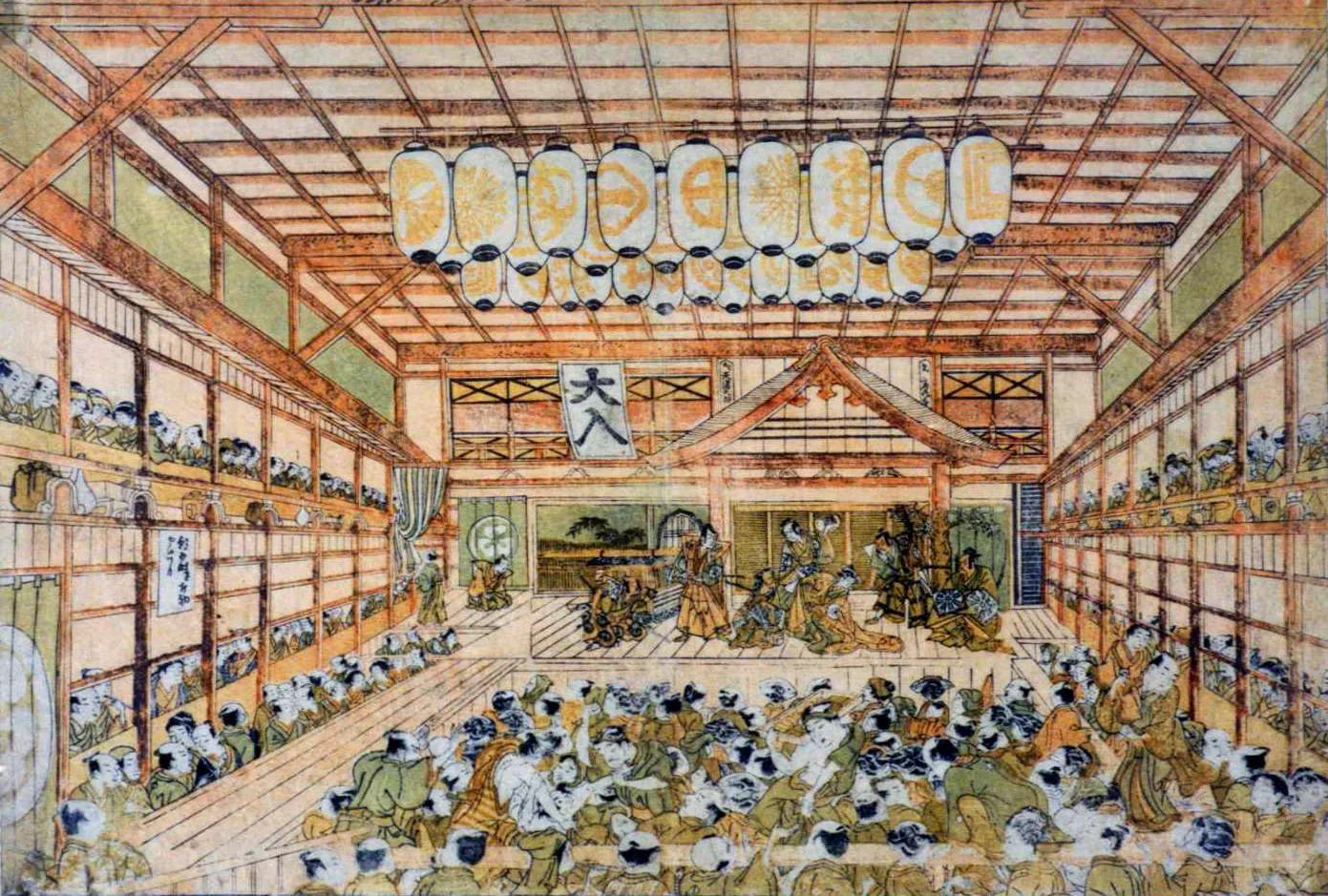 Kabuki歌舞伎
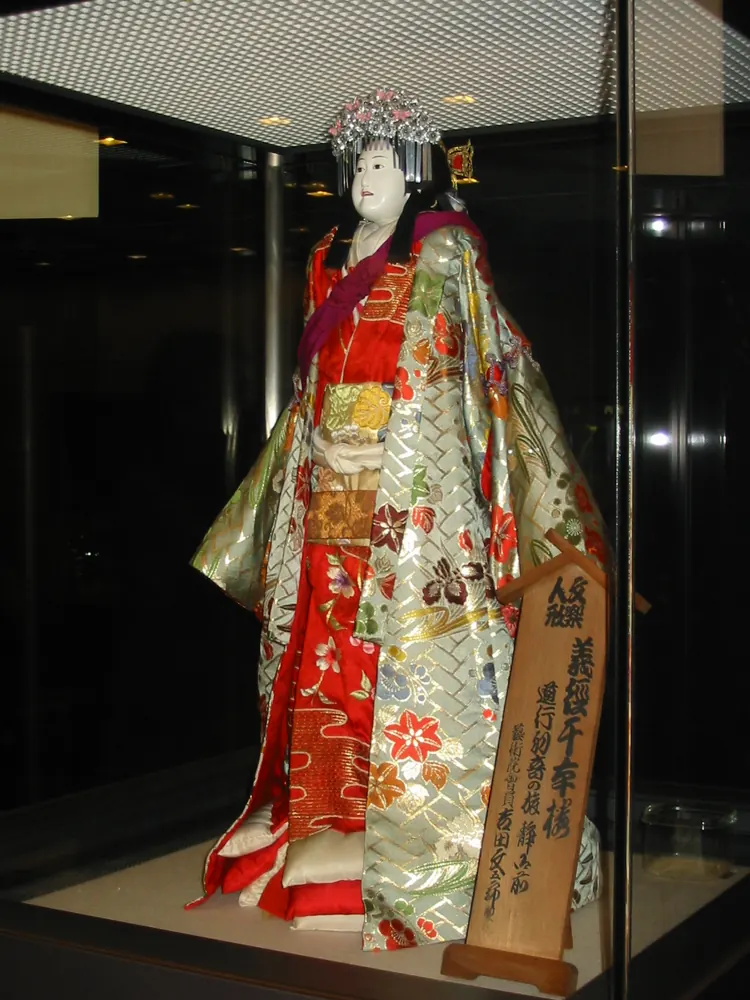 Bunraku文楽
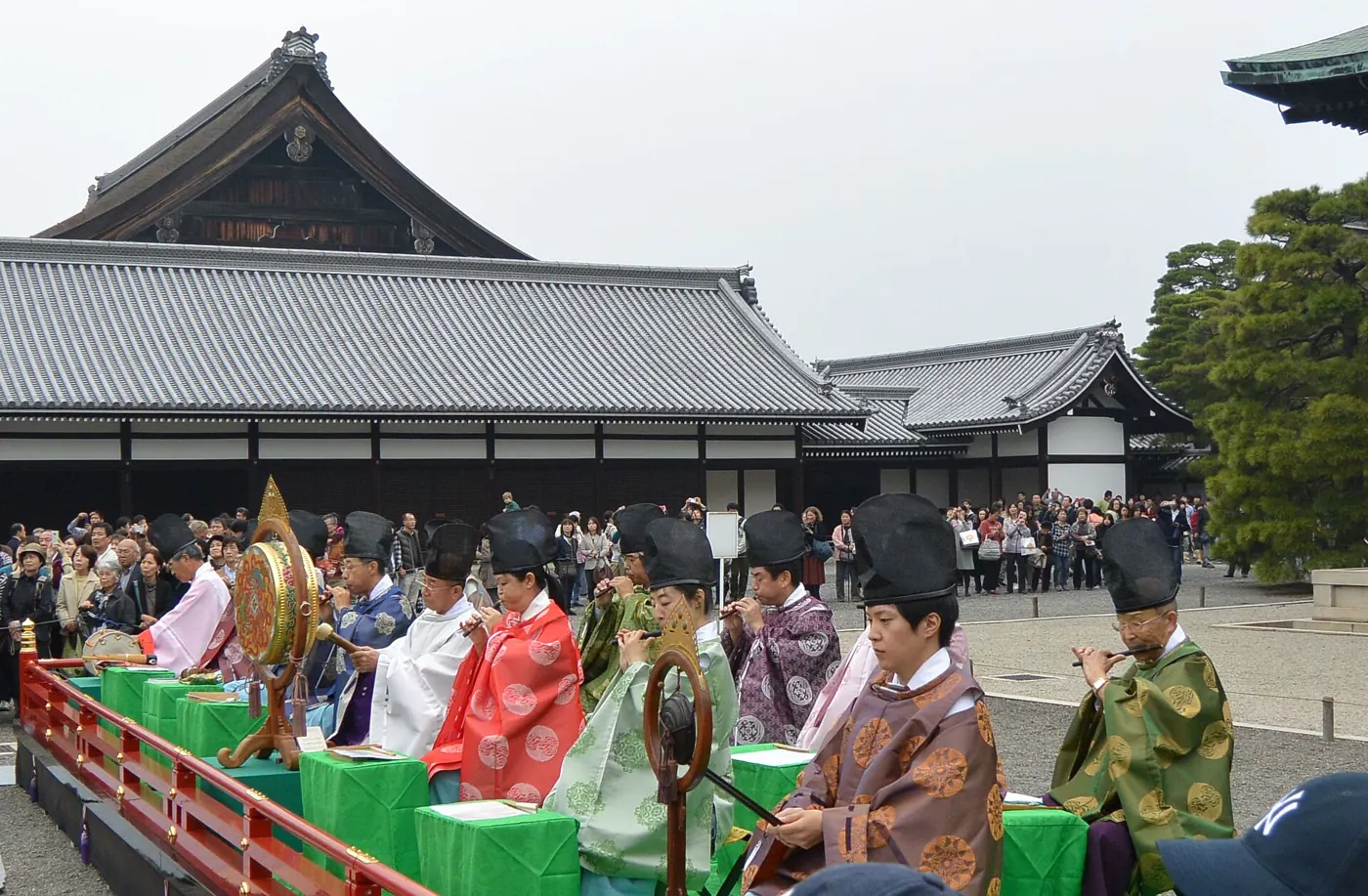 Gagaku日本の雅楽
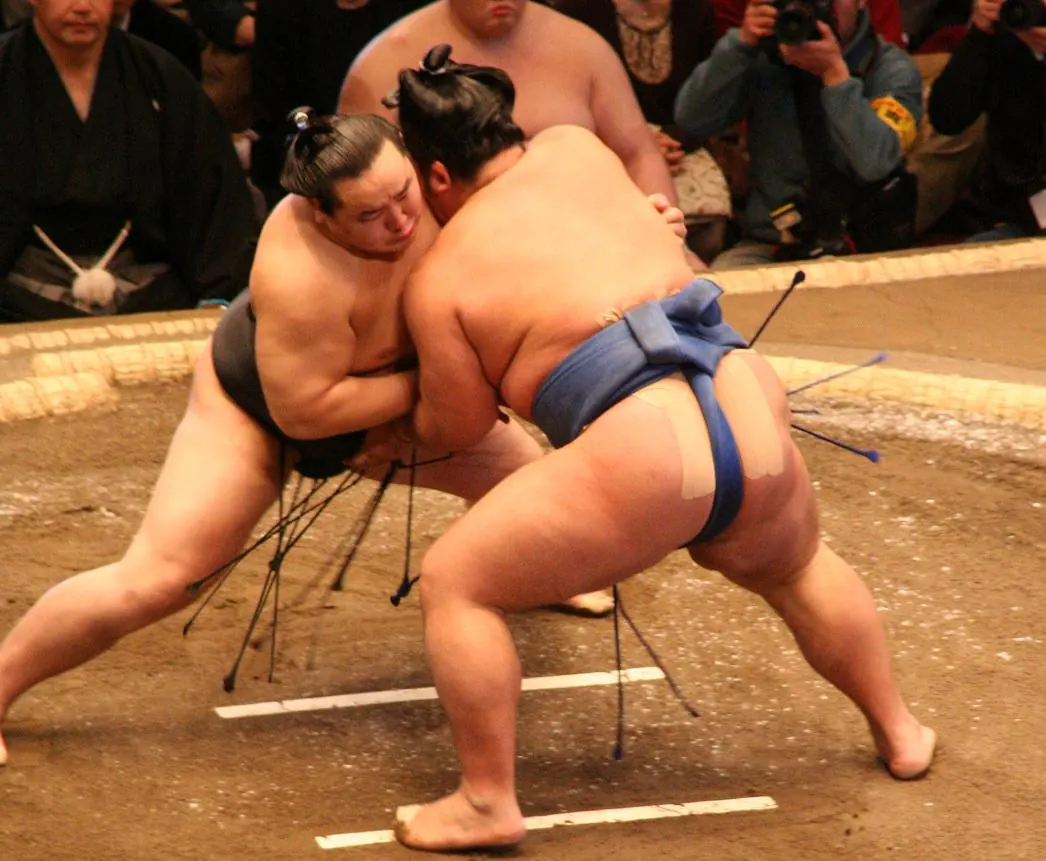 Sumo相撲
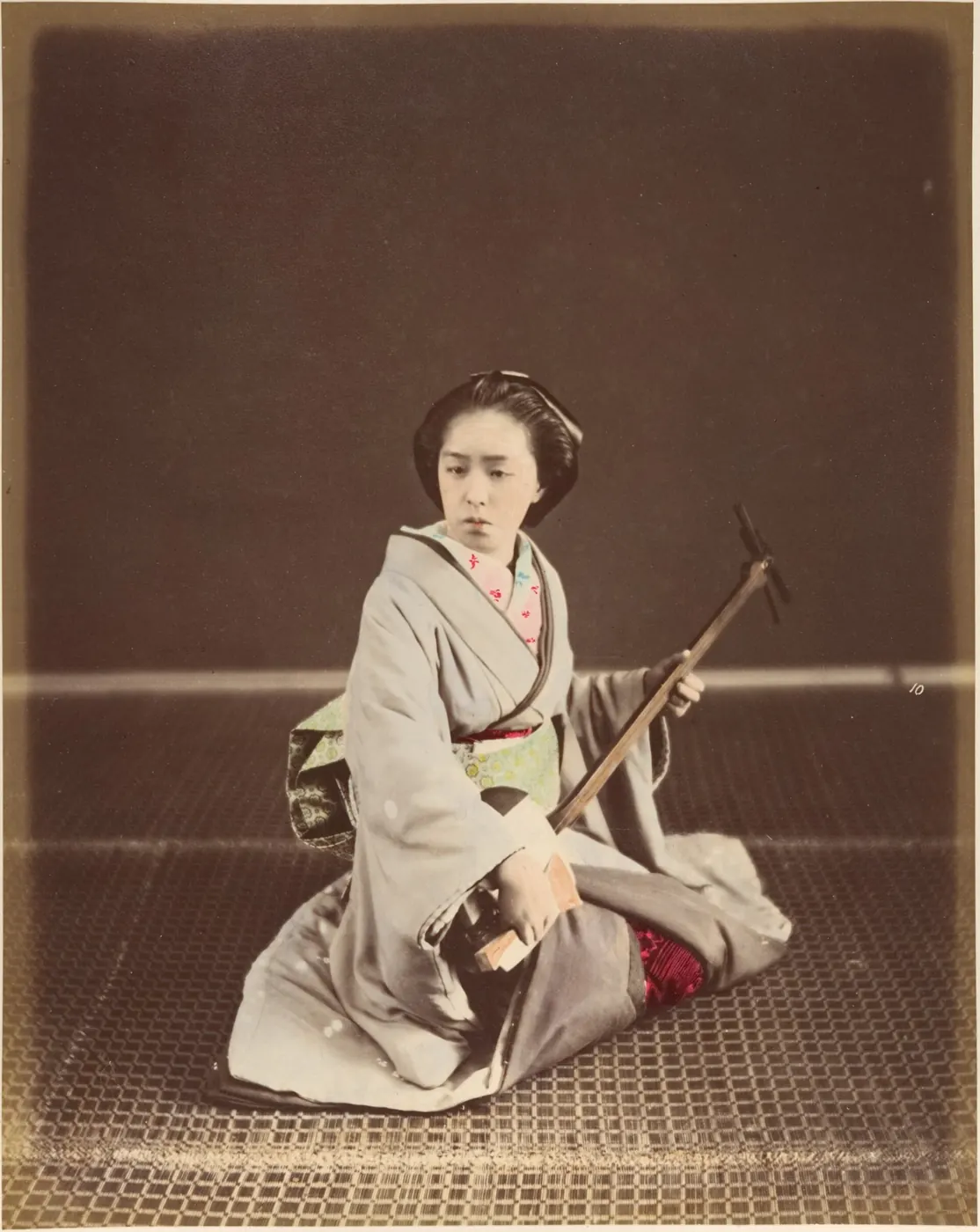 Geisha芸妓
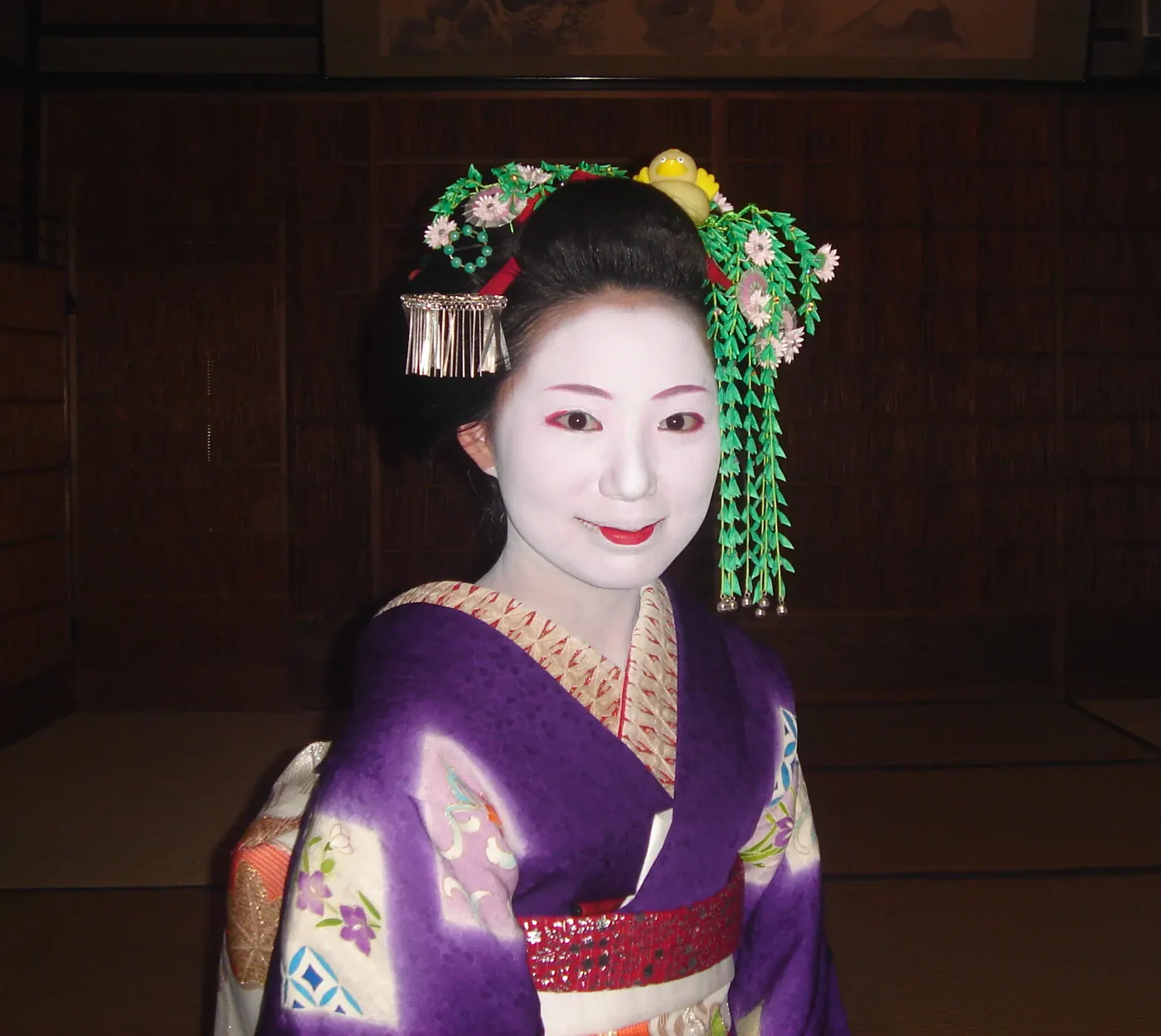 Maiko舞妓
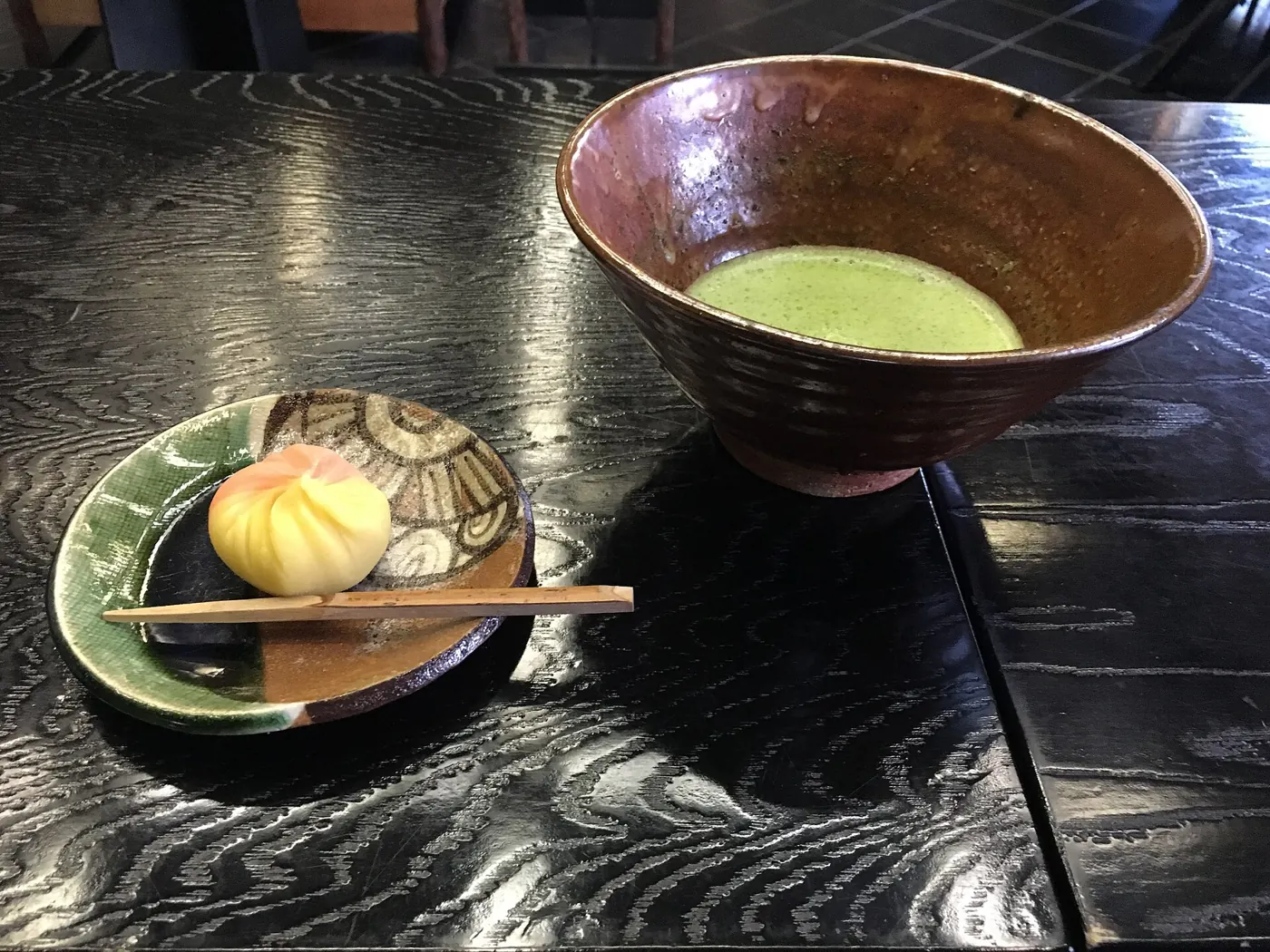 Sadō茶道
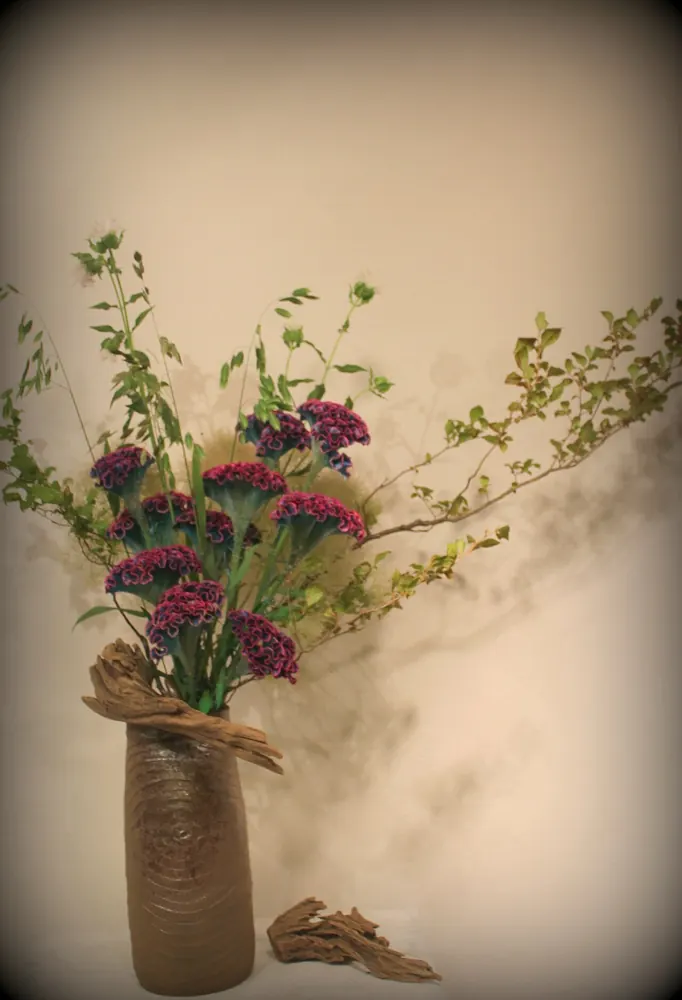 Ikebana生け花
 Shodō書
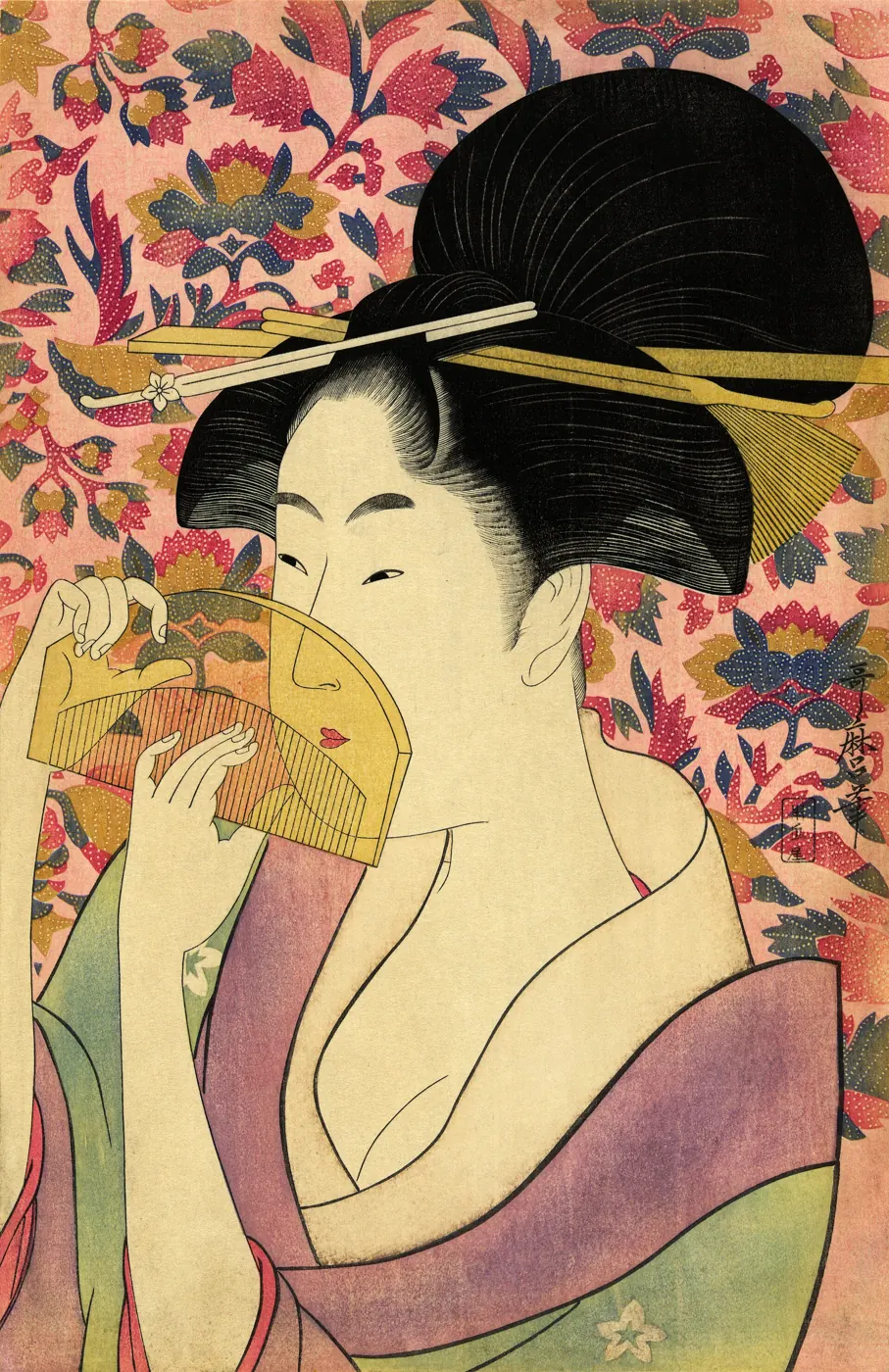 Ukiyo-e浮世絵
Open the scanner and compare →