What is this? › Performing arts & ways (dō)
絵巻物Emaki (picture scrolls)

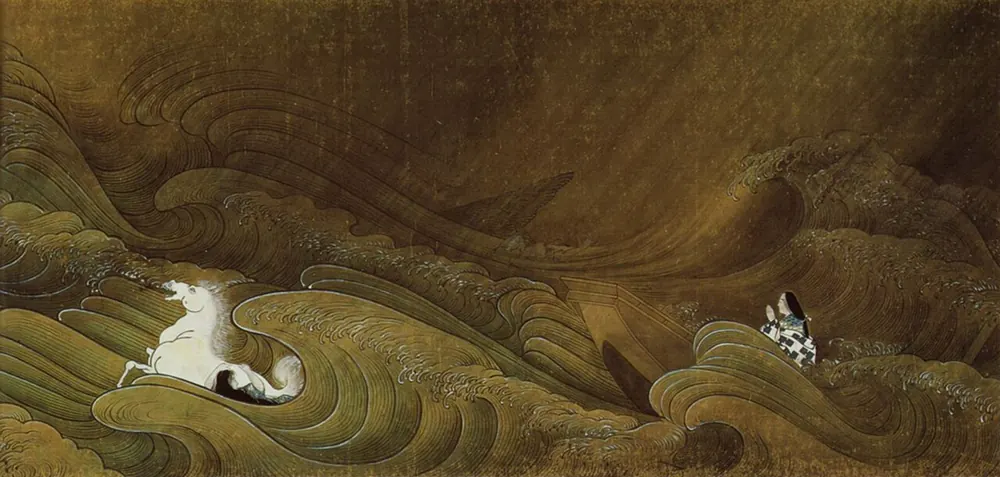
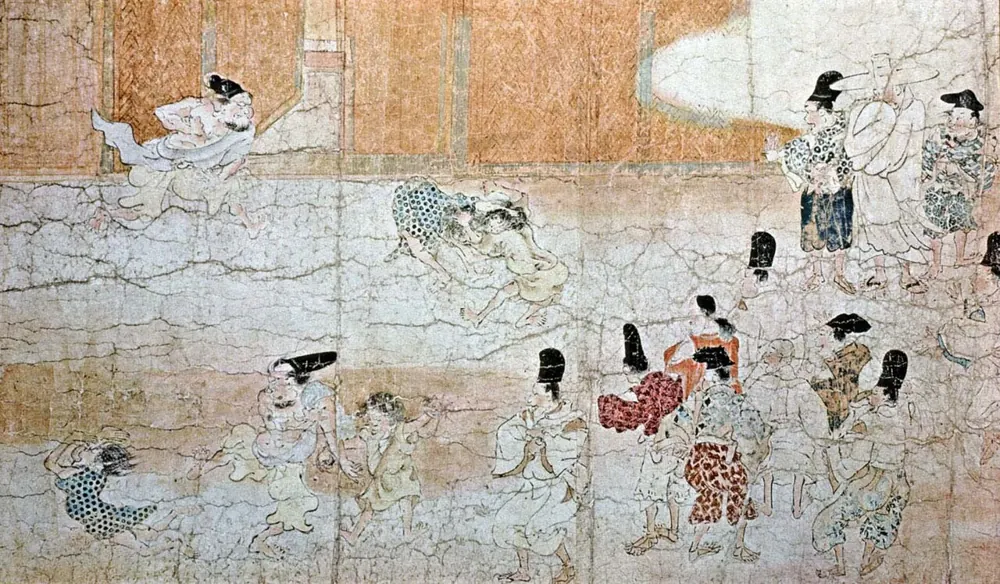
Emakimono (絵巻物, lit. 'picture scroll'; also emaki-mono) or emaki (絵巻) is an illustrated horizontal narration system of painted handscrolls that dates back to Nara-period (710–794 CE) Japan. Initially copying their much older Chinese counterparts in style, during the succeeding Heian (794–1185) and Kamakura periods (1185–1333), Japanese emakimono developed their own distinct style. The term therefore refers only to Japanese painted narrative scrolls.
As in the Chinese and Korean scrolls, emakimono combine calligraphy and illustrations and are painted, drawn or stamped on long rolls of paper or silk sometimes measuring several metres. The reader unwinds each scroll little by little, revealing the story as seen fit. Emakimono are therefore a narrative genre similar to the book, developing romantic or epic stories, or illustrating religious texts and legends. Fully anchored in the yamato-e style, these Japanese works are above all an everyday art, centered on the human being and the sensations conveyed by the artist.
Although the very first 8th-century emakimono were copies of Chinese works, emakimono of Japanese taste appeared from the 10th century in the Heian imperial court, especially among aristocratic ladies with refined and reclusive lives, who devoted themselves to the arts, poetry, painting, calligraphy and literature.
Text from Wikipedia: Emakimono — CC BY-SA 4.0. Read more on Wikipedia →
Japan Tourism Agency explanations
旅Try it yourself: Emaki (picture scrolls)
Live prices and reviews from GetYourGuide. Many tours can be cancelled for free — check each listing.
Ad: we may earn a commission if you book through these links, at no extra cost to you.
Compare whether a rail pass saves money on your route before you buy tickets.
Check prices →Japan eSIM / mobile data
Ad: we may earn a commission if you book through these links, at no extra cost to you.
問Questions visitors ask
What is Emaki (picture scrolls)?
Emakimono (絵巻物, lit.
芸Performing arts & ways (dō)
 Noh能
 Kyōgen狂言
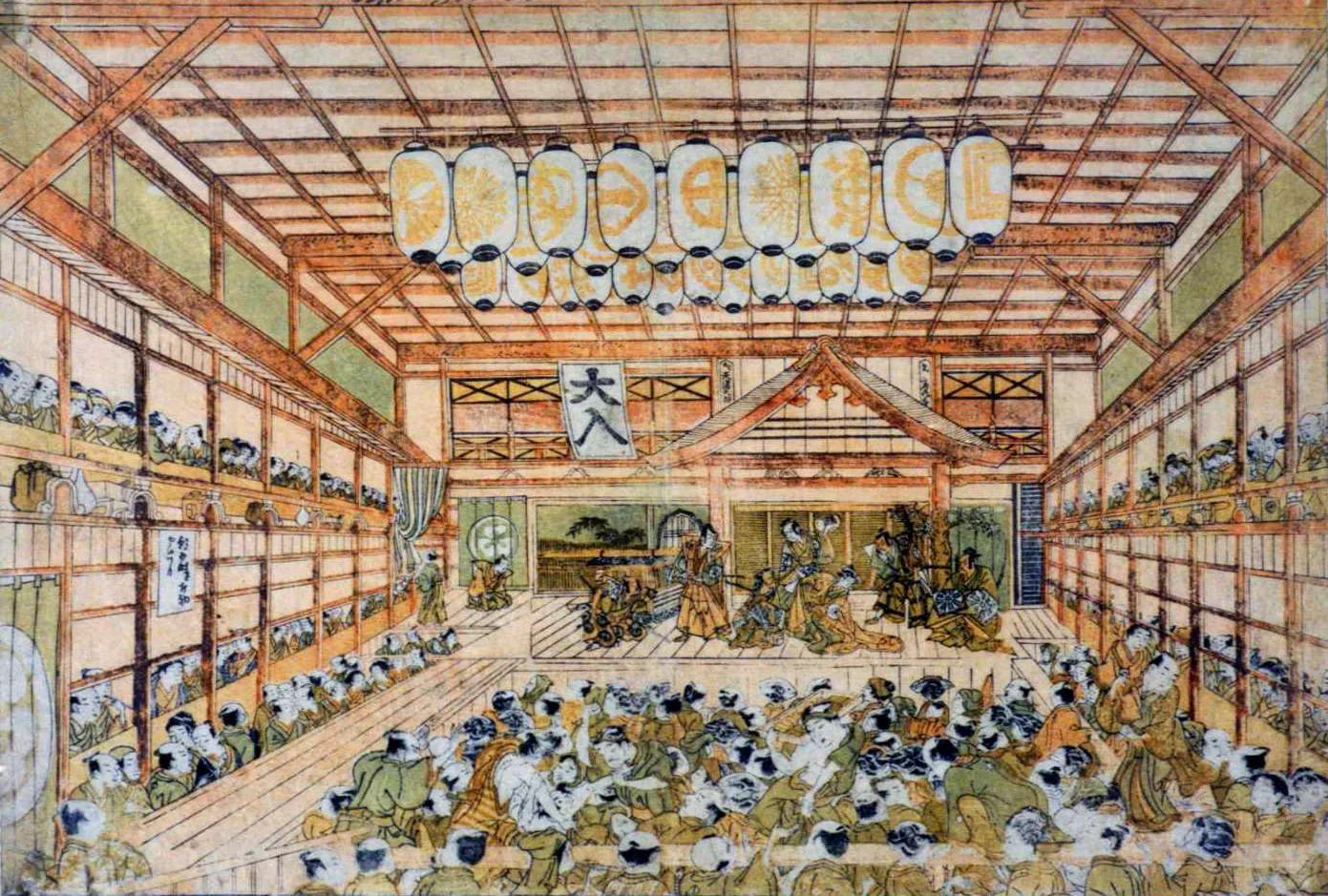 Kabuki歌舞伎
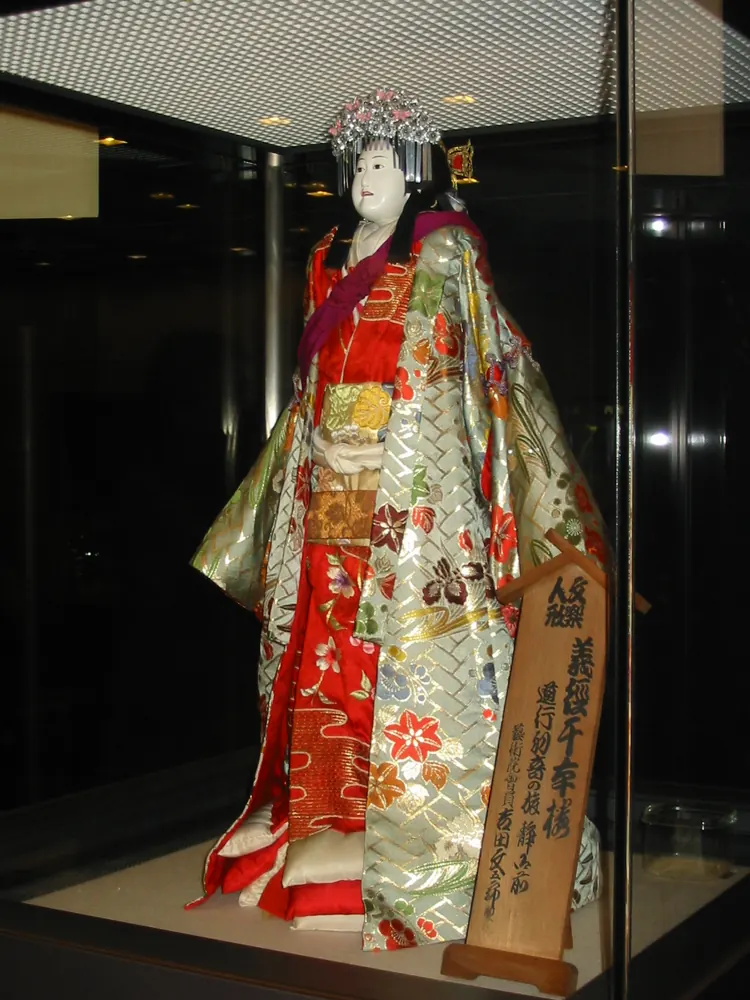 Bunraku文楽
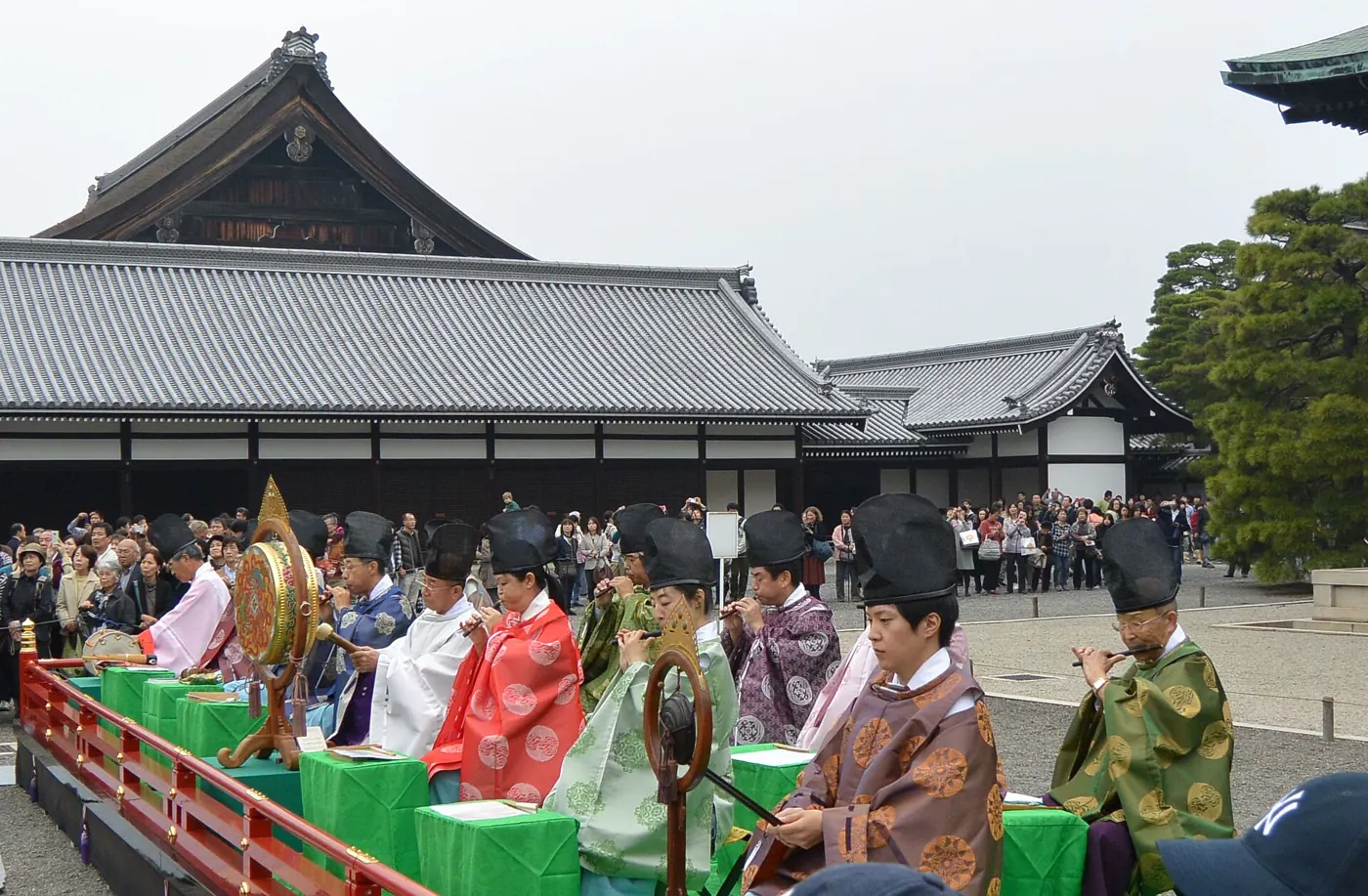 Gagaku日本の雅楽
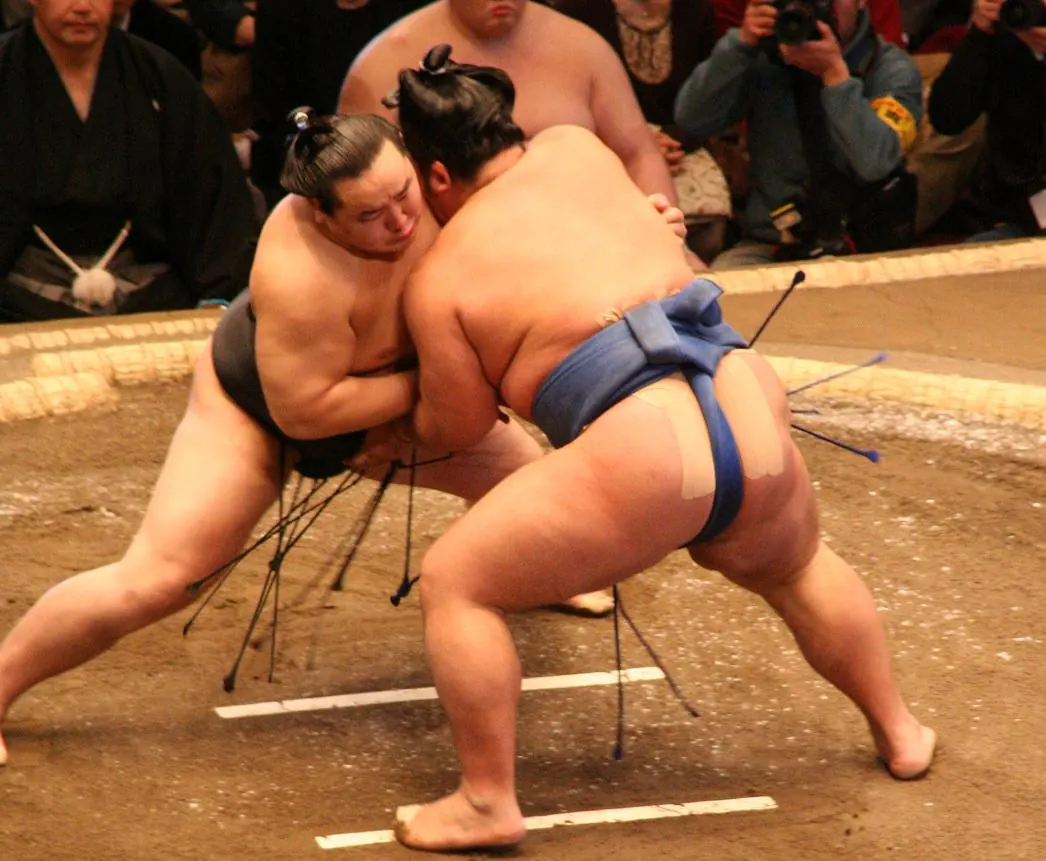 Sumo相撲
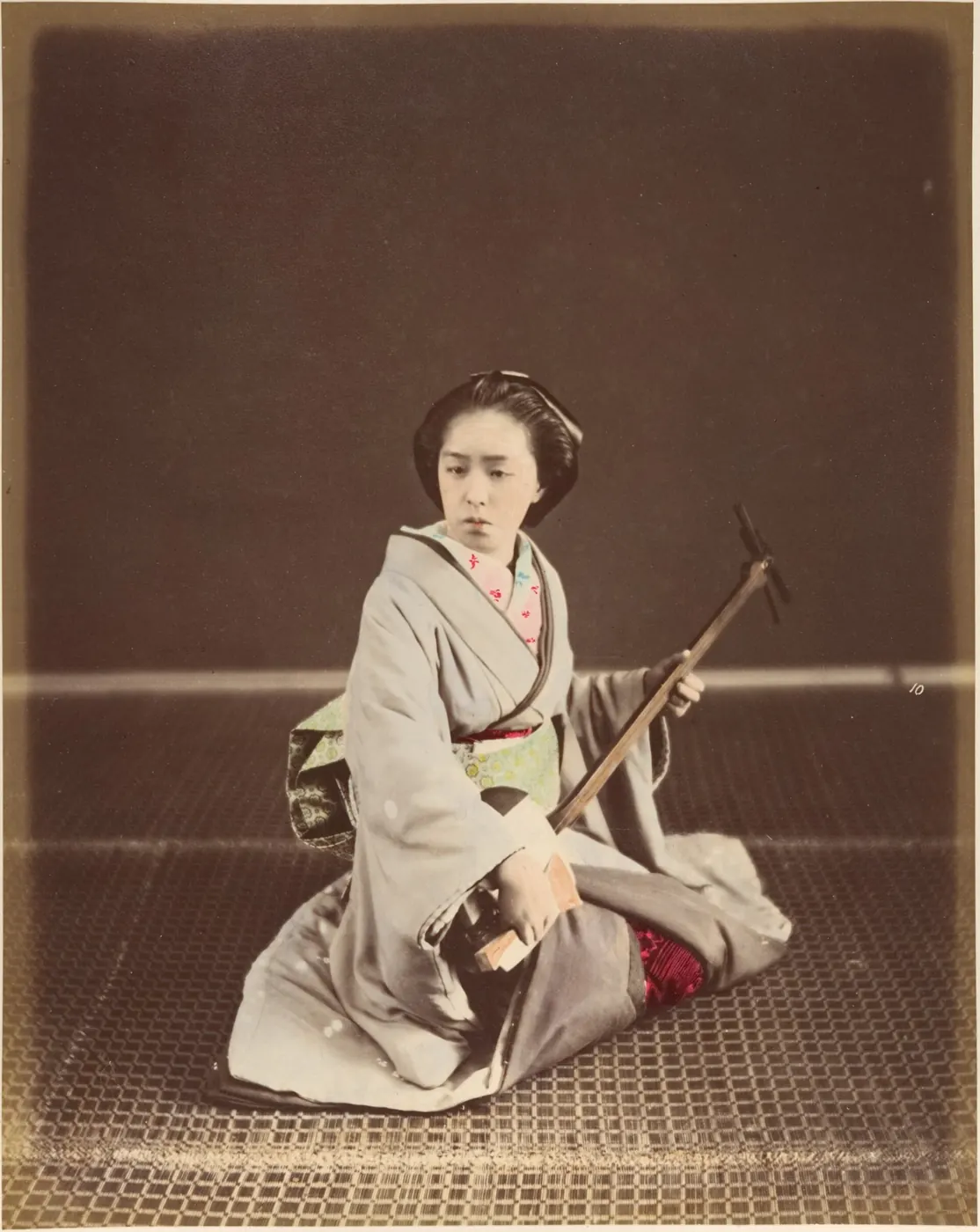 Geisha芸妓
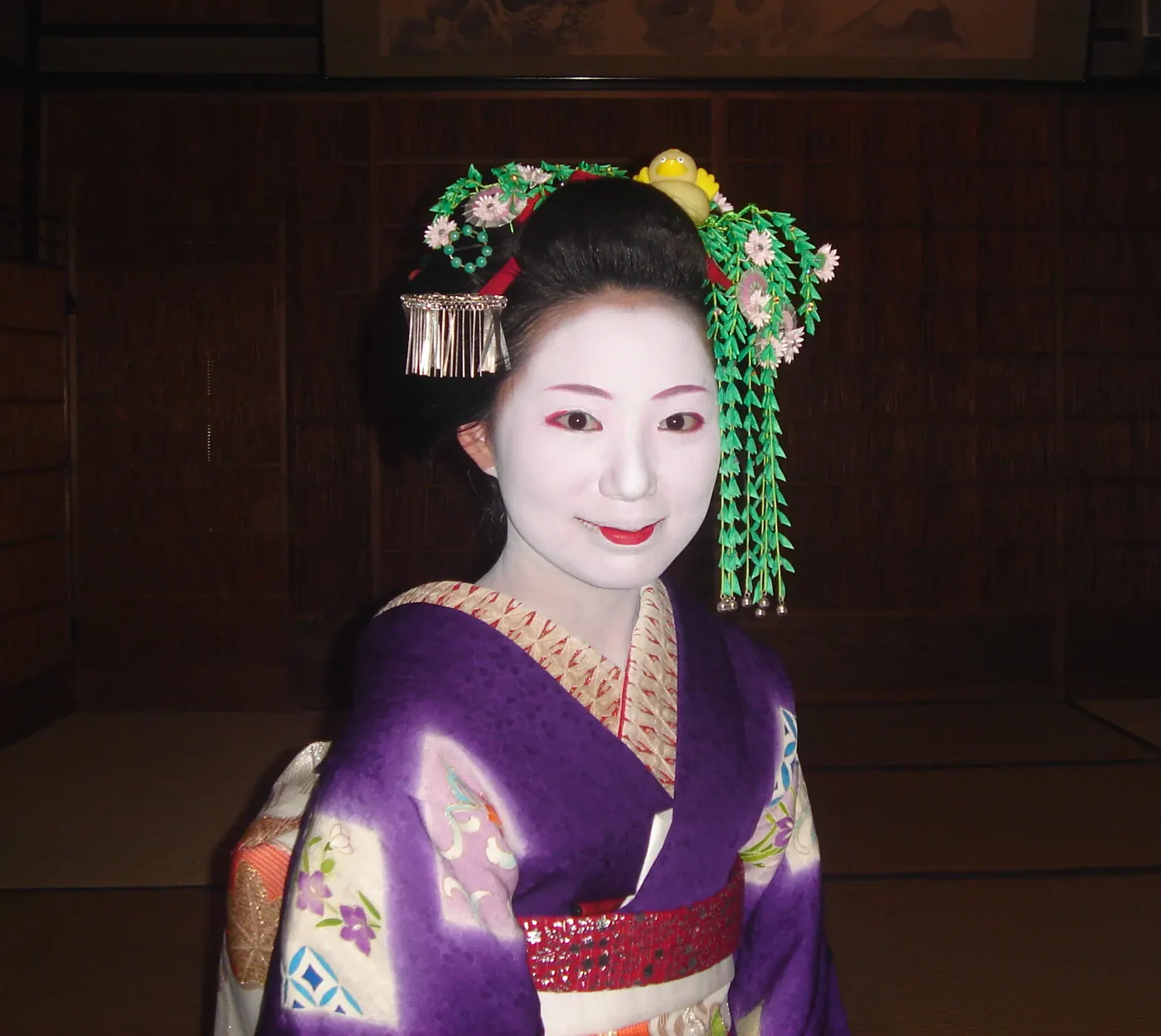 Maiko舞妓
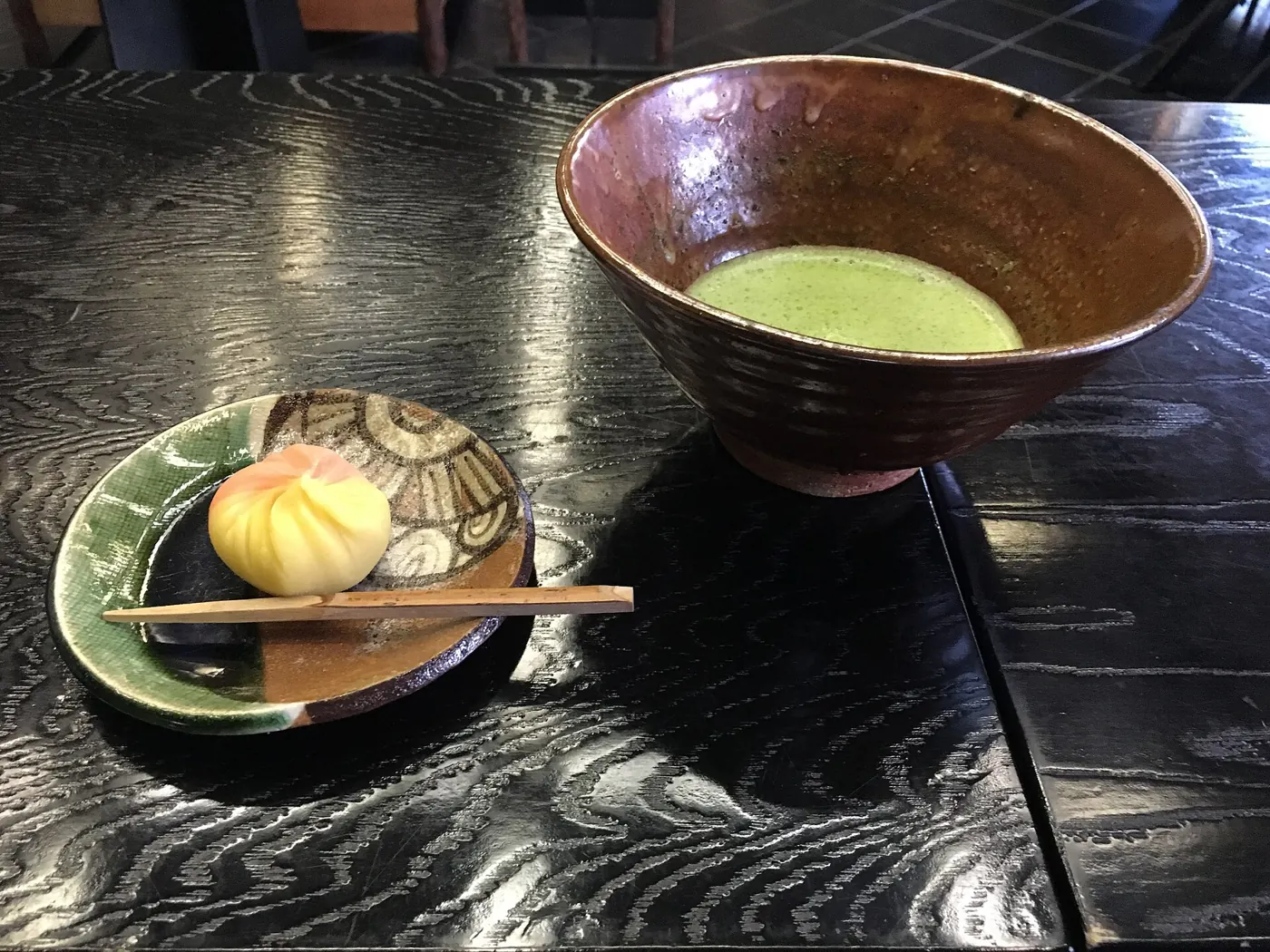 Sadō茶道
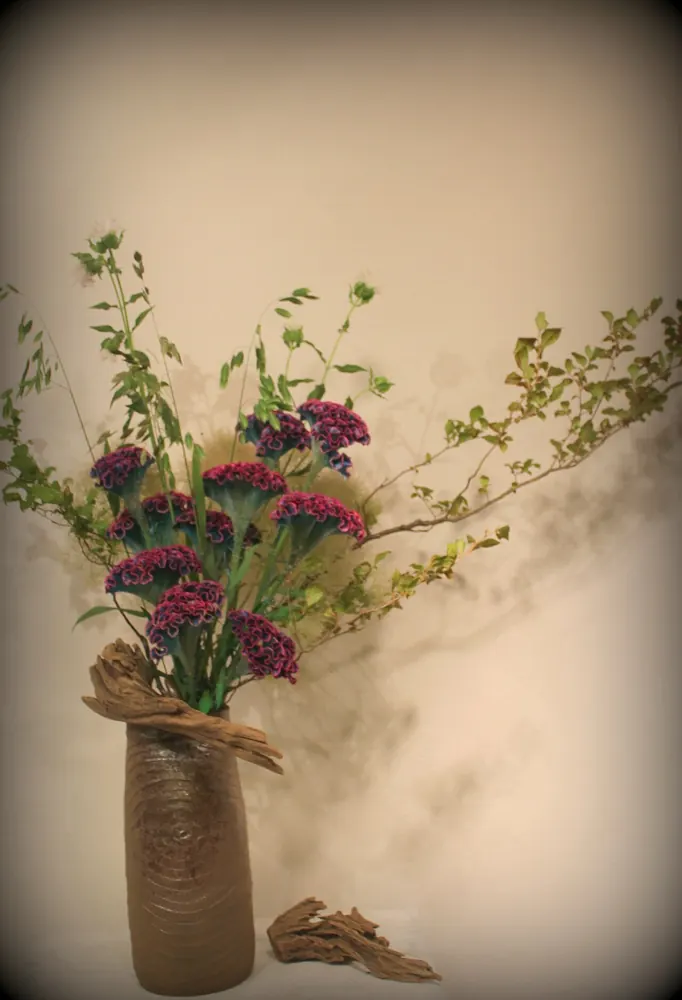 Ikebana生け花
 Shodō書
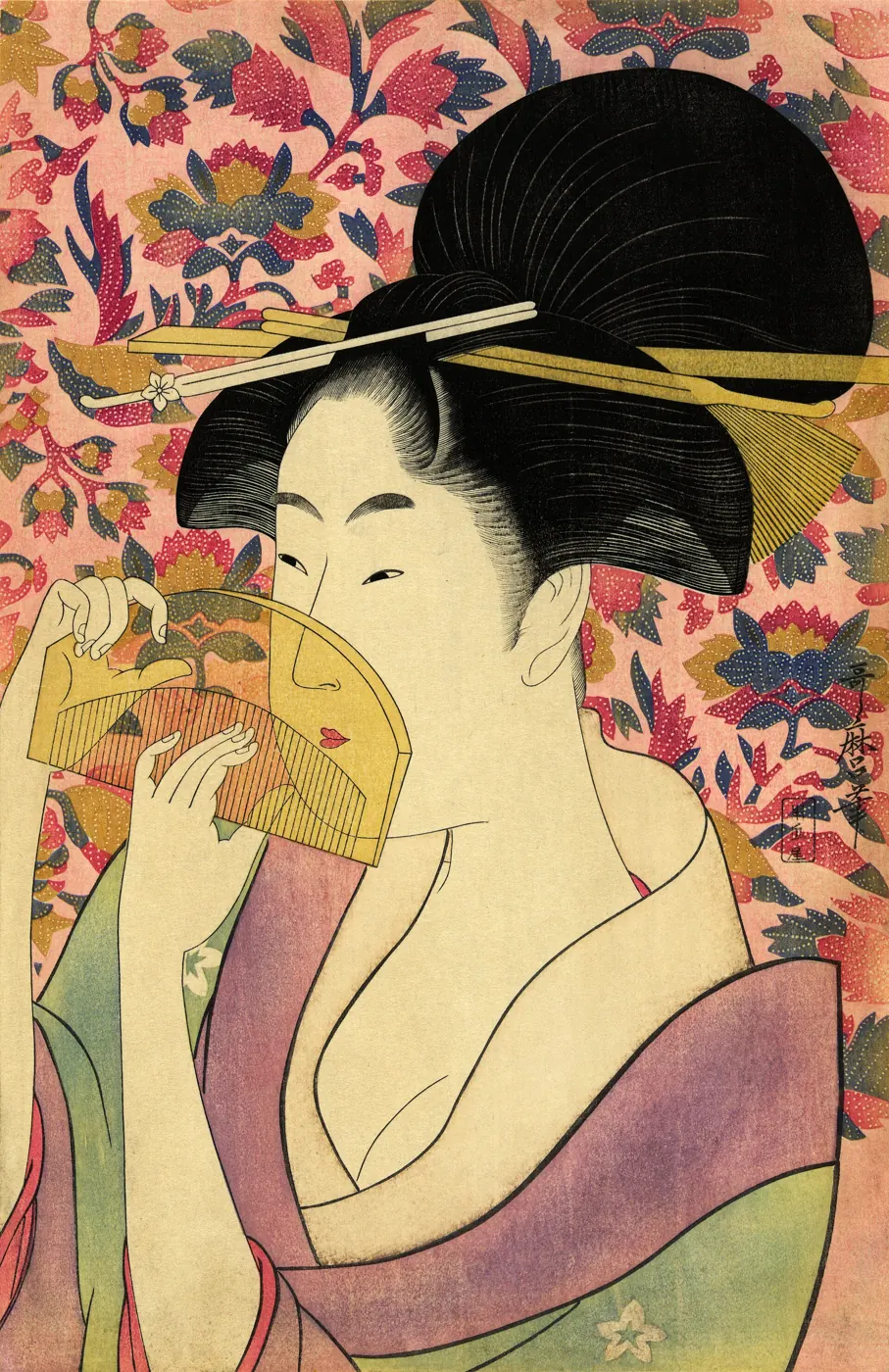 Ukiyo-e浮世絵
Open the scanner and compare →