What is this? › Performing arts & ways (dō)
折り紙Origami
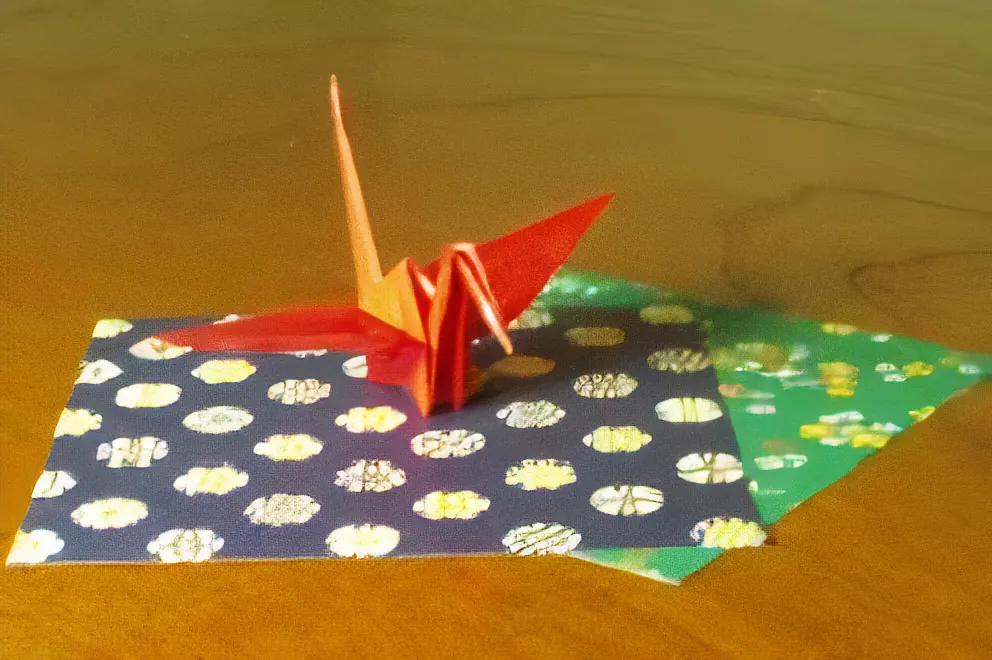
Origami (折り紙) is the art and technique of folding paper. It also refers to the two- and three-dimensional forms created in the process. The use of the term has been extended in modern times to include other materials such as metal, textiles, and it is also used in the biological sciences to describe folded structures like DNA.
Although the word origami has Japanese roots, the practice itself is universal and its origin remains unknown.
The goal is to transform a flat square sheet of paper into a finished sculpture through folding and sculpting techniques. Modern origami practitioners generally discourage the use of cuts, glue, or markings on the paper. Origami folders often use the Japanese word kirigami to refer to designs which use cuts.
In the detailed Japanese classification, origami is divided into stylized ceremonial origami (儀礼折り紙, girei origami) and recreational origami (遊戯折り紙, yūgi origami), and only recreational origami is generally recognized as origami. In Japan, ceremonial origami is generally called "origata" (ja:折形) to distinguish it from recreational origami. The term "origata" is one of the old terms for origami.
The small number of basic origami folds can be combined in a variety of ways to make intricate designs. The best-known origami model is the Japanese paper crane.
Text from Wikipedia: Origami — CC BY-SA 4.0. Read more on Wikipedia →
Japan Tourism Agency explanations
旅Try it yourself: Origami
Live prices and reviews from GetYourGuide. Many tours can be cancelled for free — check each listing.
Ad: we may earn a commission if you book through these links, at no extra cost to you.
Compare whether a rail pass saves money on your route before you buy tickets.
Check prices →Japan eSIM / mobile data
Ad: we may earn a commission if you book through these links, at no extra cost to you.
問Questions visitors ask
What is Origami?
Origami (折り紙) is the art and technique of folding paper.
芸Performing arts & ways (dō)
 Noh能
 Kyōgen狂言
 Kabuki歌舞伎
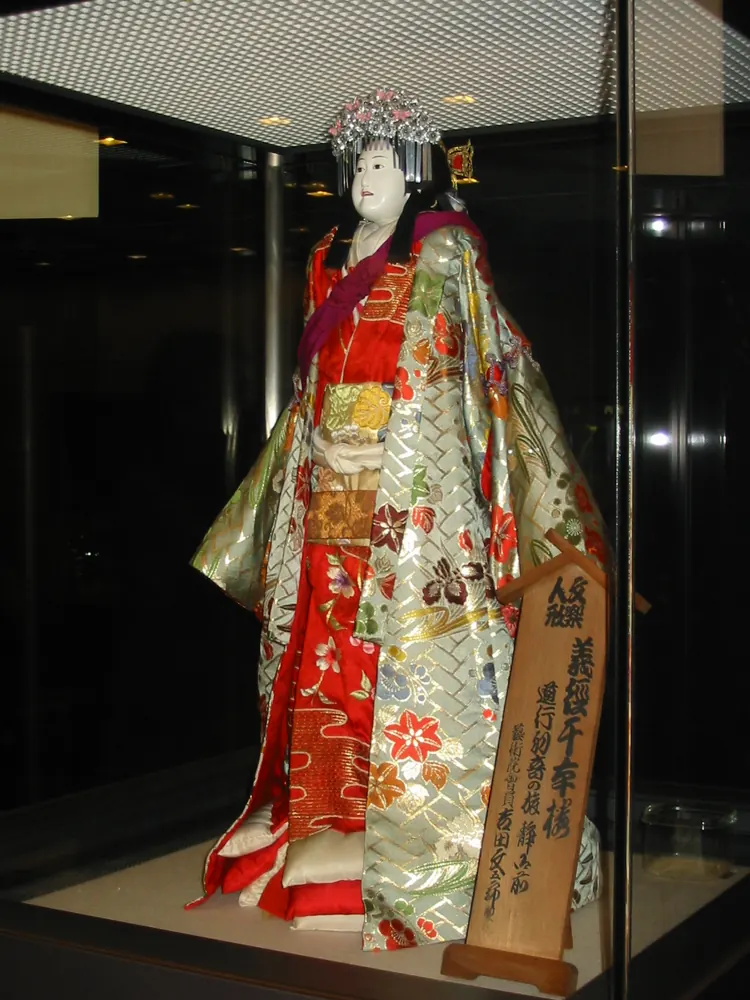 Bunraku文楽
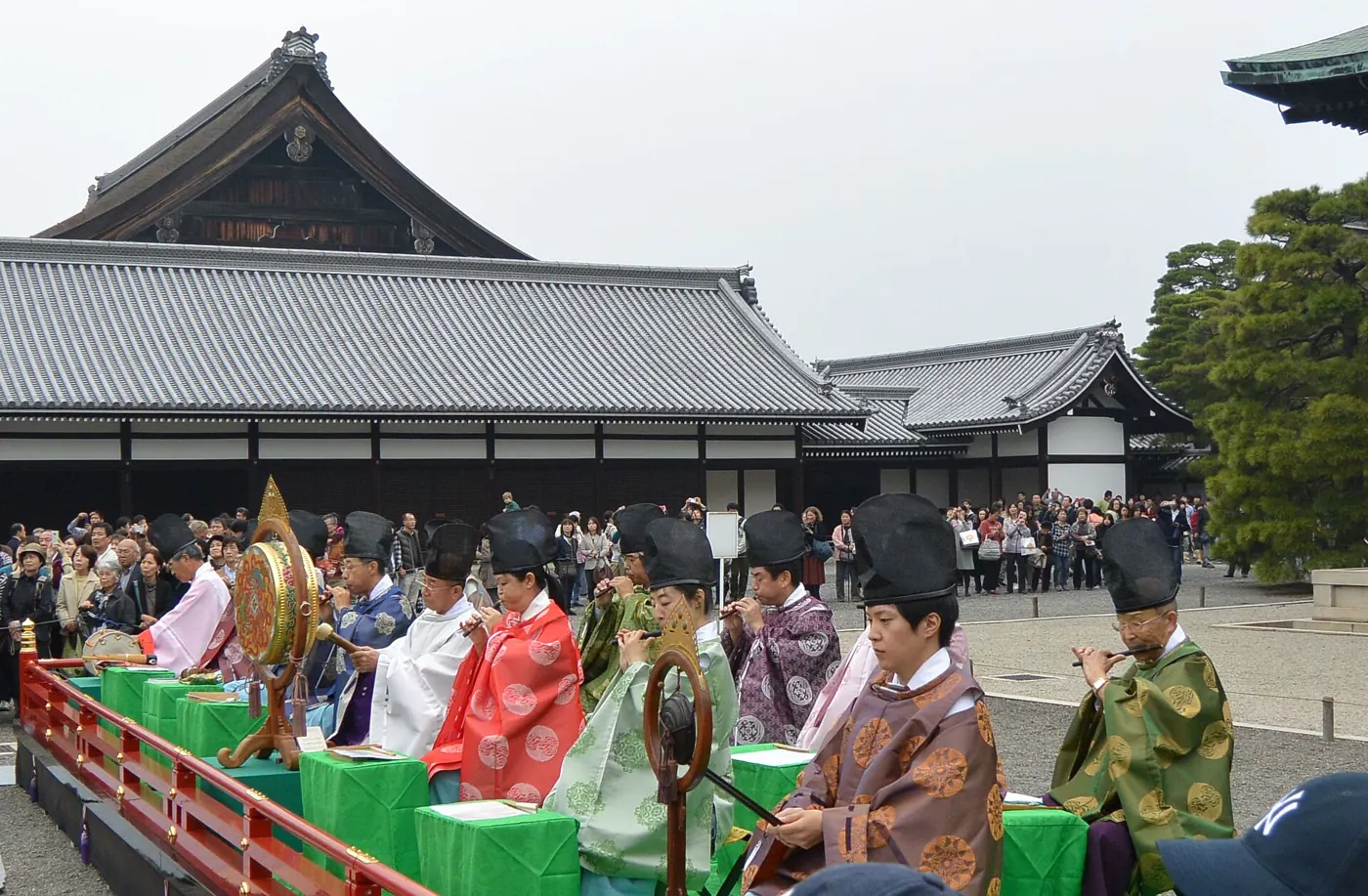 Gagaku日本の雅楽
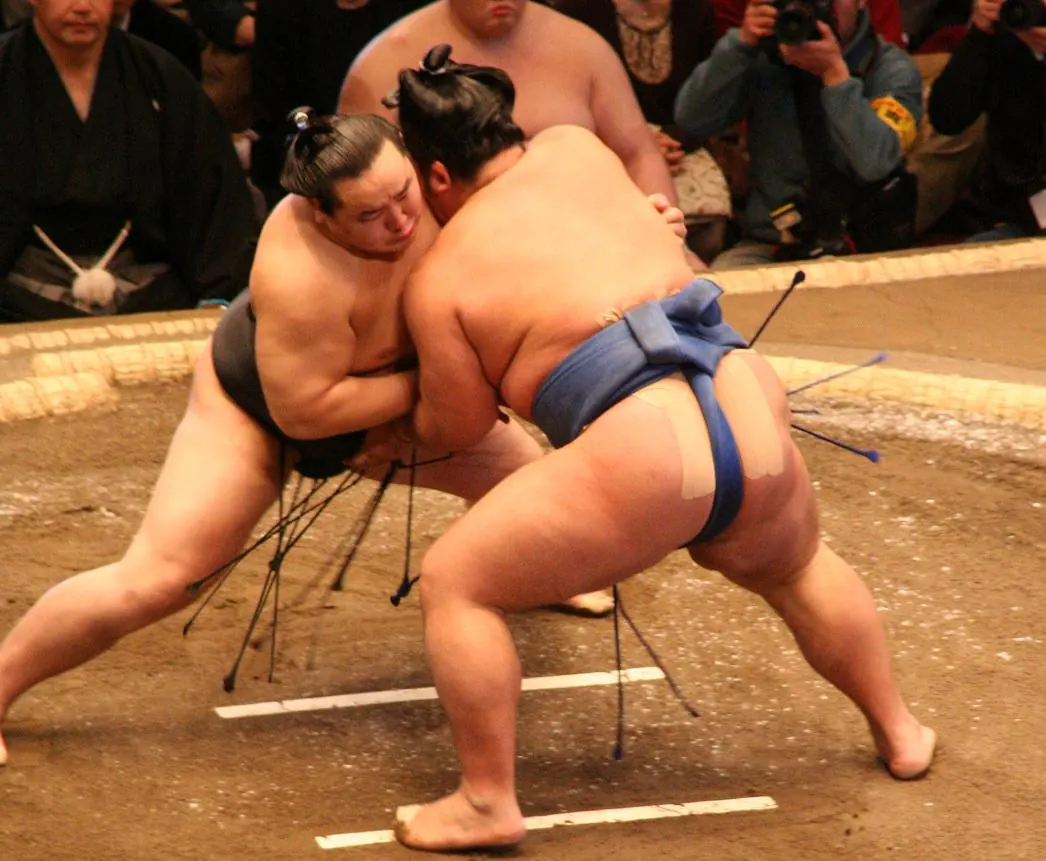 Sumo相撲
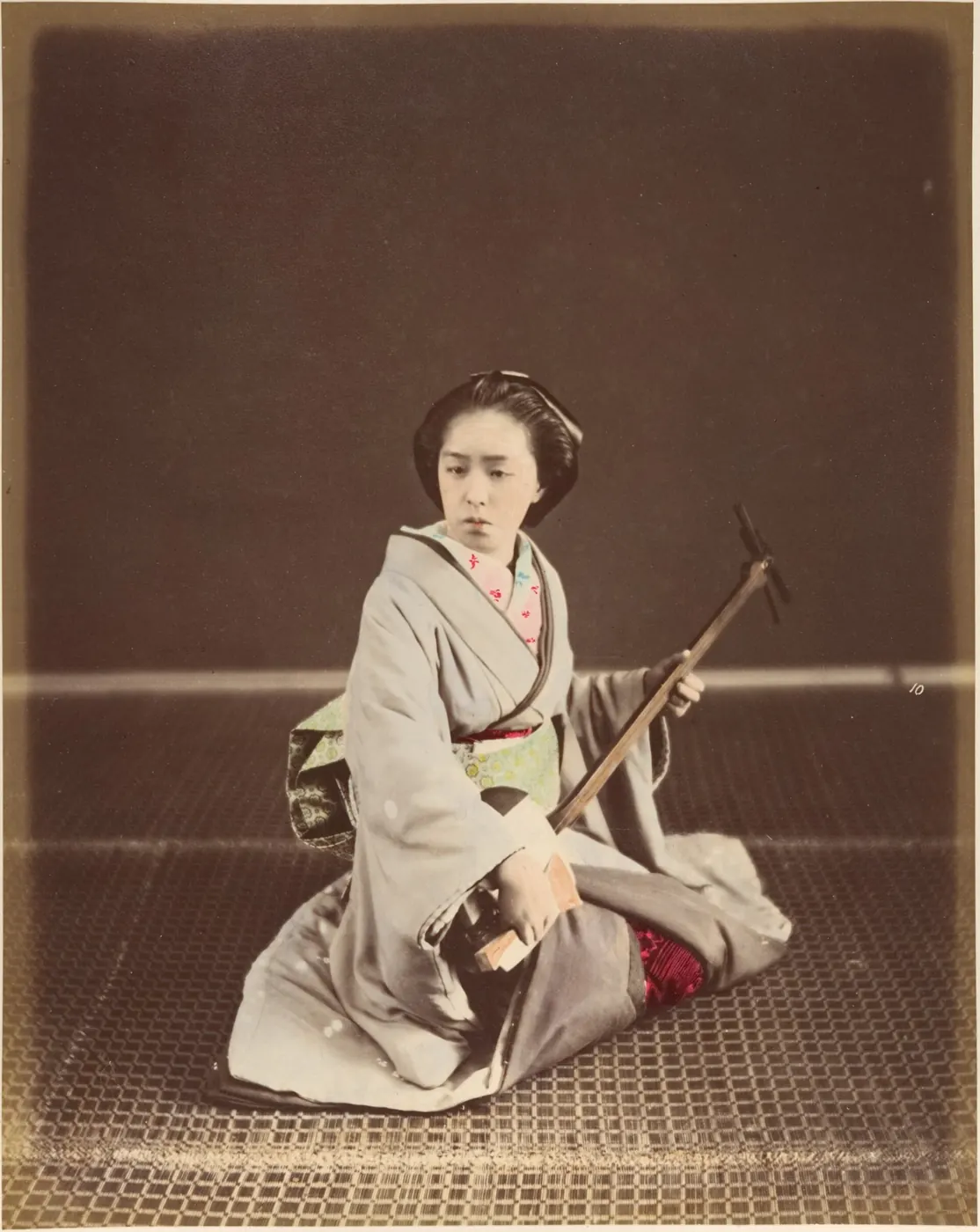 Geisha芸妓
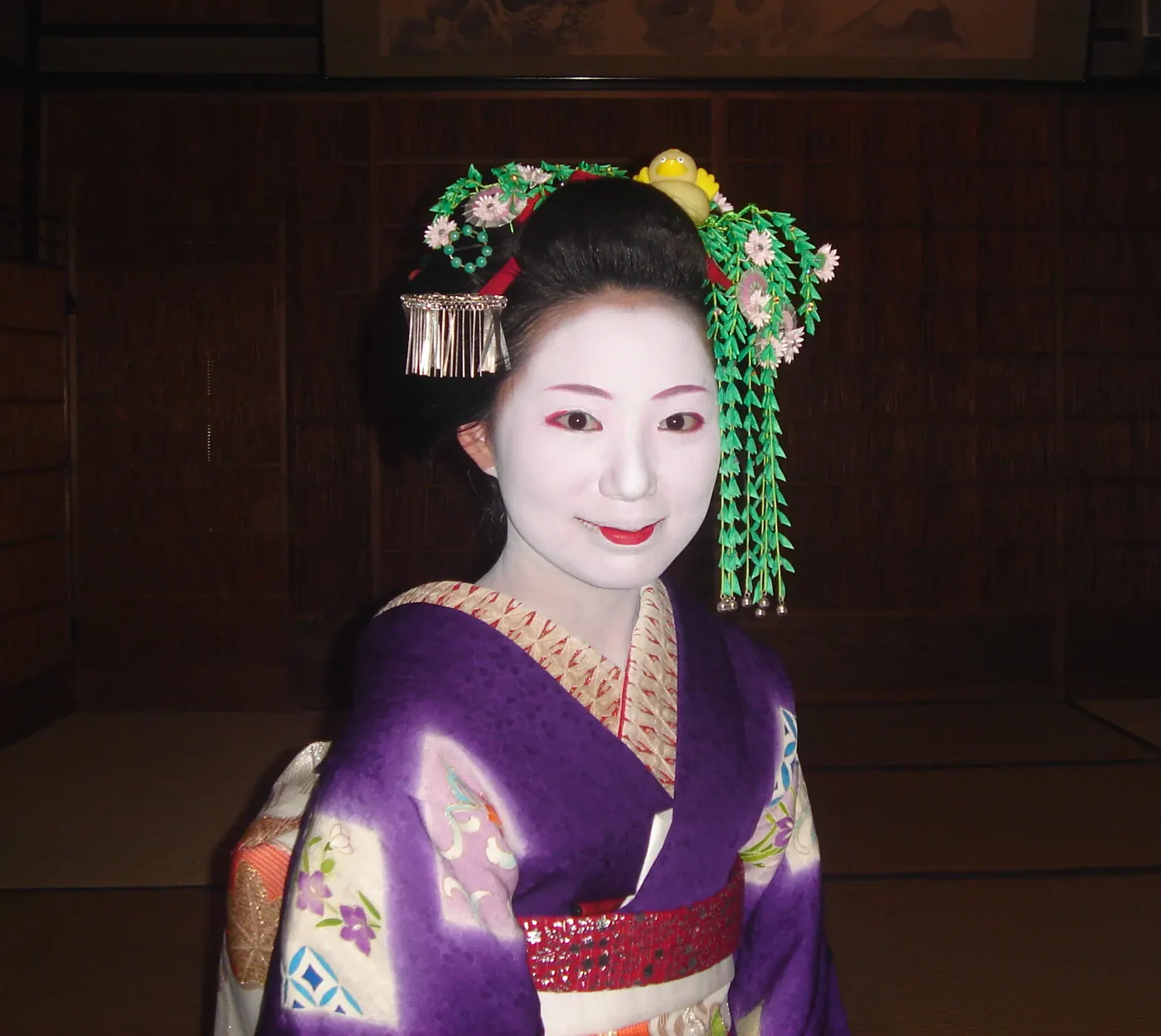 Maiko舞妓
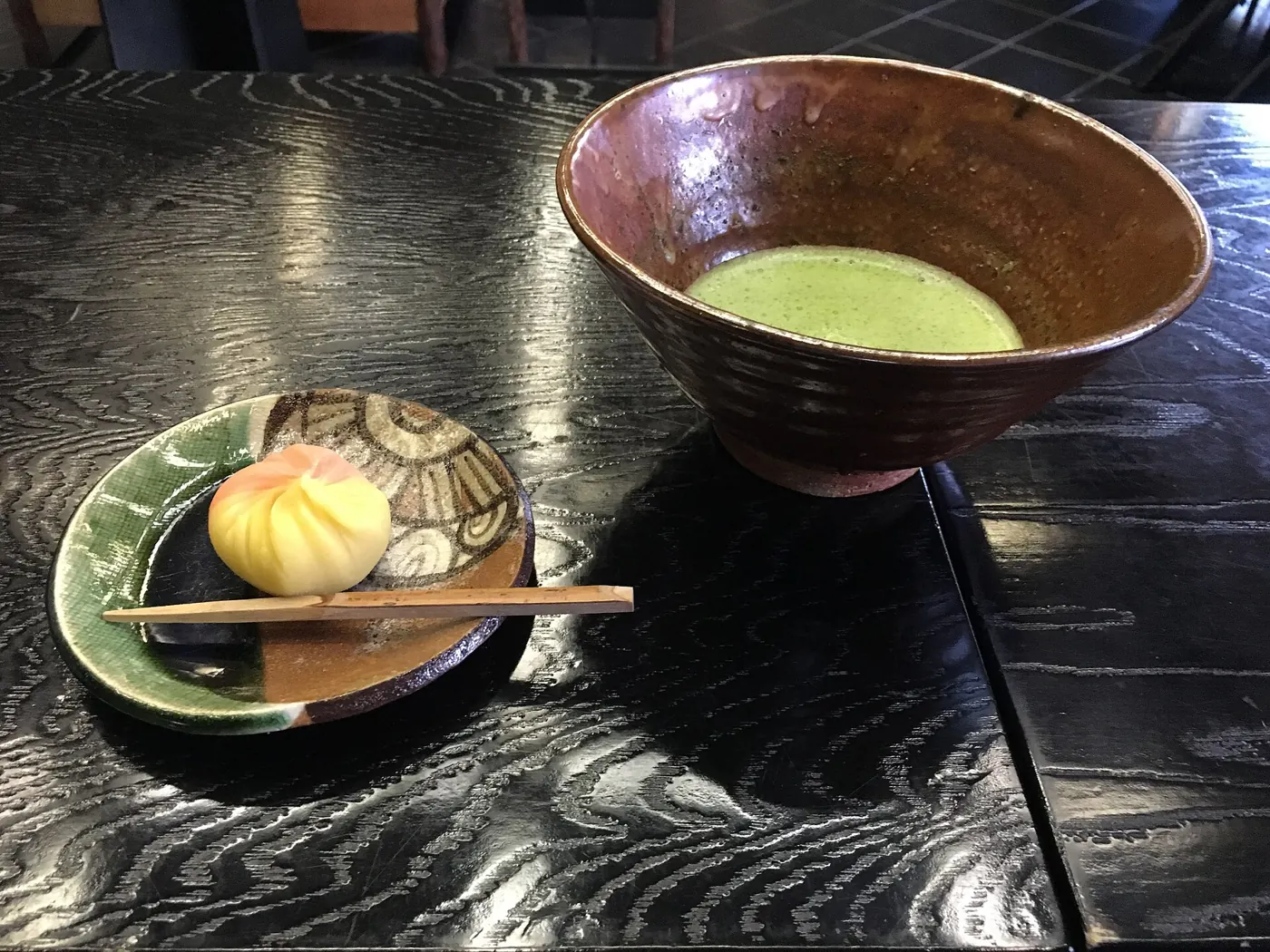 Sadō茶道
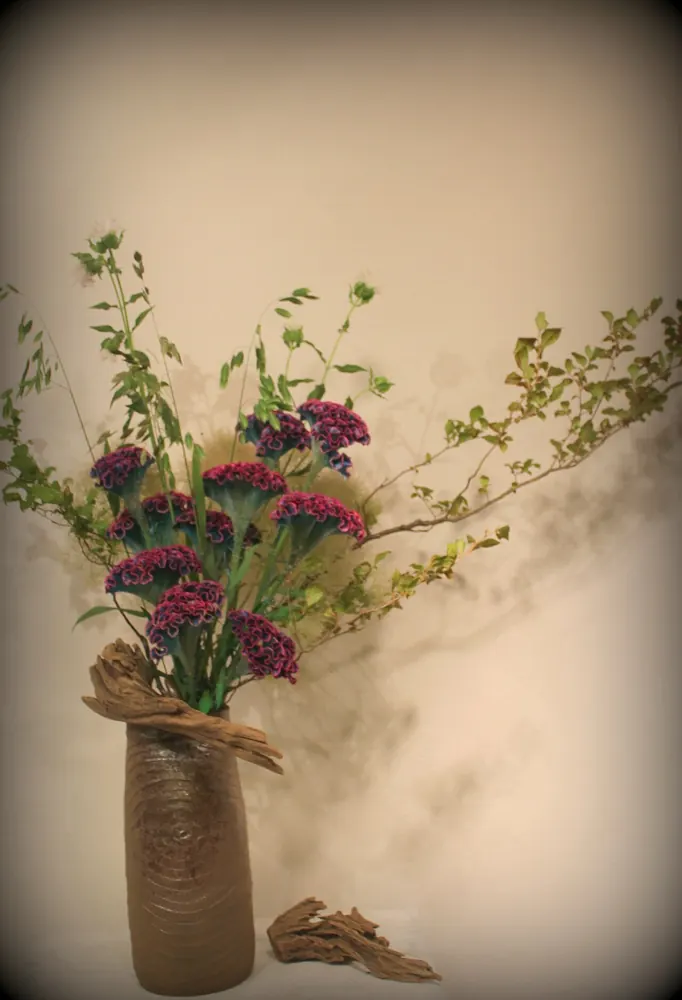 Ikebana生け花
 Shodō書
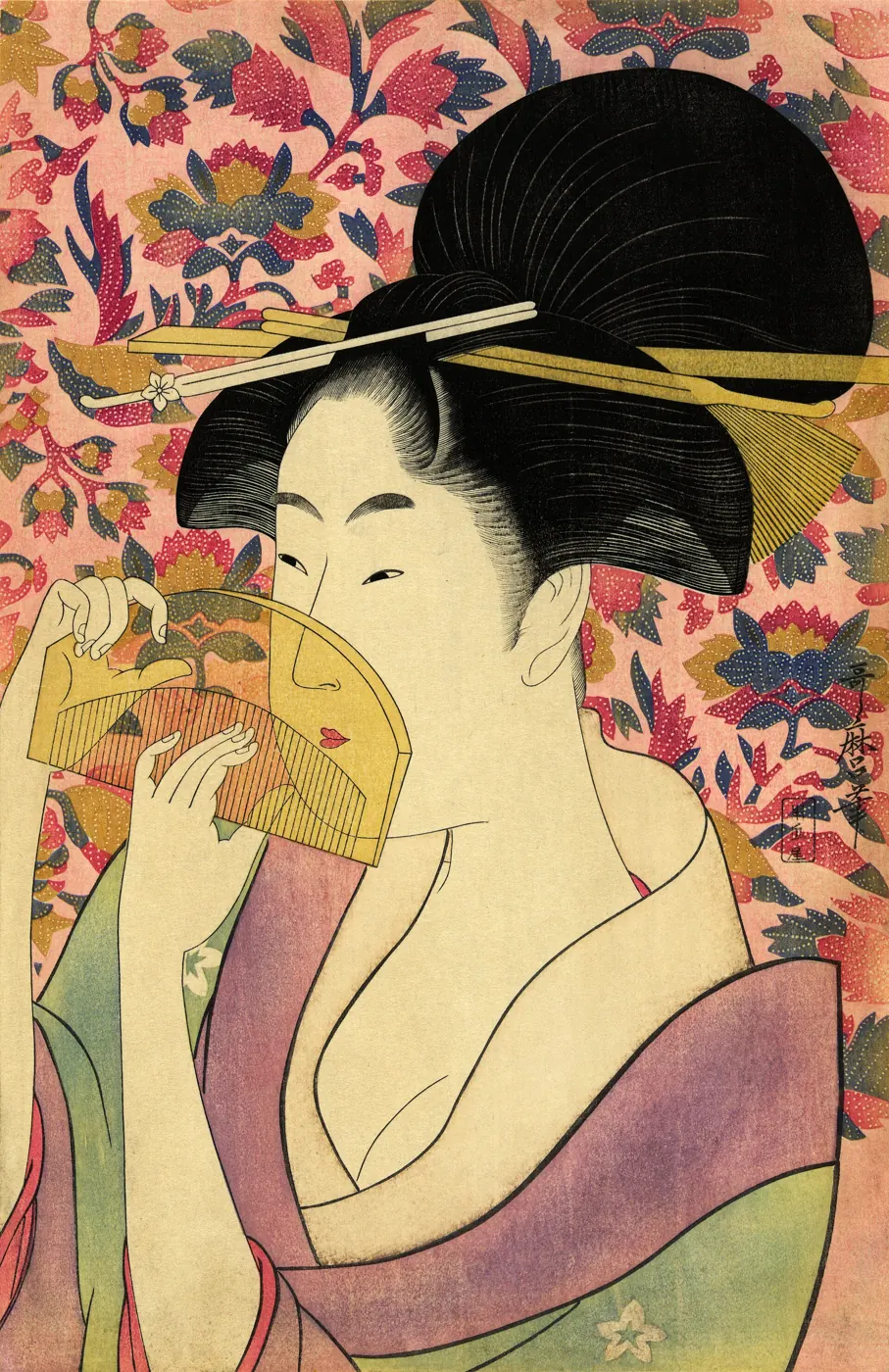 Ukiyo-e浮世絵
Open the scanner and compare →