What is this? › Performing arts & ways (dō)
箏Koto
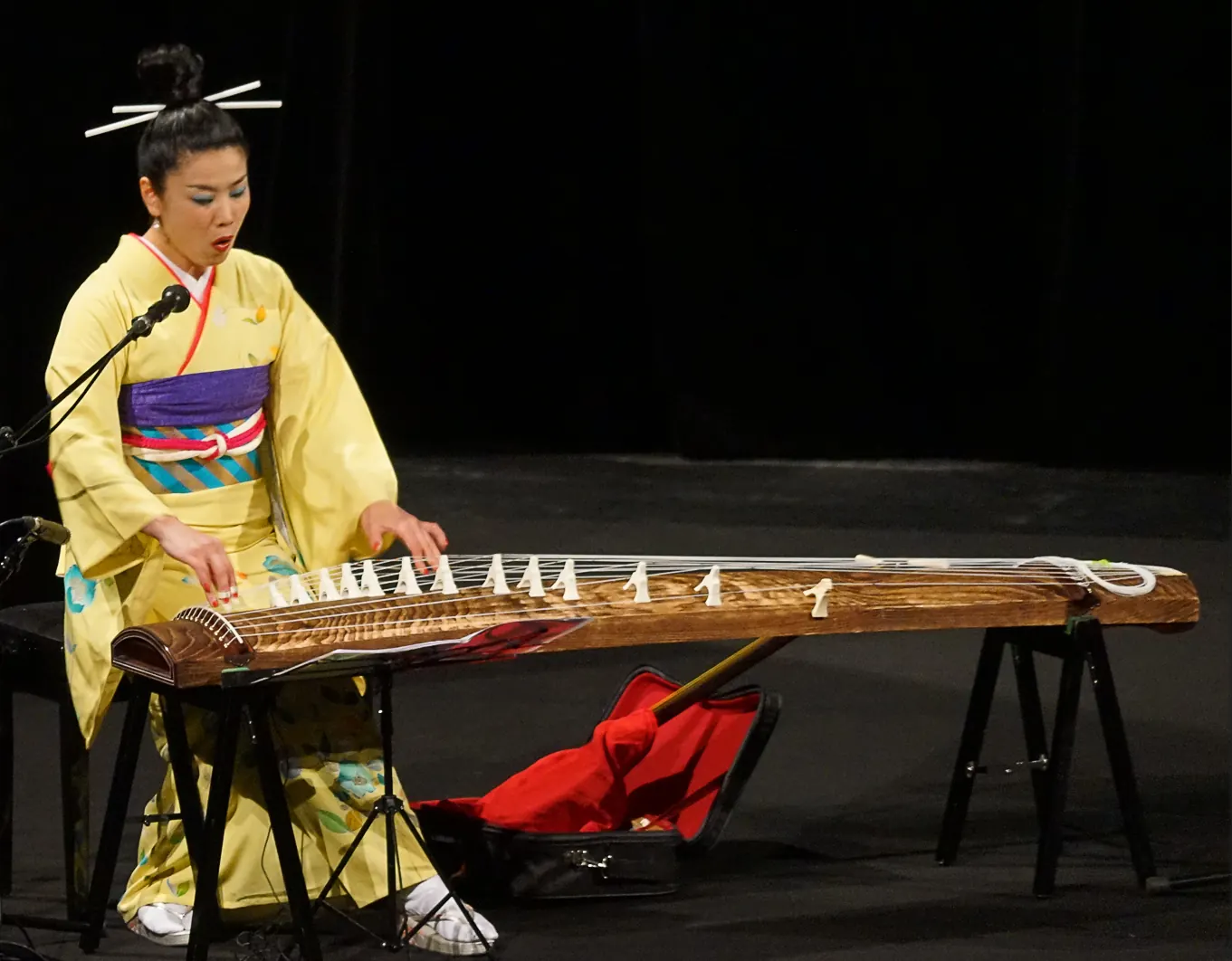
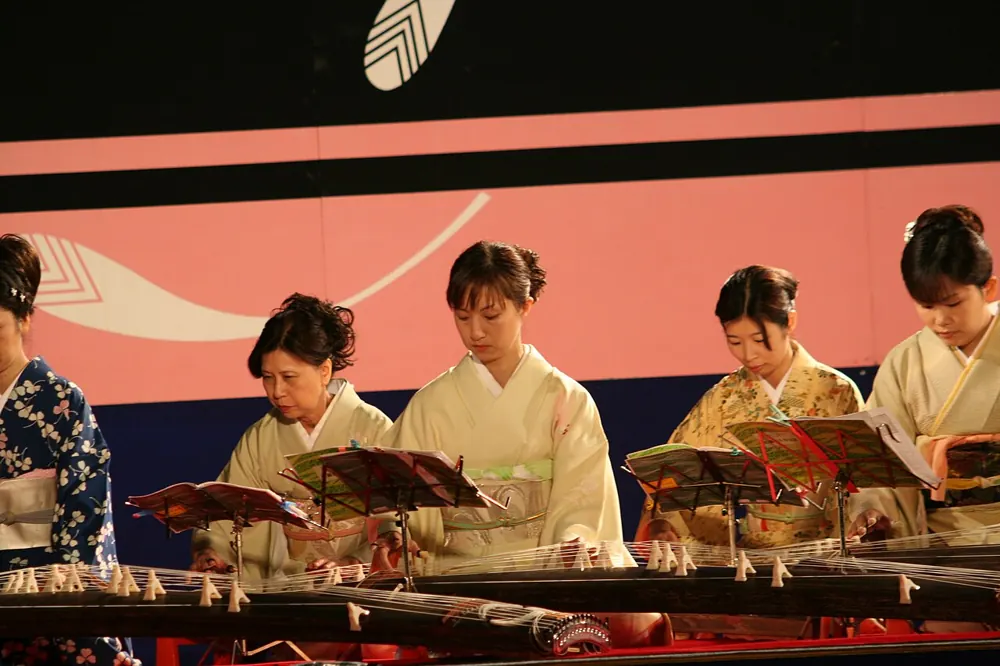
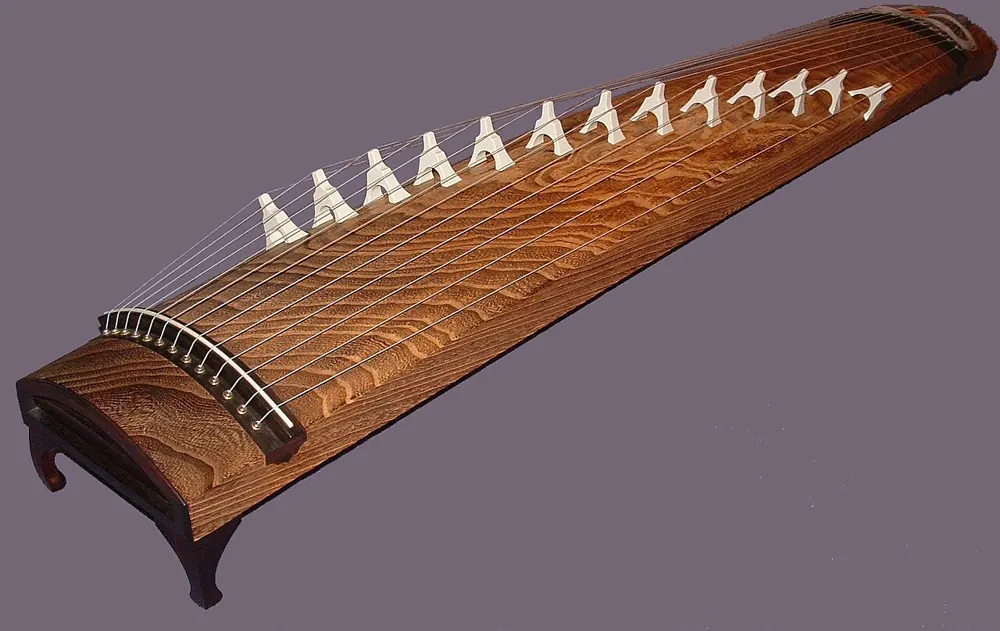
The koto (箏 or 琴) is a Japanese plucked half-tube zither instrument, and the national instrument of Japan. It is derived from the Chinese zheng and se, and similar to the Mongolian yatga, the Korean gayageum and ajaeng, the Vietnamese đàn tranh, the Sundanese kacapi and the Kazakh jetigen. Koto are roughly 180 centimetres (6 ft) in length, and made from Paulownia wood (Paulownia tomentosa, known as kiri). The most common type uses 13 strings strung over movable bridges used for tuning, different pieces possibly requiring different tuning. Seventeen-string koto are also common, and act as bass in ensembles. Koto strings are generally plucked using three fingerpicks (tsume), worn on the first three fingers of the right hand.
Text from Wikipedia: Koto (instrument) — CC BY-SA 4.0. Read more on Wikipedia →
Japan Tourism Agency explanations
旅Try it yourself: Koto
Live prices and reviews from GetYourGuide. Many tours can be cancelled for free — check each listing.
Ad: we may earn a commission if you book through these links, at no extra cost to you.
Compare whether a rail pass saves money on your route before you buy tickets.
Check prices →Japan eSIM / mobile data
Ad: we may earn a commission if you book through these links, at no extra cost to you.
問Questions visitors ask
What is Koto?
The koto (箏 or 琴) is a Japanese plucked half-tube zither instrument, and the national instrument of Japan.
芸Performing arts & ways (dō)
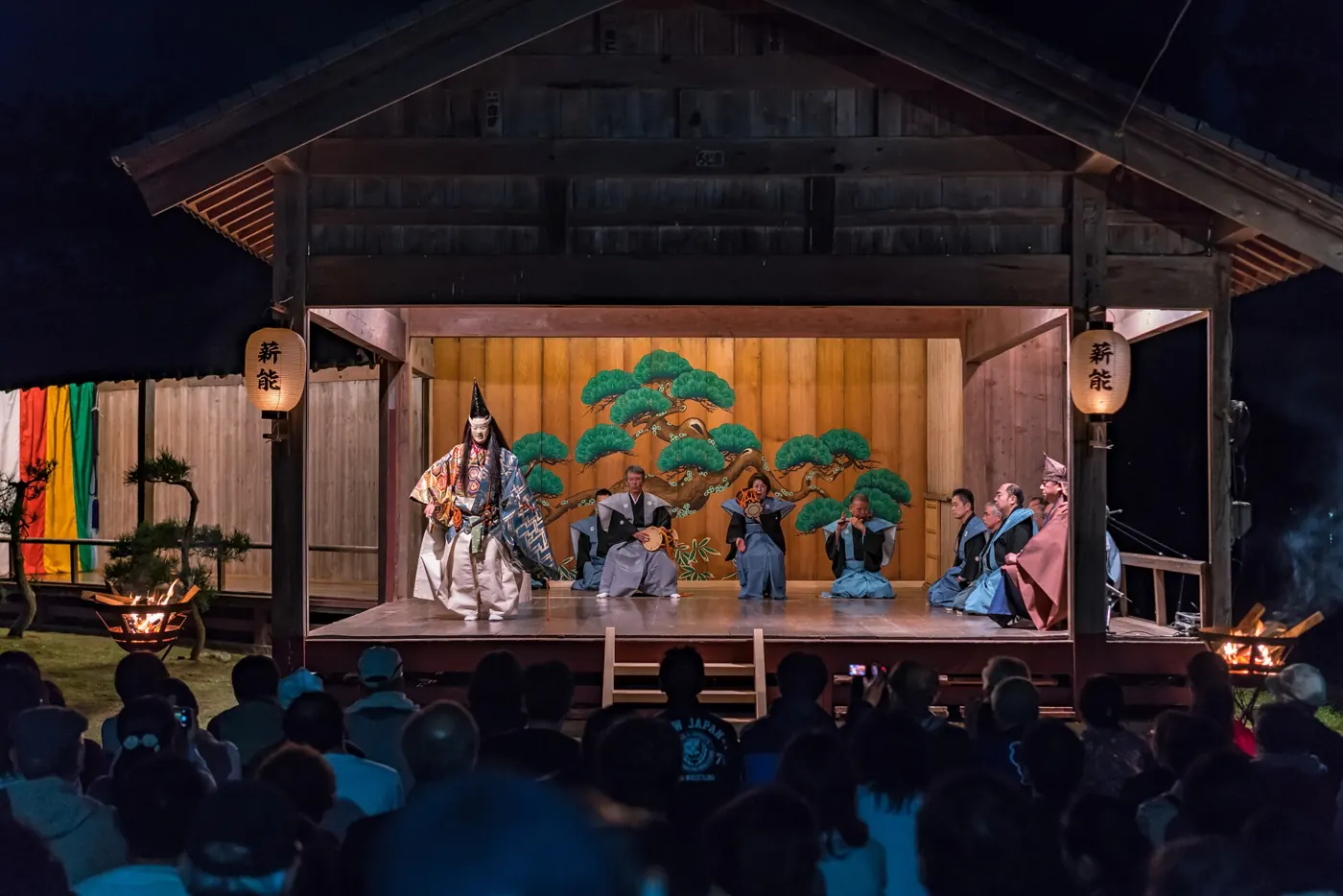 Noh能
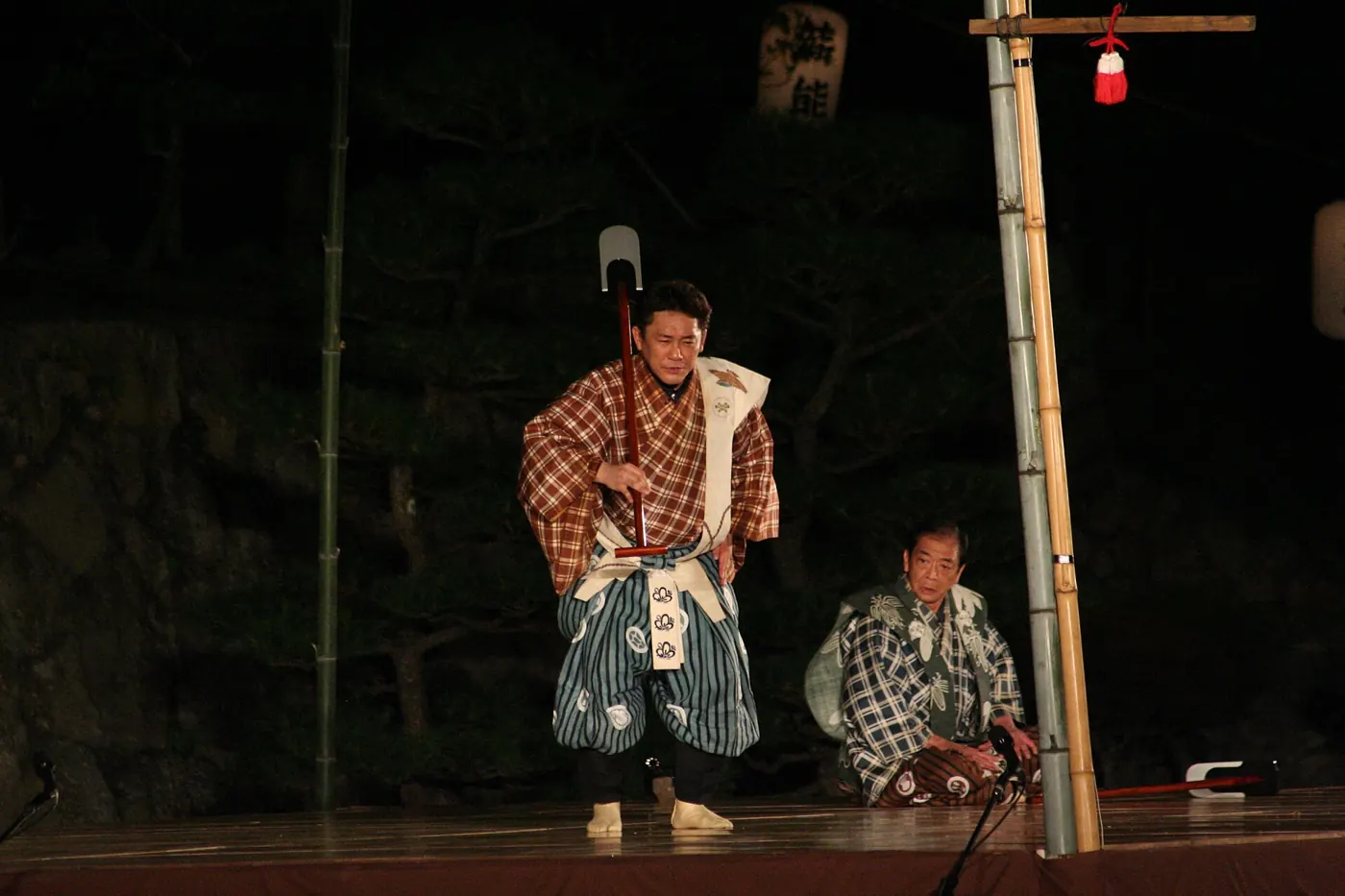 Kyōgen狂言
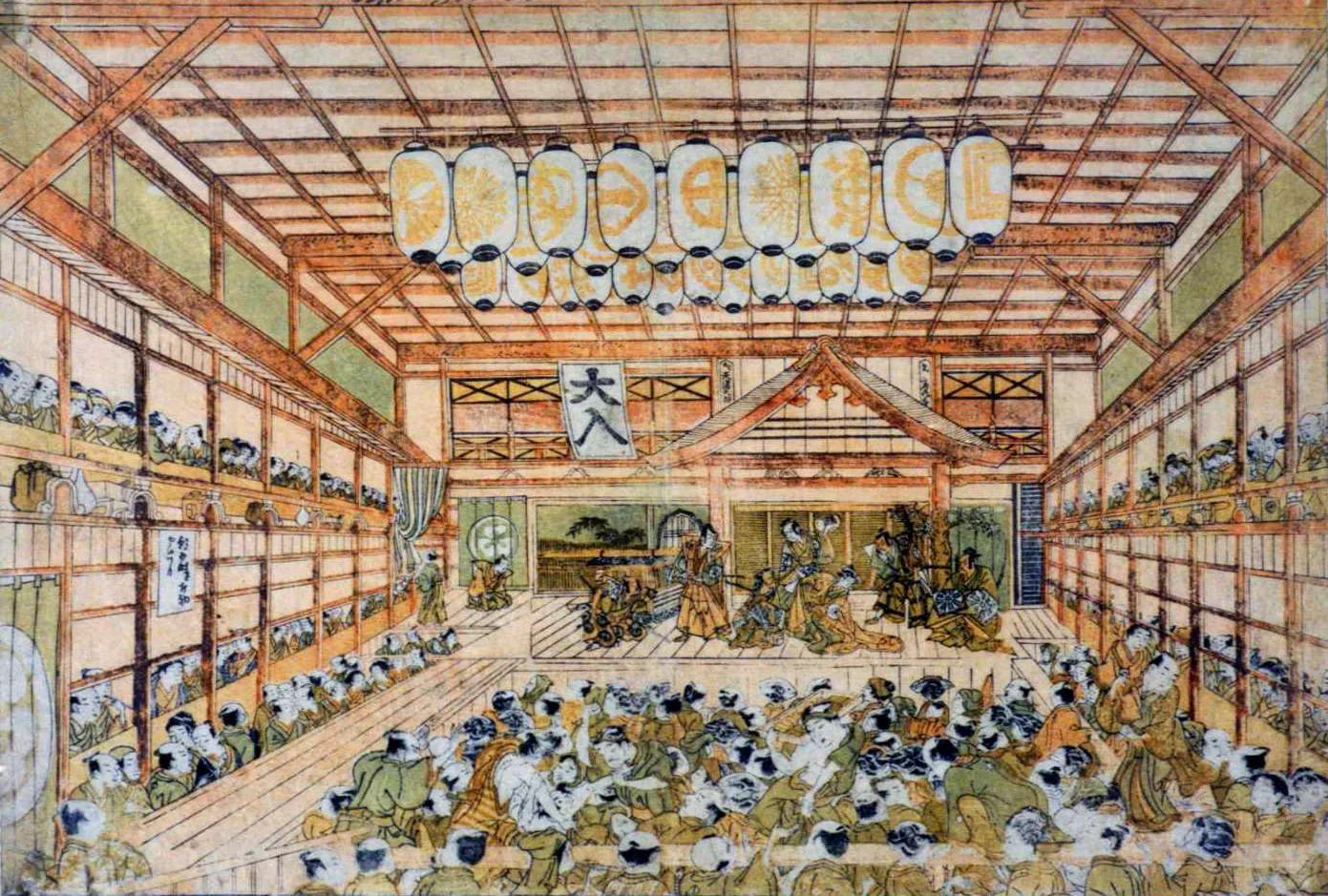 Kabuki歌舞伎
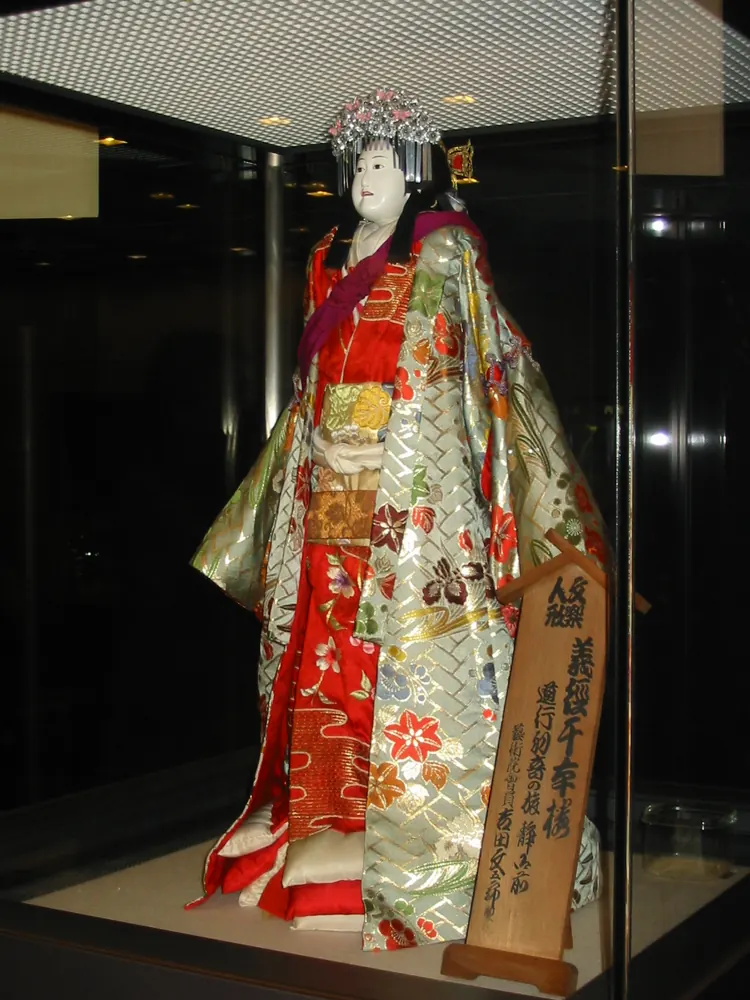 Bunraku文楽
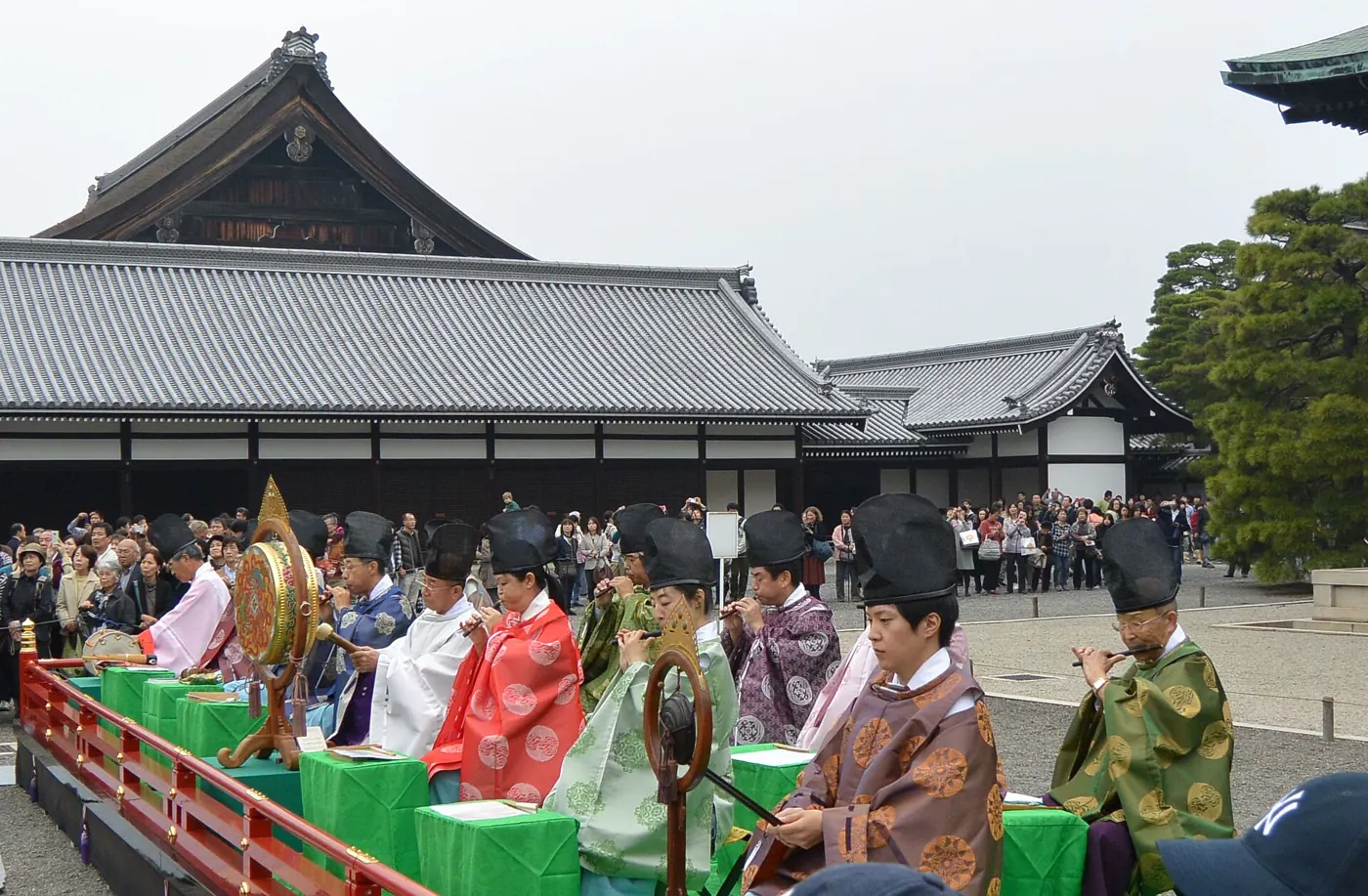 Gagaku日本の雅楽
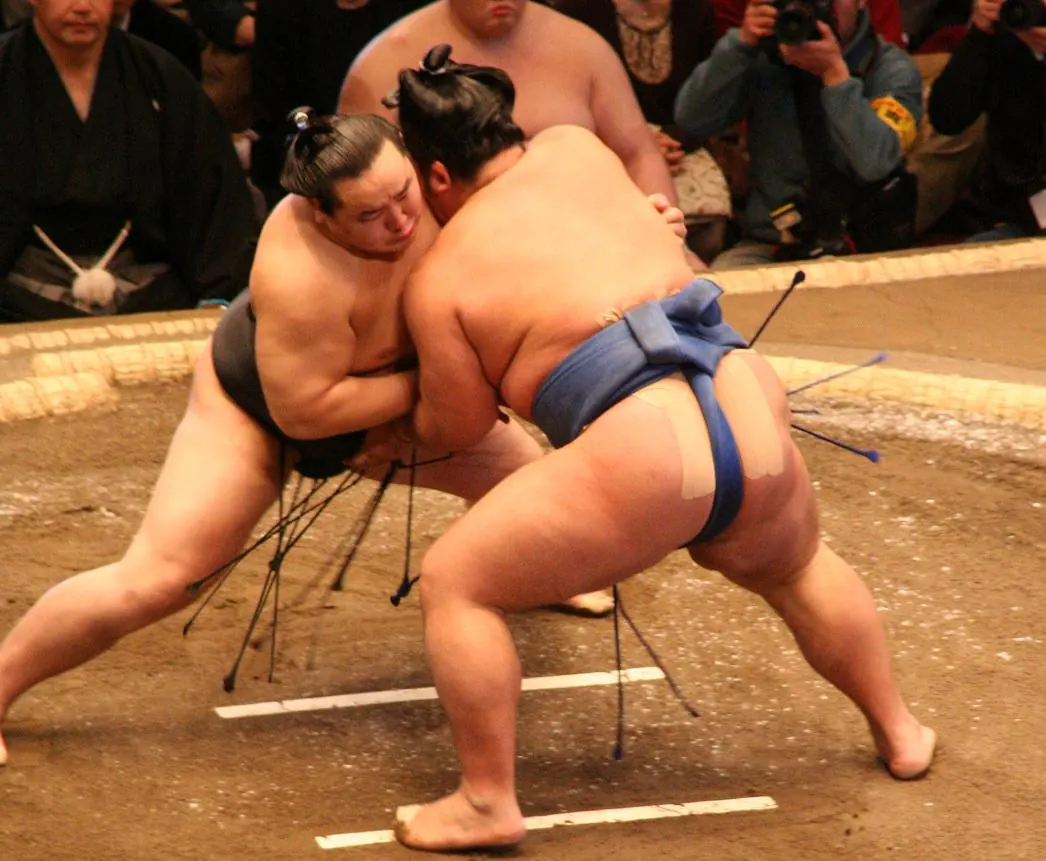 Sumo相撲
 Geisha芸妓
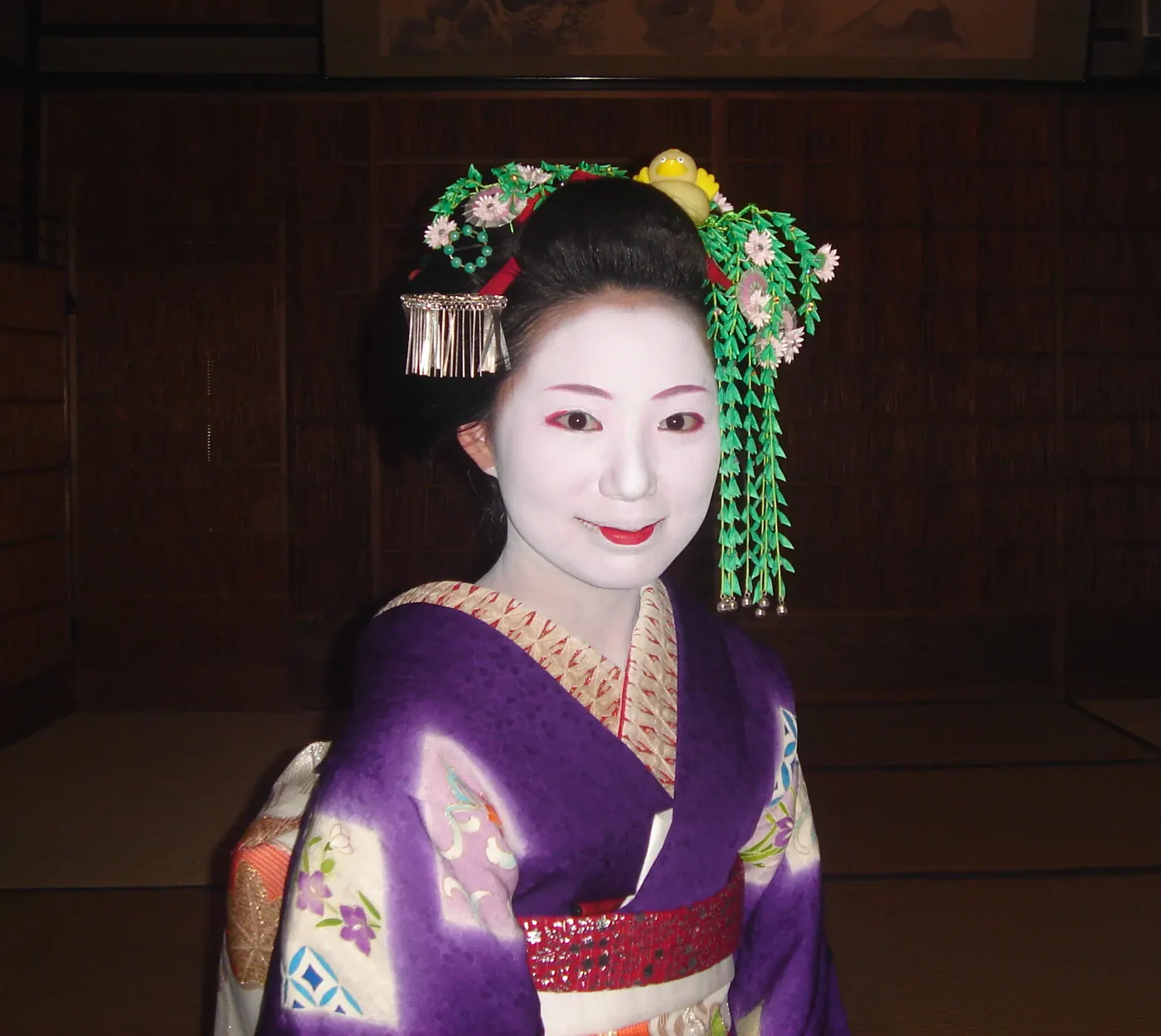 Maiko舞妓
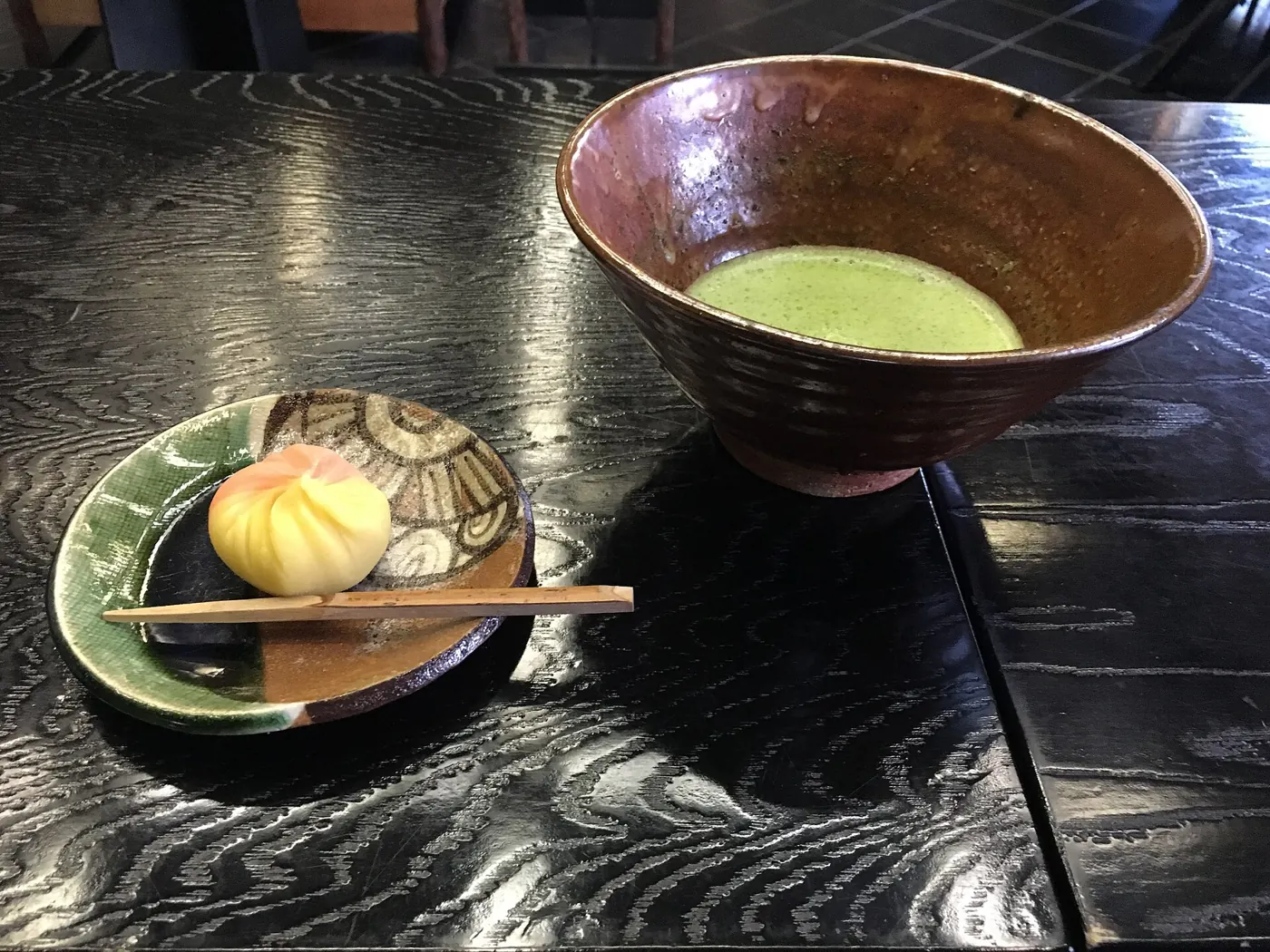 Sadō茶道
 Ikebana生け花
 Shodō書
 Ukiyo-e浮世絵
Open the scanner and compare →