What is this? › Festivals & the seasons
鏡餅Kagami mochi
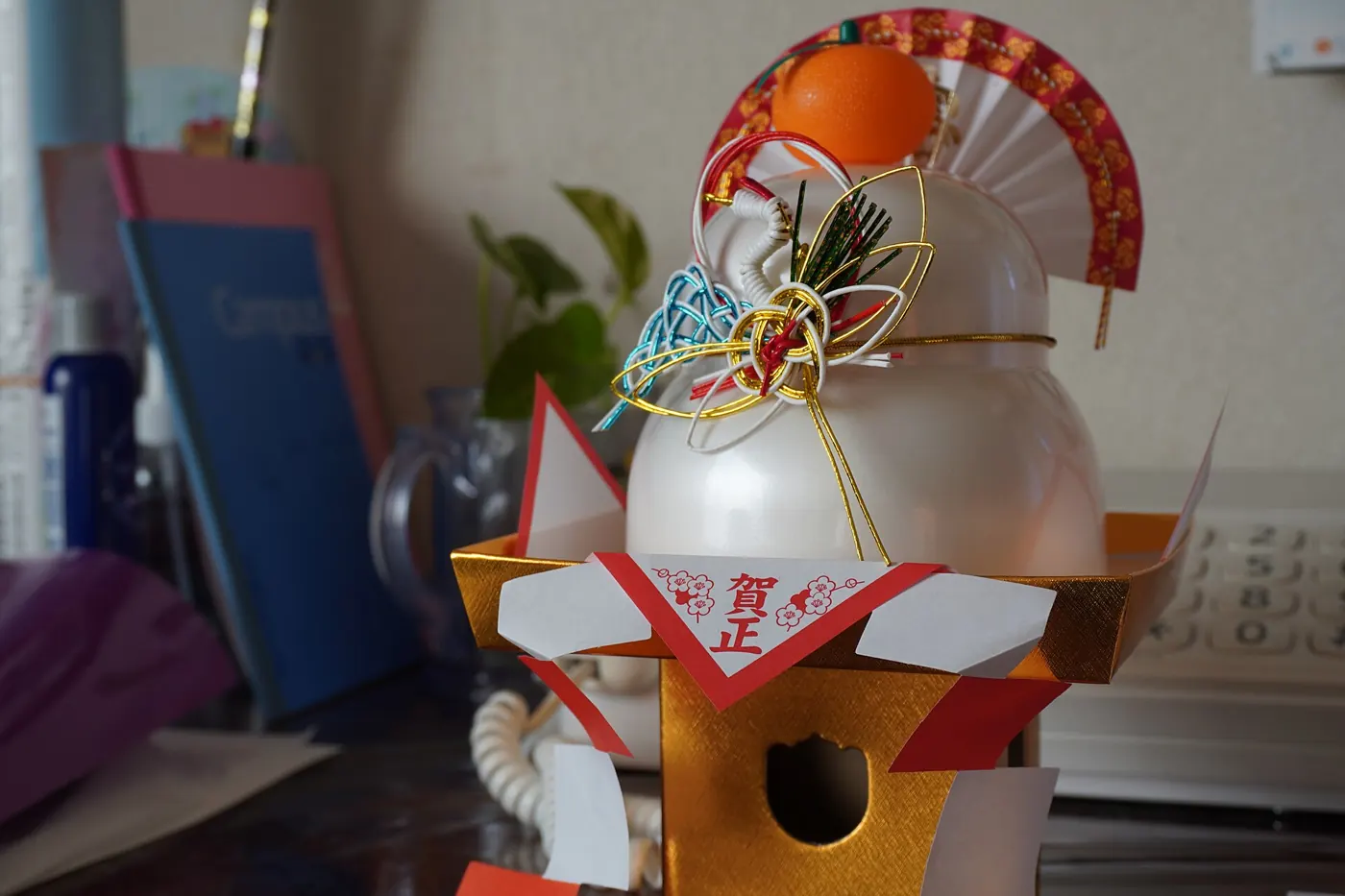
Kagami mochi (鏡餅, "mirror rice cake") is a traditional Japanese New Year decoration. It usually consists of two round mochi (rice cakes), the smaller placed atop the larger, and a daidai (a Japanese bitter orange) with an attached leaf on top. In addition, it may have a sheet of konbu and a skewer of dried persimmons under the mochi. It sits on a stand called a sanpō (三宝) over a sheet called a shihōbeni (四方紅), which is supposed to ward off fires from the house for the following years. Sheets of paper called gohei (御幣) folded into lightning shapes similar to those seen on sumo wrestler's belts are also attached.
Kagami mochi first appeared in the Muromachi period (14th-16th century). The name kagami ("mirror") is said to have originated from its resemblance to an old-fashioned kind of round copper or bronze mirror, which also had a religious significance. The reason for it is not clear. Explanations include mochi being a food for special days, the spirit of the rice plant being found in the mochi, and the mochi being a food which gives strength.
The two mochi discs are variously said to symbolize the going and coming years, the human heart, "yin" and "yang", or the Moon and the Sun.
Text from Wikipedia: Kagami mochi — CC BY-SA 4.0. Read more on Wikipedia →
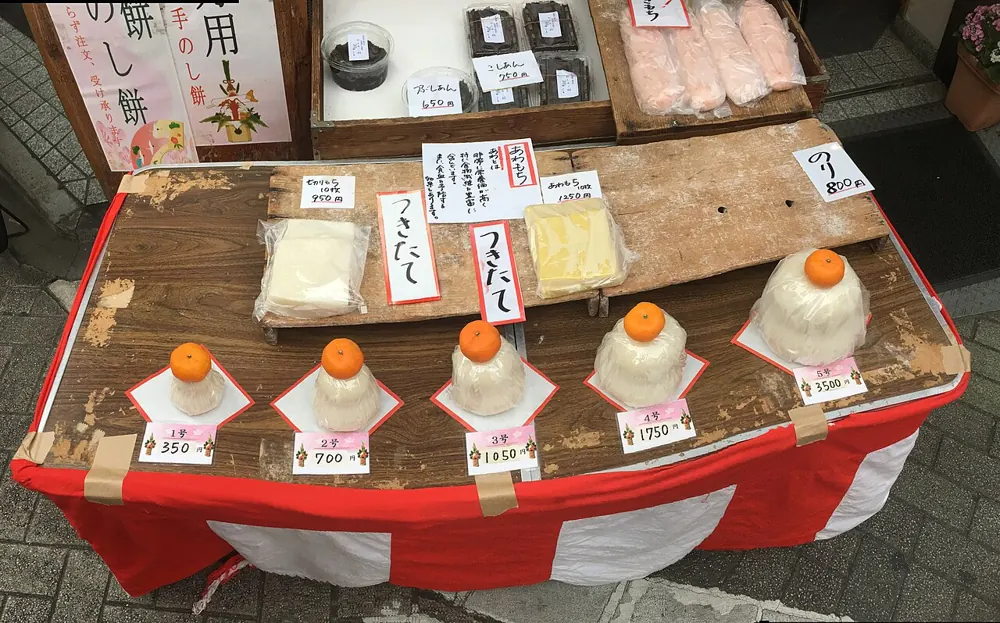
Japan Tourism Agency explanations
旅Try it yourself: Kagami mochi
Live prices and reviews from GetYourGuide. Many tours can be cancelled for free — check each listing.
Ad: we may earn a commission if you book through these links, at no extra cost to you.
Compare whether a rail pass saves money on your route before you buy tickets.
Check prices →Japan eSIM / mobile data
Ad: we may earn a commission if you book through these links, at no extra cost to you.
問Questions visitors ask
What is Kagami mochi?
Kagami mochi (鏡餅, "mirror rice cake") is a traditional Japanese New Year decoration.
季Festivals & the seasons
 Matsuri祭
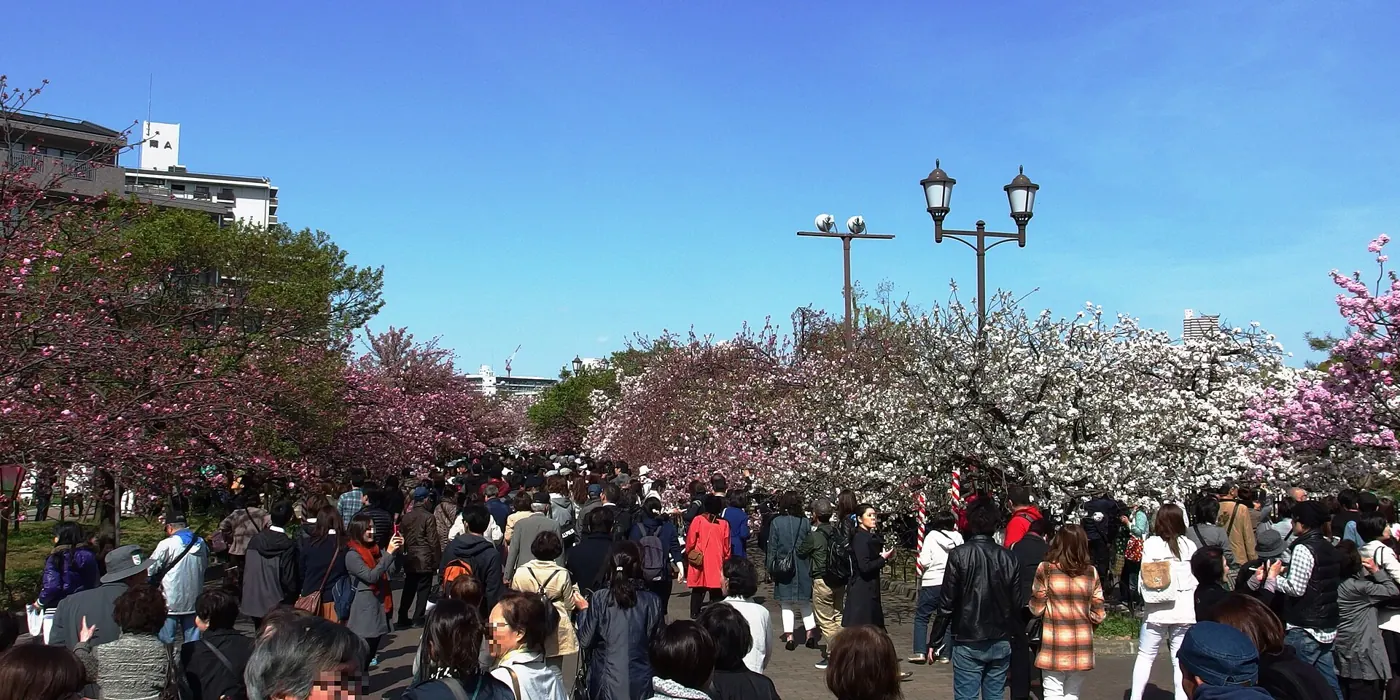 Hanami花見
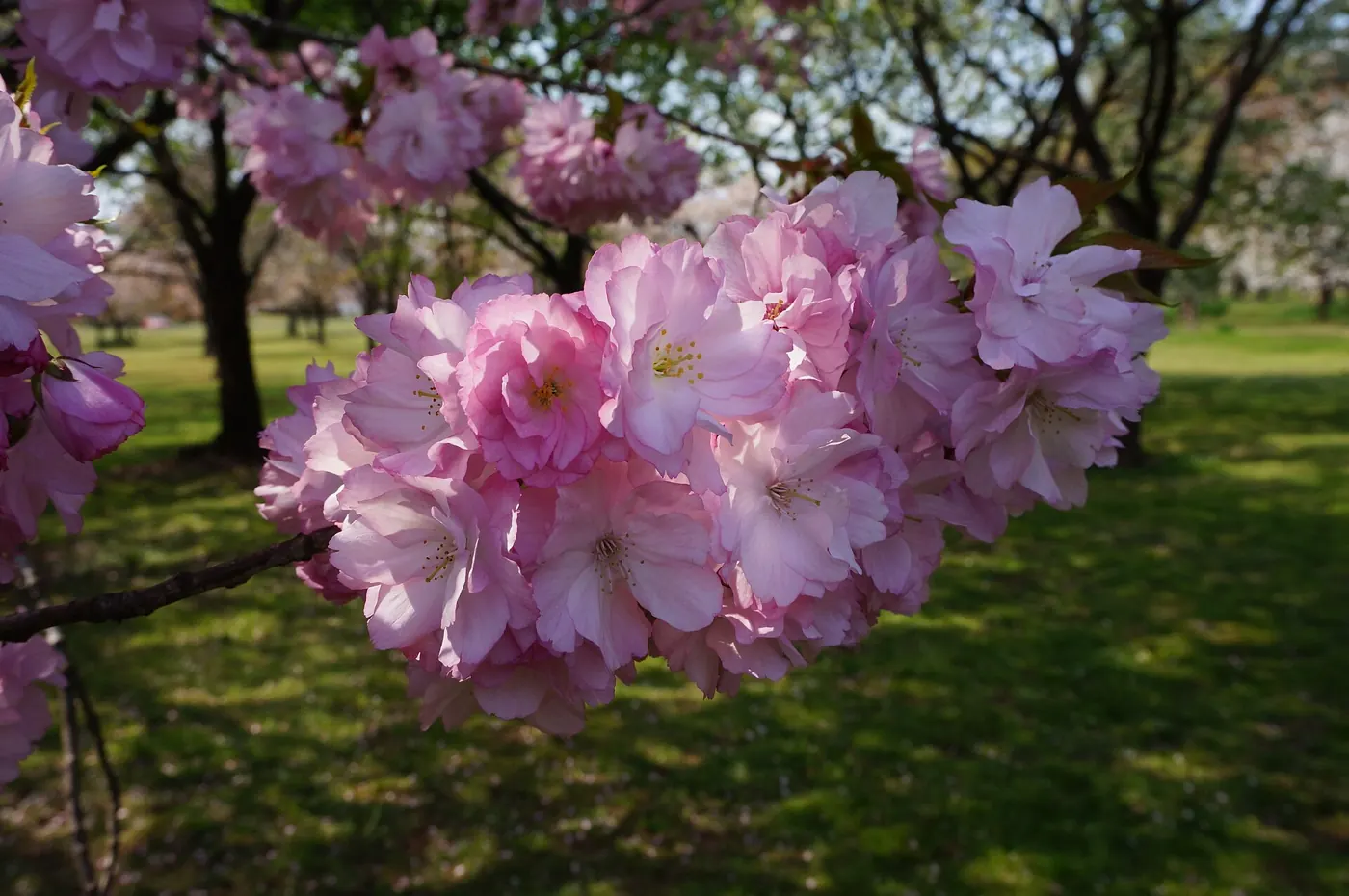 Sakuraサクラ
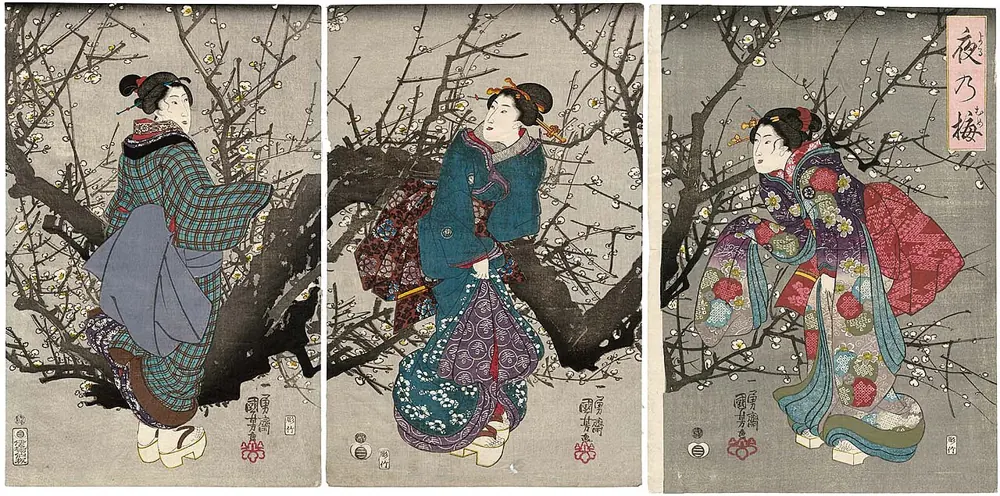 Umeウメ
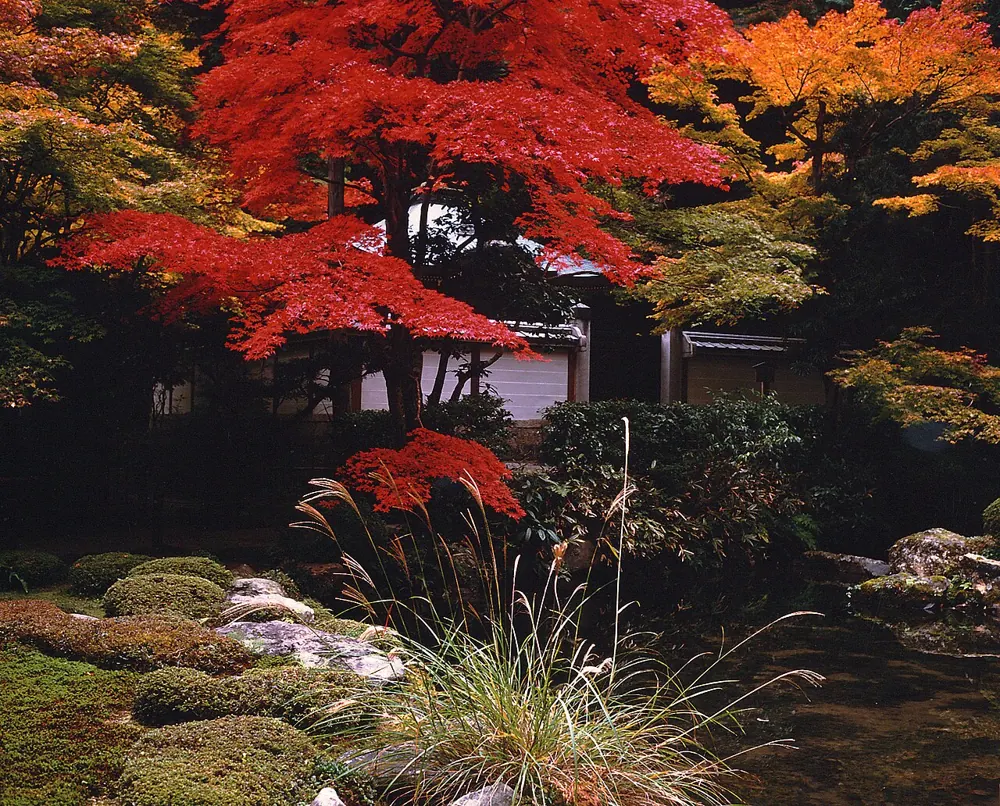 Kōyō紅葉
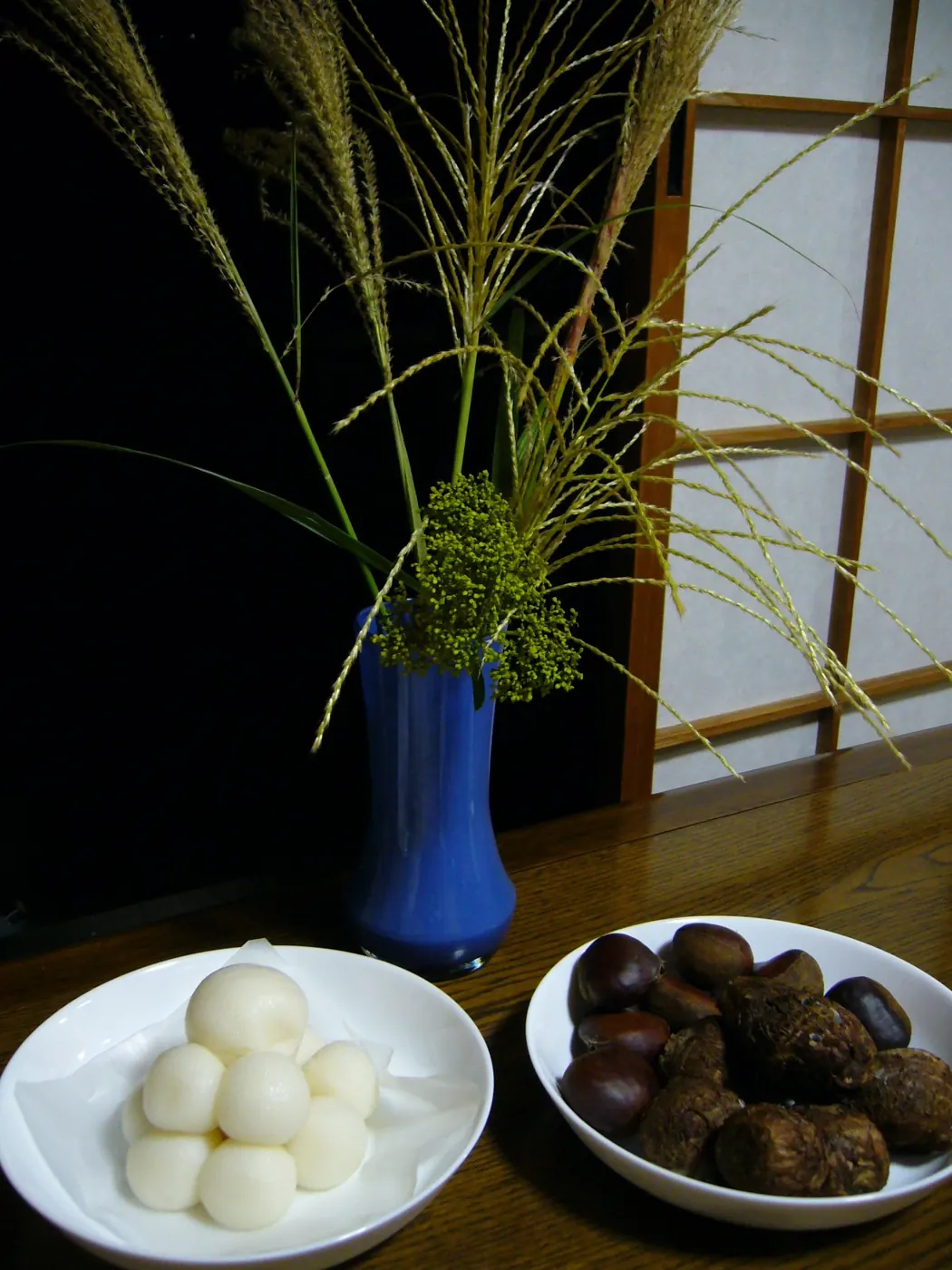 Tsukimi月見
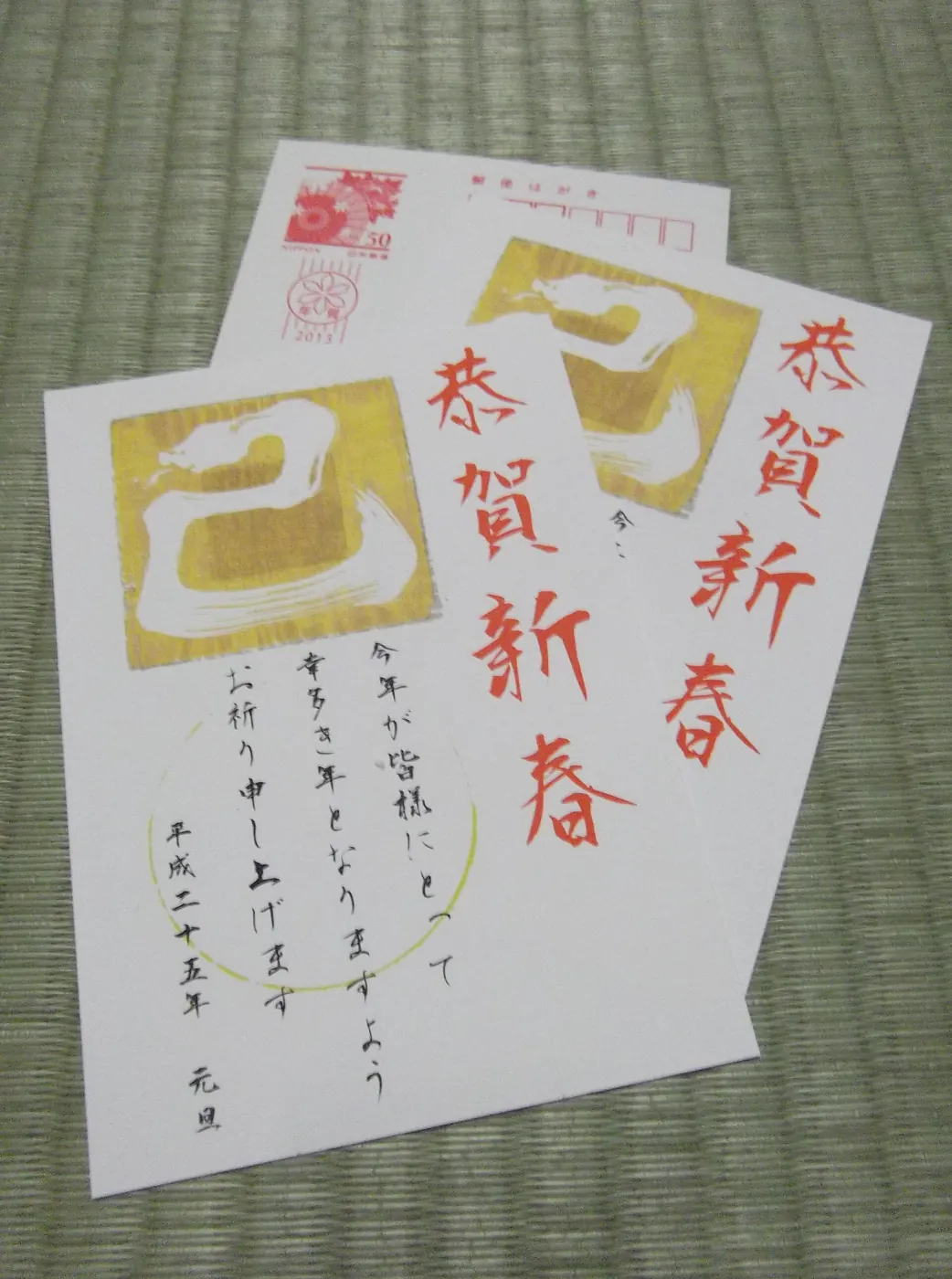 Shōgatsu正月
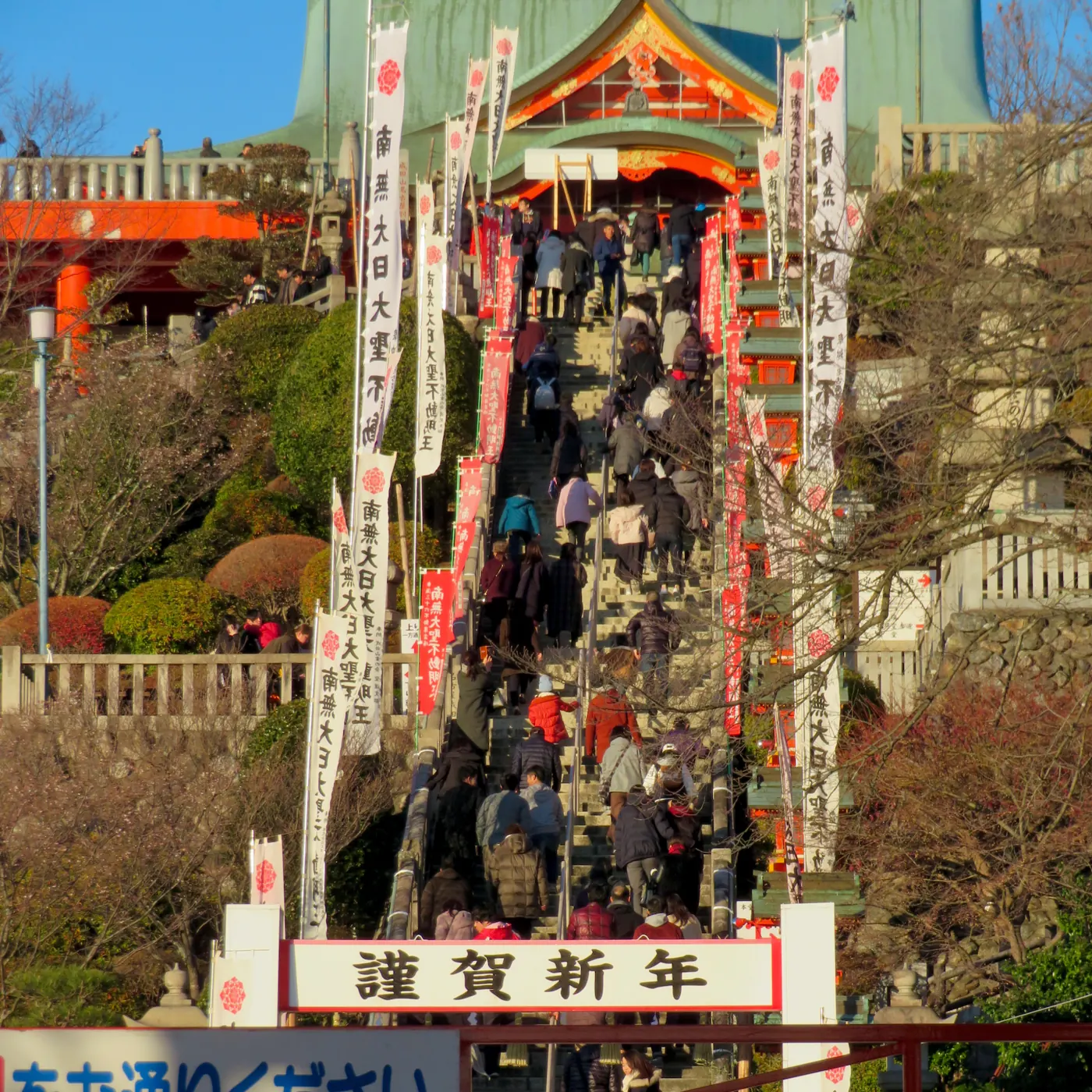 Hatsumōde初詣
 Kadomatsu門松
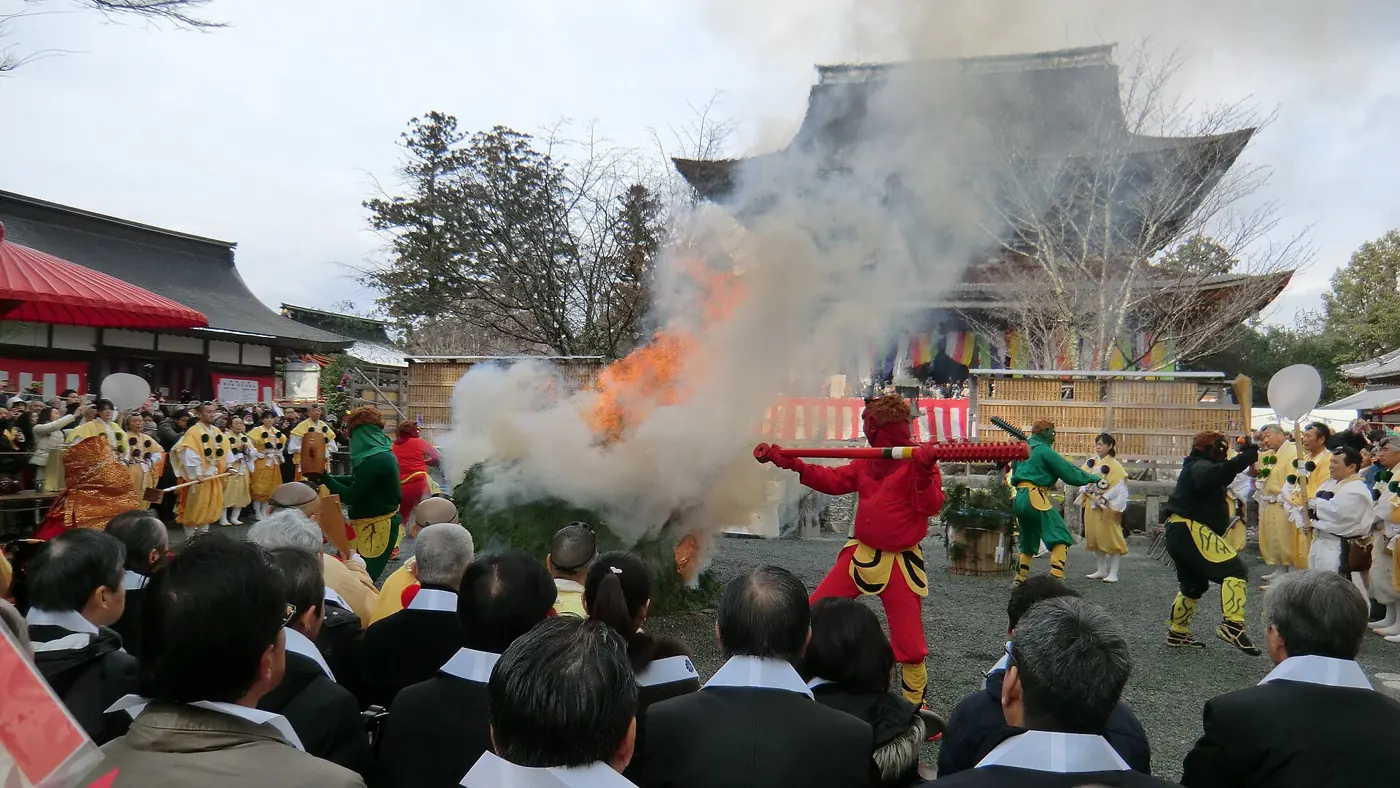 Setsubun節分
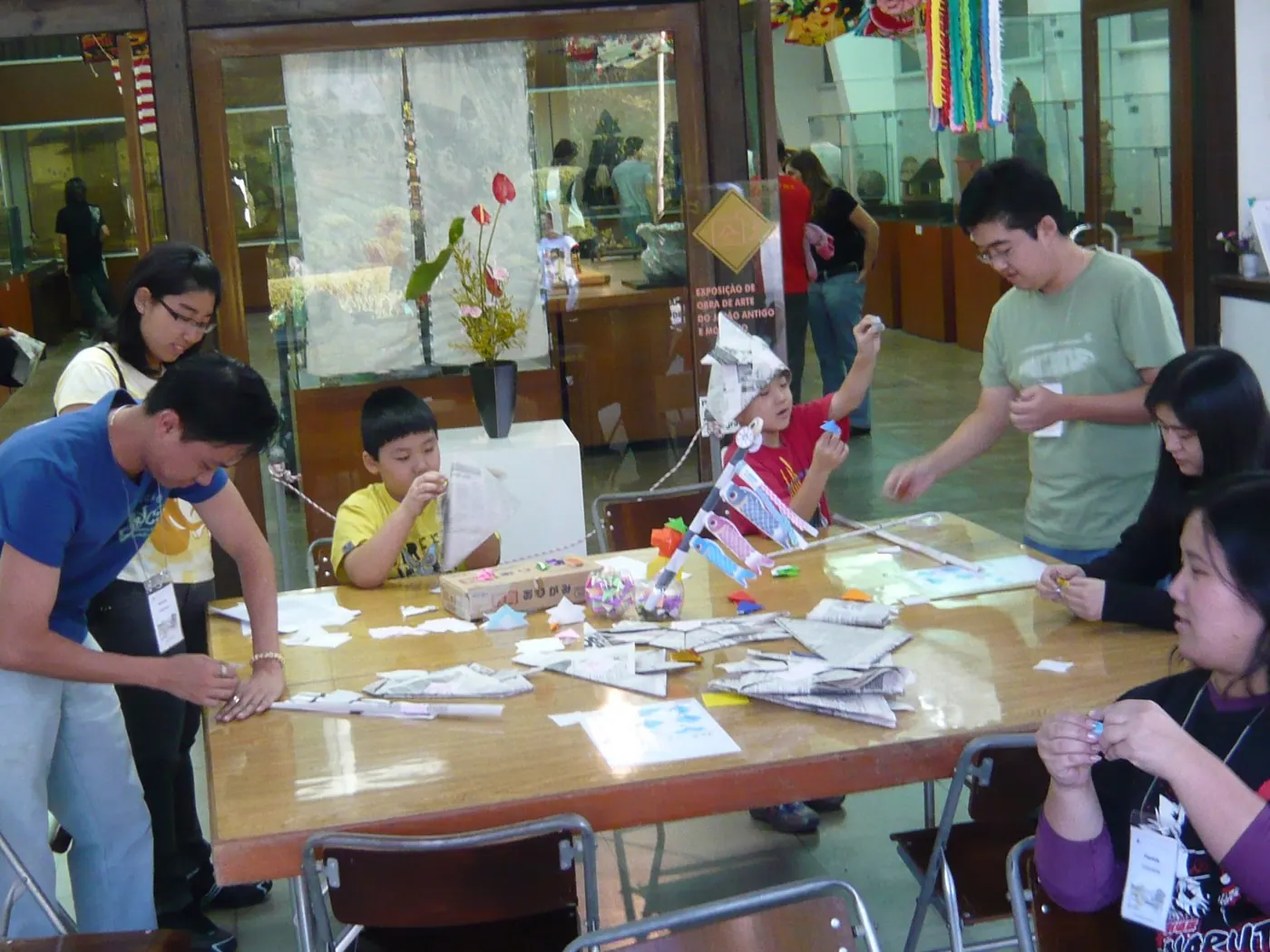 Kodomo no Hiこどもの日
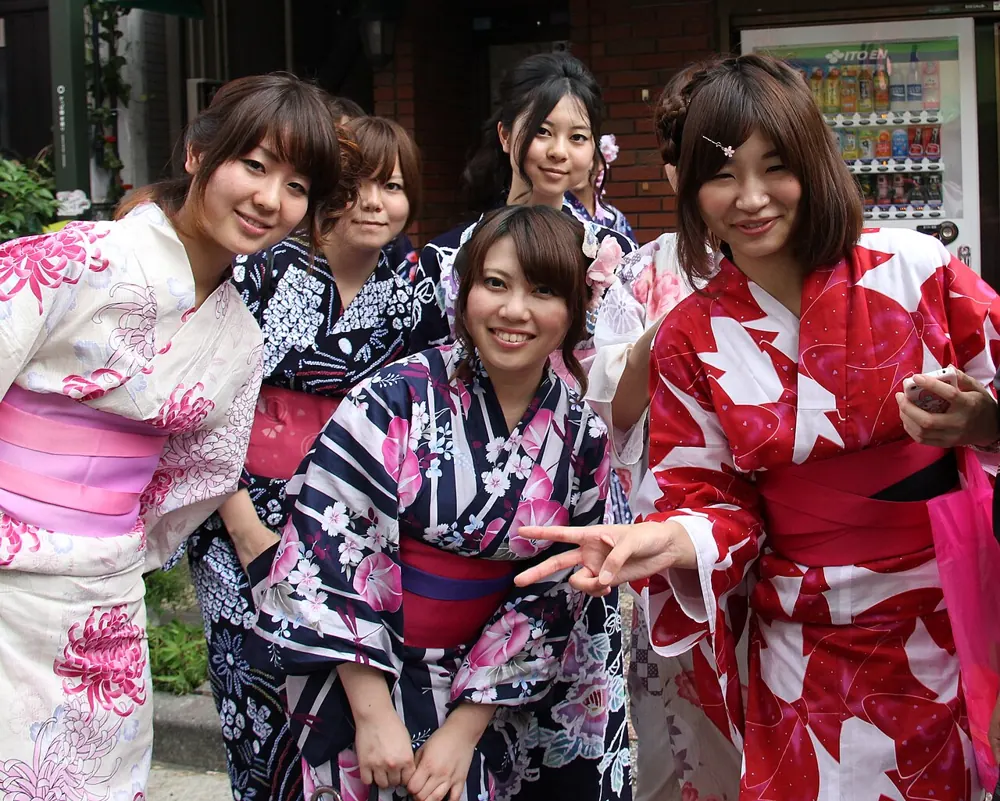 Tanabata七夕
Open the scanner and compare →