What is this? › Festivals & the seasons
ウメUme (plum blossom)
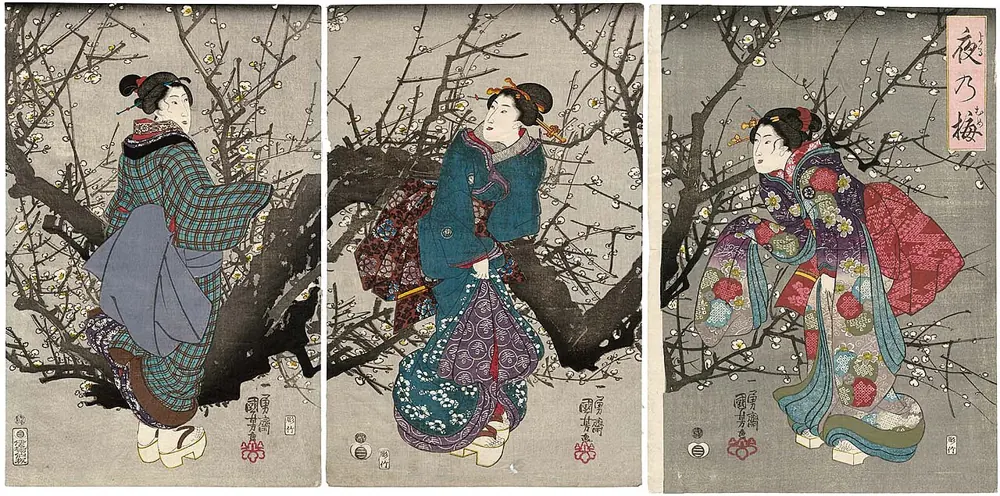
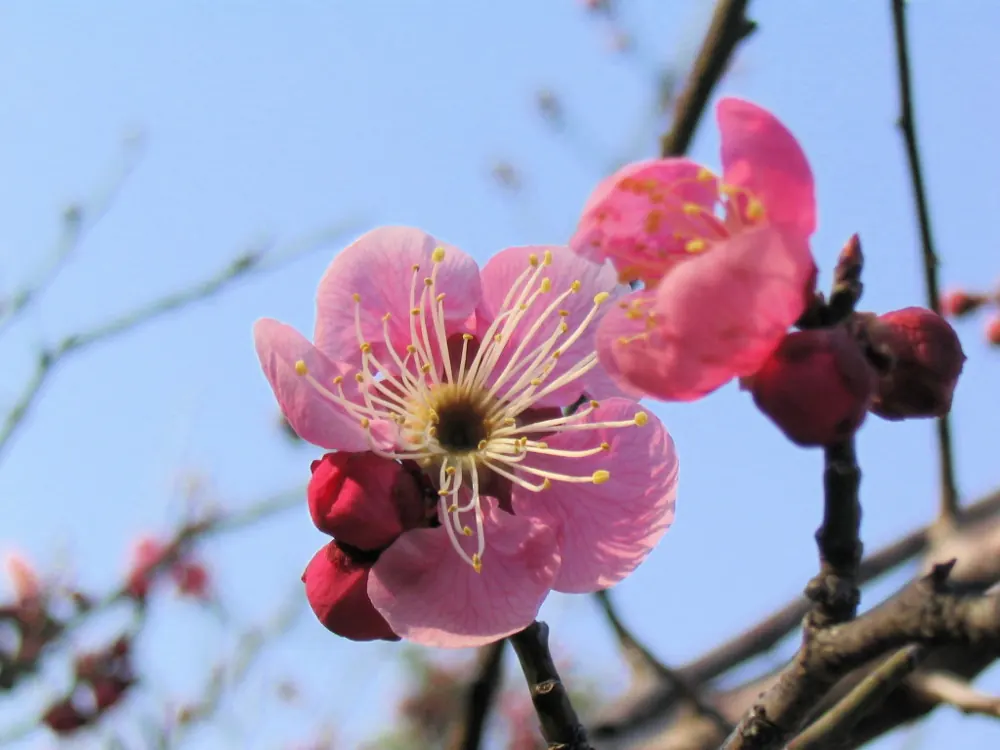
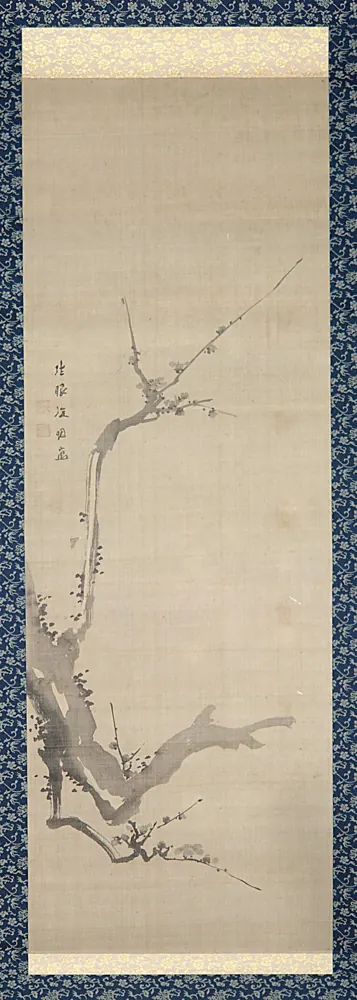
Prunus mume, known by the common name Chinese plum (which also applies to P. salicina), is a species of tree in the rose family. It is also referenced by its flowers as plum blossom. Despite being referred to as a plum, it is classified in the Armeniaca section of Prunus, making it an apricot.
The plant was introduced from China to Korea, Vietnam, and Japan. The flowers are appreciated for their characteristic fragrance. In East Asian cuisine (Chinese, Japanese, Korean, and Vietnamese), the fruit is used in juices and sauces, as a flavoring for alcohol, and may be pickled or dried. It is also used in traditional Chinese medicine.
Mei flowers, or meihua (梅花), which bloom in the late winter and early spring, notably during the spring festival (春節), symbolize endurance, as they are the first to bloom despite the cold; the flower is one of the Three Friends of Winter. The plant is of high cultural importance to China.
Text from Wikipedia: Prunus mume — CC BY-SA 4.0. Read more on Wikipedia →
見Where to see it

Japan Tourism Agency explanations
旅Try it yourself: Ume (plum blossom)
Live prices and reviews from GetYourGuide. Many tours can be cancelled for free — check each listing.
Ad: we may earn a commission if you book through these links, at no extra cost to you.
Compare whether a rail pass saves money on your route before you buy tickets.
Check prices →Japan eSIM / mobile data
Ad: we may earn a commission if you book through these links, at no extra cost to you.
問Questions visitors ask
What is Ume (plum blossom)?
Prunus mume, known by the common name Chinese plum (which also applies to P.
Where can I see Ume (plum blossom)?
Places on Torii Guide where it is mentioned include: Hama-rikyū Gardens.
季Festivals & the seasons
 Matsuri祭
 Hanami花見
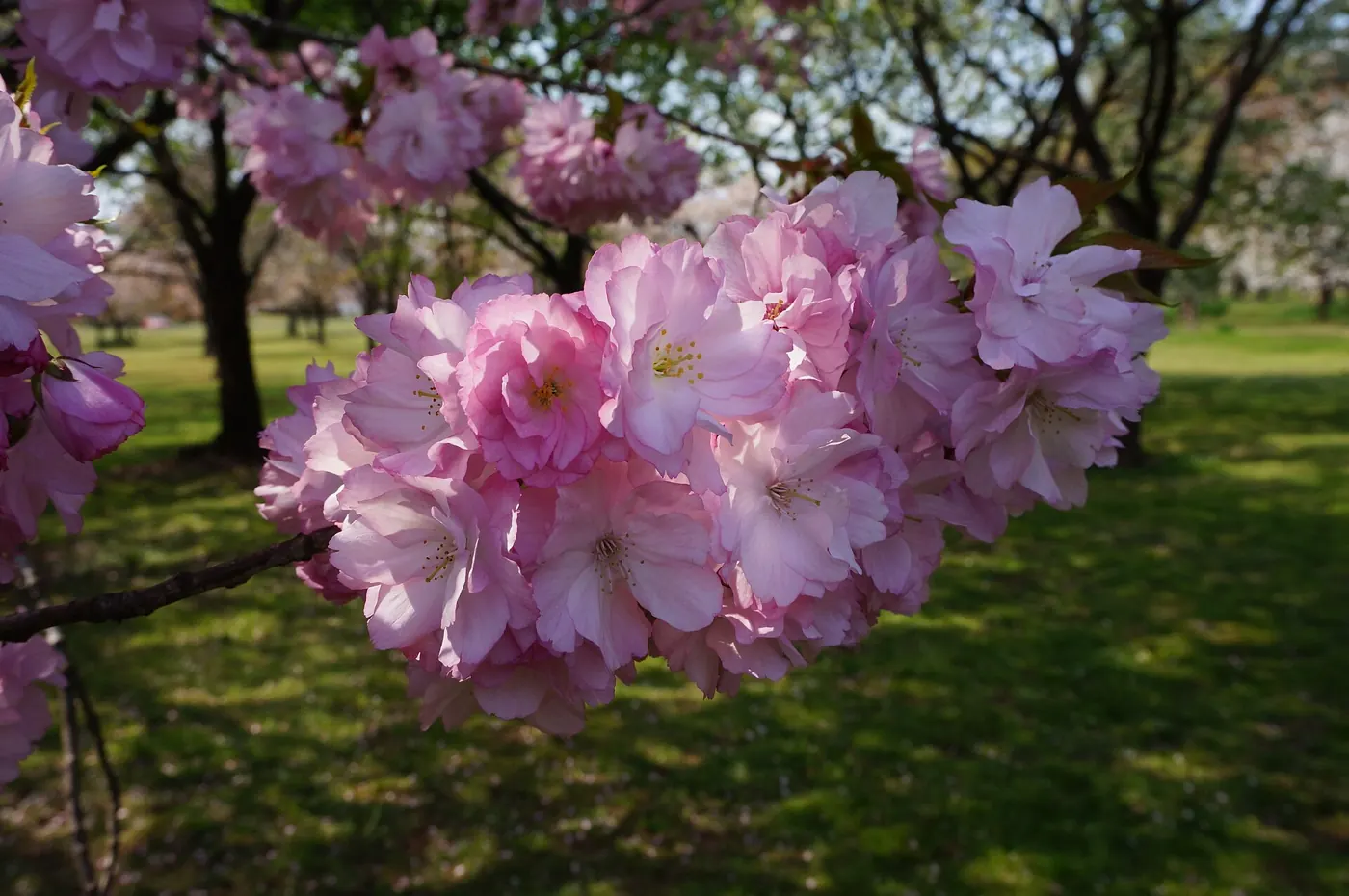 Sakuraサクラ
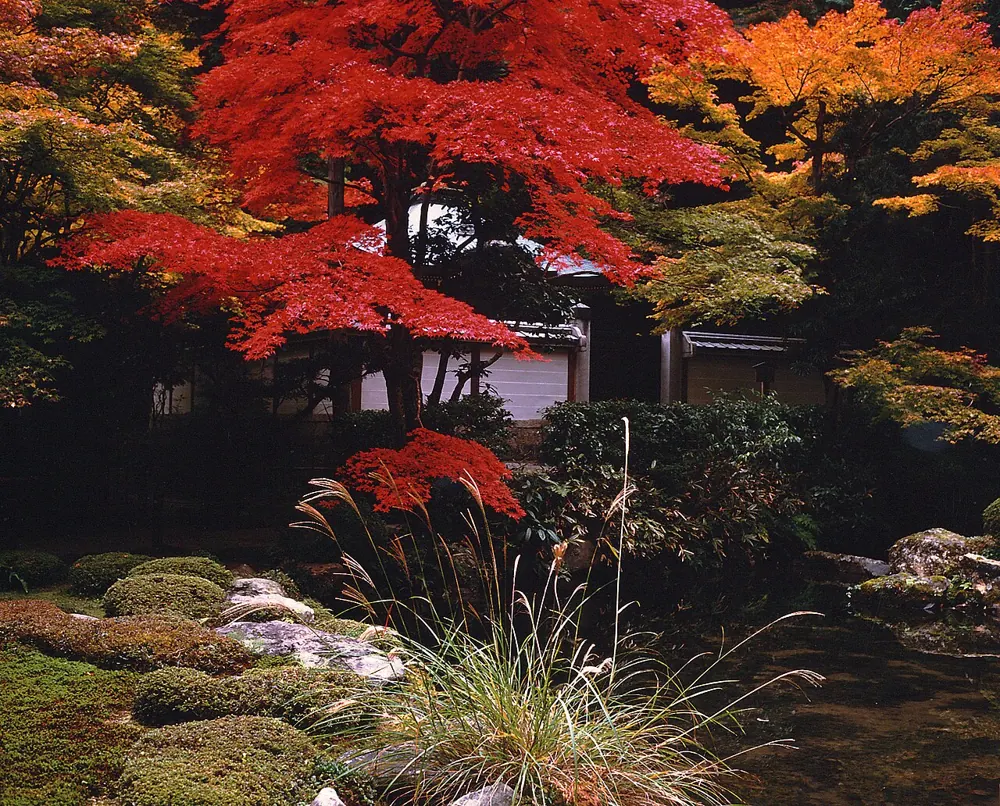 Kōyō紅葉
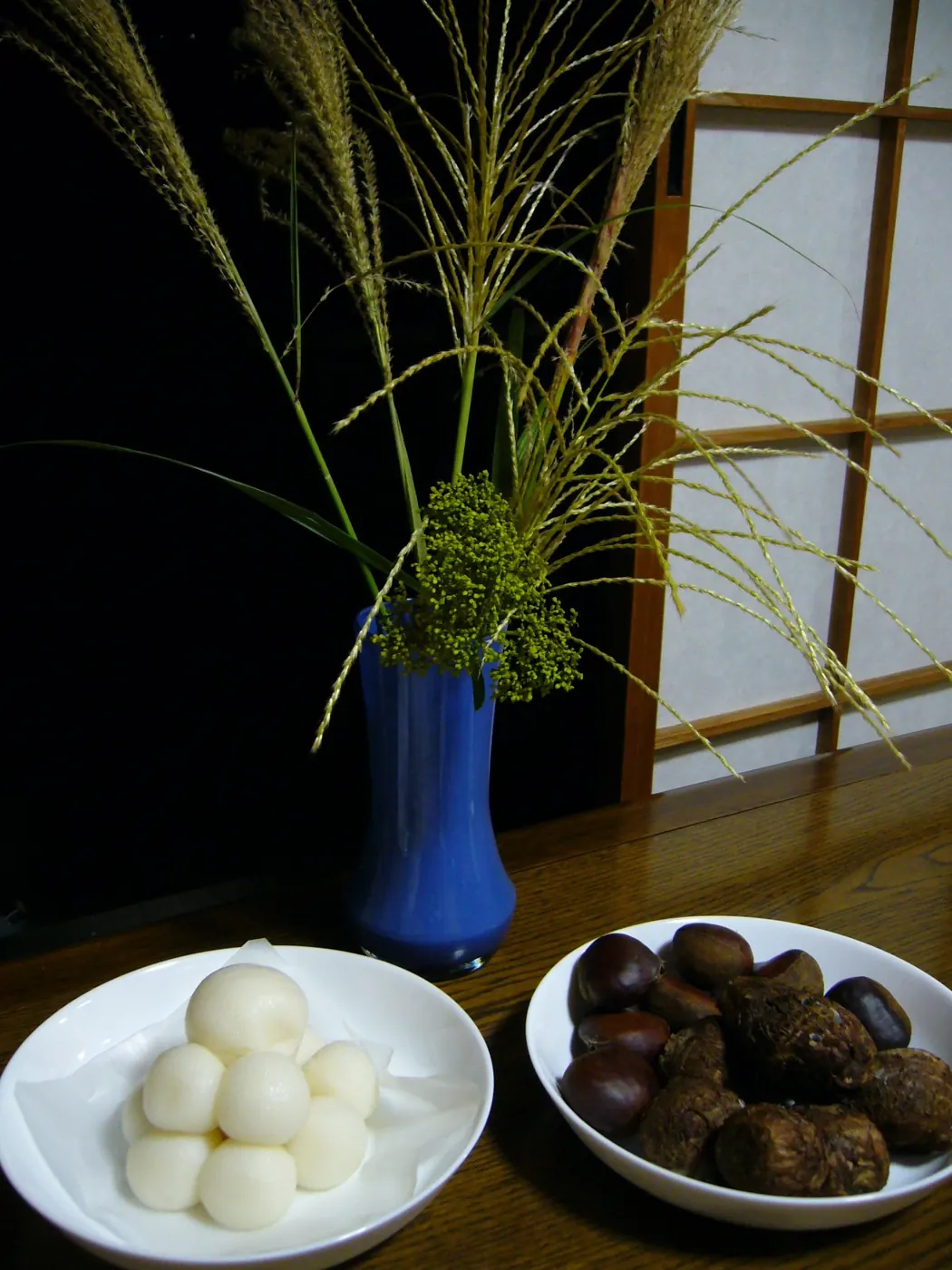 Tsukimi月見
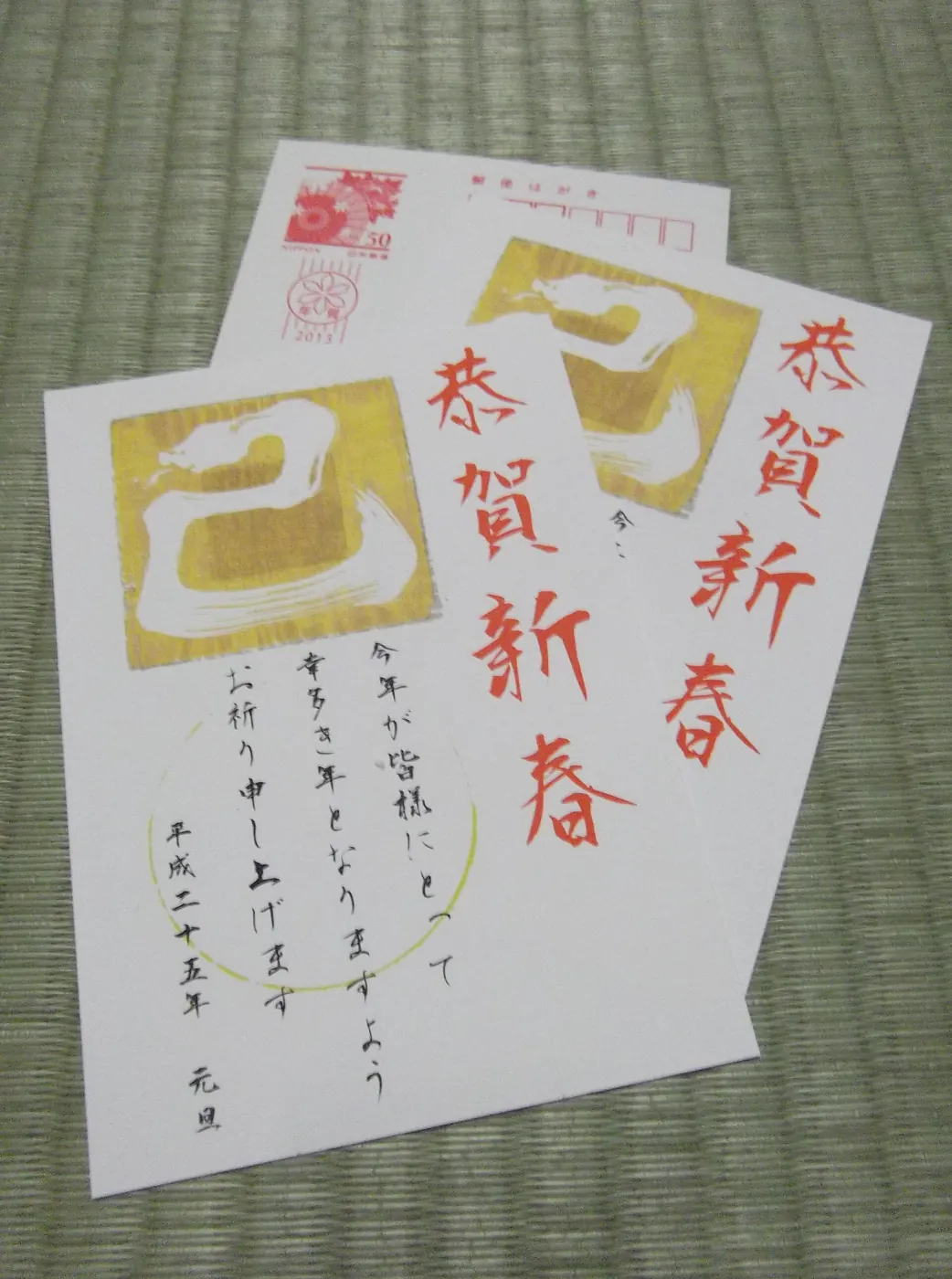 Shōgatsu正月
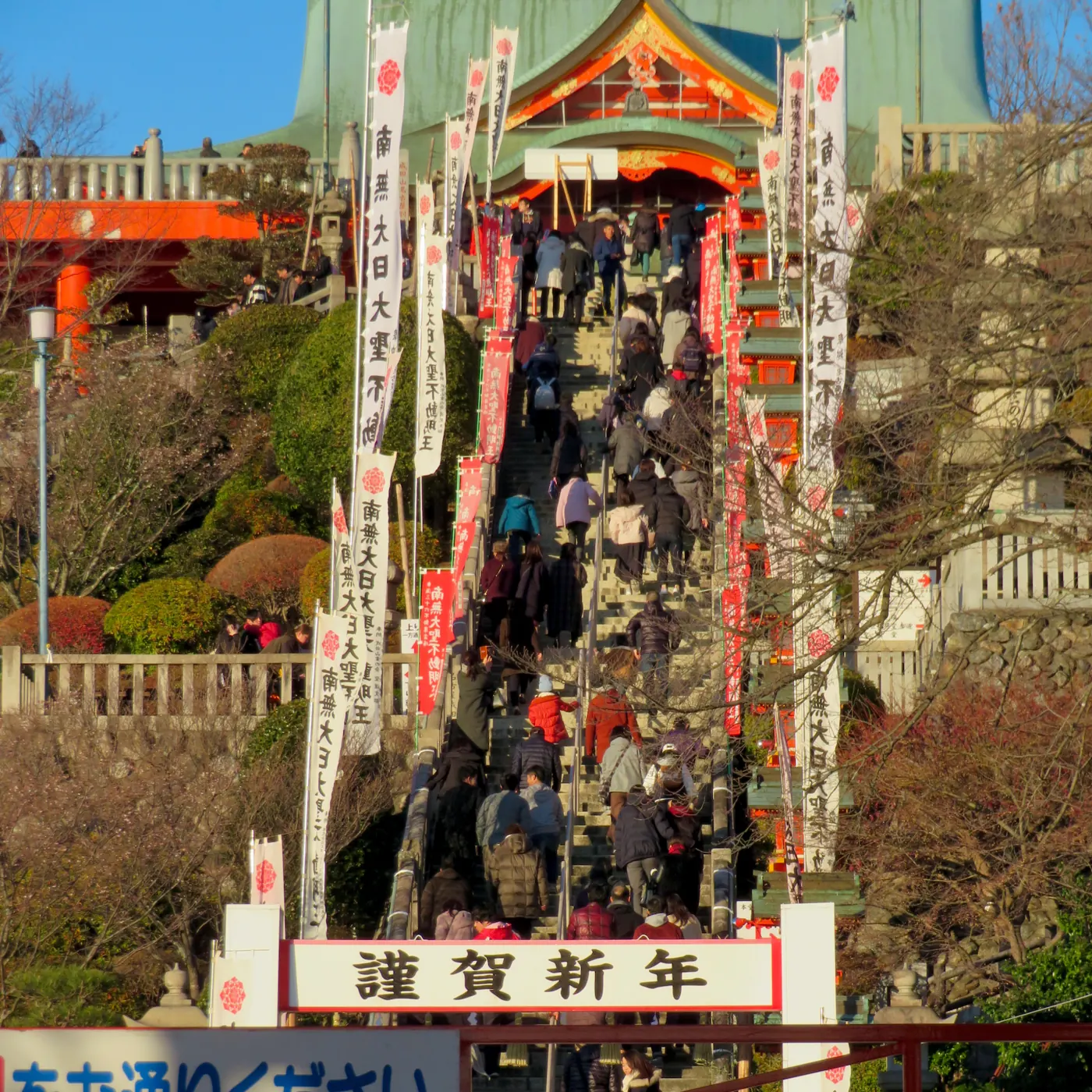 Hatsumōde初詣
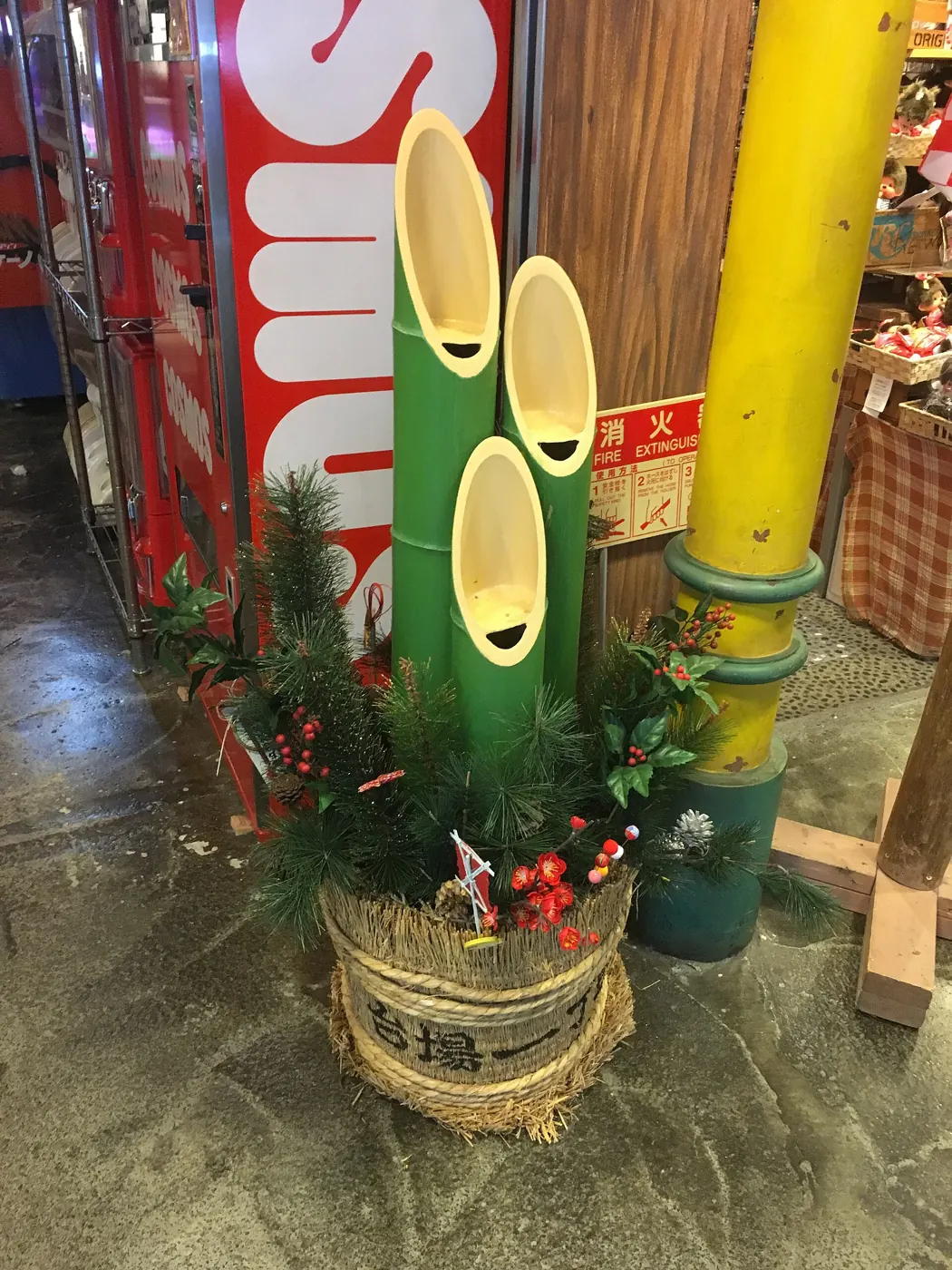 Kadomatsu門松
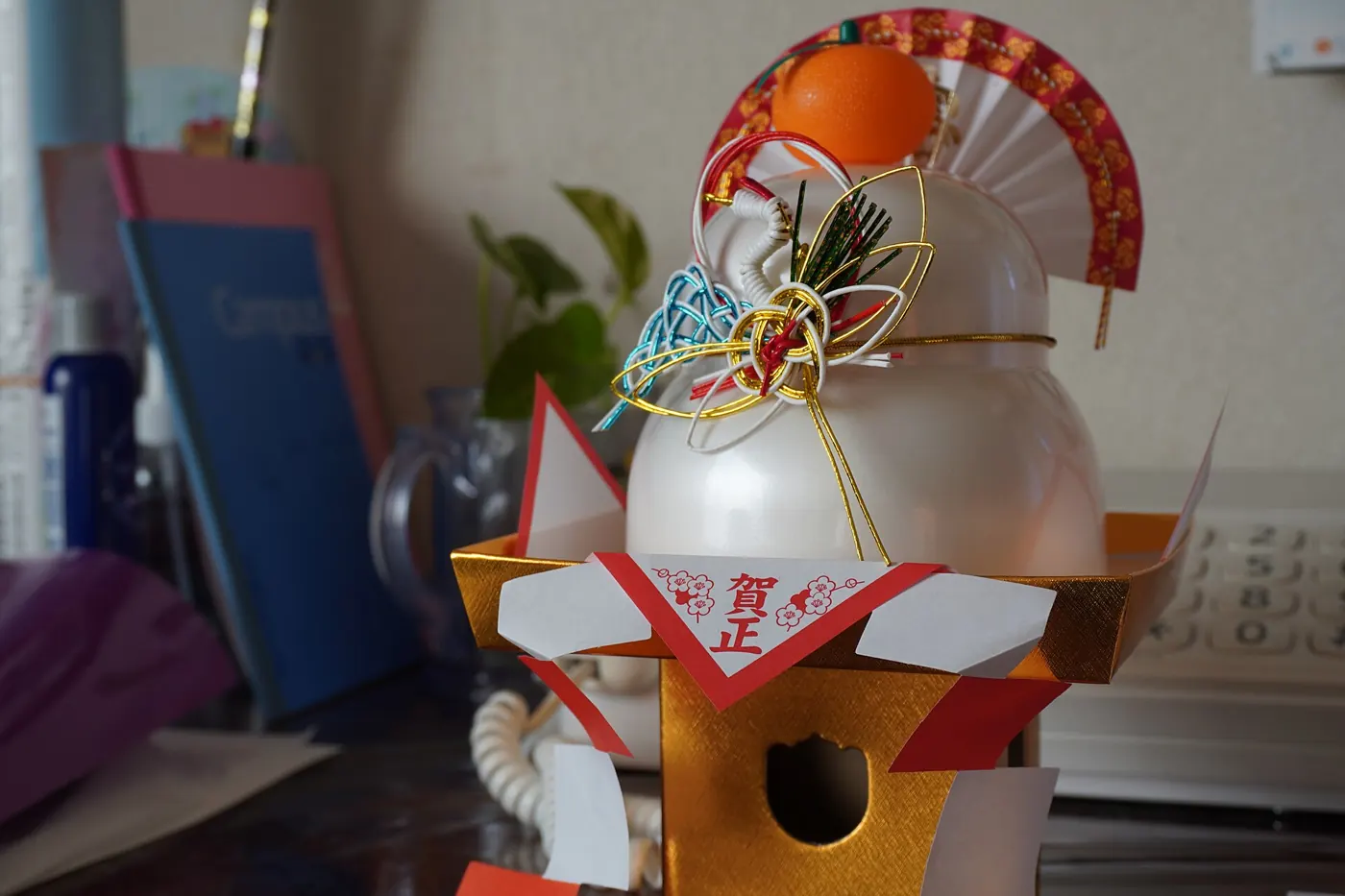 Kagami mochi鏡餅
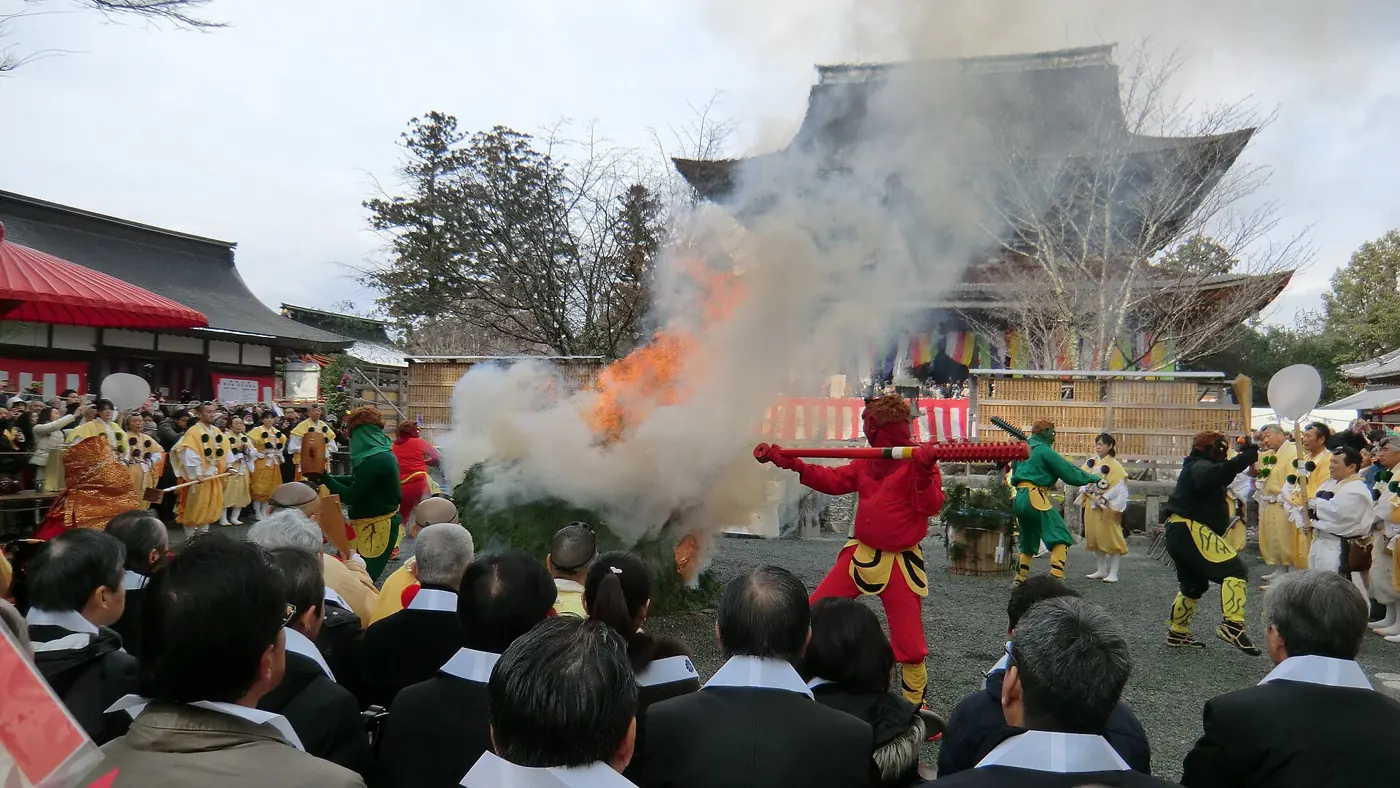 Setsubun節分
 Kodomo no Hiこどもの日
 Tanabata七夕
Open the scanner and compare →