What is this? › Festivals & the seasons
七夕Tanabata (star festival)
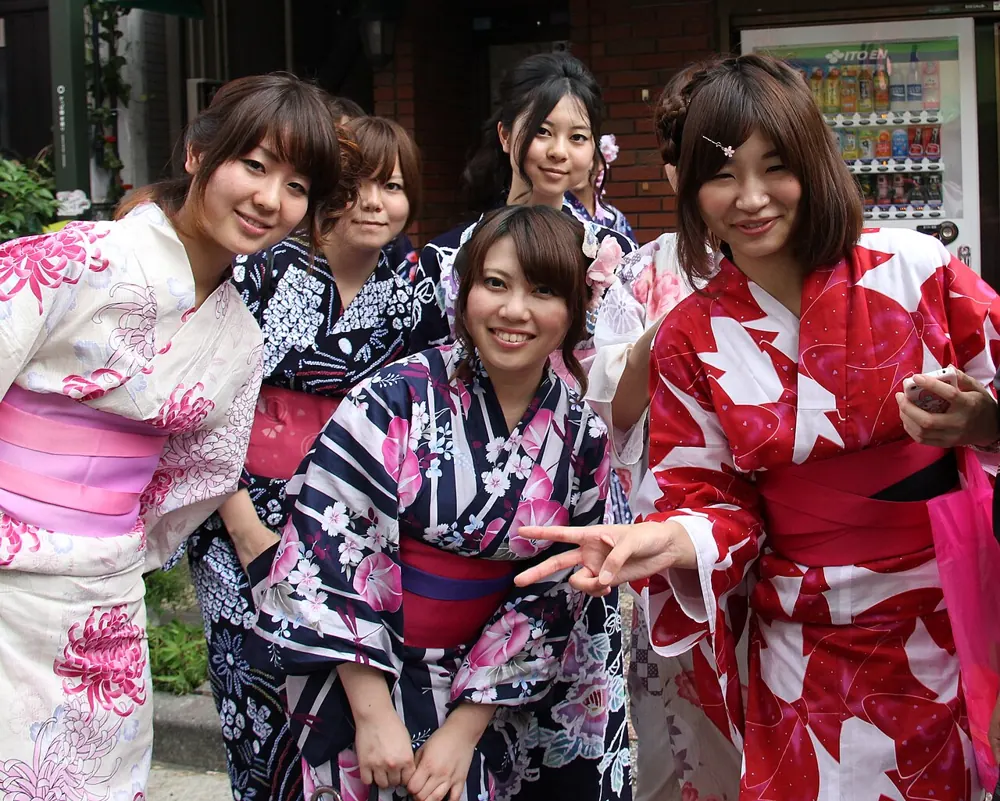
The Qixi Festival (Chinese: 七夕; pinyin: Qīxī; lit. 'Seventh Night'), also known as the Qiqiao Festival (Chinese: 乞巧; pinyin: Qǐqiǎo; lit. 'Beseeching craftsmanship'), is a Chinese festival celebrating the annual meeting of Zhinü and Niulang in Chinese mythology. The festival is celebrated on the seventh day of the seventh month on the Chinese lunisolar calendar. It is also celebrated in Vietnam, where it is known as Thất Tịch, and it is the inspiration for the Tanabata festival in Japan and Chilseok in Korea.
A celebration of romantic love, the festival is often described as the traditional Chinese equivalent of Valentine's Day. The festival is derived from Chinese mythology: people celebrate the romantic legend of two lovers, Zhinü and Niulang, who were the weaver girl and the cowherd, respectively. The tale of The Cowherd and the Weaver Girl has been celebrated in the Qixi Festival since the Han dynasty. The earliest-known reference to this famous myth dates back to more than 2,600 years ago, which was told in a poem from the Classic of Poetry.
The festival has variously been called the Double Seventh Festival, the Chinese Valentine's Day, the Night of Sevens, or the Magpie Festival.
Text from Wikipedia: Qixi Festival — CC BY-SA 4.0. Read more on Wikipedia →
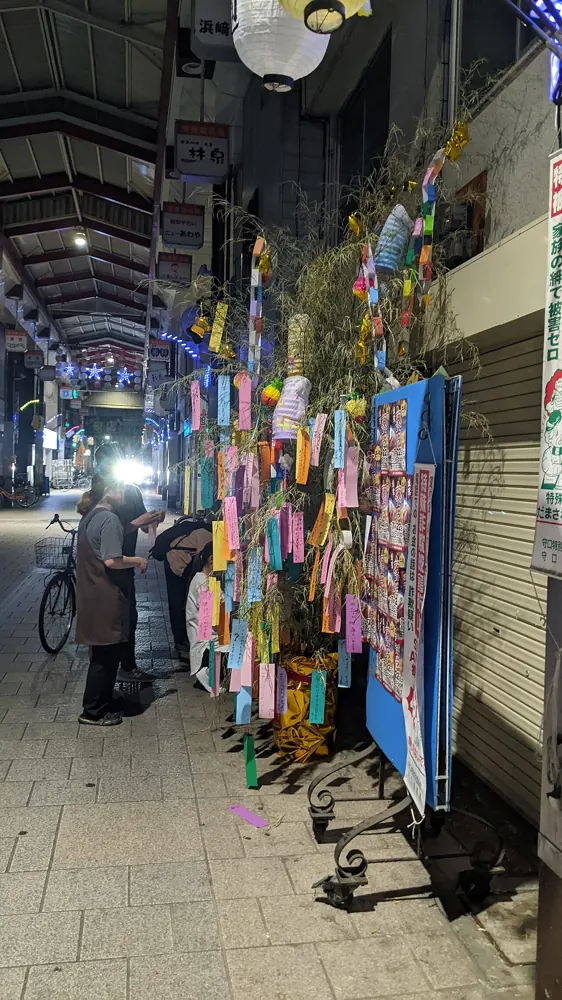
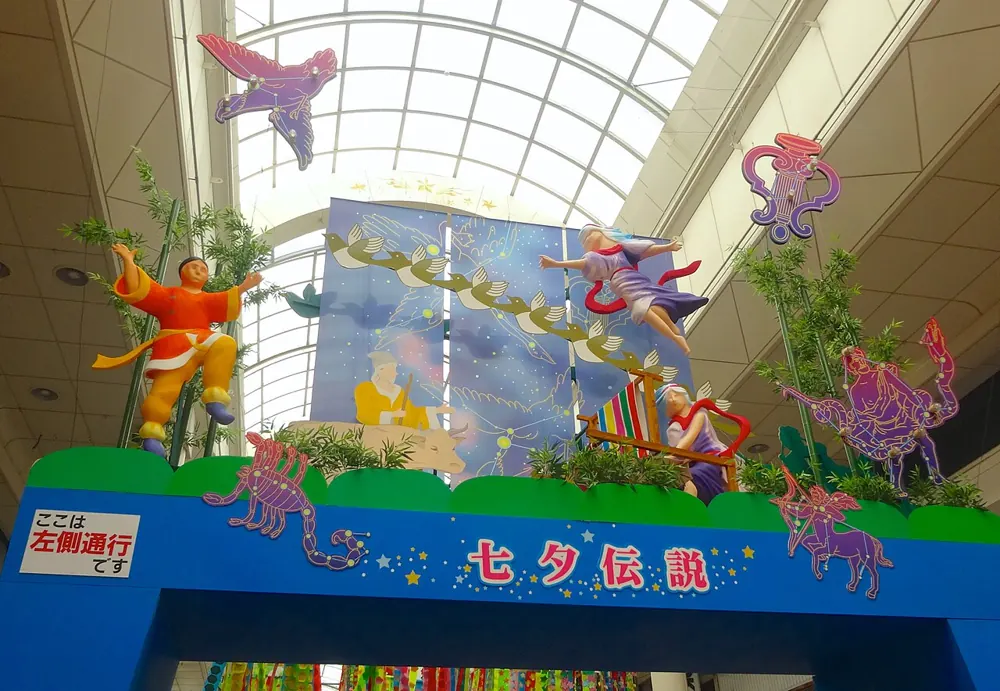
Japan Tourism Agency explanations
旅Try it yourself: Tanabata (star festival)
Live prices and reviews from GetYourGuide. Many tours can be cancelled for free — check each listing.
Ad: we may earn a commission if you book through these links, at no extra cost to you.
Compare whether a rail pass saves money on your route before you buy tickets.
Check prices →Japan eSIM / mobile data
Ad: we may earn a commission if you book through these links, at no extra cost to you.
問Questions visitors ask
What is Tanabata (star festival)?
The Qixi Festival (Chinese: 七夕; pinyin: Qīxī; lit.
季Festivals & the seasons
 Matsuri祭
 Hanami花見
 Sakuraサクラ
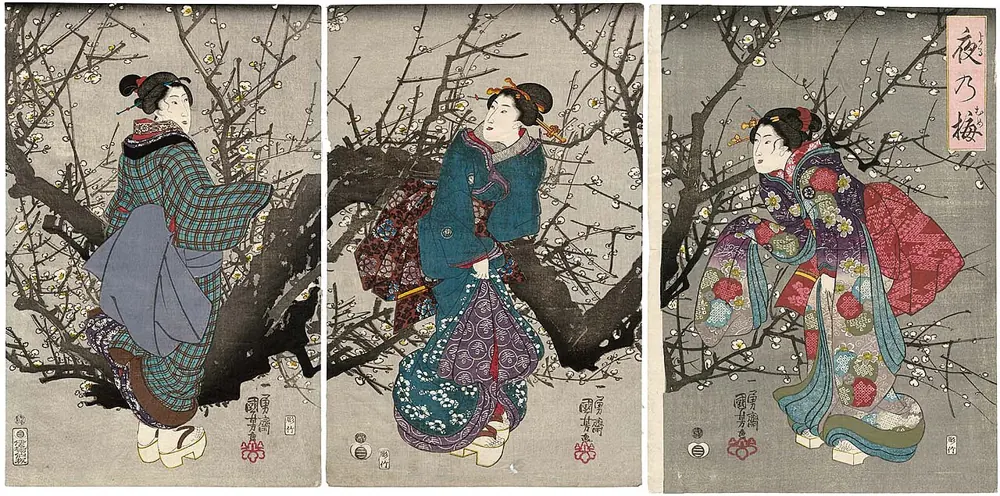 Umeウメ
 Kōyō紅葉
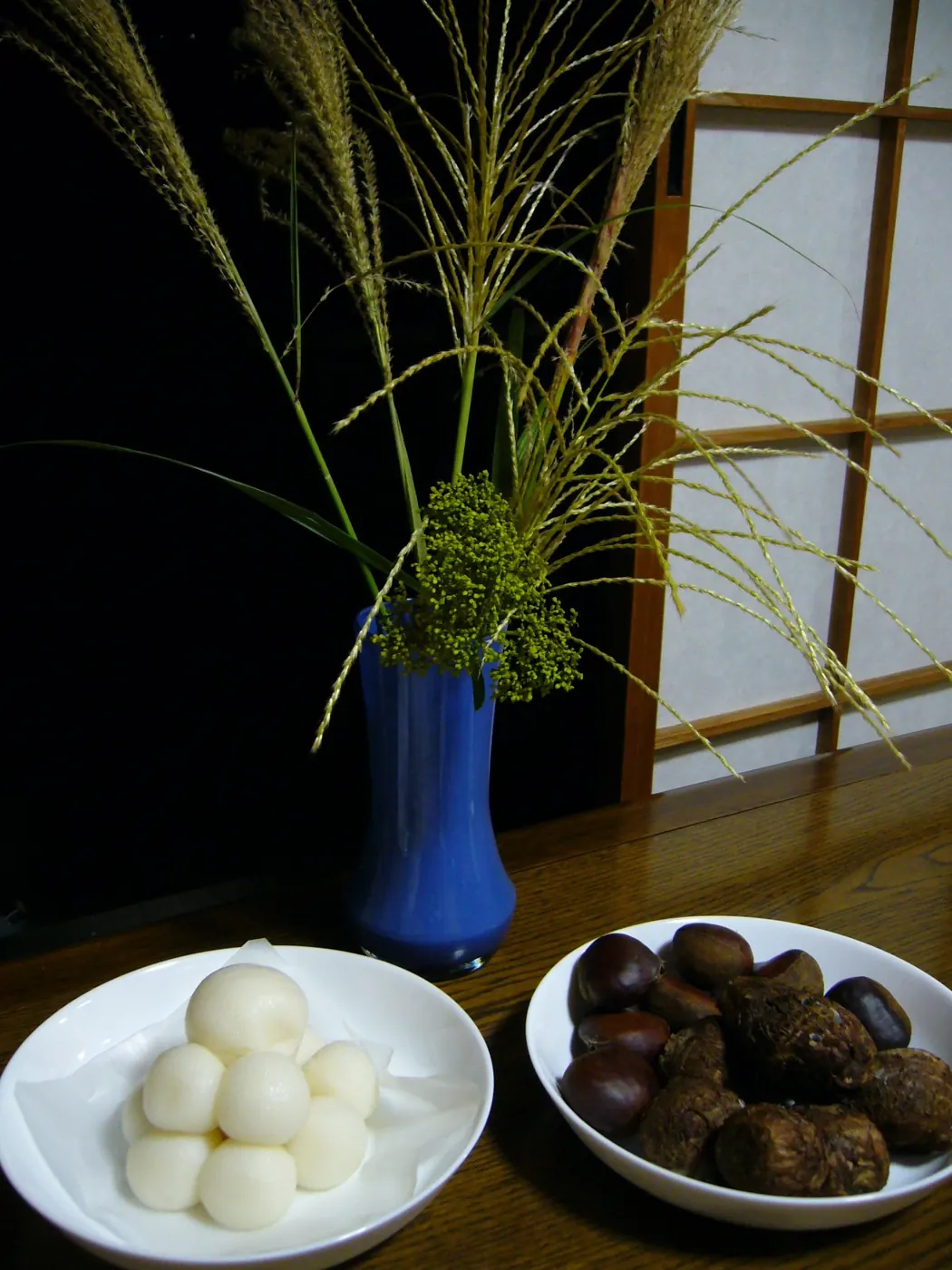 Tsukimi月見
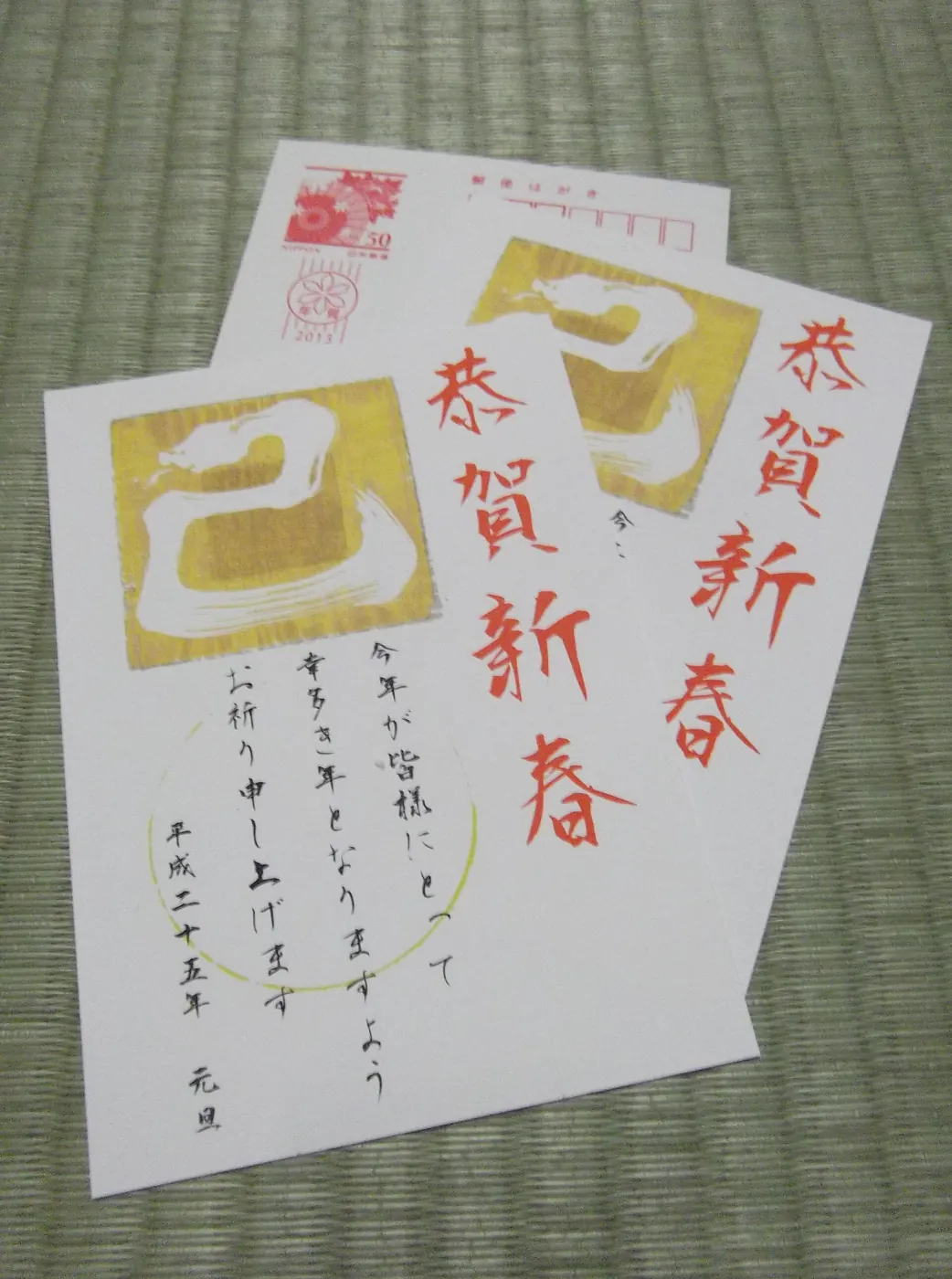 Shōgatsu正月
 Hatsumōde初詣
 Kadomatsu門松
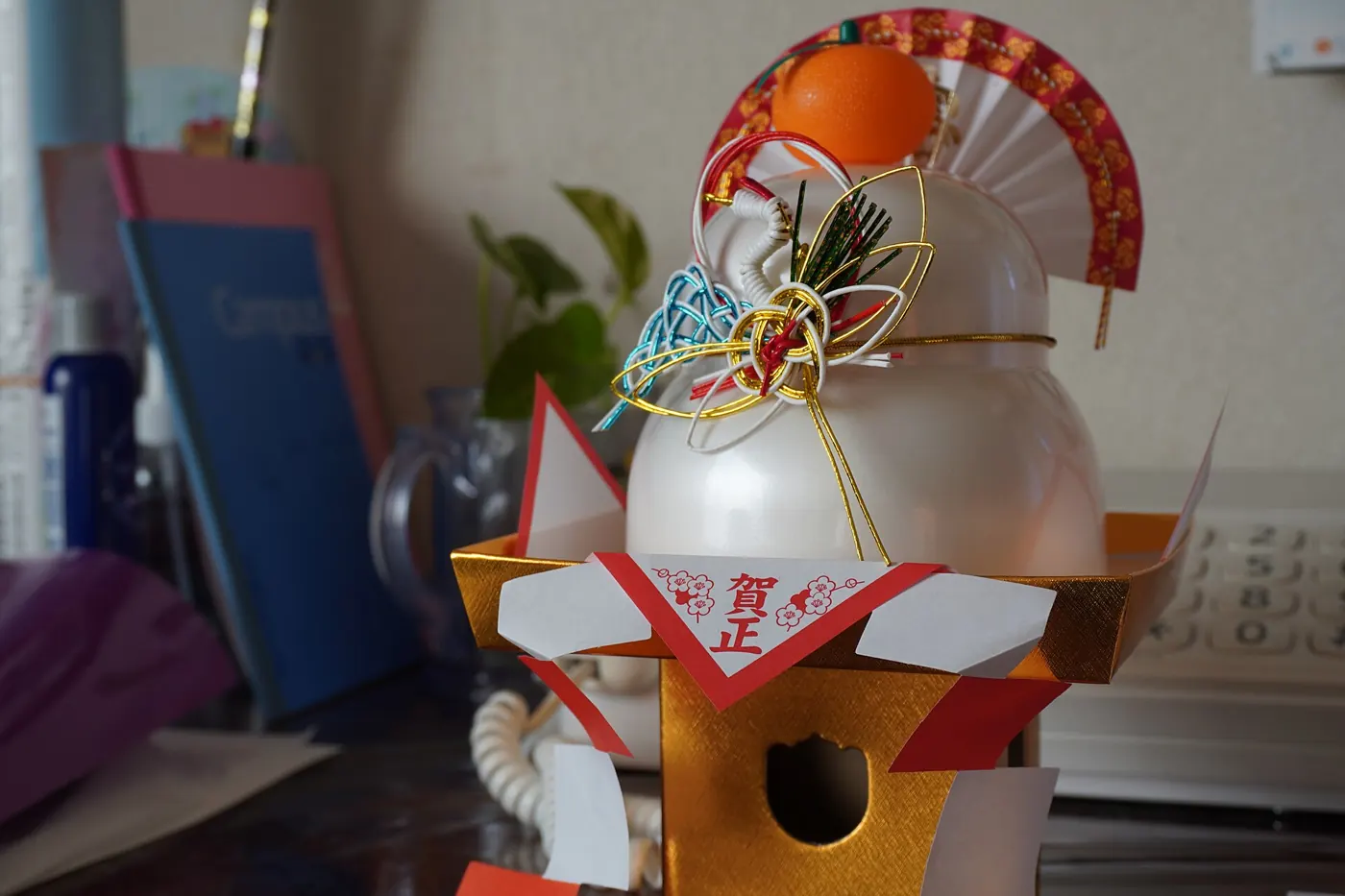 Kagami mochi鏡餅
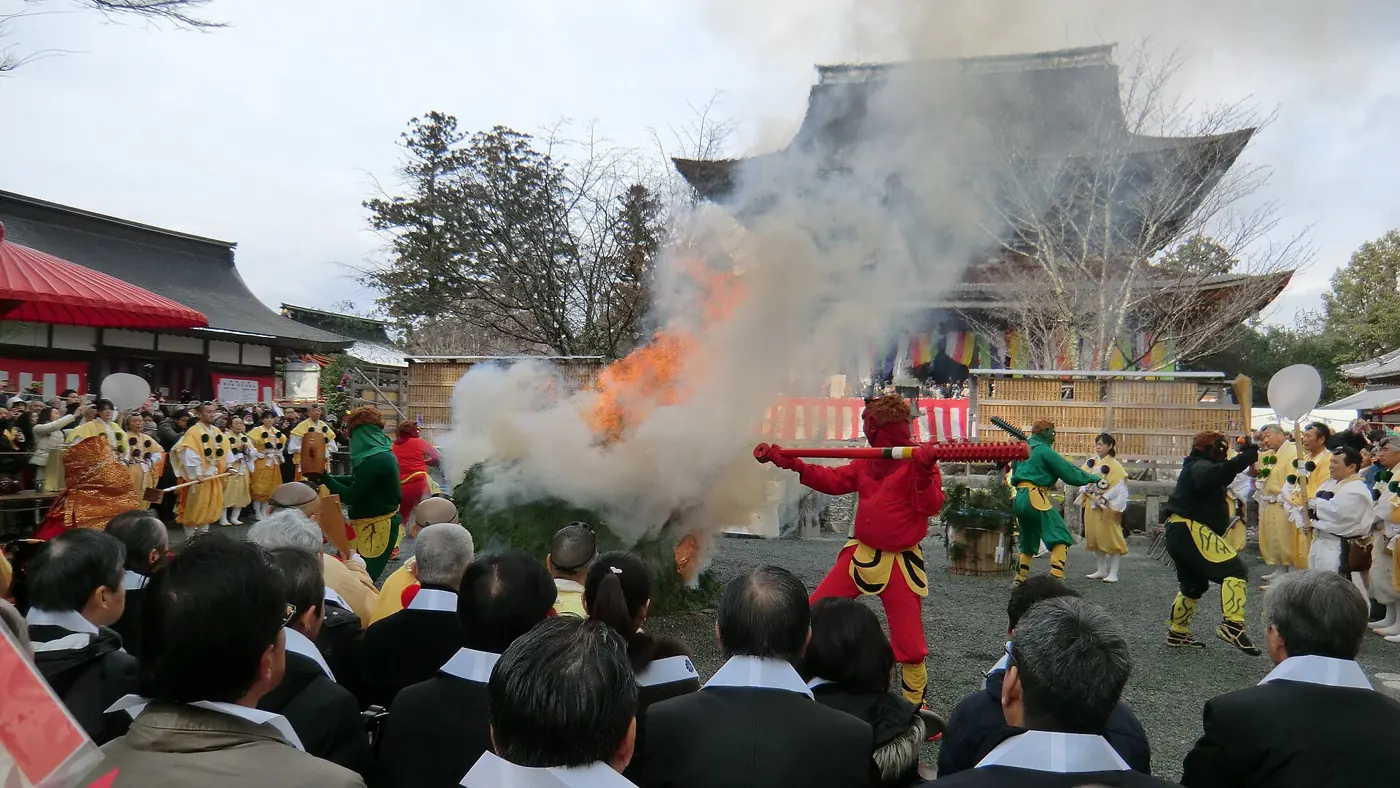 Setsubun節分
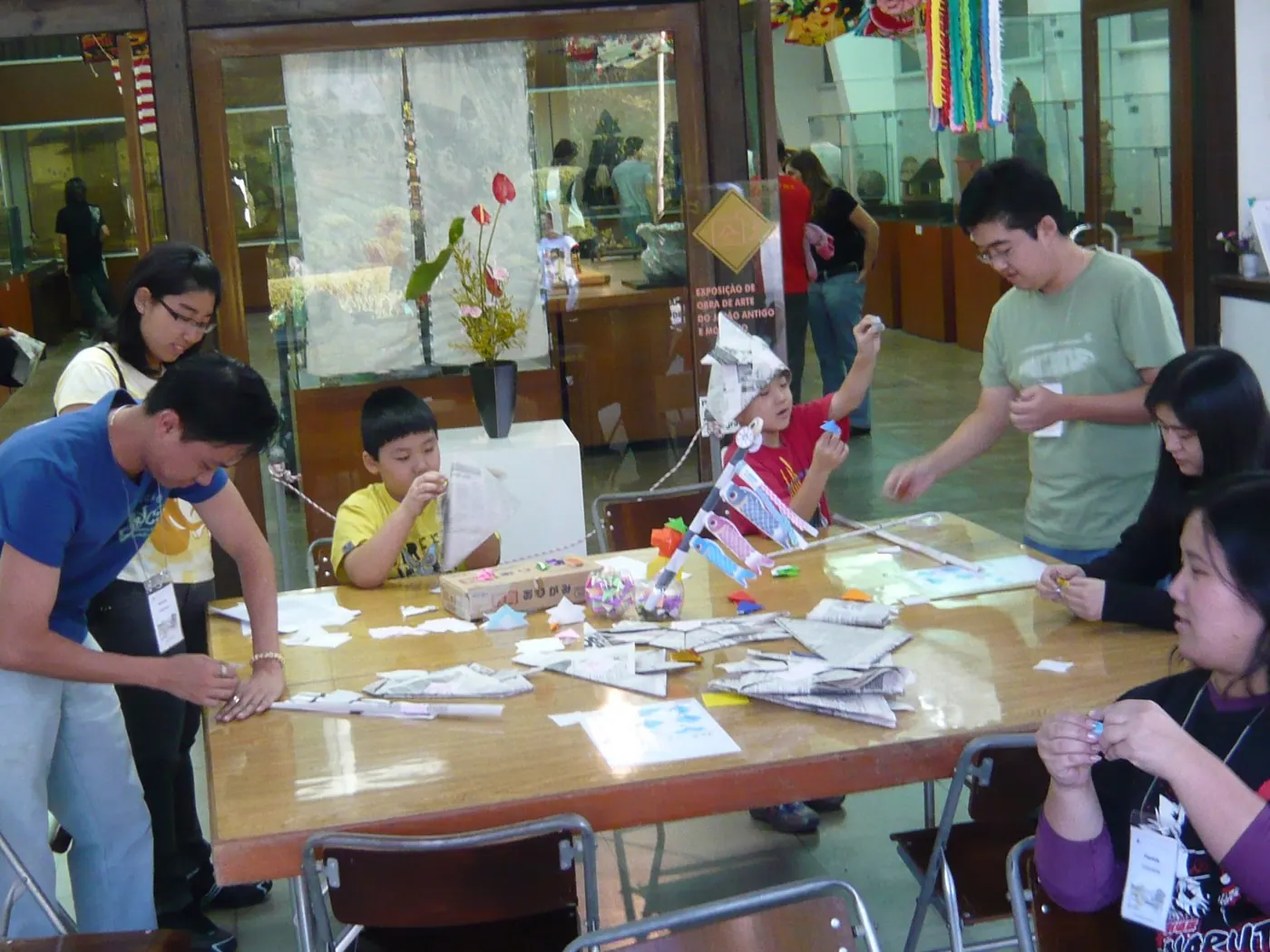 Kodomo no Hiこどもの日
Open the scanner and compare →