What is this? › Performing arts & ways (dō)
俳句Haiku
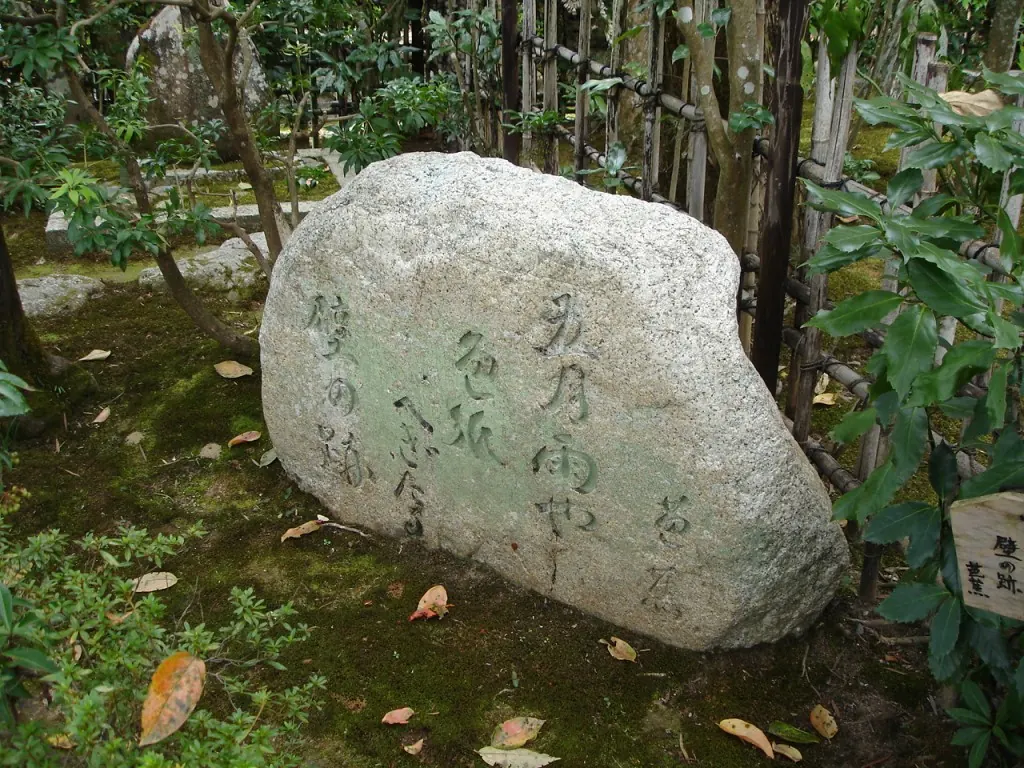
Haiku (俳句; English: , Japanese: ) is a type of short-form poetry that originated in Japan. Traditional Japanese haiku consist of three phrases composed of 17 morae (called on in Japanese) in a 5, 7, 5 pattern that include a kireji or "cutting word" and a kigo or seasonal reference. However, haiku by classical Japanese poets, such as Matsuo Bashō, also deviate from the 17-on pattern and sometimes do not contain a kireji. Similar poems that do not adhere to these rules are generally classified as senryū.
Haiku originated as an opening part of a larger Japanese genre of poetry called renga. These haiku, written as opening stanzas, were known as hokku and over time they began to be written as stand-alone poems. Haiku was given its current name by the Japanese writer Masaoka Shiki at the end of the 19th century.
Originally from Japan, haiku today are written by authors worldwide. Haiku in English and haiku in other languages have different styles and traditions while still incorporating aspects of the traditional haiku form. Non-Japanese language haiku vary widely on how closely they follow traditional elements.
Text from Wikipedia: Haiku — CC BY-SA 4.0. Read more on Wikipedia →
見Where to see it
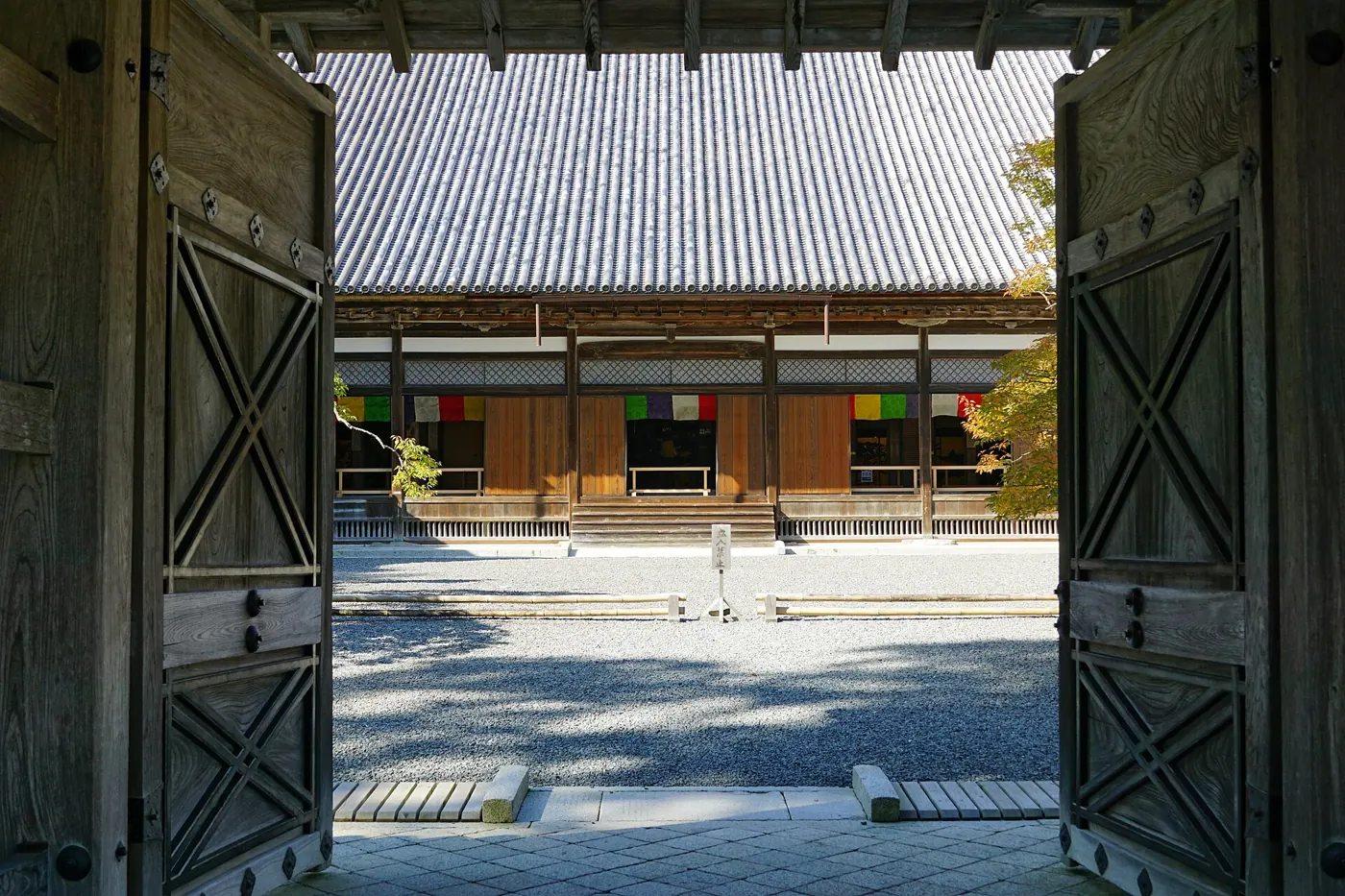
Japan Tourism Agency explanations
旅Try it yourself: Haiku
Live prices and reviews from GetYourGuide. Many tours can be cancelled for free — check each listing.
Ad: we may earn a commission if you book through these links, at no extra cost to you.
Compare whether a rail pass saves money on your route before you buy tickets.
Check prices →Japan eSIM / mobile data
Ad: we may earn a commission if you book through these links, at no extra cost to you.
問Questions visitors ask
What is Haiku?
Haiku (俳句; English: , Japanese: [hä̀í.
Where can I see Haiku?
Places on Torii Guide where it is mentioned include: Zuigan-ji (Matsushima).
芸Performing arts & ways (dō)
 Noh能
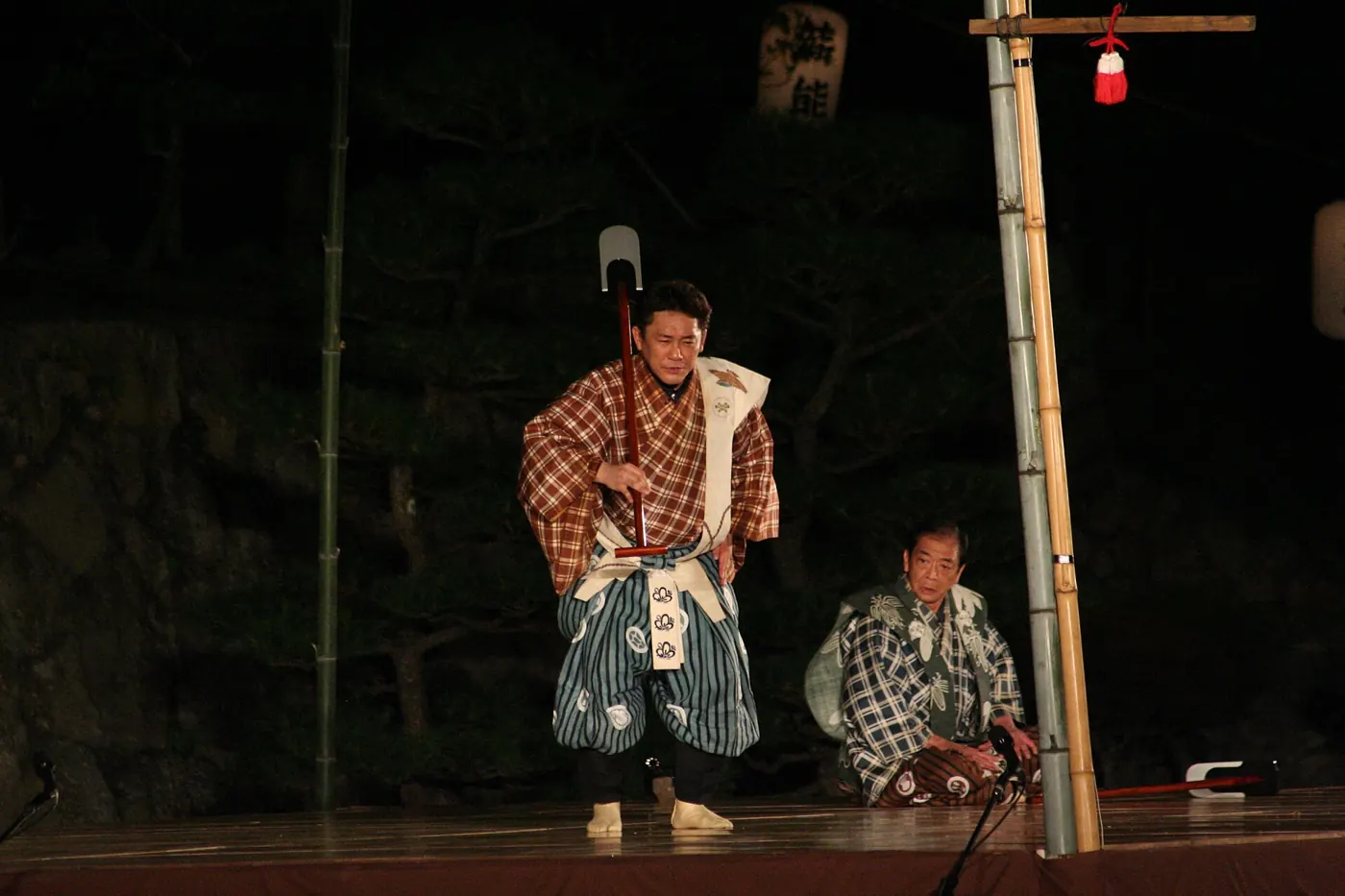 Kyōgen狂言
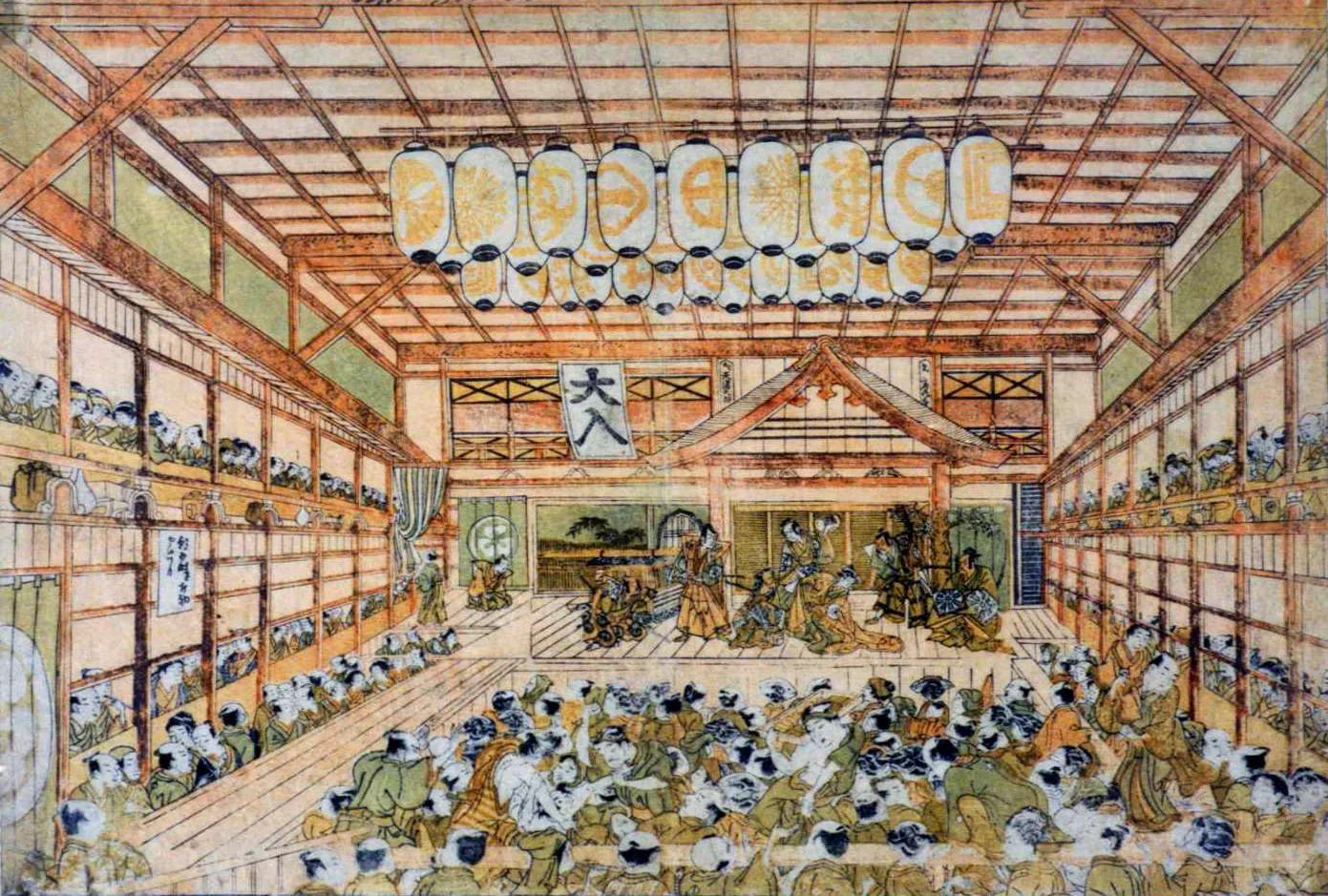 Kabuki歌舞伎
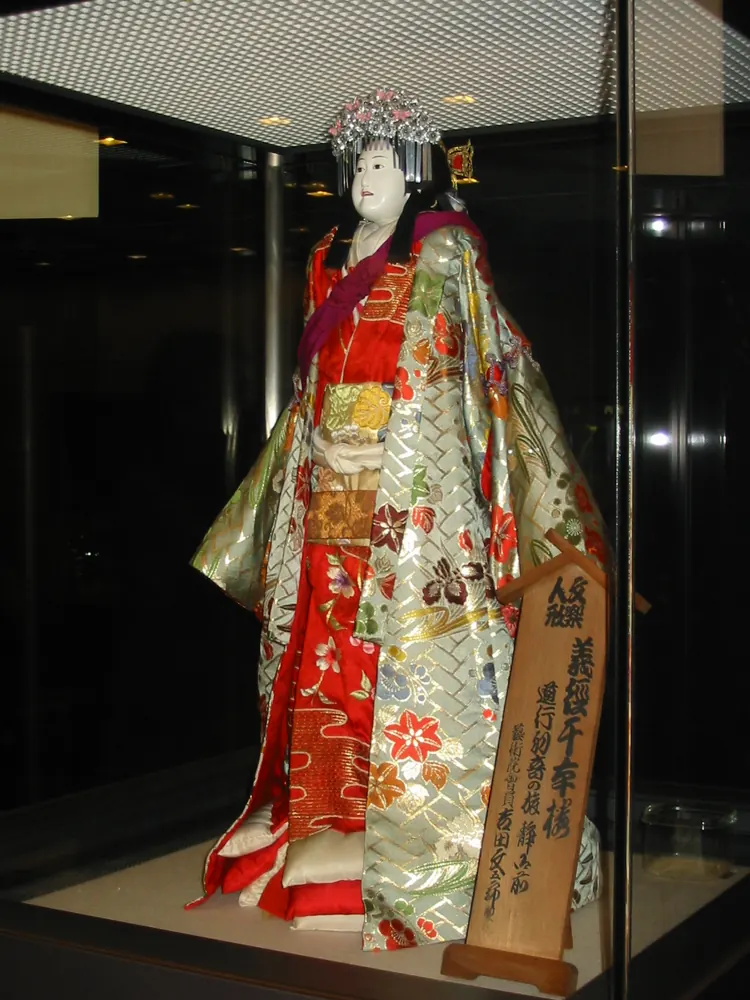 Bunraku文楽
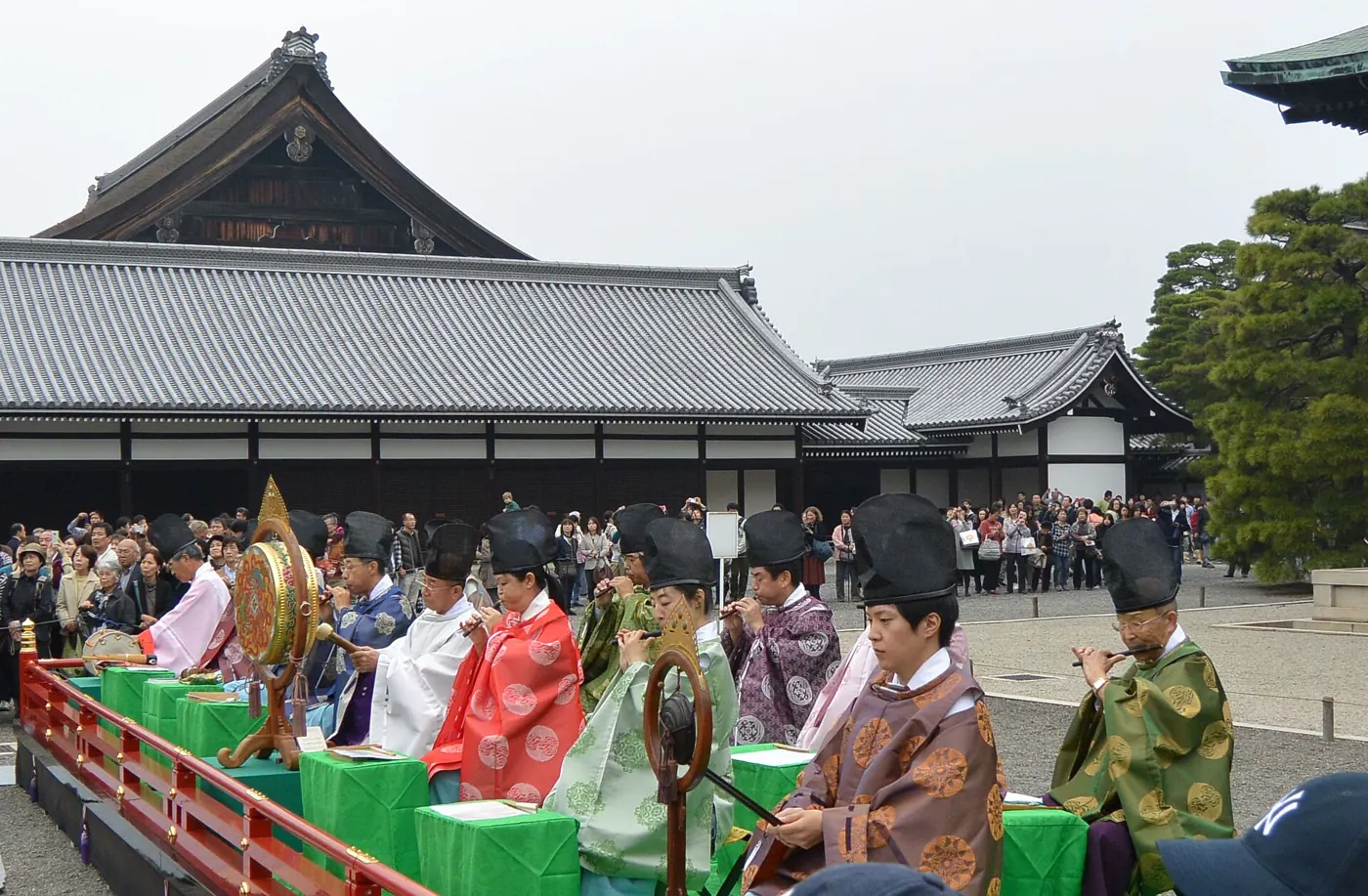 Gagaku日本の雅楽
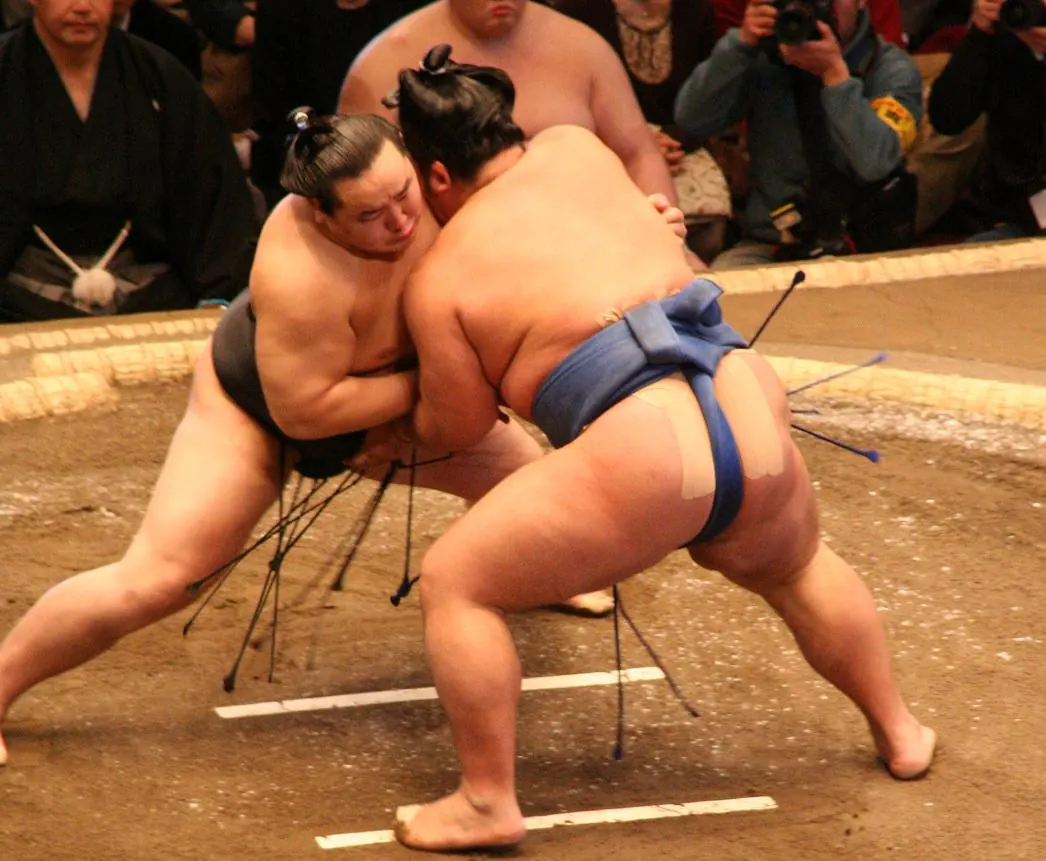 Sumo相撲
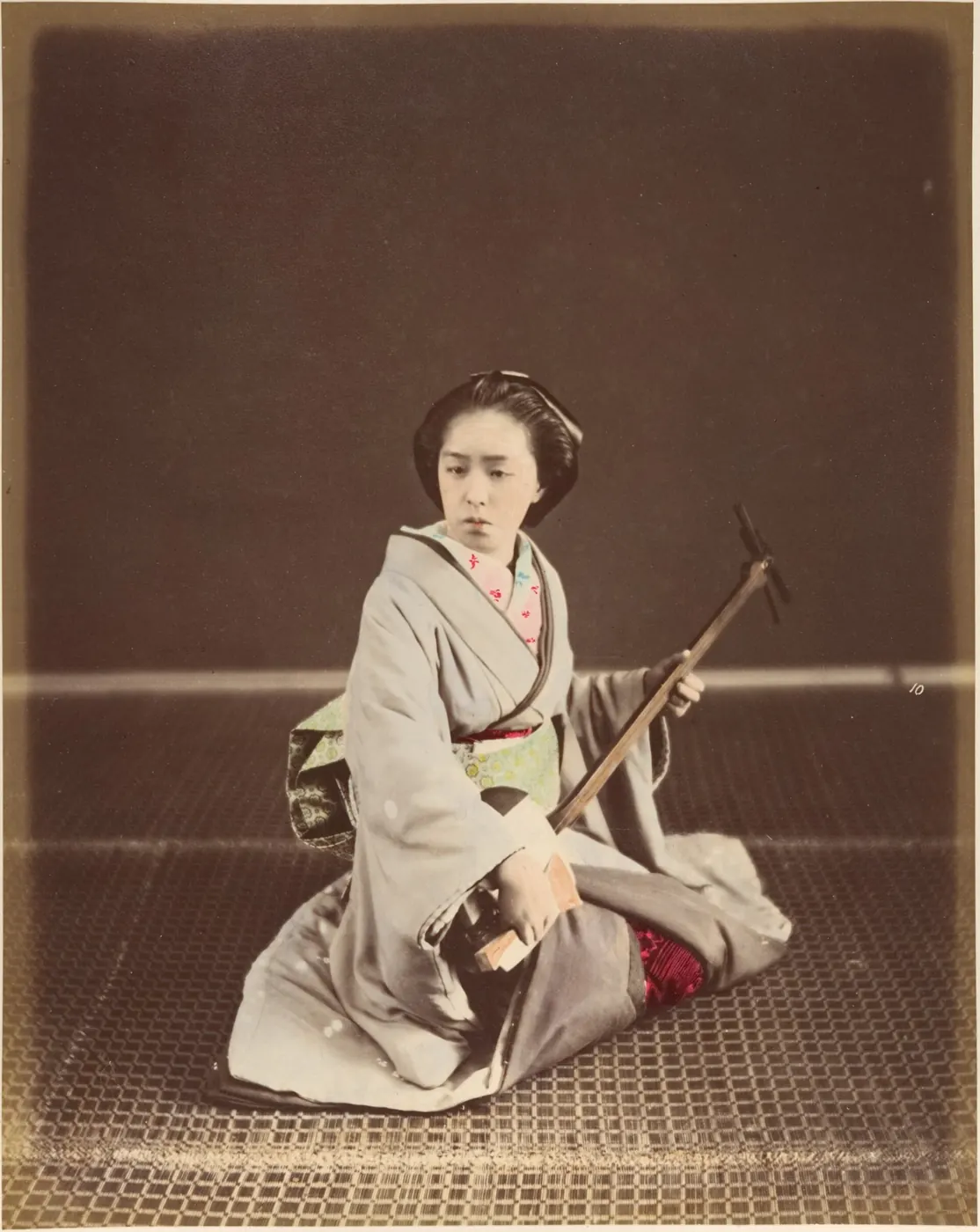 Geisha芸妓
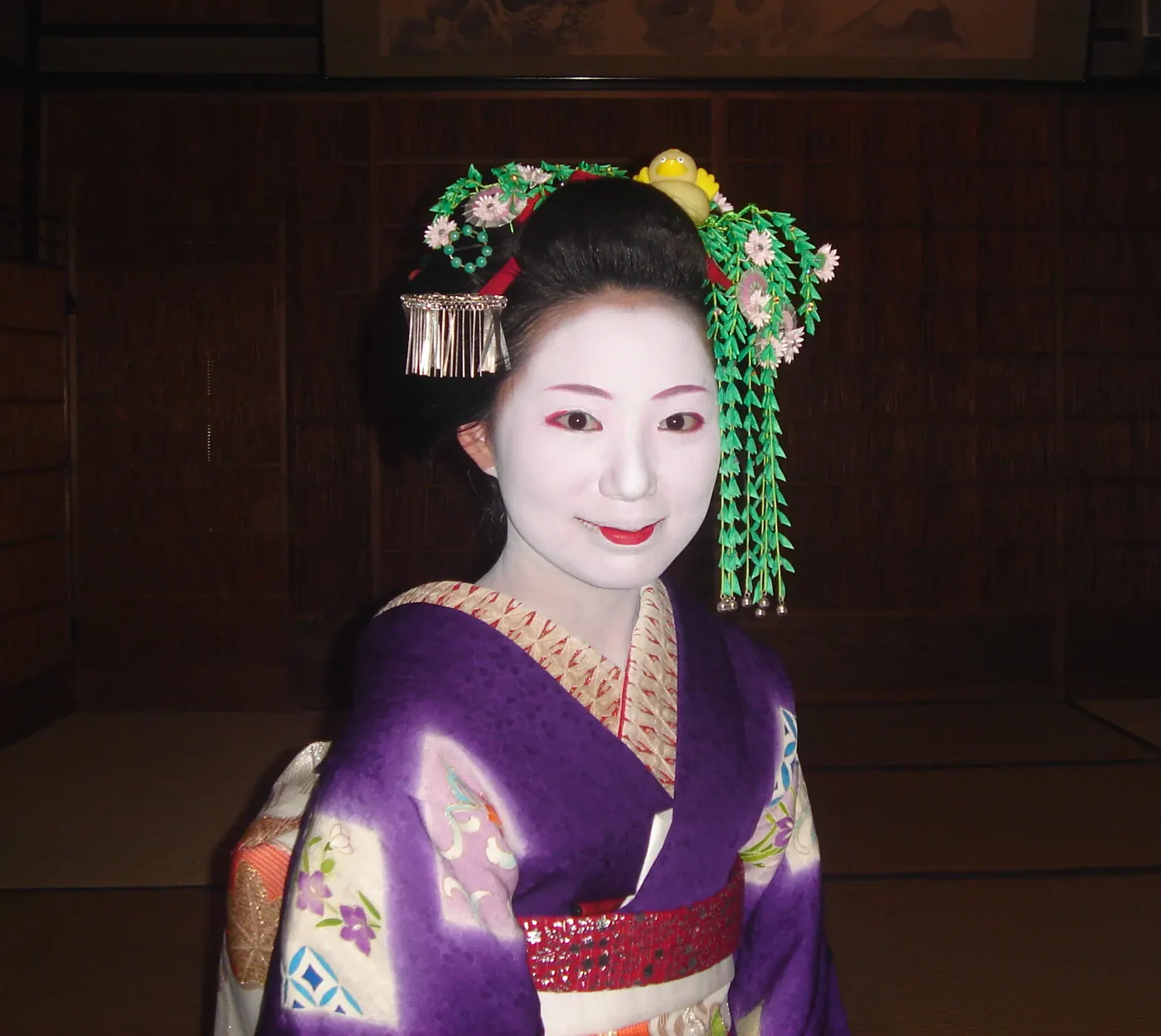 Maiko舞妓
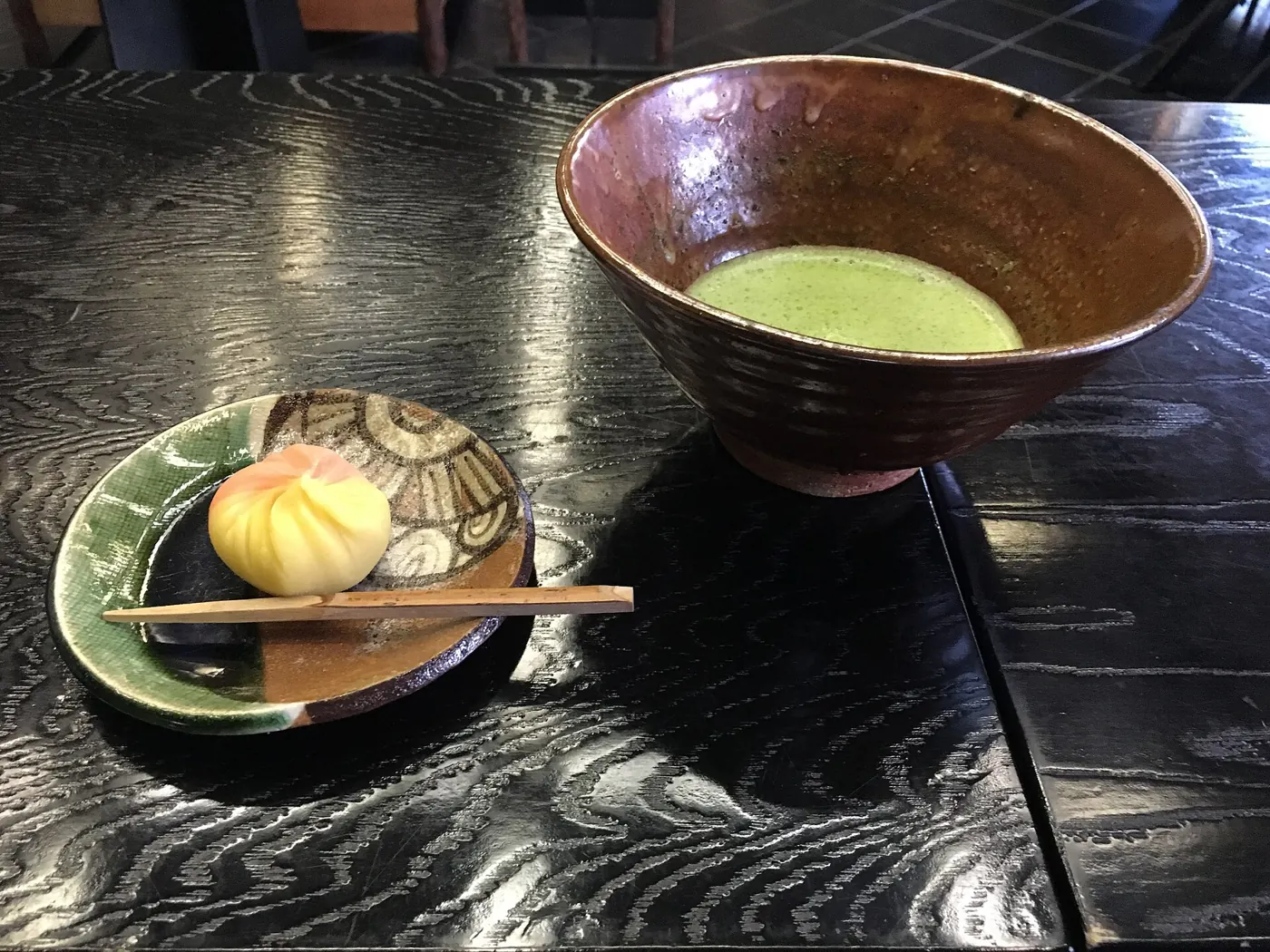 Sadō茶道
 Ikebana生け花
 Shodō書
 Ukiyo-e浮世絵
Open the scanner and compare →