What is this? › Performing arts & ways (dō)
盆栽Bonsai
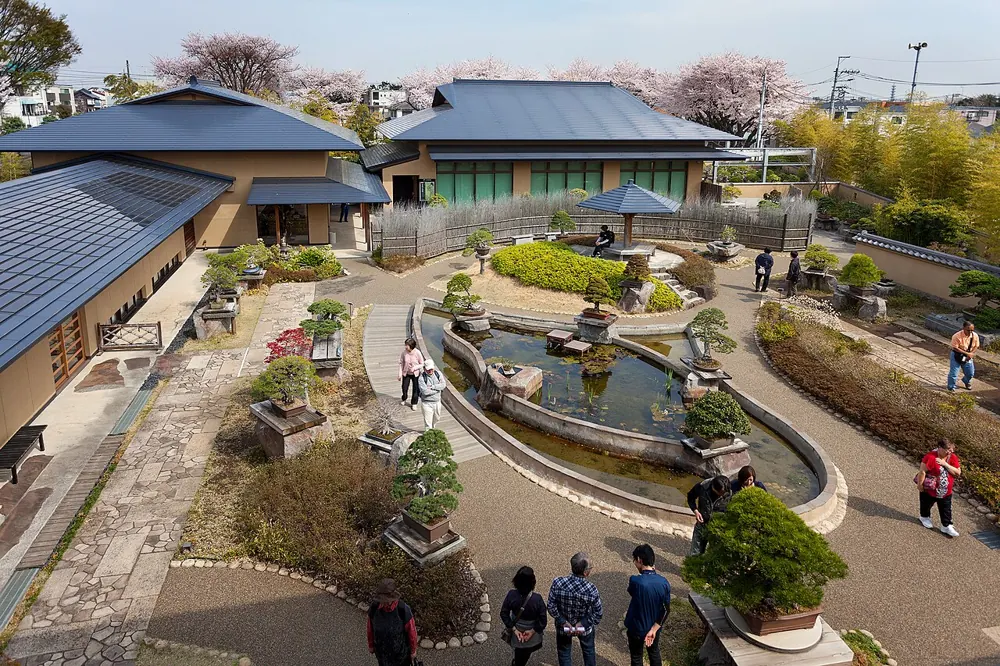
Bonsai (Japanese: 盆栽, lit. 'pot planting', pronounced ) is the Japanese art of growing and shaping miniature trees in containers, with a long documented history of influences and native Japanese development over a thousand years, and with unique aesthetics, cultural history, and terminology derived from its evolution in Japan. Similar arts exist in other cultures, including Korea's bunjae, the Chinese art of penjing, and the miniature living landscapes of Vietnamese Hòn non bộ.
The loanword bonsai has become an umbrella term in English, attached to many forms of diminutive potted plants, and also on occasion to other living and non-living things. According to Stephen Orr in The New York Times, "n the West, the word is used to describe virtually all miniature container trees, whether they are authentically trained bonsai or just small rooted cuttings. Technically, though, the term should be reserved for plants that are grown in shallow containers following the precise tenets of bonsai pruning and training, resulting in an artful miniature replica of a full-grown tree in nature." In the most definitive sense, "bonsai" refers to miniaturized, container-grown trees adhering to Japanese bonsai tradition and principles.
Purposes of bonsai are primarily contemplation for the viewer, and the pleasant exercise of effort and ingenuity for the grower.
Text from Wikipedia: Bonsai — CC BY-SA 4.0. Read more on Wikipedia →
Japan Tourism Agency explanations
旅Try it yourself: Bonsai
Live prices and reviews from GetYourGuide. Many tours can be cancelled for free — check each listing.
Ad: we may earn a commission if you book through these links, at no extra cost to you.
Compare whether a rail pass saves money on your route before you buy tickets.
Check prices →Japan eSIM / mobile data
Ad: we may earn a commission if you book through these links, at no extra cost to you.
問Questions visitors ask
What is Bonsai?
Bonsai (; Japanese: 盆栽, lit.
芸Performing arts & ways (dō)
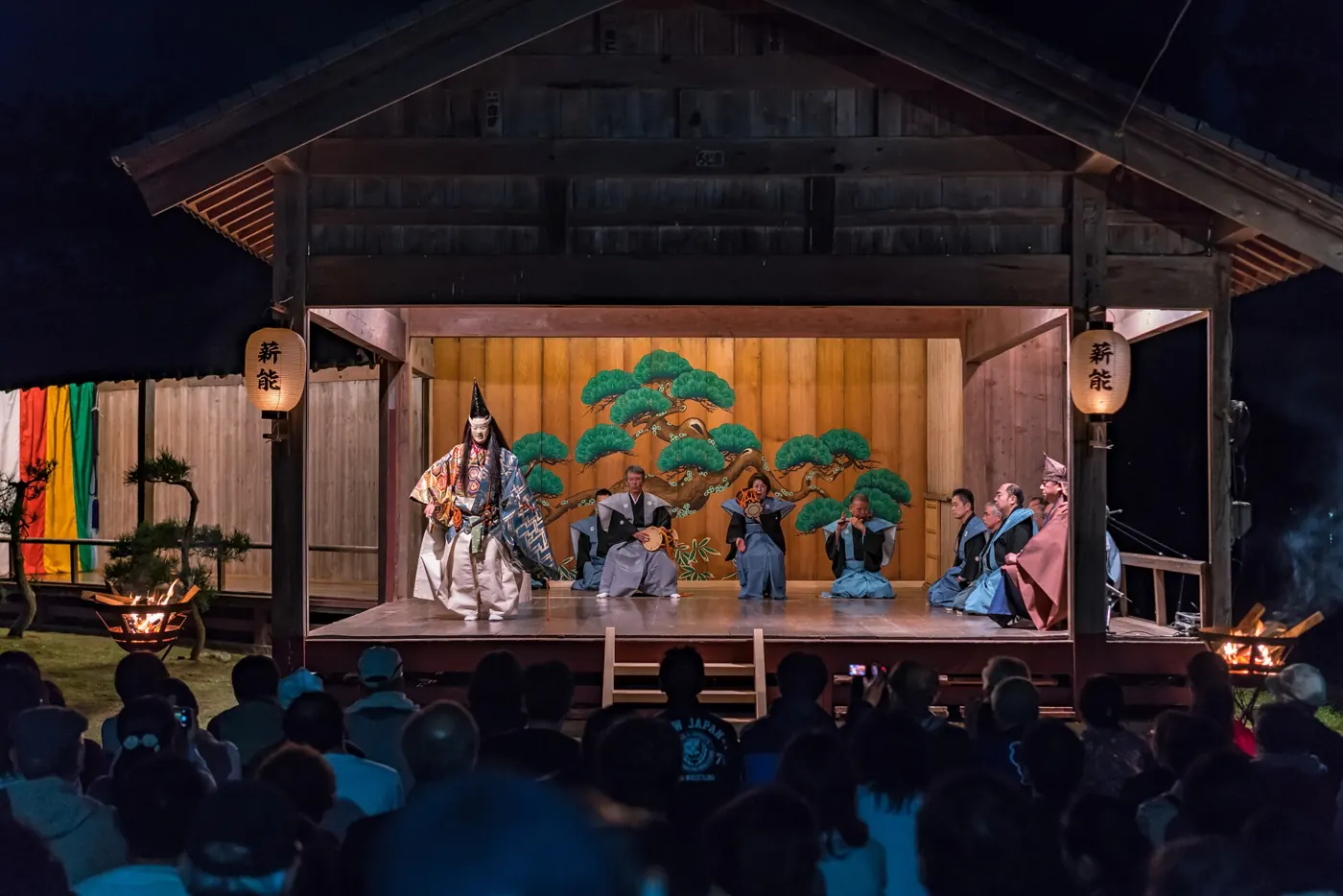 Noh能
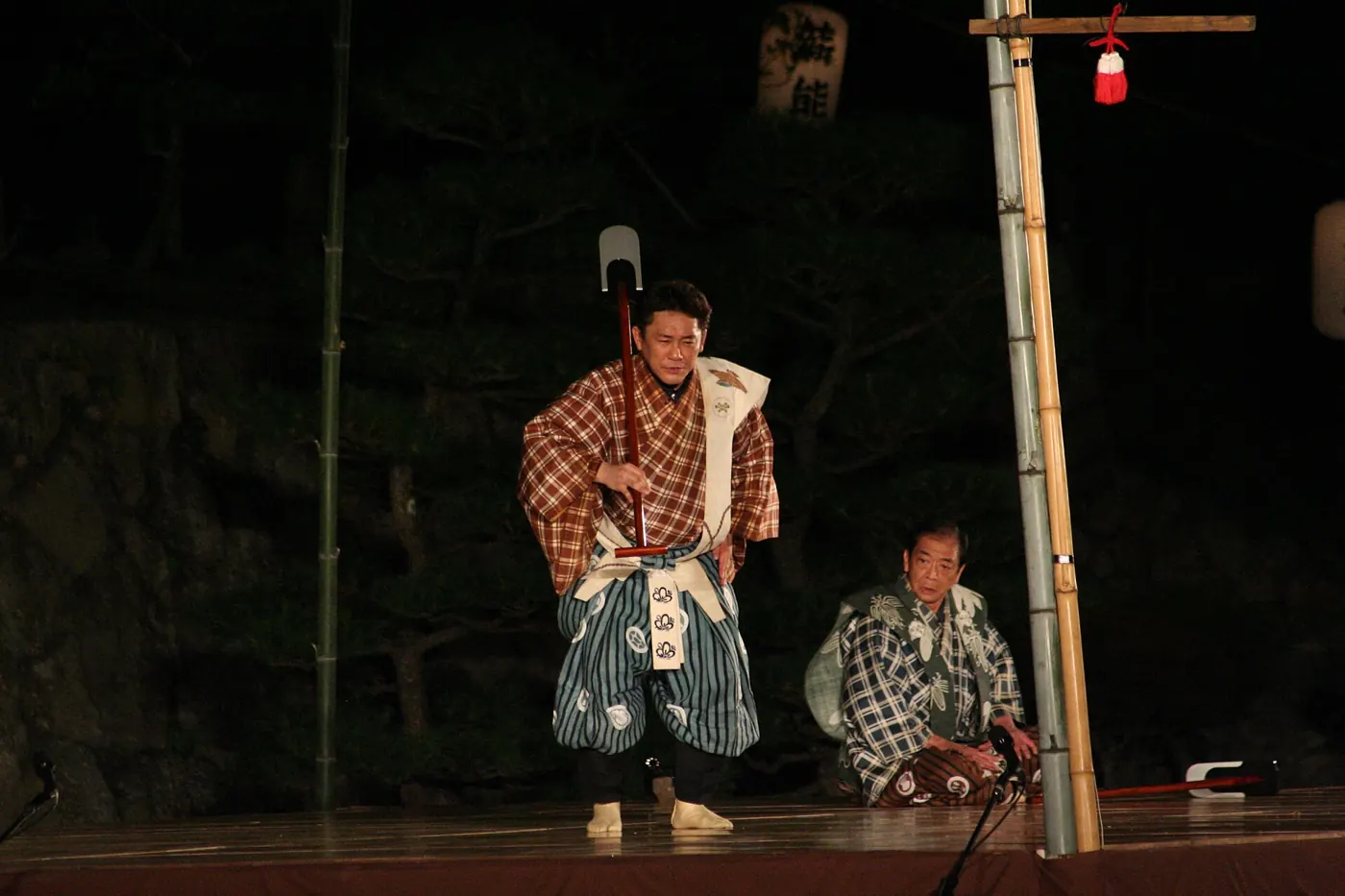 Kyōgen狂言
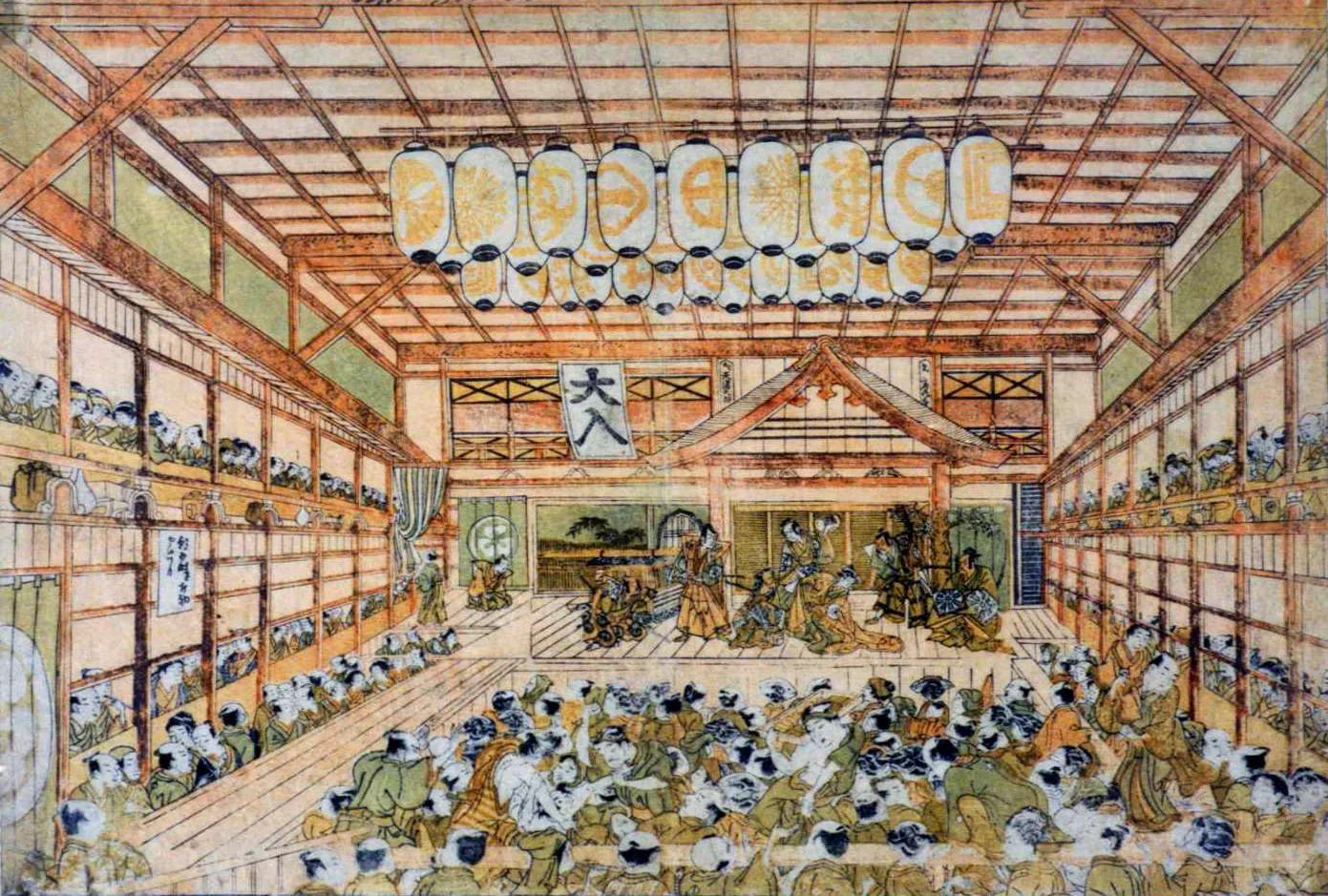 Kabuki歌舞伎
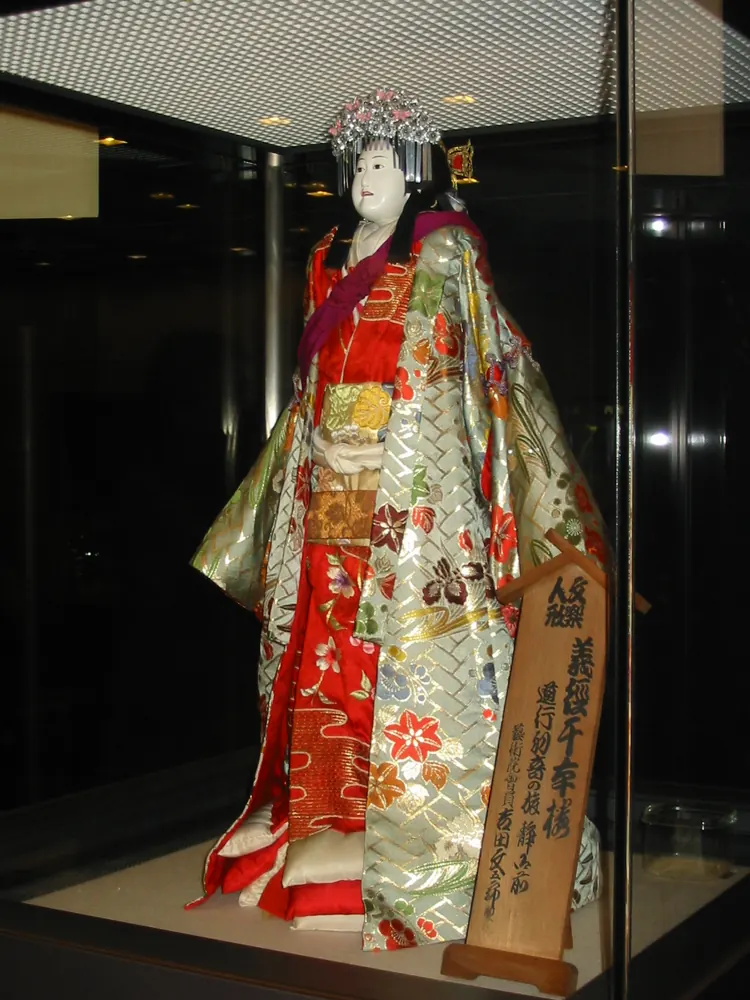 Bunraku文楽
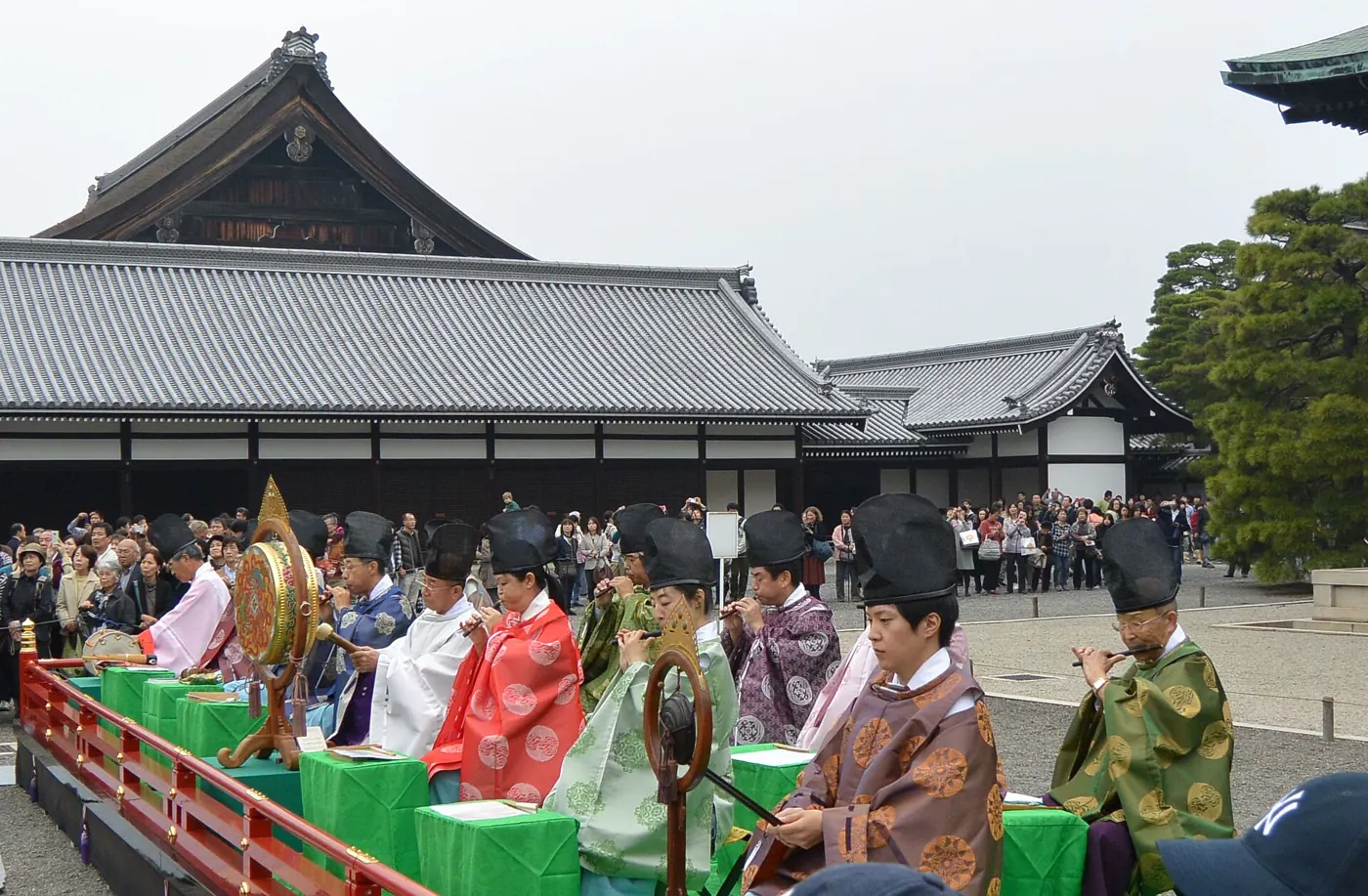 Gagaku日本の雅楽
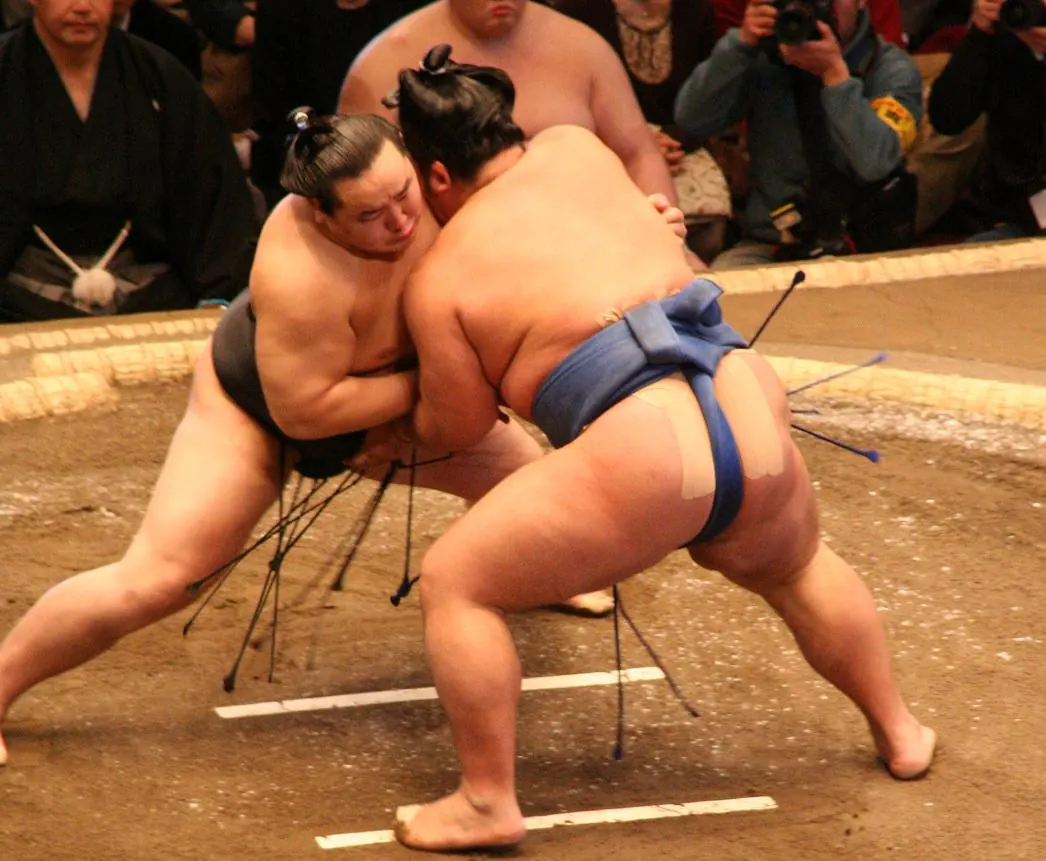 Sumo相撲
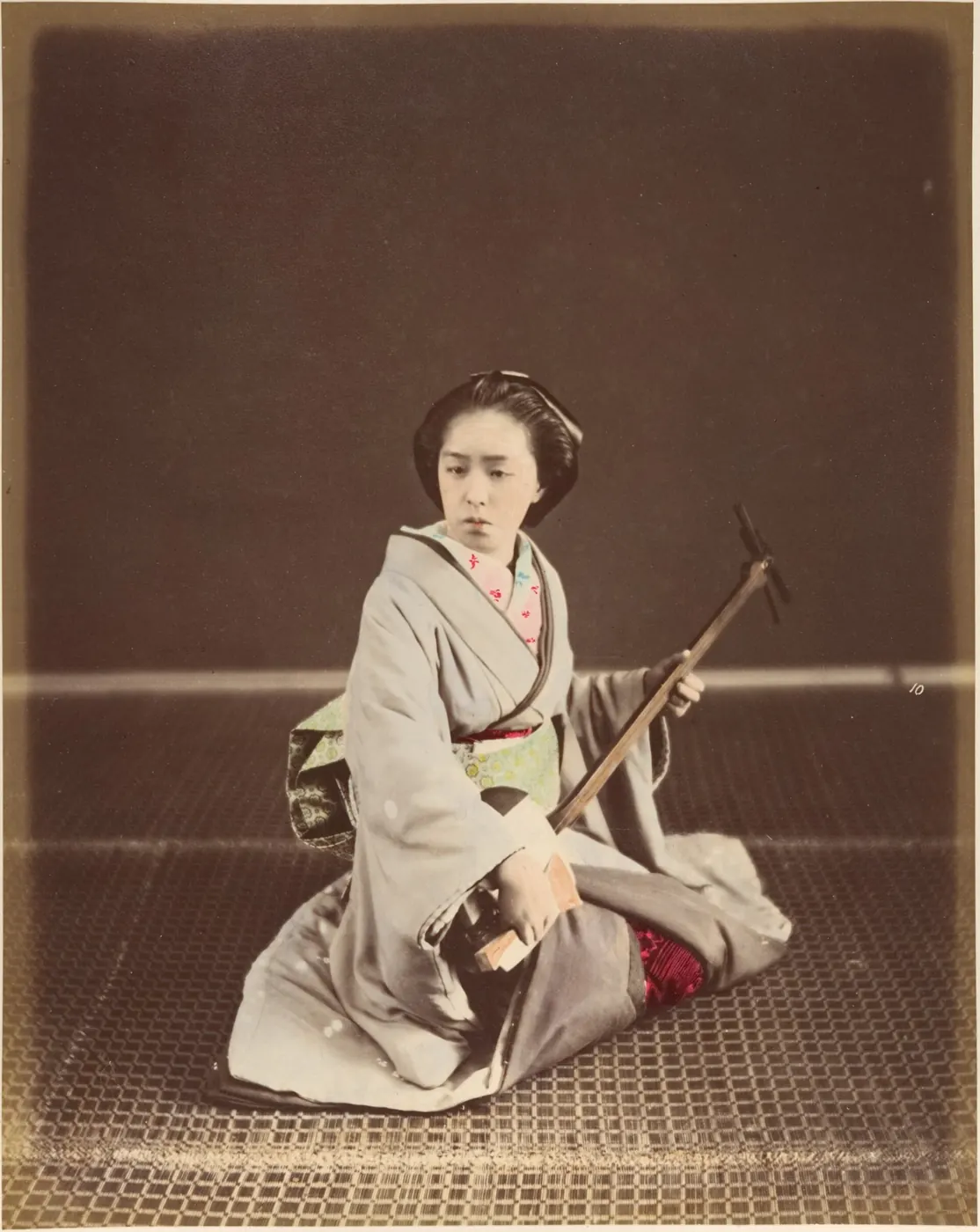 Geisha芸妓
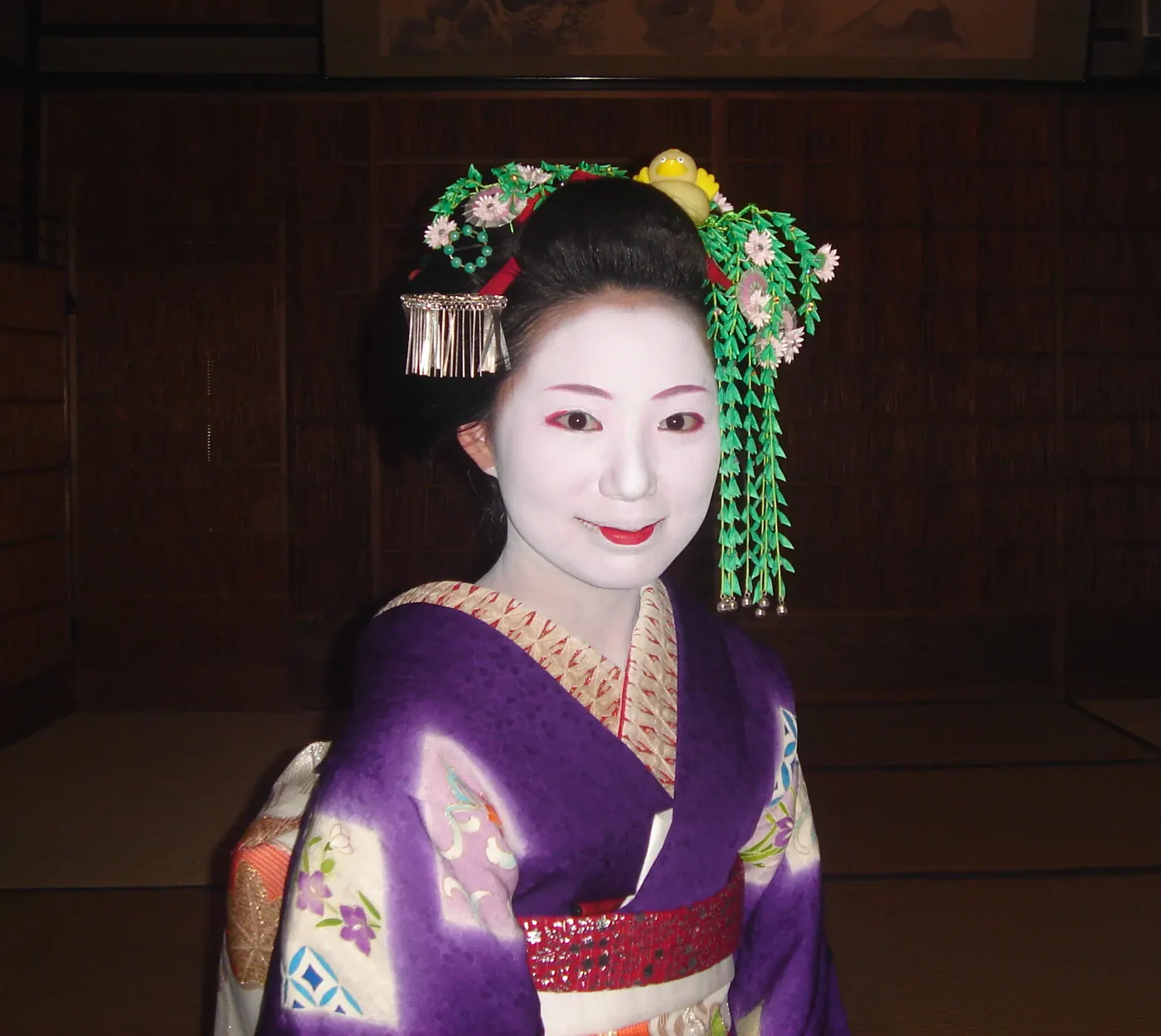 Maiko舞妓
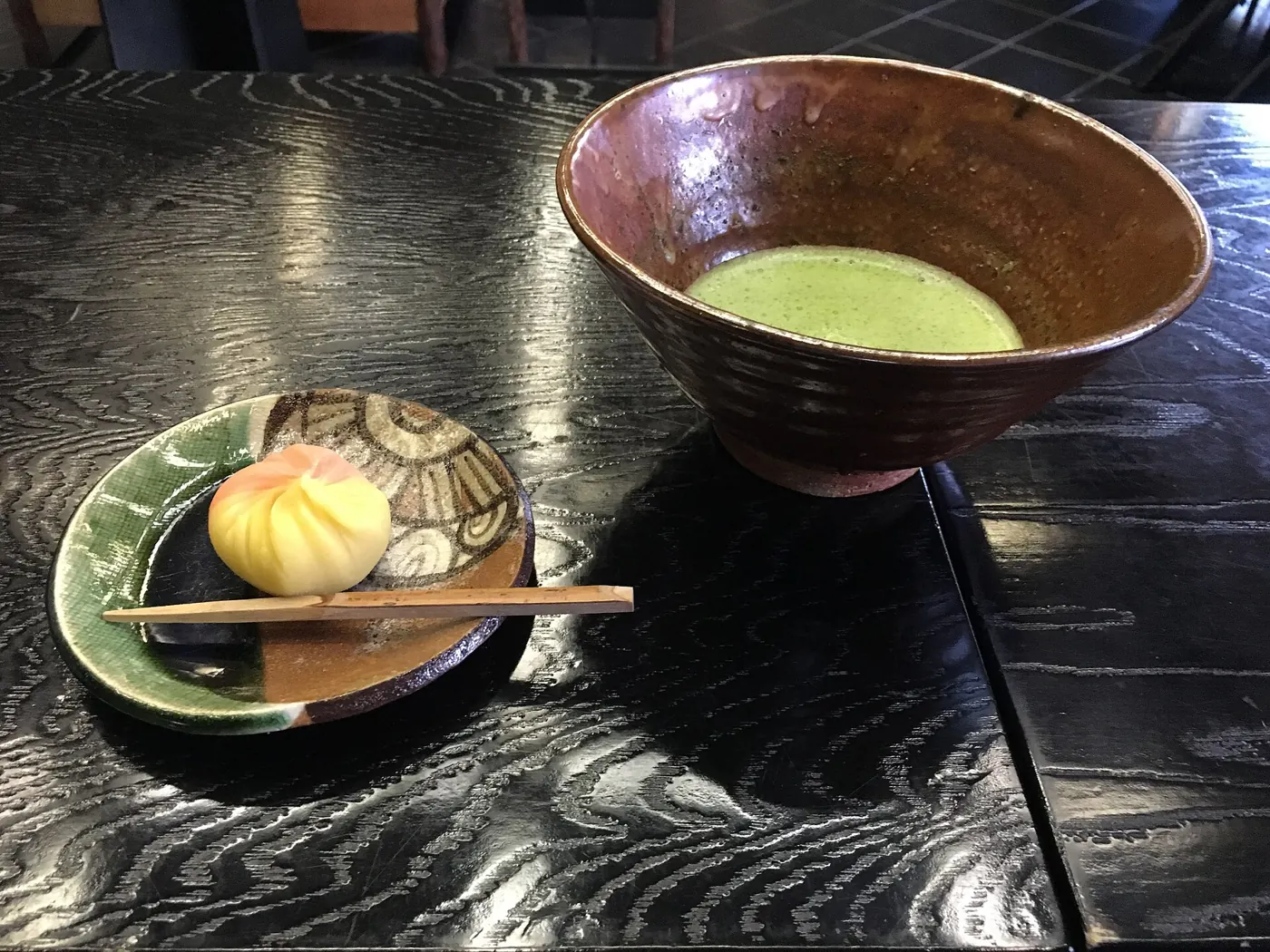 Sadō茶道
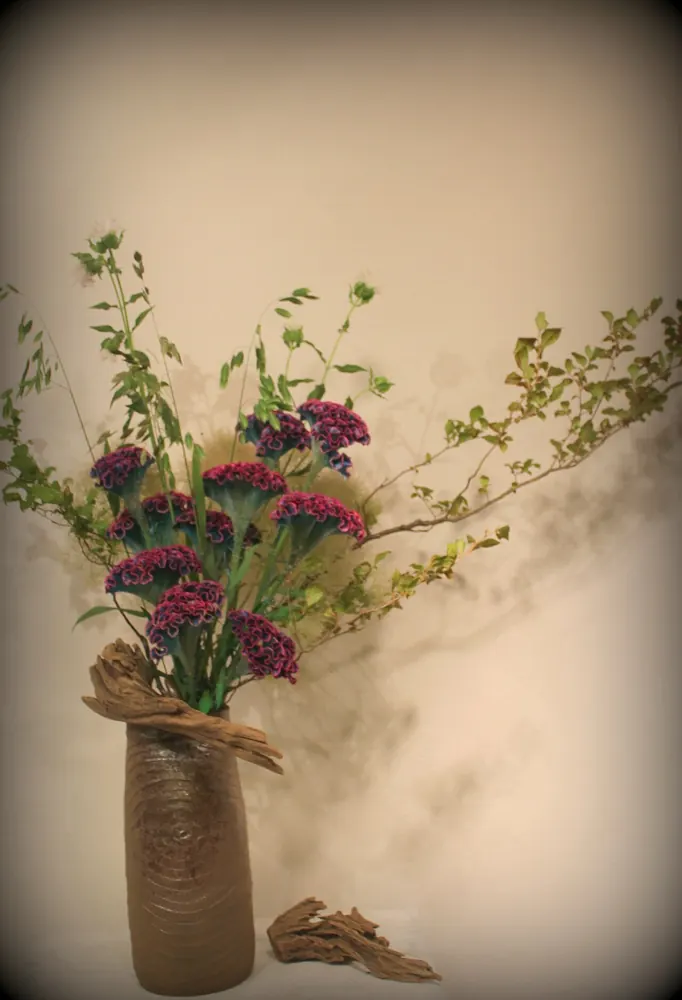 Ikebana生け花
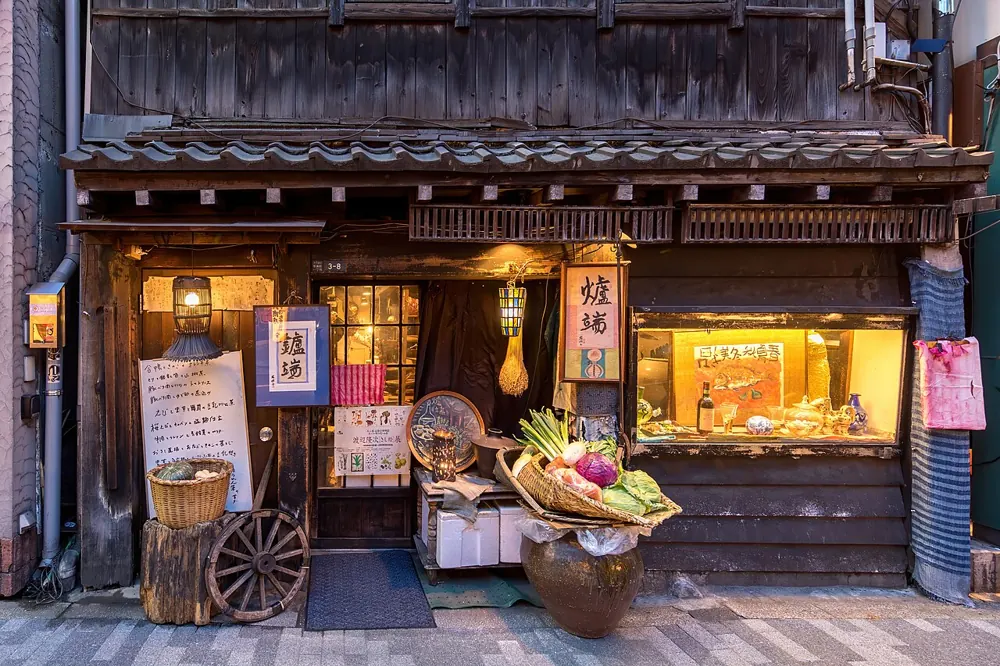 Shodō書
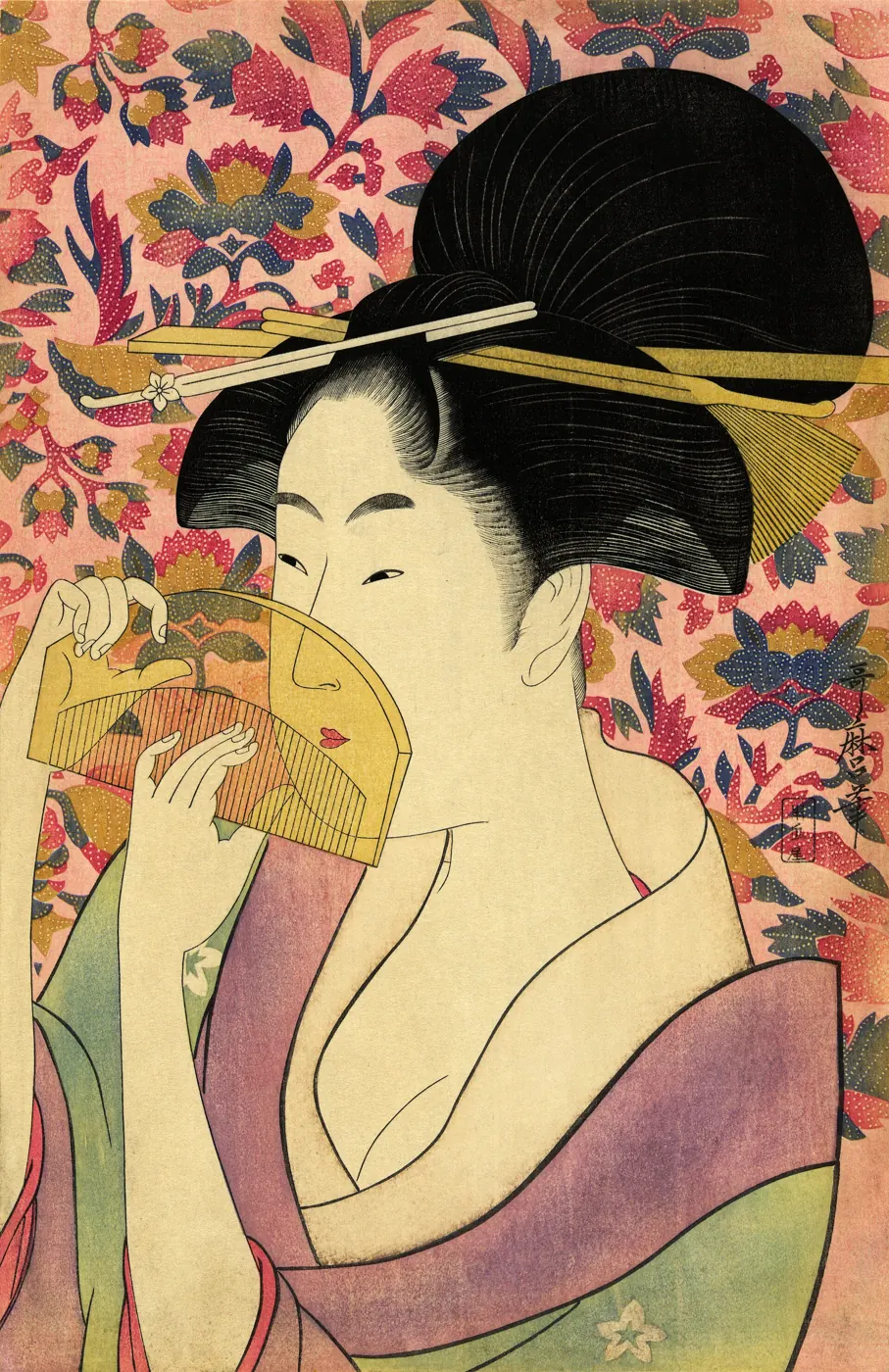 Ukiyo-e浮世絵
Open the scanner and compare →