仏典Sutras
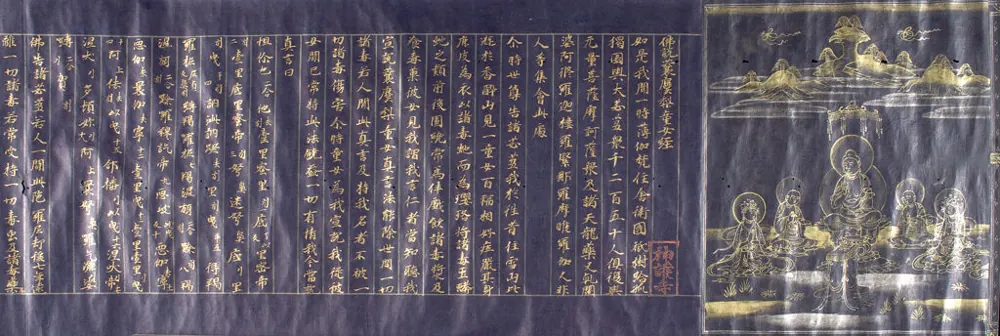
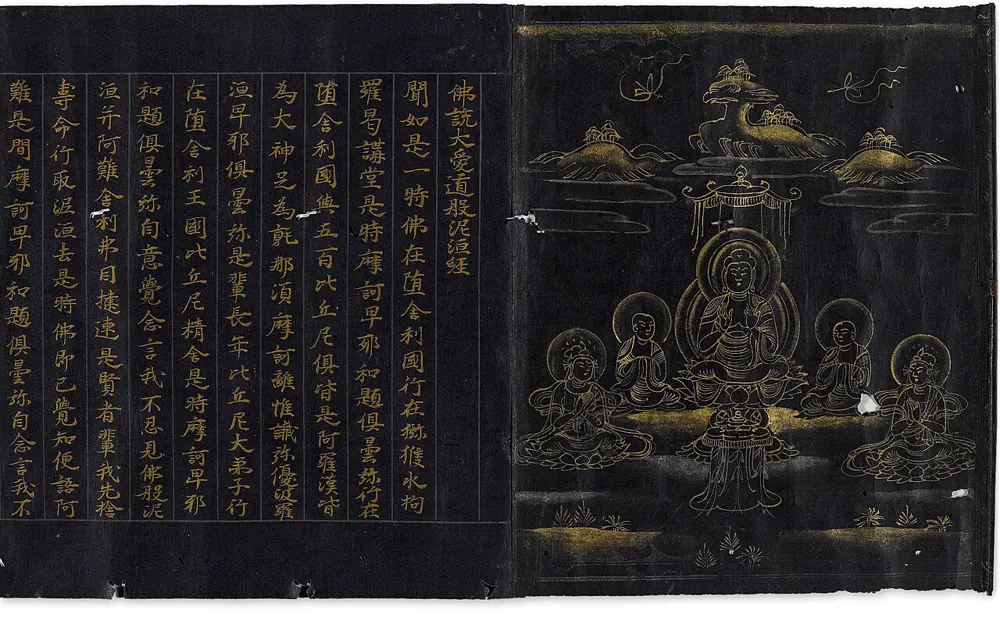
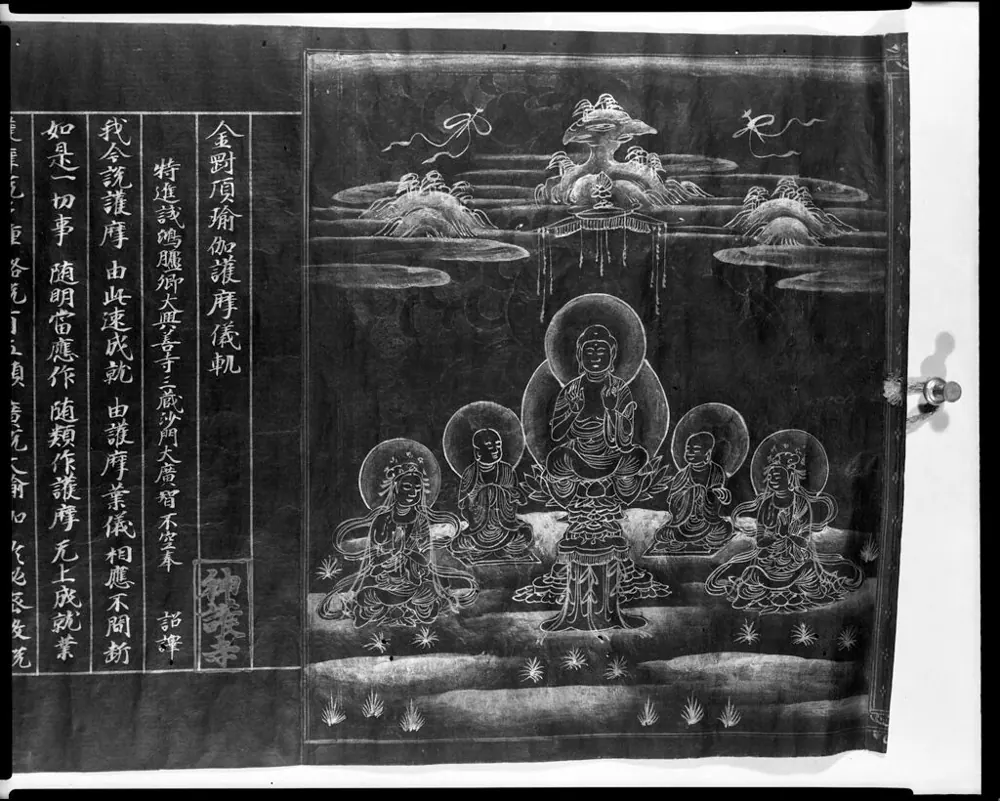
Buddhist texts are religious texts that belong to, or are associated with, Buddhism and its traditions. There is no single textual collection for all of Buddhism. Instead, there are three main Buddhist Canons: the Pāli Canon of the Theravāda tradition, the Chinese Buddhist Canon used in East Asian Buddhist tradition, and the Tibetan Buddhist Canon used in Indo-Tibetan Buddhism.
The earliest Buddhist texts were not committed to writing until some centuries after the death of Gautama Buddha. The oldest surviving Buddhist manuscripts are the Gandhāran Buddhist texts, found in Pakistan and written in Gāndhārī, they date from the first century BCE to the third century CE. The first Buddhist texts were initially passed on orally by Buddhist monastics, but were later written down and composed as manuscripts in various Indo-Aryan languages (such as Pāli, Gāndhārī, and Buddhist Hybrid Sanskrit). These texts were collected into various collections and translated into other languages such as Buddhist Chinese (fójiào hànyǔ 佛教漢語) and Classical Tibetan as Buddhism spread outside of India.
Buddhist texts can be categorized in a number of ways.
Text from Wikipedia: Buddhist texts — CC BY-SA 4.0. Read more on Wikipedia →
Japan Tourism Agency explanations
旅Try it yourself: Sutras
Live prices and reviews from GetYourGuide. Many tours can be cancelled for free — check each listing.
Ad: we may earn a commission if you book through these links, at no extra cost to you.
Compare whether a rail pass saves money on your route before you buy tickets.
Check prices →Japan eSIM / mobile data
Ad: we may earn a commission if you book through these links, at no extra cost to you.
問Questions visitors ask
What is Sutras?
Buddhist texts are religious texts that belong to, or are associated with, Buddhism and its traditions.
寺At a temple
 Buddhism in Japan日本の仏教
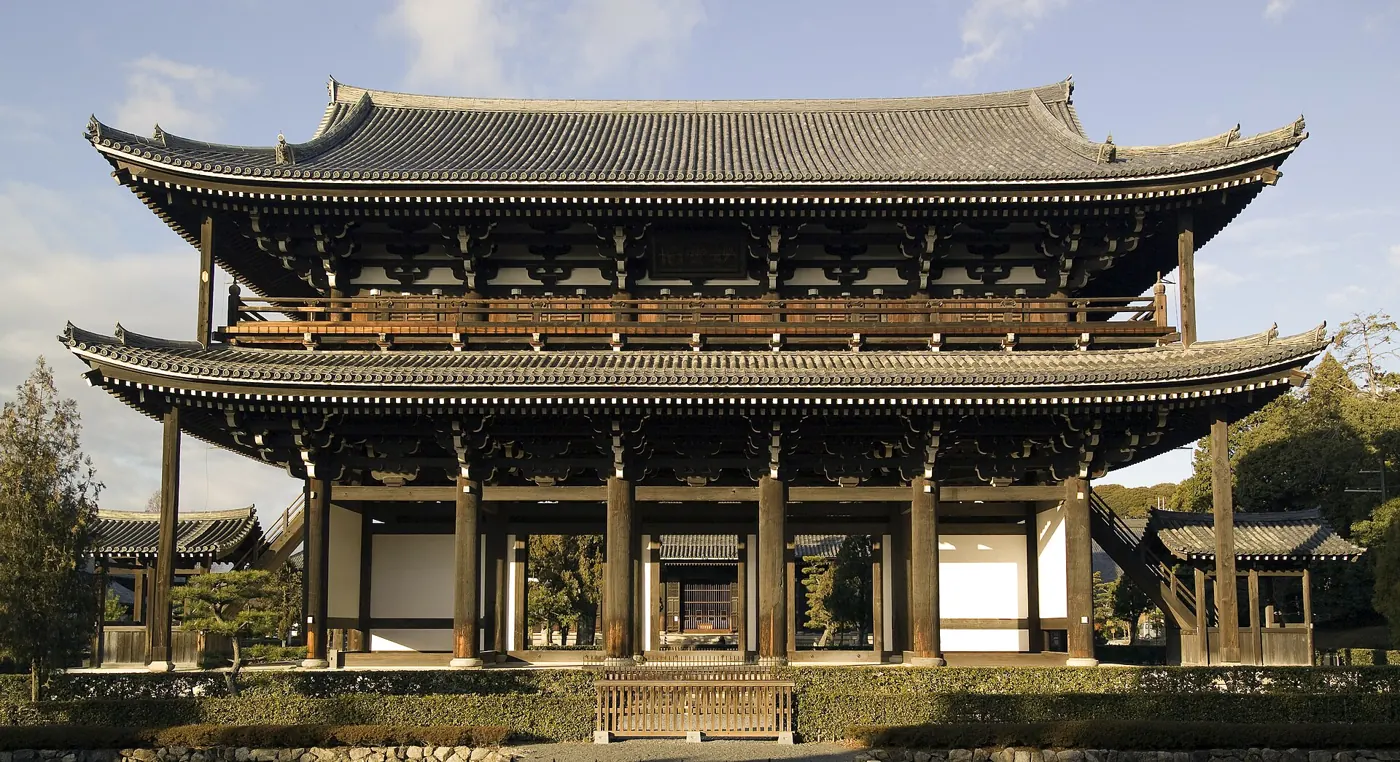 Sanmon三門
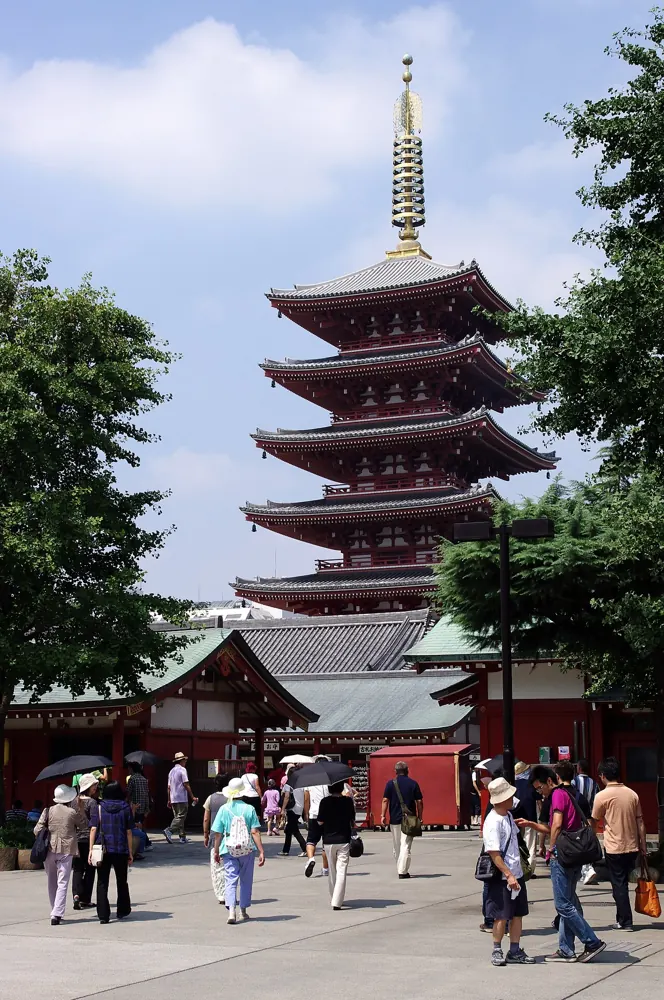 Pagoda五重塔
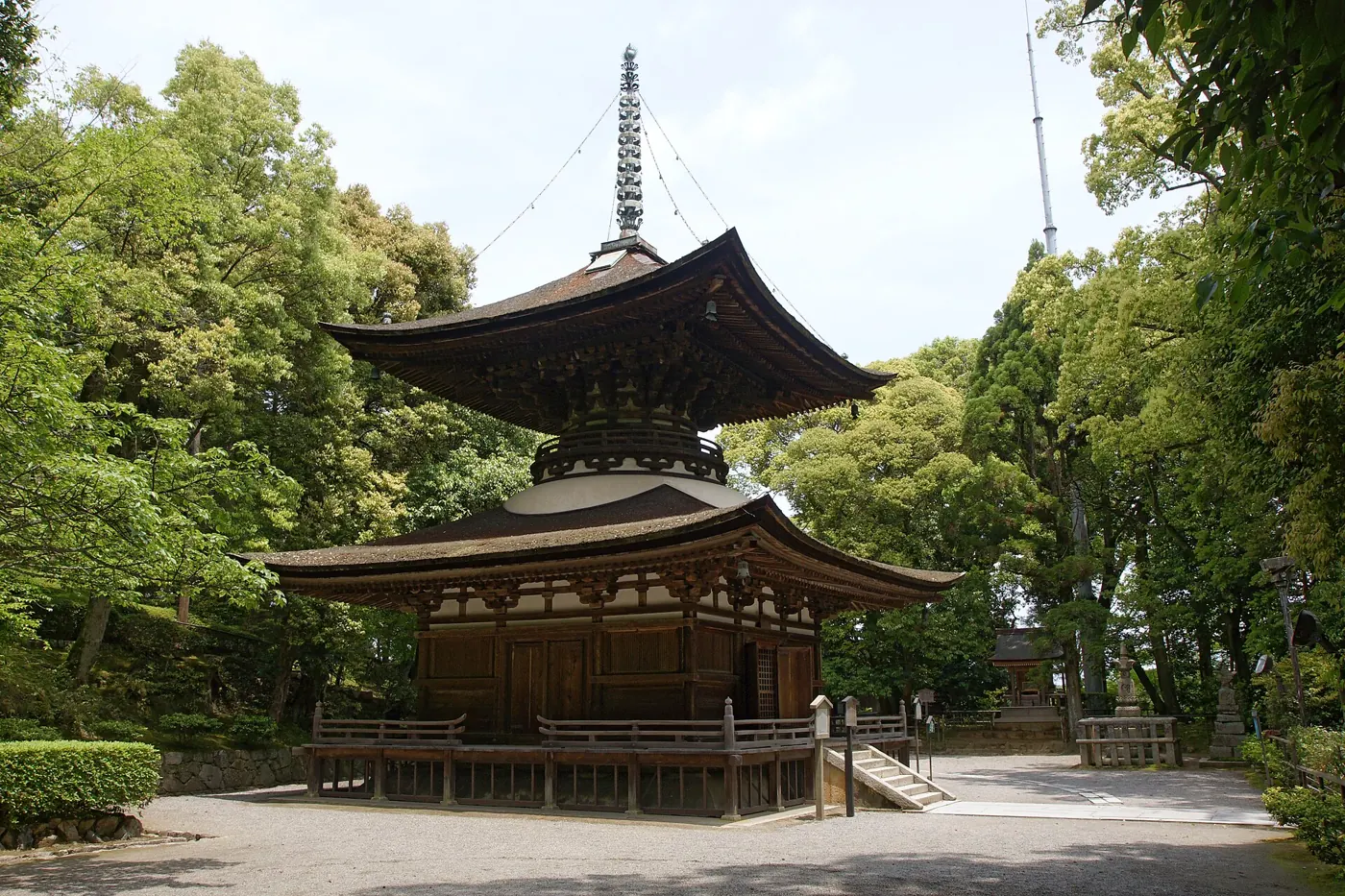 Tahōtō多宝塔
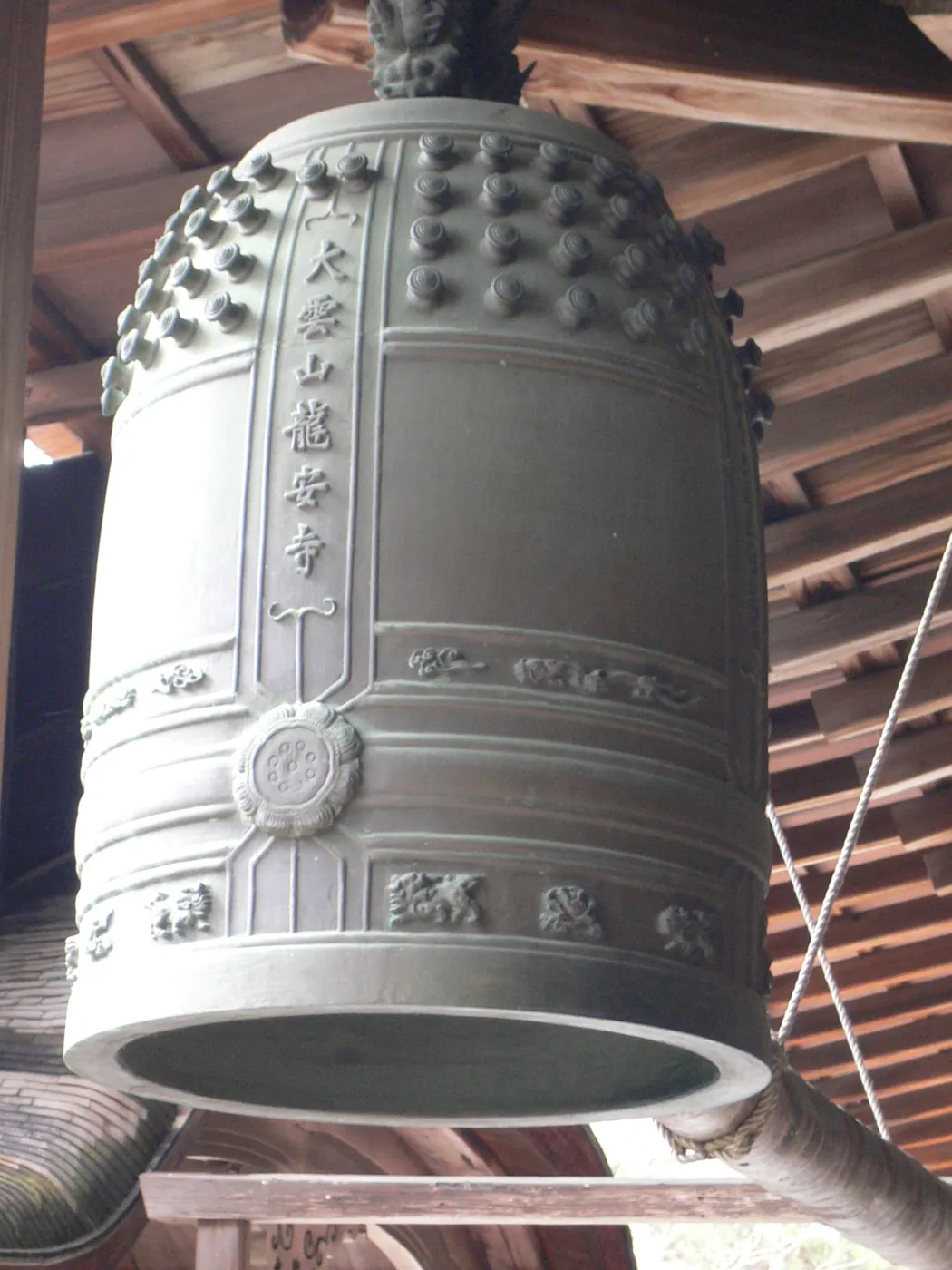 Bonshō梵鐘
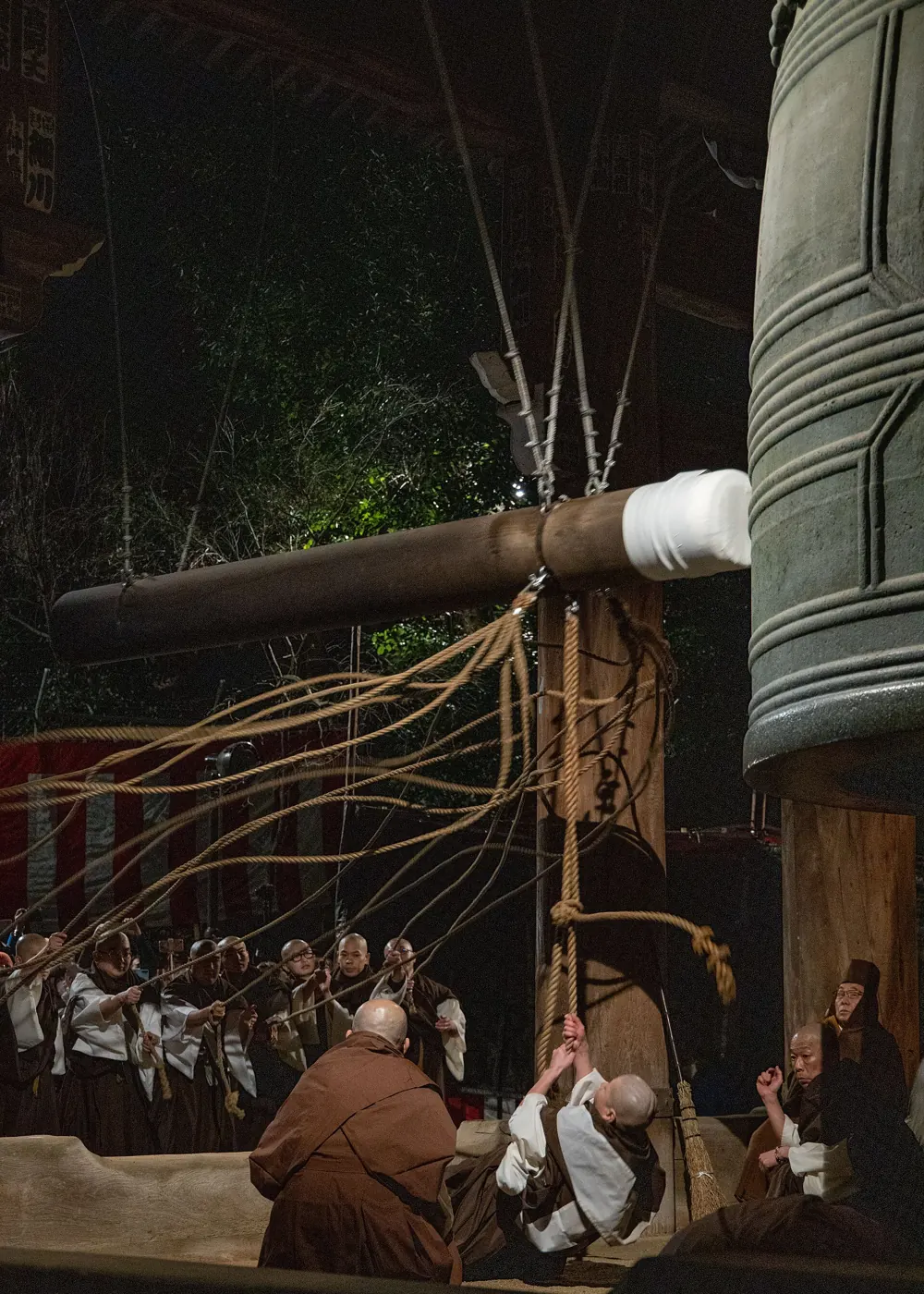 Joya no kane除夜の鐘
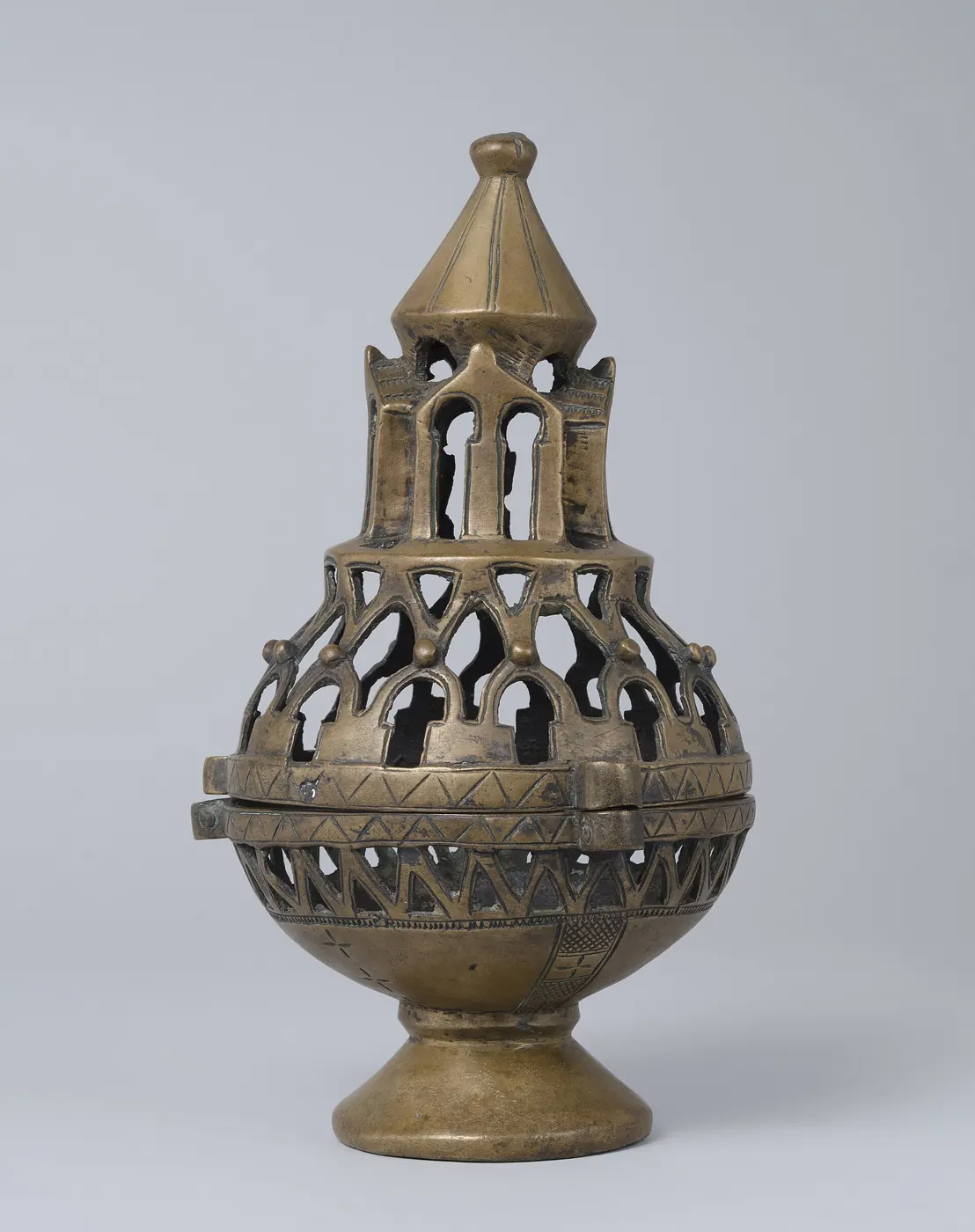 Kōro香炉
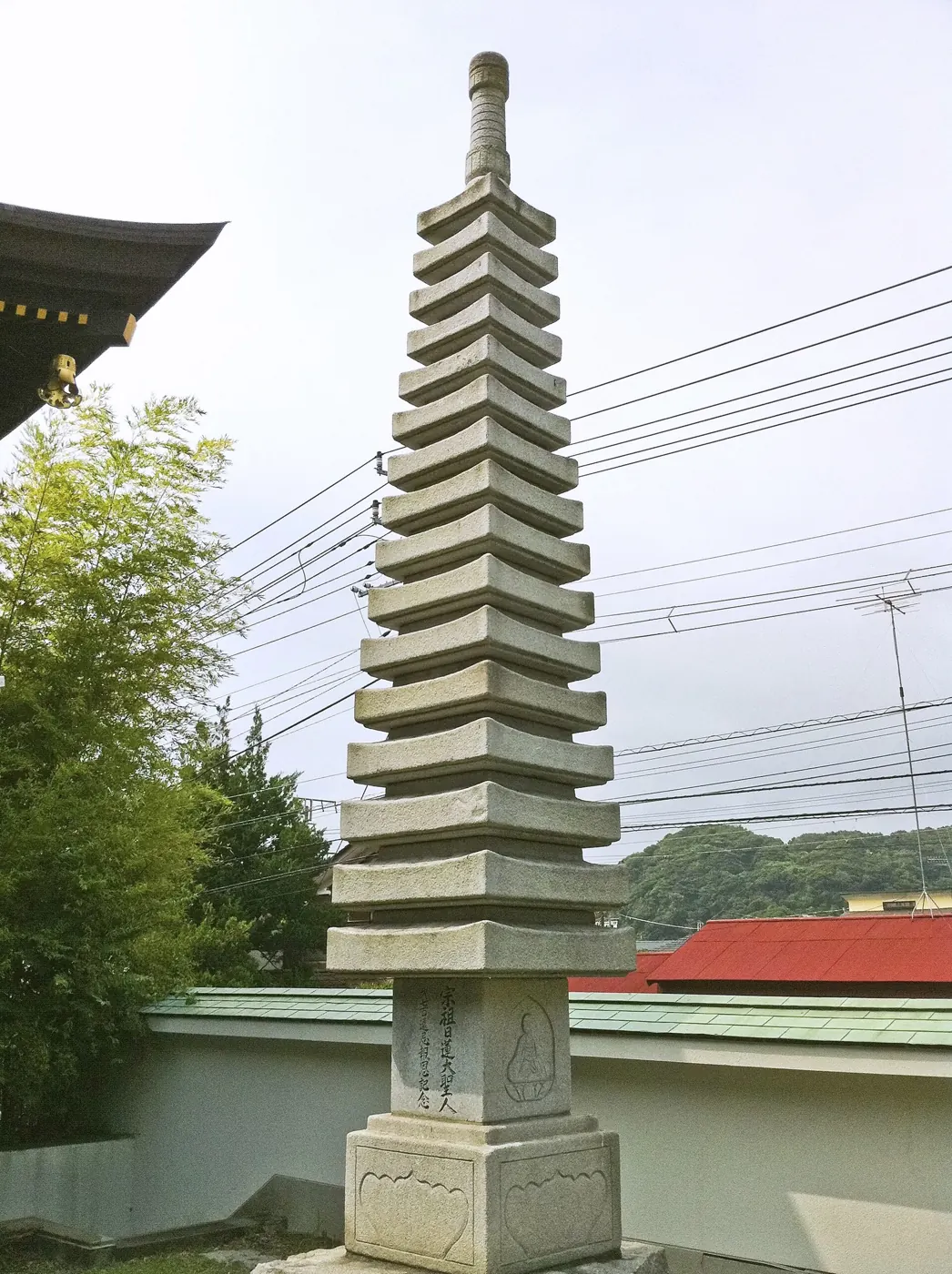 Sotobaストゥーパ
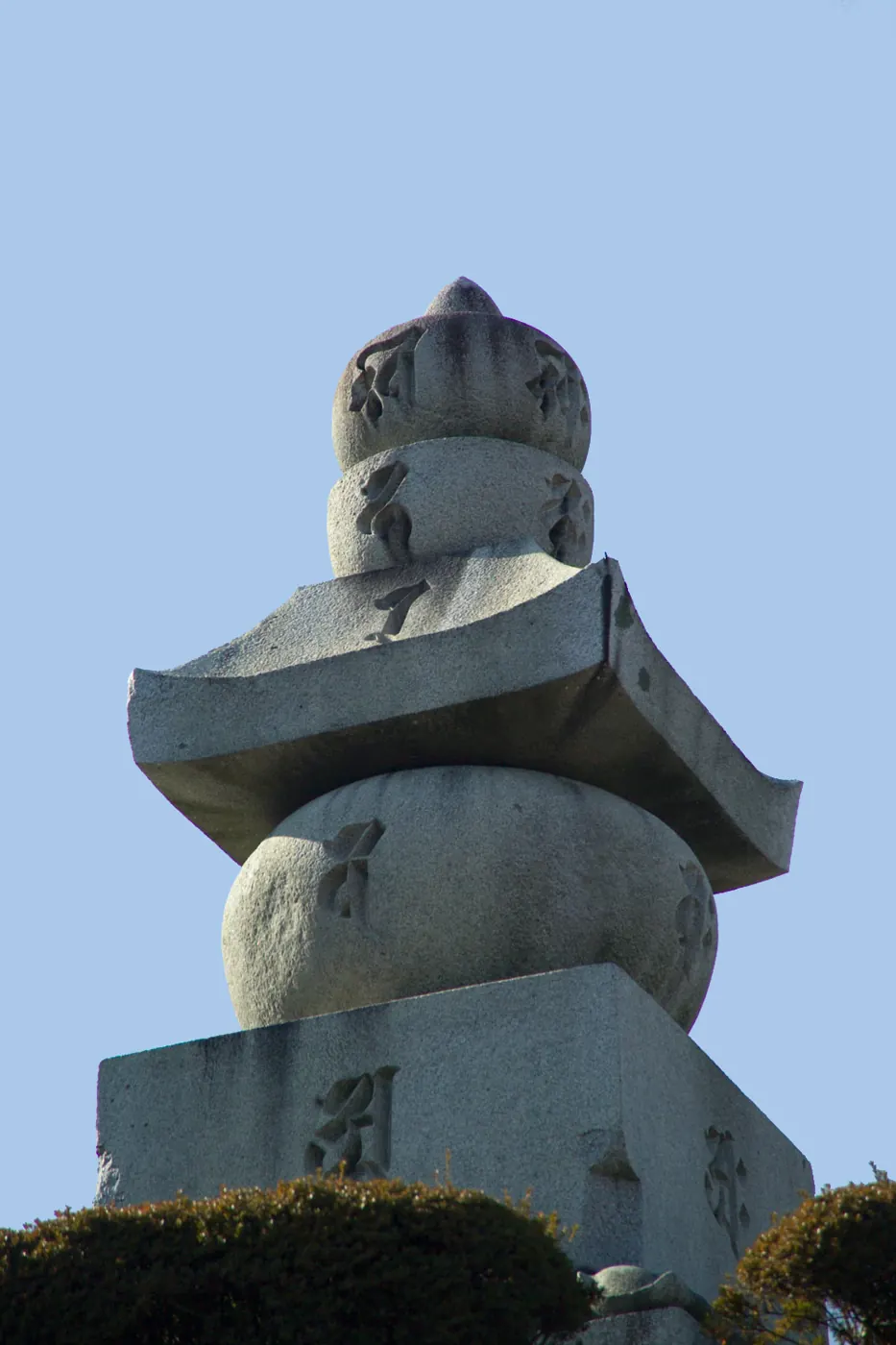 Gorintō五輪塔
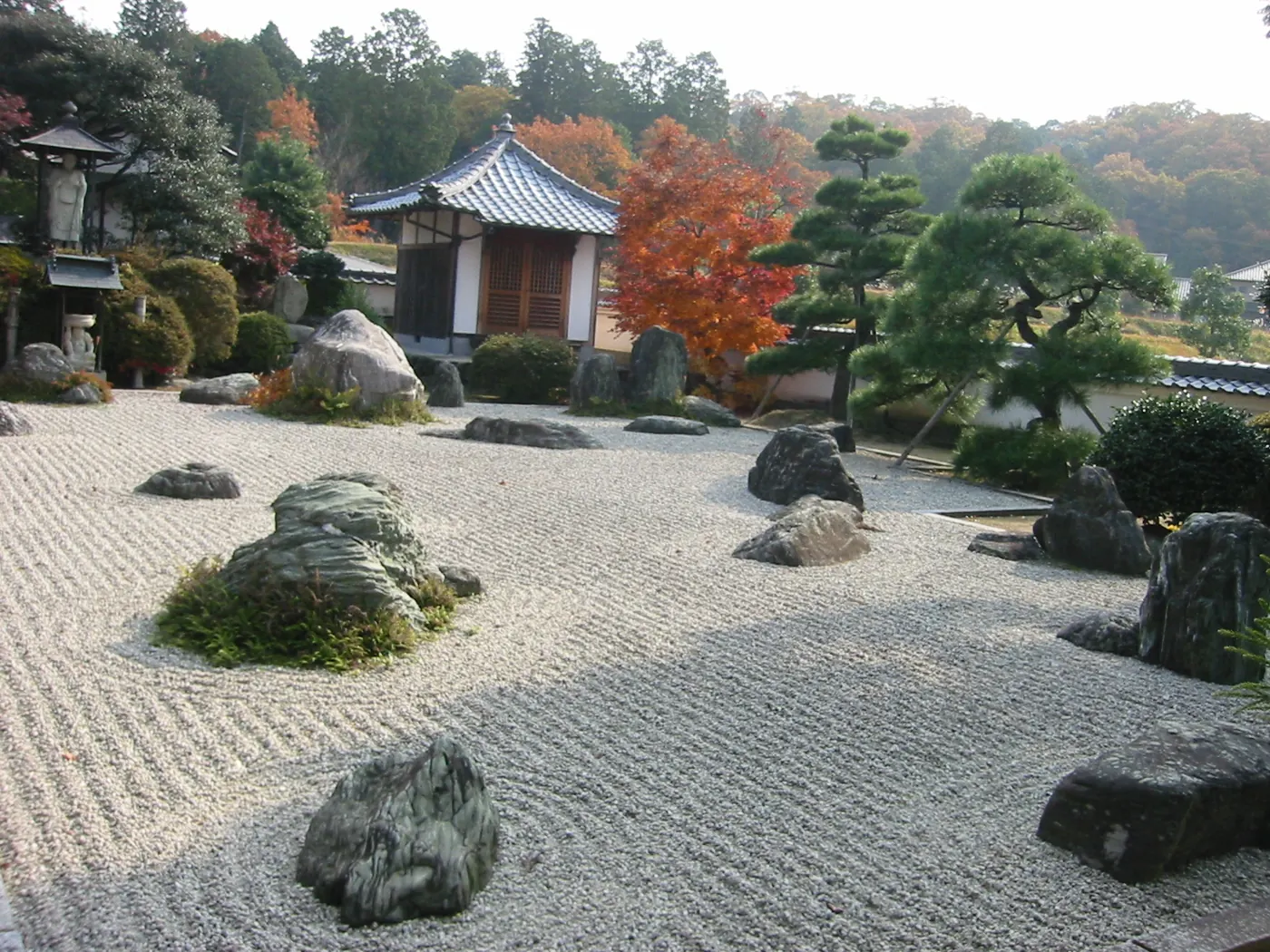 Karesansui枯山水
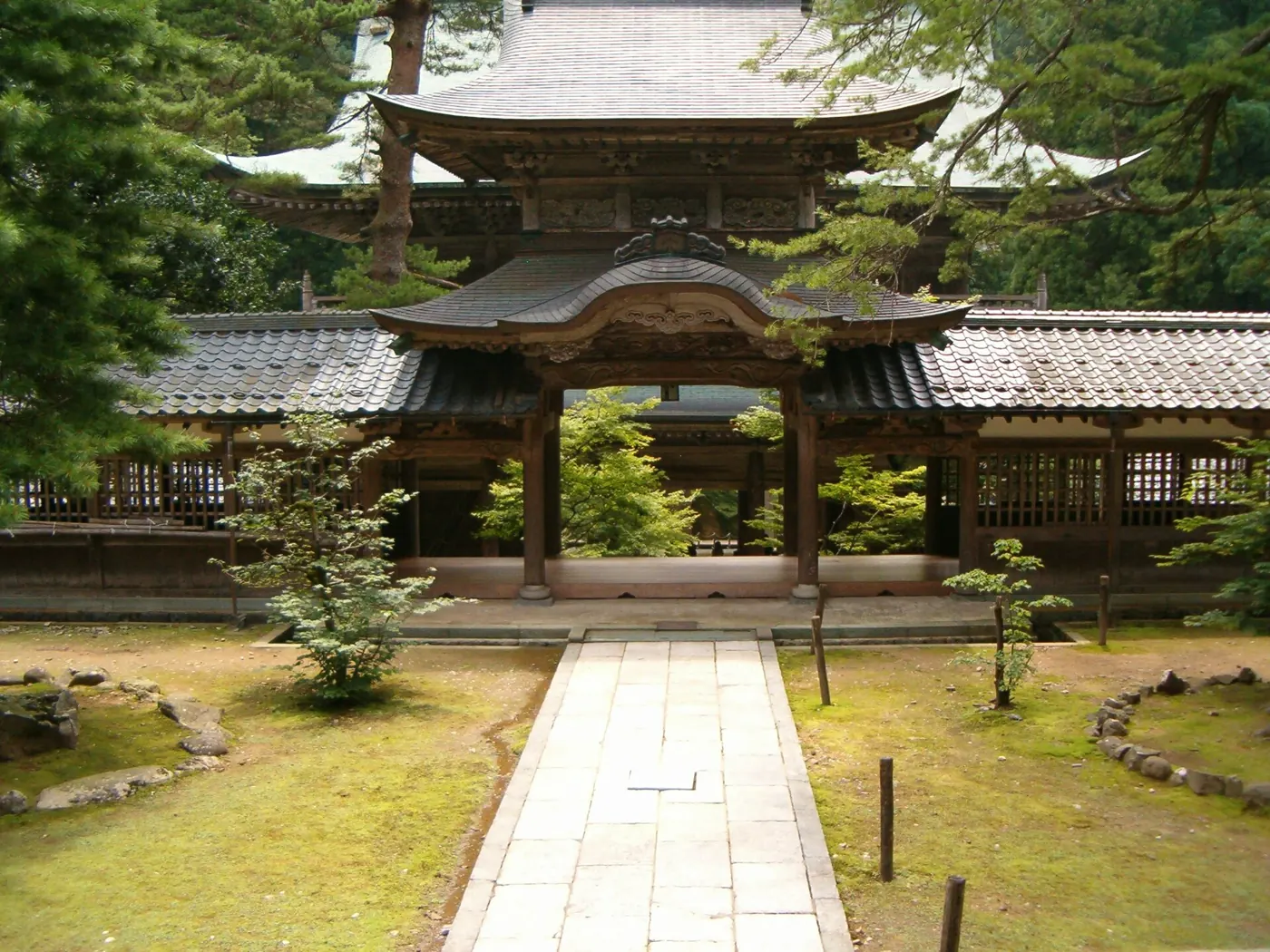 Zen禅宗
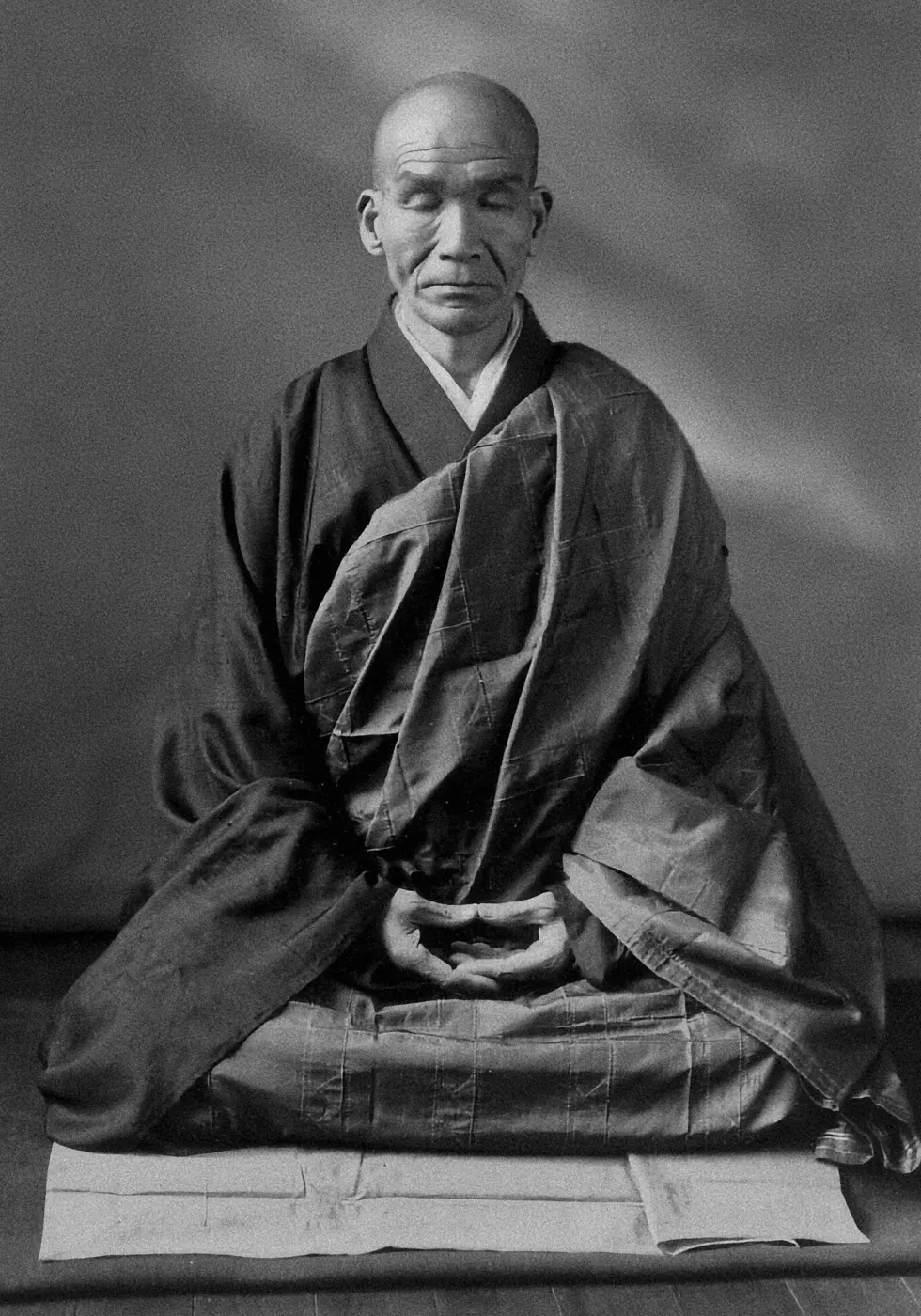 Zazen坐禅
Open the scanner and compare →