枯山水Karesansui (rock garden)
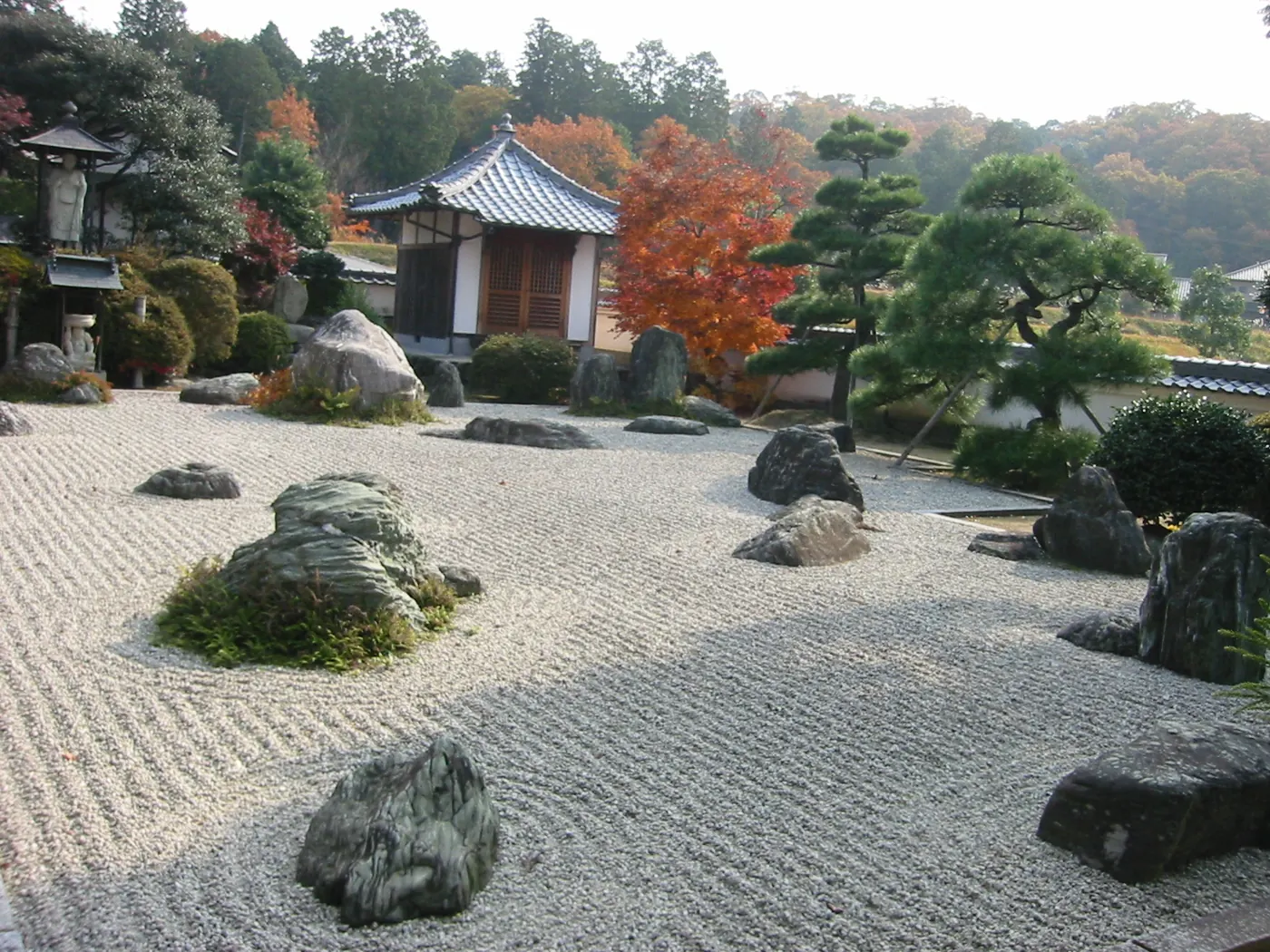
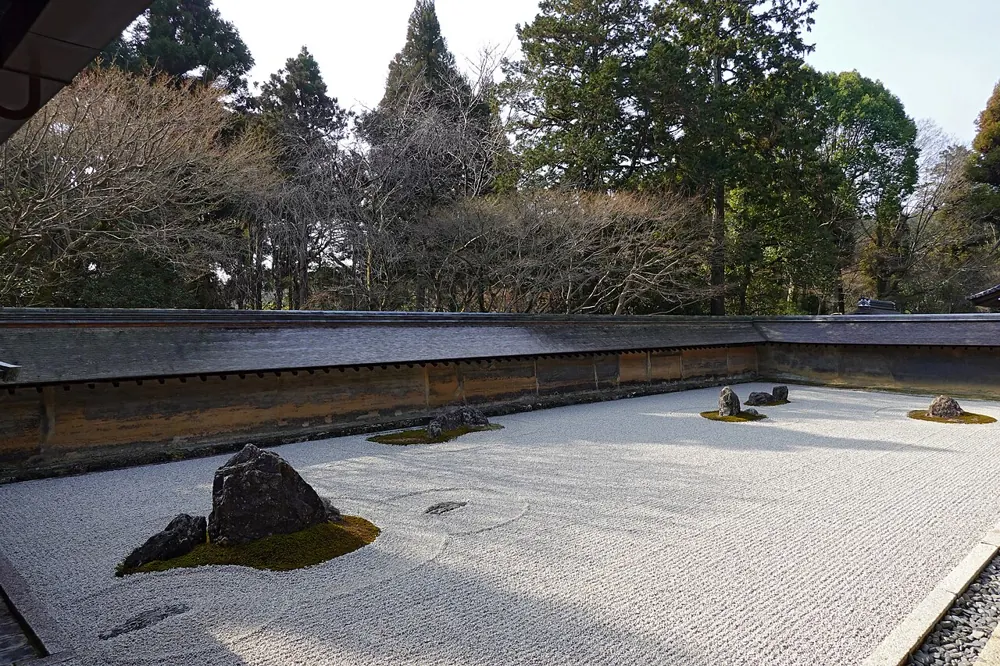
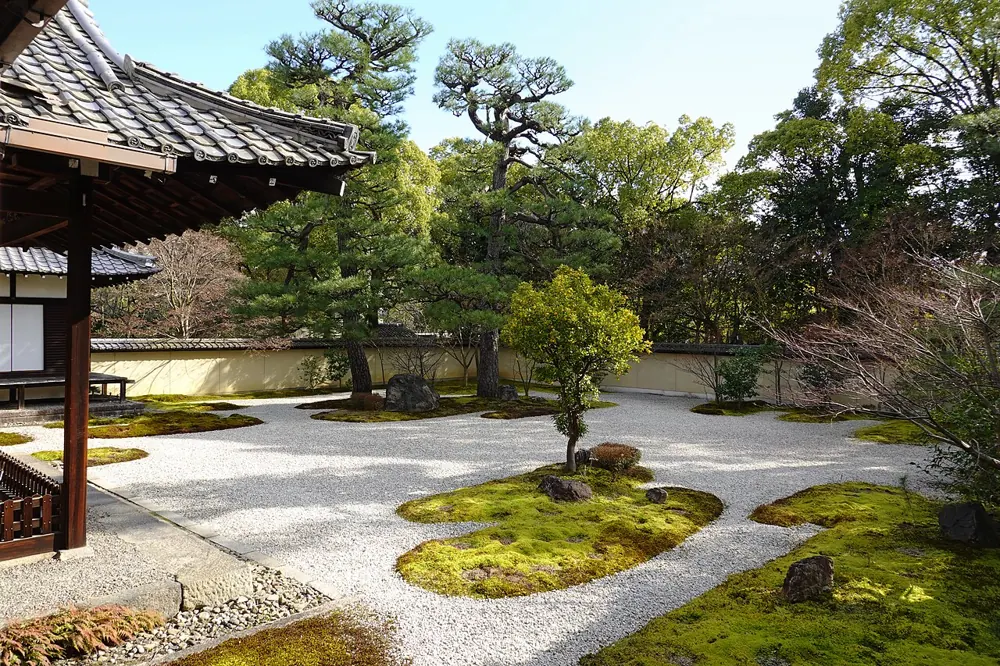
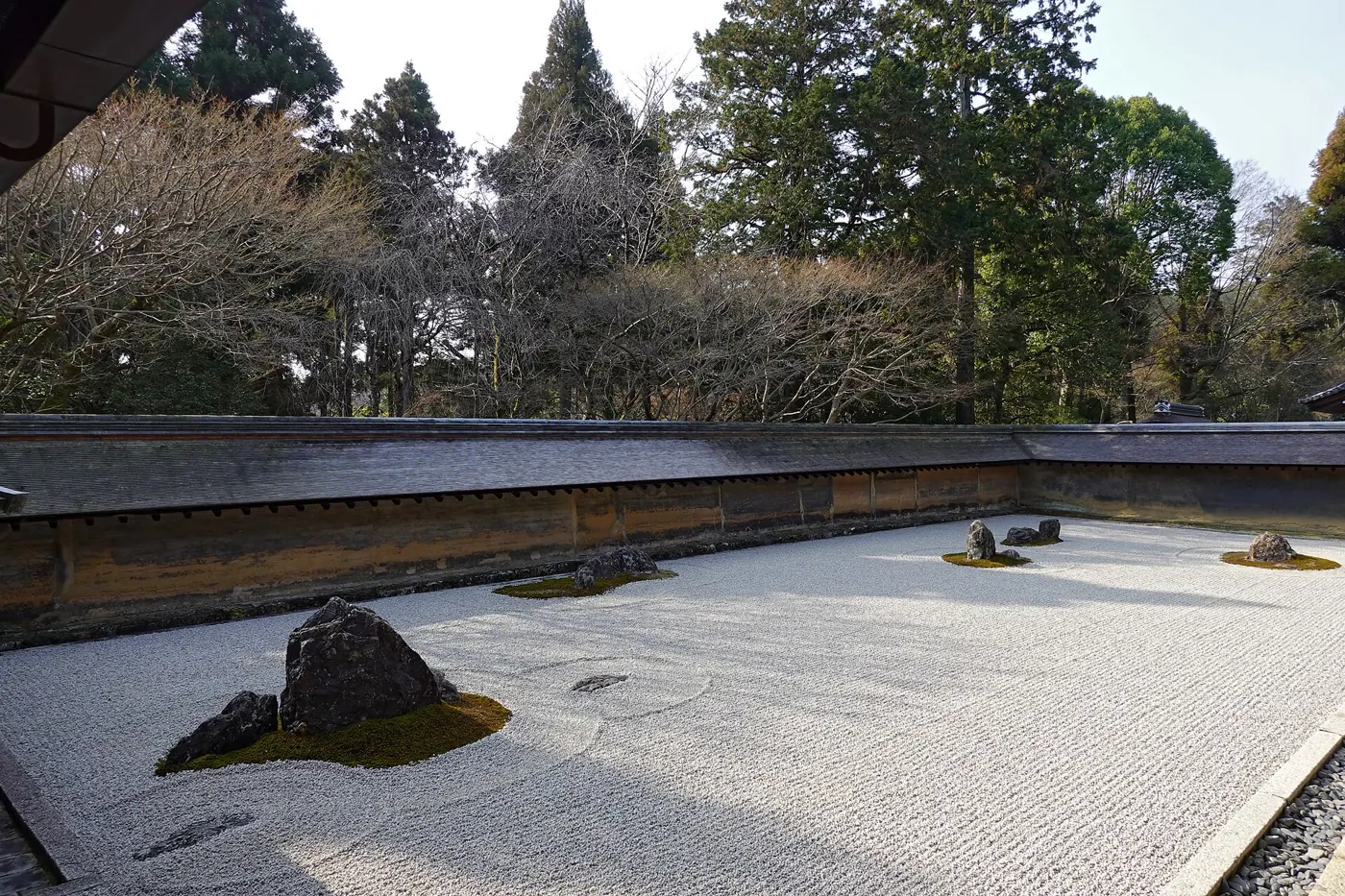
The Japanese dry garden (枯山水, karesansui) or Japanese rock garden, often called a Zen garden, is a distinctive style of Japanese garden. It creates a miniature stylized landscape through carefully composed arrangements of rocks, water features, moss, pruned trees and bushes, and uses gravel or sand that is raked to represent ripples in water. Zen gardens are commonly found at temples or monasteries. A Zen garden is usually relatively small, surrounded by a wall or buildings, and is usually meant to be seen while seated from a single viewpoint outside the garden, such as the porch of the hojo, the residence of the chief monk of the temple or monastery. Many, with gravel rather than grass, are only stepped into for maintenance. Classical Zen gardens were created at temples of Zen Buddhism in Kyoto during the Muromachi period. They were intended to imitate the essence of nature, not its actual appearance, and to serve as an aid for meditation.
Text from Wikipedia: Japanese dry garden — CC BY-SA 4.0. Read more on Wikipedia →
見Where to see it
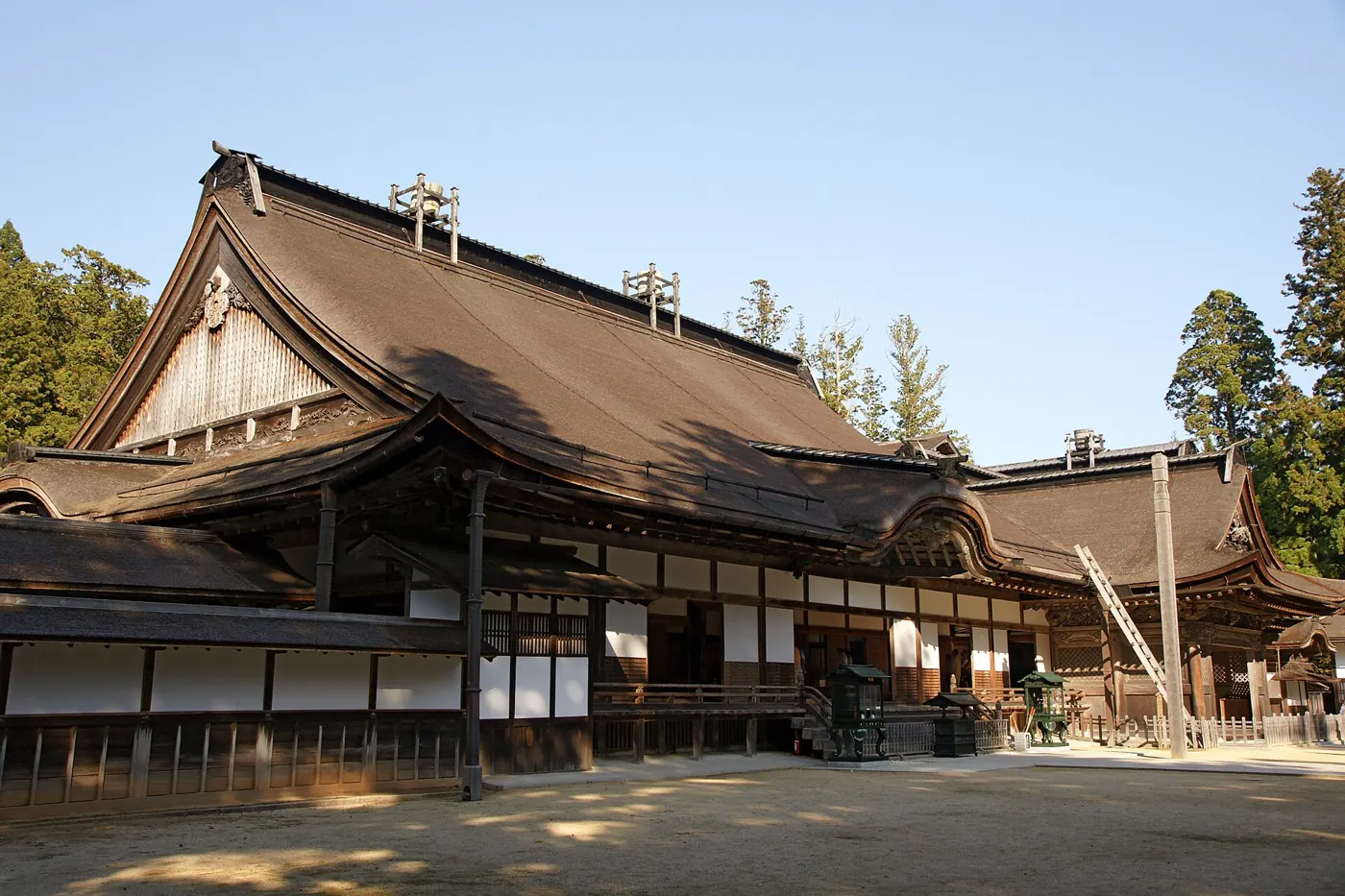
Japan Tourism Agency explanations
旅Try it yourself: Karesansui (rock garden)
Live prices and reviews from GetYourGuide. Many tours can be cancelled for free — check each listing.
Ad: we may earn a commission if you book through these links, at no extra cost to you.
Fushimi Inari plus other classic Kyoto sights in one day.
Check prices →Compare whether a rail pass saves money on your route before you buy tickets.
Check prices →Japan eSIM / mobile data
Ad: we may earn a commission if you book through these links, at no extra cost to you.
問Questions visitors ask
What is Karesansui (rock garden)?
The Japanese dry garden (枯山水, karesansui) or Japanese rock garden, often called a Zen garden, is a distinctive style of Japanese garden.
Where can I see Karesansui (rock garden)?
Places on Torii Guide where it is mentioned include: Ryōan-ji, Kongōbu-ji (Kōya-san).
寺At a temple
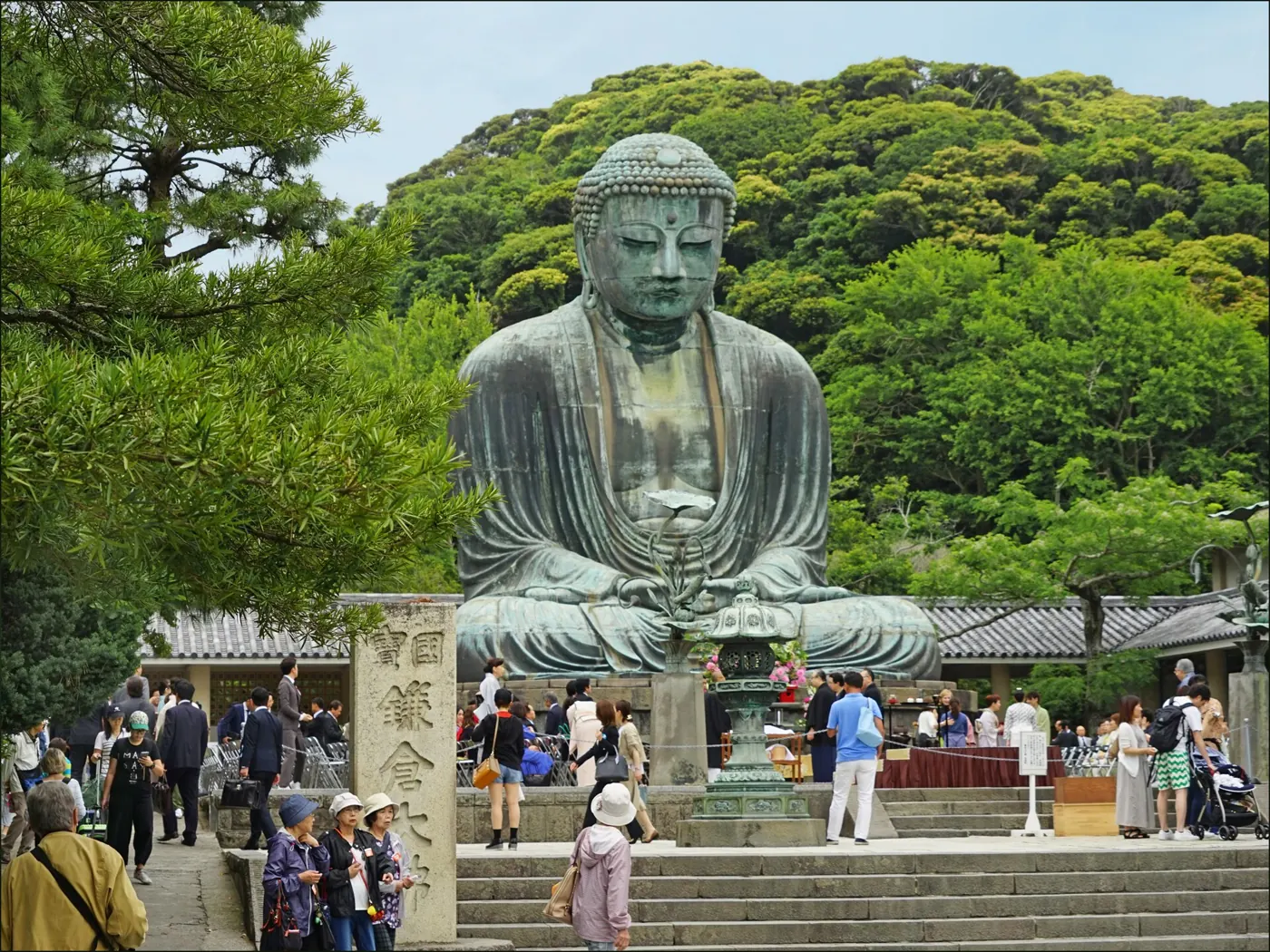 Buddhism in Japan日本の仏教
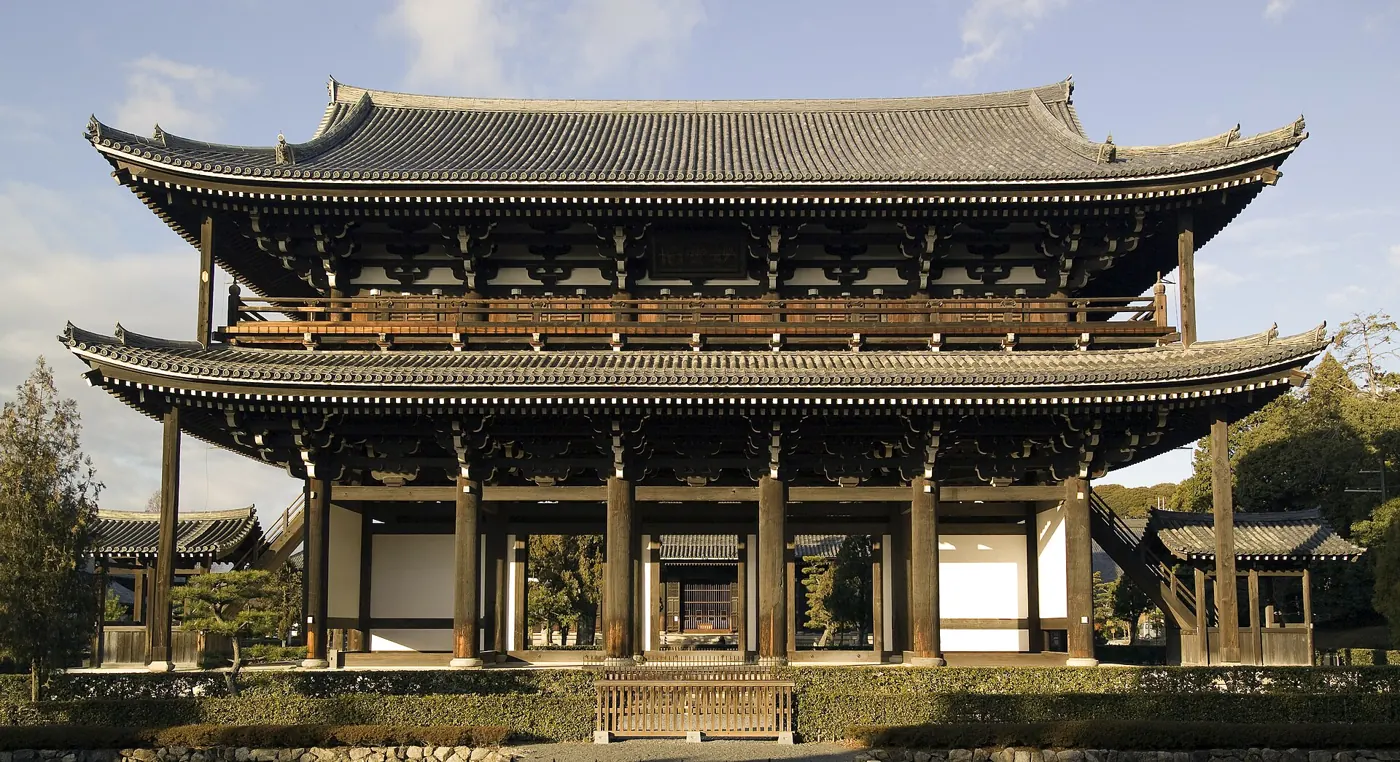 Sanmon三門
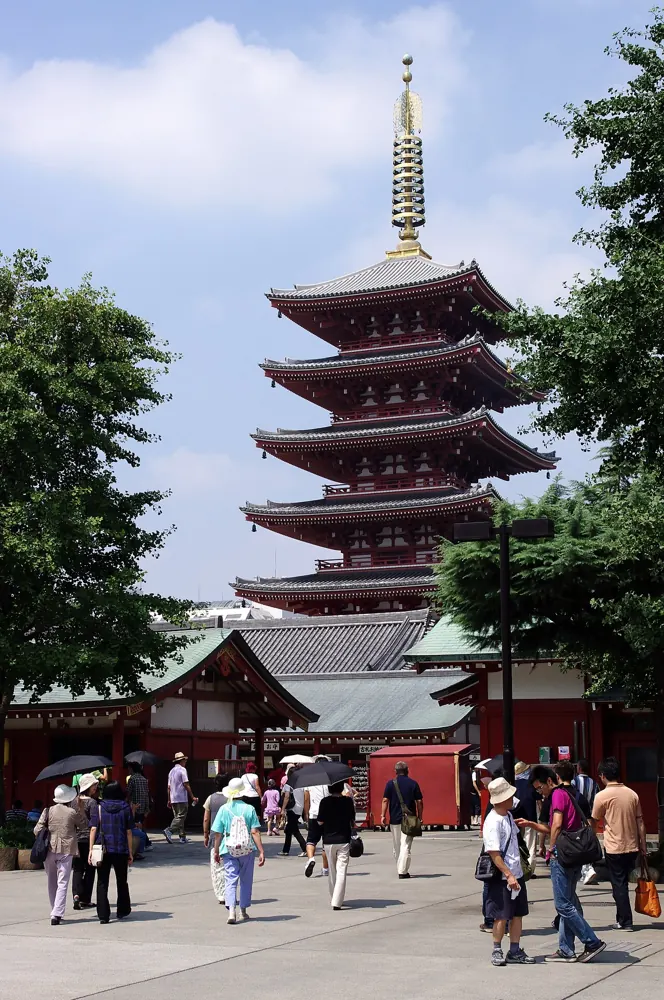 Pagoda五重塔
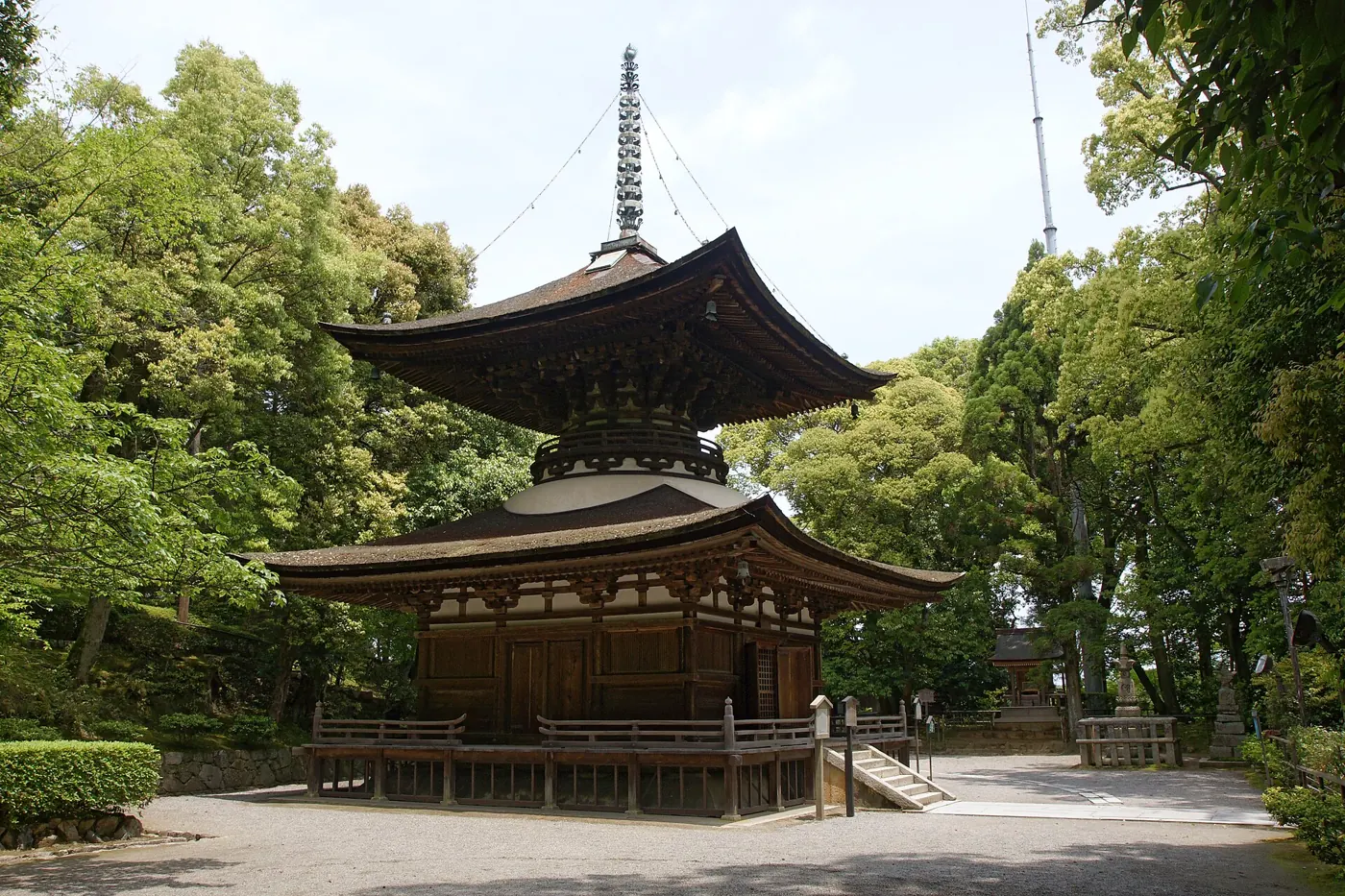 Tahōtō多宝塔
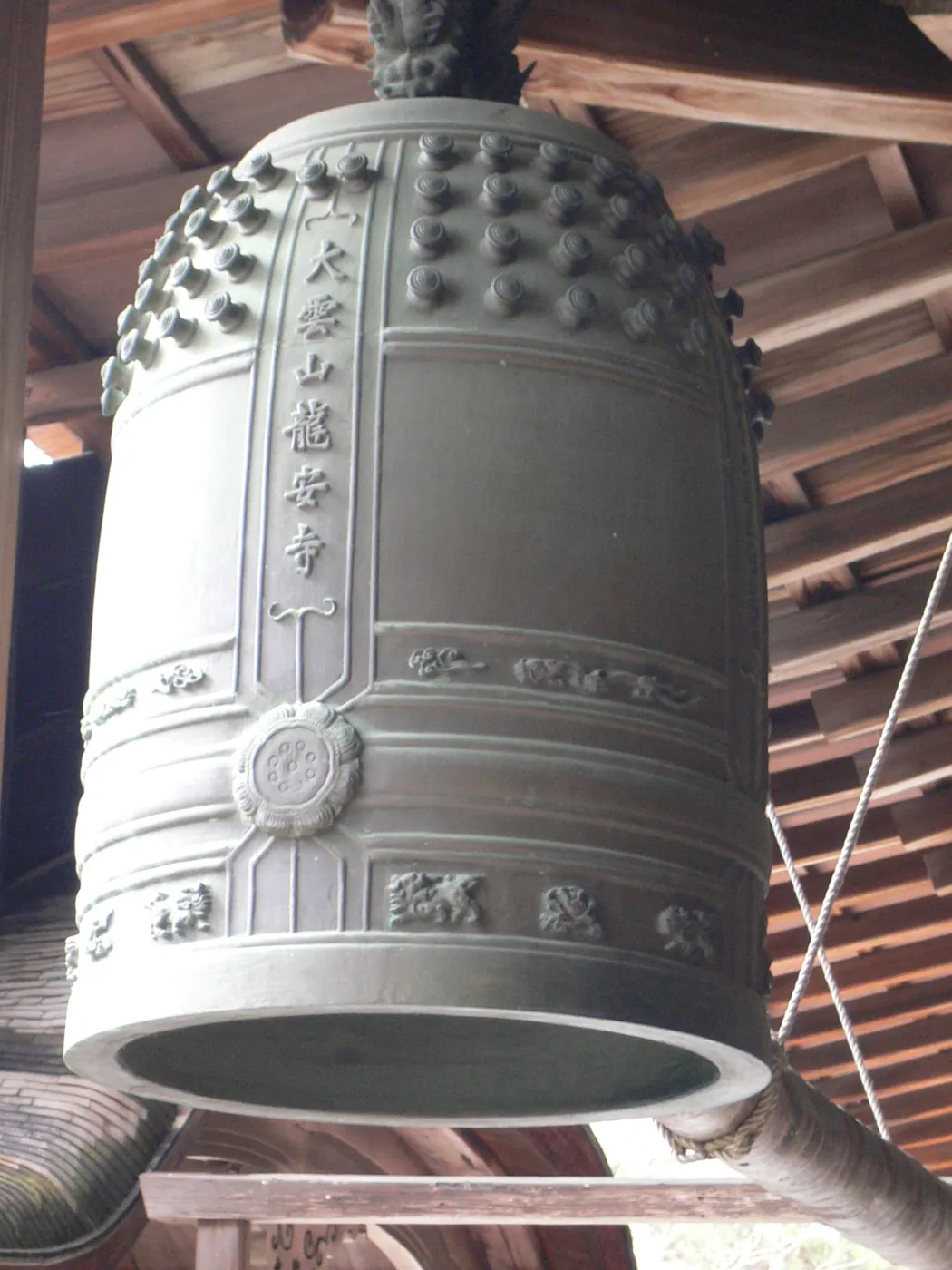 Bonshō梵鐘
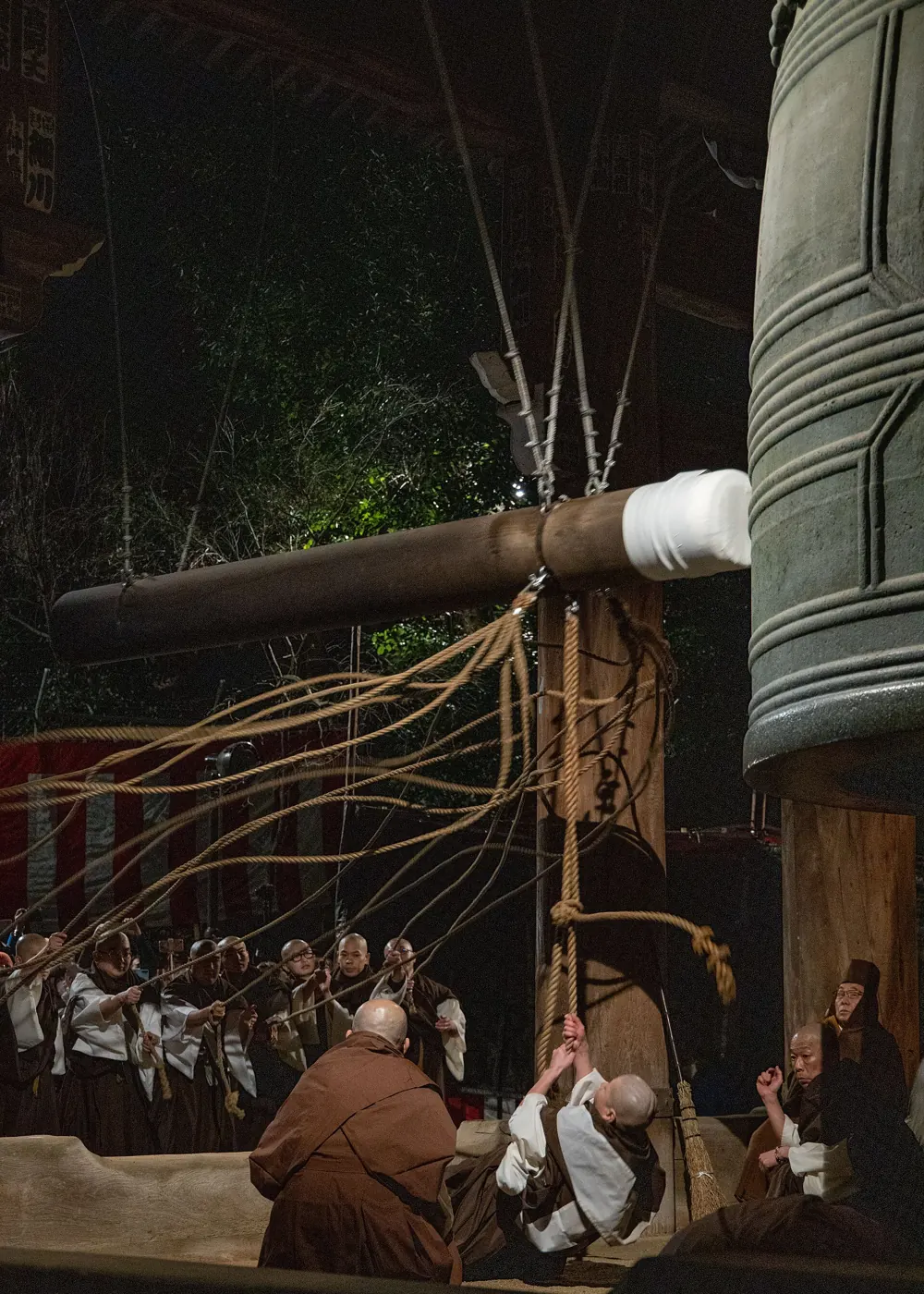 Joya no kane除夜の鐘
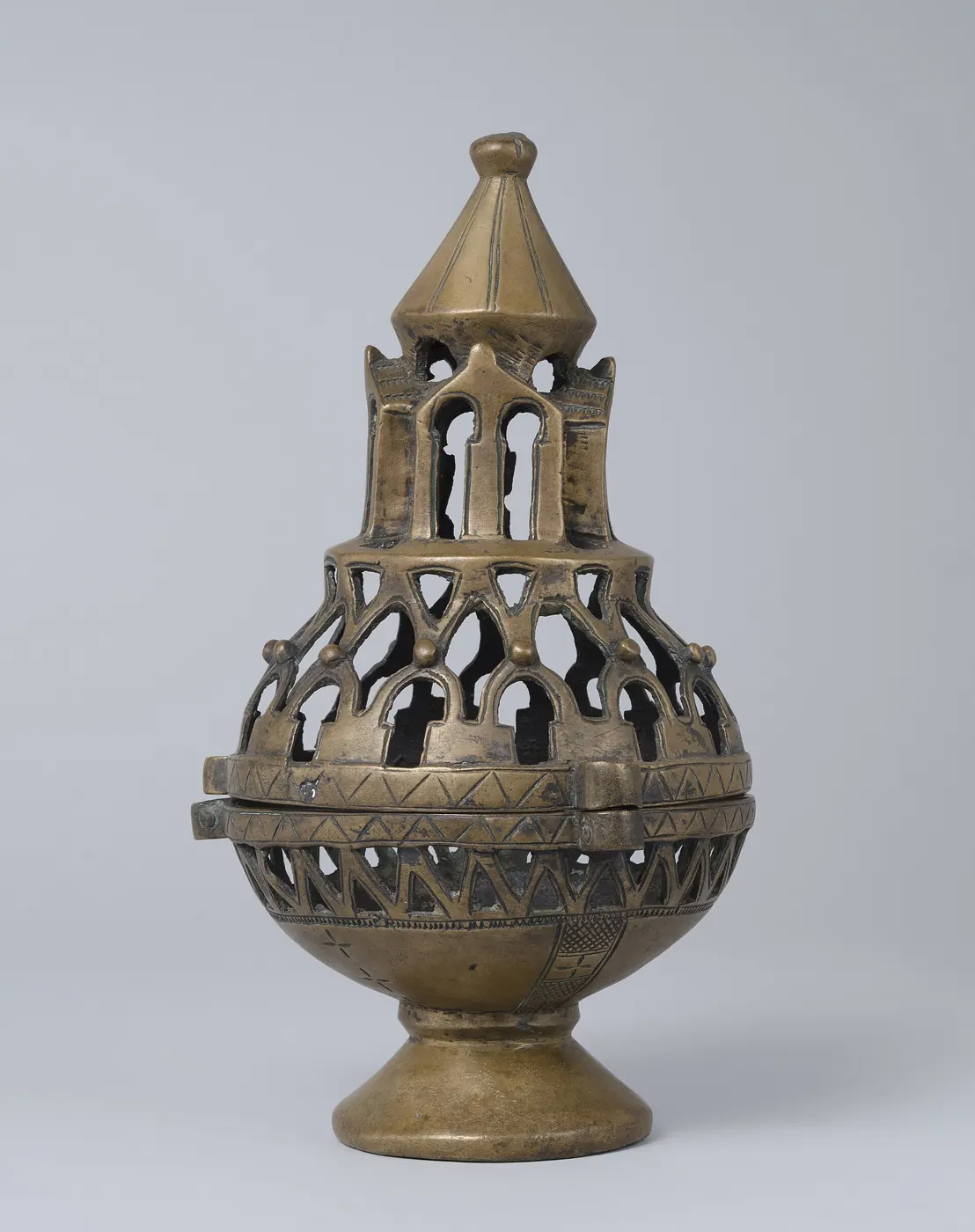 Kōro香炉
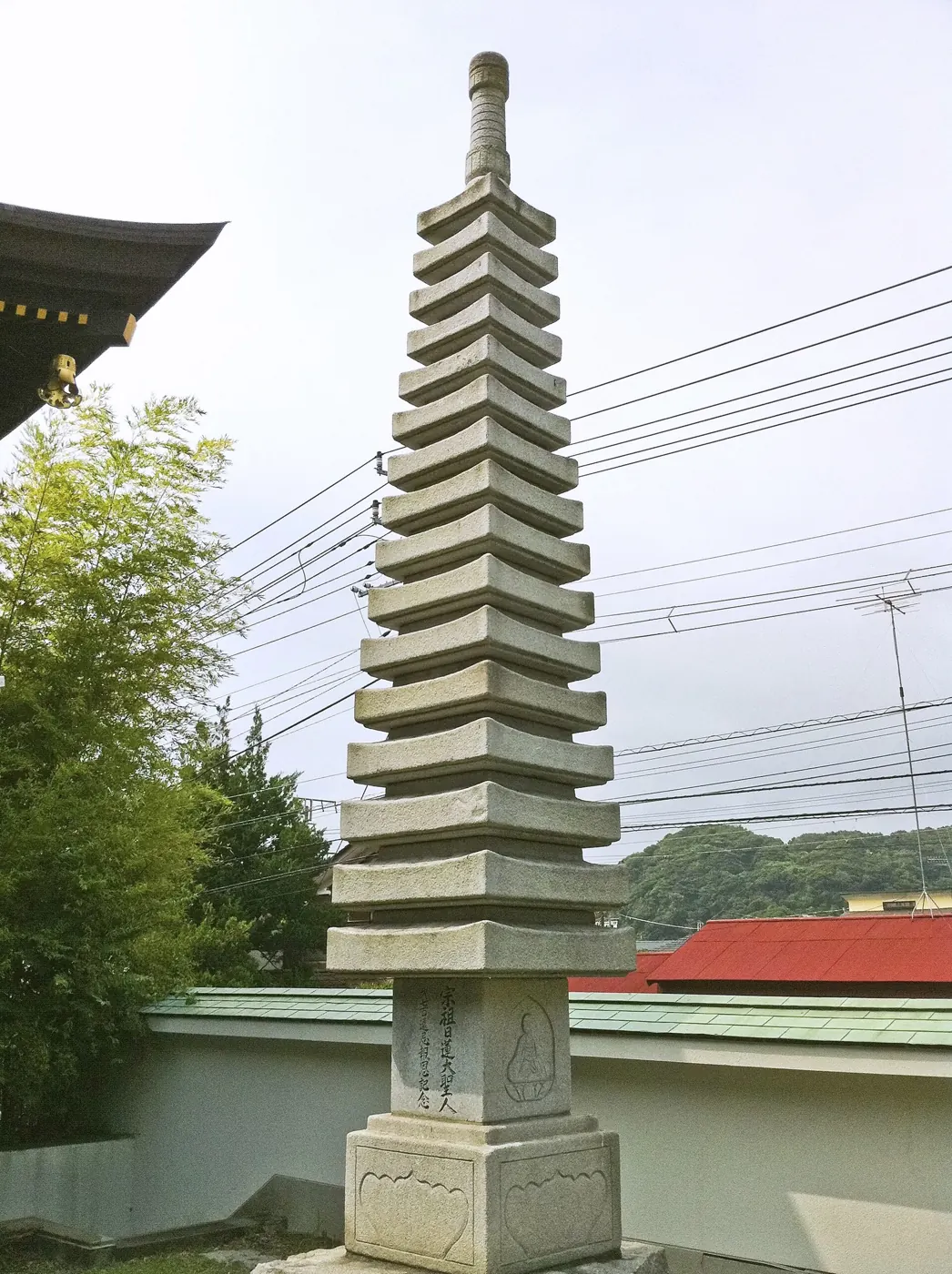 Sotobaストゥーパ
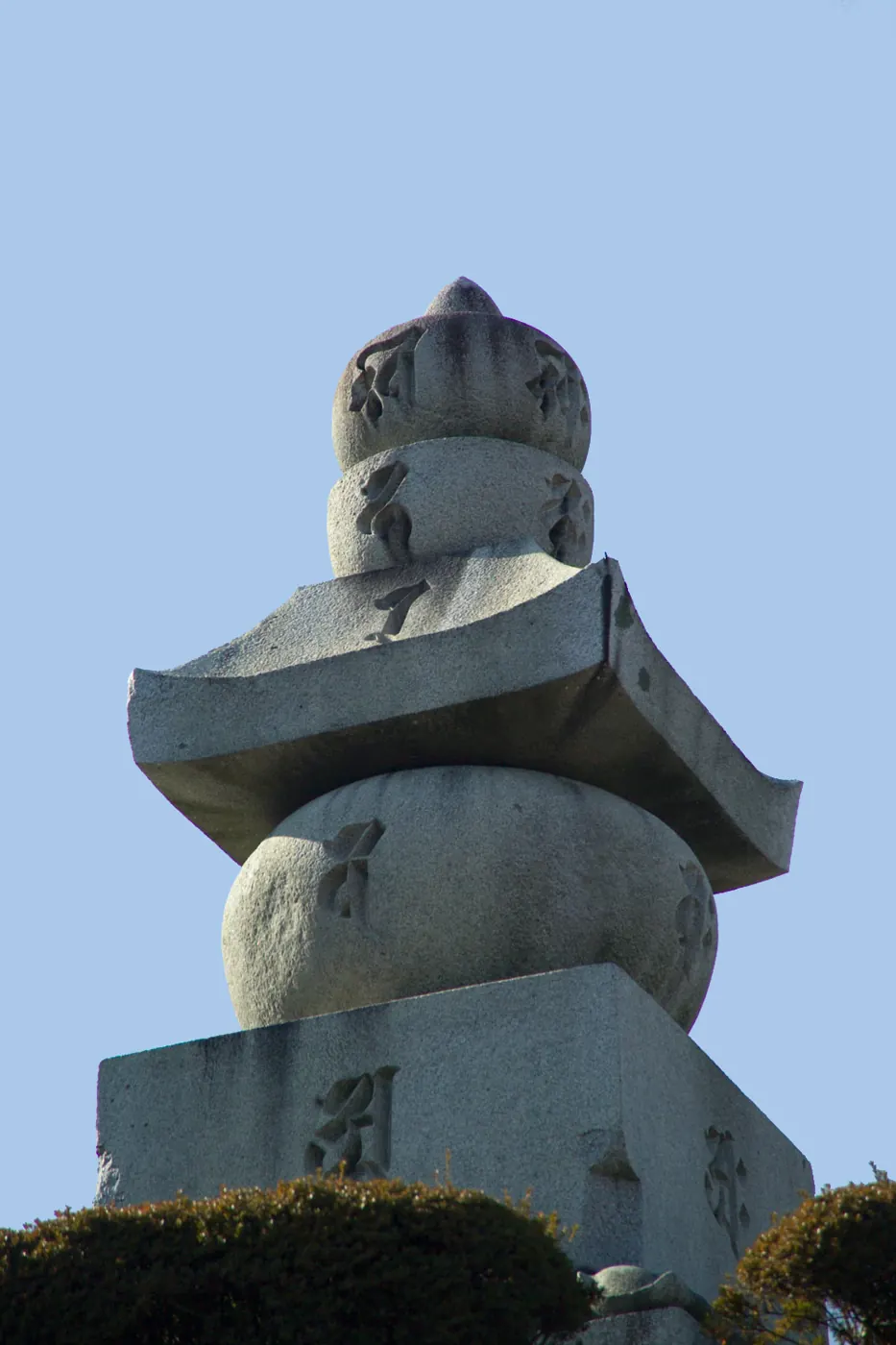 Gorintō五輪塔
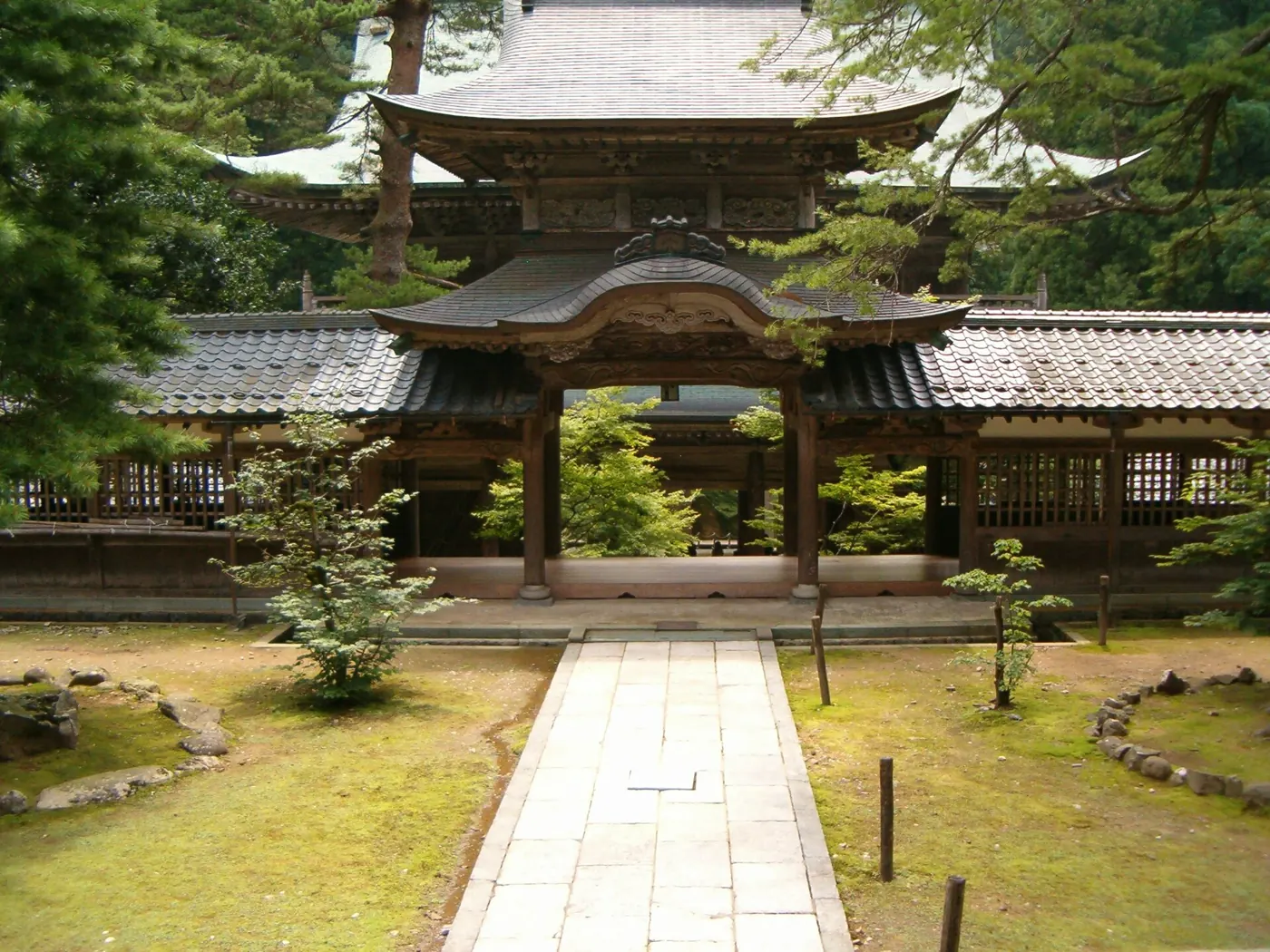 Zen禅宗
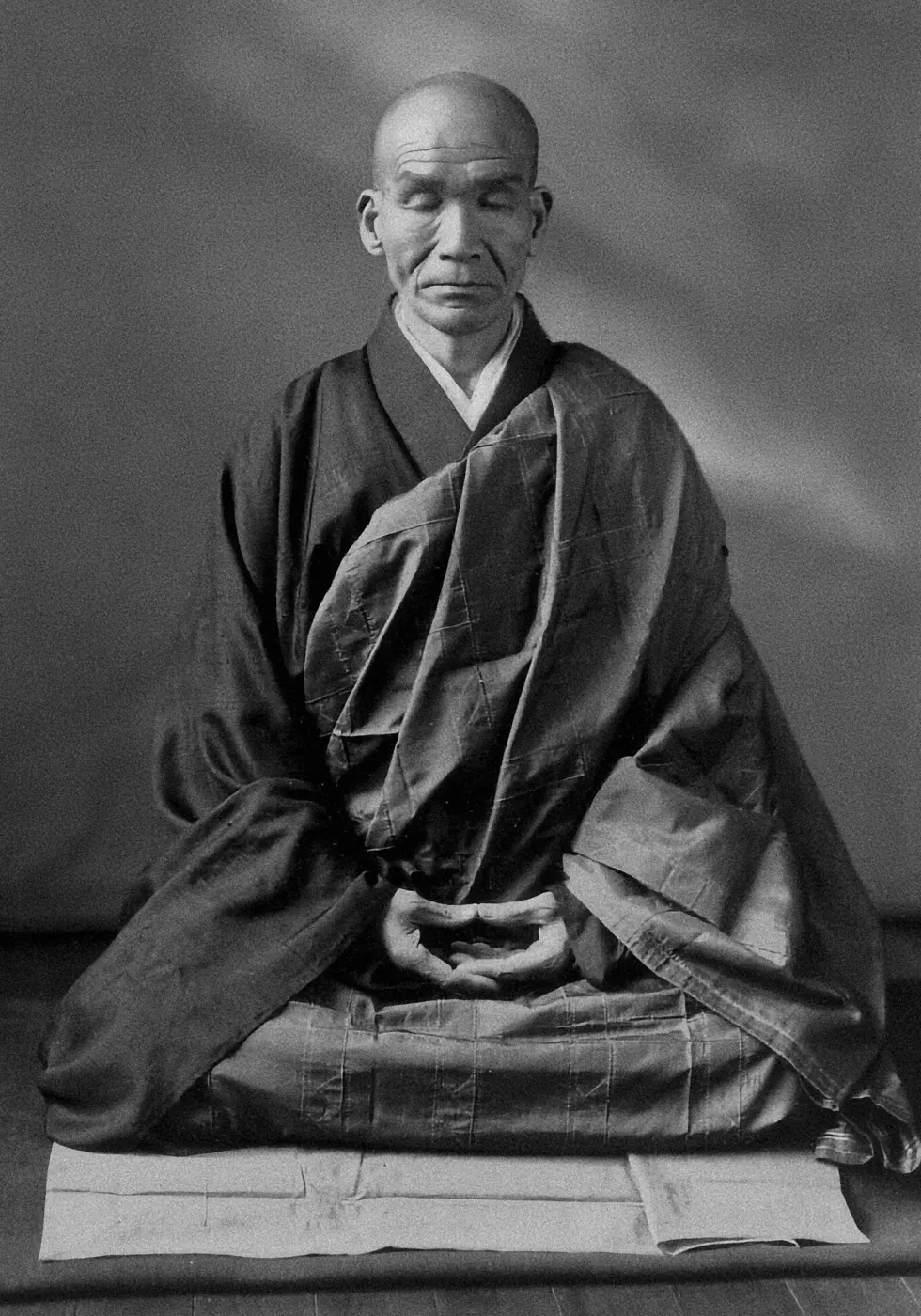 Zazen坐禅
 Shakyō写経
Open the scanner and compare →