多宝塔Tahōtō (two-storey pagoda)
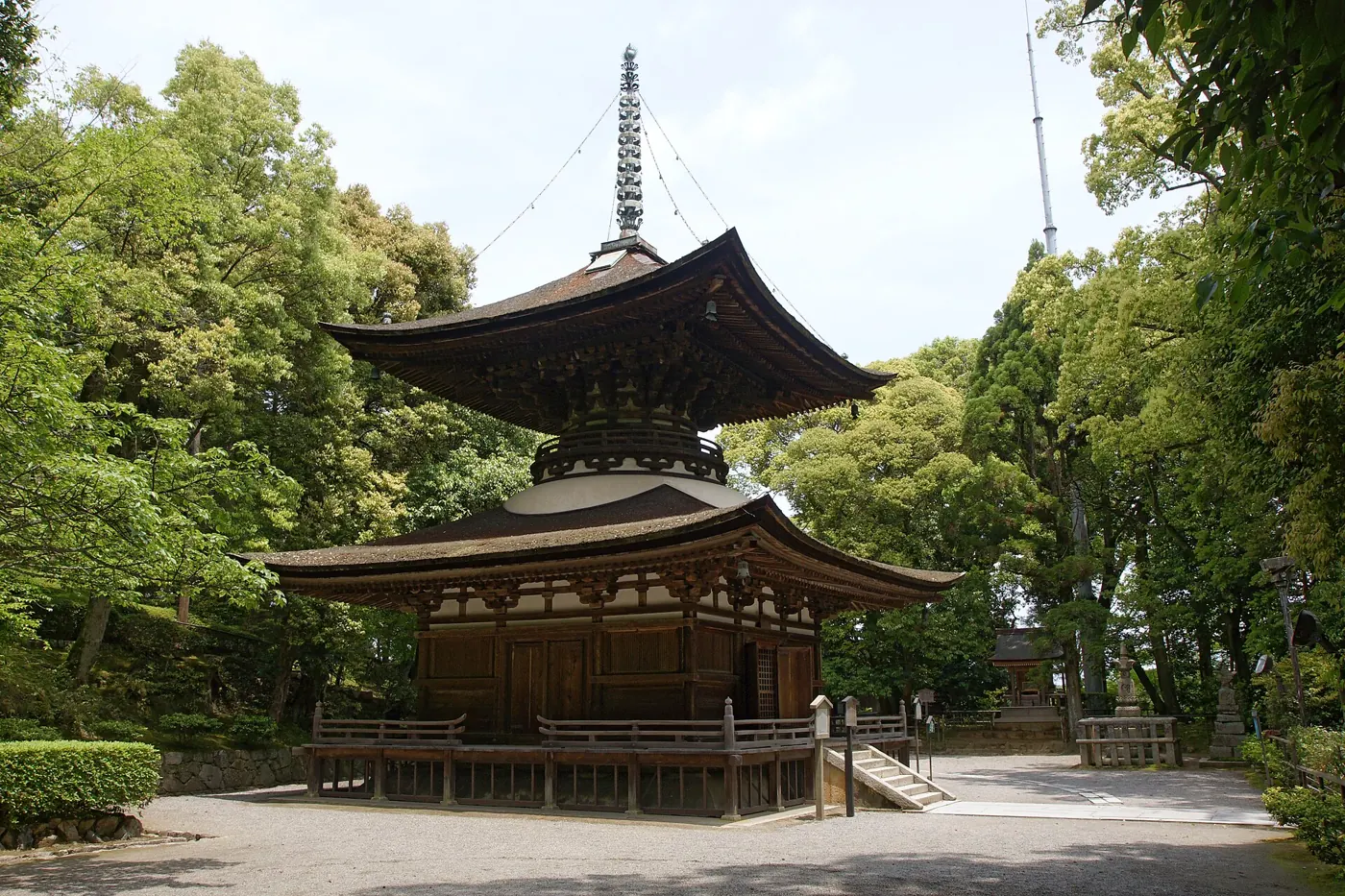
A tahōtō (多宝塔; lit. 'many-jewelled pagoda'; pronounced) is a form of Japanese pagoda found primarily at Esoteric Shingon and Tendai school Buddhist temples. It is unique among pagodas because it has an even number of stories (two). (The second story has a balustrade and seems habitable, but is nonetheless inaccessible and offers no usable space.) Its name alludes to Tahō Nyorai, who appears seated in a many-jewelled pagoda in the eleventh chapter of the Lotus Sutra. With square lower and cylindrical upper parts, a mokoshi 'skirt roof', a pyramidal roof, and a finial, the tahōtō or the larger daitō was one of the seven halls of a Shingon temple. After the Heian period, the construction of pagodas in general declined, and new tahōtō became rare. Six examples, of which that at Ishiyama-dera (1194) is the earliest, have been designated National Treasures.
There are no examples in China, whether architectural or pictorial, of anything that resembles the tahōtō, although there is a Song dynasty textual reference to a tahōtō with an encircling chamber.
Text from Wikipedia: Tahōtō — CC BY-SA 4.0. Read more on Wikipedia →
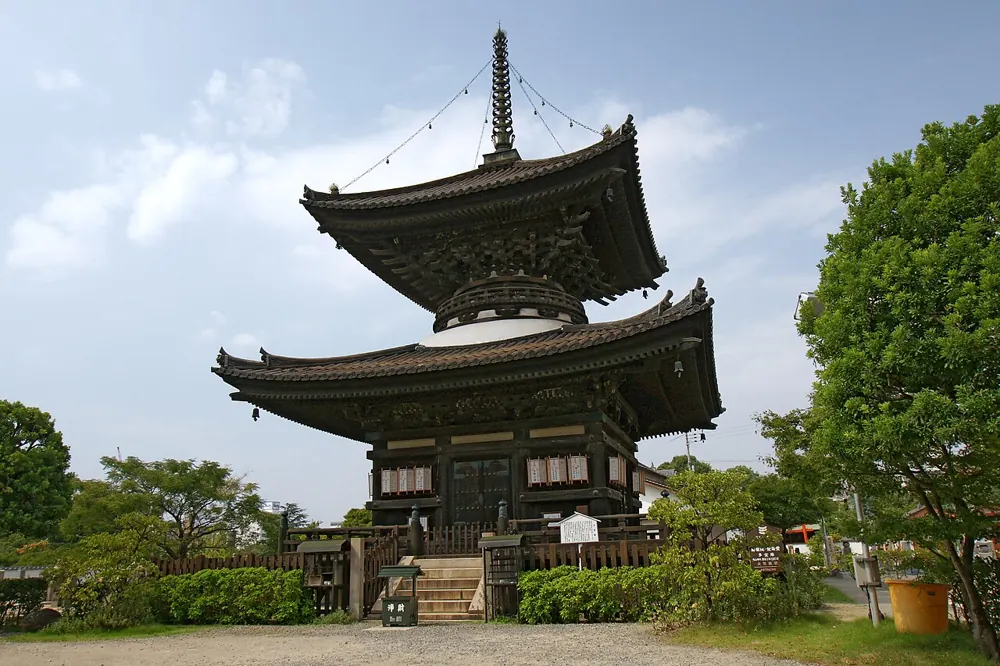
Japan Tourism Agency explanations
旅Try it yourself: Tahōtō (two-storey pagoda)
Live prices and reviews from GetYourGuide. Many tours can be cancelled for free — check each listing.
Ad: we may earn a commission if you book through these links, at no extra cost to you.
Compare whether a rail pass saves money on your route before you buy tickets.
Check prices →Japan eSIM / mobile data
Ad: we may earn a commission if you book through these links, at no extra cost to you.
問Questions visitors ask
What is Tahōtō (two-storey pagoda)?
A tahōtō (多宝塔; lit.
寺At a temple
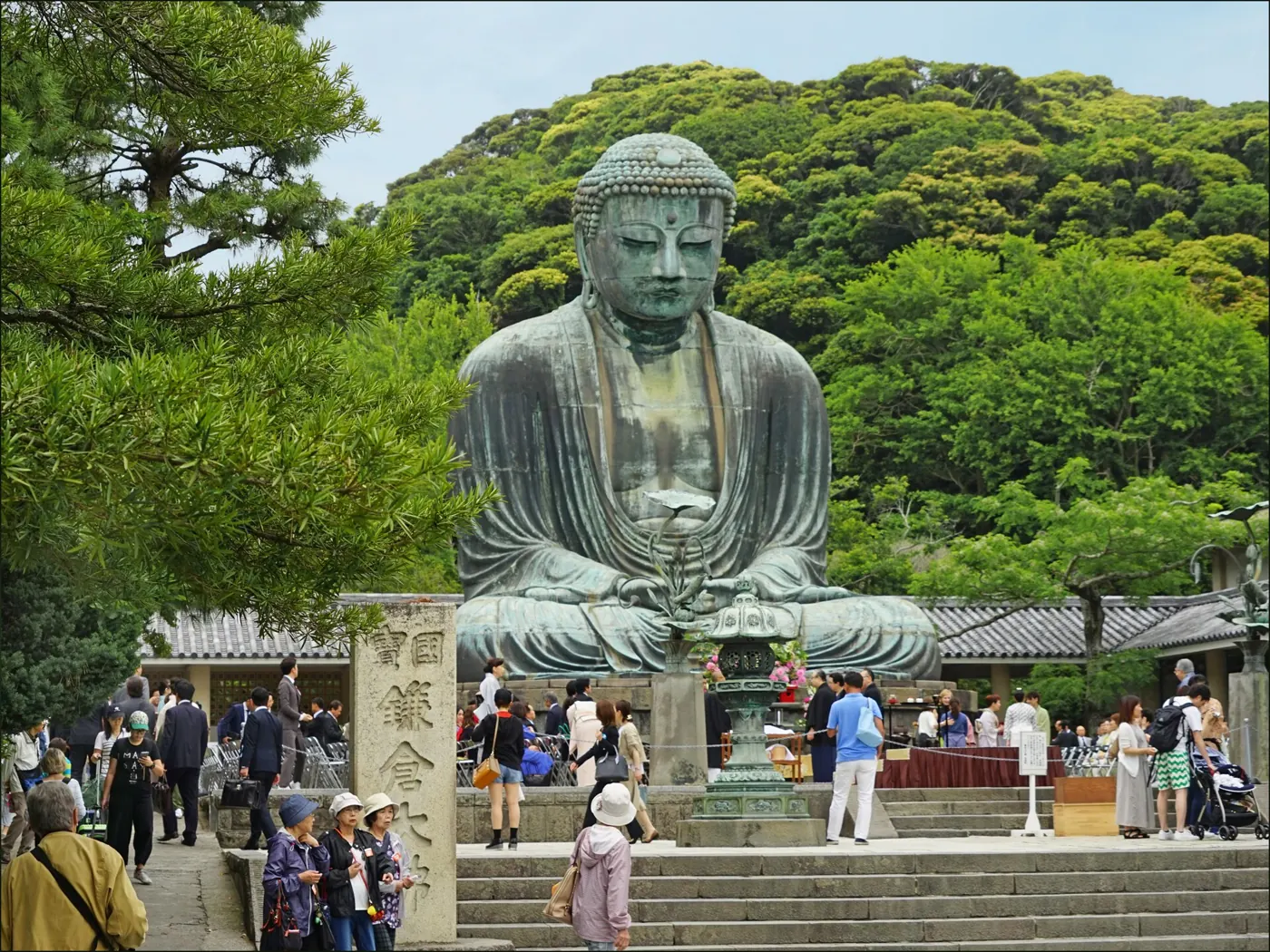 Buddhism in Japan日本の仏教
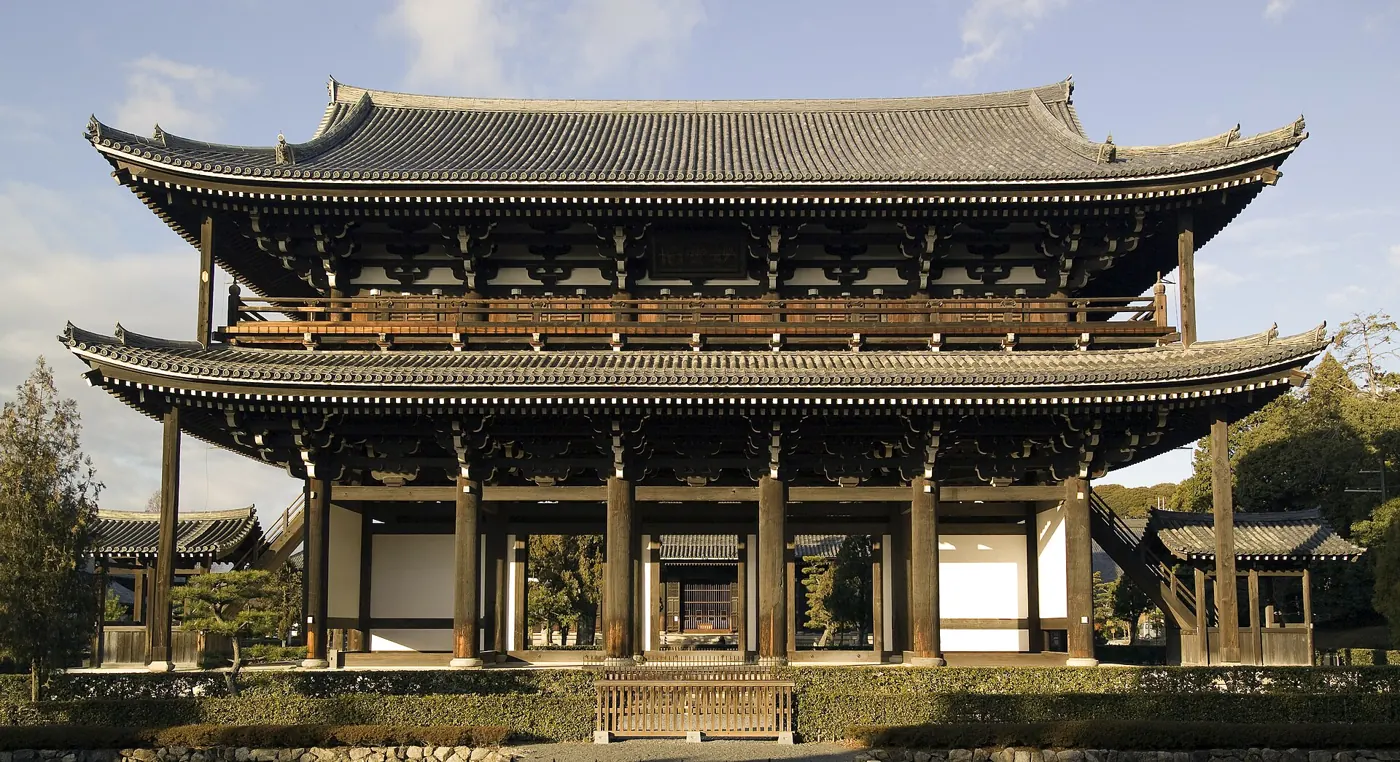 Sanmon三門
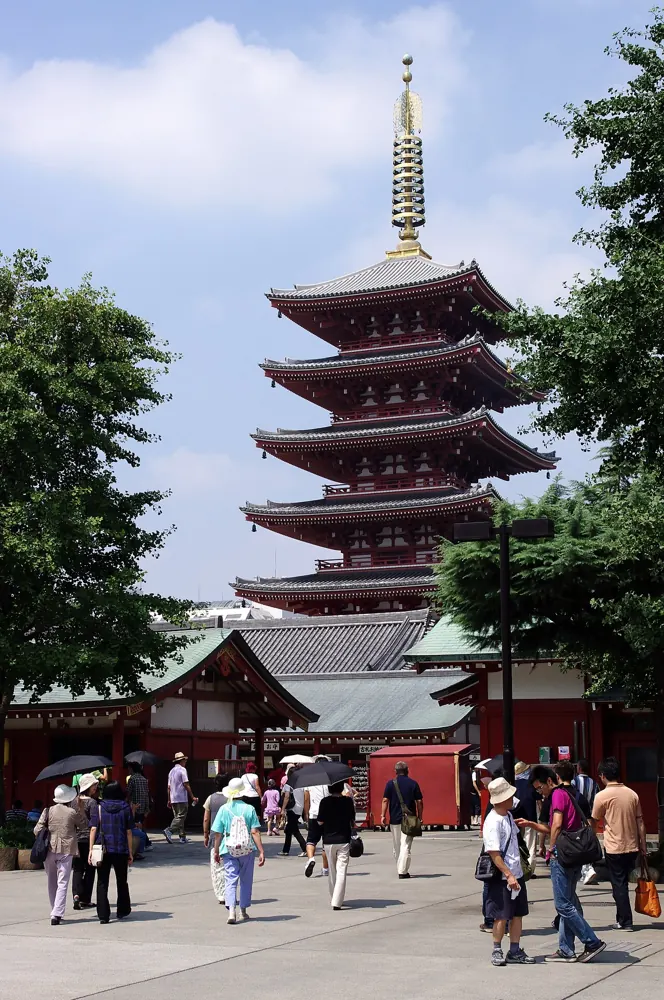 Pagoda五重塔
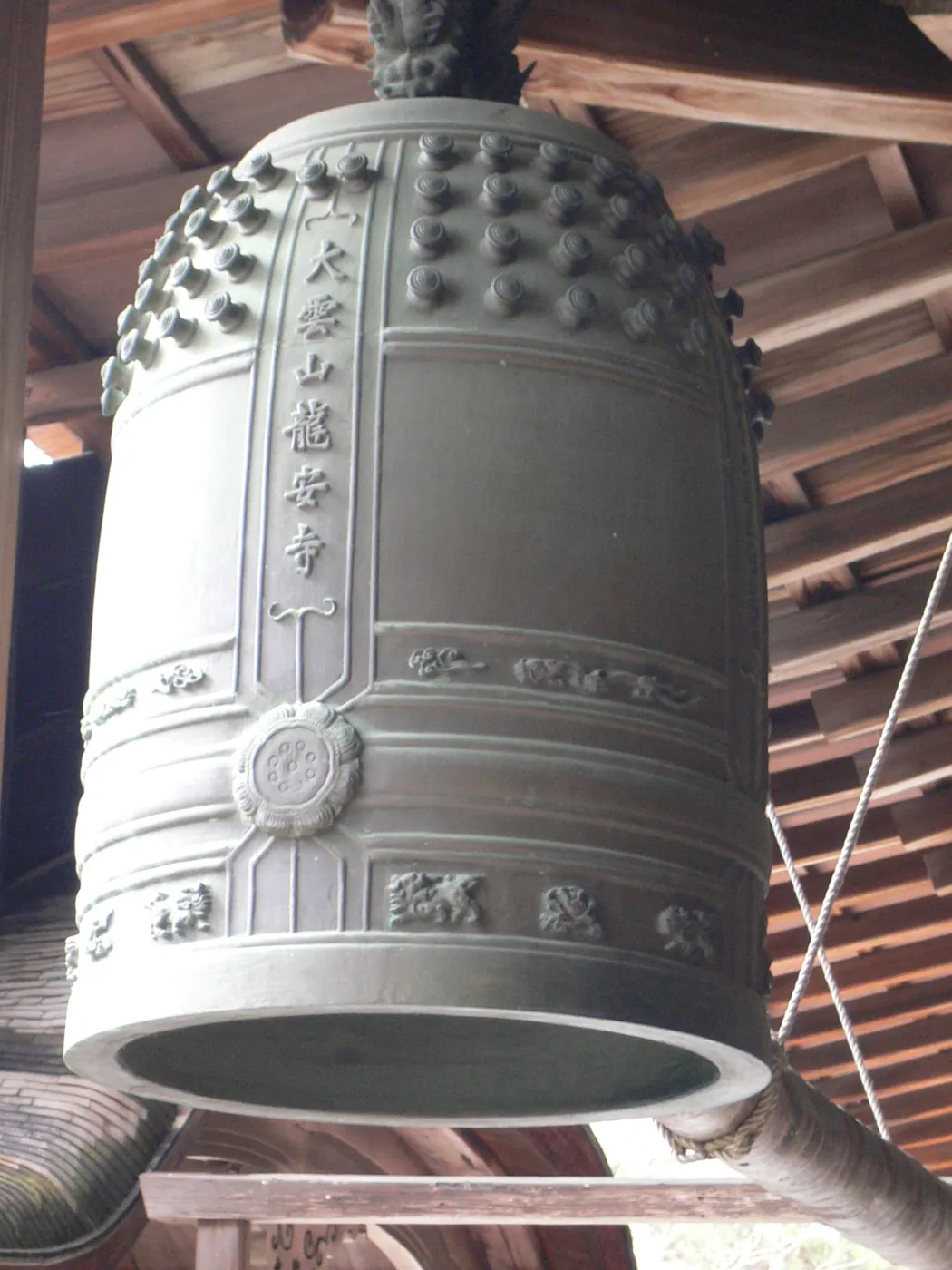 Bonshō梵鐘
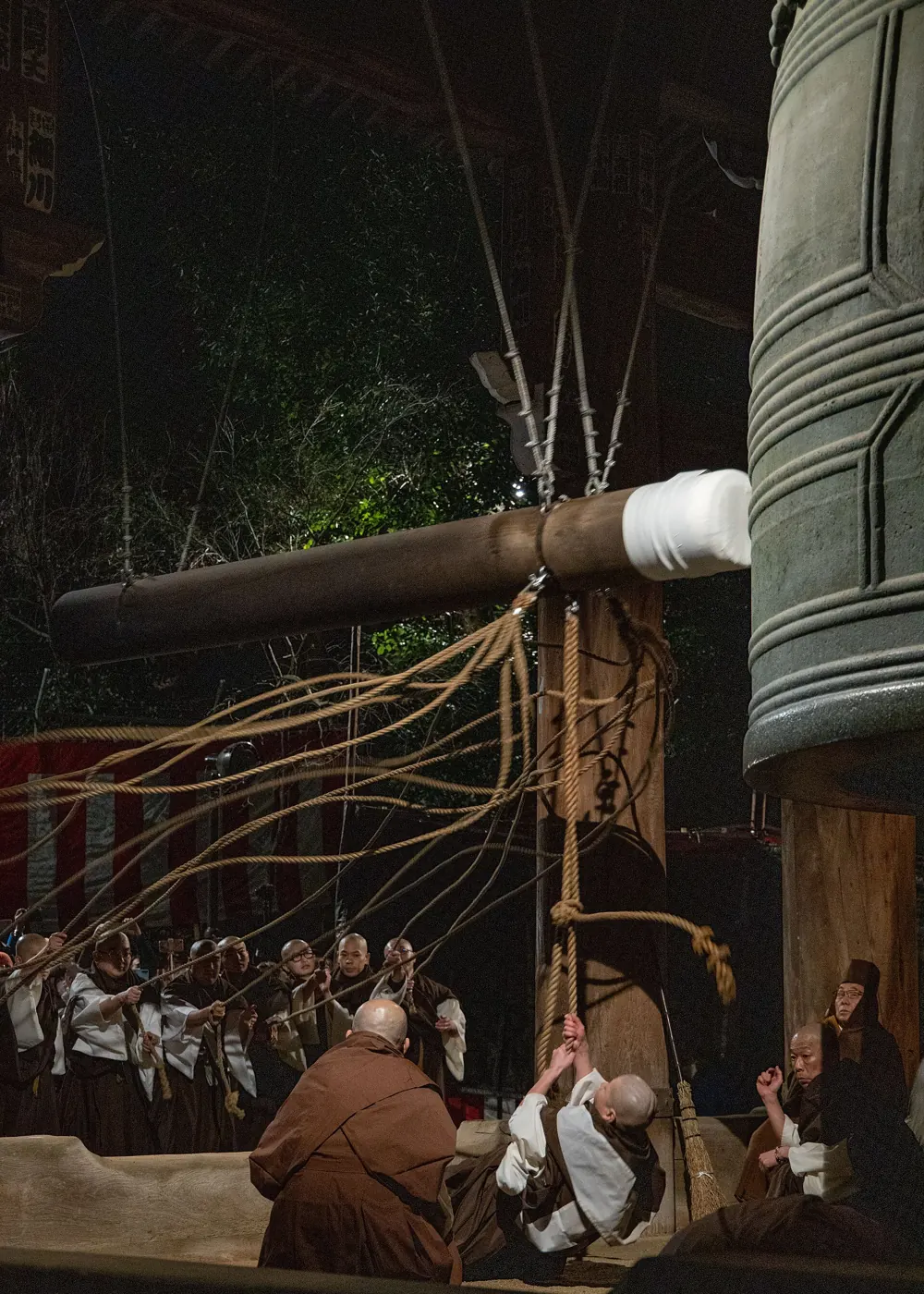 Joya no kane除夜の鐘
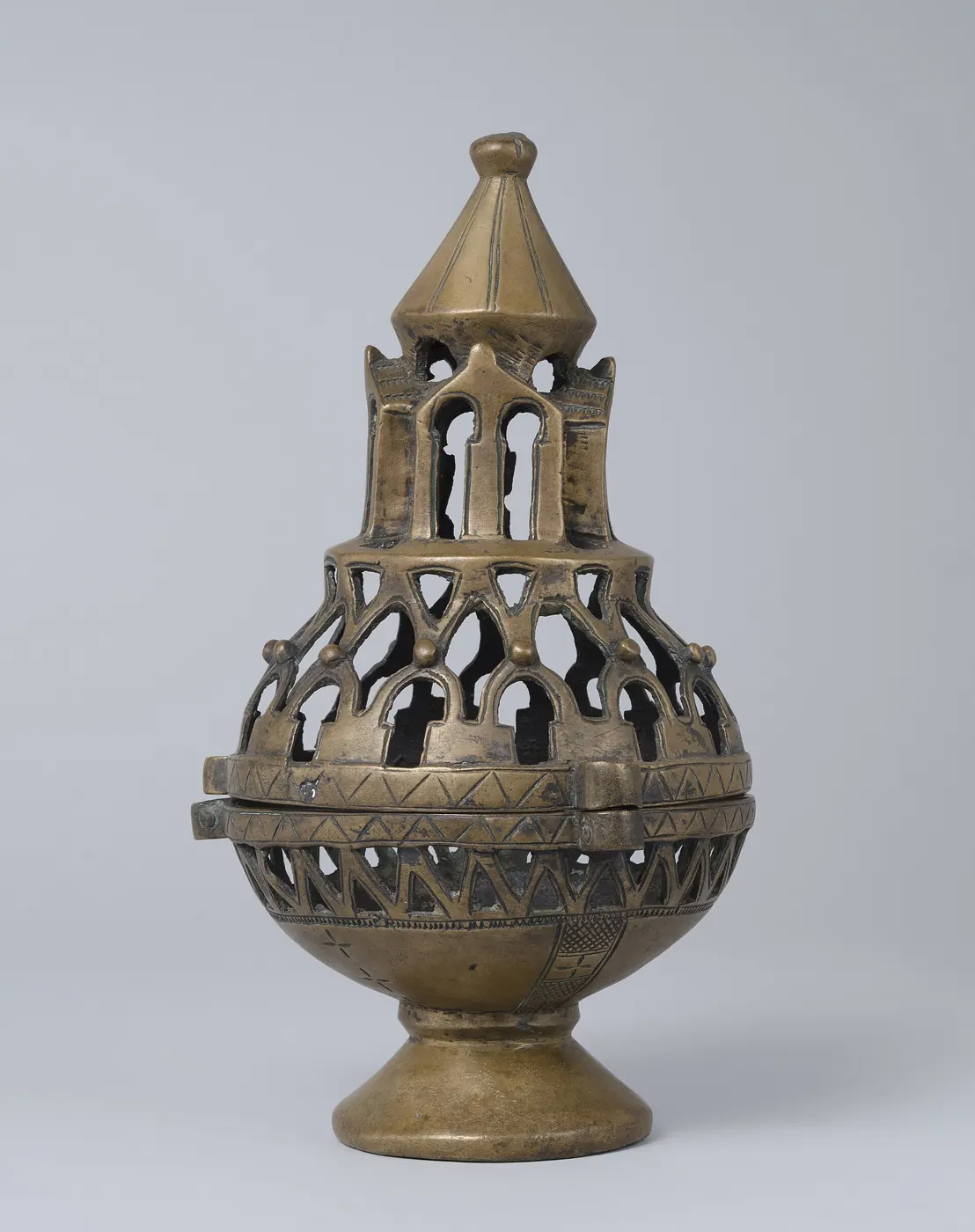 Kōro香炉
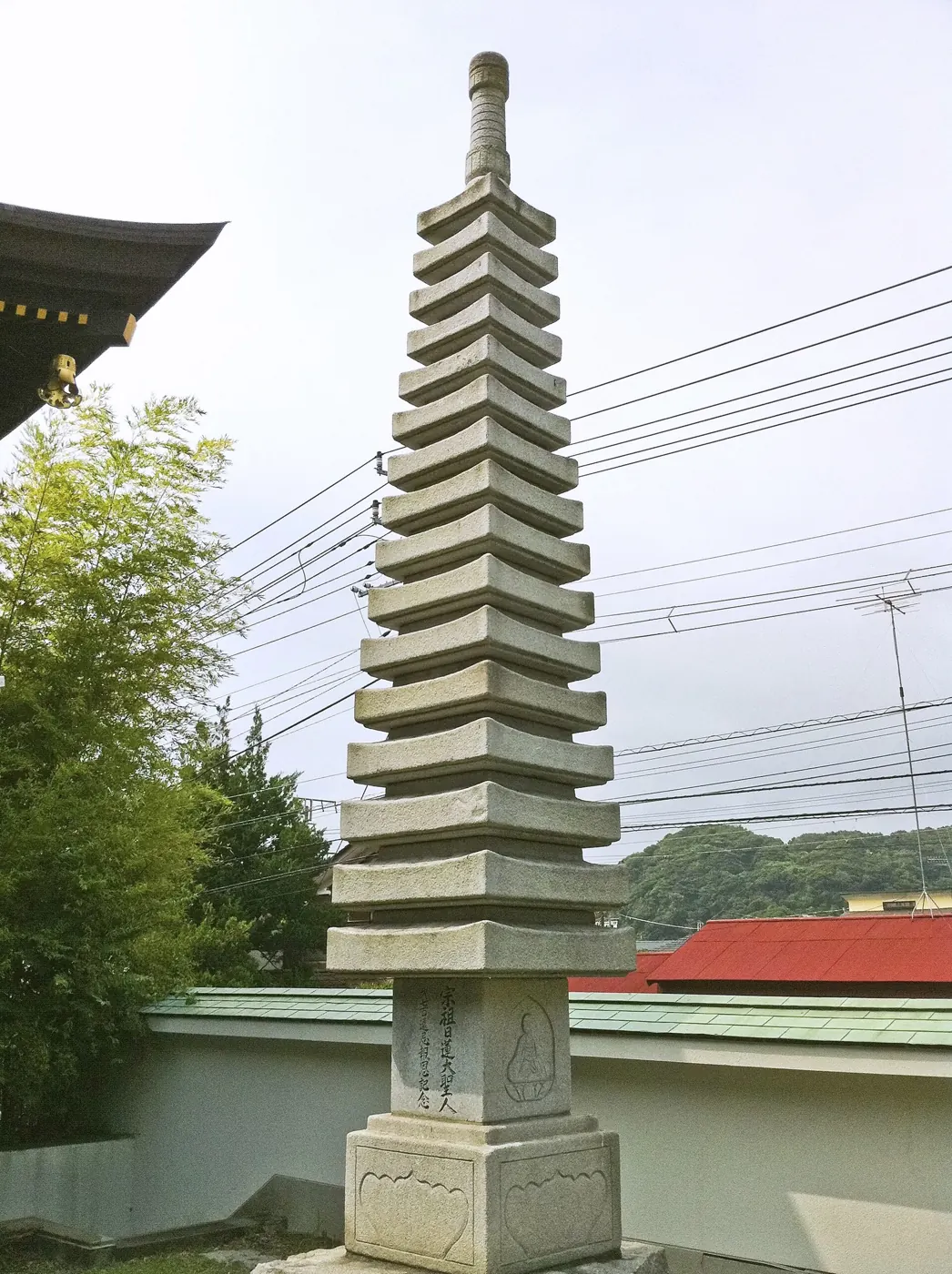 Sotobaストゥーパ
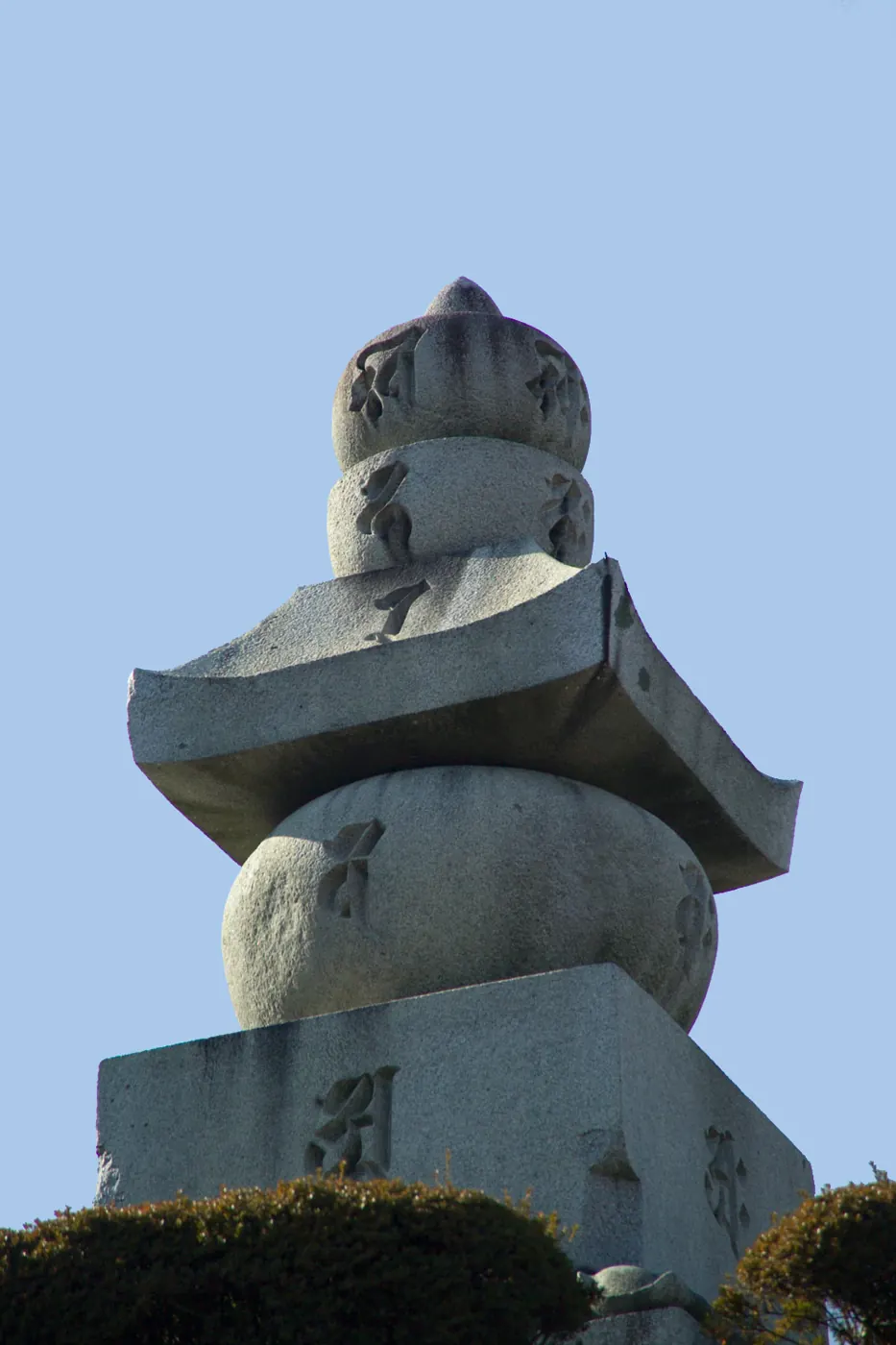 Gorintō五輪塔
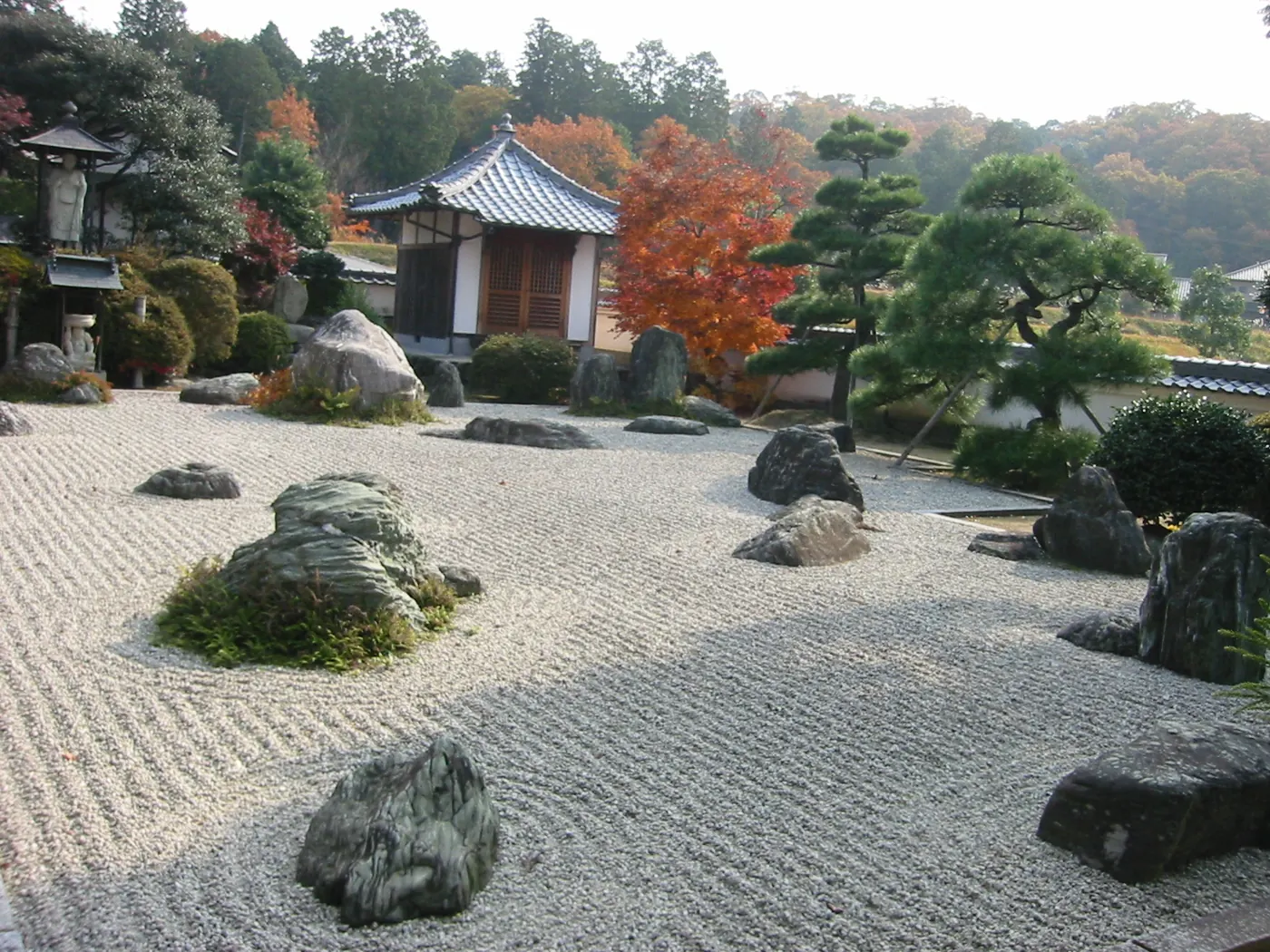 Karesansui枯山水
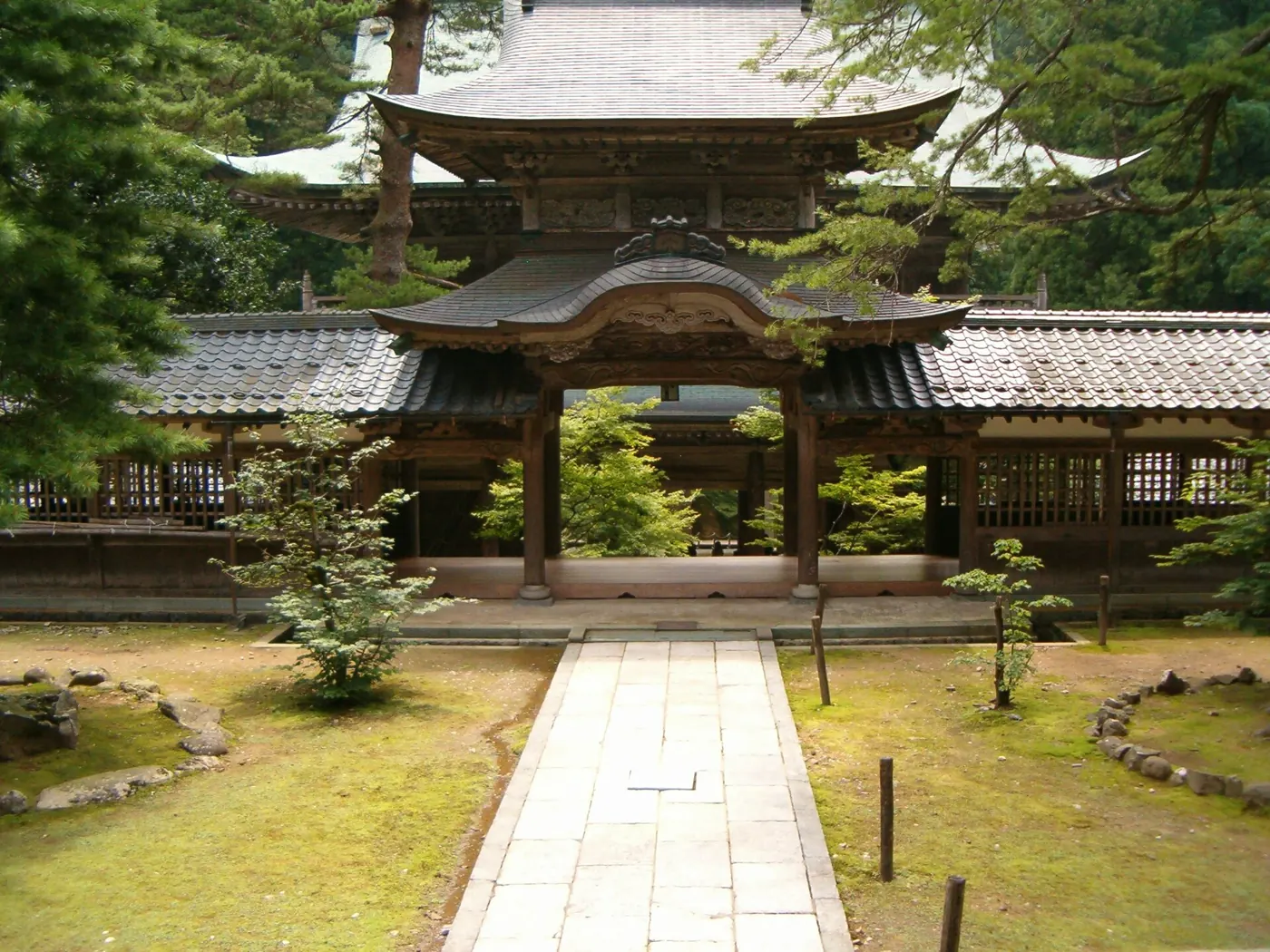 Zen禅宗
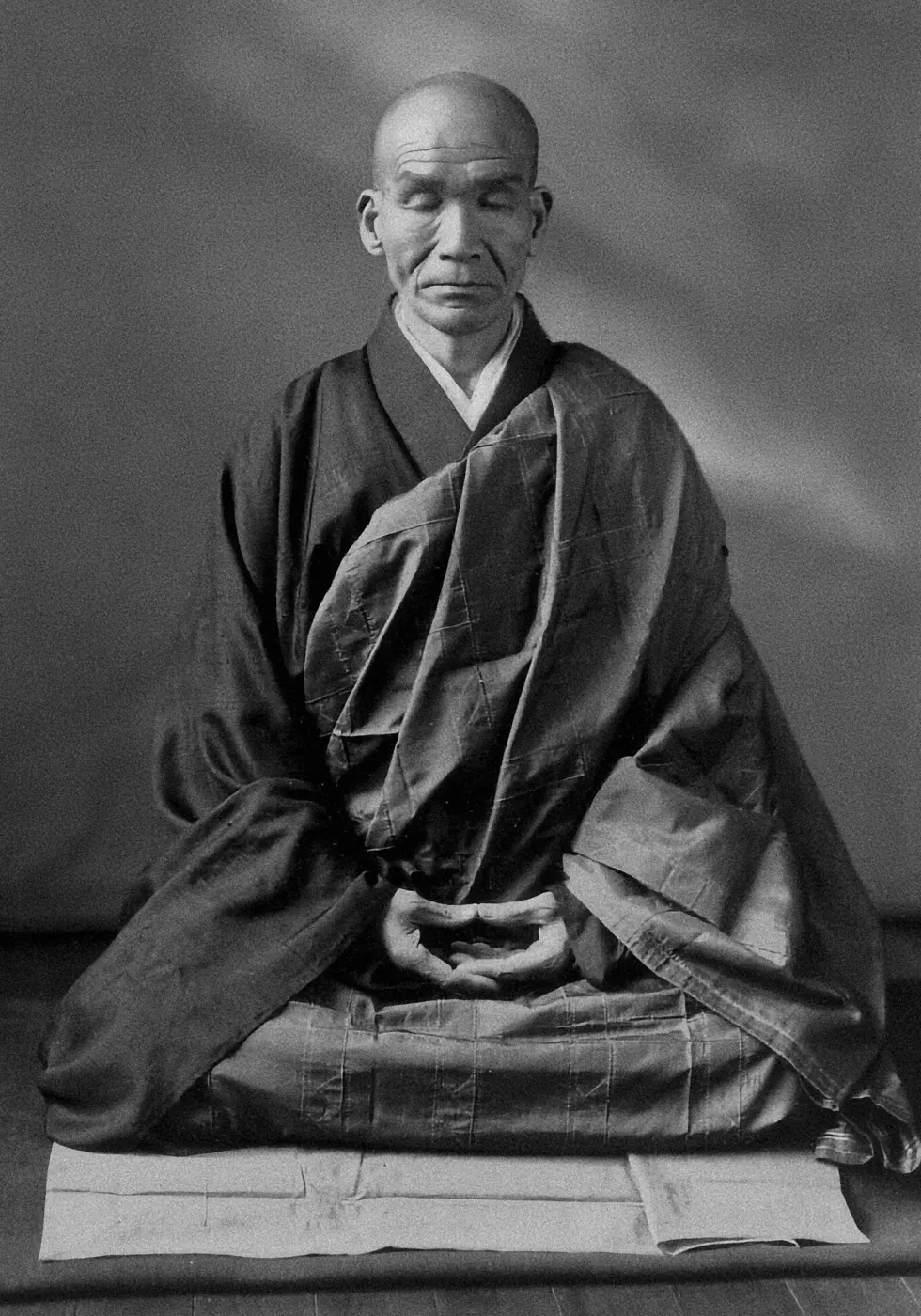 Zazen坐禅
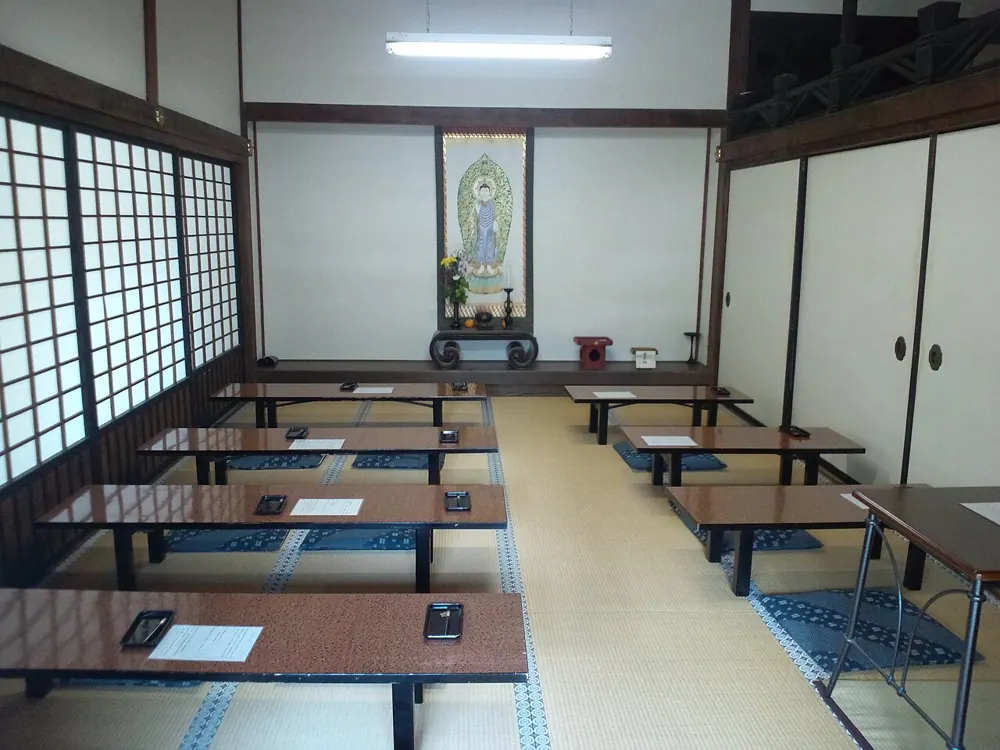 Shakyō写経
Open the scanner and compare →