五輪塔Gorintō (five-ring stupa)
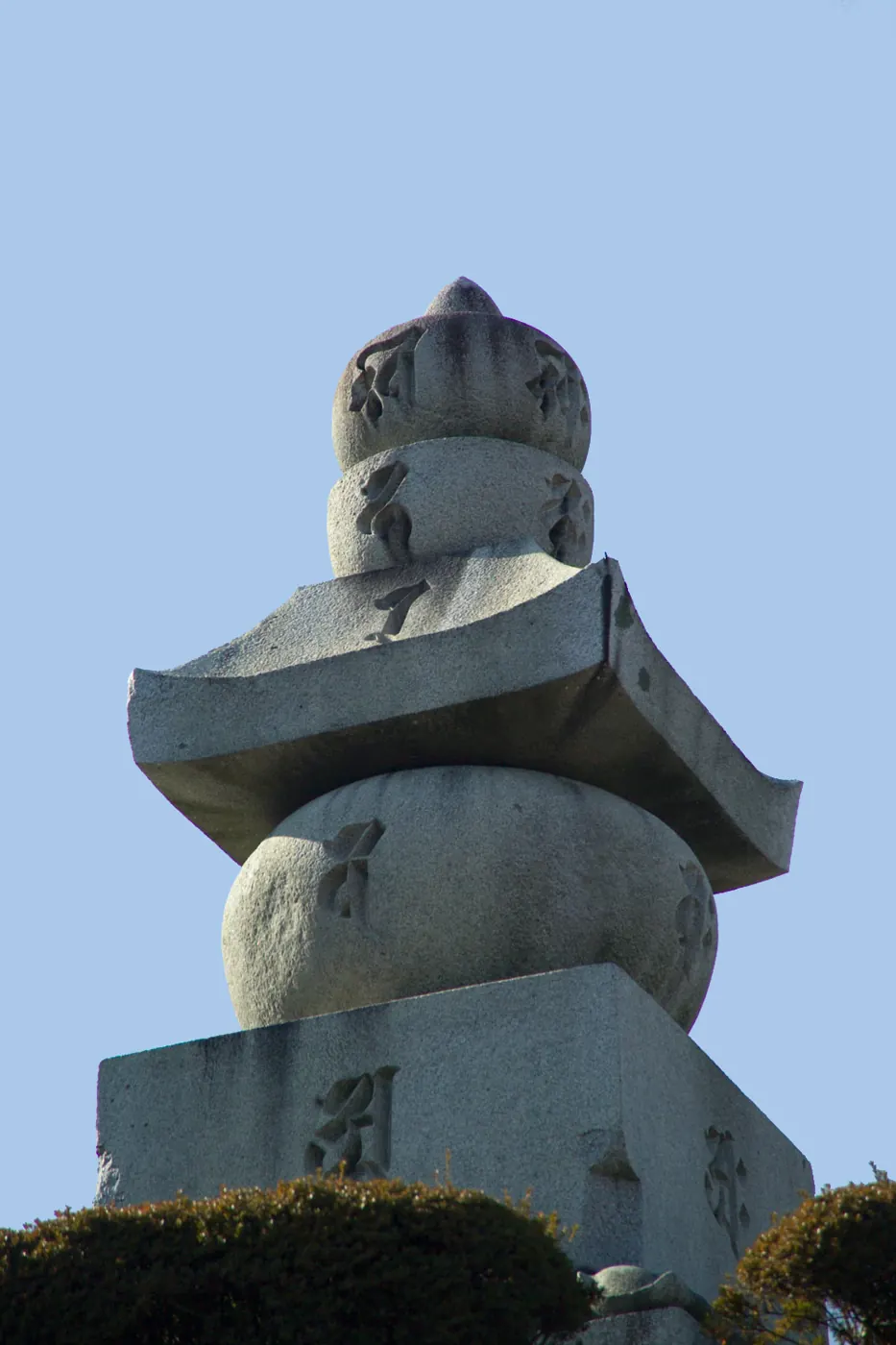
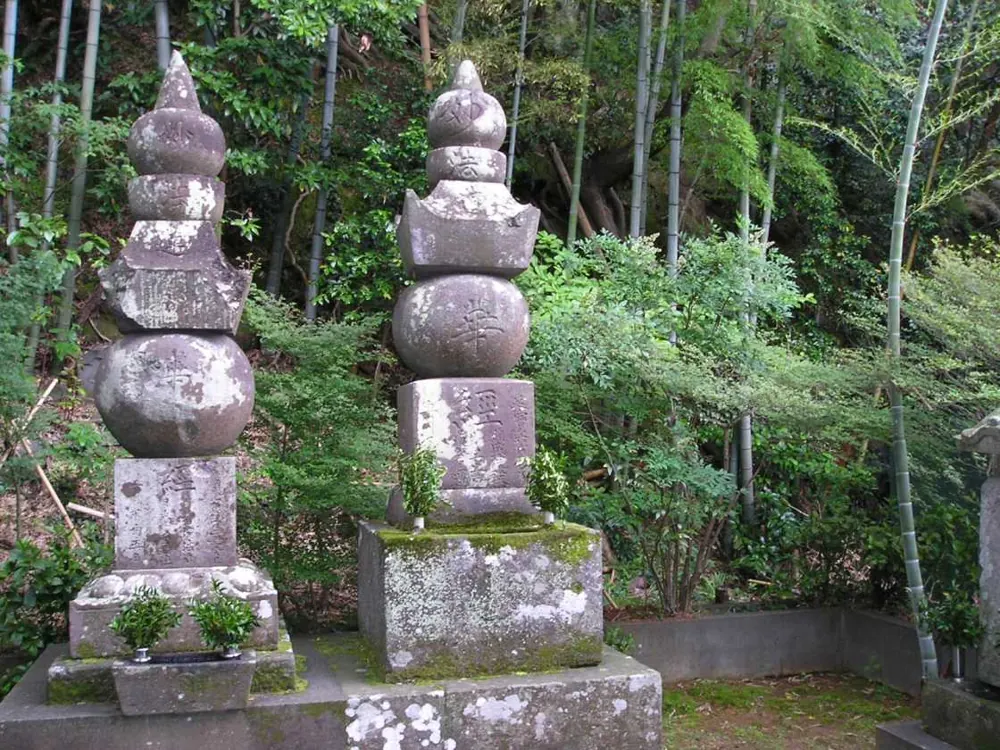
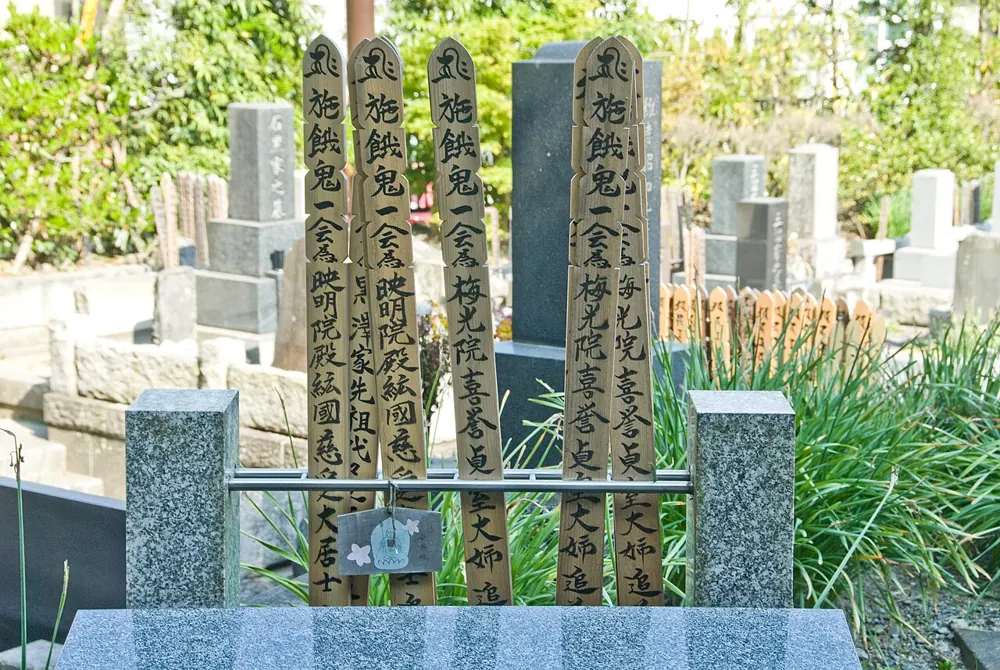
Gorintō (五輪塔; "five-ringed tower") is a Japanese type of Buddhist pagoda believed to have been first adopted by the Shingon and Tendai sects during the mid Heian period. It is used for memorial or funerary purposes and is therefore common in Buddhist temples and cemeteries. It is also called gorinsotōba or gorinsotoba (五輪卒塔婆) ("five-ringed stupa") or goringedatsu (五輪解脱), where the term sotoba is a transliteration of the Sanskrit word stupa. The stupa was originally a structure or other sacred building containing a relic of Buddha or of a saint, then it was gradually stylized in various ways and its shape can change quite a bit according to the era and to the country where it is found. Often offertory strips of wood with five subdivisions and covered with elaborate inscriptions also called sotoba can be found at tombs in Japanese cemeteries (see photo below). The inscriptions contain sūtra texts and the posthumous name of the dead person. These can be considered stupa variants.
Text from Wikipedia: Gorintō — CC BY-SA 4.0. Read more on Wikipedia →
Japan Tourism Agency explanations
旅Try it yourself: Gorintō (five-ring stupa)
Live prices and reviews from GetYourGuide. Many tours can be cancelled for free — check each listing.
Ad: we may earn a commission if you book through these links, at no extra cost to you.
Compare whether a rail pass saves money on your route before you buy tickets.
Check prices →Japan eSIM / mobile data
Ad: we may earn a commission if you book through these links, at no extra cost to you.
問Questions visitors ask
What is Gorintō (five-ring stupa)?
Gorintō (五輪塔; "five-ringed tower") is a Japanese type of Buddhist pagoda believed to have been first adopted by the Shingon and Tendai sects during the mid Heian period.
寺At a temple
 Buddhism in Japan日本の仏教
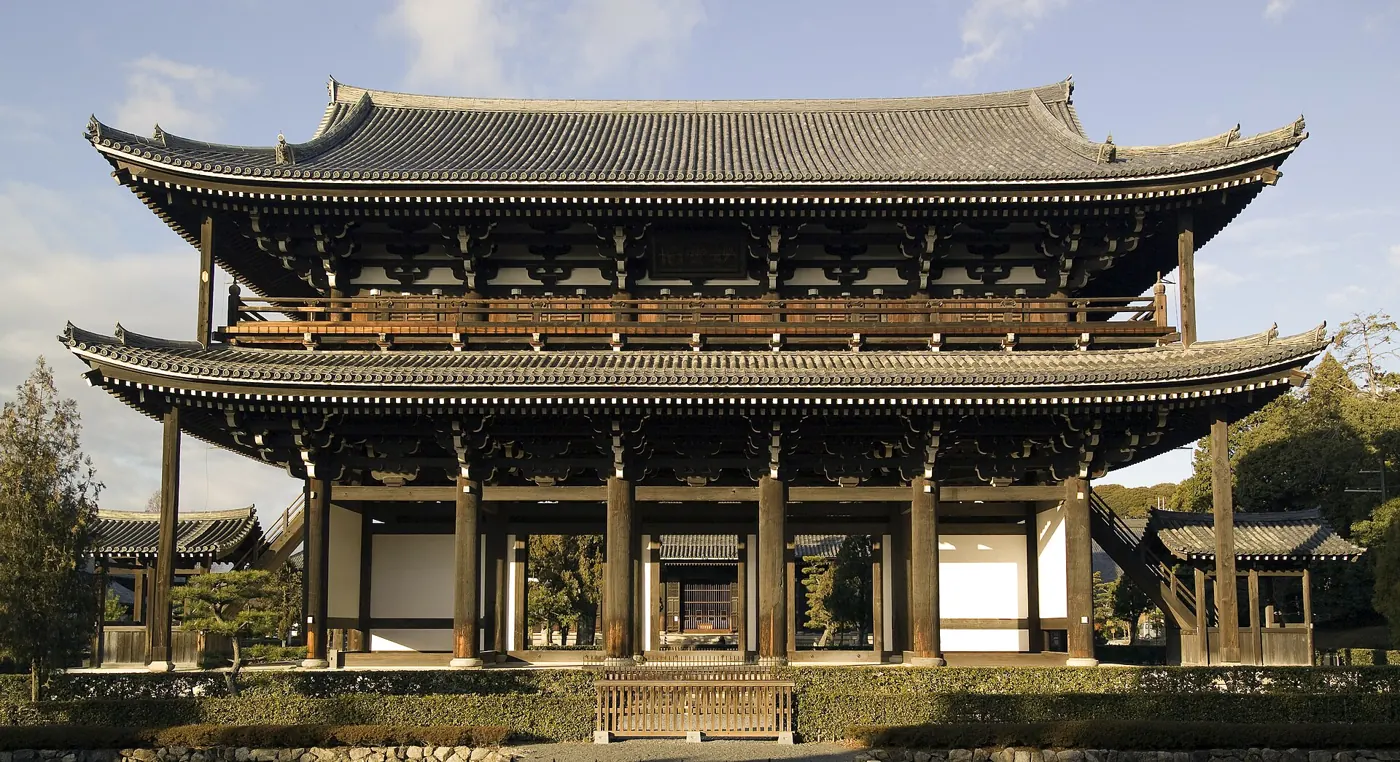 Sanmon三門
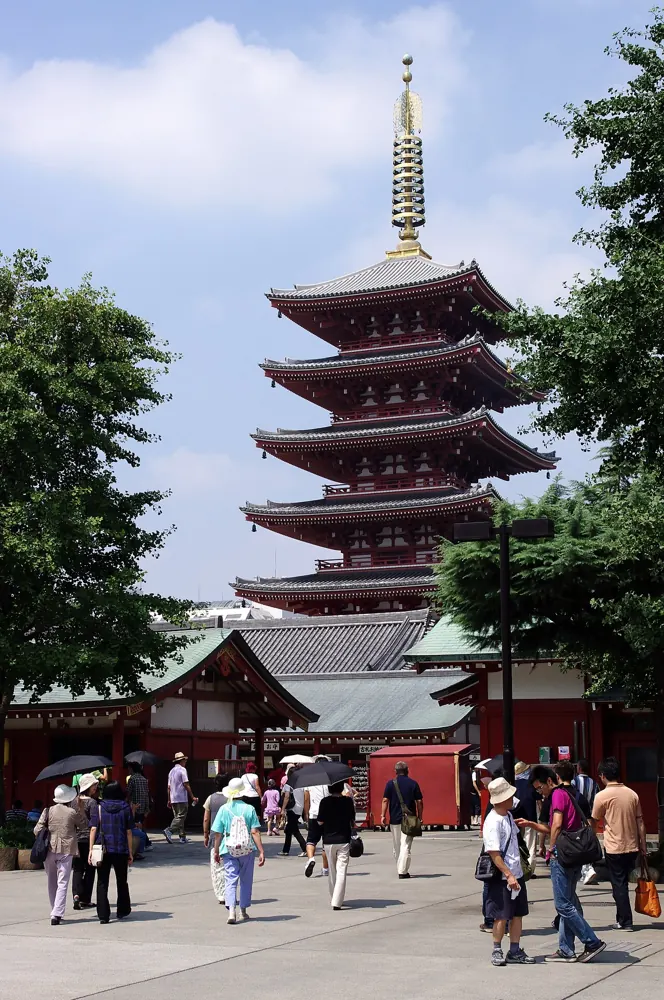 Pagoda五重塔
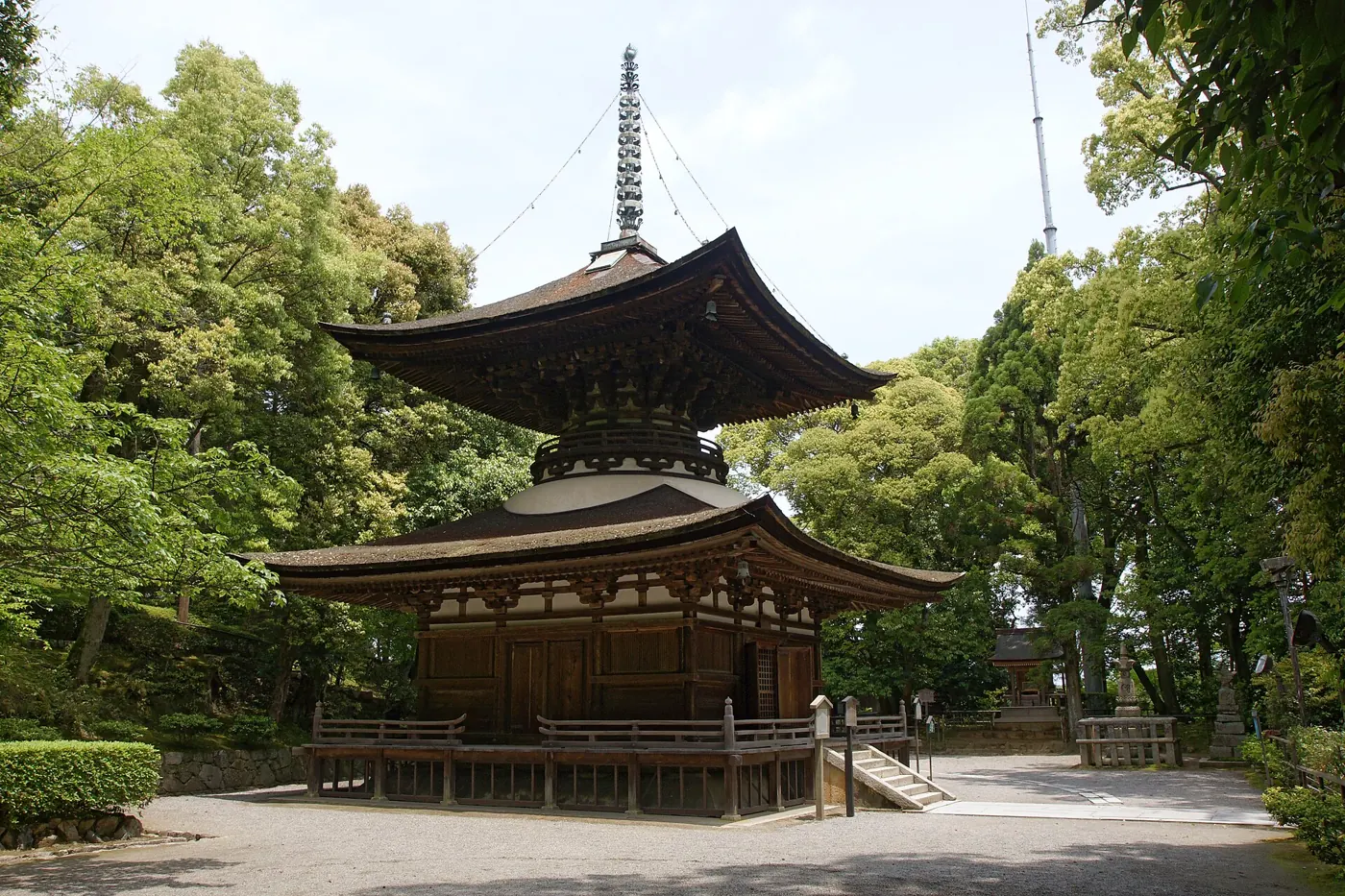 Tahōtō多宝塔
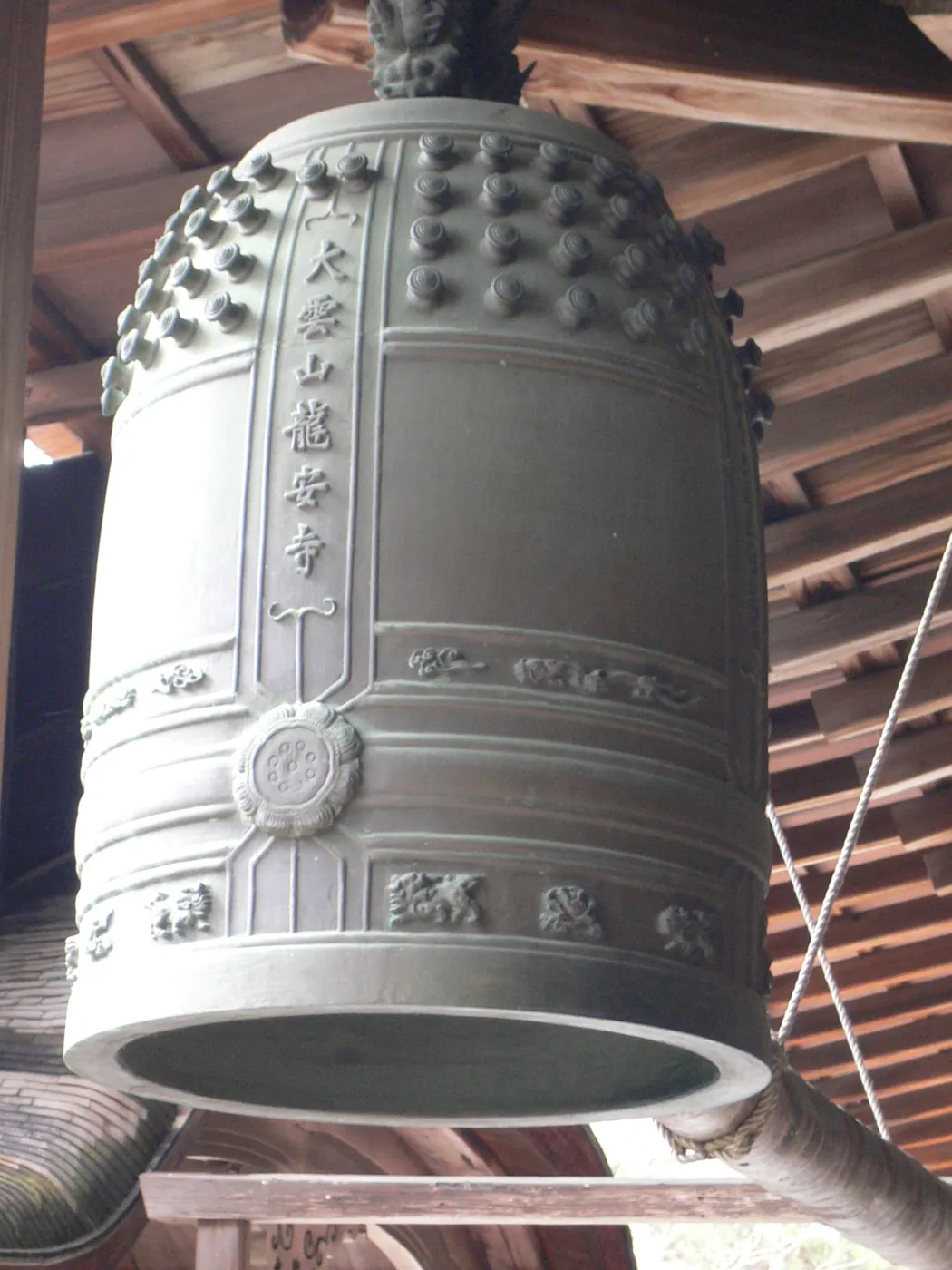 Bonshō梵鐘
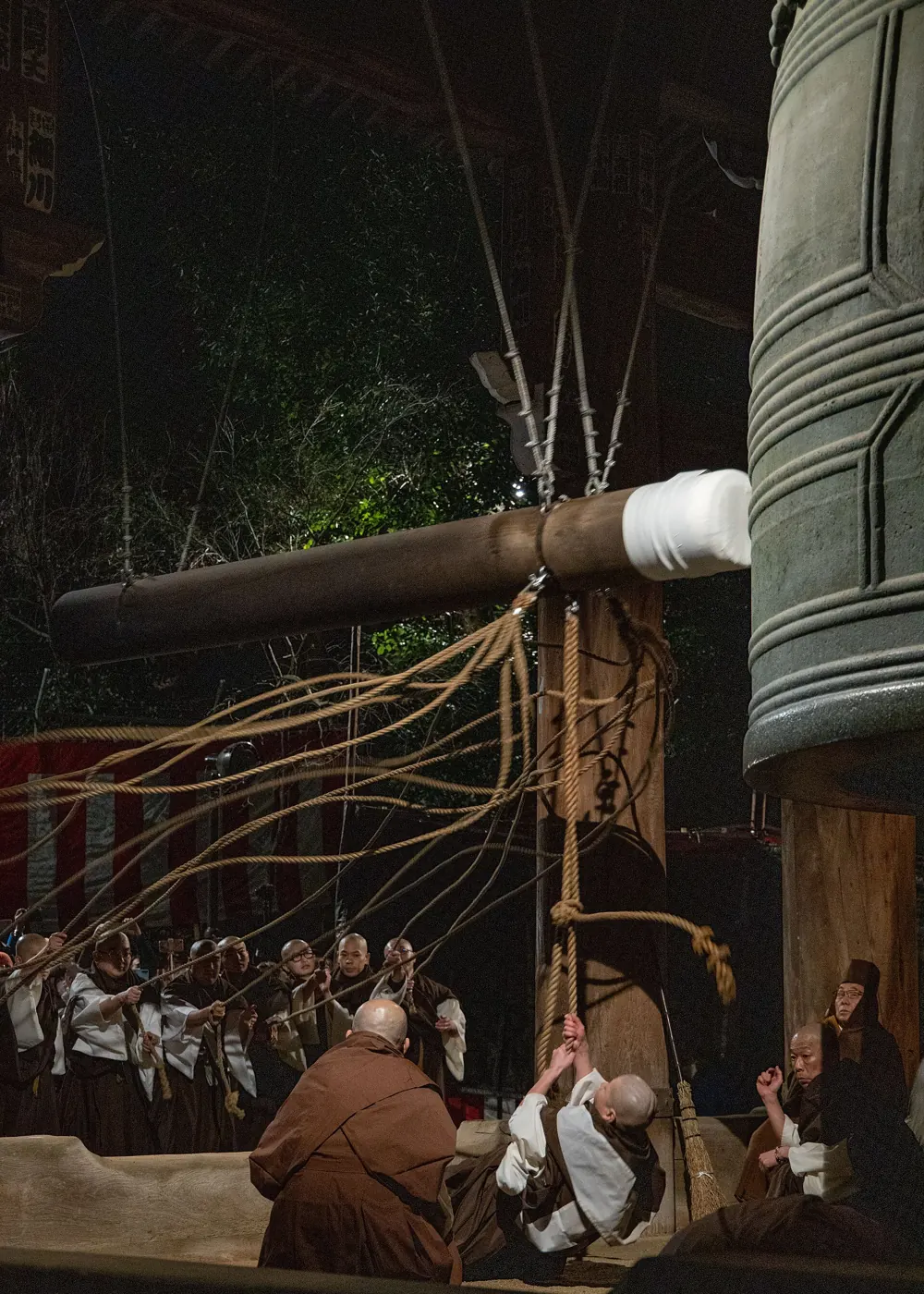 Joya no kane除夜の鐘
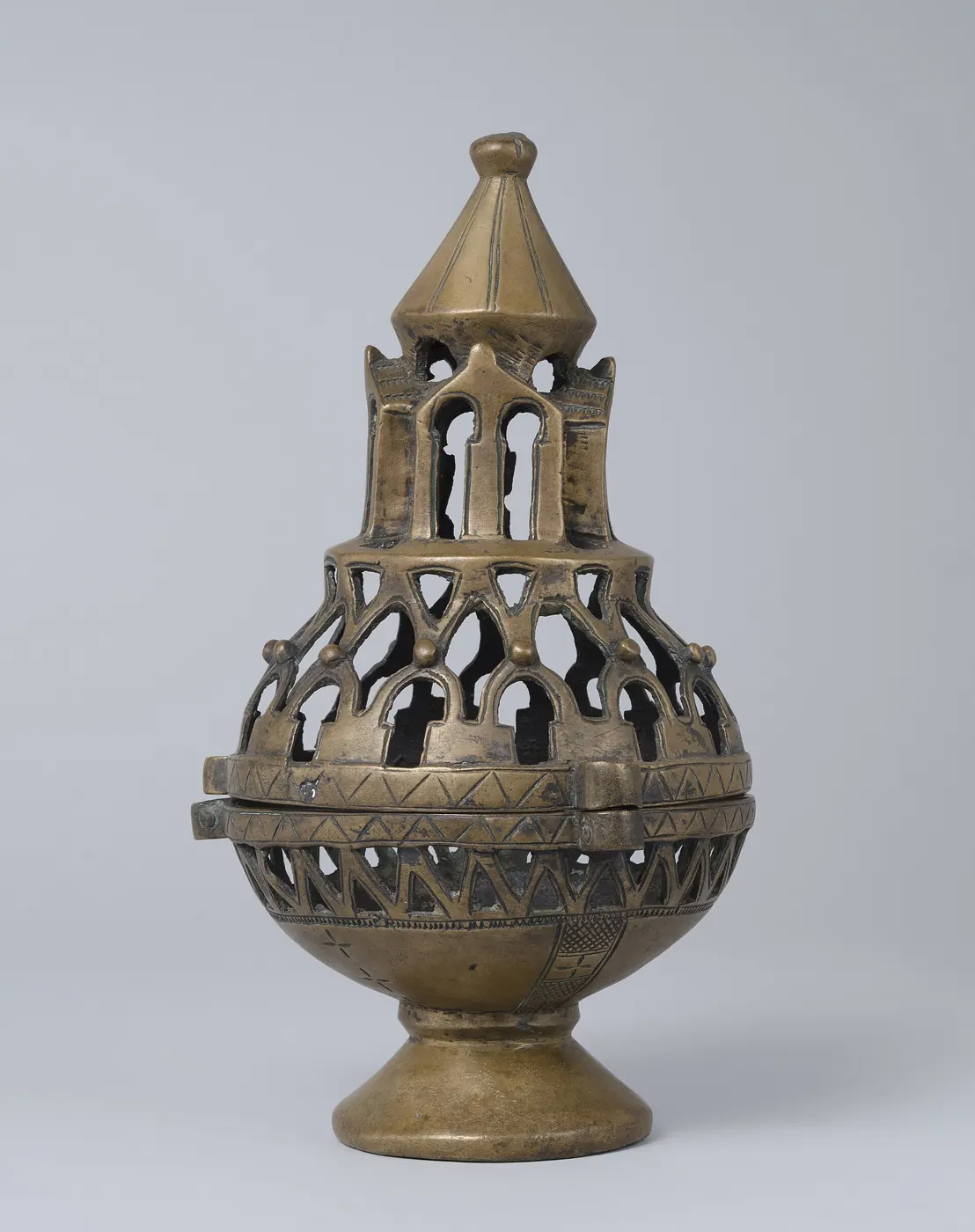 Kōro香炉
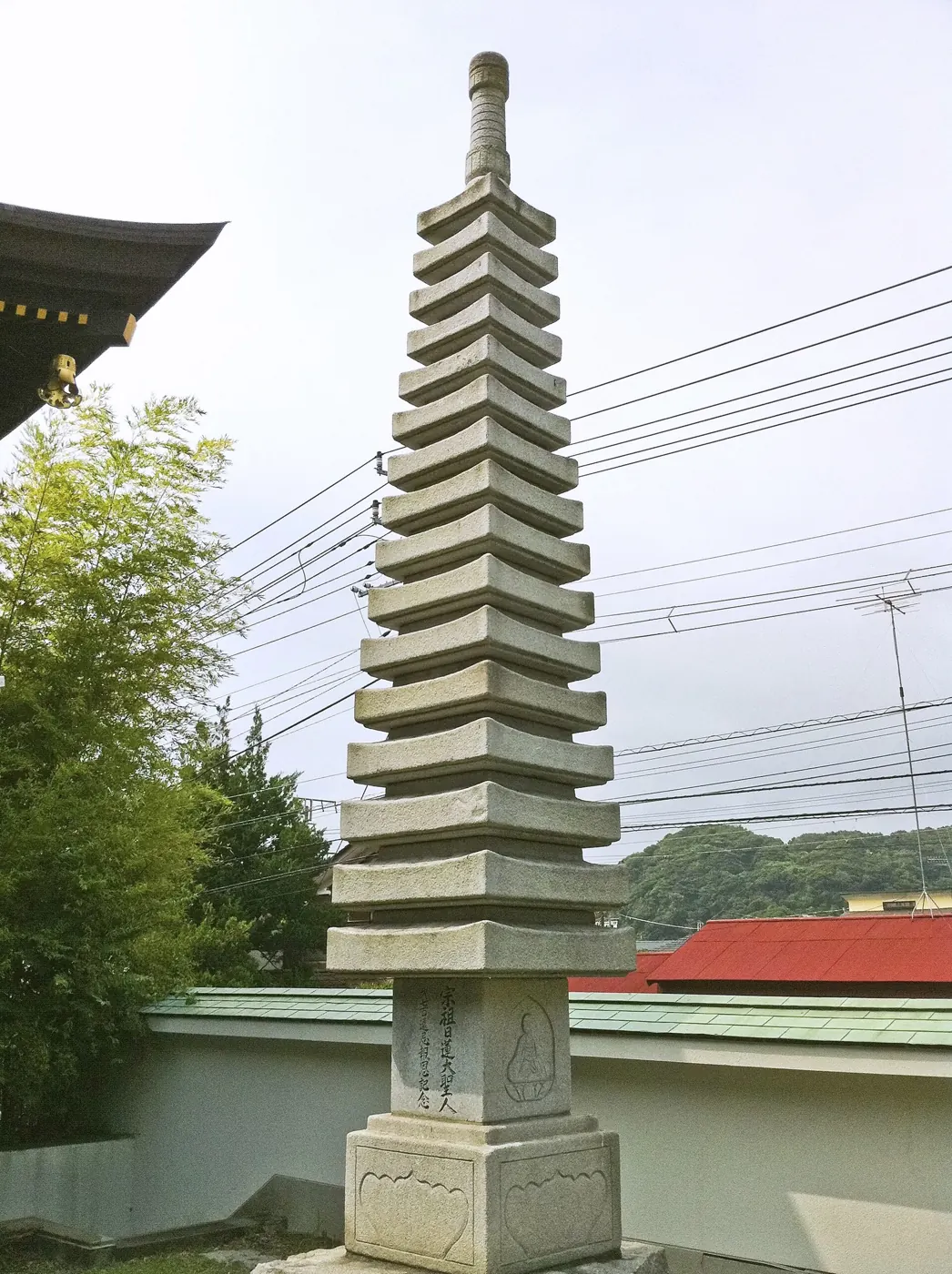 Sotobaストゥーパ
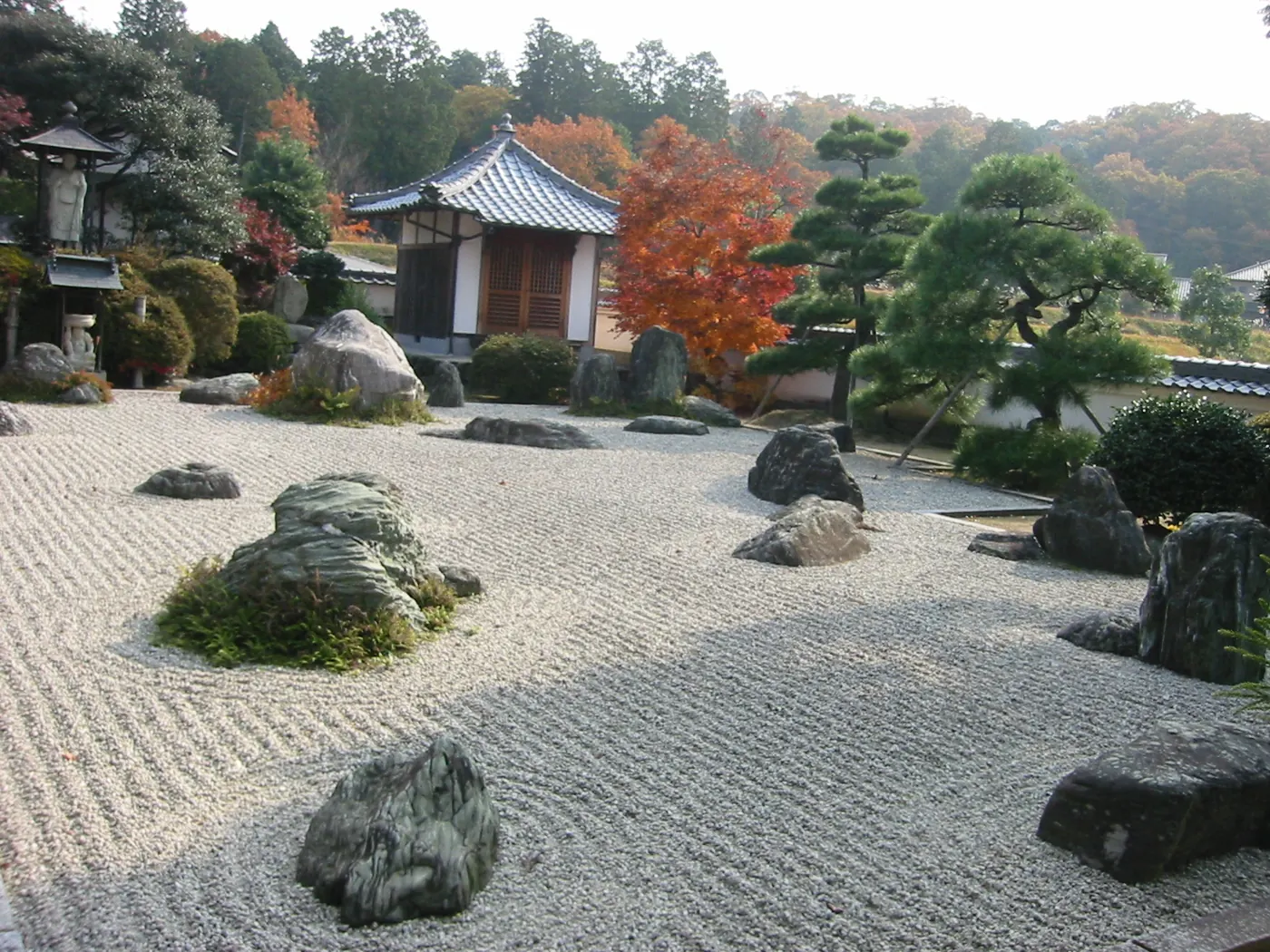 Karesansui枯山水
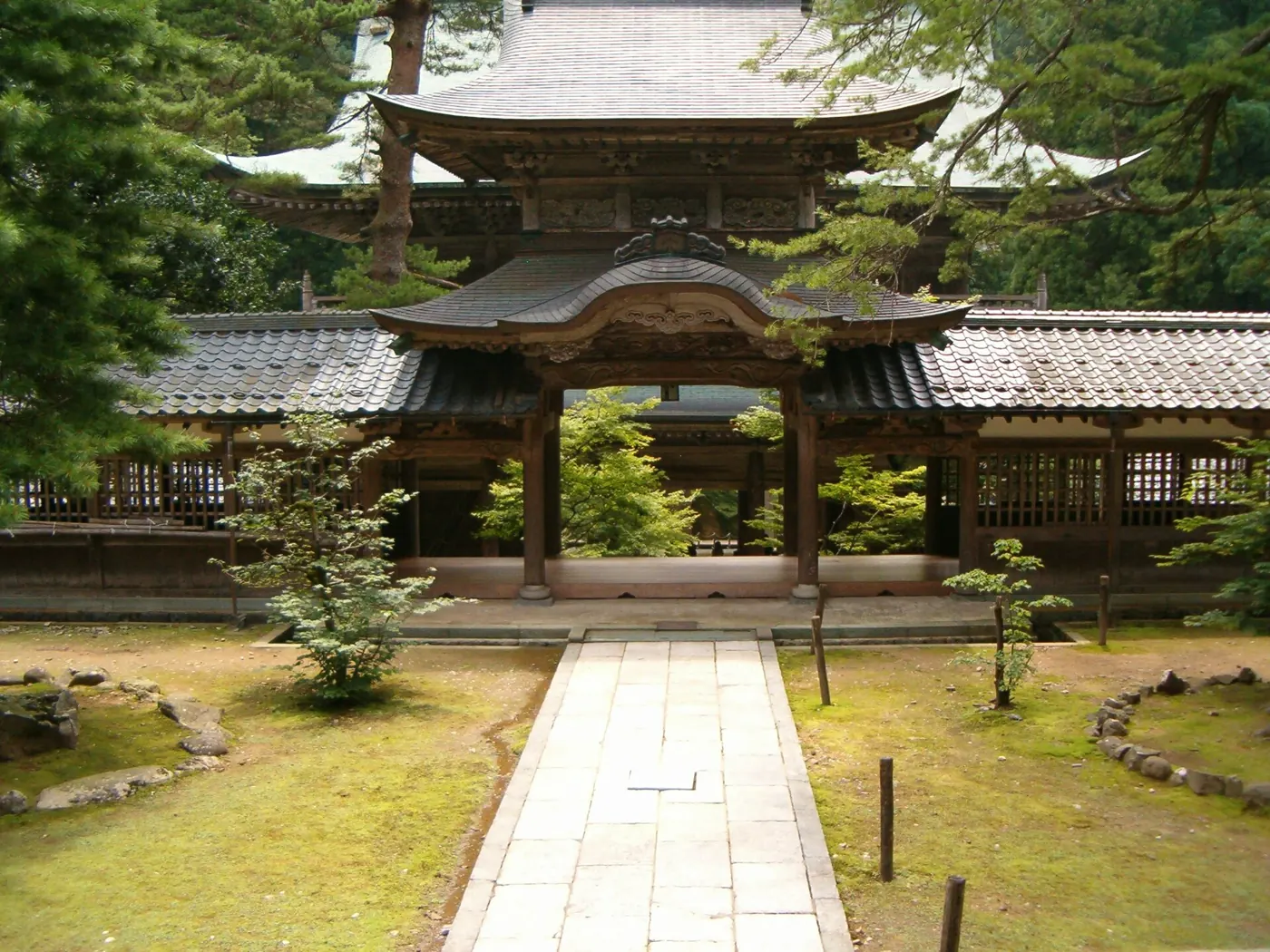 Zen禅宗
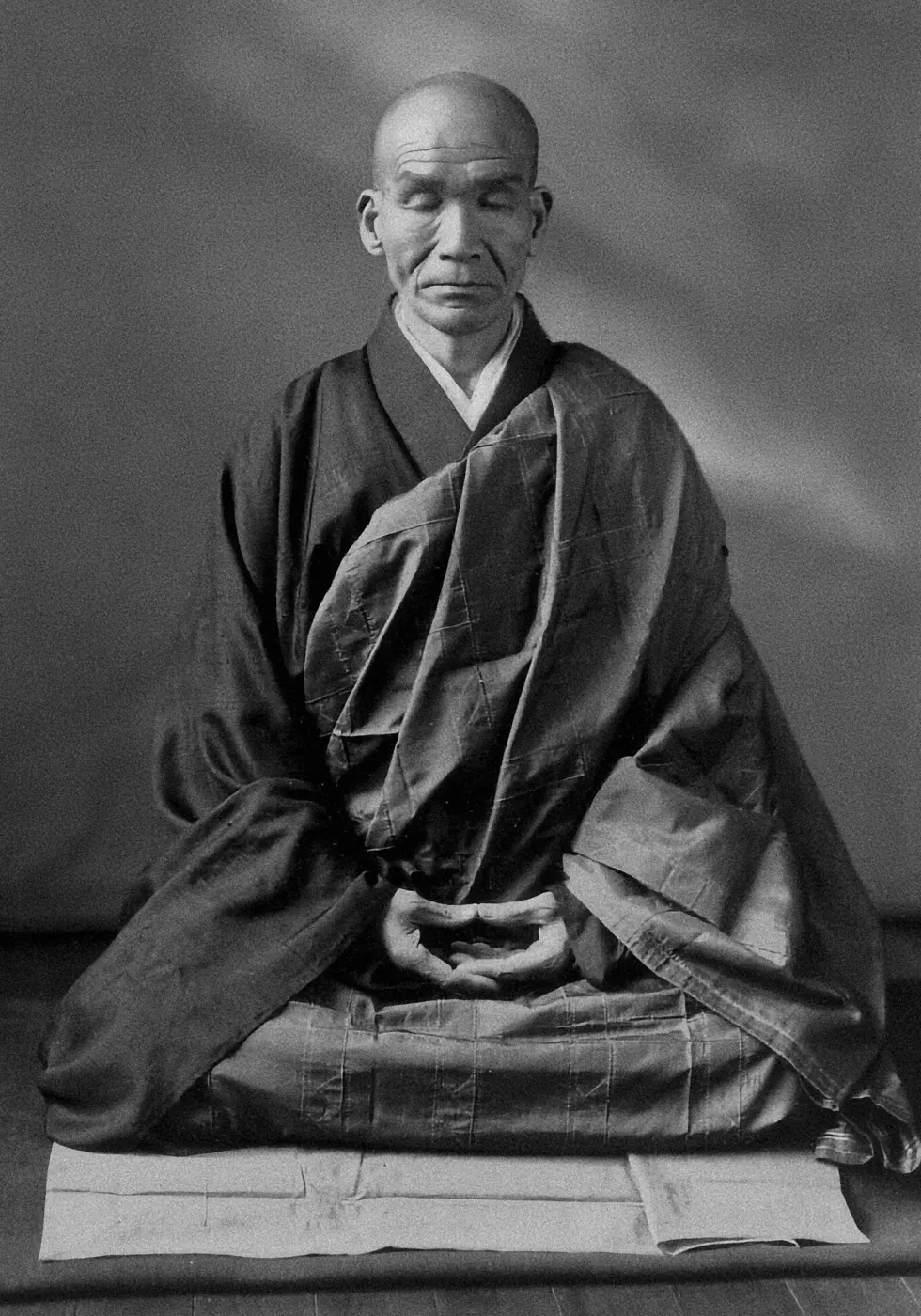 Zazen坐禅
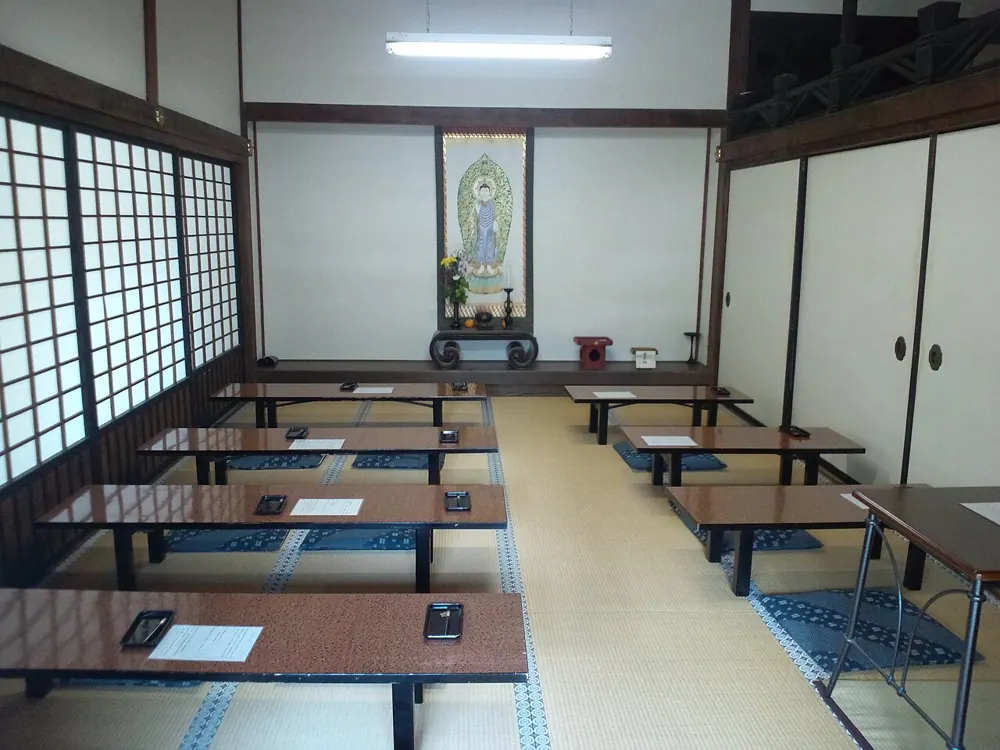 Shakyō写経
Open the scanner and compare →