Hall of Three Sutras 西室、三経院
Official explanation
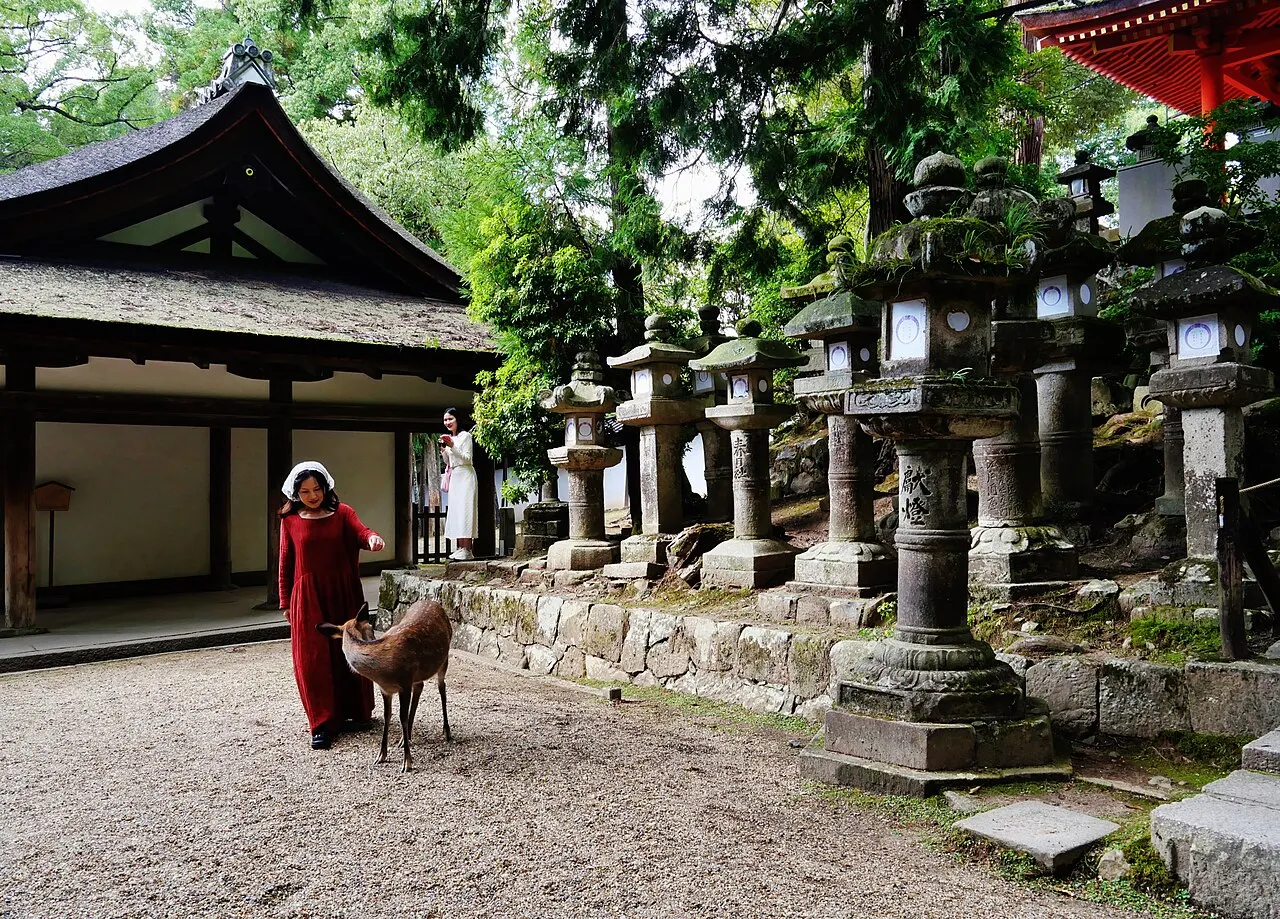
The Sangyo-in was rebuilt in 1231 and the Nishimuro in 1268 after fires destroyed the original buildings. The Nishimuro served as sleeping quarters for temple monks. The Sangyo-in takes its name from the Sangyo gisho, or Annotated Commentaries on the Three Sutras. This group of commentaries on Buddhist texts is attributed to the founder of Horyuji Temple, Prince Shotoku (574–622). The commentaries date to the year 615, making them possibly the oldest extant writings in Japan. Every year from May to August, lectures known as Ango are held at the Nishimuro, and monks lecture on the sutra commentaries that make up the Sangyo gisho written by Prince Shotoku.
出典: 地域観光資源の多言語解説文データベース(観光庁) — www.mlit.go.jp/tagengo-db. この英語解説文は観光庁の地域観光資源の多言語解説整備支援事業で作成しました。
Source: Japan Tourism Agency, Multilingual Explanation Database. This English text was produced by the Japan Tourism Agency's multilingual explanation project and is shown unedited. Opening hours and services may have changed since it was written.
旅Nara tours
Live prices and reviews from GetYourGuide. Many tours can be cancelled for free — check each listing.
Ad: we may earn a commission if you book through these links, at no extra cost to you.
Treasure hunts nearby
Getting there
Hotels in Nara
Ad: we may earn a commission if you book through these links, at no extra cost to you.
More temples in Nara
Open the scanner and compare →