What is this? › Buddhas, kami & lucky gods
七福神Shichifukujin (Seven Lucky Gods)
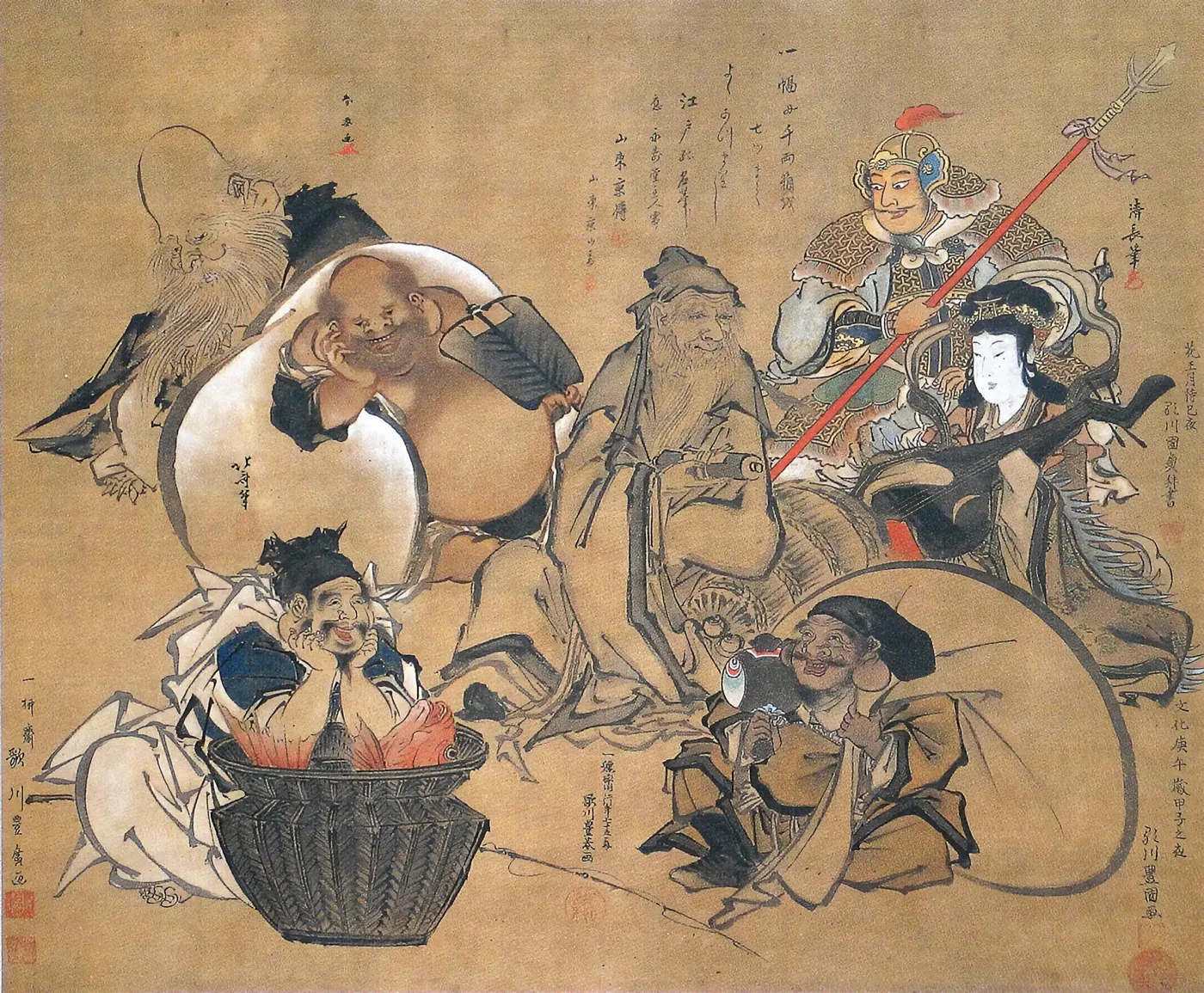
In Japanese mythology, the Seven Lucky Gods or Seven Gods of Fortune (七福神, Shichifukujin; Japanese pronunciation:) are believed to grant good luck and are often represented in netsuke and in artworks. One of the seven (Jurōjin) is said to be based on a historical figure.
They all began as remote and impersonal gods, but gradually became much closer canonical figures for certain professions and Japanese arts. During the course of their history, the mutual influence between gods has created confusion about which of them was the patron of certain professions. The worship of this group of gods is also due to the importance of the number seven in Japan, supposedly a signifier of good luck.
Text from Wikipedia: Seven Lucky Gods — CC BY-SA 4.0. Read more on Wikipedia →
Japan Tourism Agency explanations
旅Try it yourself: Shichifukujin (Seven Lucky Gods)
Live prices and reviews from GetYourGuide. Many tours can be cancelled for free — check each listing.
Ad: we may earn a commission if you book through these links, at no extra cost to you.
Compare whether a rail pass saves money on your route before you buy tickets.
Check prices →Japan eSIM / mobile data
Ad: we may earn a commission if you book through these links, at no extra cost to you.
問Questions visitors ask
What is Shichifukujin (Seven Lucky Gods)?
In Japanese mythology, the Seven Lucky Gods or Seven Gods of Fortune (七福神, Shichifukujin; Japanese pronunciation: [ɕi̥.
仏Buddhas, kami & lucky gods
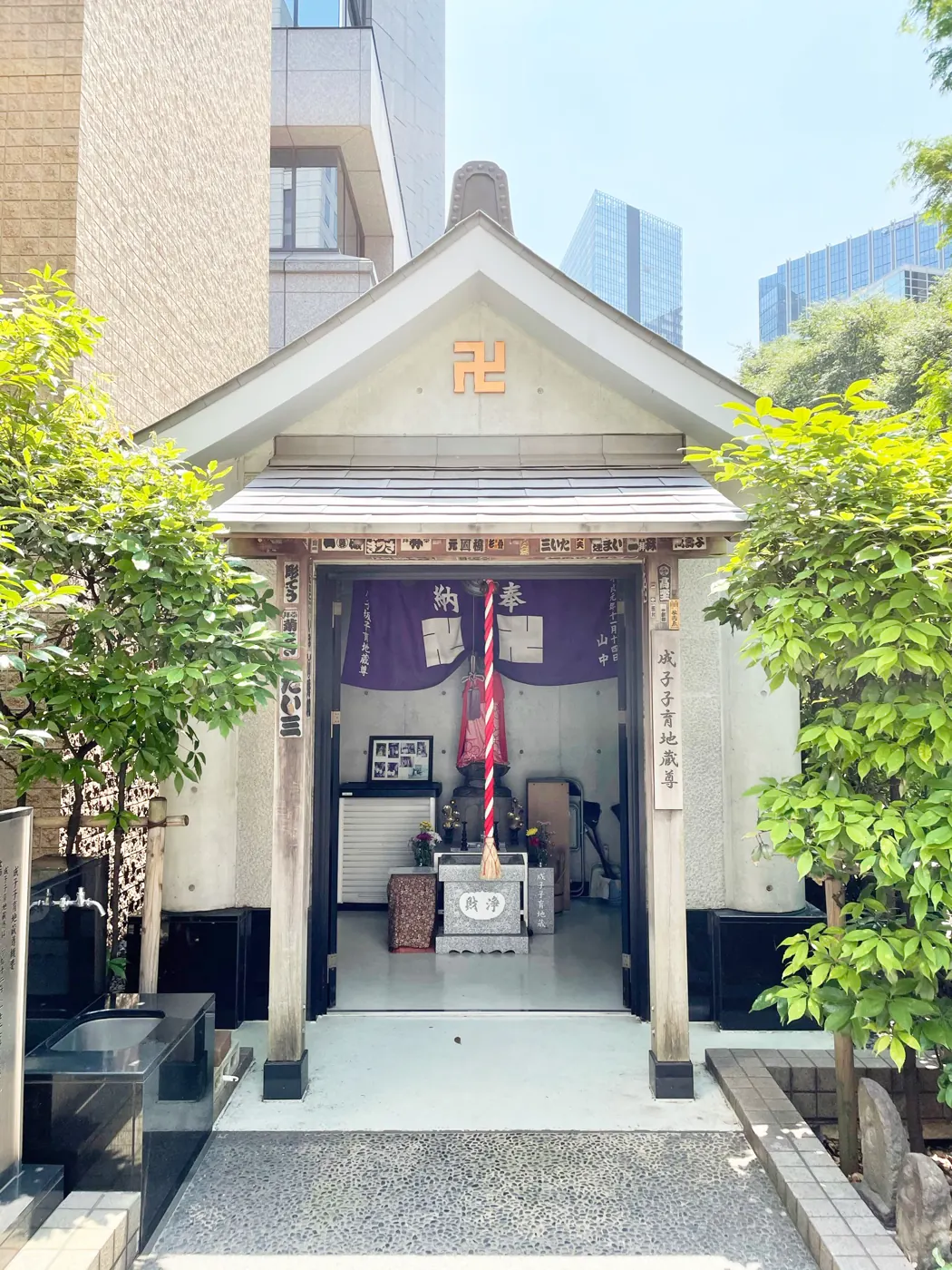 Jizō地蔵菩薩
 Kannon観世音菩薩
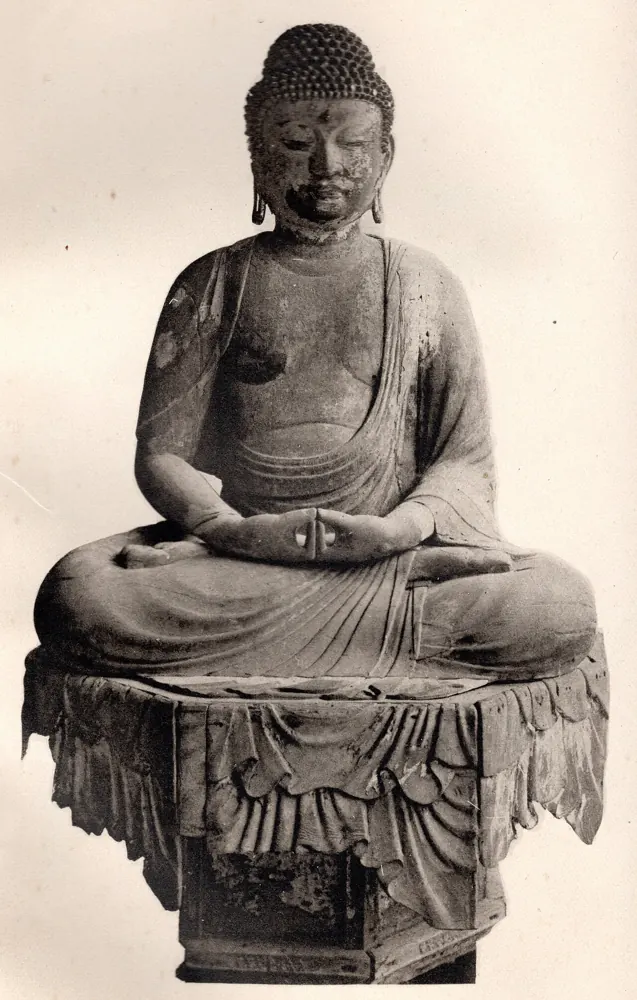 Amida Buddha阿弥陀如来
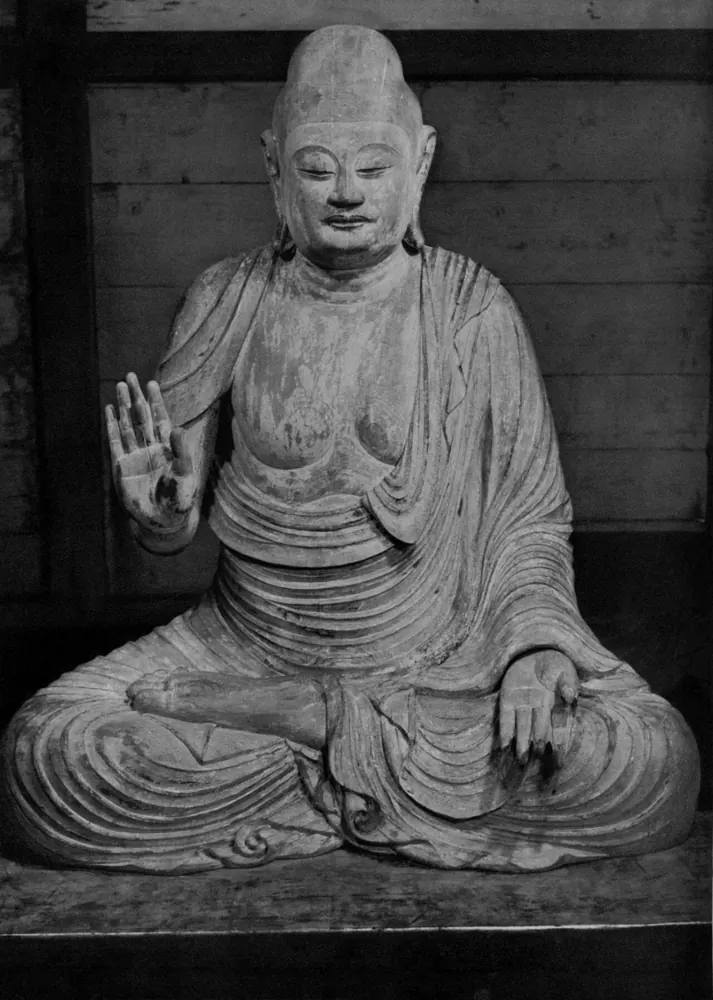 Shaka釈迦如来
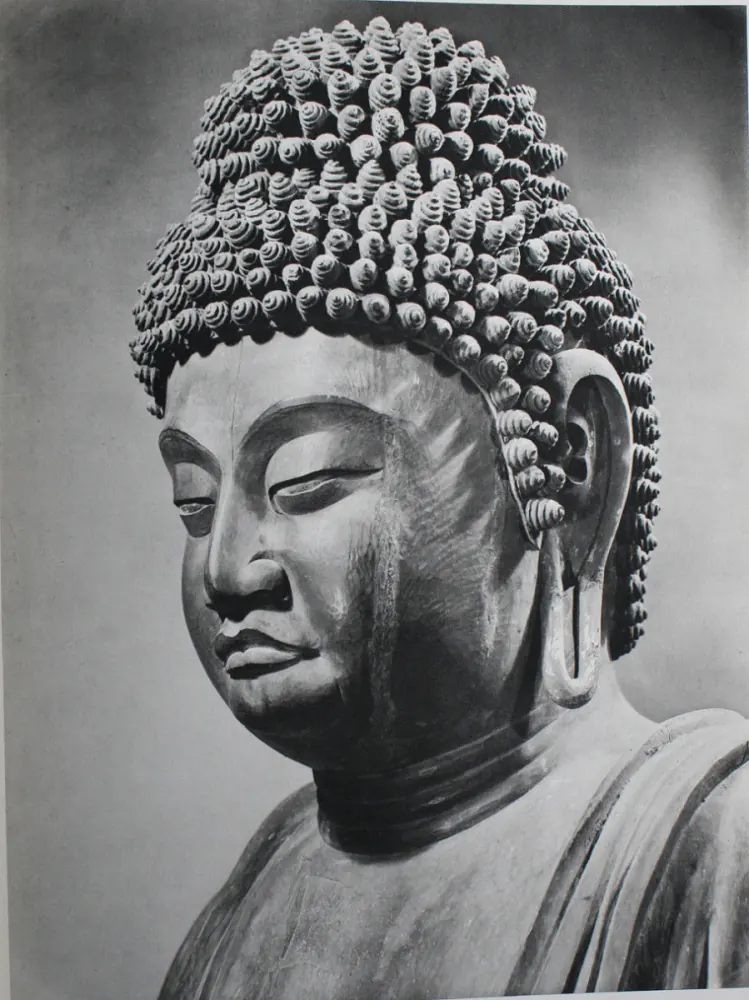 Yakushi薬師如来
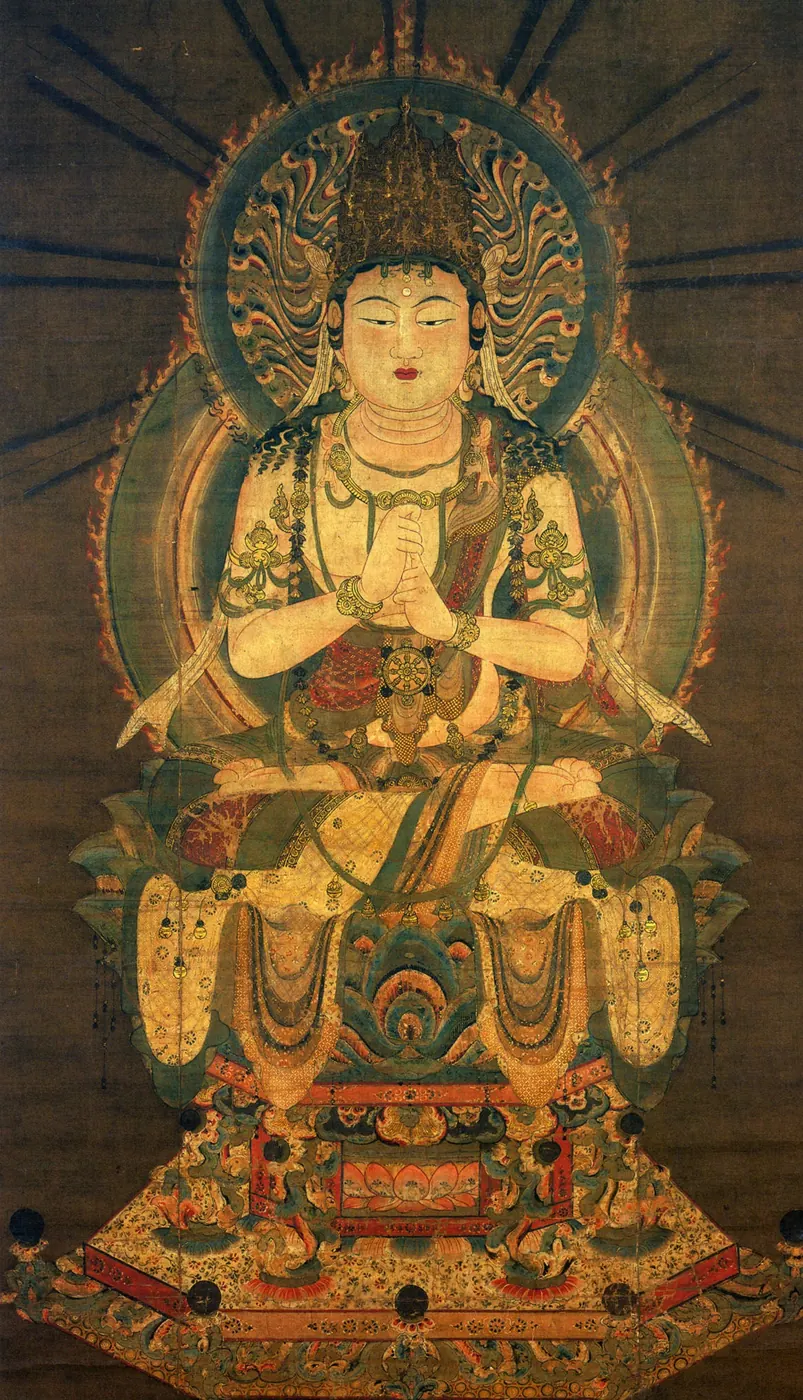 Dainichi大日如来
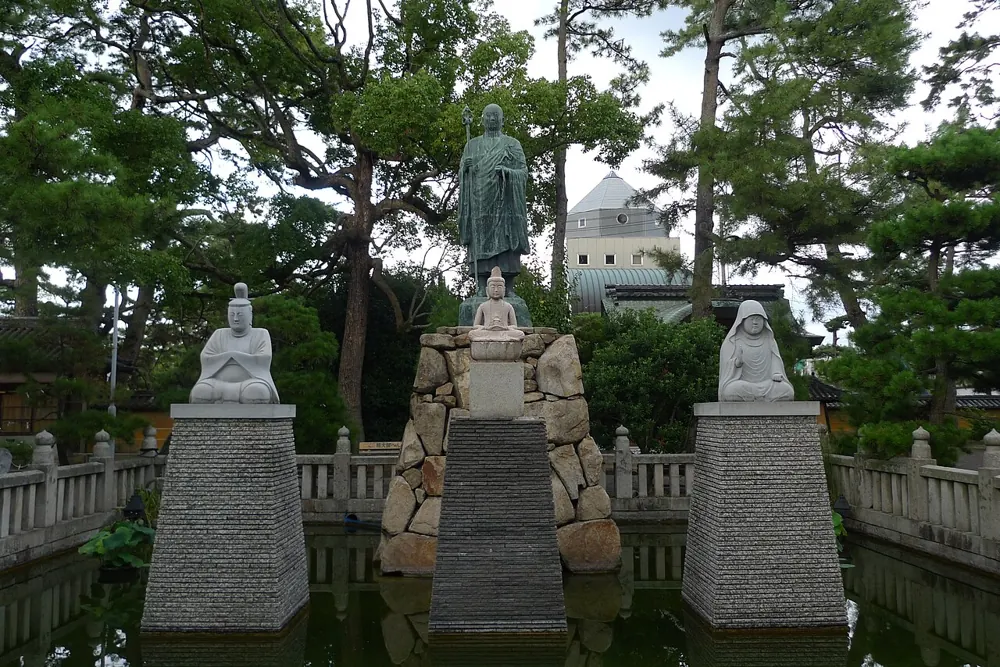 Miroku弥勒菩薩
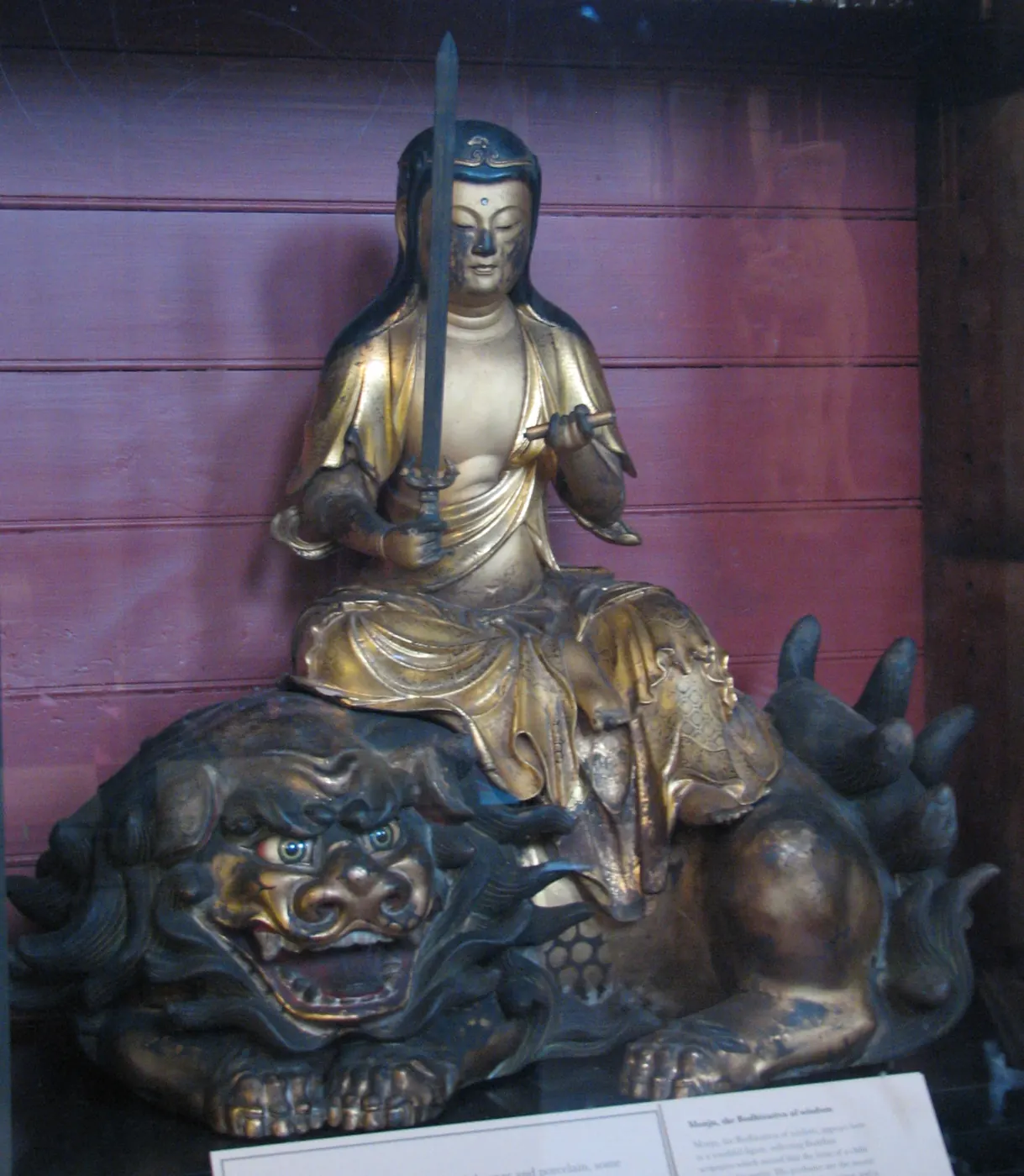 Monju文殊菩薩
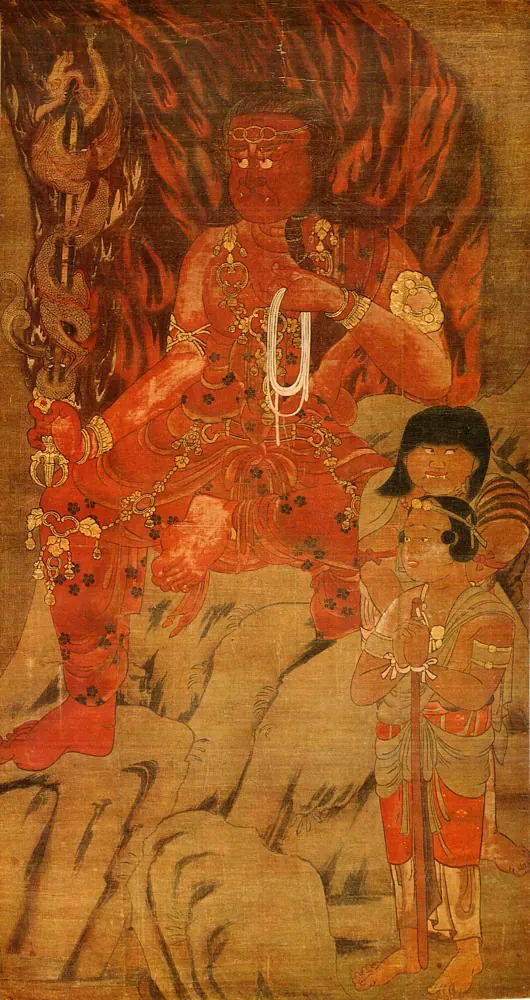 Fudō Myōō不動明王
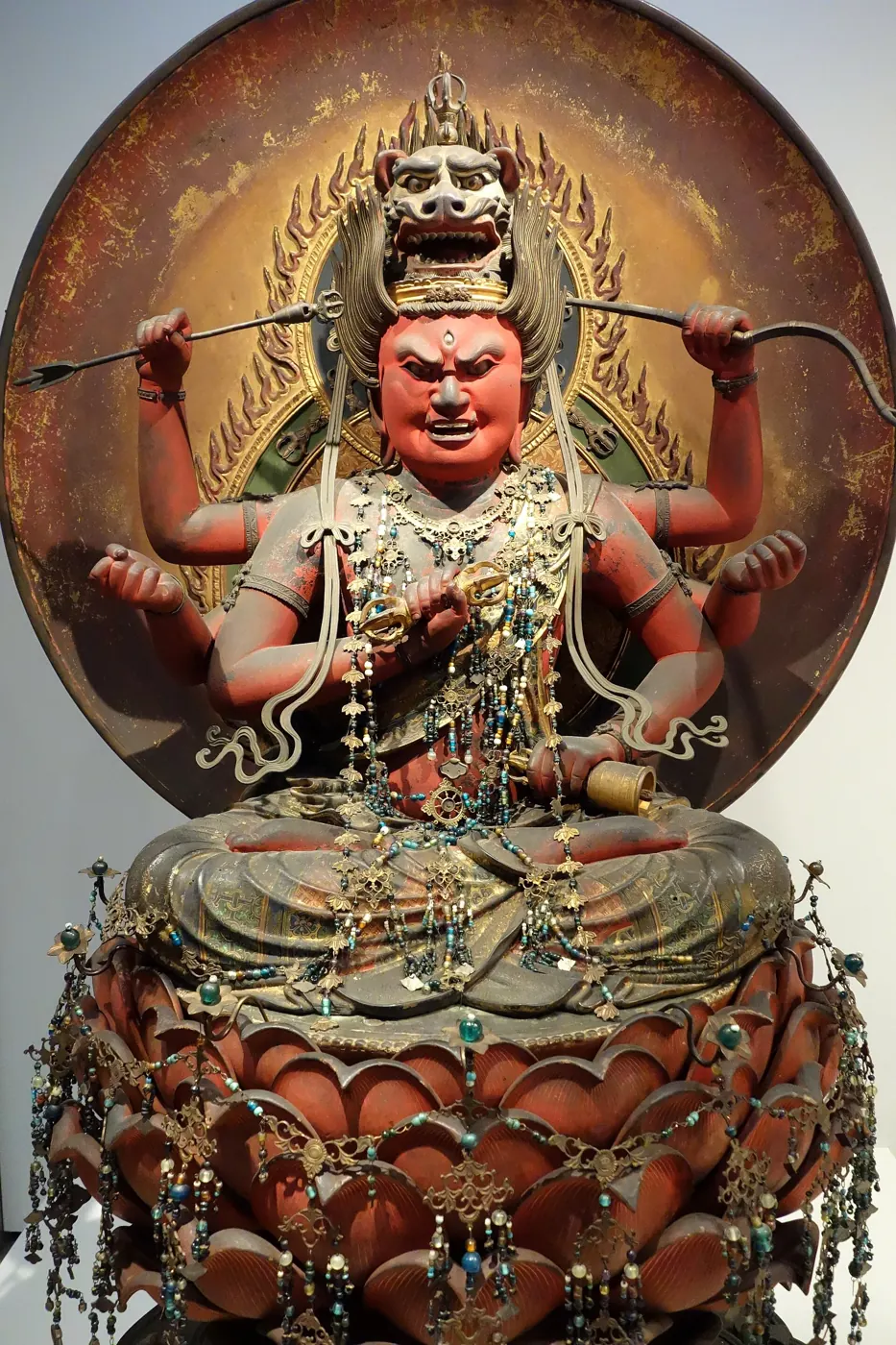 Aizen Myōō愛染明王
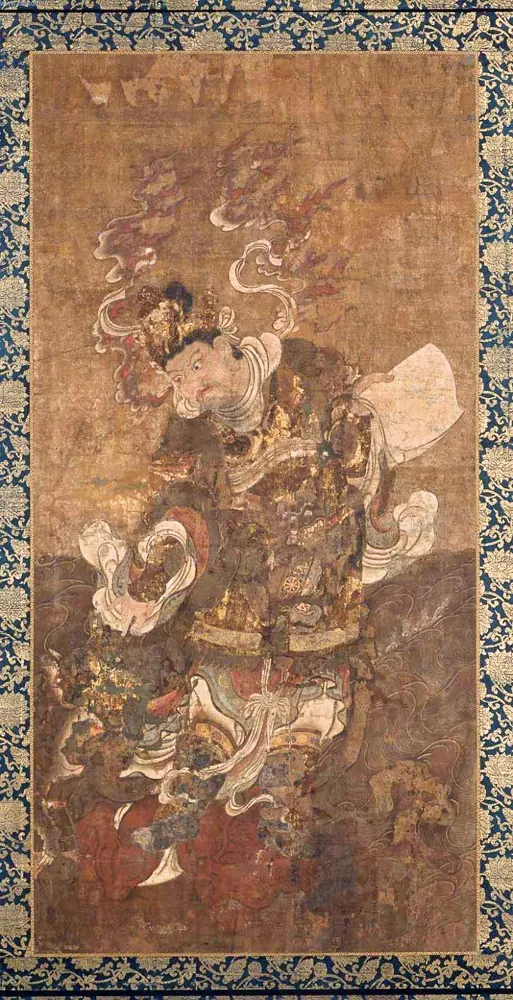 Shitennō四天王
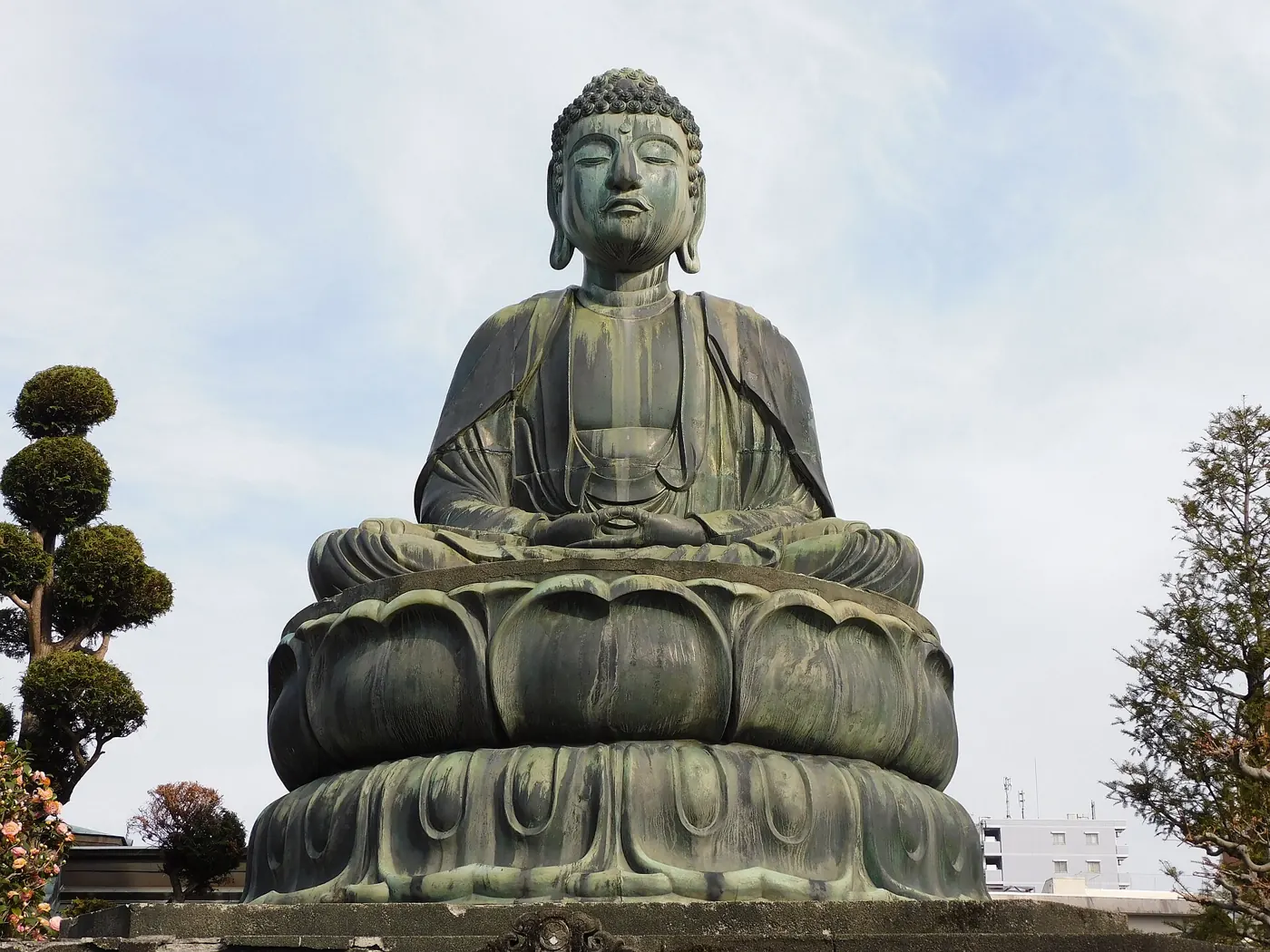 Daibutsu大仏
Open the scanner and compare →