Itsukushima Shrine: Images of Three Lucky Gods 厳島神社:三福神の絵
Official explanation
The Seven Lucky Gods in Japanese mythology are a common motif for ema paintings presented to shrines as a sign of one’s faith and as a gift to please the deities. The Lucky Gods are Ebisu, the god of prosperity and commerce; Daikokuten, agriculture; Bishamonten, protection against evil; Benzaiten, beauty and the arts; Fukurokuju, wisdom and longevity; Jurojin, health and longevity; and Hotei, happiness. References to these deities as a group first emerged in the Muromachi period (1336–1573), although each figure has its own history of origin. Some have roots in Buddhism, others in Hinduism, and Ebisu is purely Japanese.
These three hanging scrolls depict Daikokuten, Jurojin, and Hotei and are the work of Kano Tanyu (1602–1674). Tanyu was one of the foremost artists of the Kano school, which enjoyed the favor of the government and dominated the world of painting in Japan throughout most of the Edo period (1603–1868). How the scrolls ended up at Itsukushima Shrine is unfortunately not clear.
出典: 地域観光資源の多言語解説文データベース(観光庁) — www.mlit.go.jp/tagengo-db. この英語解説文は観光庁の地域観光資源の多言語解説整備支援事業で作成しました。
Source: Japan Tourism Agency, Multilingual Explanation Database. This English text was produced by the Japan Tourism Agency's multilingual explanation project and is shown unedited. Opening hours and services may have changed since it was written.
旅Hiroshima & Miyajima tours
Live prices and reviews from GetYourGuide. Many tours can be cancelled for free — check each listing.
See all Hiroshima & Miyajima tours →
Ad: we may earn a commission if you book through these links, at no extra cost to you.
Things you may see here
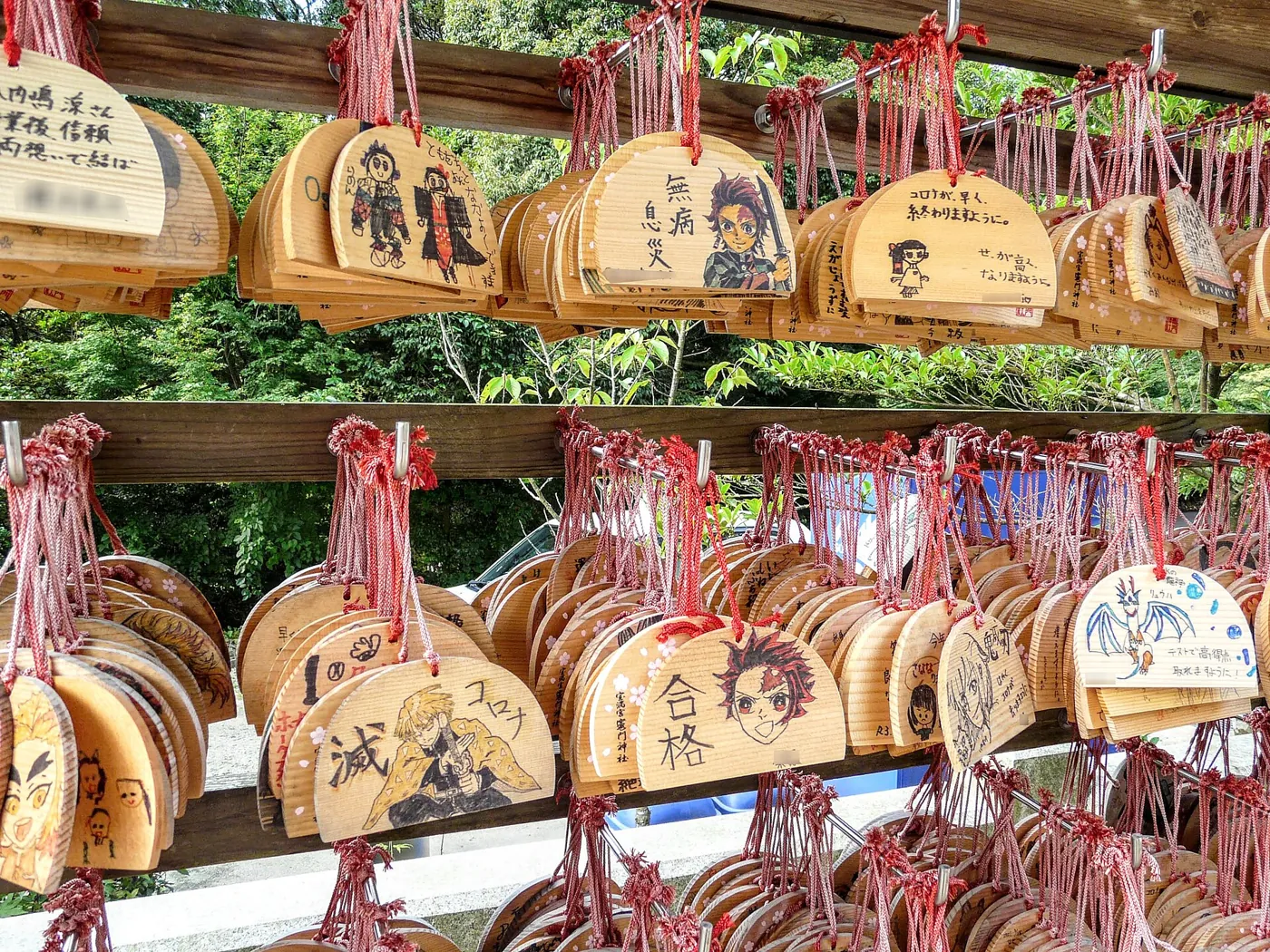 Ema絵馬
Treasure hunts nearby
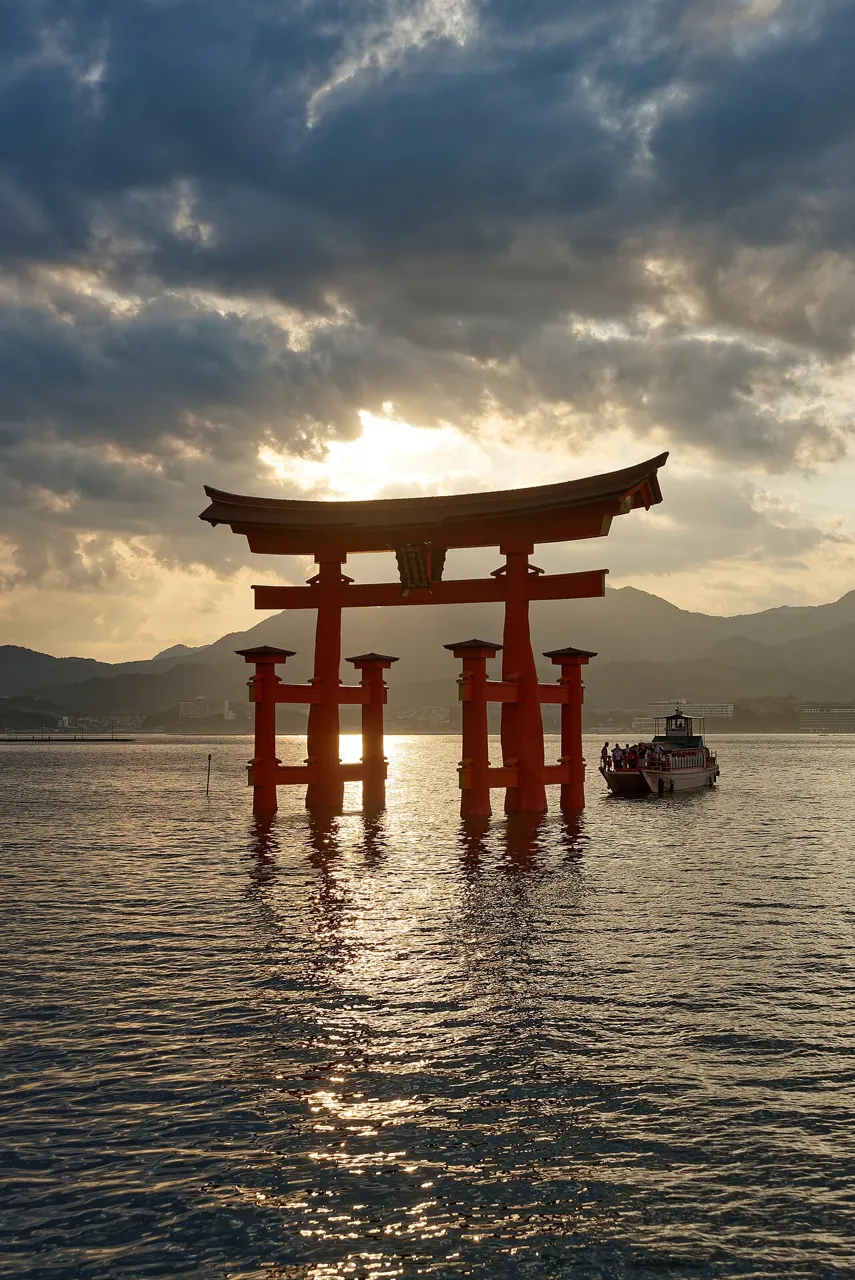
Getting there
Stay overnight on Miyajima
Ad: we may earn a commission if you book through these links, at no extra cost to you.
More shrines in Hiroshima
Open the scanner and compare →