Tanden’an Temple (Rakugakidera) 単伝庵(らくがき寺)
Official explanation
Tanden’an Temple is popularly known as Rakugakidera, “the graffiti temple.” In an unusual tradition, visitors write their wishes or prayers directly on the inside walls of its Daikokudo hall to help the enshrined deity Daikokuten see them better. This replaces the more common practice of writing wishes on small wooden tablets and hanging them outside a shrine or temple hall.
Daikokuten is a god of wealth and one of the Seven Gods of Fortune. The small statue at Tanden’an is called Hashiri Daikoku, “the running Daikokuten,” because the deity is carved as if mid-stride. According to temple legend, the statue was made from a piece of the kusunoki camphor tree that Kusunoki Masashige (1294?–1336), a prominent warrior and military commander, donated to the nearby Iwashimizu Hachimangu Shrine in prayer for victory in battle.
Read the full explanation
The origins of Tanden’an are unknown, but existing records show that it was reestablished in 1711 by Zuio (1664–1734), a monk from the Myoshinji school of Rinzai Zen Buddhism. The temple was relocated several times and eventually fell into disrepair in the early twentieth century. With support and donations from the community, it was revived in its present form in the 1950s.
Tanden’an is a small Buddhist temple popularly known as Rakugakidera, “the graffiti temple.” When a new hall was built to house the temple’s statue of the deity Daikokuten, it became tradition to write wishes or prayers directly on the inside walls to help the deity see them better. This replaces the more common practice of writing wishes on small wooden tablets called ema and hanging them outside a shrine or temple hall. In late December, the monks repaint the interior in preparation for the new year, when visitors can once again start writing on the white walls.
The origins of Tanden’an are unknown, but existing records show that it was reestablished in 1711 by Zuio (1664–1734), a monk from the Myoshinji school of Rinzai Zen Buddhism. The temple was relocated several times and eventually fell into disrepair in the early twentieth century. A newly appointed chief abbot collected alms to revive the temple, which included building the new Daikokudo hall in 1957.
The small statue enshrined in the hall portrays Daikokuten, a god of wealth and one of the Seven Gods of Fortune. The statue is called Hashiri Daikoku, “the running Daikokuten,” because the deity is carved as if mid-stride. He carries a large sack on his back and a mallet in his hand, both symbolizing prosperity. According to temple legend, the statue was made from a piece of the kusunoki camphor tree that Kusunoki Masashige (1294?–1336), a prominent warrior and military commander, donated to the nearby Iwashimizu Hachimangu Shrine in prayer for victory in battle.
In addition to Daikokudo, Tanden’an has a two-story main hall, which houses the principal object of worship, a recent statue of Shakyamuni Buddha, as well as a statue of Kannon, the bodhisattva of compassion, kept at the temple for more than 200 years. The Jizodo hall enshrines the bodhisattva Jizo, the savior of all sentient beings, and several other small altars are placed in the temple’s well-tended garden.
Tanden’an is open for visiting on Saturdays, Sundays, and New Year holidays. Group visits are possible on weekdays with prior reservation by phone. Please note that inquiries are accepted only in Japanese.
出典: 地域観光資源の多言語解説文データベース(観光庁) — www.mlit.go.jp/tagengo-db. この英語解説文は観光庁の地域観光資源の多言語解説整備支援事業で作成しました。
Source: Japan Tourism Agency, Multilingual Explanation Database. This English text was produced by the Japan Tourism Agency's multilingual explanation project and is shown unedited. Opening hours and services may have changed since it was written.
旅Kyoto tours
Live prices and reviews from GetYourGuide. Many tours can be cancelled for free — check each listing.
Ad: we may earn a commission if you book through these links, at no extra cost to you.
Things you may see here
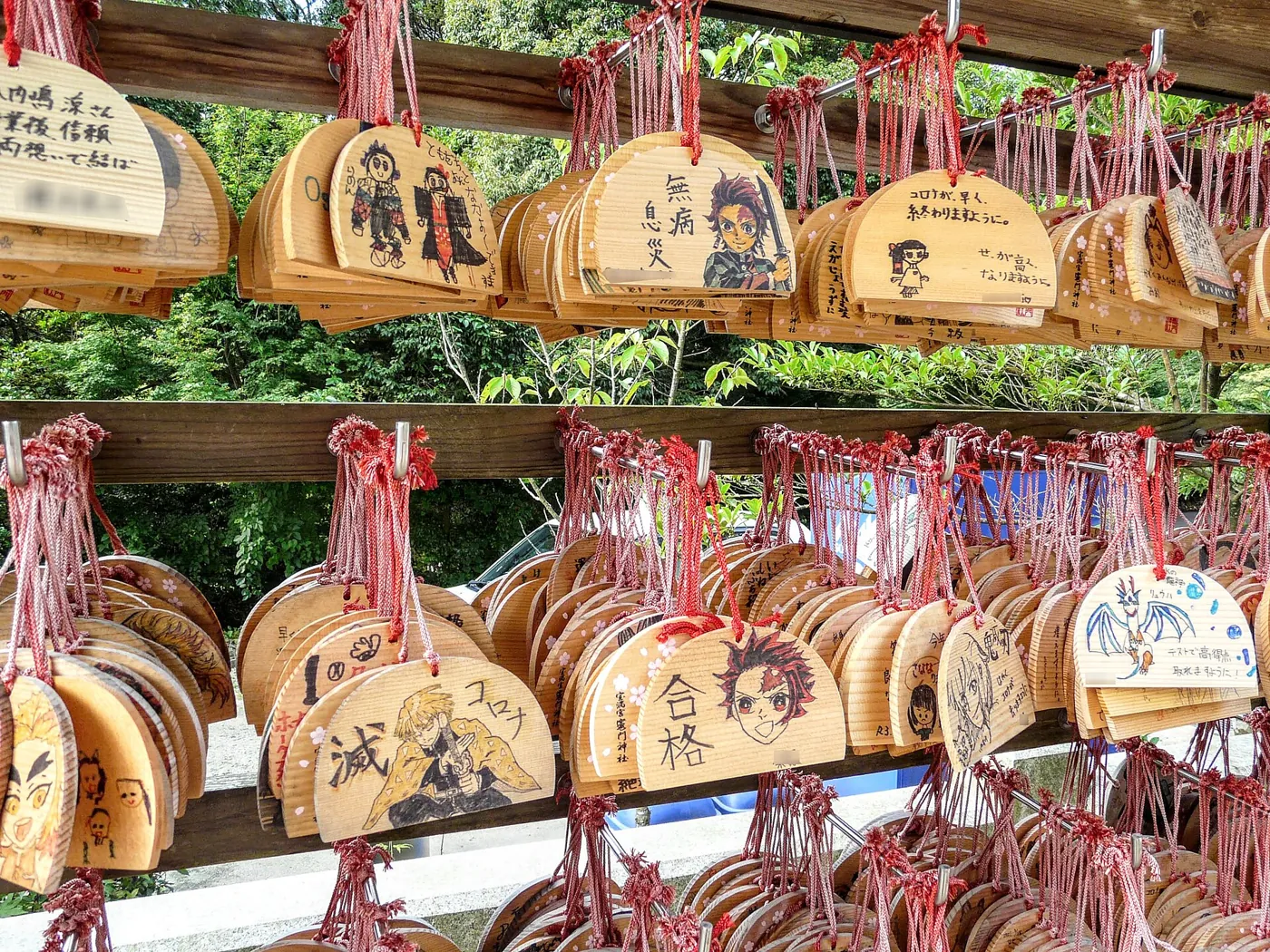 Ema絵馬
Treasure hunts nearby
Getting there
Hotels near Kyoto Station
Ad: we may earn a commission if you book through these links, at no extra cost to you.
More temples in Kyoto
Open the scanner and compare →