What is this? › Crafts & everyday objects
和紙Washi (Japanese paper)
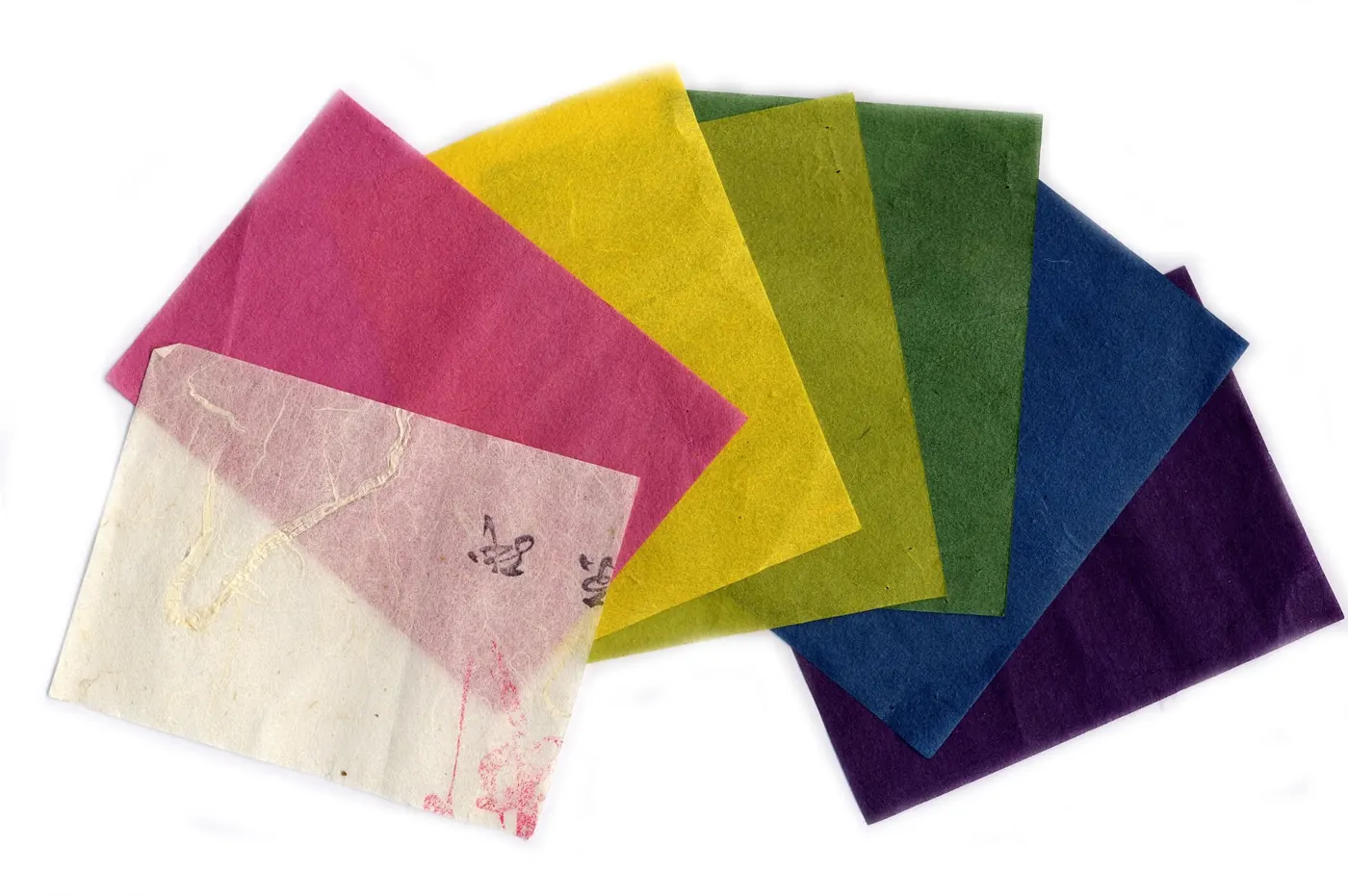
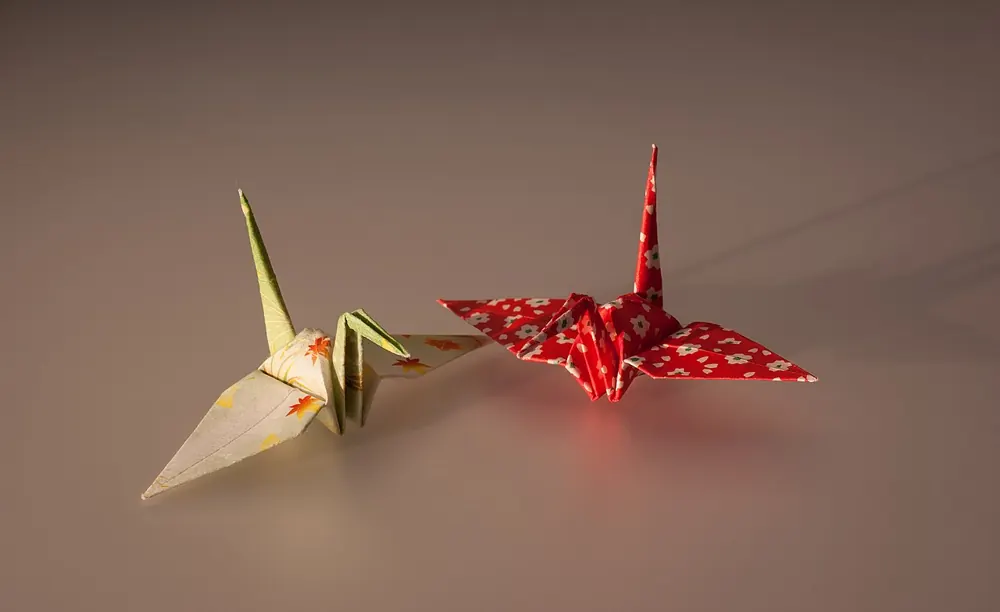
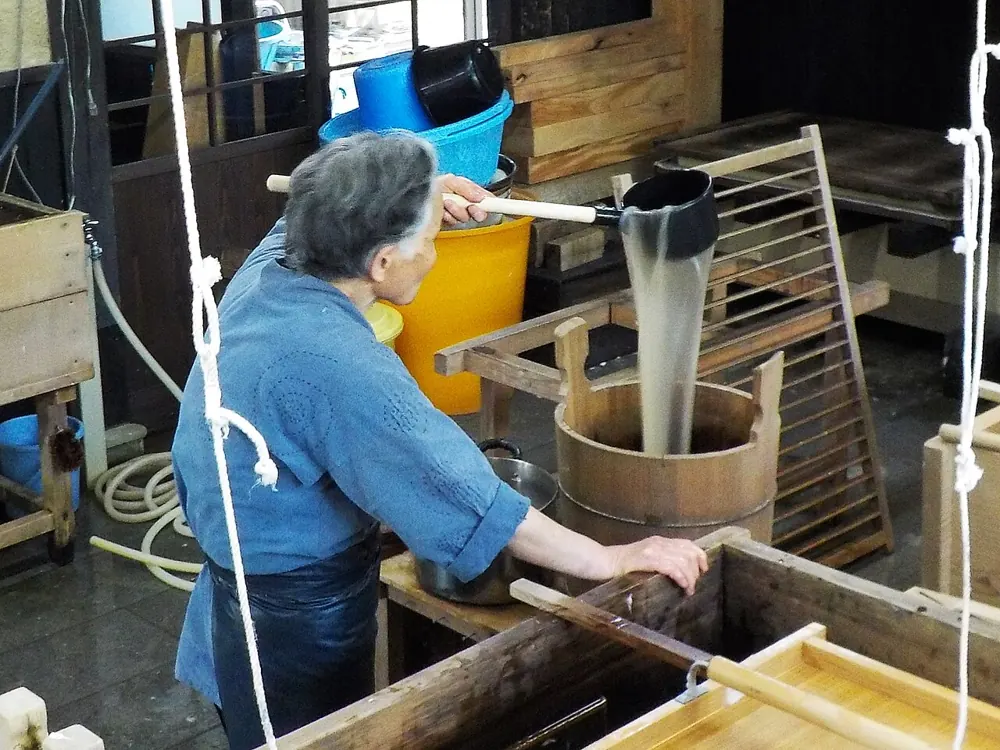
Washi (和紙) is traditional Japanese paper processed by hand using fibers from the inner bark of the gampi tree, the mitsumata shrub (Edgeworthia chrysantha), or the paper mulberry (kōzo) bush. Washi is used in many traditional Japanese arts, such as origami, shodō, and ukiyo-e. It was traditionally used to make various everyday goods like clothes, household goods, and toys, as well as vestments and ritual objects for Shinto priests and statues of Buddhas. It was even used to make wreaths that were given to winners in the 1998 Winter Paralympics. As a Japanese craft, it is registered as a UNESCO intangible cultural heritage.
Because it is usually tougher than Western paper made from wood pulp, washi is often used to repair historically valuable cultural properties, paintings, and books at museums and libraries around the world, such as the Louvre and the Vatican Museums, because of its thinness, pliability, durability over 1000 years due to its low impurities, and high workability to remove it cleanly with moisture.
Text from Wikipedia: Washi — CC BY-SA 4.0. Read more on Wikipedia →
Japan Tourism Agency explanations
旅Try it yourself: Washi (Japanese paper)
Live prices and reviews from GetYourGuide. Many tours can be cancelled for free — check each listing.
Ad: we may earn a commission if you book through these links, at no extra cost to you.
Compare whether a rail pass saves money on your route before you buy tickets.
Check prices →Japan eSIM / mobile data
Ad: we may earn a commission if you book through these links, at no extra cost to you.
問Questions visitors ask
What is Washi (Japanese paper)?
Washi (和紙) is traditional Japanese paper processed by hand using fibers from the inner bark of the gampi tree, the mitsumata shrub (Edgeworthia chrysantha), or the paper mulberry (kōzo) bush.
工Crafts & everyday objects
 Katana日本刀
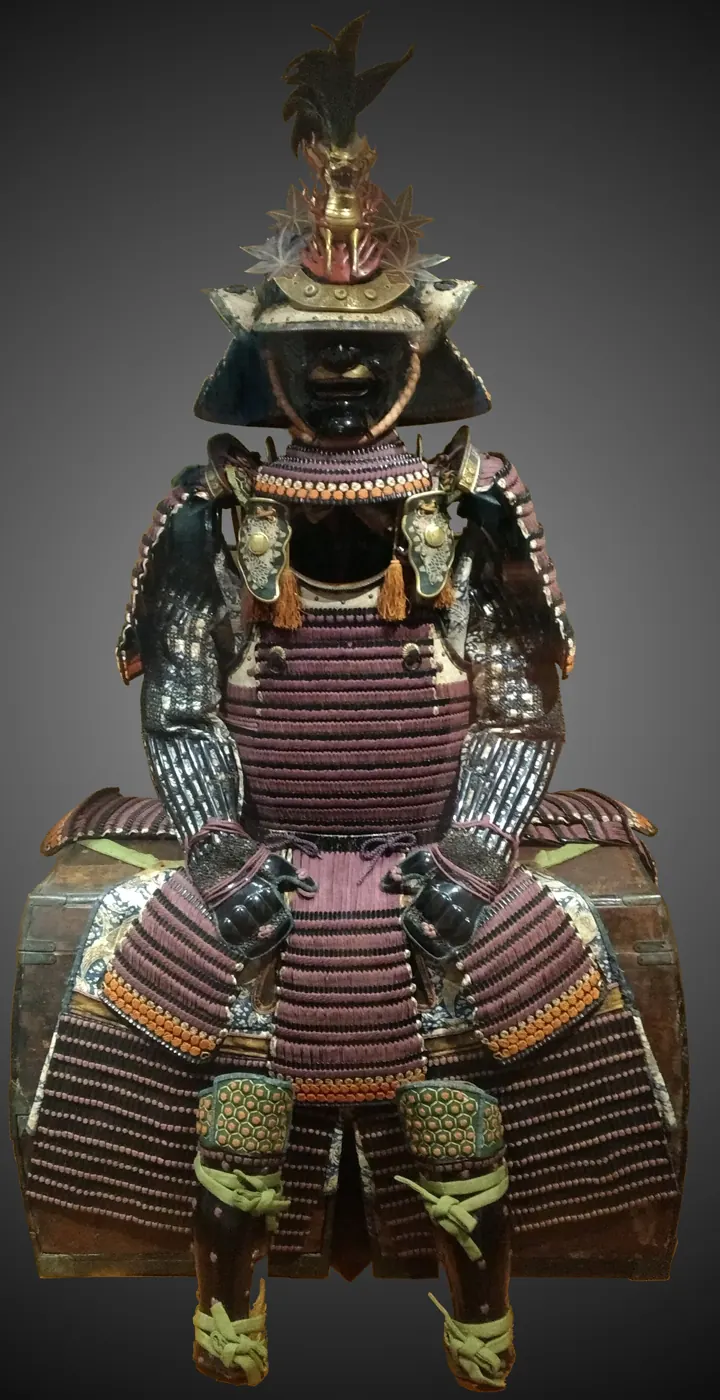 Yoroi甲冑
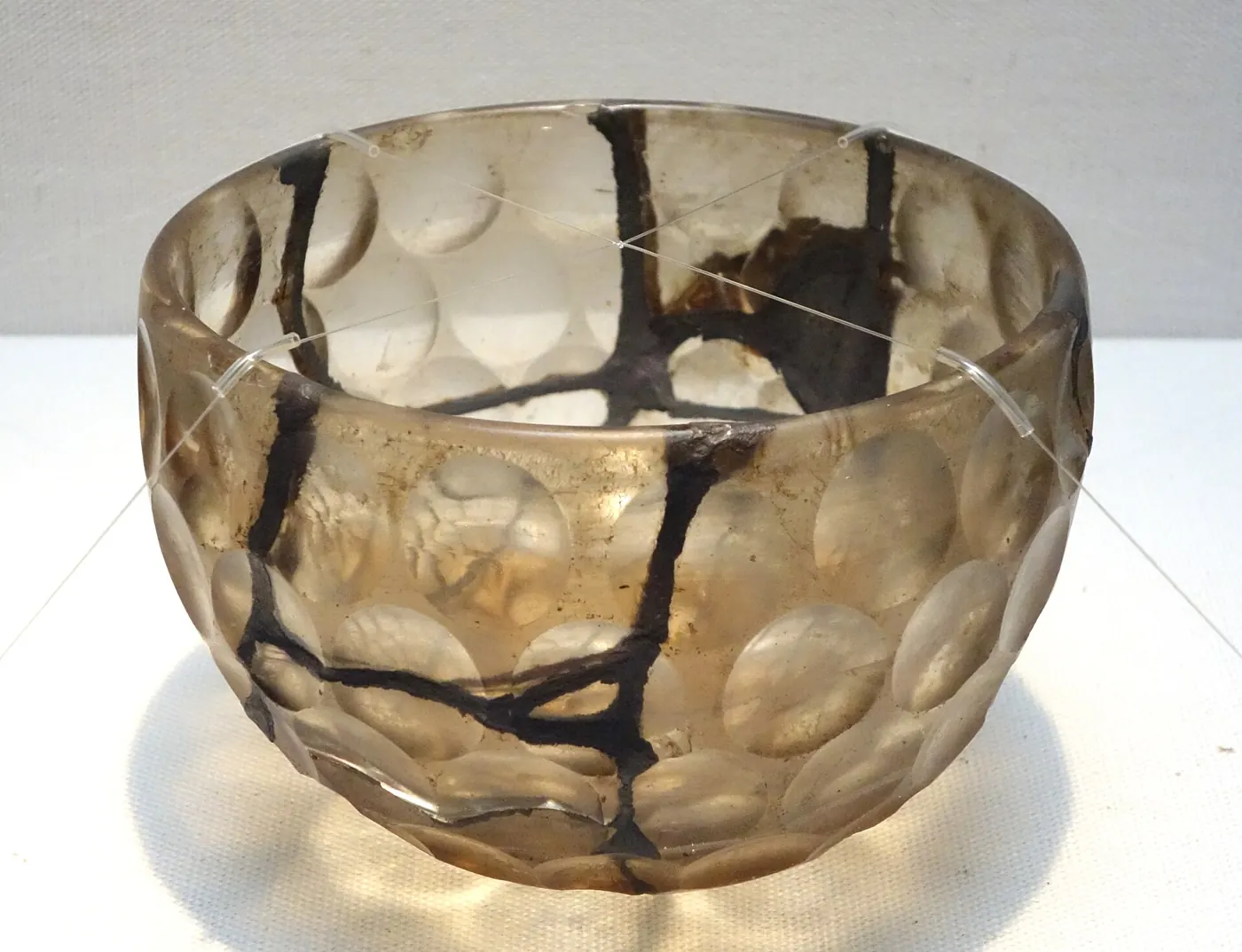 Kintsugi金継ぎ
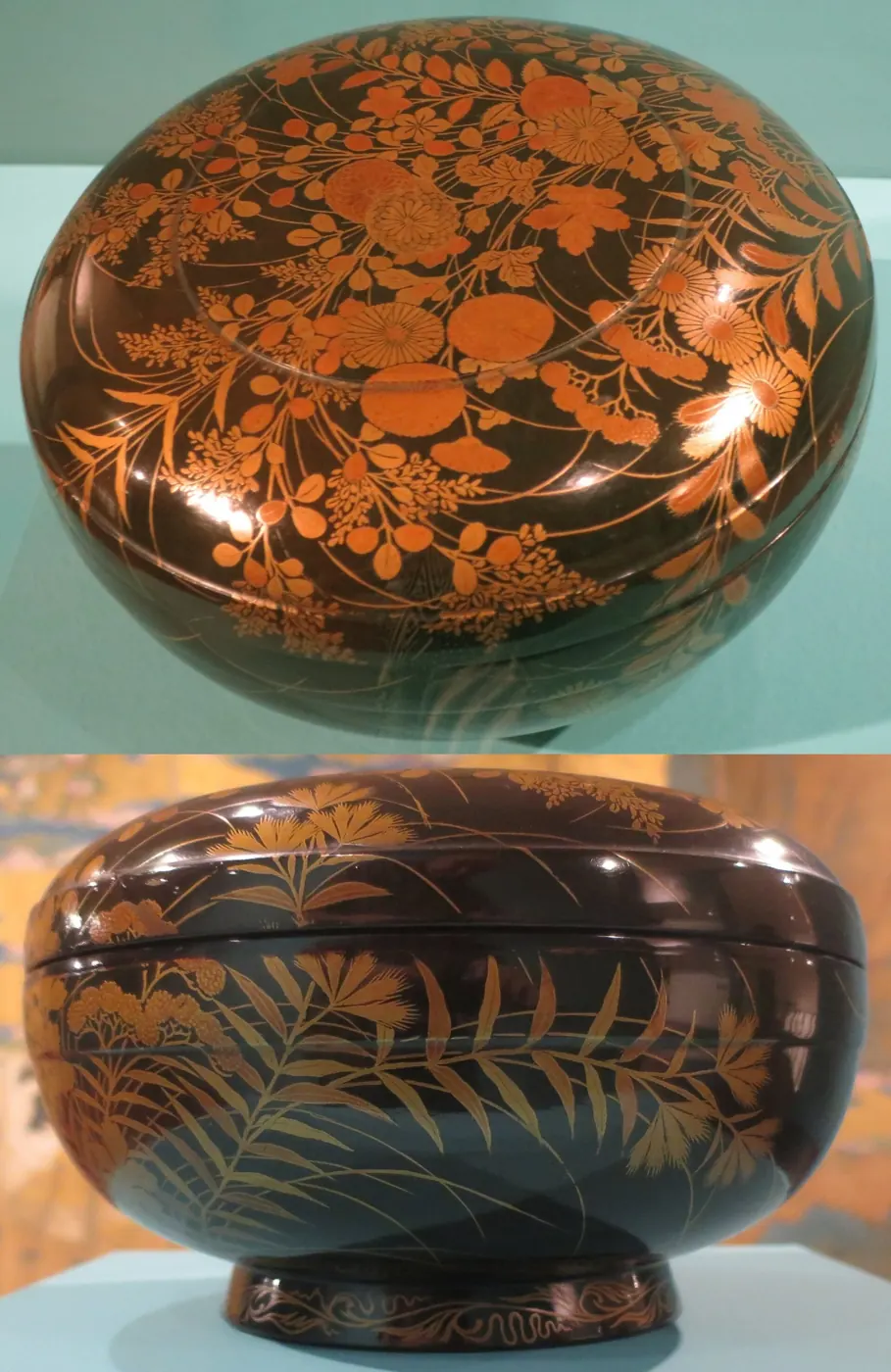 Urushi lacquerware漆器
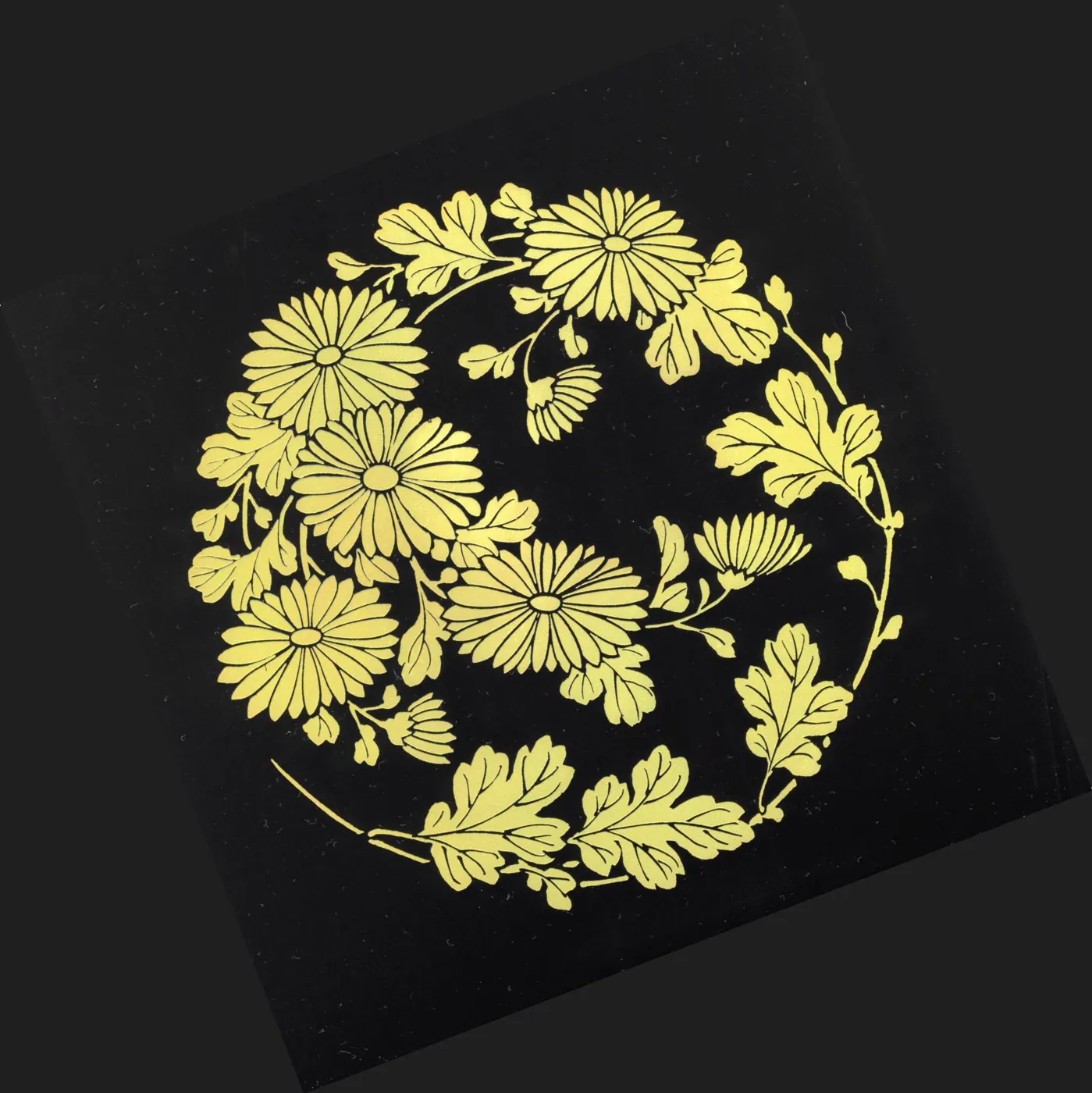 Maki-e蒔絵
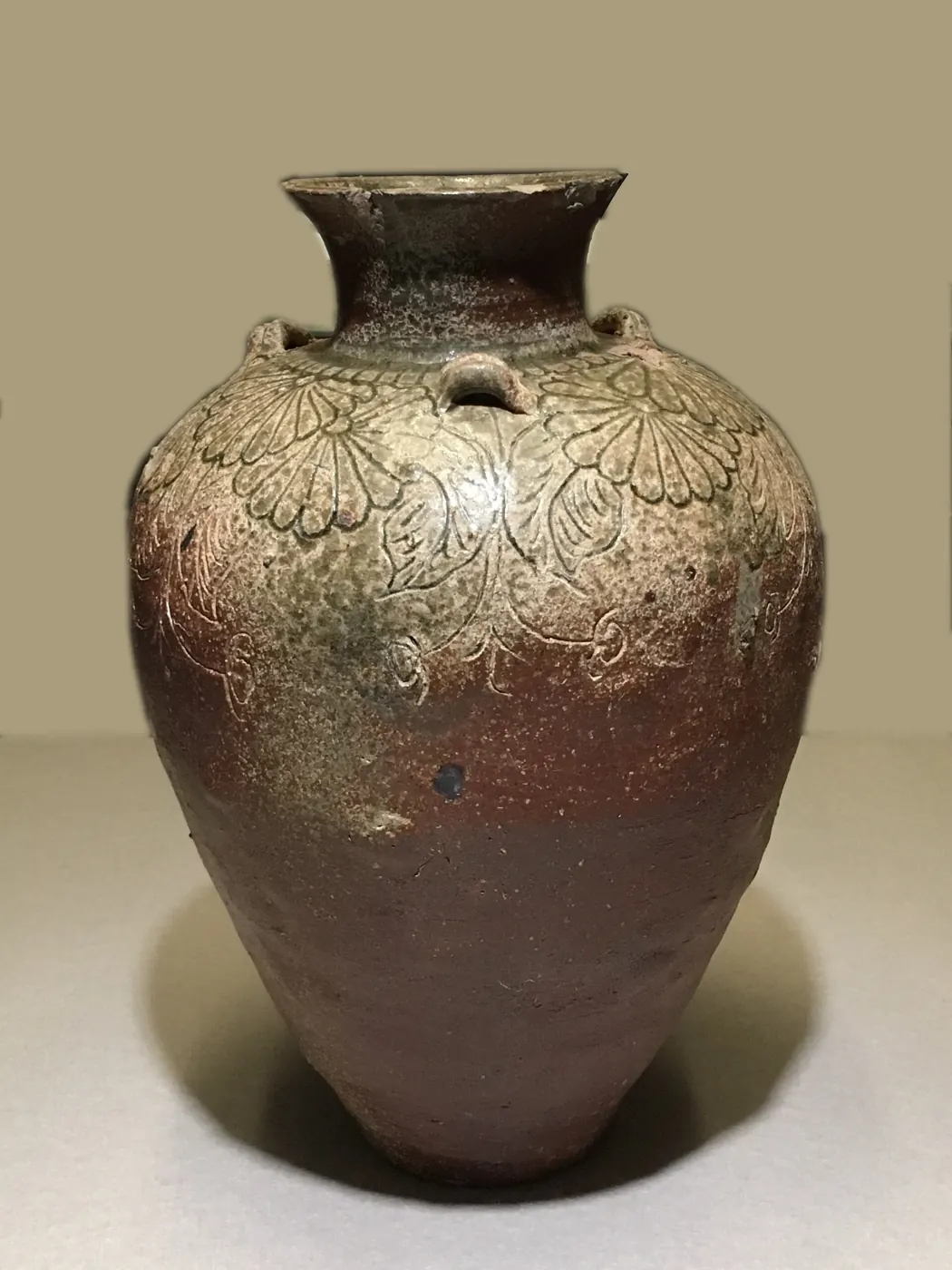 Japanese ceramics陶芸
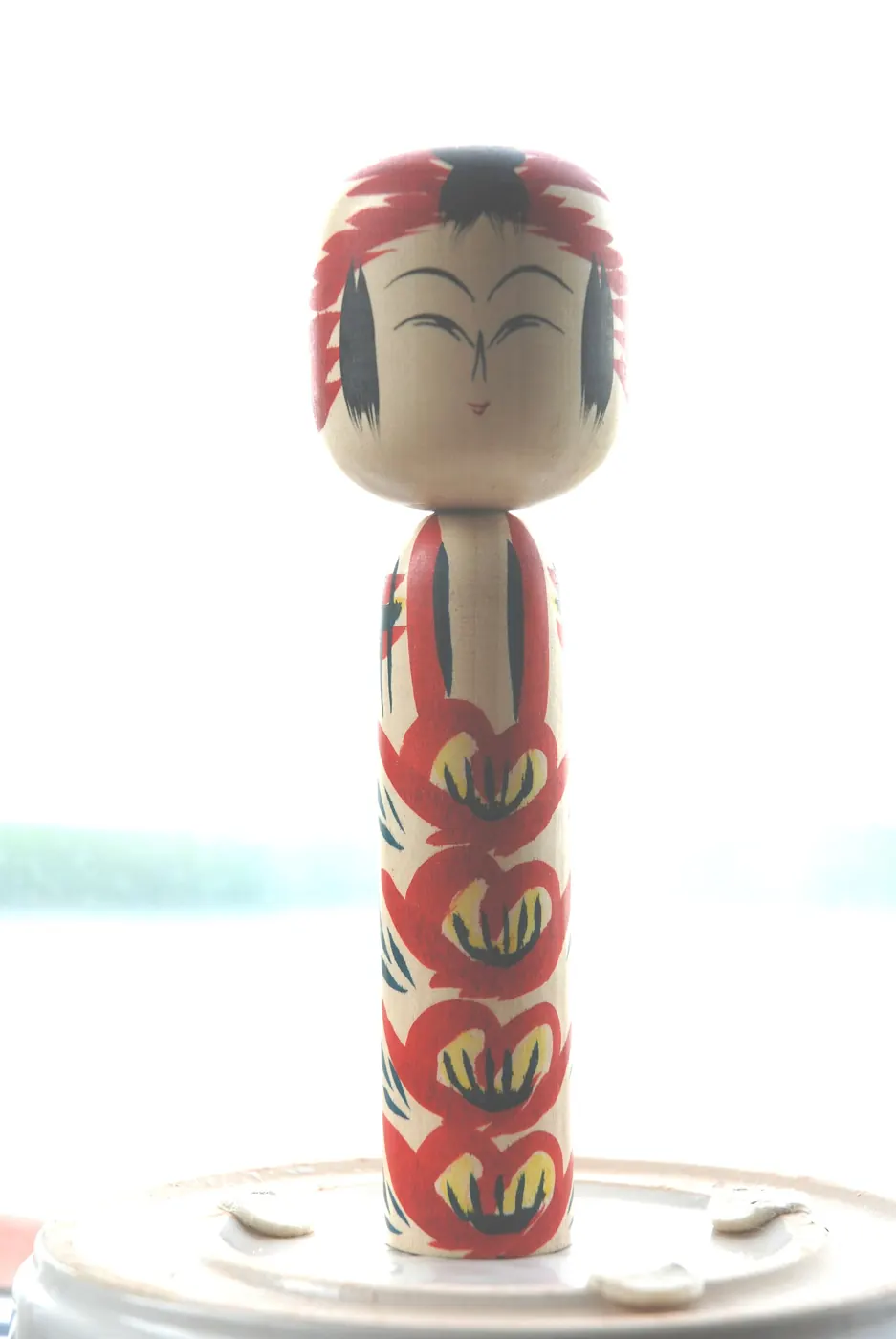 Kokeshi dollsこけし
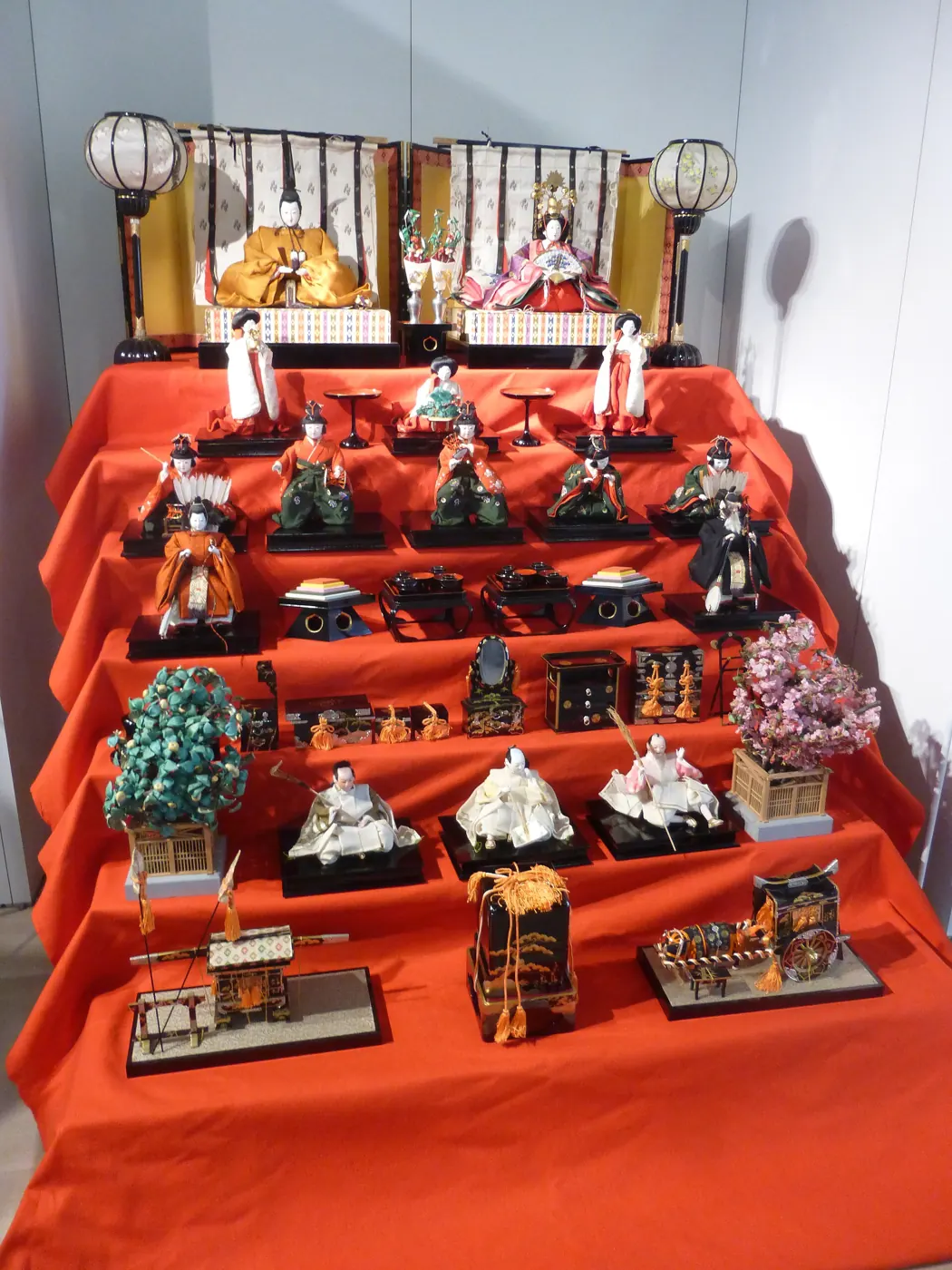 Hina dolls雛祭り
 Kamon家紋
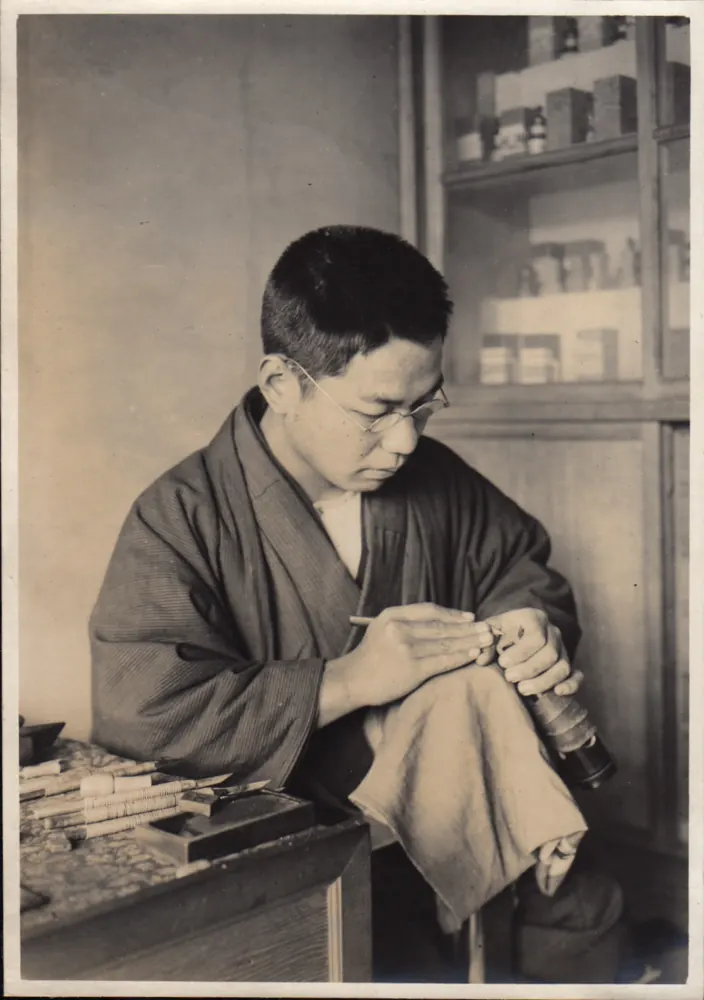 Hanko印章
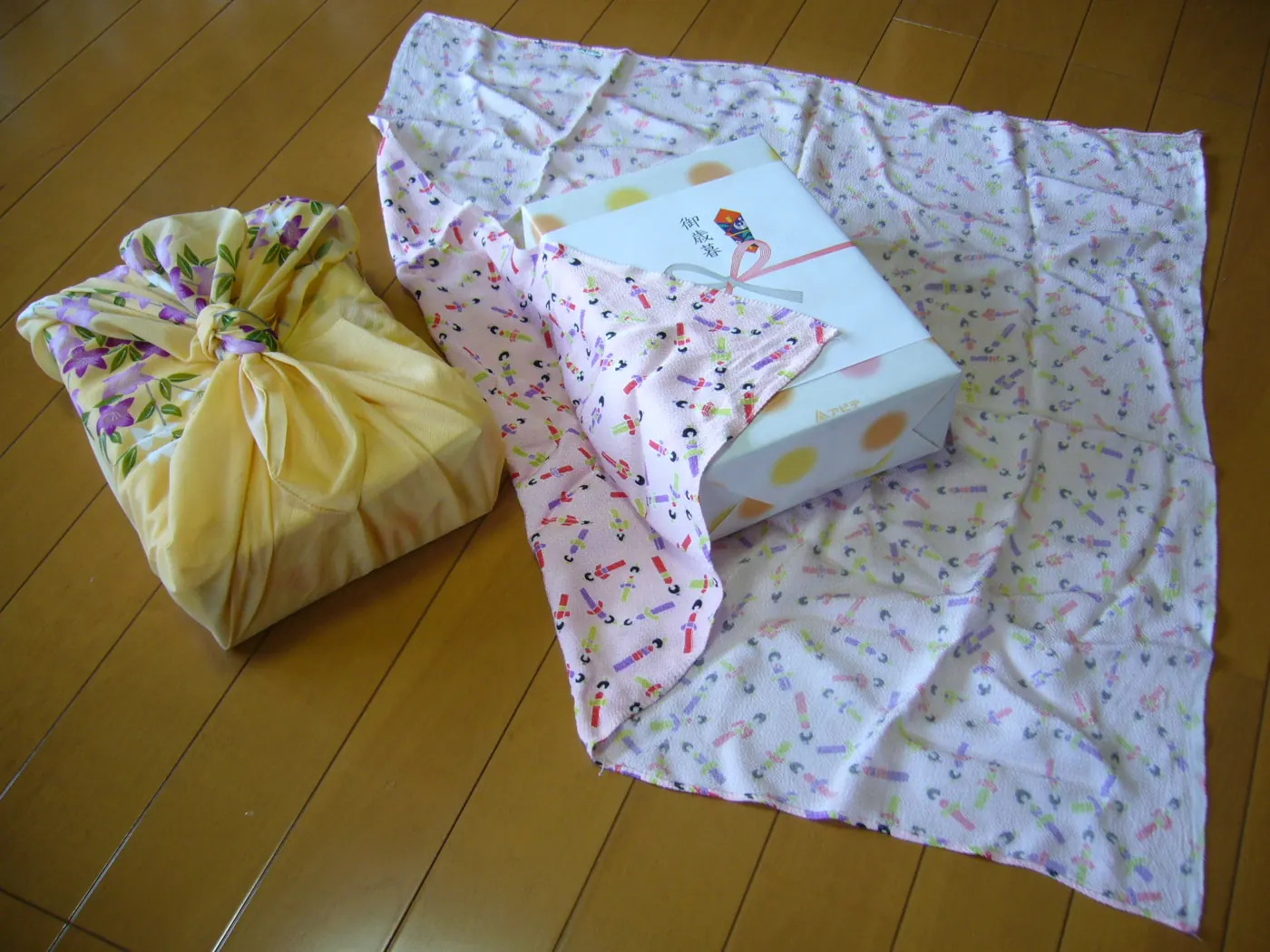 Furoshiki風呂敷
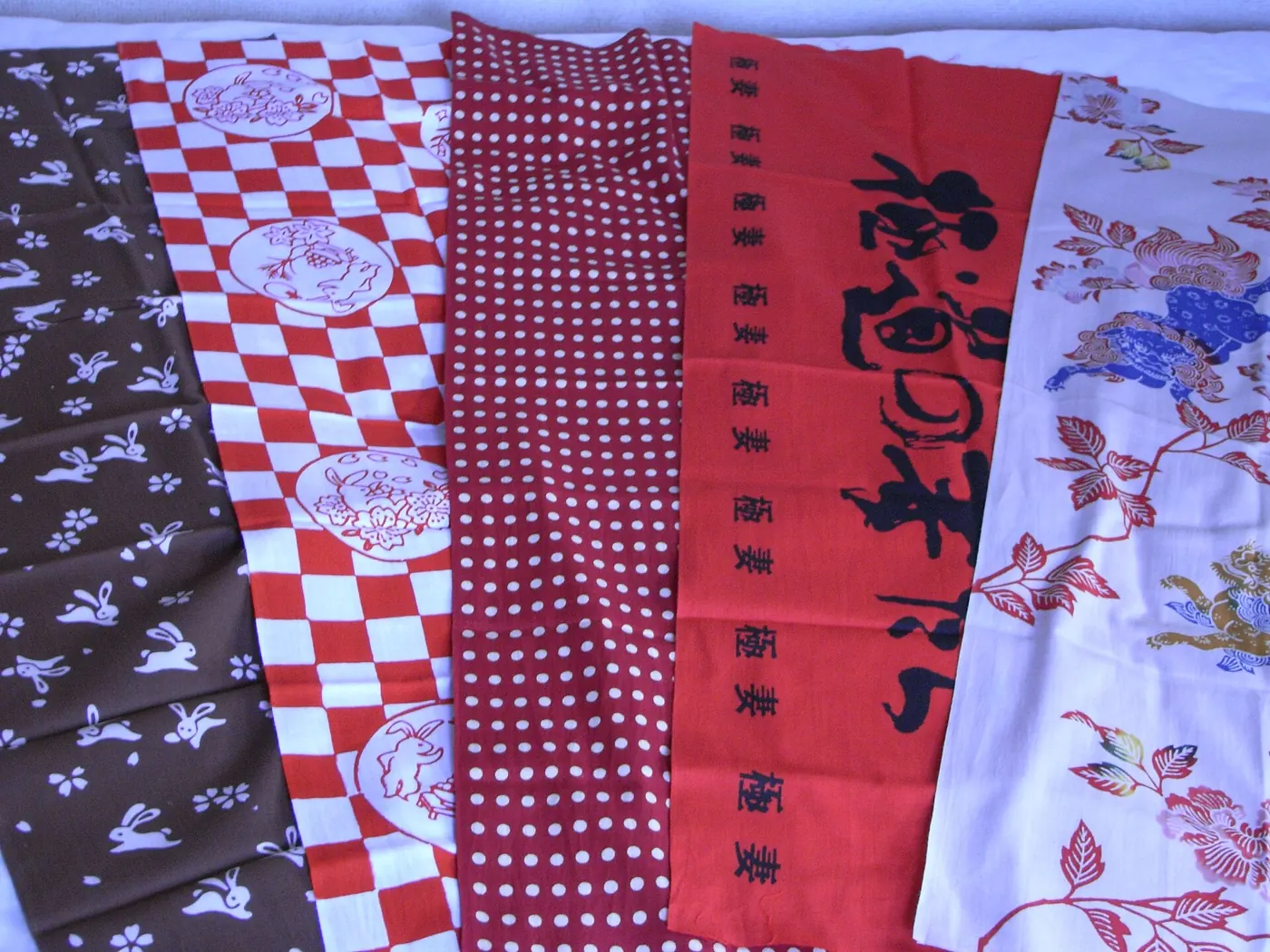 Tenugui手拭
Open the scanner and compare →