Oyamazumi Shrine 大山祇神社
Official explanation
At the foot of Mt. Washigato on the island of Omishima is the Oyamazumi Shrine. The only taisha, or grand Shinto shrine, in the Shikoku region, Oyamazumi Shrine is surrounded by a grove of camphor trees. The trees stretch over much of the shrine complex, creating a quiet, calm ambience: one of them, which stands encircled by a small fence near the entrance, is 2,600 years old.
The Oyamazumi Shrine’s main building dates to 1427. Along with the 17th century worship hall, the main building is designated an Important Cultural Property.
Read the full explanation
Oyamazumi Shrine is dedicated to Shinto deities associated with the sea, sailors, soldiers, and battles. Throughout Japan’s history, lords, samurai, admirals, and generals have visited the shrine to pray—or give thanks—for victories in battle. In fact, grateful warriors have donated so much of their equipment over the years that Oyamazumi Shrine now boasts the largest collection of historical armor and weaponry in Japan, including eight designated National Treasures and 469 Important Cultural Properties.
All that military equipment is stored in two connected buildings, the Shiyoden and the Treasure Hall. Both buildings have the wide eaves and peaked roofs typical of shrine architecture, but while the Treasure Hall is painted in traditional white and red, the Shiyoden is more modernist, faced with plain concrete and plaster.
Nearby, another modernist building, the Kaiji Museum, stands out among the trees with its distinctive steep split roof. Appropriately, the Kaiji Museum is a maritime museum, featuring specimens of sea creatures, and at the center, the Hayama Maru, the ship Emperor Hirohito used for studying marine life.
The road leading to the torii gate of the Oyamazumi Shrine is a well-preserved example of a sando, or approach road to a shrine. Pilgrims would arrive at Omishima by sea and walk along the sando from the port to the shrine. Nowadays, people use a different route to get to Oyamazumi Shrine, but the sando is still worth walking. Part way along the road is an old house that has been transformed into the Omishima Home for All, a public community hub. The transformation was spearheaded by architect Toyo Ito’s Initiative for Tomorrow’s Opportunities in Architecture project, which seeks to revitalize regional communities like Omishima.
出典: 地域観光資源の多言語解説文データベース(観光庁) — www.mlit.go.jp/tagengo-db. この英語解説文は観光庁の地域観光資源の多言語解説整備支援事業で作成しました。
Source: Japan Tourism Agency, Multilingual Explanation Database. This English text was produced by the Japan Tourism Agency's multilingual explanation project and is shown unedited. Opening hours and services may have changed since it was written.
旅Hiroshima & Miyajima tours
Live prices and reviews from GetYourGuide. Many tours can be cancelled for free — check each listing.
See all Hiroshima & Miyajima tours →
Ad: we may earn a commission if you book through these links, at no extra cost to you.
Things you may see here
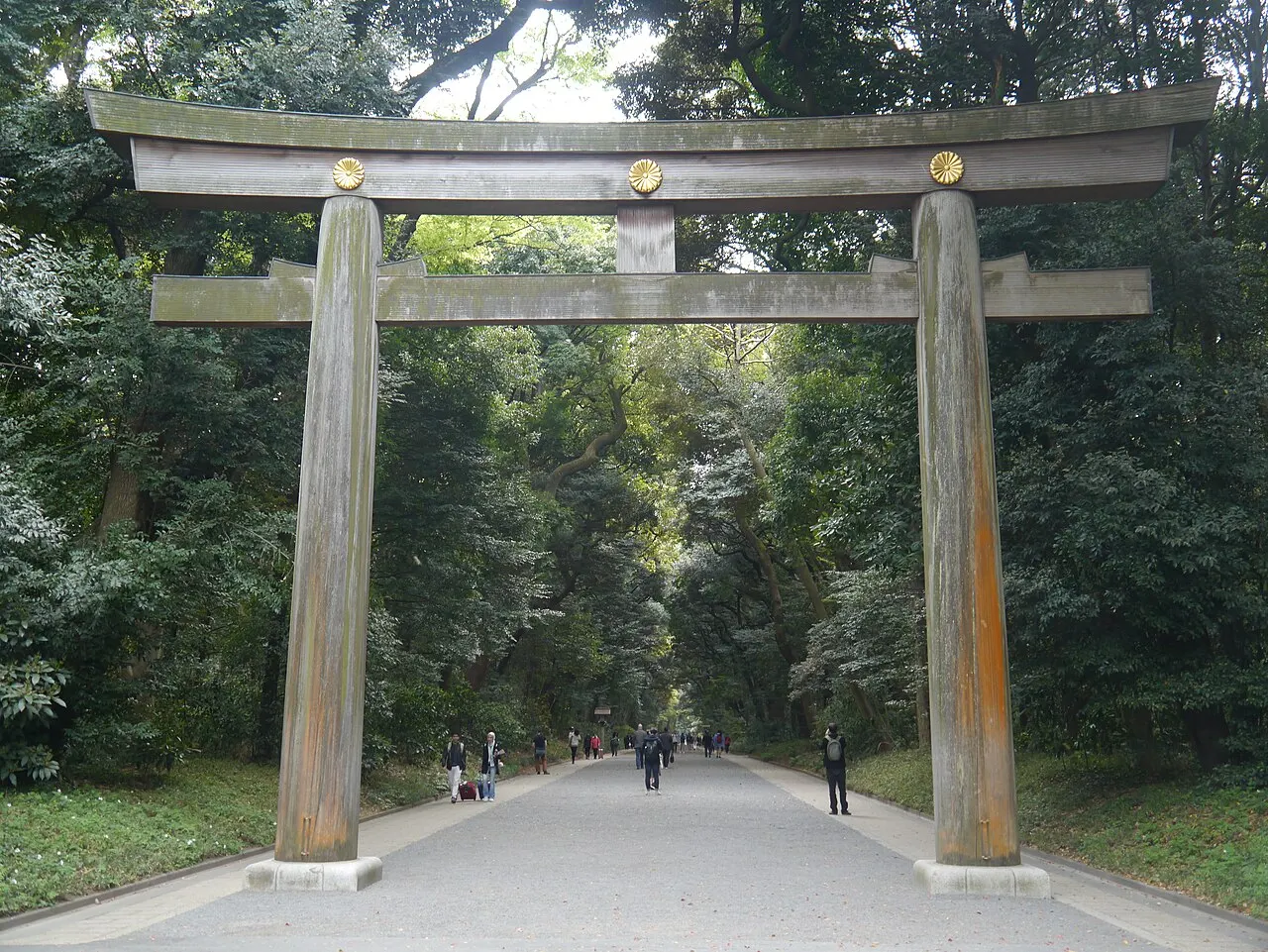 Torii gate鳥居
Treasure hunts nearby
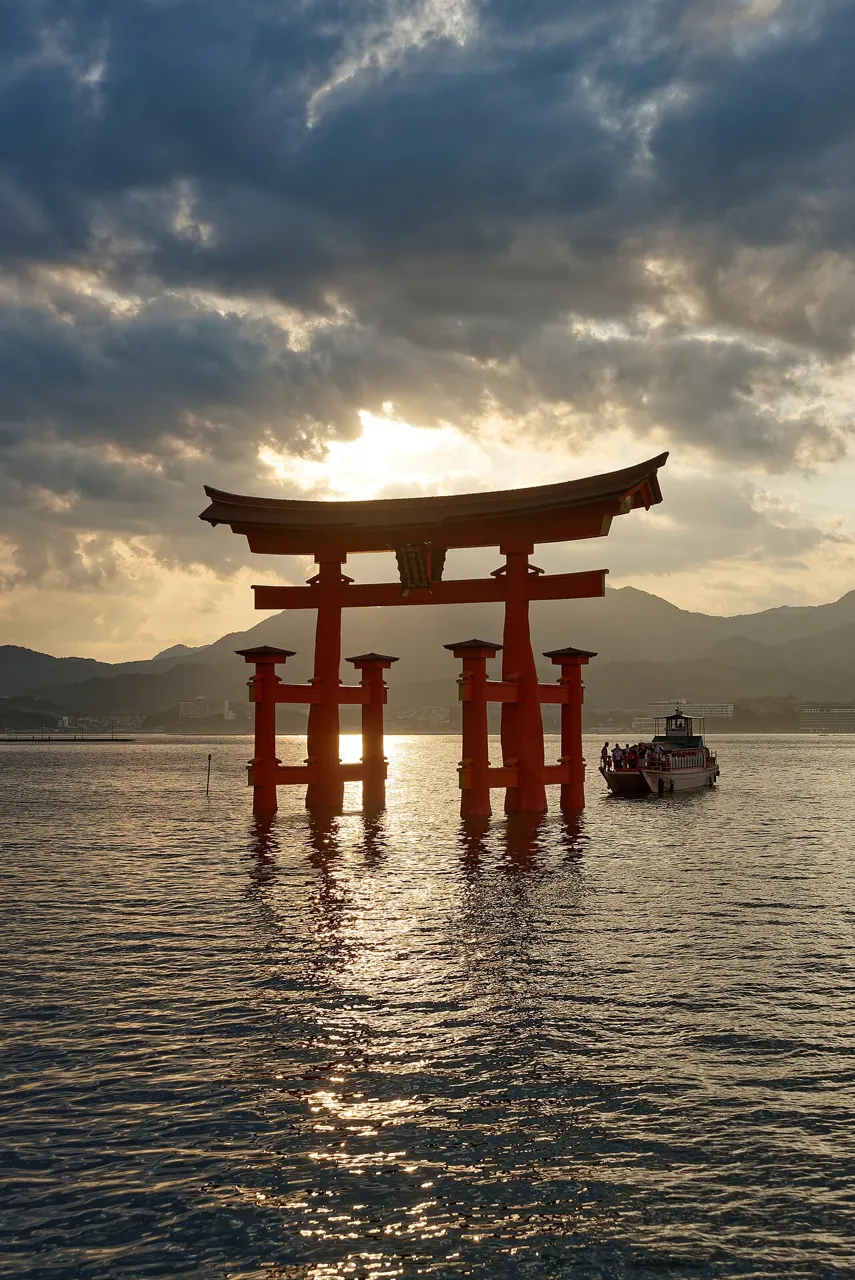
Getting there
Stay overnight on Miyajima
Ad: we may earn a commission if you book through these links, at no extra cost to you.
More shrines in Hiroshima
Open the scanner and compare →