What is this? › Crafts & everyday objects
蒔絵Maki-e (gold lacquer)
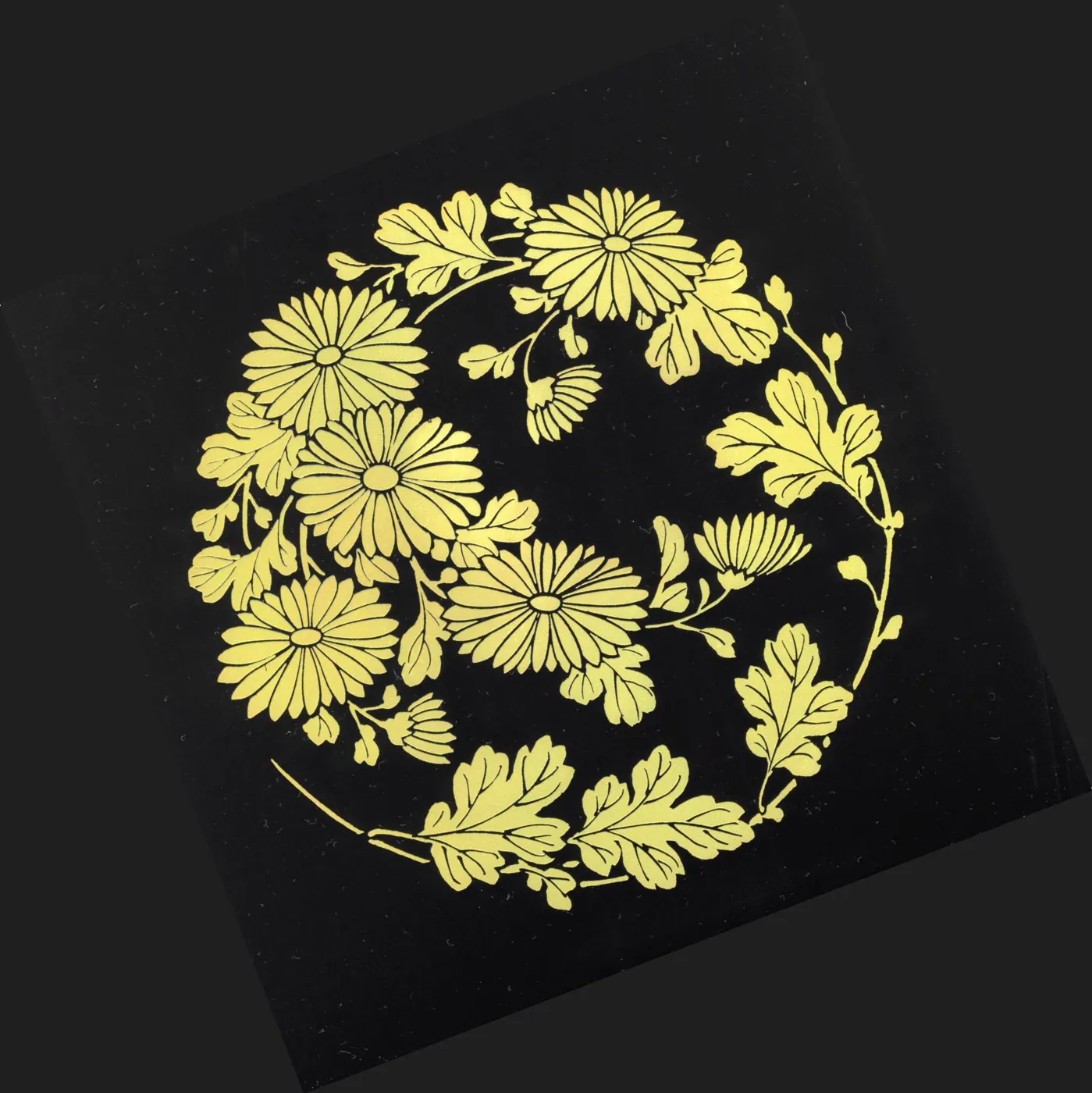
Maki-e (蒔絵, literally: sprinkled picture (or design)) is a Japanese lacquer decoration technique in which pictures, patterns, and letters are drawn with lacquer on the surface of lacquerware, and then metal powder such as gold or silver is sprinkled and fixed on the surface of the lacquerware. The origin of the term maki-e is a compound word of maki meaning "sprinkling" and e meaning "picture" or "design". The term can also be used to refer to lacquerware made with this decorative technique. The term maki-e first appeared in the Heian period.
This technique is the most used technique in Japanese lacquer decoration. The maki-e is often combined with other techniques such as raden (螺鈿) in which a nacreous layer of mollusk shell lining is embedded or pasted in lacquer, zōgan (象嵌) in which metal or ivory is embedded in lacquer, and chinkin (沈金) in which gold leaf or gold powder is embedded in a hollow where lacquer has been shaved.
To create different colours and textures, maki-e artists use a variety of metal powders including gold, silver, copper, brass, lead, aluminum, platinum, and pewter, as well as their alloys. Bamboo tubes and soft brushes of various sizes are used for laying powders and drawing fine lines.
Text from Wikipedia: Maki-e — CC BY-SA 4.0. Read more on Wikipedia →
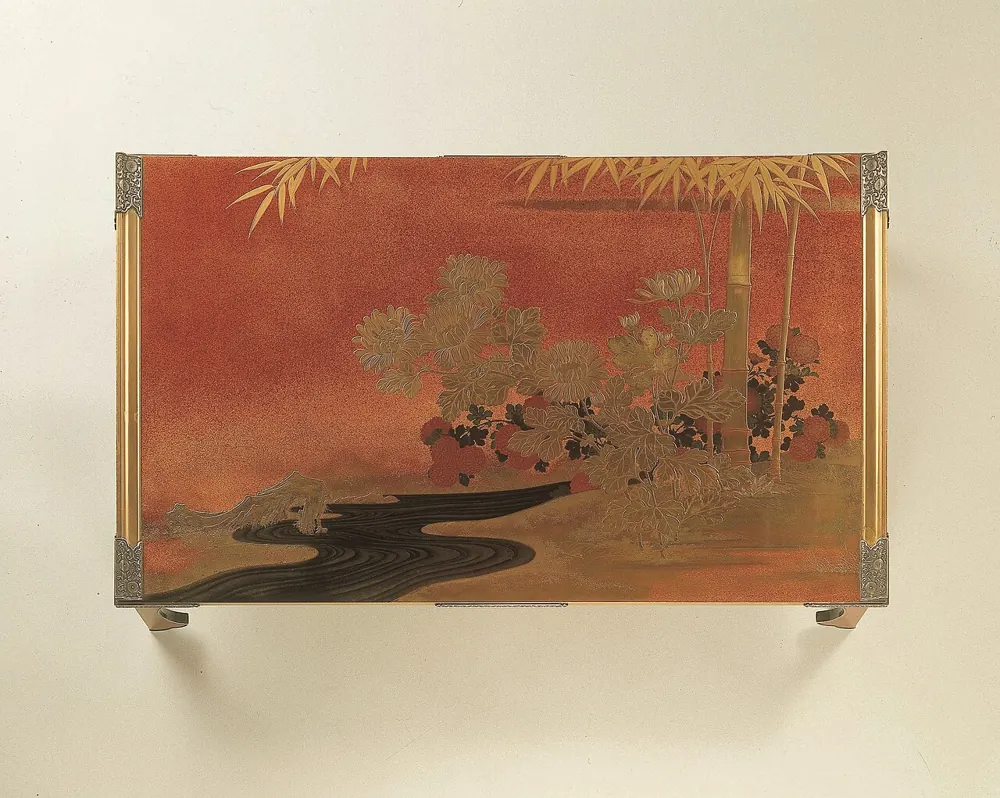
Japan Tourism Agency explanations
旅Try it yourself: Maki-e (gold lacquer)
Live prices and reviews from GetYourGuide. Many tours can be cancelled for free — check each listing.
Ad: we may earn a commission if you book through these links, at no extra cost to you.
Compare whether a rail pass saves money on your route before you buy tickets.
Check prices →Japan eSIM / mobile data
Ad: we may earn a commission if you book through these links, at no extra cost to you.
問Questions visitors ask
What is Maki-e (gold lacquer)?
Maki-e (蒔絵, literally: sprinkled picture (or design)) is a Japanese lacquer decoration technique in which pictures, patterns, and letters are drawn with lacquer on the surface of lacquerware, and then metal powder such as gold or silver is sprinkled and fixed on the surface of the lacquerware.
工Crafts & everyday objects
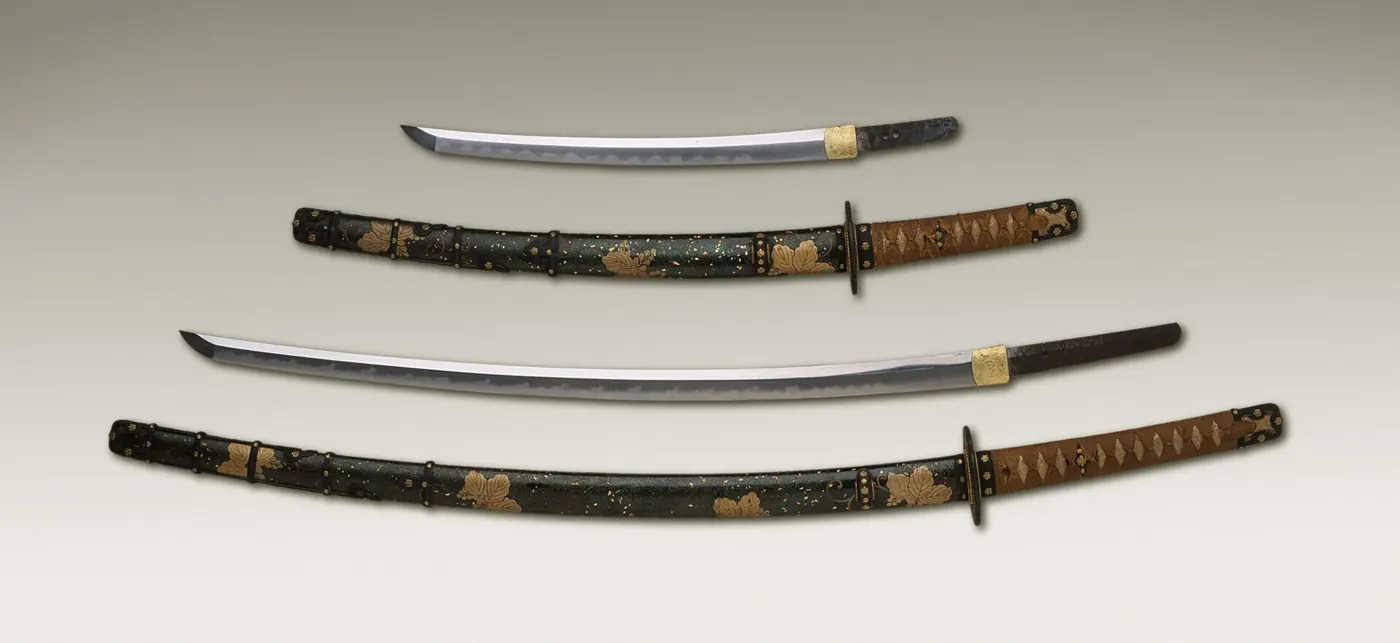 Katana日本刀
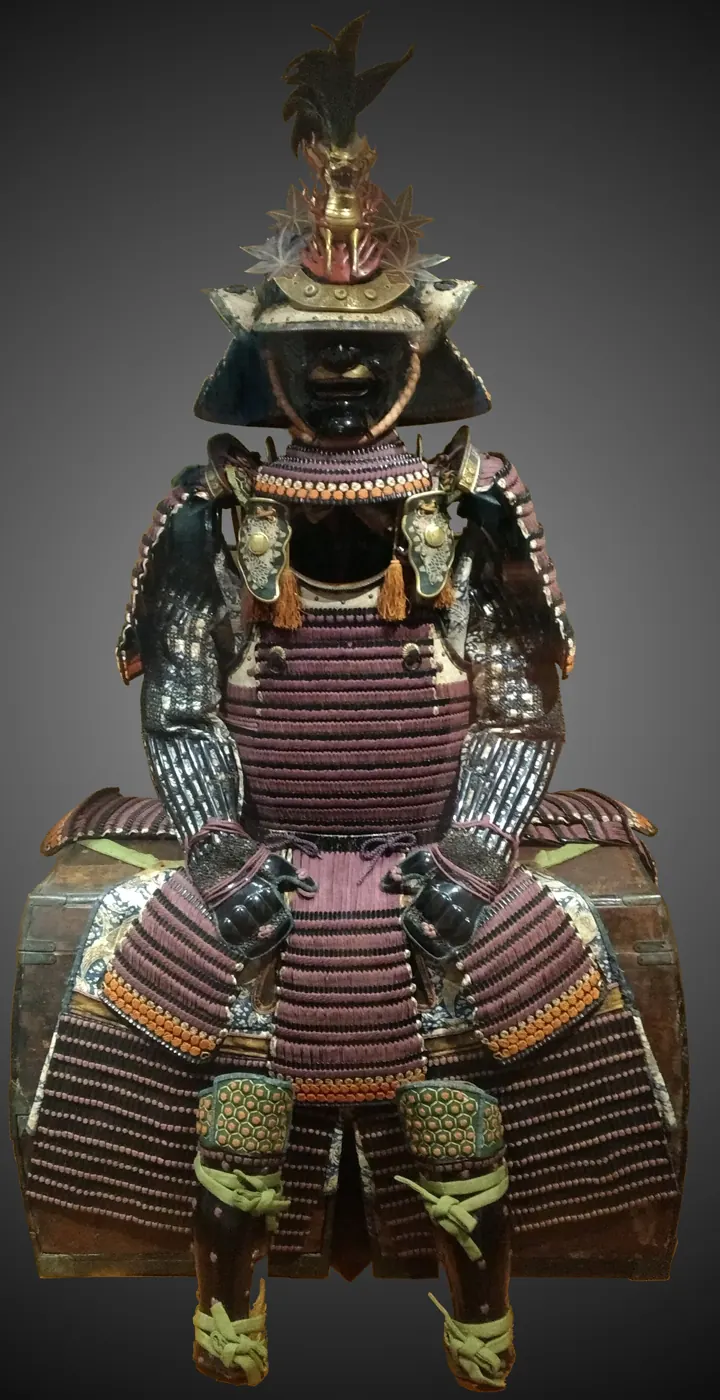 Yoroi甲冑
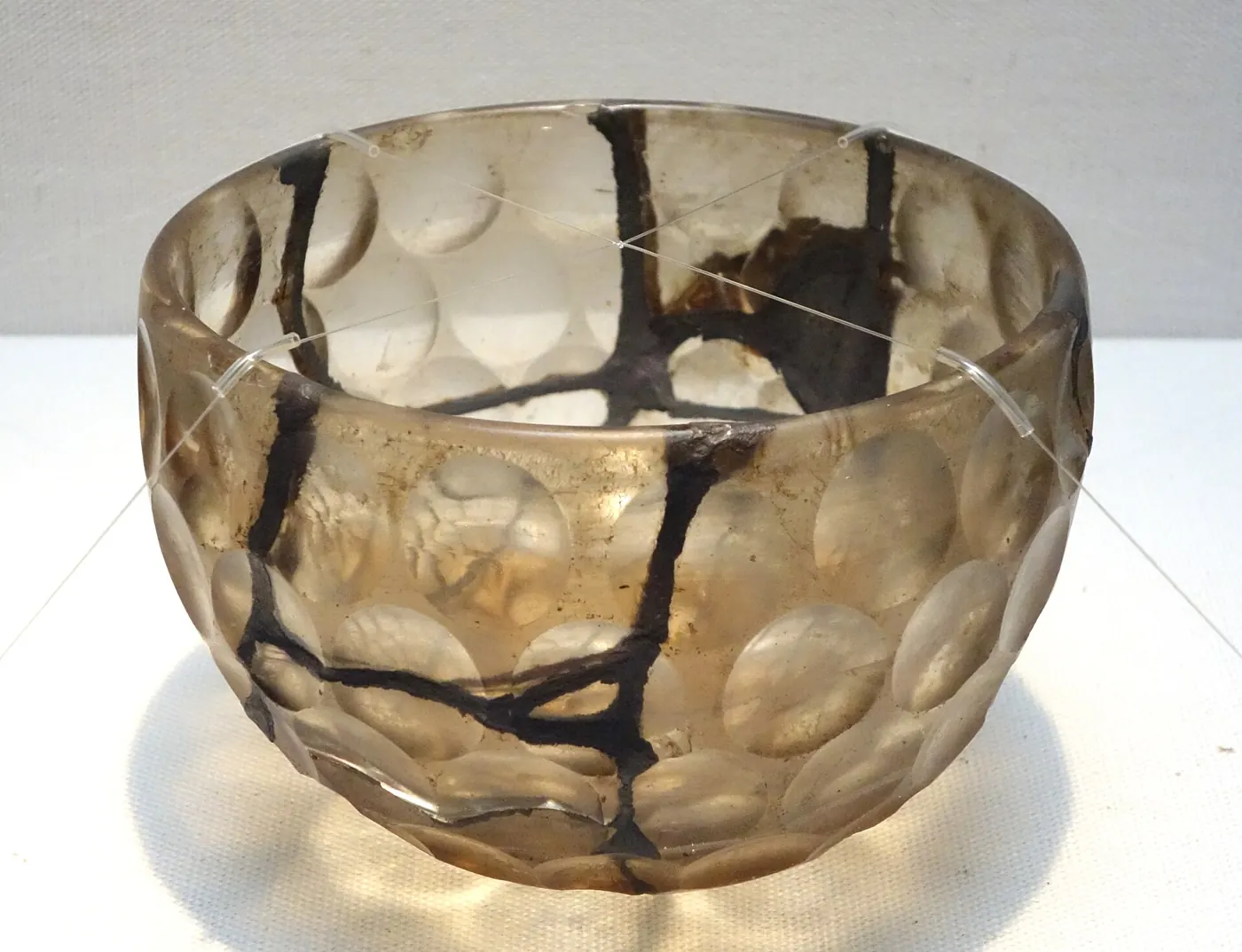 Kintsugi金継ぎ
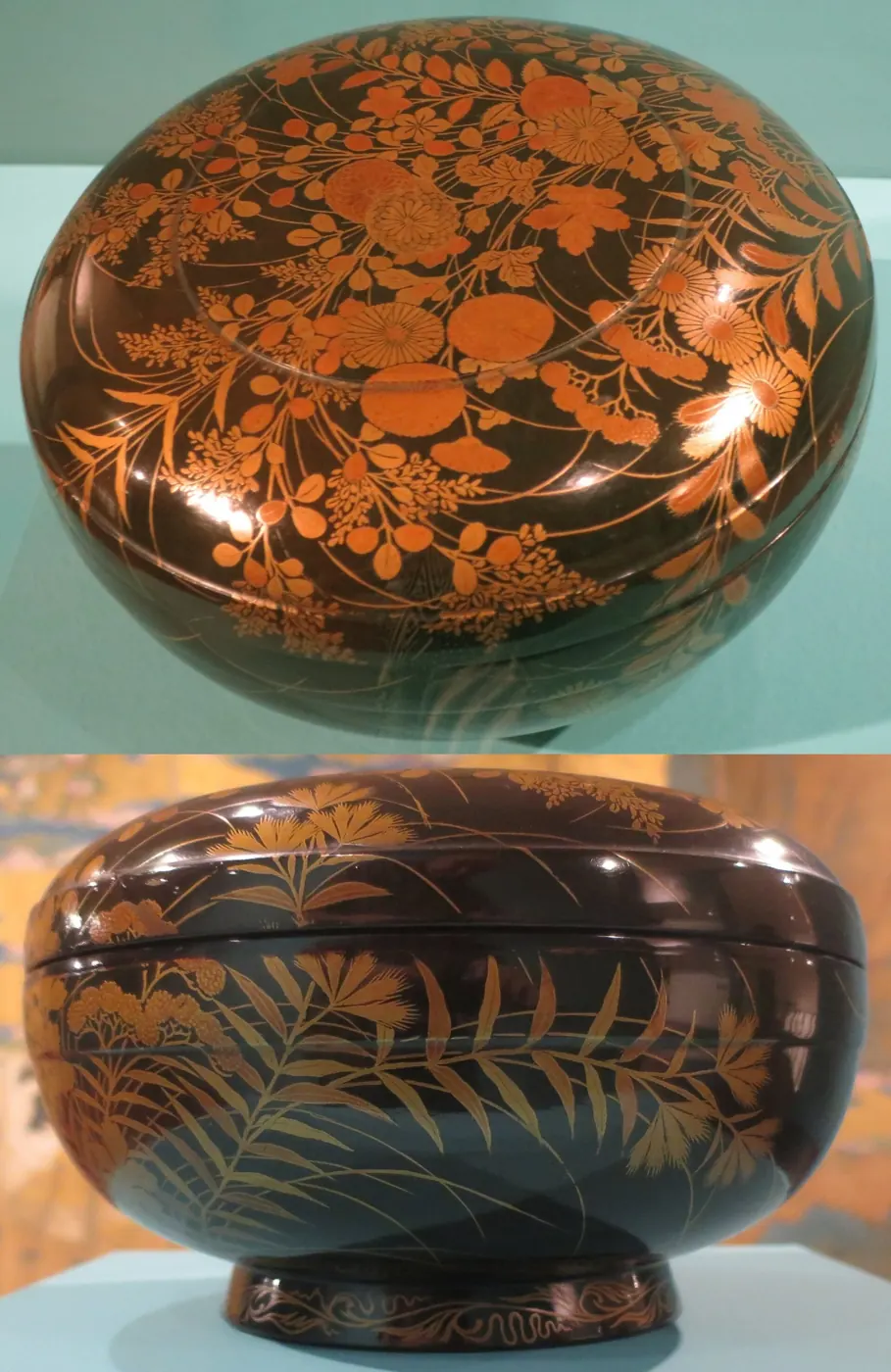 Urushi lacquerware漆器
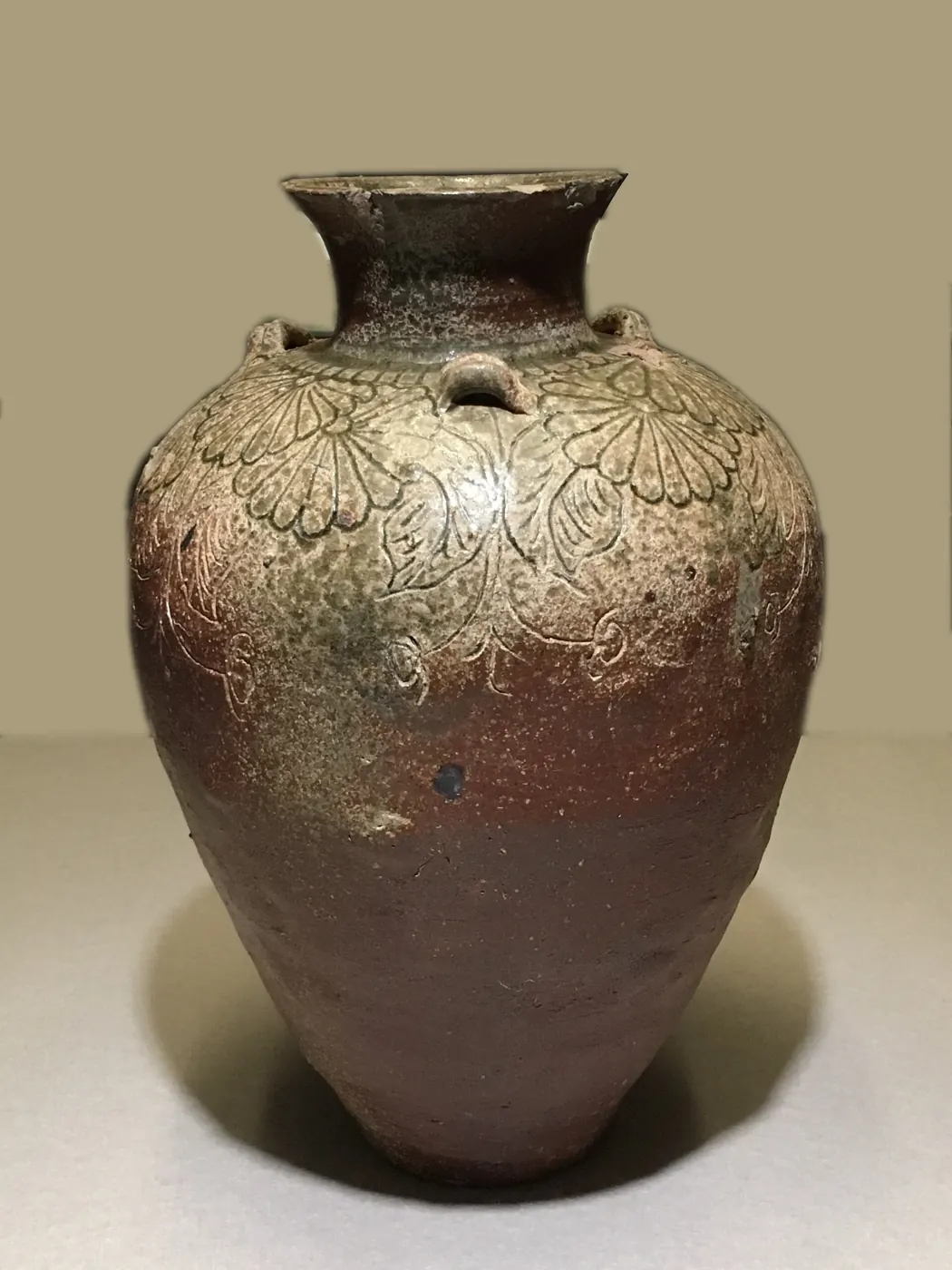 Japanese ceramics陶芸
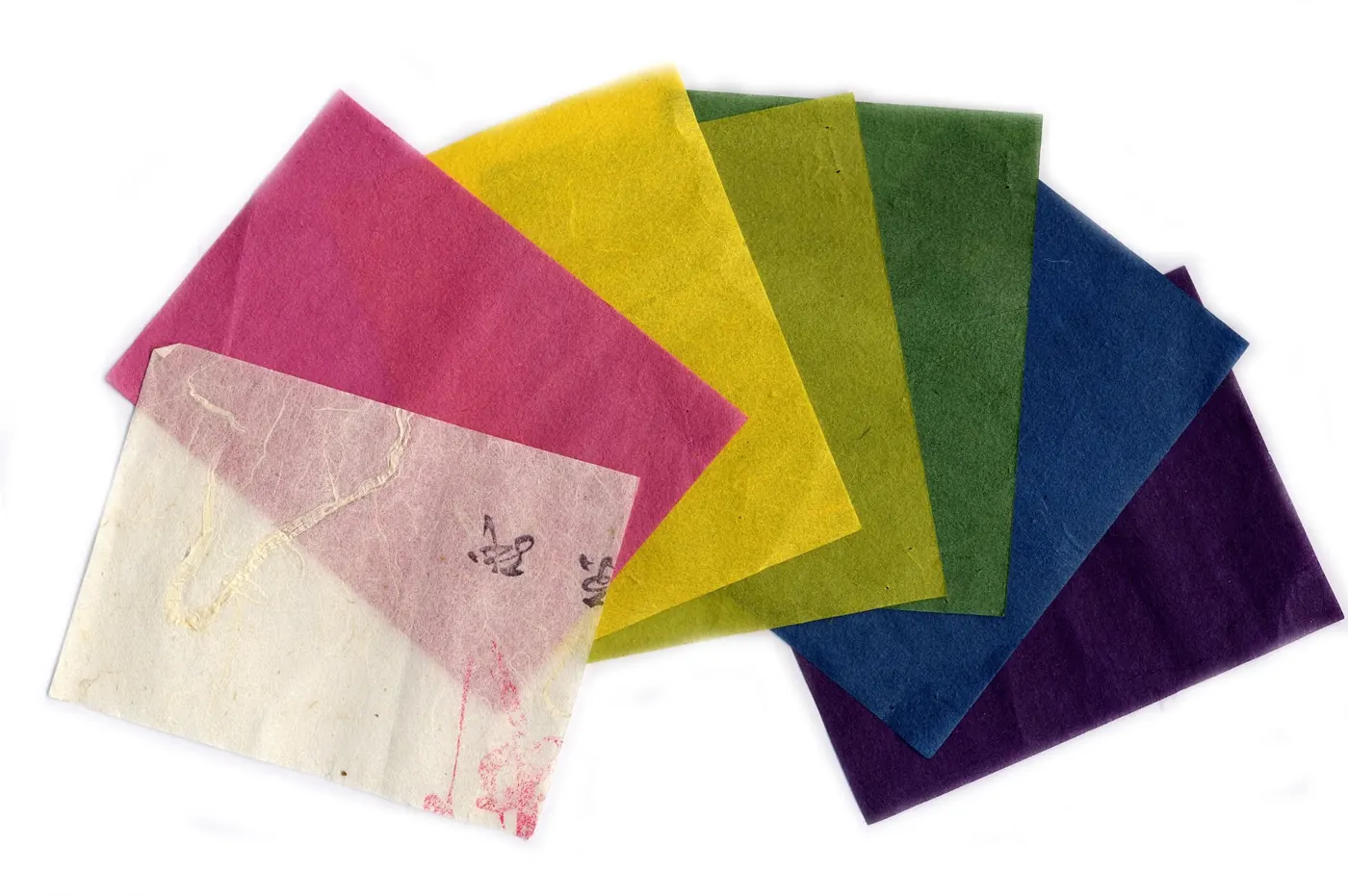 Washi和紙
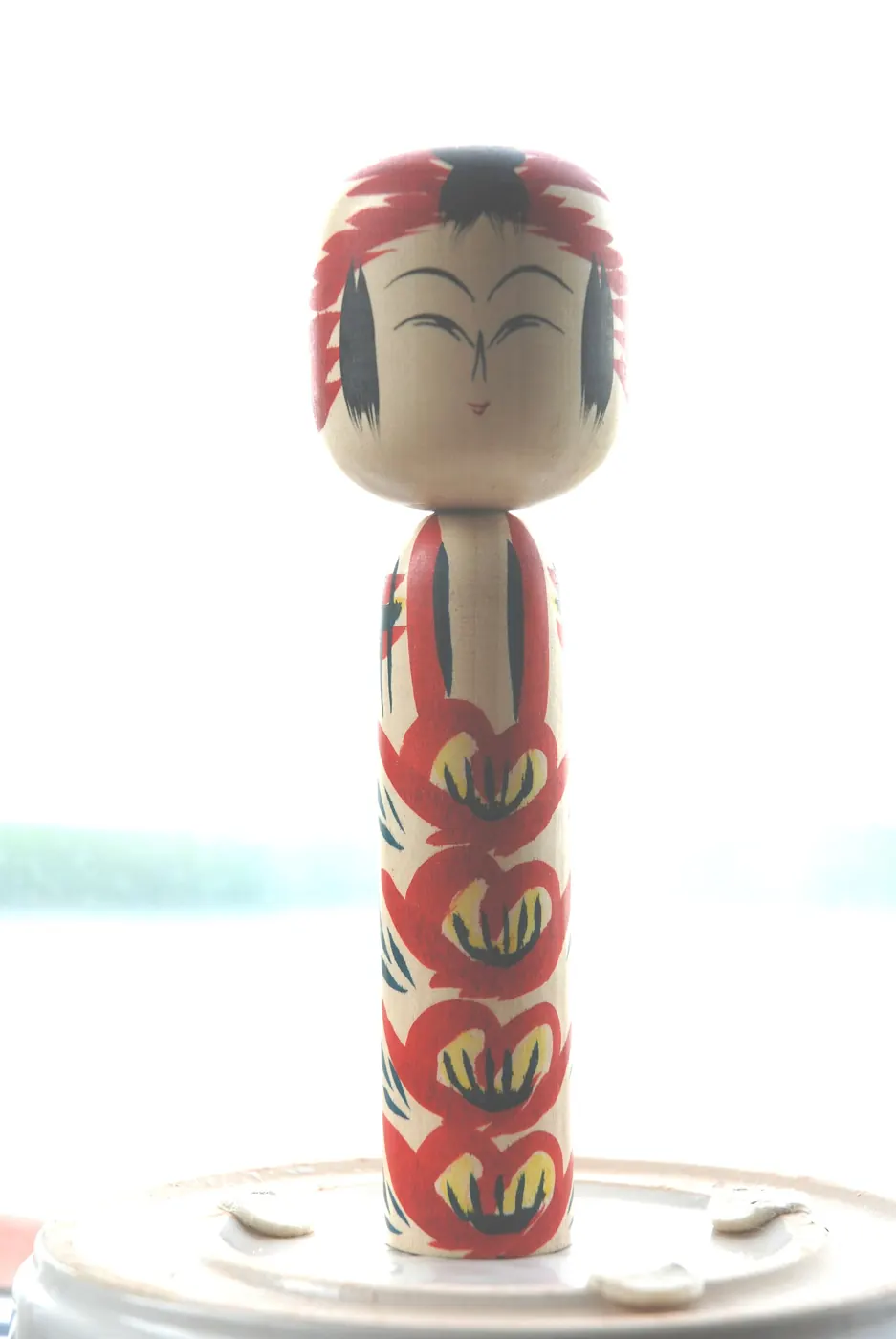 Kokeshi dollsこけし
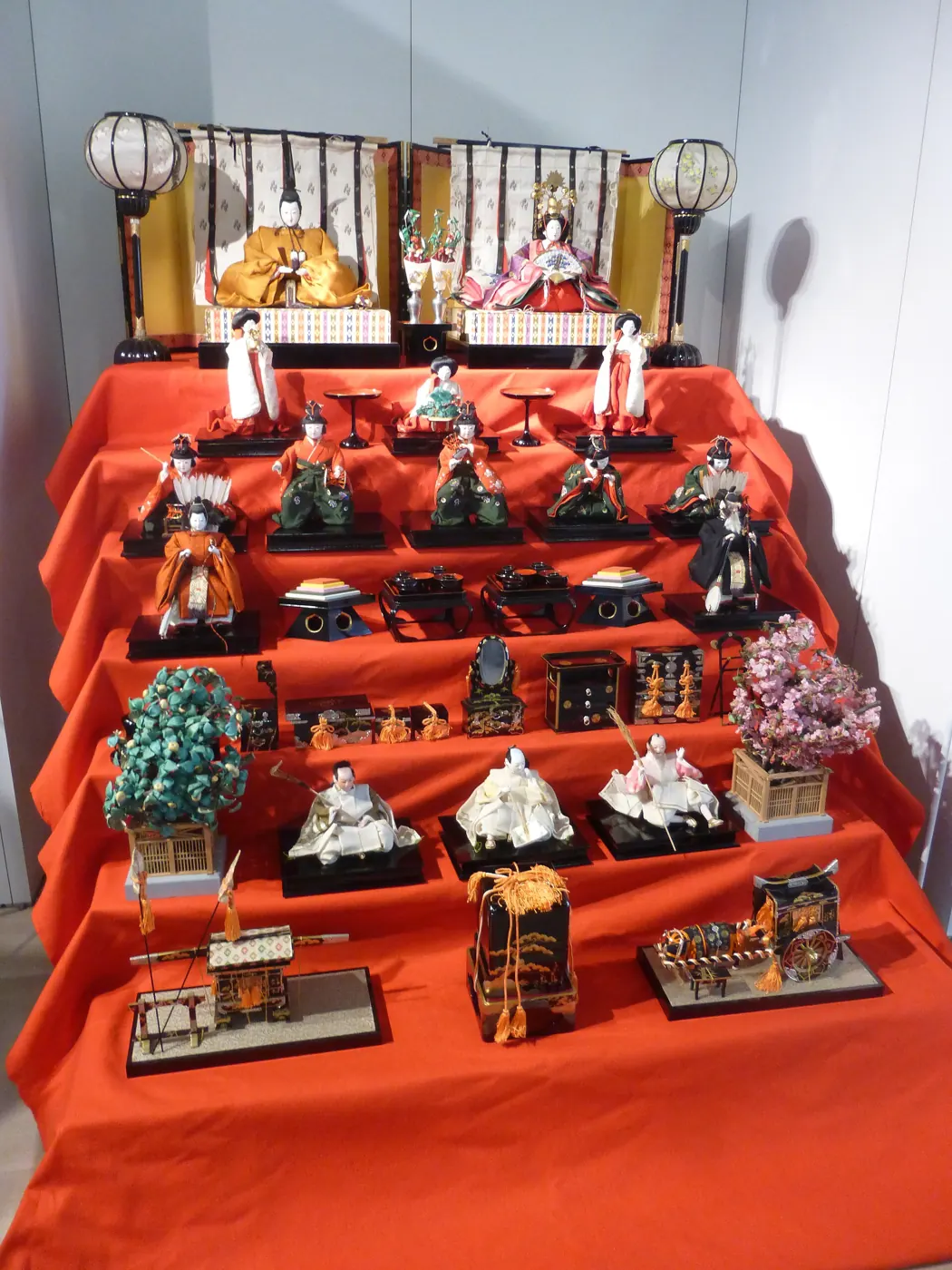 Hina dolls雛祭り
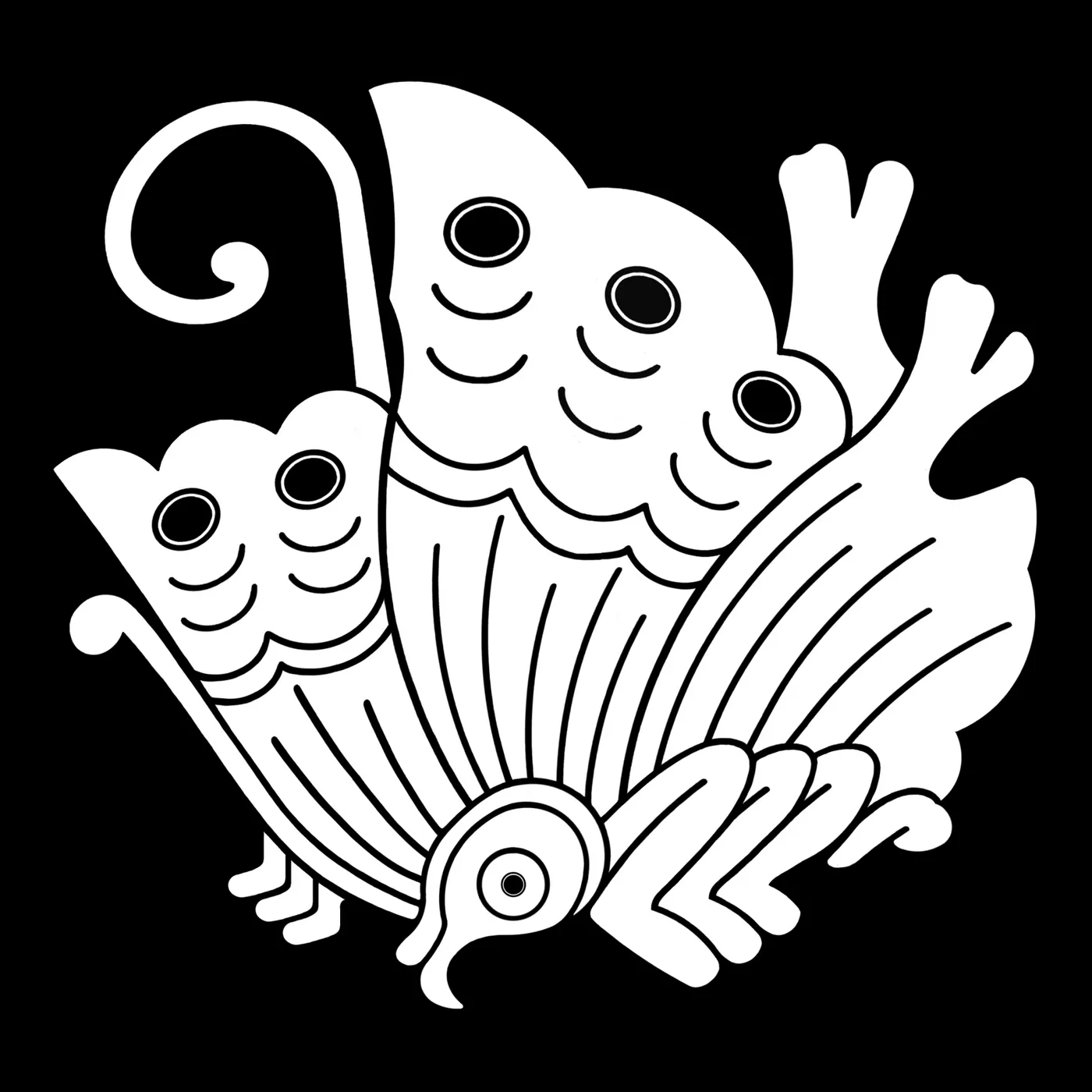 Kamon家紋
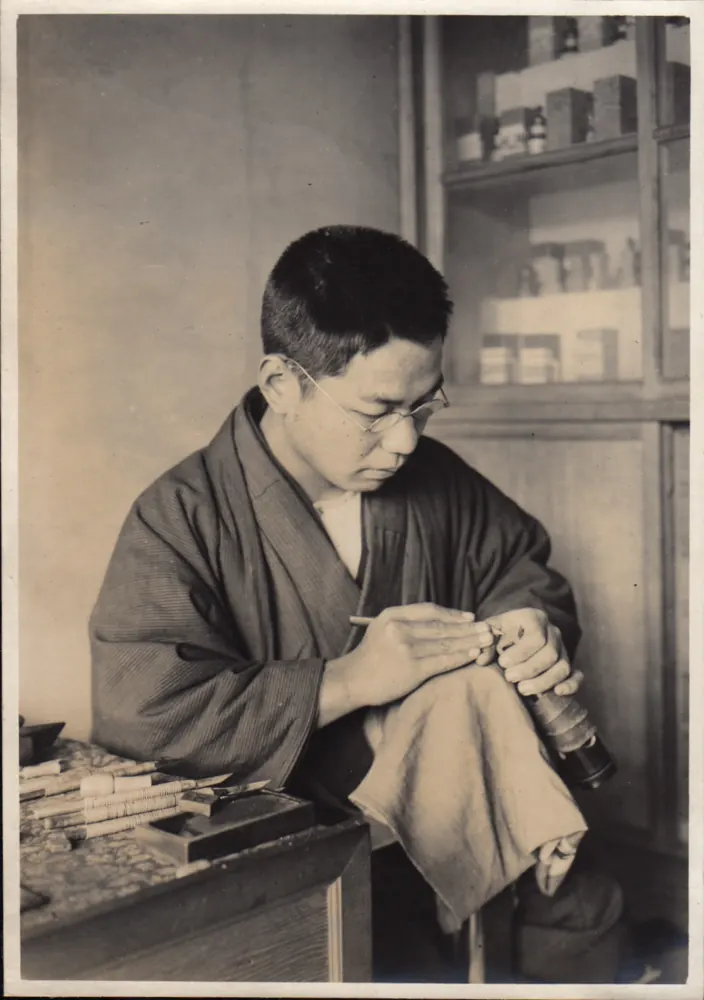 Hanko印章
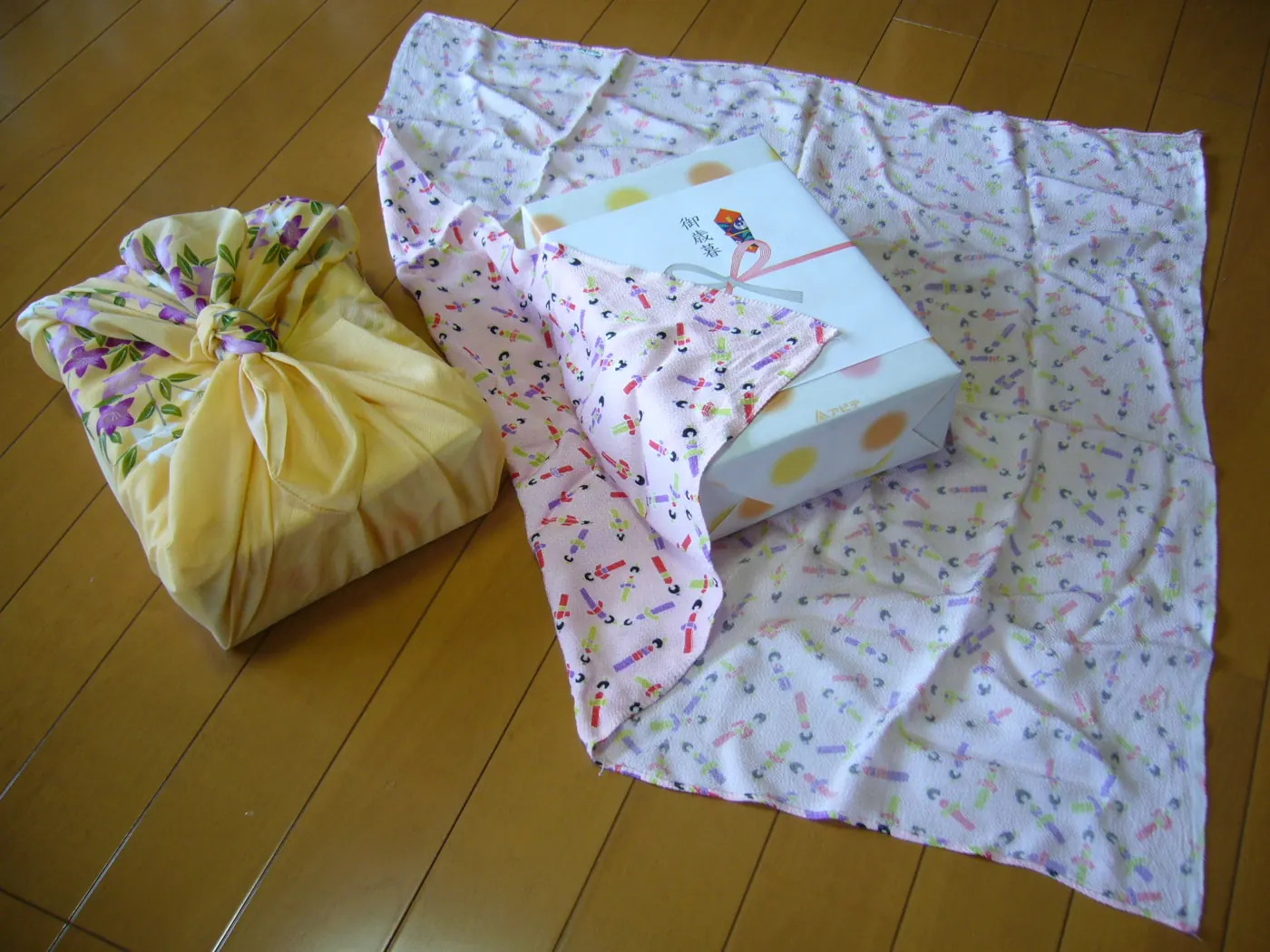 Furoshiki風呂敷
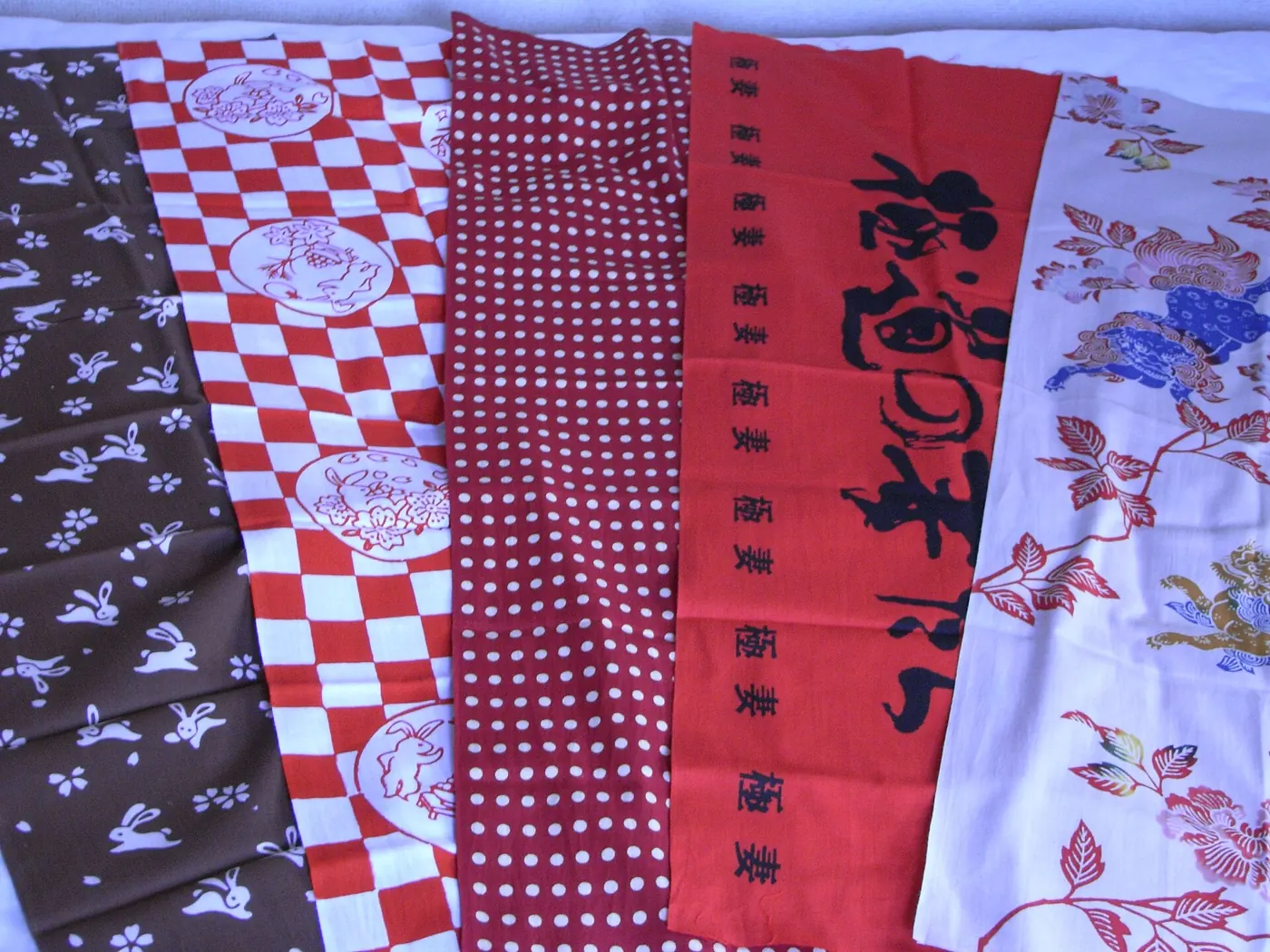 Tenugui手拭
Open the scanner and compare →