What is this? › Crafts & everyday objects
甲冑Yoroi (samurai armour)
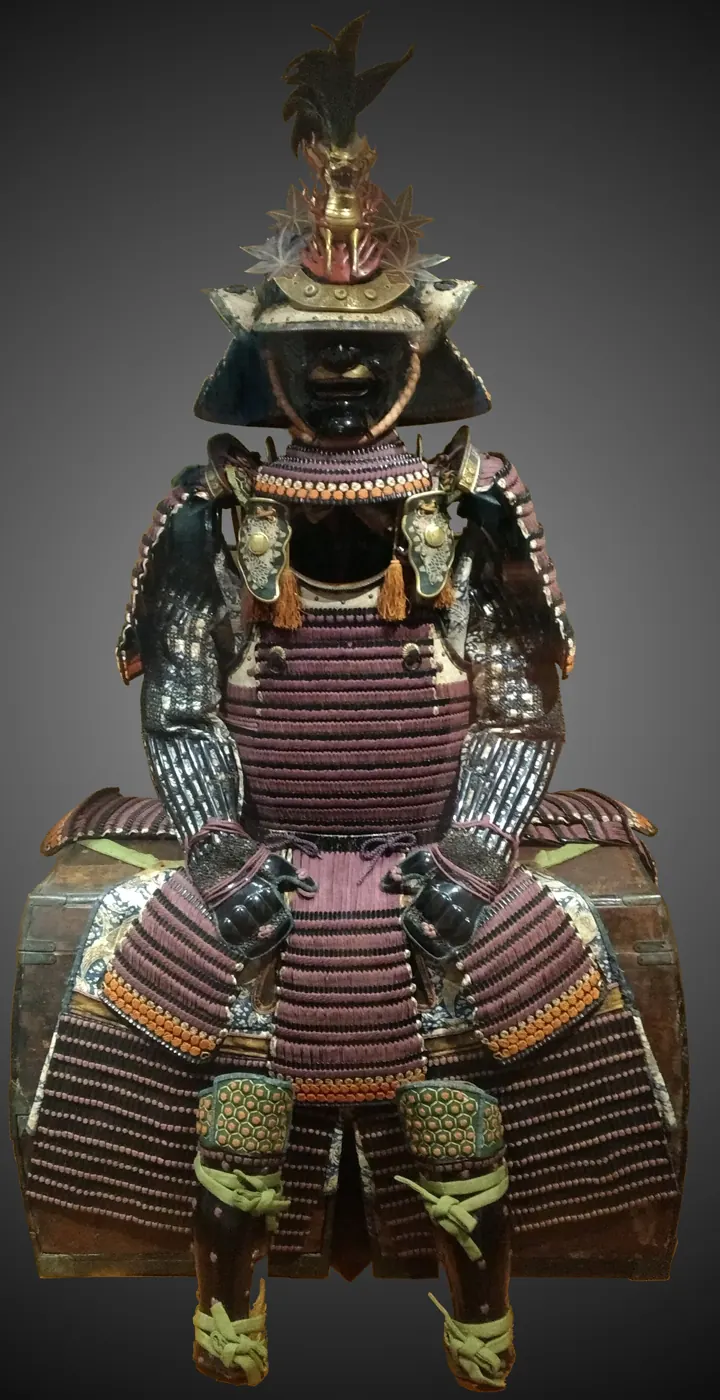
Japanese armour first appeared in the 4th century, as evidenced by the discovery of cuirasses and basic helmets in graves.
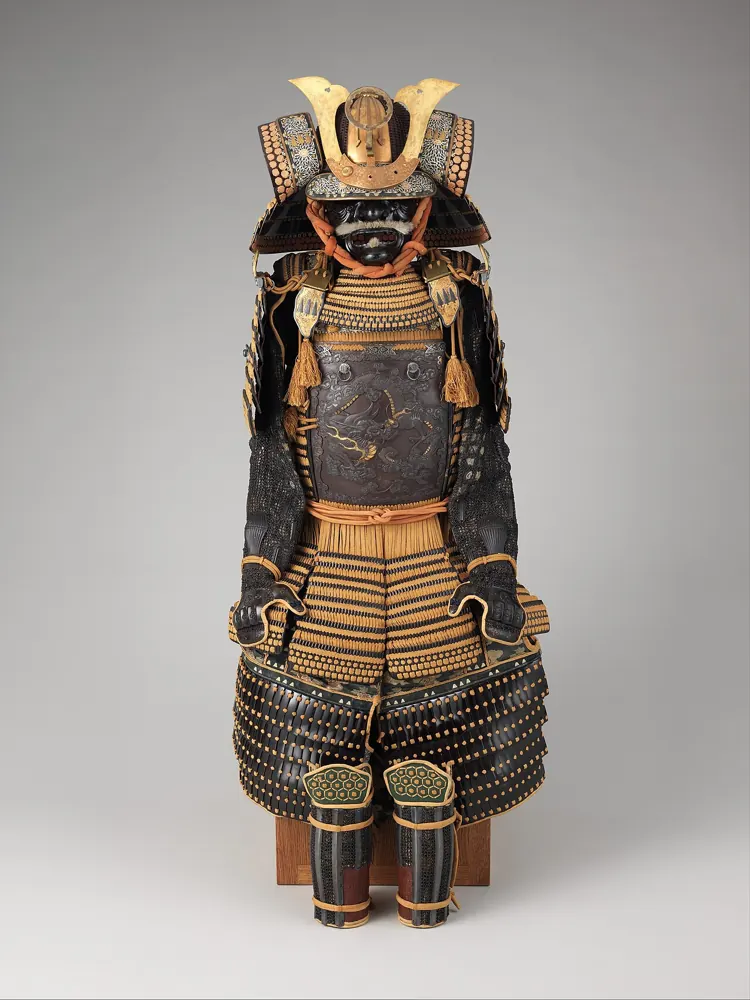
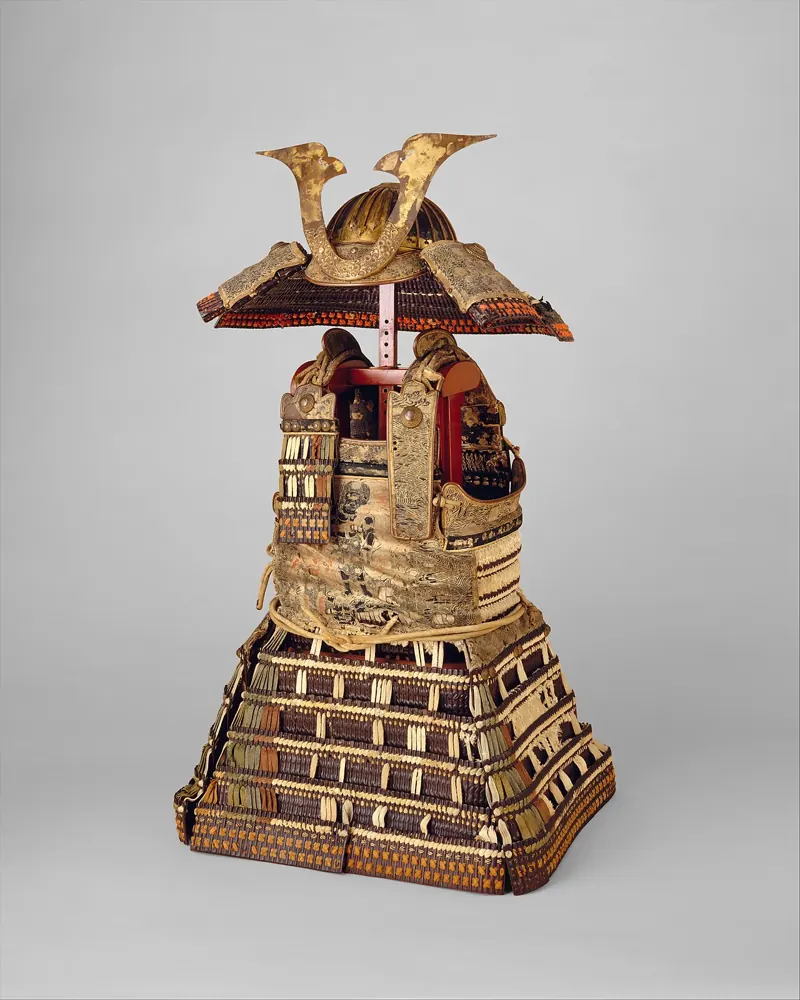
During the Heian period (794–1185), the unique Japanese samurai armour ō-yoroi and dō-maru appeared. The Japanese cuirass evolved into the more familiar style of body armour worn by the samurai known as the dō, with the use of leather straps (nerigawa) and Japanese lacquerware for weatherproofing. Leather and/or iron scales were also used to construct samurai armours, with leather and eventually kumihimo (braided silk) used to connect the individual scales (kozane) of the cuirass.
The Sengoku period had created new armies of ashigaru, lightly-armoured peasant soldiers armed with long spears. Japan also began trading with European powers, principally the Portuguese Empire, which is known as the Nanban trade. Matchlock guns were sold to the Japanese in the 1500s, who rapidly improved them. These new tanegashima guns were mass-produced domestically. The combination of these two things meant samurai needed much lighter and simpler armour with different defensive qualities; this new style was called tosei-gusoku "modern armour".
When a unified Japan entered the peaceful Edo period, samurai continued to wear both plate and lamellar armour as symbols of their status.
Ōyamazumi Shrine is renowned as a repository of armour.
Text from Wikipedia: Japanese armour — CC BY-SA 4.0. Read more on Wikipedia →
Japan Tourism Agency explanations
旅Try it yourself: Yoroi (samurai armour)
Live prices and reviews from GetYourGuide. Many tours can be cancelled for free — check each listing.
Ad: we may earn a commission if you book through these links, at no extra cost to you.
Compare whether a rail pass saves money on your route before you buy tickets.
Check prices →Japan eSIM / mobile data
Ad: we may earn a commission if you book through these links, at no extra cost to you.
問Questions visitors ask
What is Yoroi (samurai armour)?
Japanese armour first appeared in the 4th century, as evidenced by the discovery of cuirasses and basic helmets in graves.
工Crafts & everyday objects
 Katana日本刀
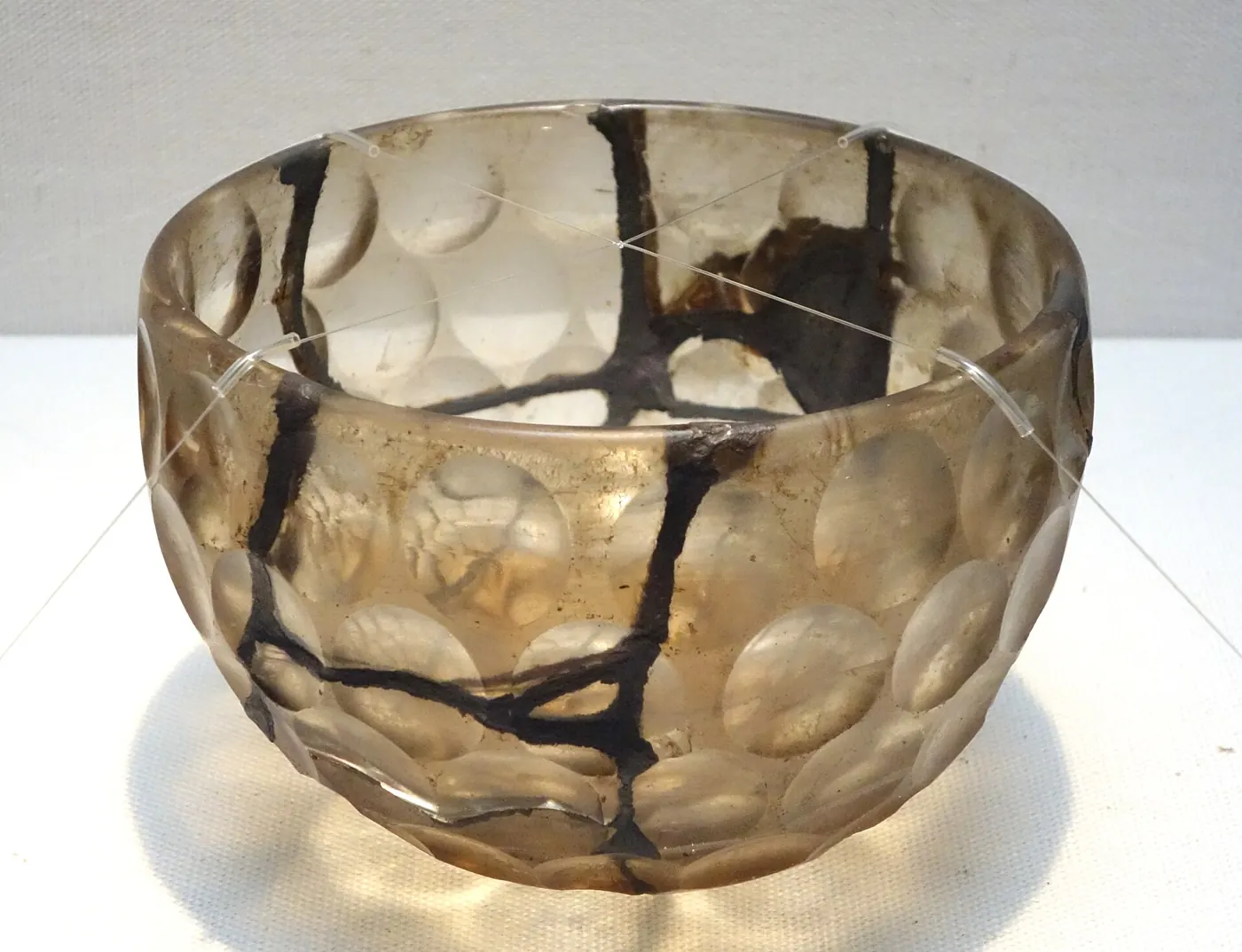 Kintsugi金継ぎ
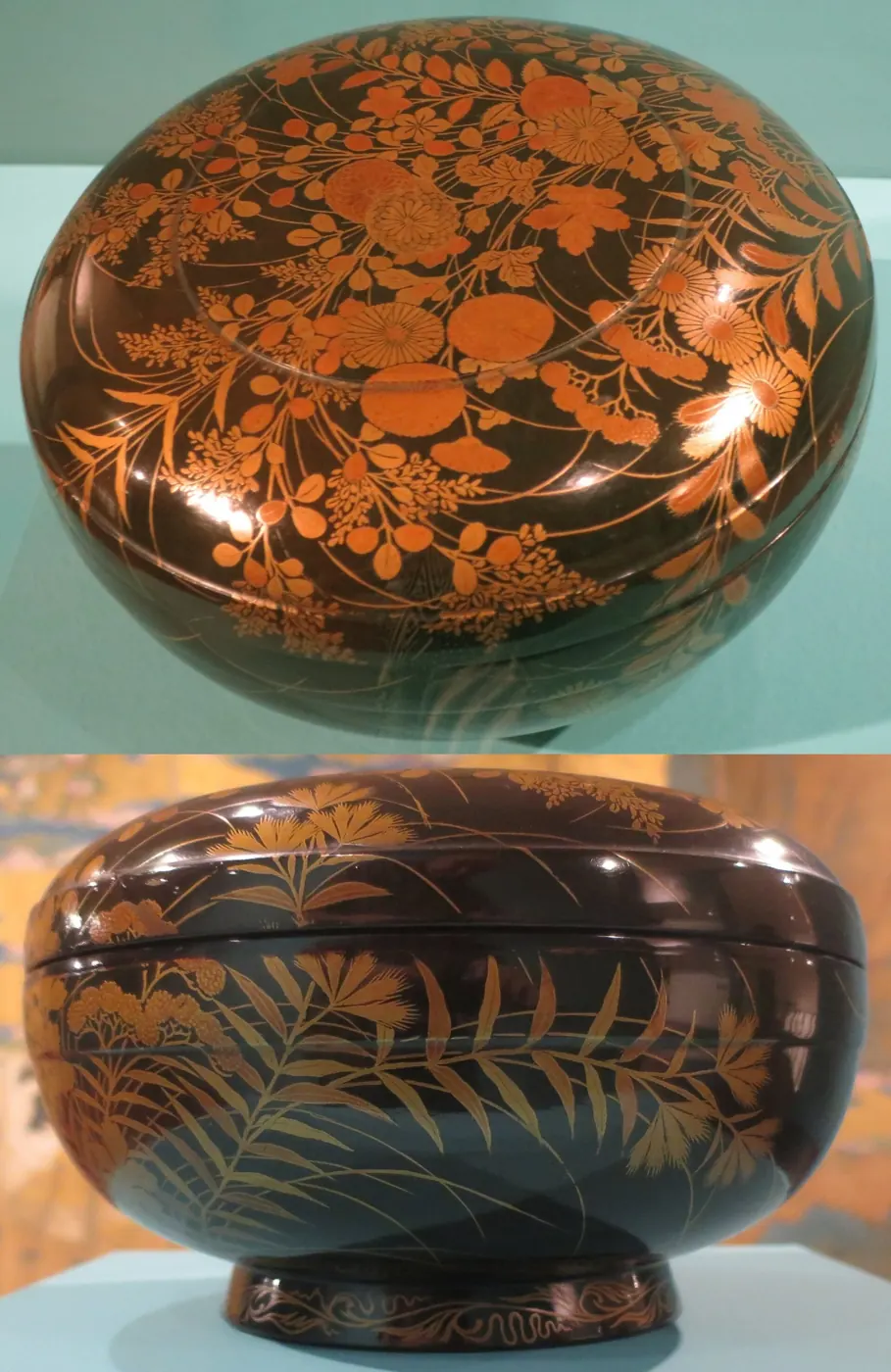 Urushi lacquerware漆器
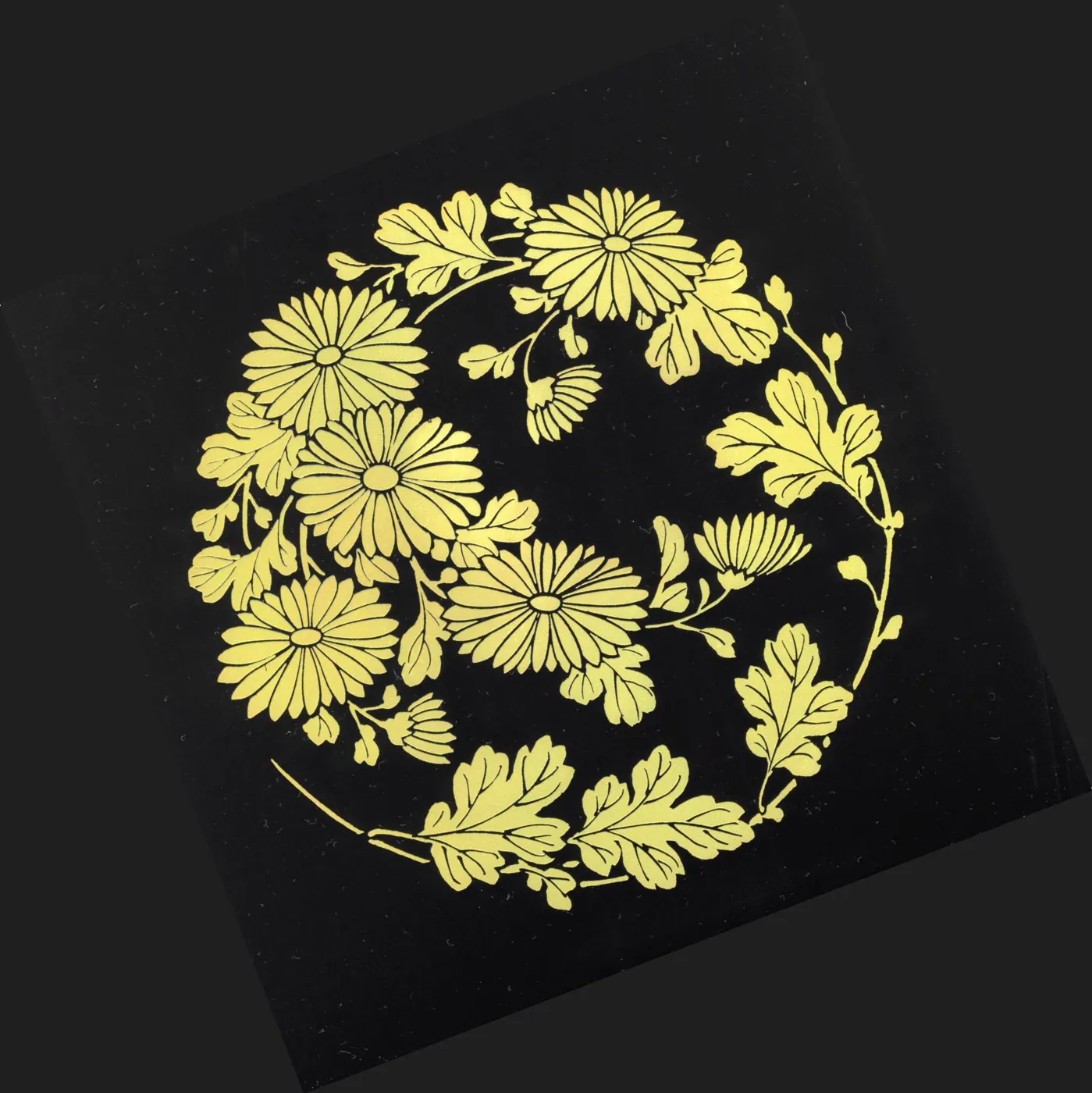 Maki-e蒔絵
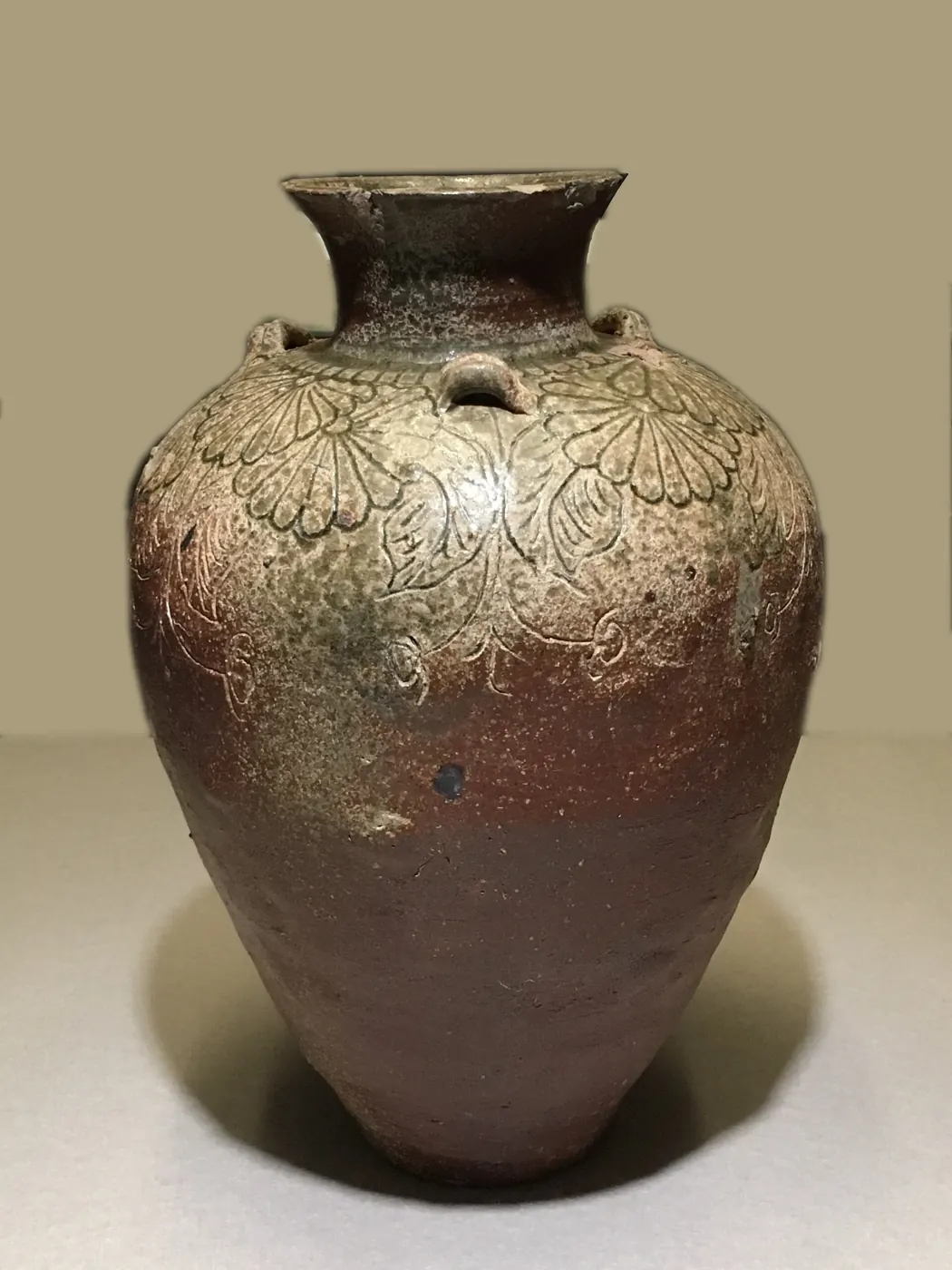 Japanese ceramics陶芸
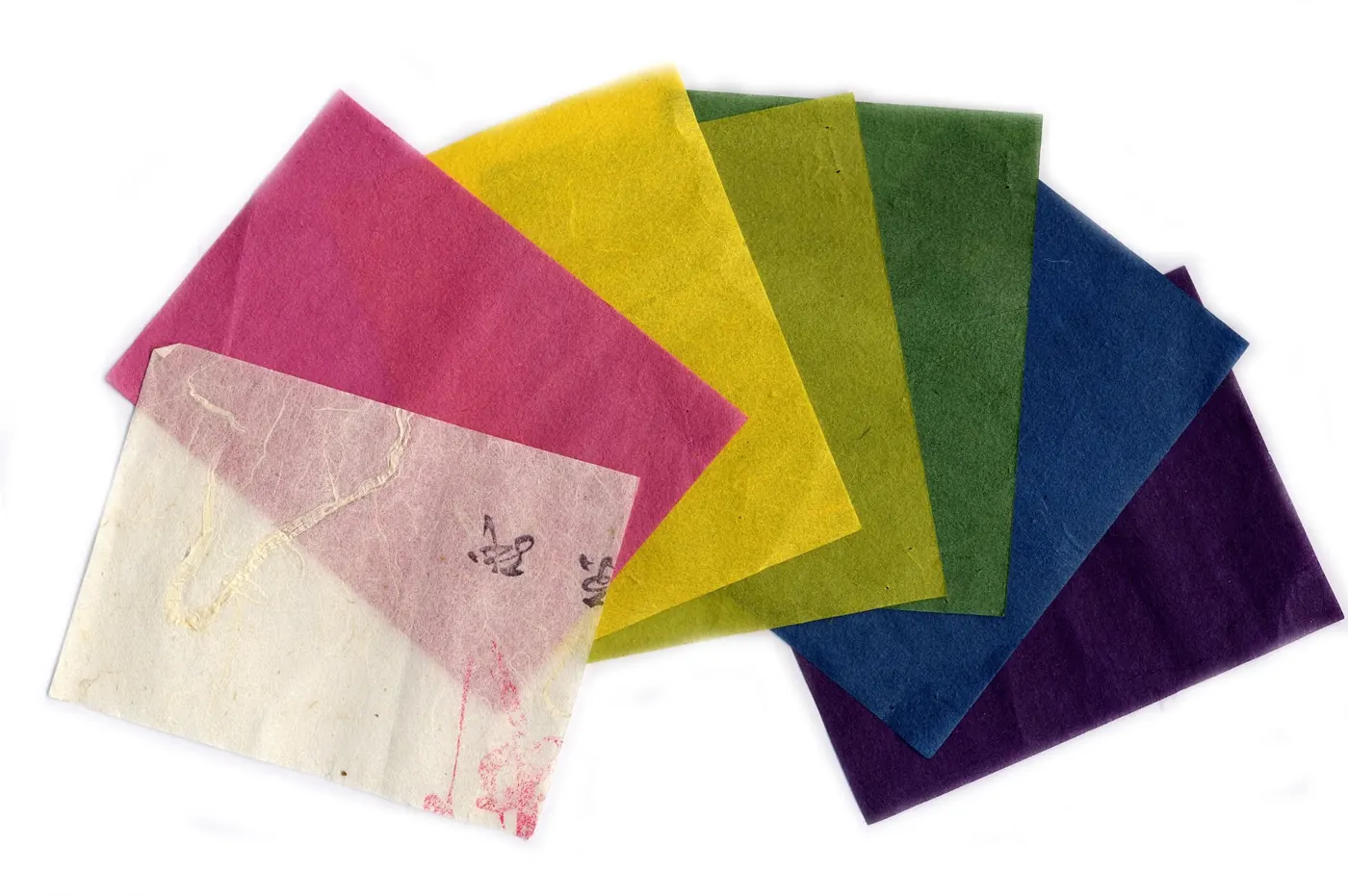 Washi和紙
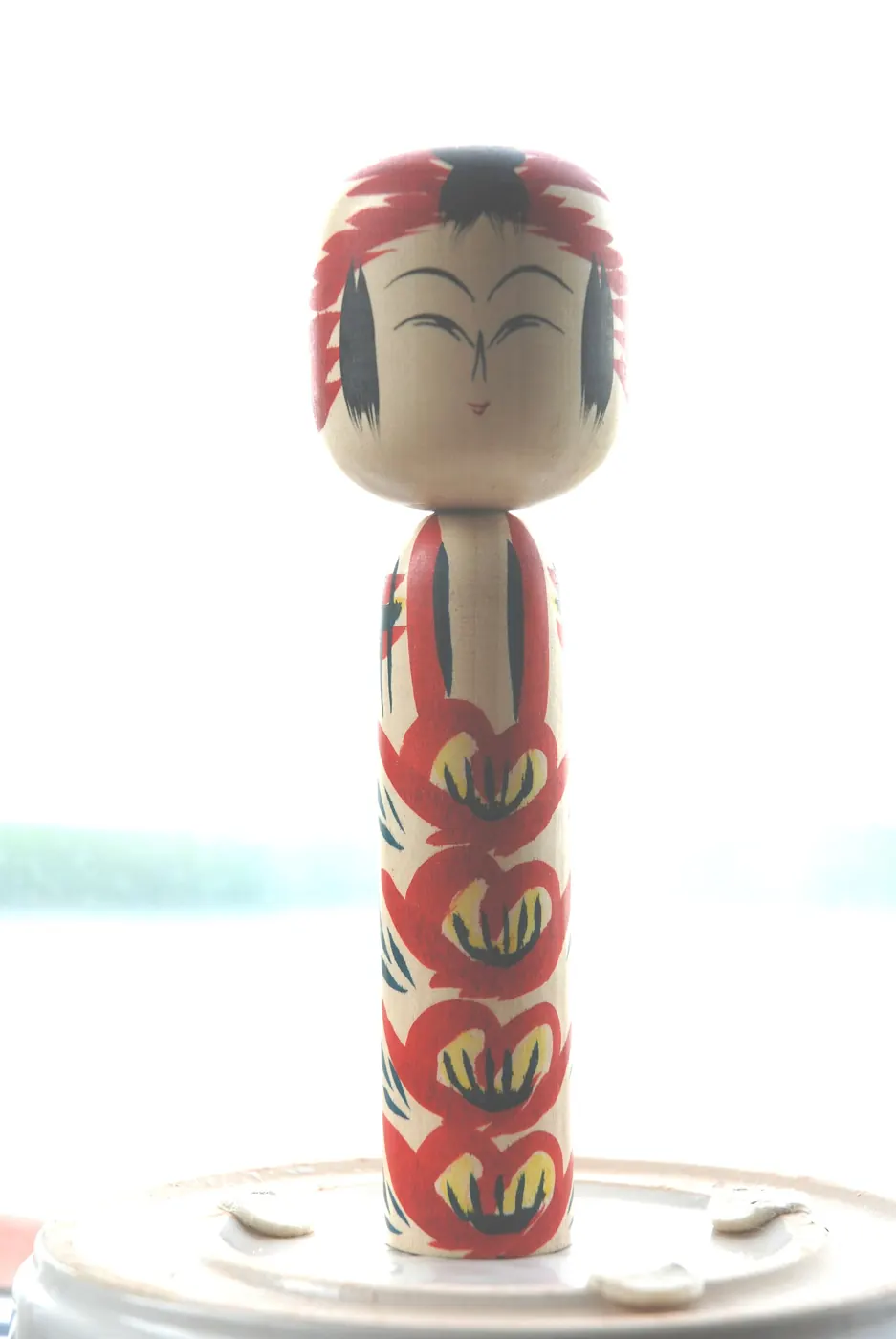 Kokeshi dollsこけし
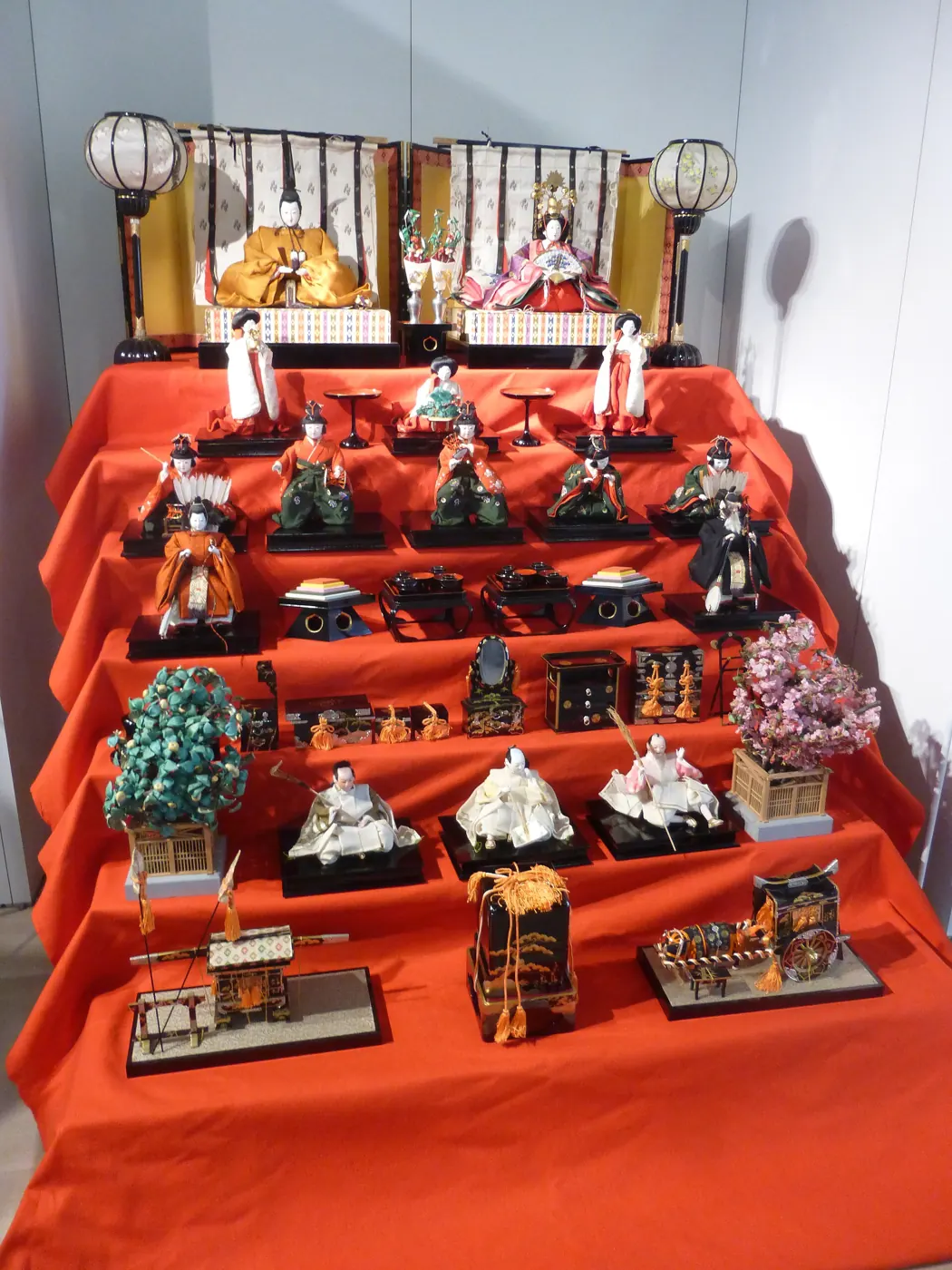 Hina dolls雛祭り
 Kamon家紋
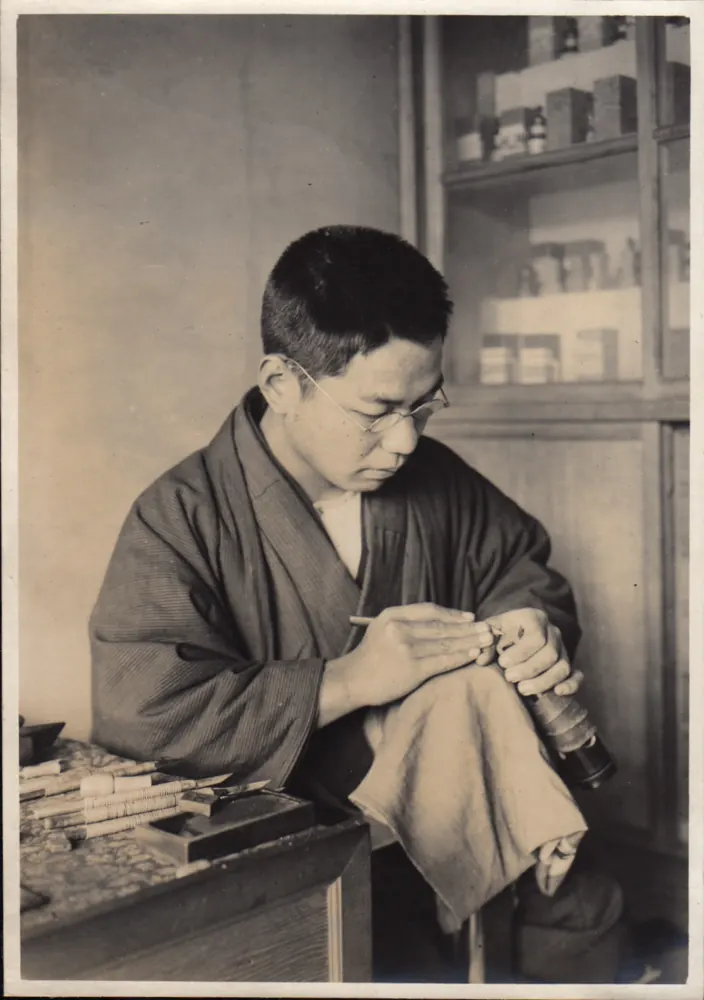 Hanko印章
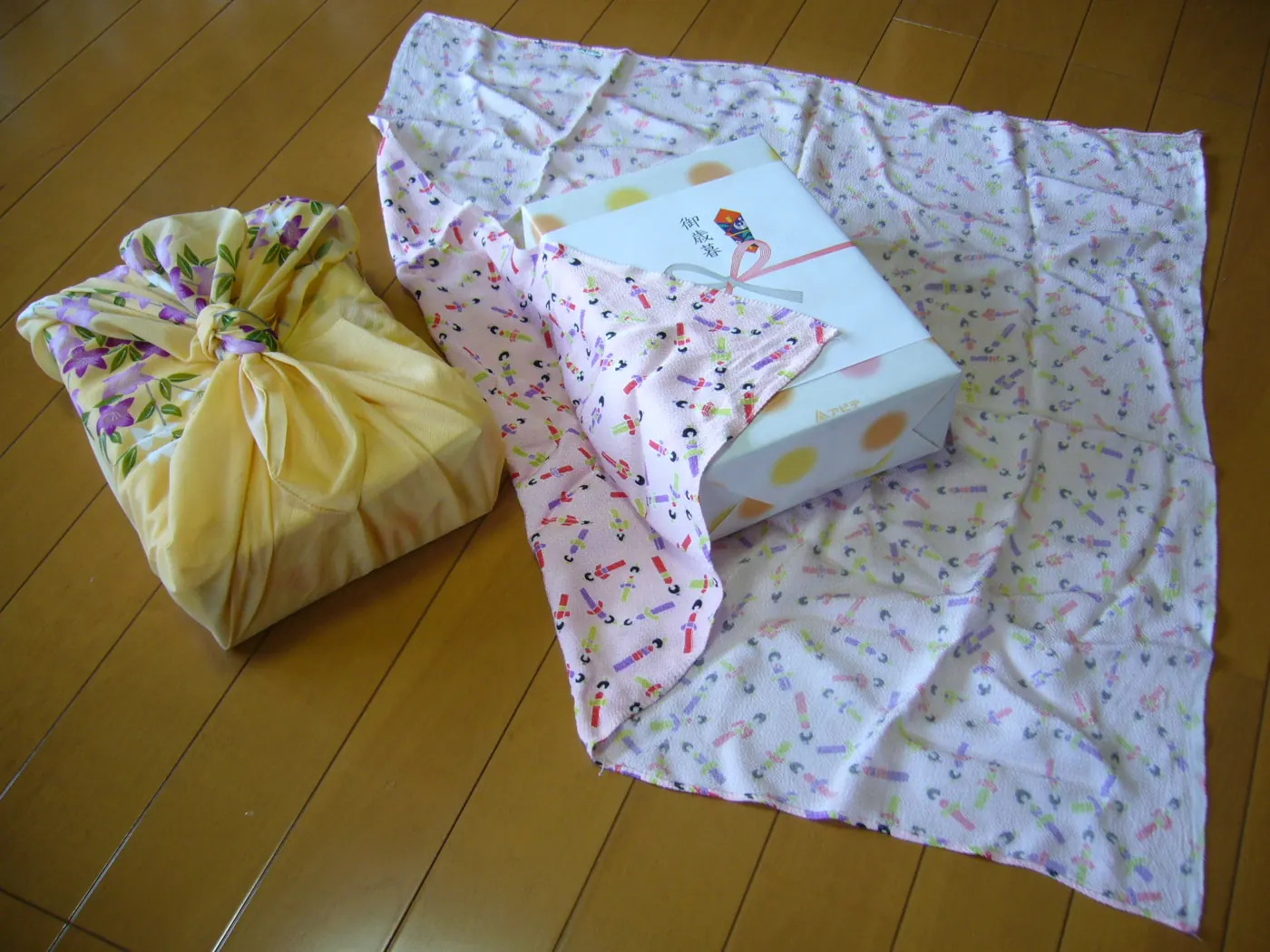 Furoshiki風呂敷
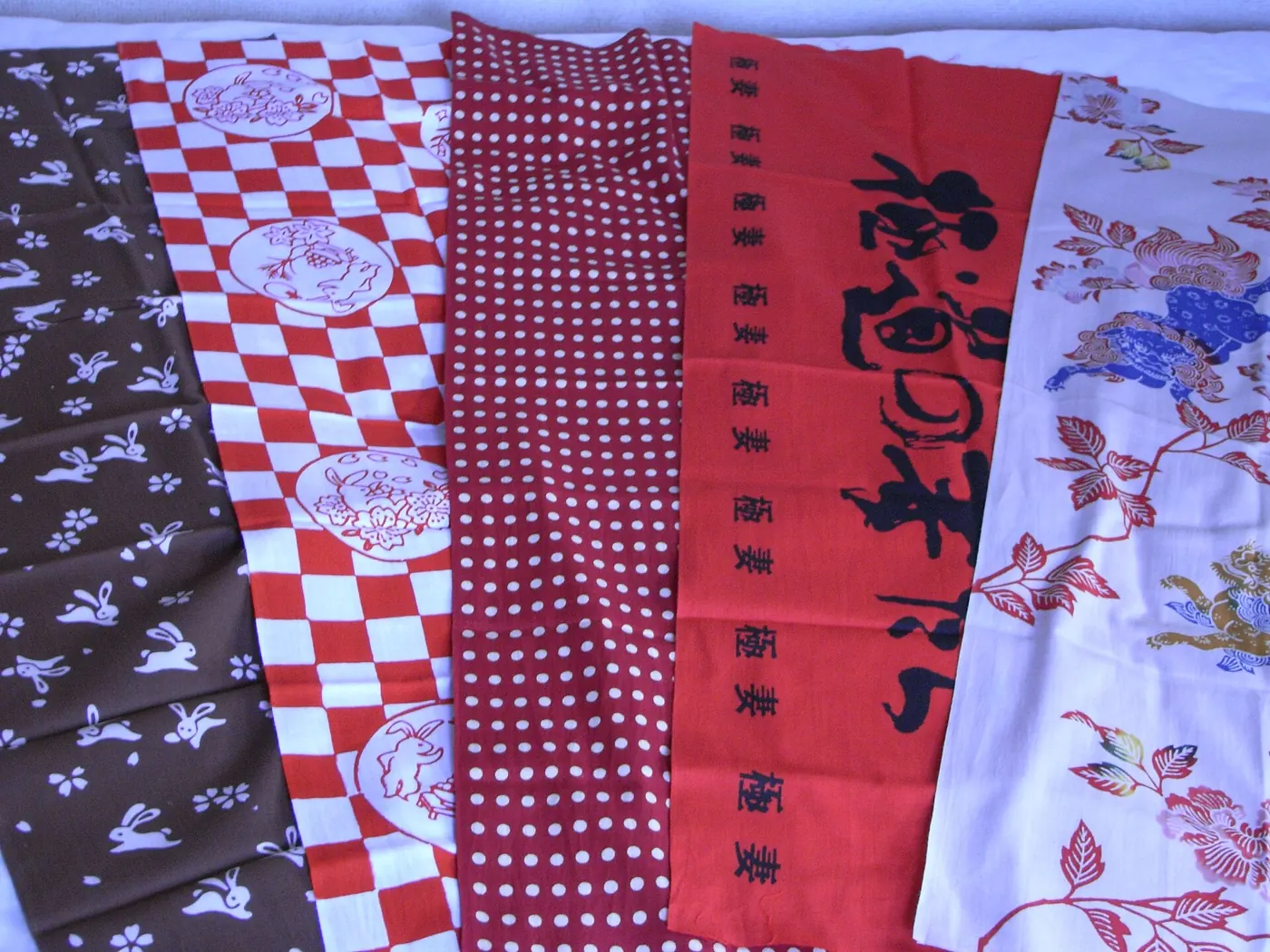 Tenugui手拭
Open the scanner and compare →