参道Sandō (approach path)
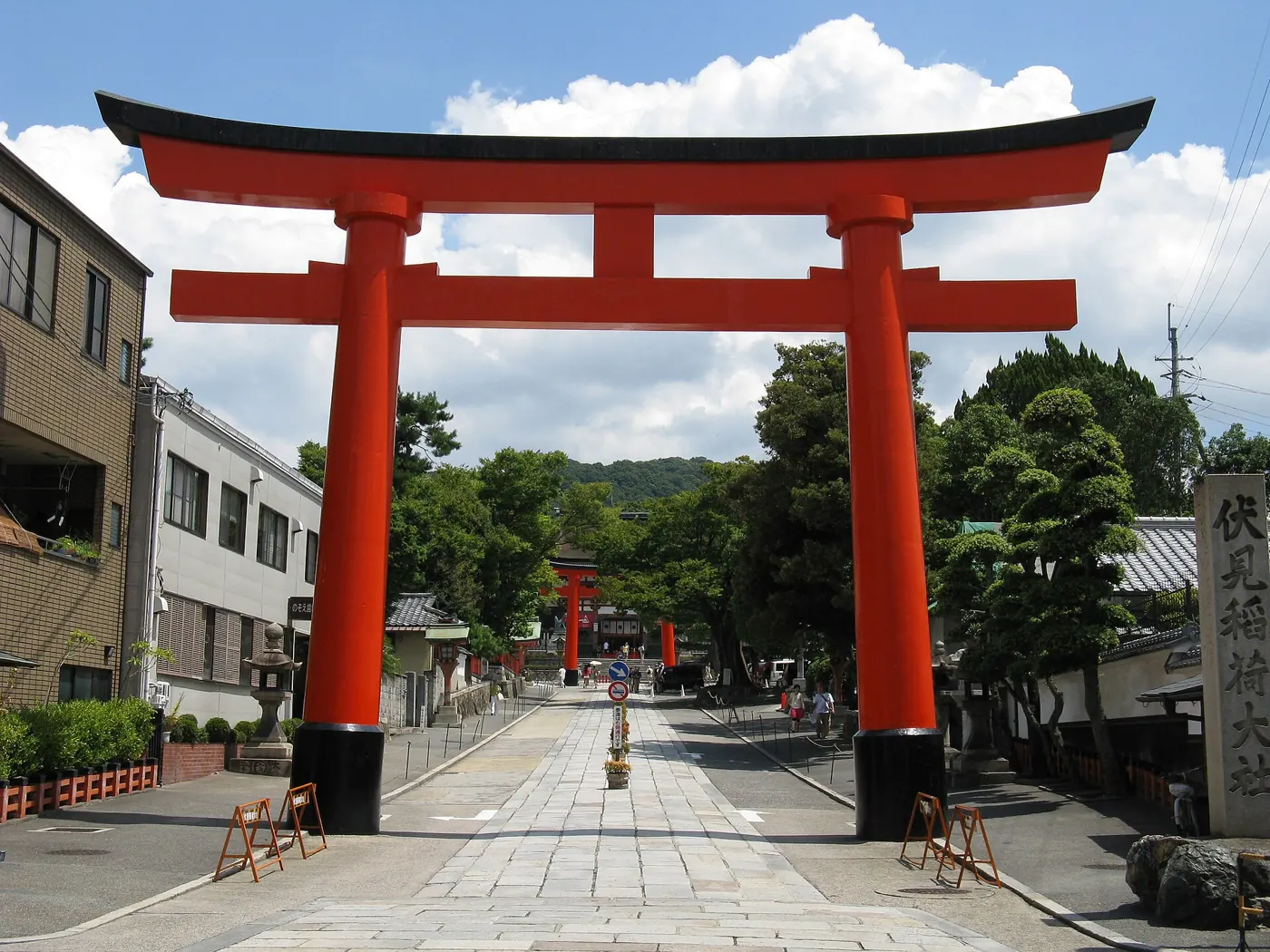
A sandō (参道; visiting path) in Japanese architecture is the road approaching either a Shinto shrine or a Buddhist temple. Its point of origin is usually straddled in the first case by a Shinto torii, in the second by a Buddhist sanmon, gates which mark the beginning of the shrine's or temple territory. The word dō (道) can refer both to a path or road, and to the path of one's life's efforts. There can also be stone lanterns and other decorations at any point along its course.
A sandō can be called a front sandō (表参道, omote-sandō), if it is the main entrance, or a rear sandō (裏参道, ura-sandō) if it is a secondary point of entrance, especially to the rear; side sandō (脇参道, waki-sandō) are also sometimes found. The famous Omotesandō district in Tokyo, for example, takes its name from the nearby main access path to Meiji Shrine where an ura-sandō also used to exist.
Text from Wikipedia: Sandō — CC BY-SA 4.0. Read more on Wikipedia →
Japan Tourism Agency explanations
旅Try it yourself: Sandō (approach path)
Live prices and reviews from GetYourGuide. Many tours can be cancelled for free — check each listing.
Ad: we may earn a commission if you book through these links, at no extra cost to you.
Compare whether a rail pass saves money on your route before you buy tickets.
Check prices →Japan eSIM / mobile data
Ad: we may earn a commission if you book through these links, at no extra cost to you.
問Questions visitors ask
What is Sandō (approach path)?
A sandō (参道; visiting path) in Japanese architecture is the road approaching either a Shinto shrine or a Buddhist temple.
社At a shrine
 Shinto神道
 Kami神
 Shide紙垂
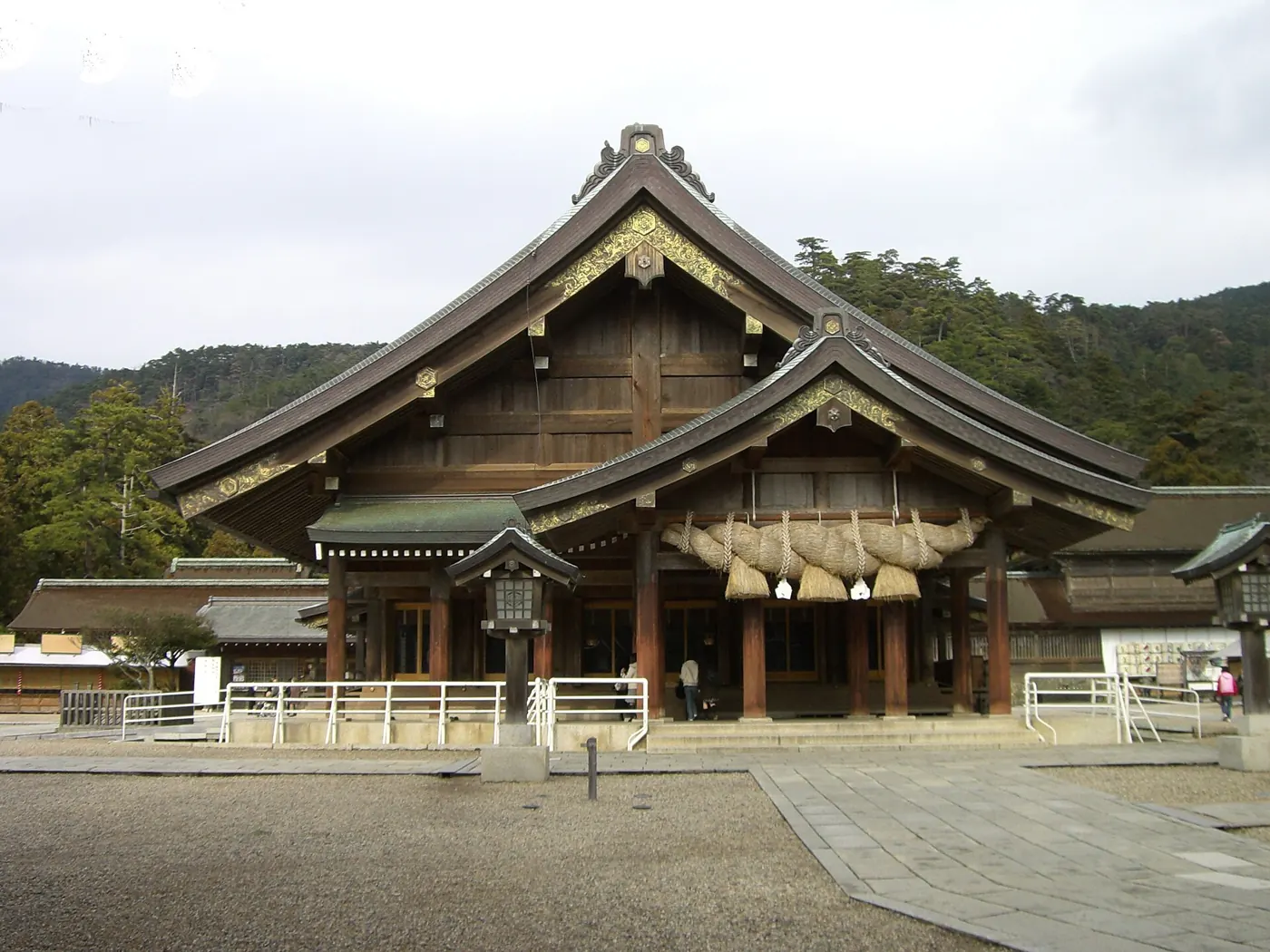 Haiden拝殿
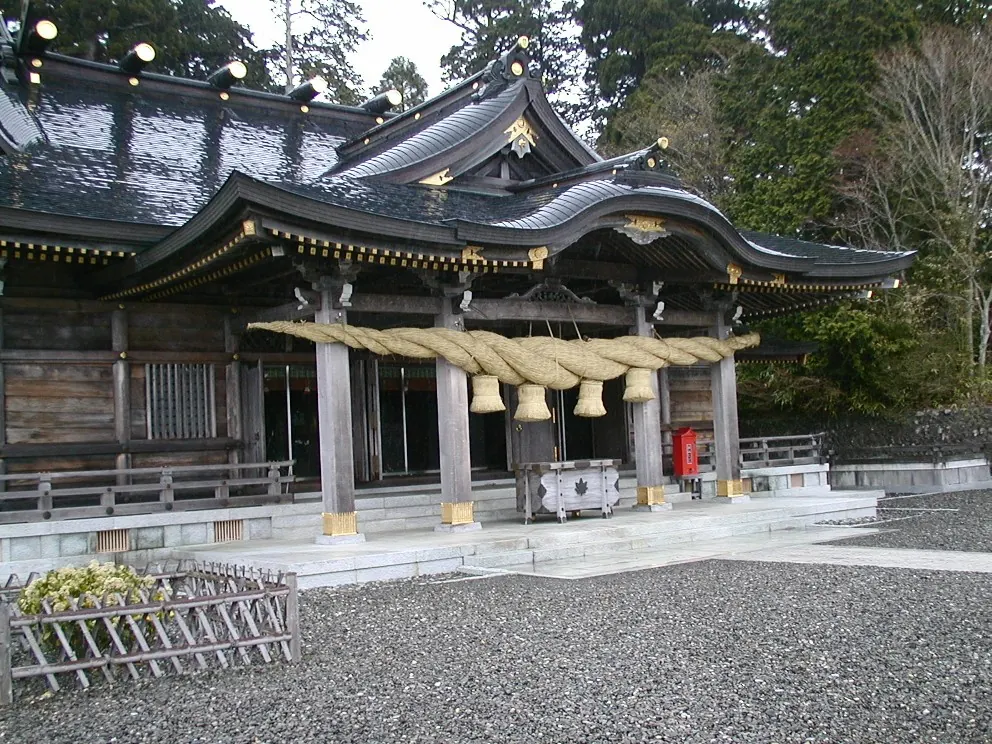 Honden本殿
 Omikujiおみくじ
 Goshuin朱印
 Saisen賽銭
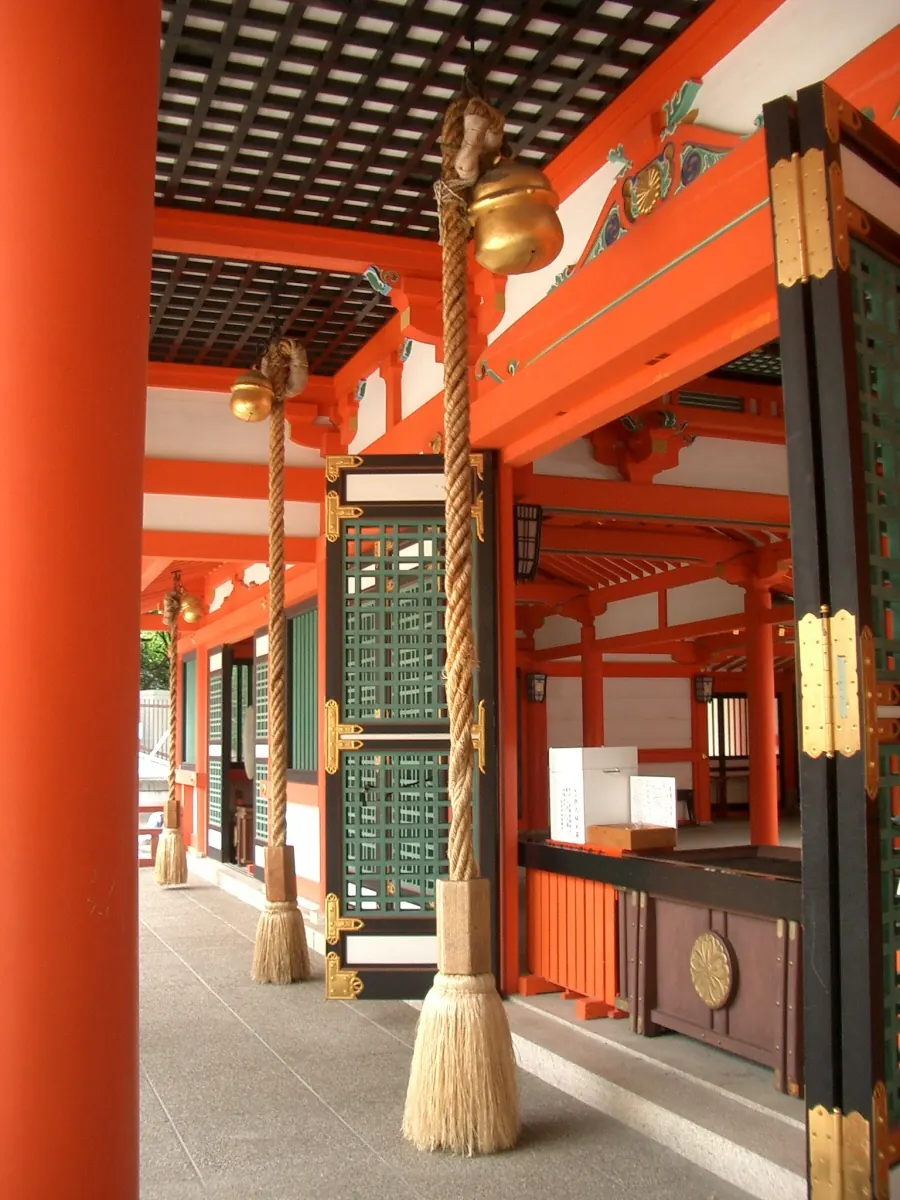 Suzu鈴
 Kagura神楽
 Miko巫女
 Kannushi神職
Open the scanner and compare →