おみくじOmikuji (fortune slips)
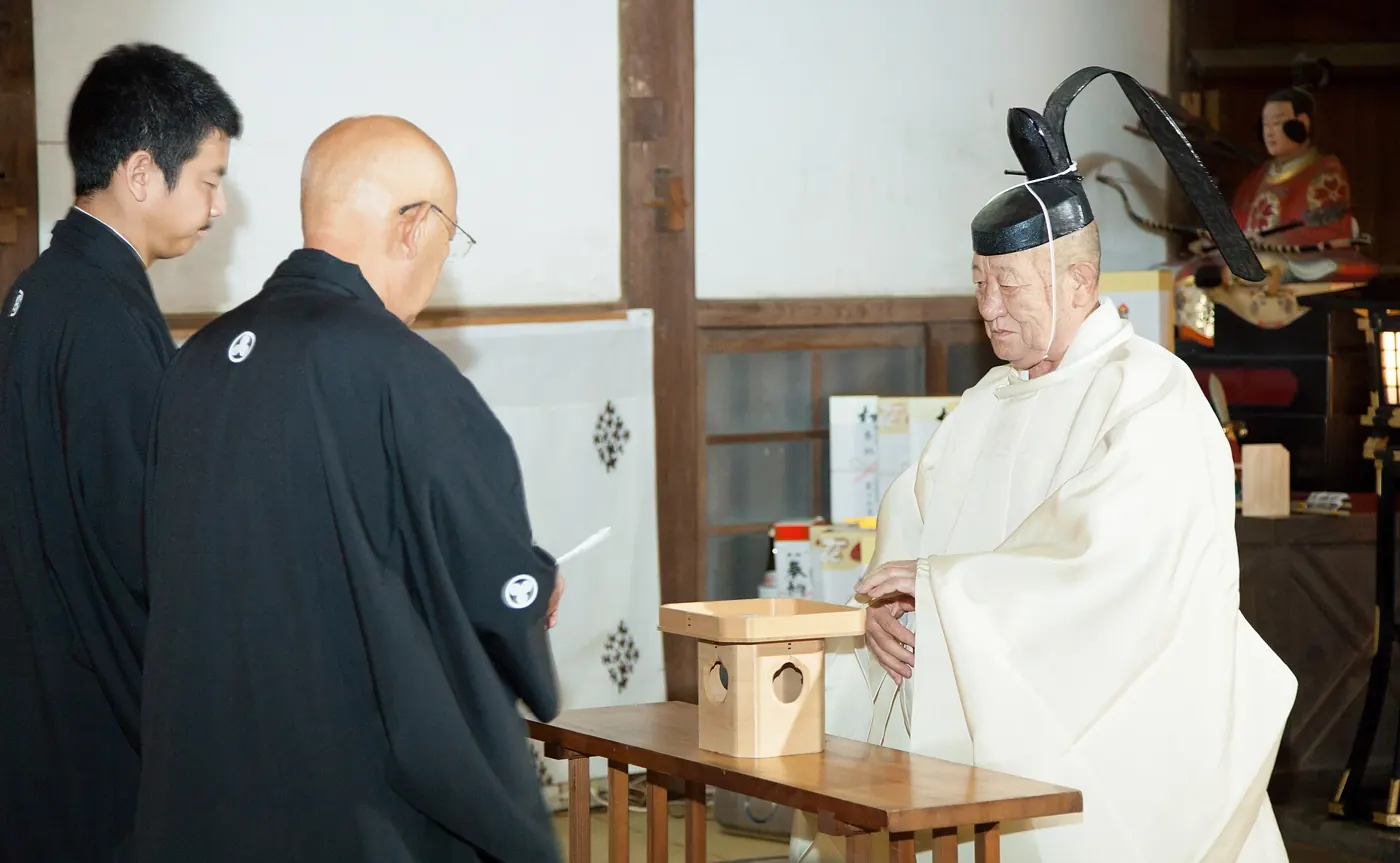
Omikuji (御御籤/御神籤/おみくじ) are random fortunes written on strips of paper at Shinto shrines and Buddhist temples in Japan. Literally "sacred lot", these are usually received by making a small offering and randomly choosing one from a box, hoping for the resulting fortune to be good. As of 2024, vending machines sometimes dispense omikuji.
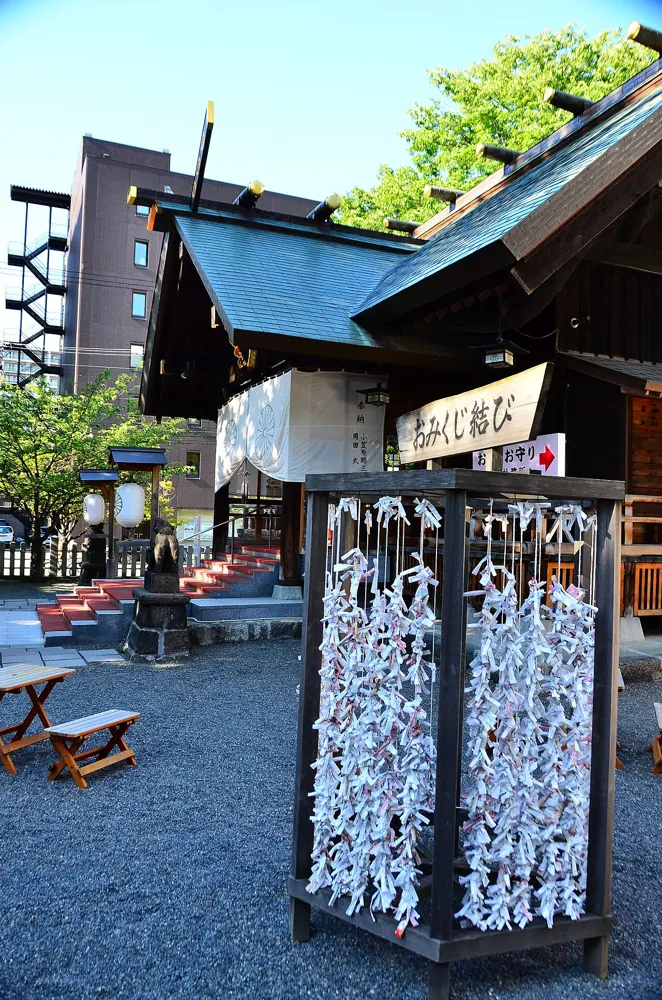
The omikuji predicts the person's chances of their hopes coming true, of finding a good match, or generally matters of health, fortune, life, etc. When the prediction is bad, it is a custom to fold up the strip of paper and attach it to a pine tree or a wall of metal wires alongside other bad fortunes in the temple or shrine grounds. A purported reason for this custom is a pun on the word for pine tree (松, matsu) and the verb 'to wait' (待つ, matsu), the idea being that the bad luck will wait by the tree rather than attach itself to the bearer. In the event of the fortune being good, the bearer has two options: they can also tie it to the tree or wires so that the fortune has a greater effect or they can keep it for luck.
Text from Wikipedia: O-mikuji — CC BY-SA 4.0. Read more on Wikipedia →

Japan Tourism Agency explanations
旅Try it yourself: Omikuji (fortune slips)
Live prices and reviews from GetYourGuide. Many tours can be cancelled for free — check each listing.
Ad: we may earn a commission if you book through these links, at no extra cost to you.
Compare whether a rail pass saves money on your route before you buy tickets.
Check prices →Japan eSIM / mobile data
Ad: we may earn a commission if you book through these links, at no extra cost to you.
問Questions visitors ask
What is Omikuji (fortune slips)?
Omikuji (御御籤/御神籤/おみくじ) are random fortunes written on strips of paper at Shinto shrines and Buddhist temples in Japan.
社At a shrine
 Shinto神道
 Kami神
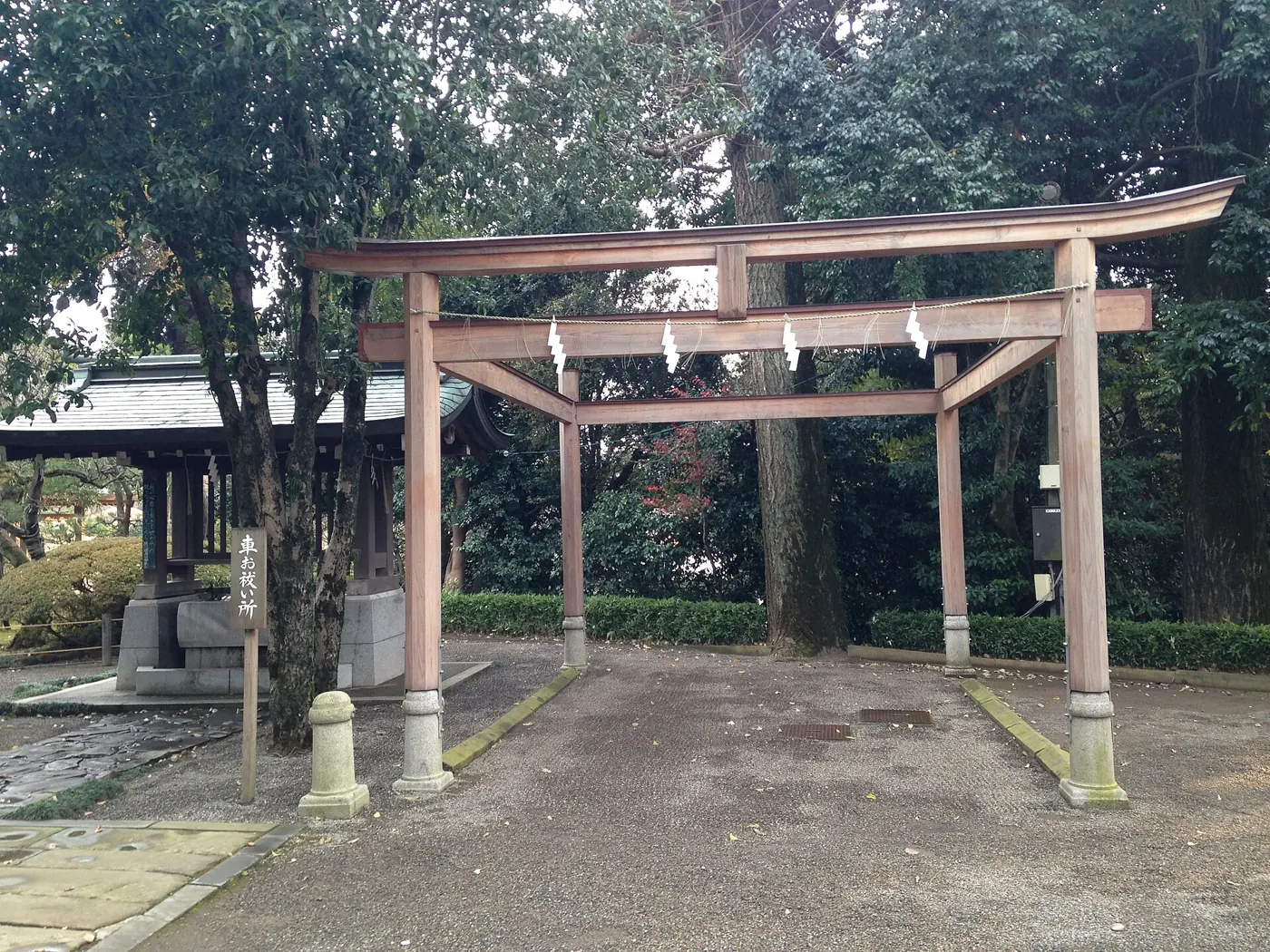 Shide紙垂
 Haiden拝殿
 Honden本殿
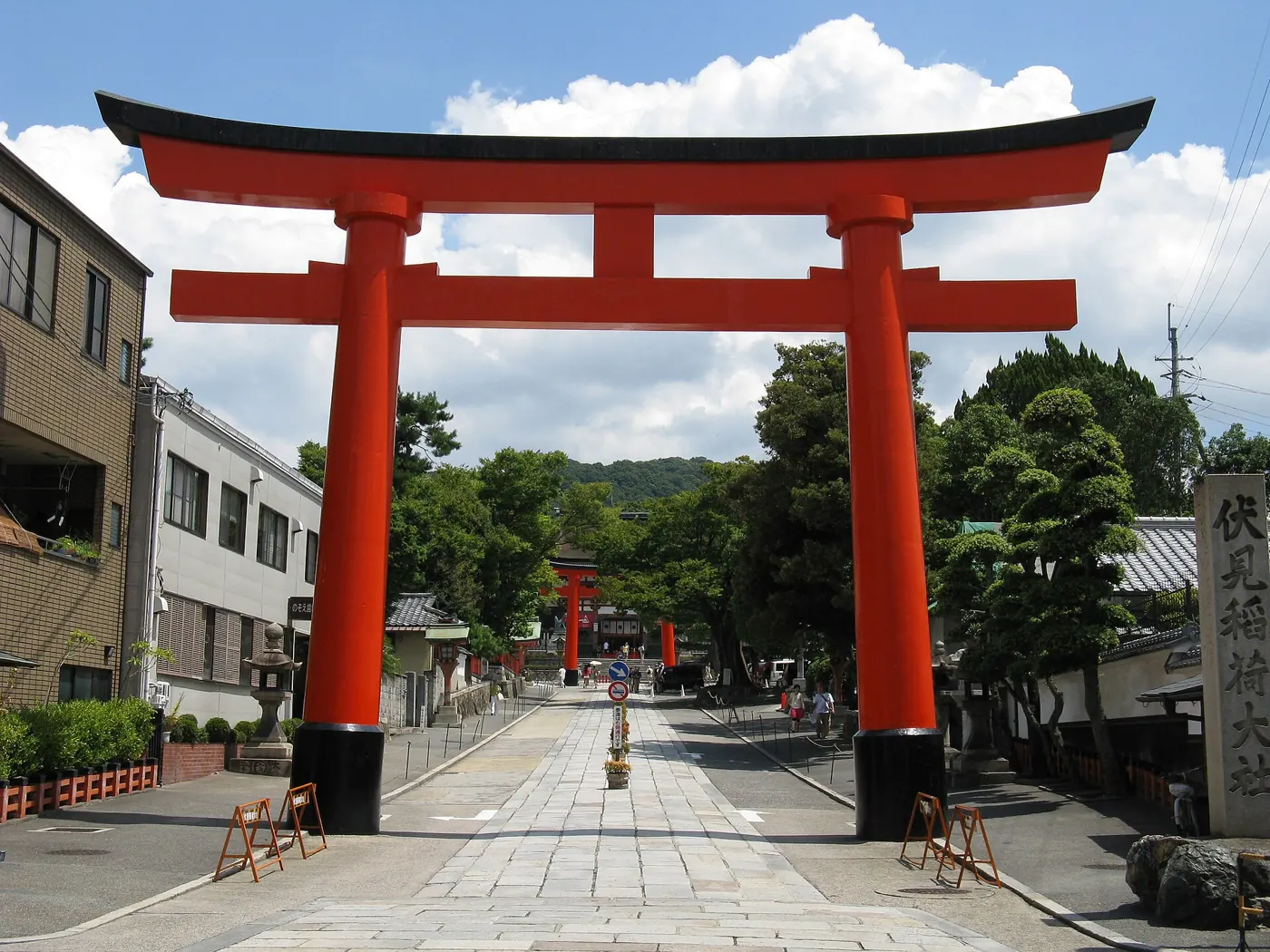 Sandō参道
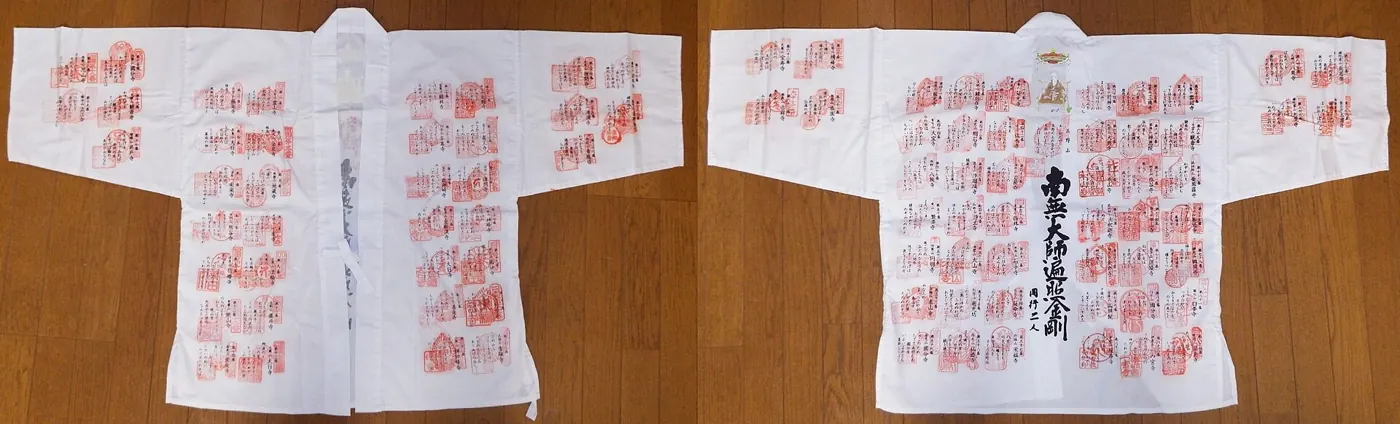 Goshuin朱印
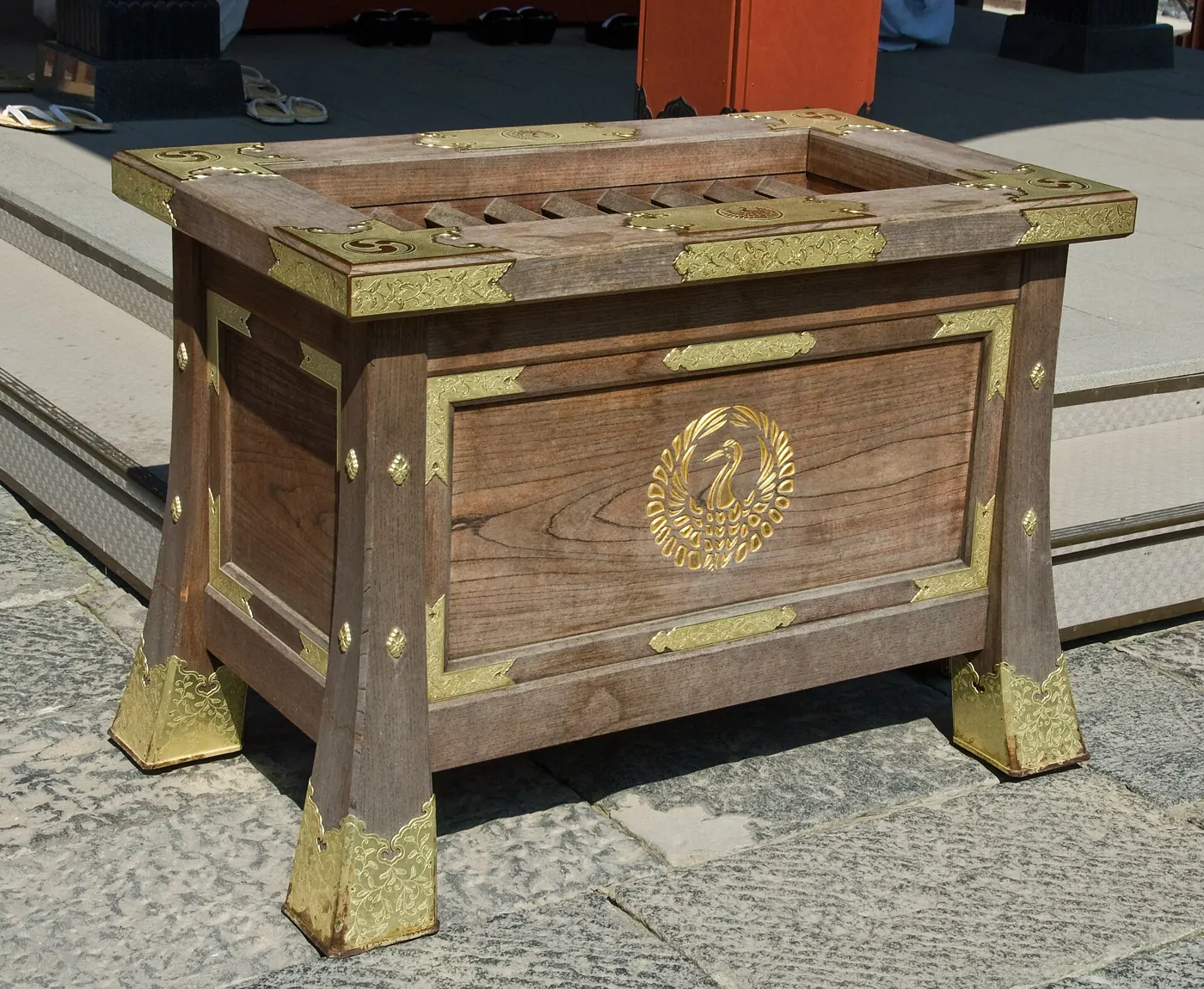 Saisen賽銭
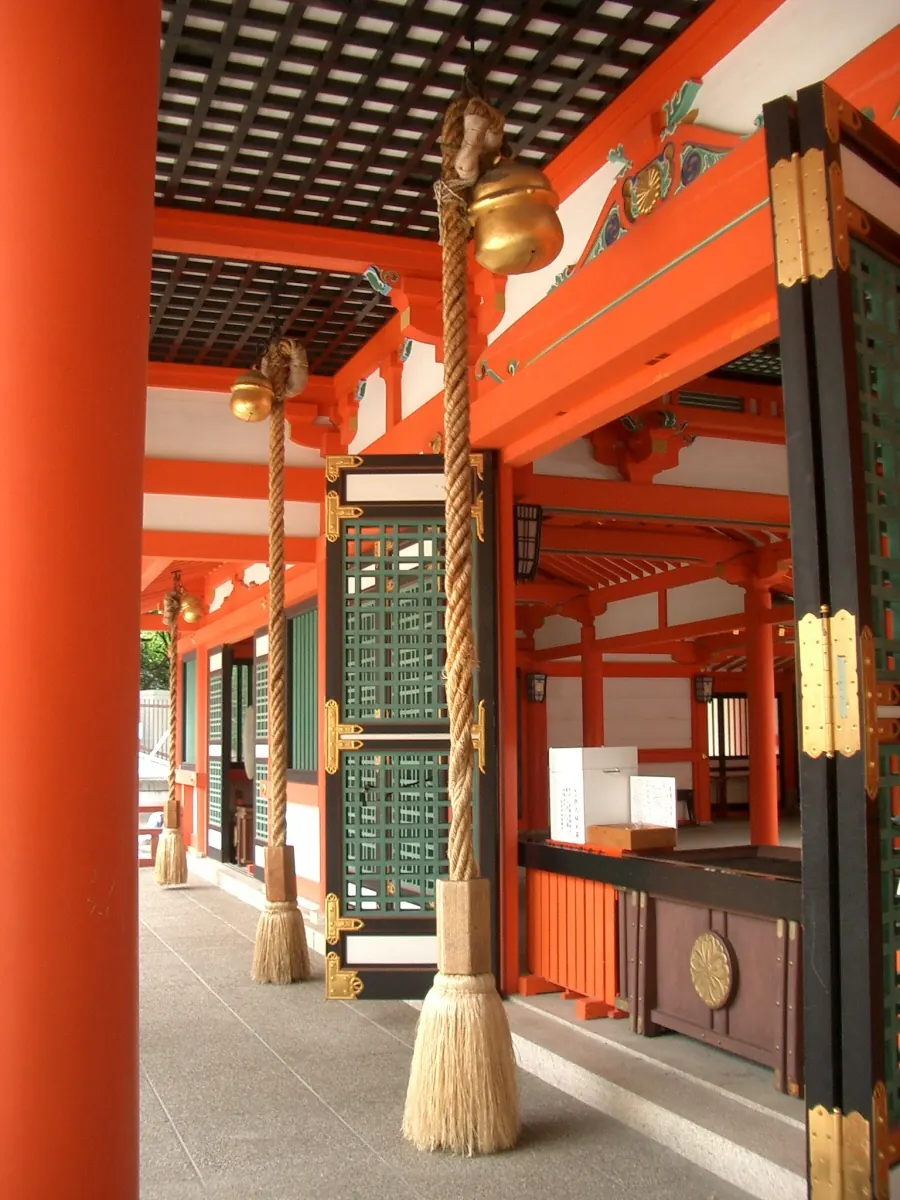 Suzu鈴
 Kagura神楽
 Miko巫女
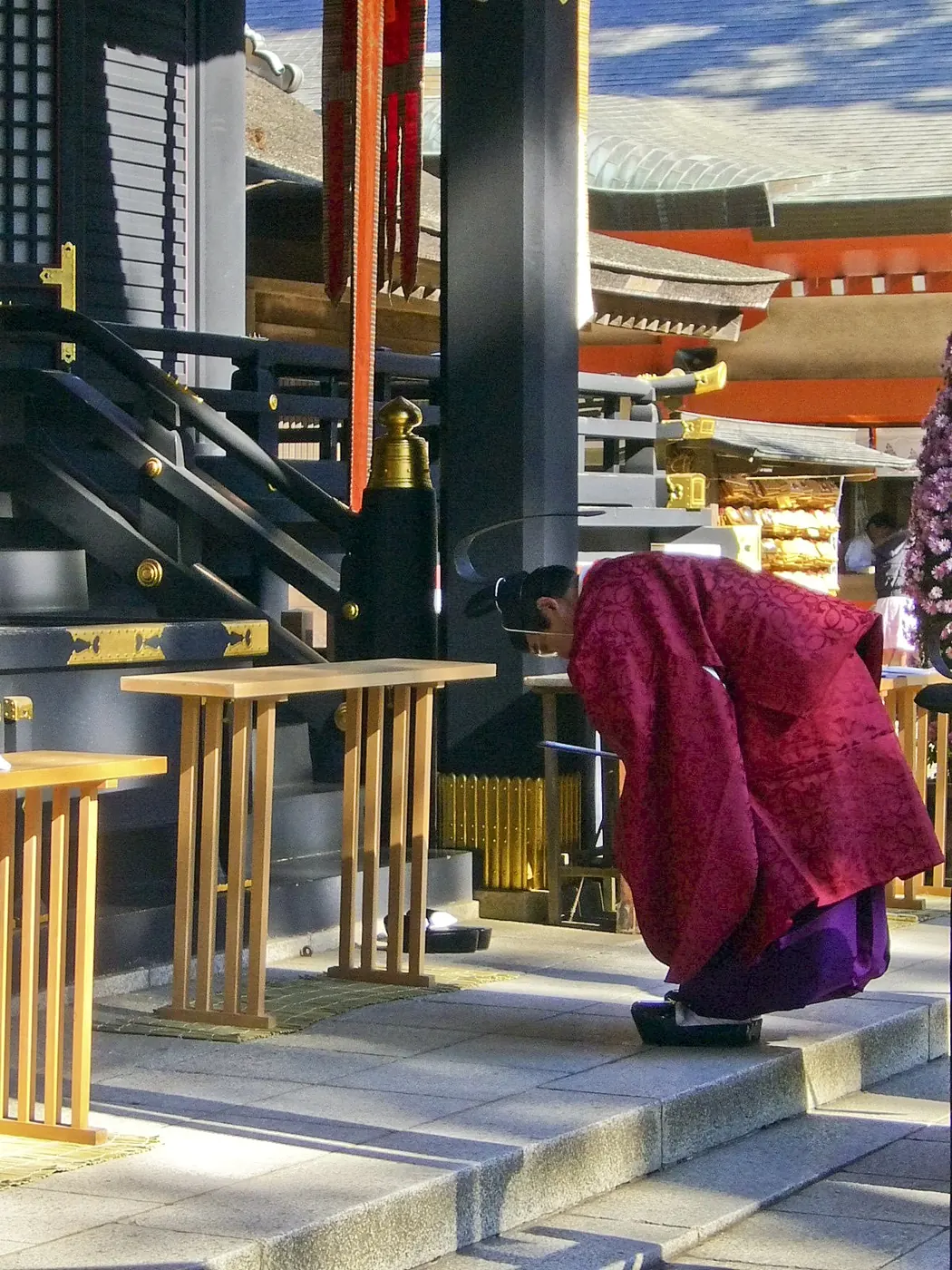 Kannushi神職
Open the scanner and compare →