Niukawakami Jinja Shrine (Kamisha) 丹生川上神社(上社)
Official explanation
Niukawakami Jinja Shrine is older than Japan’s recorded history. It is said that in 675, Emperor Tenmu (d. 686) built a shrine at the upper reaches of the Niu River. There, he prayed to a powerful water deity. The deity responded, saying it would bring rain in times of drought and relief when long rains threatened crops. By the end of the Heian period (794–1185), Niukawakami Jinja had risen to prominence as one of the foremost shrines in the country.
The shrine became associated with horses in 763, when a black horse was offered to the deity as part of a prayer for rain. Thereafter, it became customary to offer a black horse when praying for rain and a white horse for clear skies. In time, the live animals were replaced by life-sized paintings of horses. These were the earliest forms of the hand-sized wooden ema (“picture-horse”) prayer plaques that are now seen at shrines across the country.
Read the full explanation
The shrine is positioned at the top of a steep ridge that commands an expansive view of the valley and the Ōtaki Dam reservoir below. The main sanctuary enshrines Takaokami no Ōkami, who, like many water deities, takes the form of a dragon. In place of the lion-dog statues that would normally flank a shrine’s main sanctuary, Niukawakami Jinja has two magnificent bronze horses. Nearby is a cross-section of a 600-year-old cedar tree that once towered over the shrine.
In keeping with its connection to water, the shrine offers special paper fortunes (omikuji) with messages that only appear when submerged in water.
出典: 地域観光資源の多言語解説文データベース(観光庁) — www.mlit.go.jp/tagengo-db. この英語解説文は観光庁の地域観光資源の多言語解説整備支援事業で作成しました。
Source: Japan Tourism Agency, Multilingual Explanation Database. This English text was produced by the Japan Tourism Agency's multilingual explanation project and is shown unedited. Opening hours and services may have changed since it was written.
旅Nara tours
Live prices and reviews from GetYourGuide. Many tours can be cancelled for free — check each listing.
Ad: we may earn a commission if you book through these links, at no extra cost to you.
Things you may see here
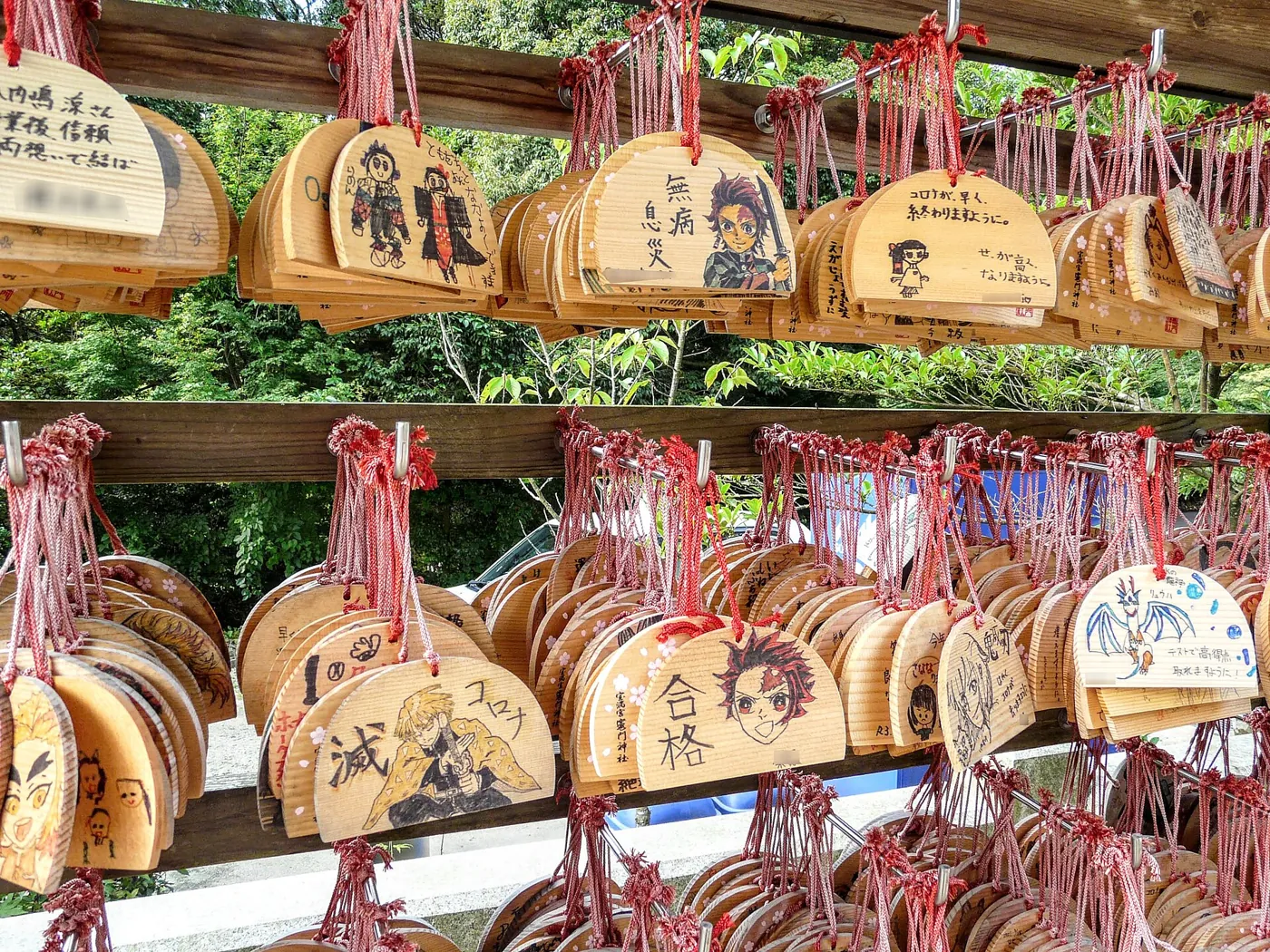 Ema絵馬
Treasure hunts nearby
Getting there
Hotels in Nara
Ad: we may earn a commission if you book through these links, at no extra cost to you.
More shrines in Nara
Open the scanner and compare →