流造Nagare-zukuri (flowing roof)
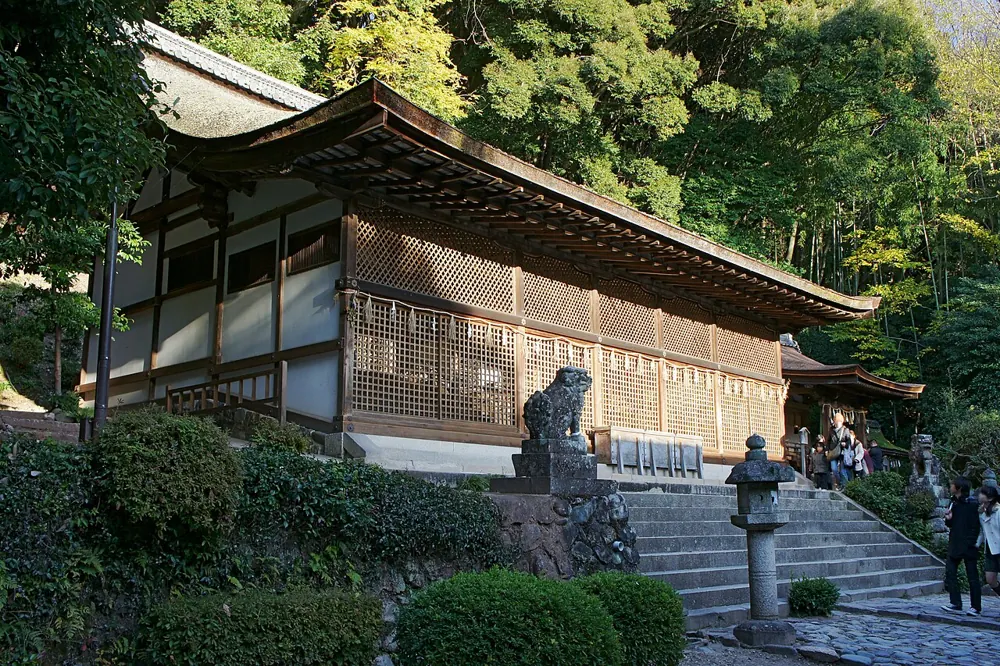
The nagare-zukuri (流造, streamlined roof style) or nagare hafu-zukuri (流破風造, streamlined gabled style) is a traditional Shinto shrine architectural style characterized by a very asymmetrical gabled roof (kirizuma-yane (切妻屋根)) projecting outwards on one of the non-gabled sides, above the main entrance, to form a portico (see photo). This is the feature which gives it its name. It is the most common style among shrines all over the country. That the building has its main entrance on the side which runs parallel to the roof's ridge (non gabled-side) makes it belong to the hirairi or hirairi-zukuri (平入・平入造) style.
Text from Wikipedia: Nagare-zukuri — CC BY-SA 4.0. Read more on Wikipedia →
Japan Tourism Agency explanations
旅Try it yourself: Nagare-zukuri (flowing roof)
Live prices and reviews from GetYourGuide. Many tours can be cancelled for free — check each listing.
Ad: we may earn a commission if you book through these links, at no extra cost to you.
Compare whether a rail pass saves money on your route before you buy tickets.
Check prices →Japan eSIM / mobile data
Ad: we may earn a commission if you book through these links, at no extra cost to you.
問Questions visitors ask
What is Nagare-zukuri (flowing roof)?
The nagare-zukuri (流造, streamlined roof style) or nagare hafu-zukuri (流破風造, streamlined gabled style) is a traditional Shinto shrine architectural style characterized by a very asymmetrical gabled roof (kirizuma-yane (切妻屋根)) projecting outwards on one of the non-gabled sides, above the main entrance, to form a portico (see photo).
社At a shrine
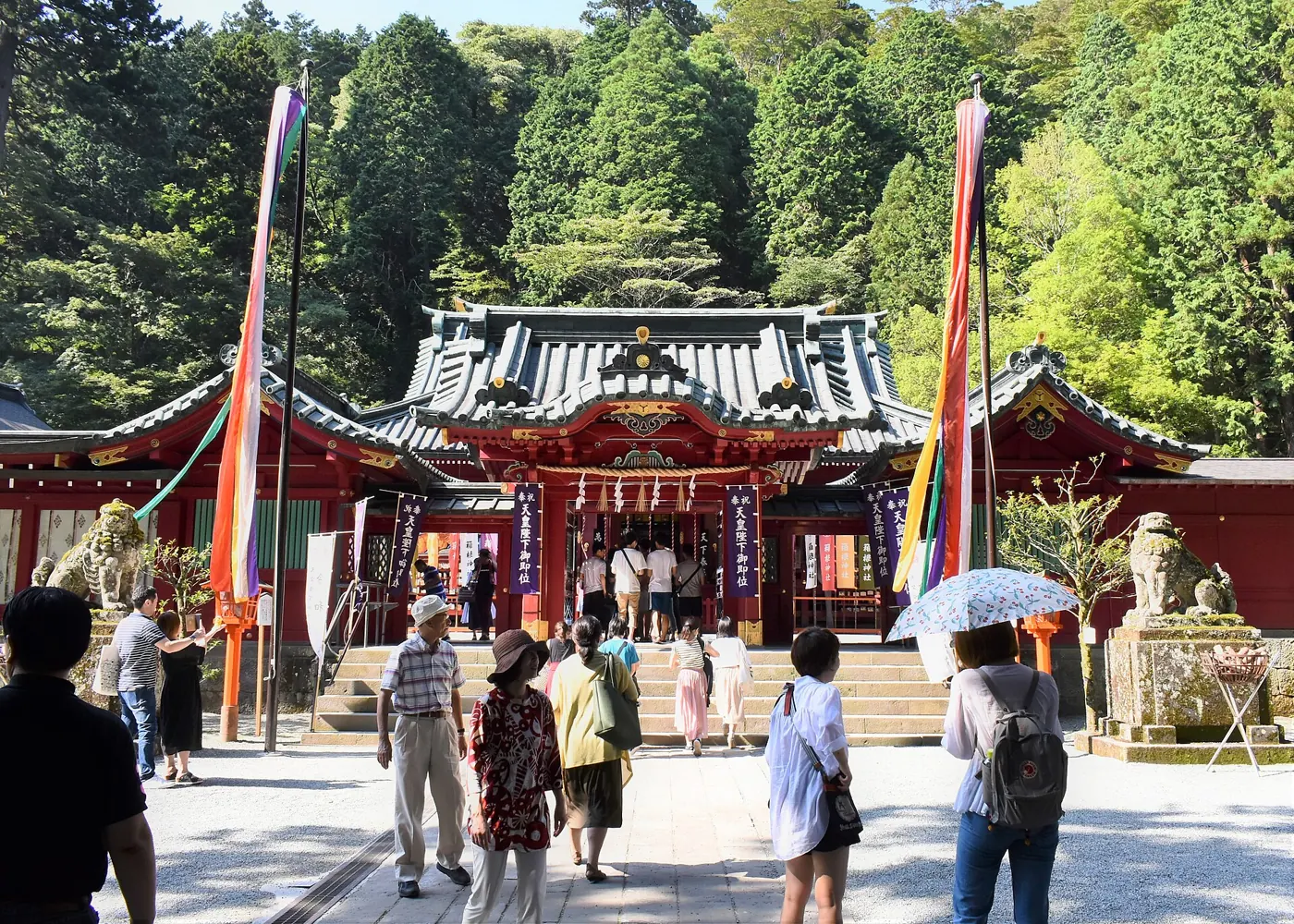 Shinto神道
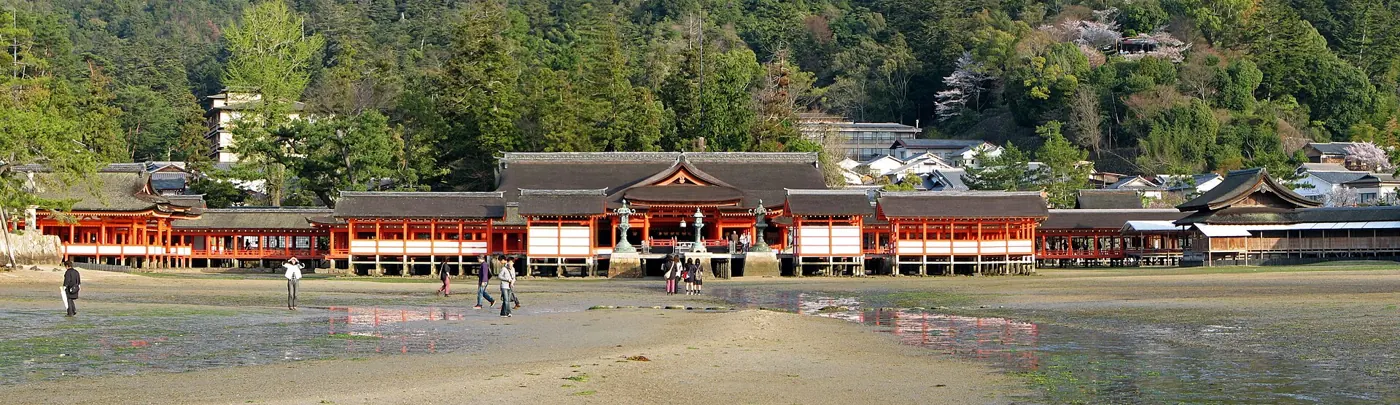 Kami神
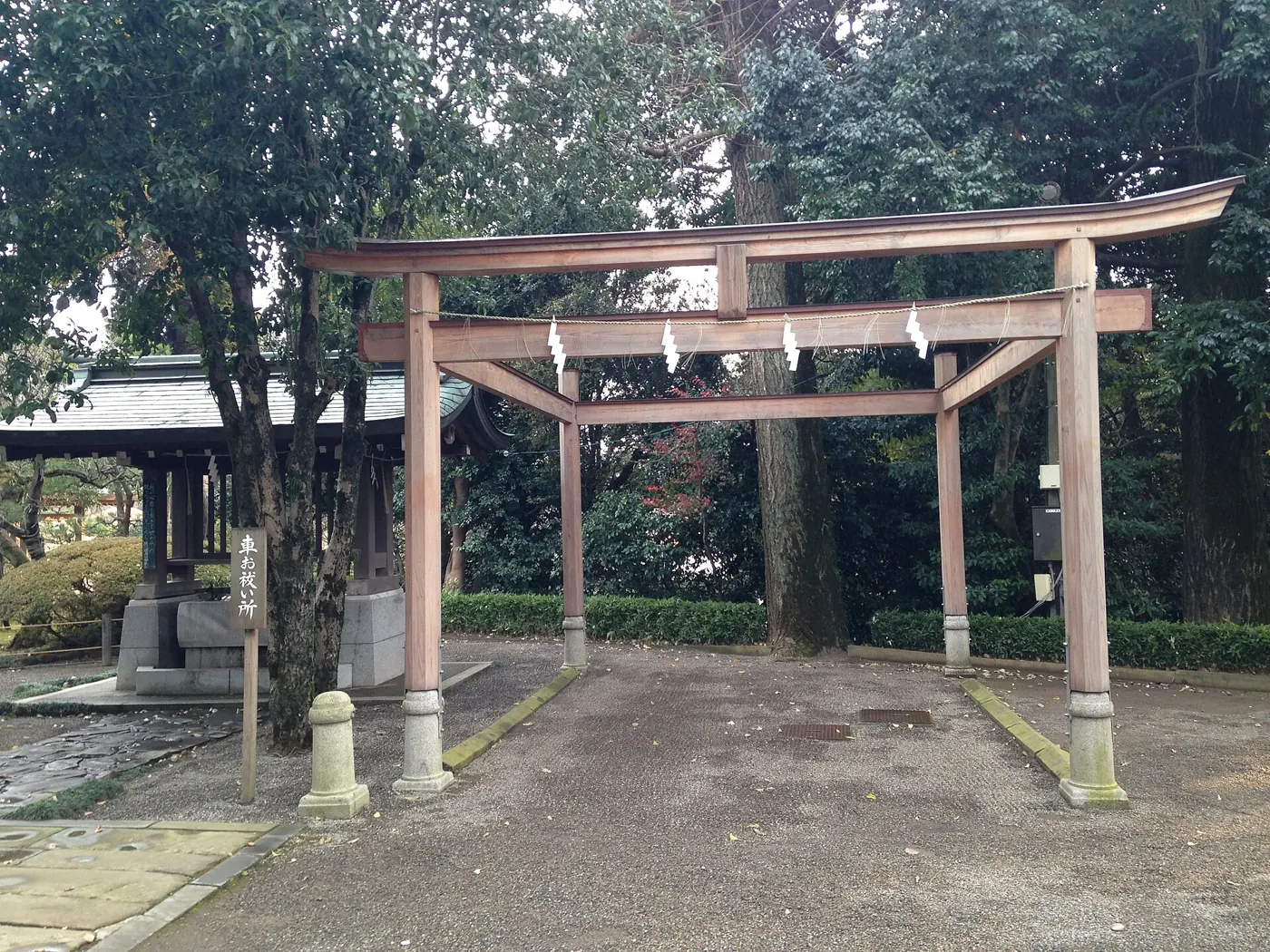 Shide紙垂
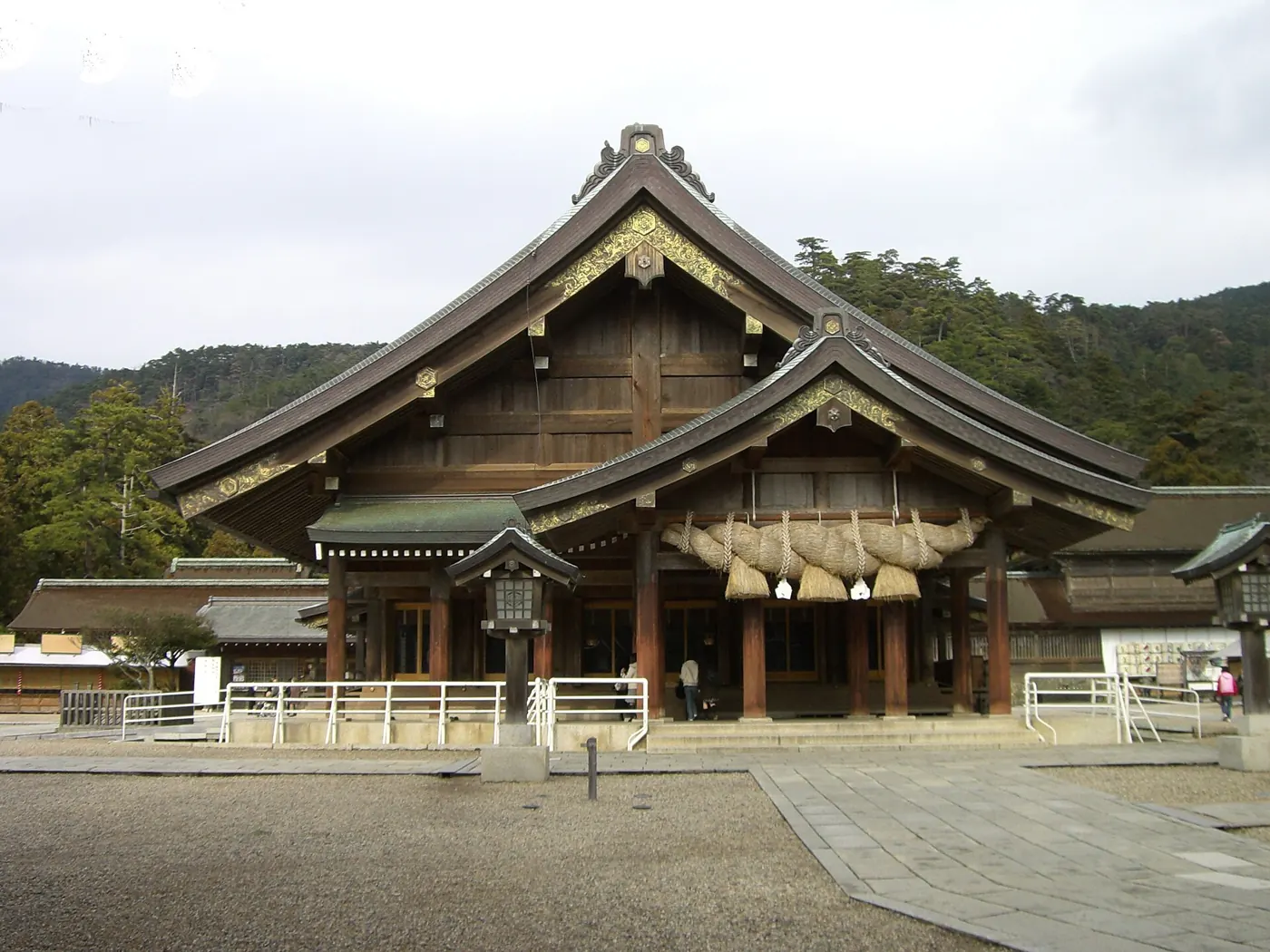 Haiden拝殿
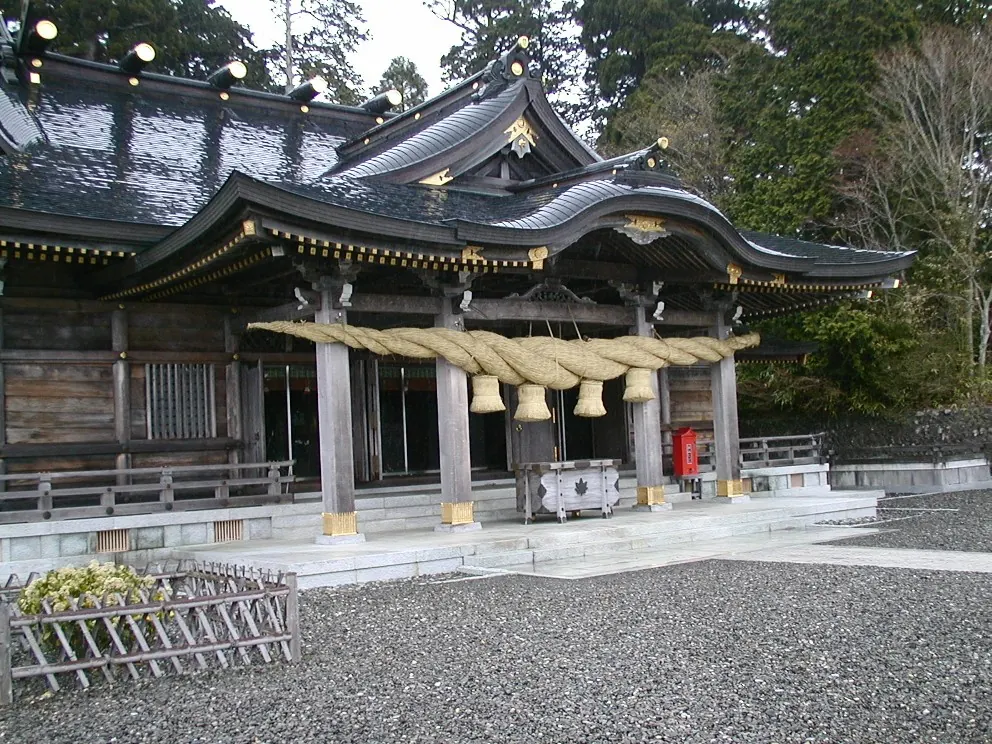 Honden本殿
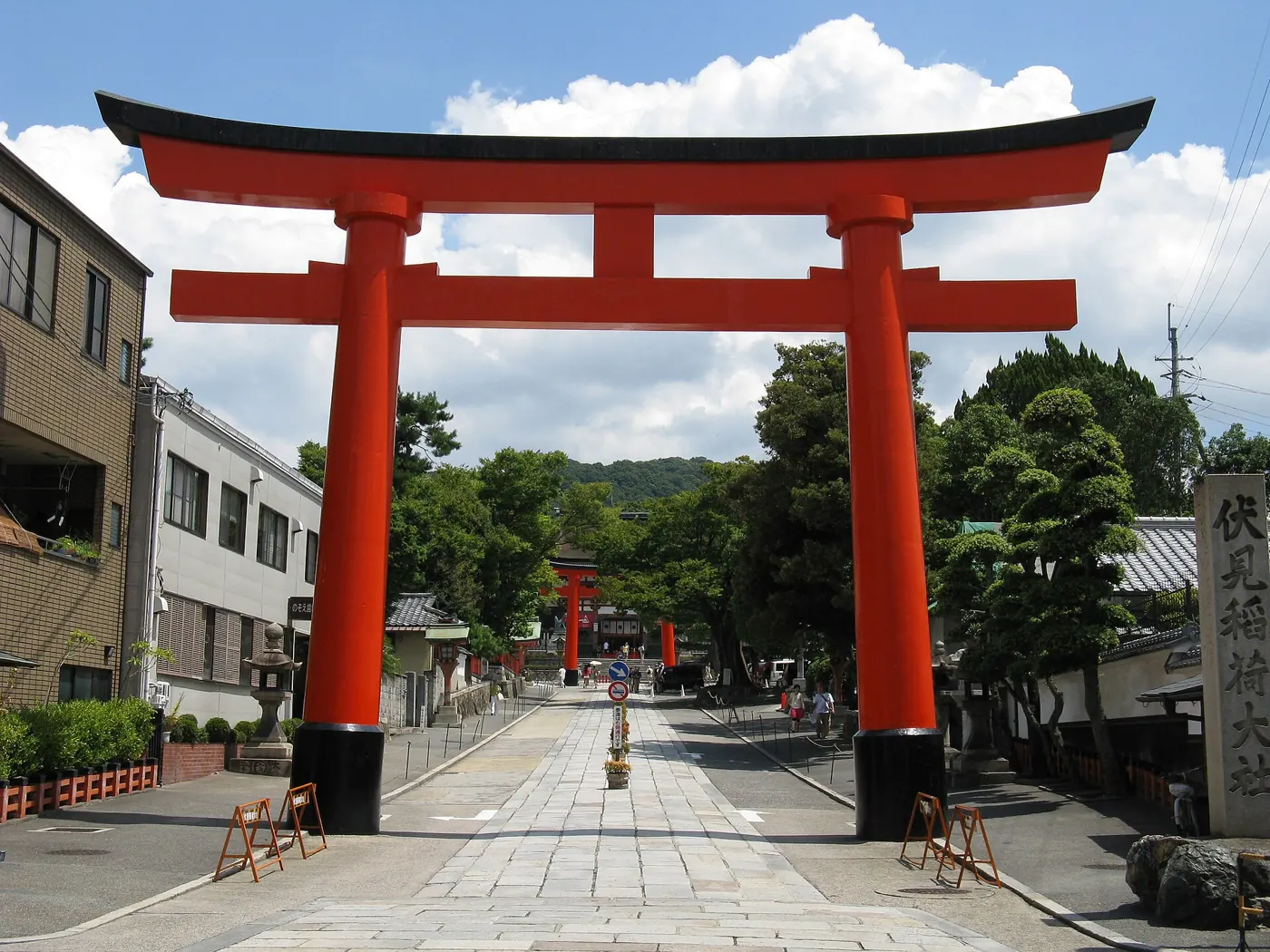 Sandō参道
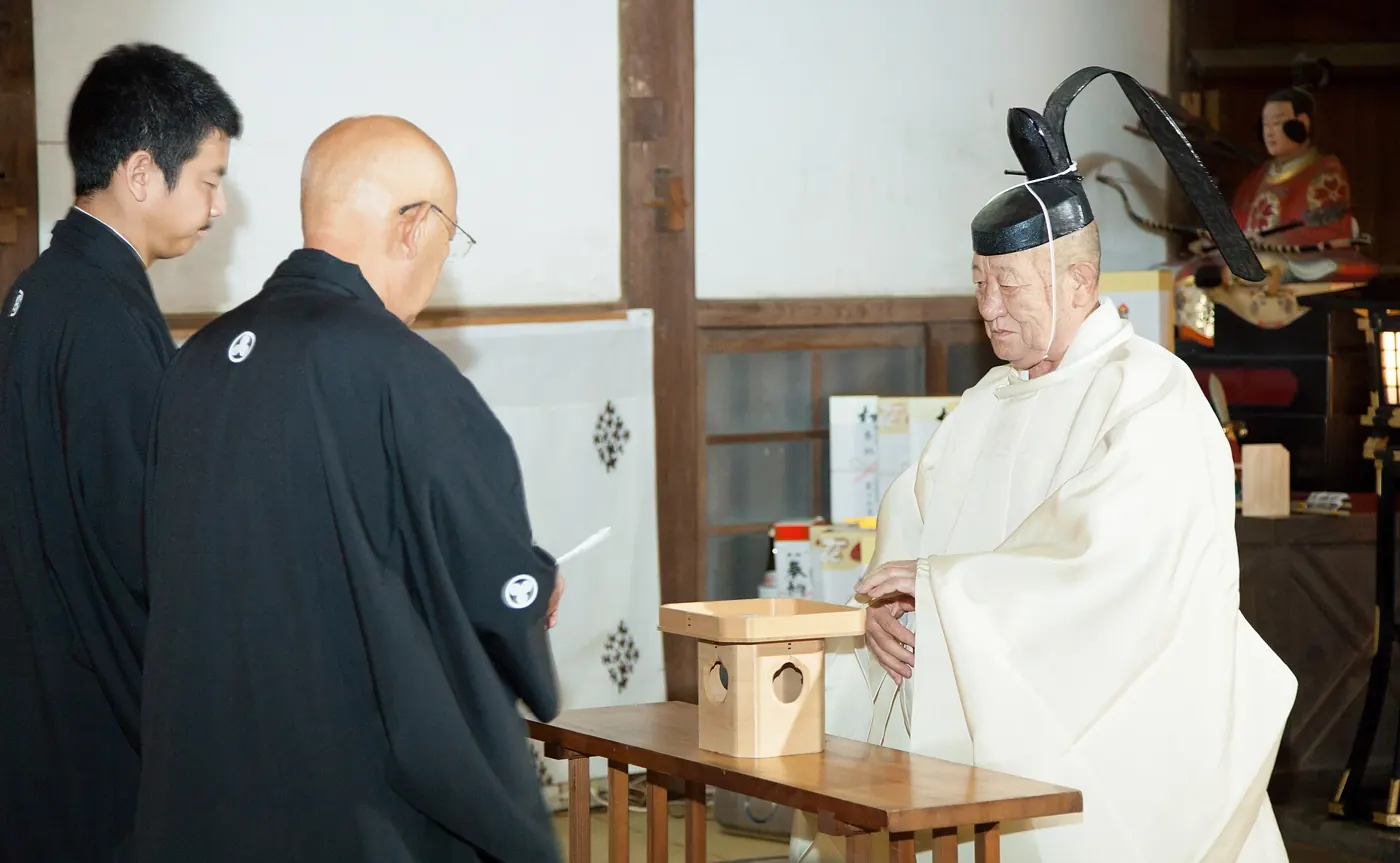 Omikujiおみくじ
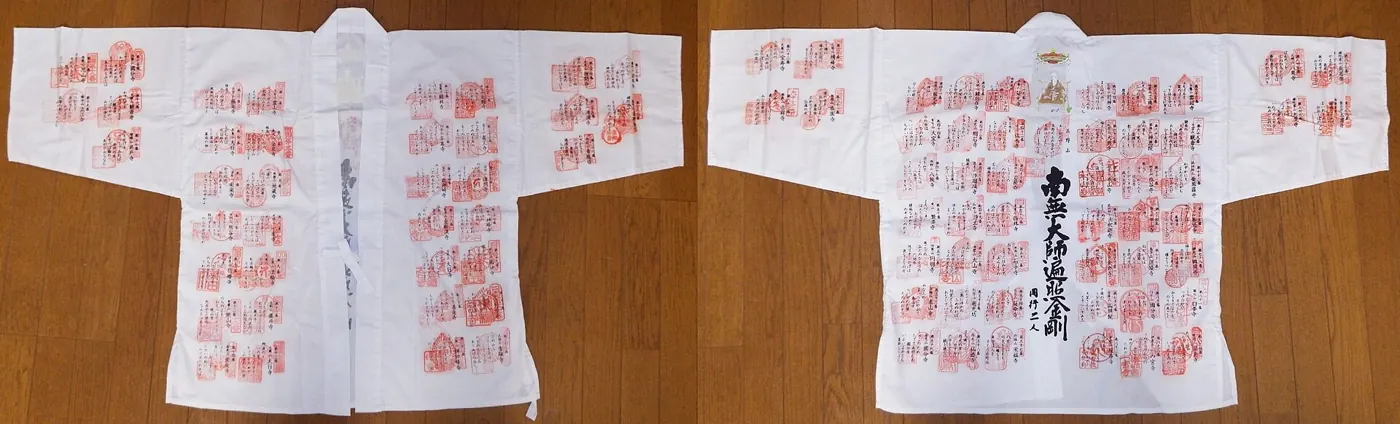 Goshuin朱印
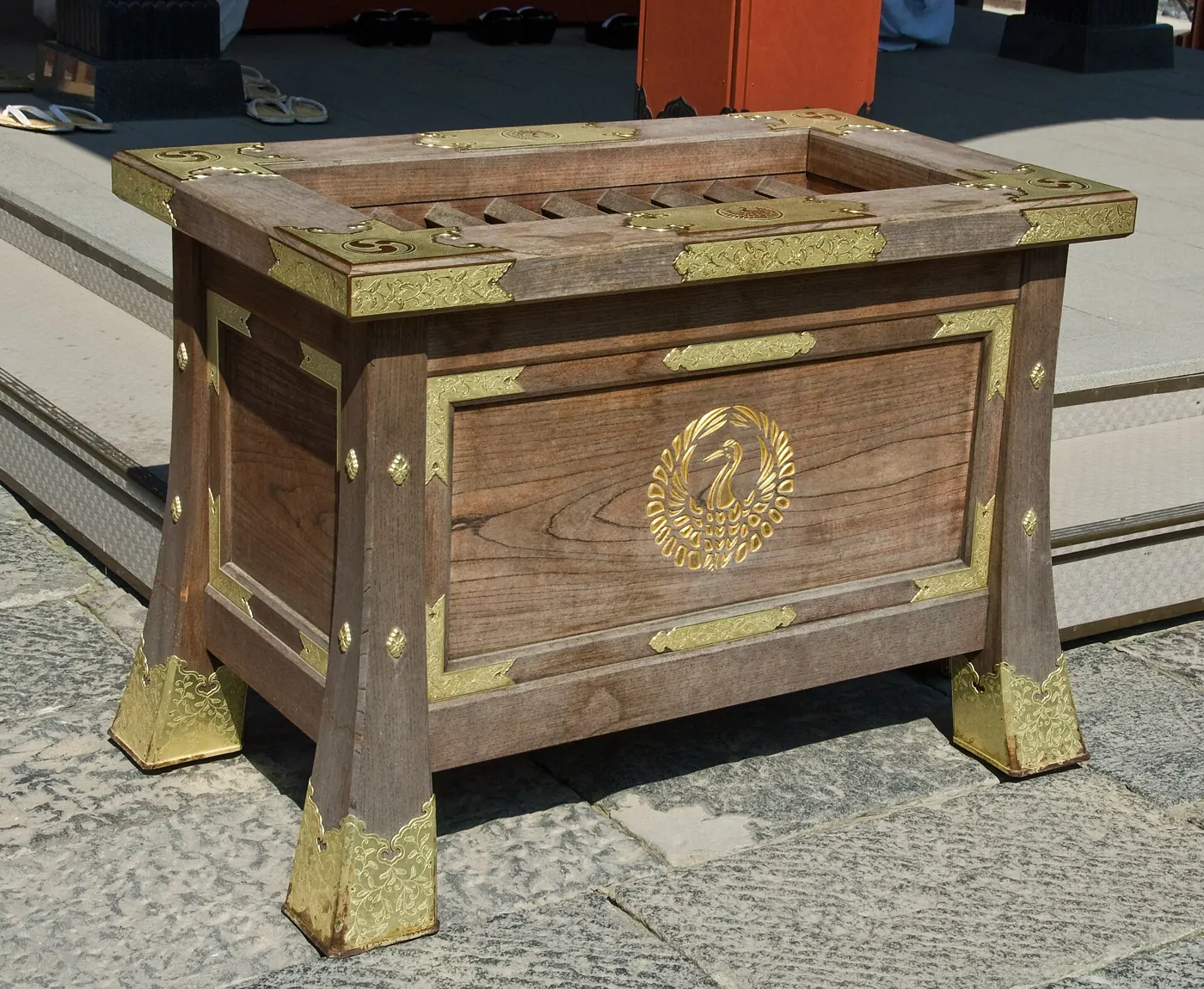 Saisen賽銭
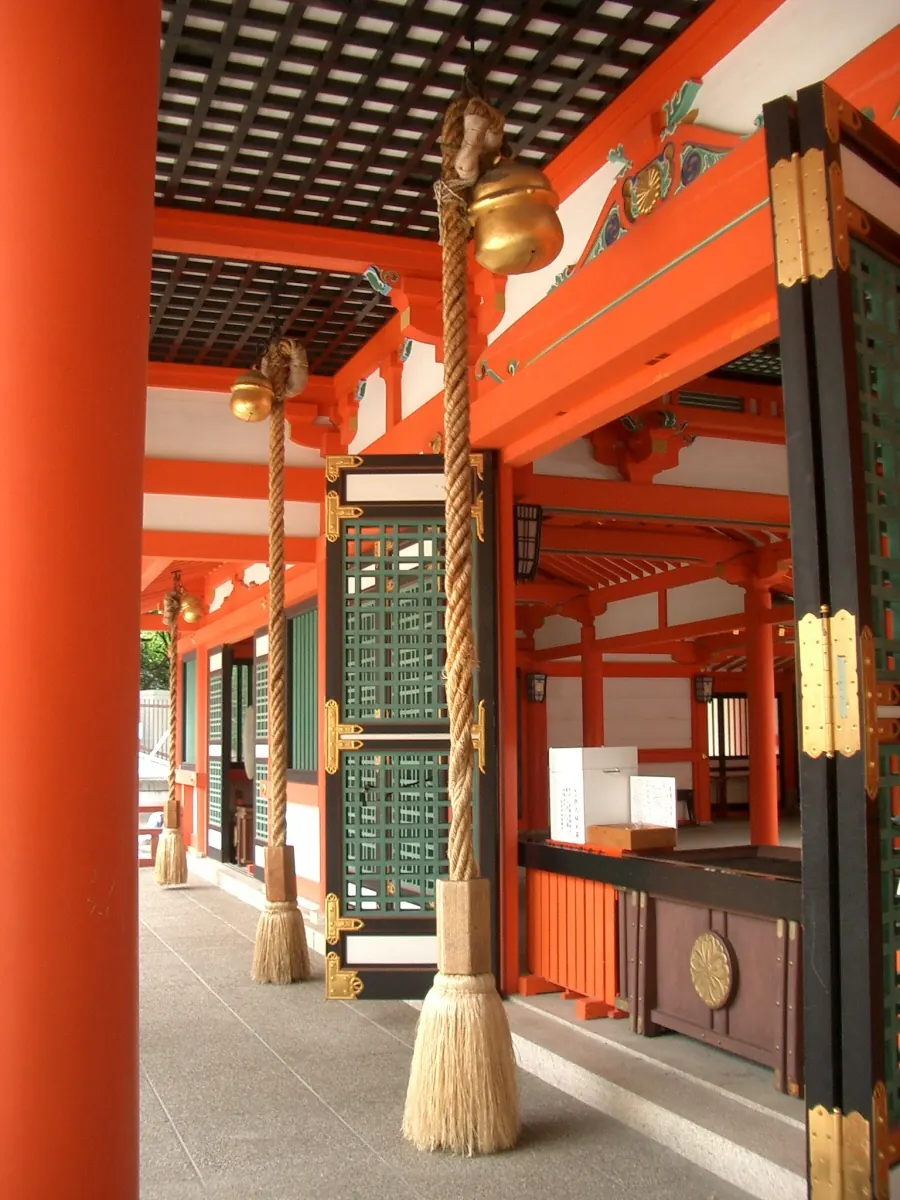 Suzu鈴
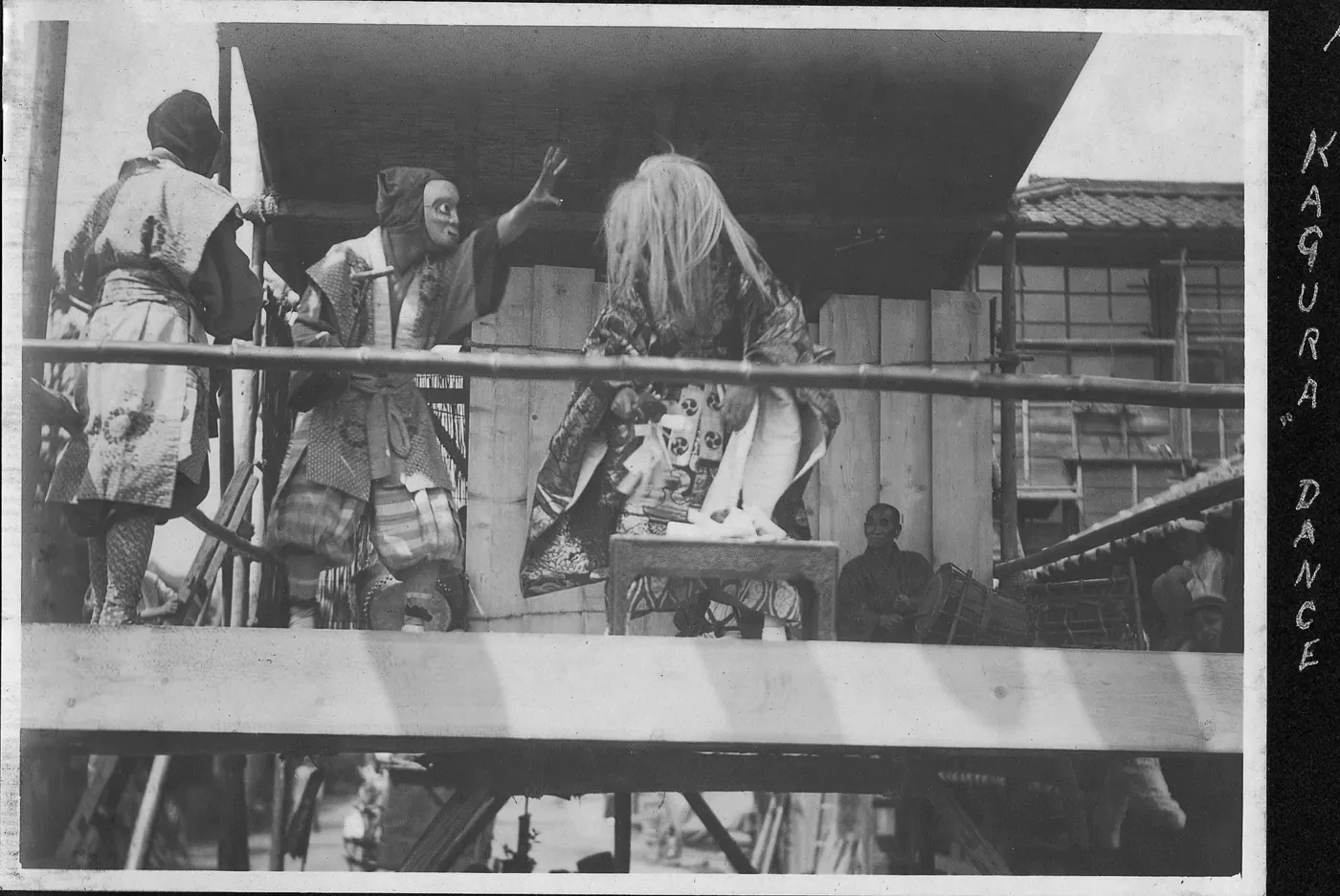 Kagura神楽
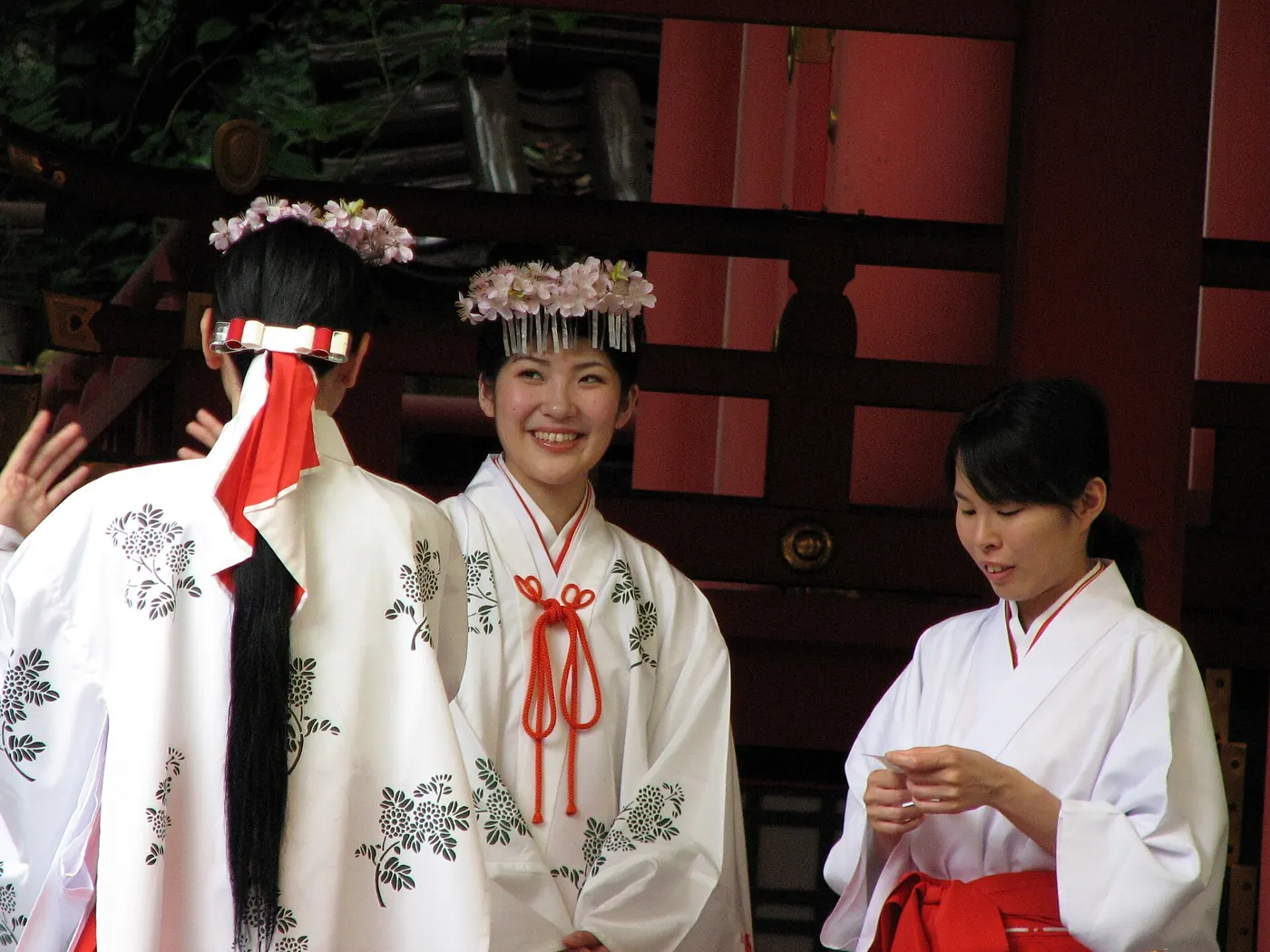 Miko巫女
Open the scanner and compare →