木魚Mokugyo (wooden fish drum)
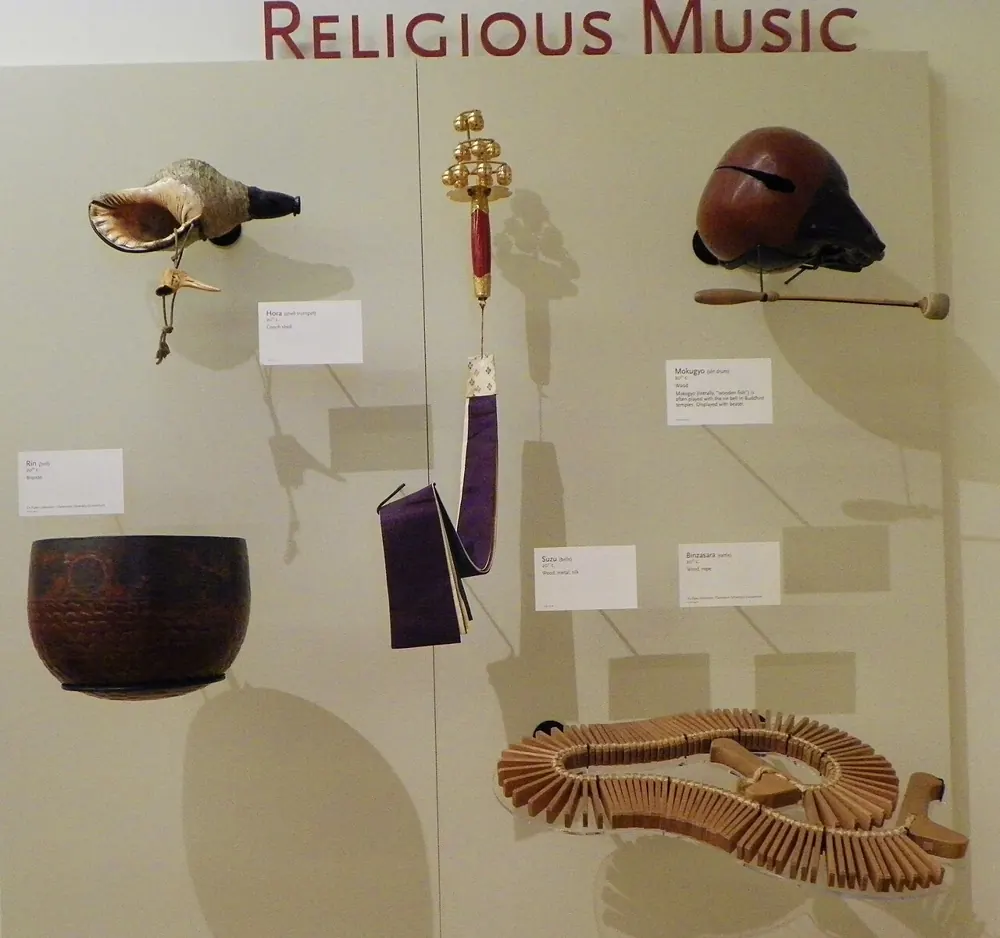
A wooden fish, also known as a muyu, moktak, mogeo, mokugyo, Chinese temple block, or wooden bell is a type of woodblock that originated from China that is used as a percussion instrument by monks and lay people in the Mahayana tradition of Buddhism. They are used in Buddhist ceremonies in China, Korea, Japan, Vietnam and other Asian countries. They may be referred to as a Chinese block, Korean block or, rarely, as a skull.
Wooden fish often used in rituals usually involving the recitation of sutras, mantras, or other Buddhist texts. In Chan, Seon, Zen and Thiền Buddhism, the wooden fish serve to maintain rhythm during chanting. In Pure Land Buddhism, they are used when chanting the name of Amitabha such as during the nianfo/nembutsu.
Wooden fish come in many sizes and shapes, ranging from 150 millimetres (5.9 in), for laity use or sole daily practice, or to 1.2 metres (3.9 ft) for usage in temples. Wooden fish are often (in Chinese temples) placed on the left of the altar, alongside a bell bowl, its metal percussion counterpart. Wooden fish often rest on a small embroidered cushion to prevent unpleasant knocking sounds caused from the fish lying on the surface of a hard table or ground, as well as to avoid damage to the instrument.
Text from Wikipedia: Wooden fish — CC BY-SA 4.0. Read more on Wikipedia →
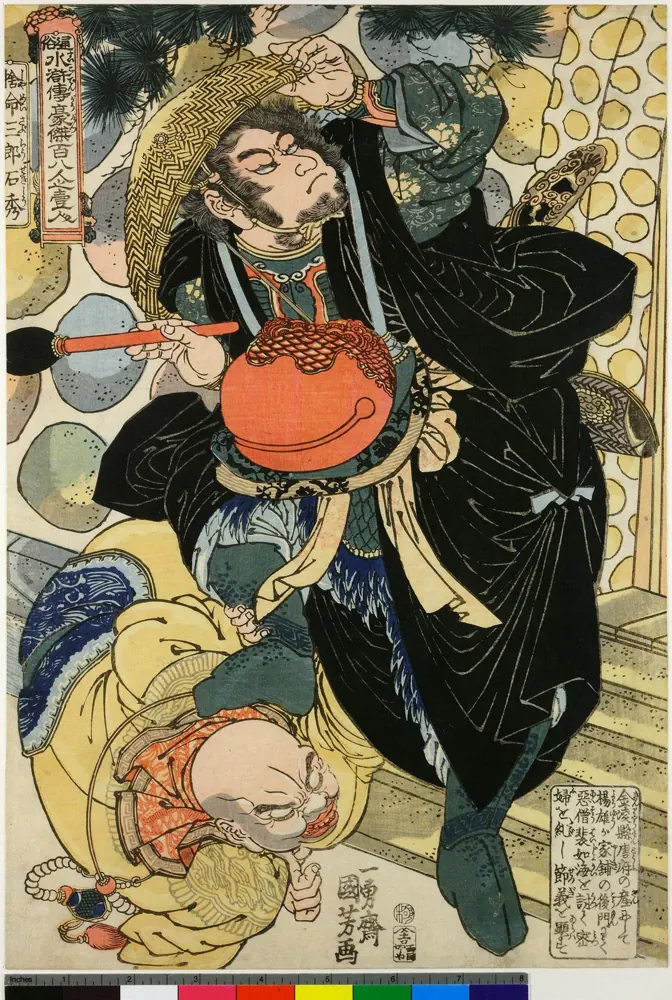
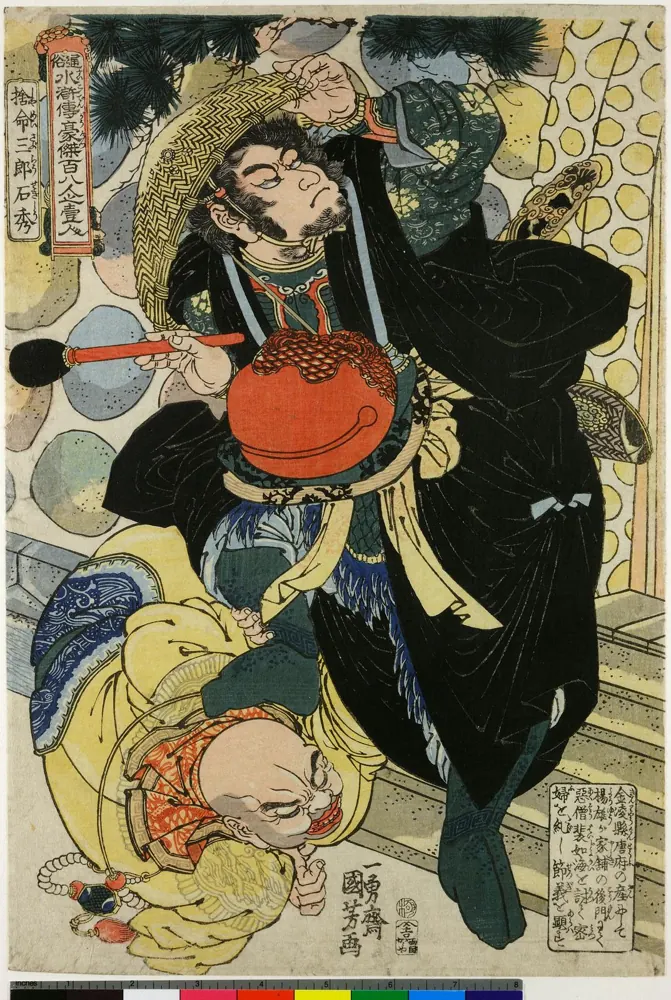
旅Try it yourself: Mokugyo (wooden fish drum)
Live prices and reviews from GetYourGuide. Many tours can be cancelled for free — check each listing.
Ad: we may earn a commission if you book through these links, at no extra cost to you.
Compare whether a rail pass saves money on your route before you buy tickets.
Check prices →Japan eSIM / mobile data
Ad: we may earn a commission if you book through these links, at no extra cost to you.
問Questions visitors ask
What is Mokugyo (wooden fish drum)?
A wooden fish, also known as a muyu, moktak, mogeo, mokugyo, Chinese temple block, or wooden bell is a type of woodblock that originated from China that is used as a percussion instrument by monks and lay people in the Mahayana tradition of Buddhism.
寺At a temple
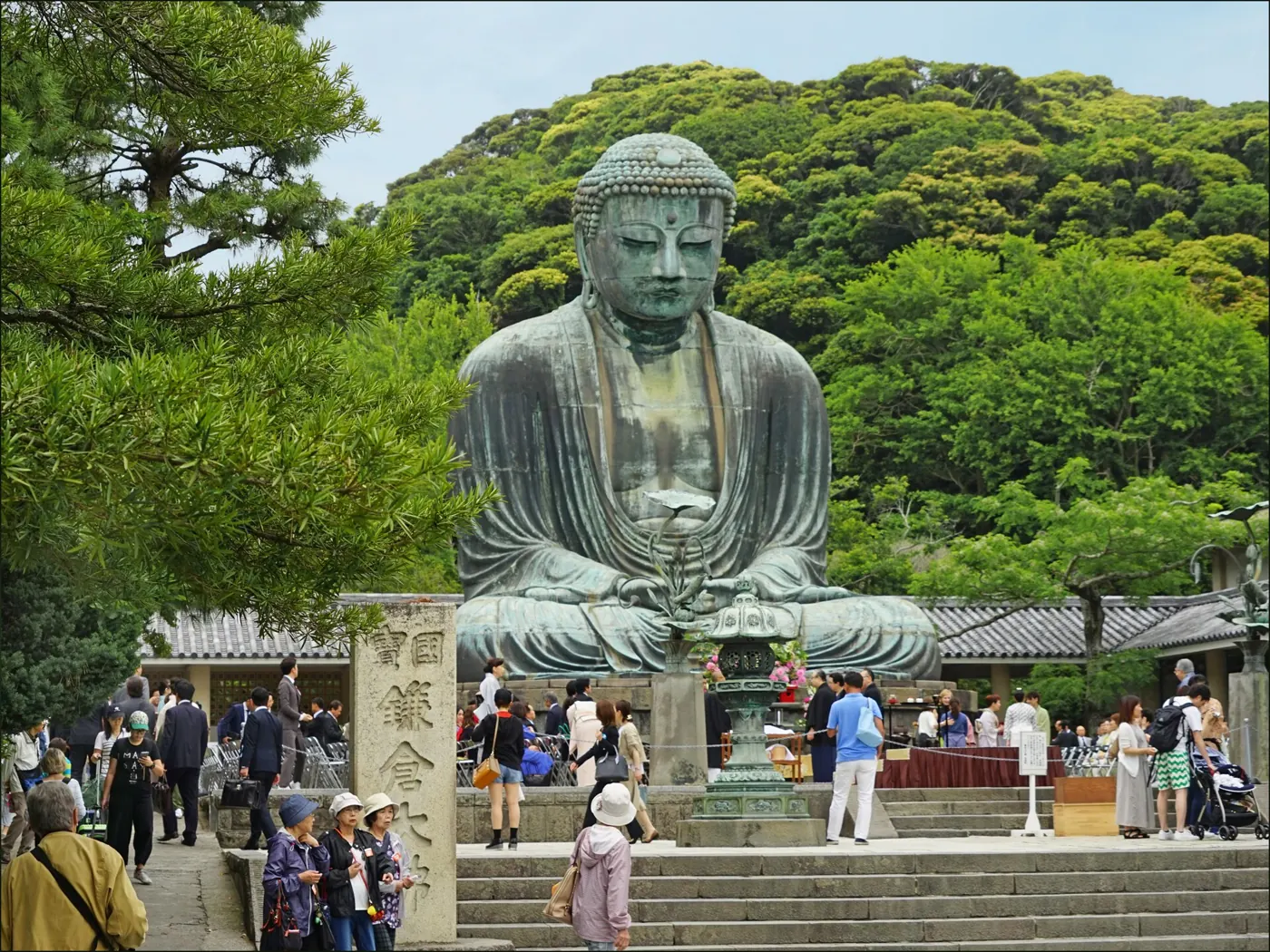 Buddhism in Japan日本の仏教
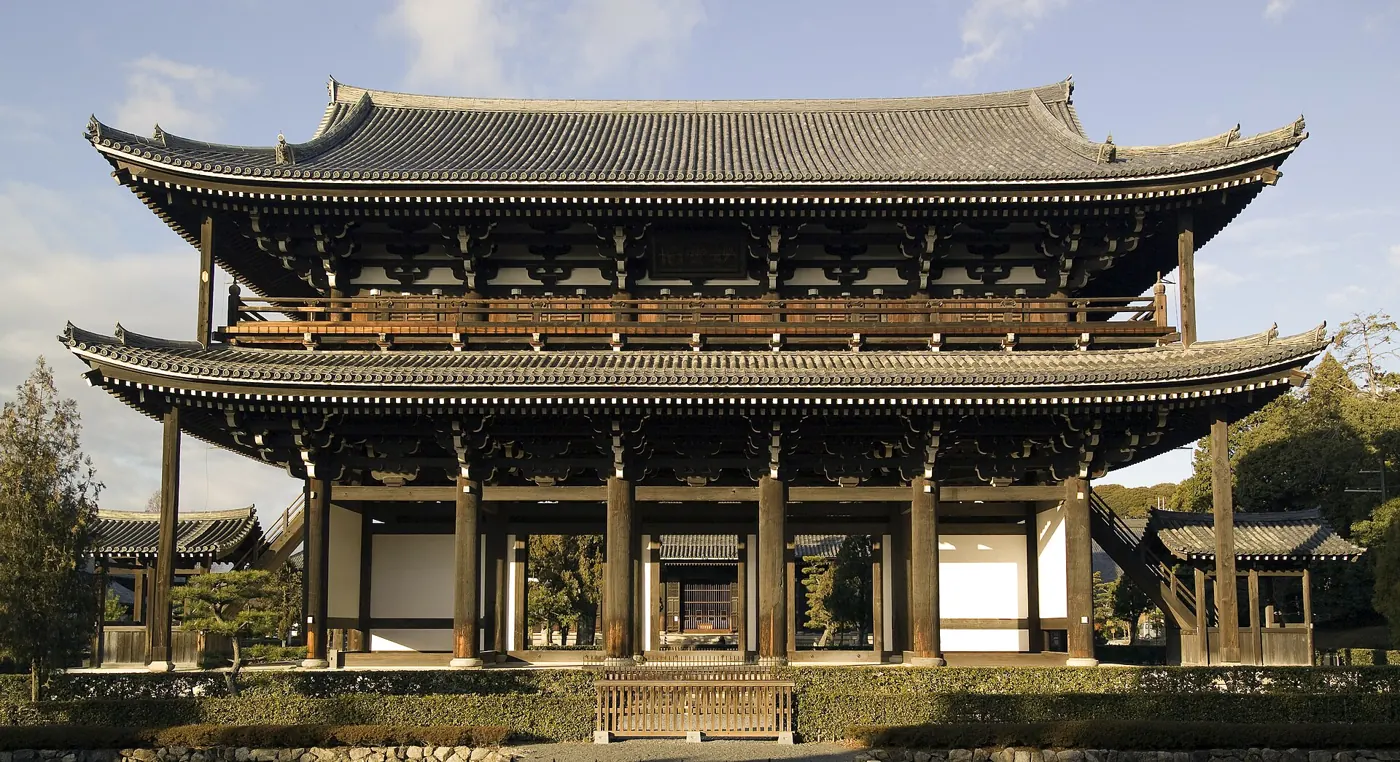 Sanmon三門
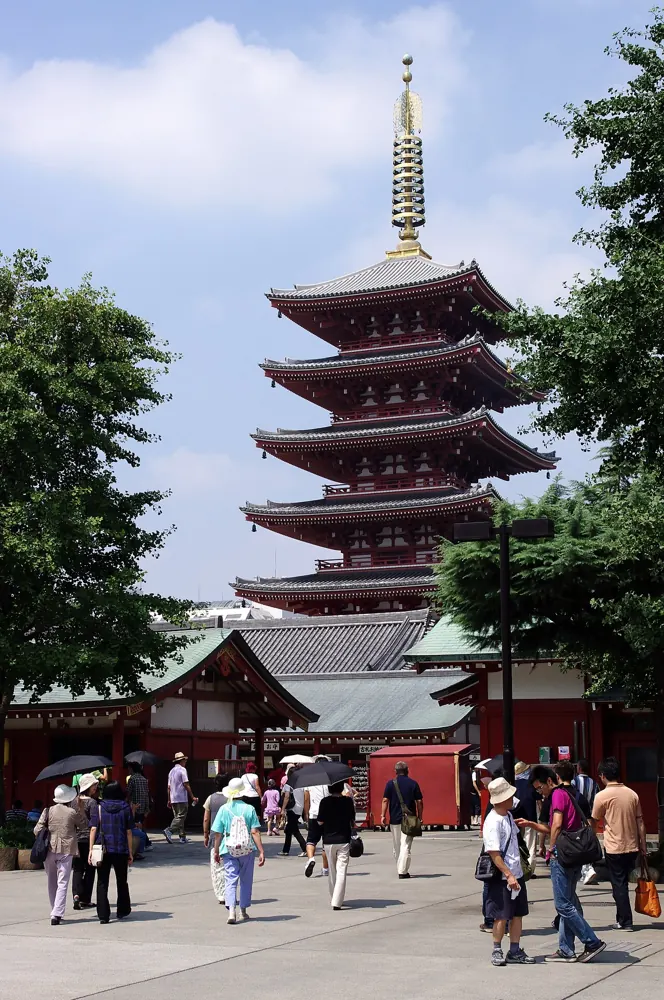 Pagoda五重塔
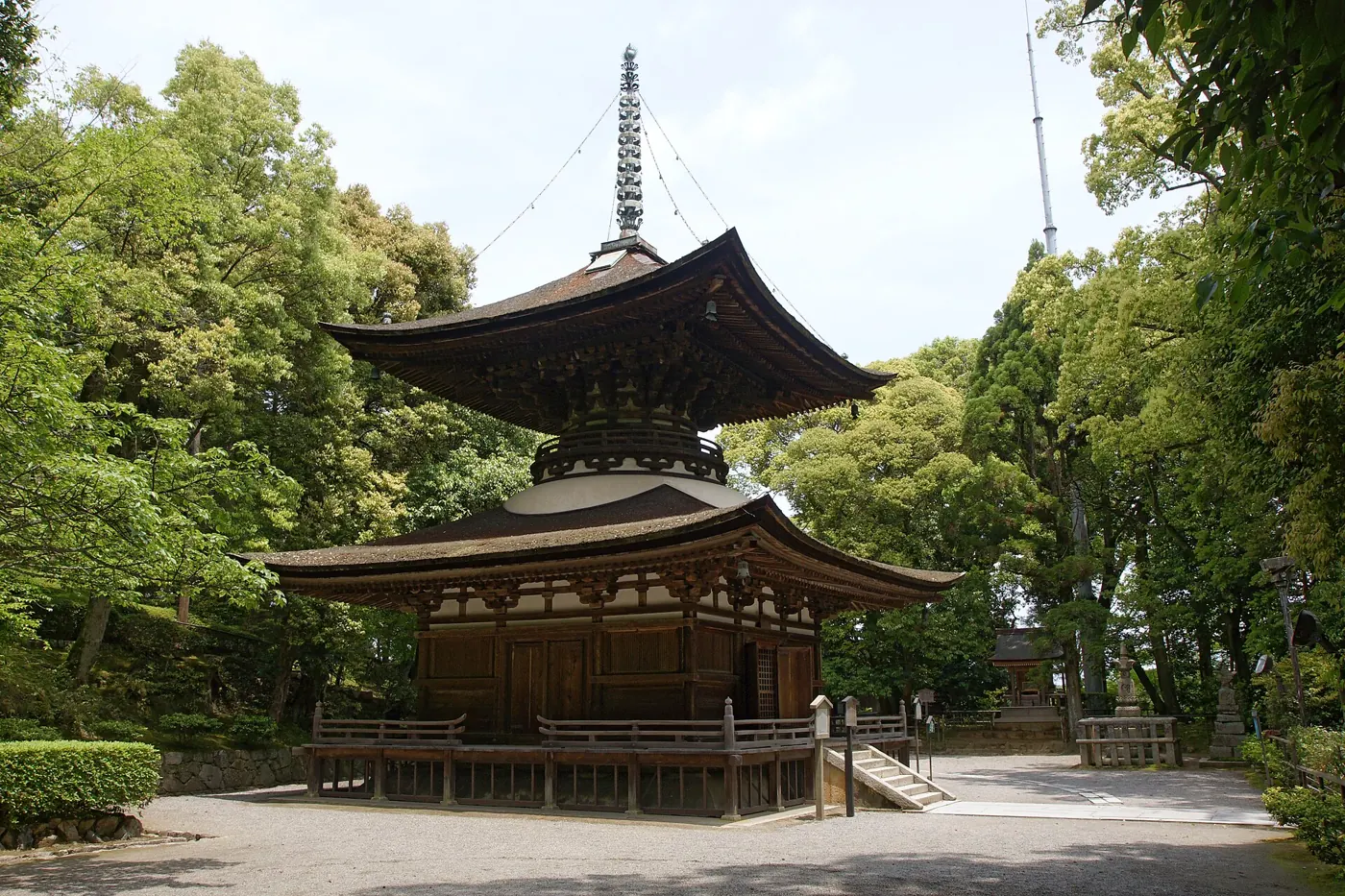 Tahōtō多宝塔
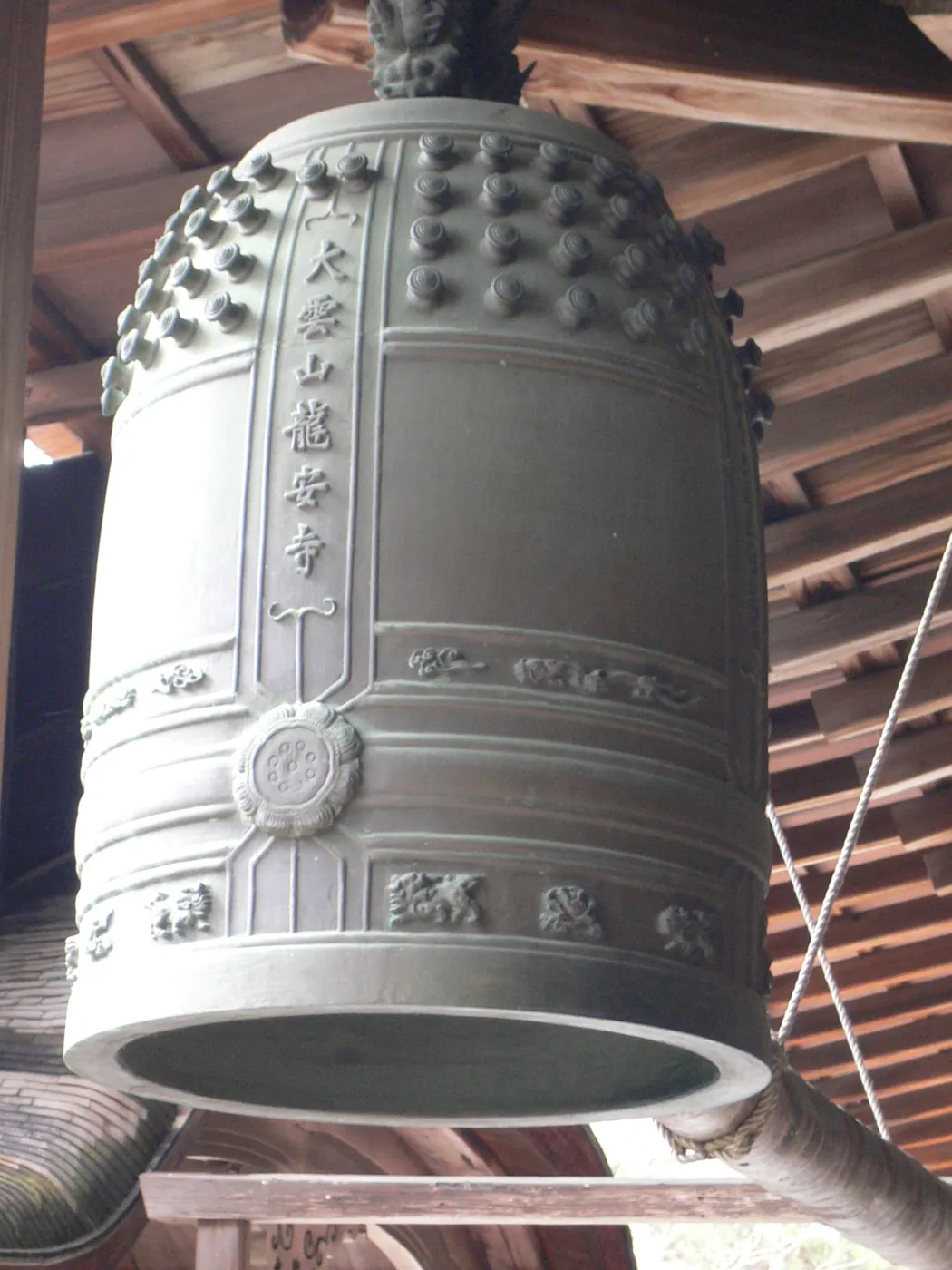 Bonshō梵鐘
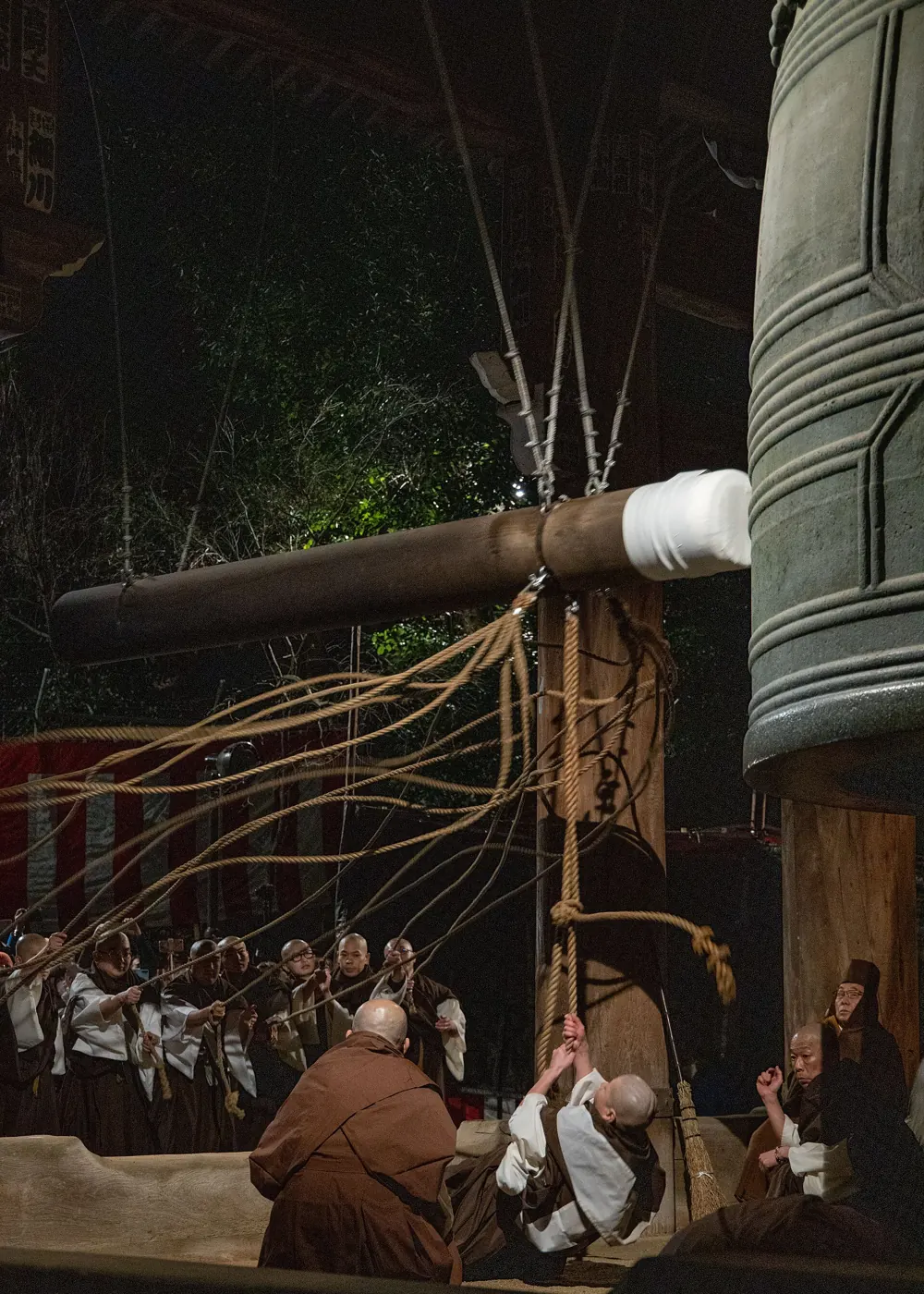 Joya no kane除夜の鐘
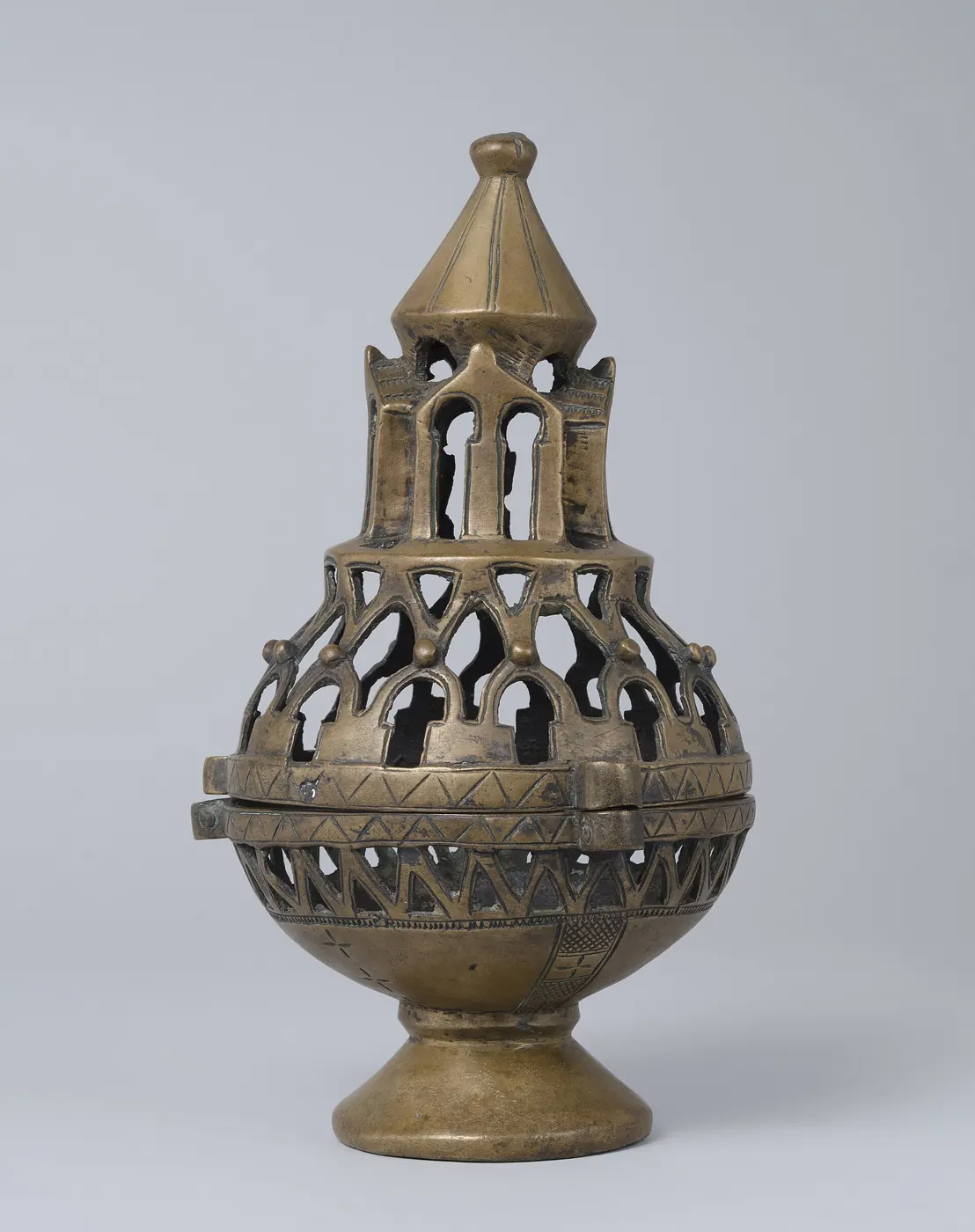 Kōro香炉
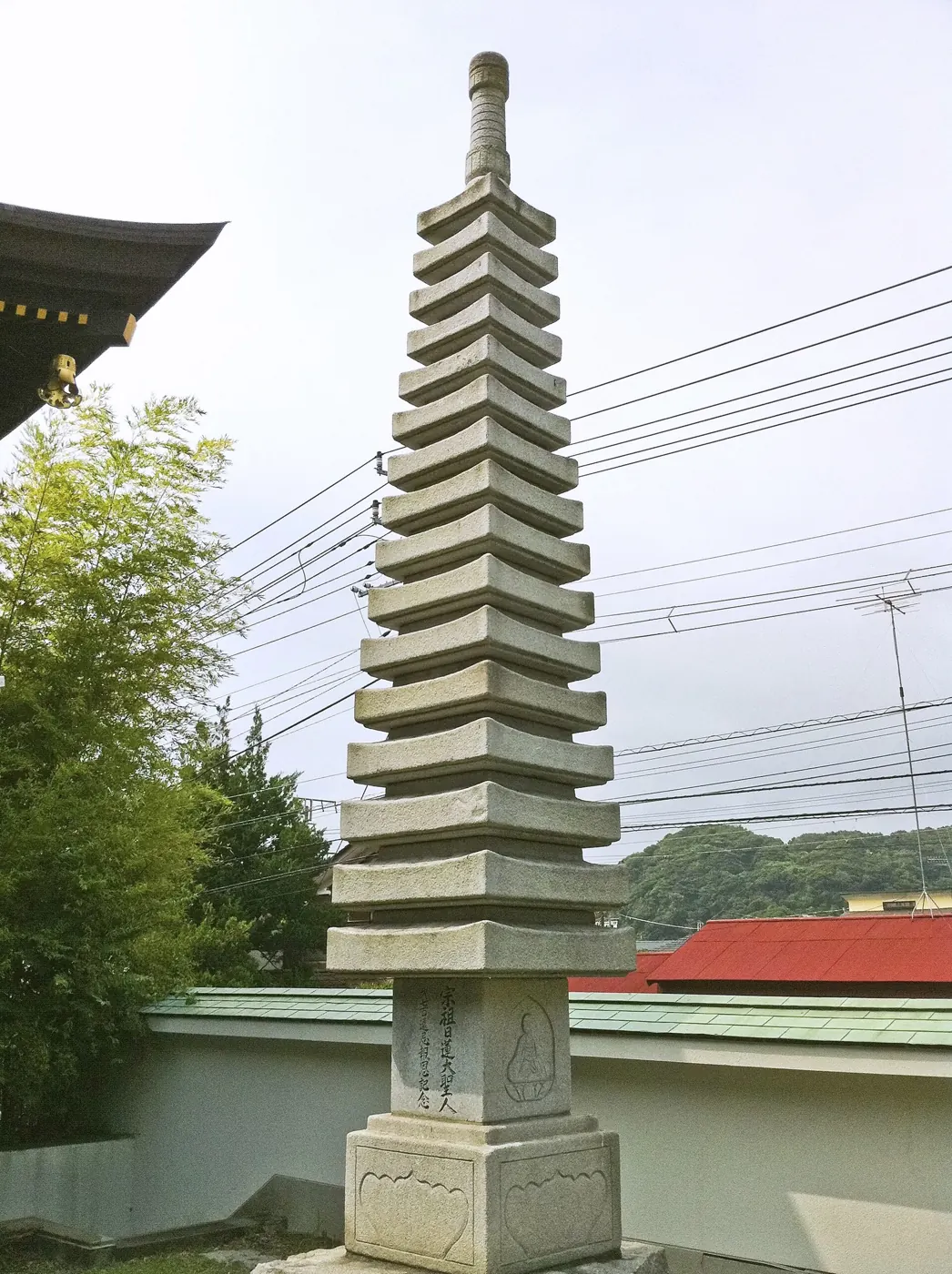 Sotobaストゥーパ
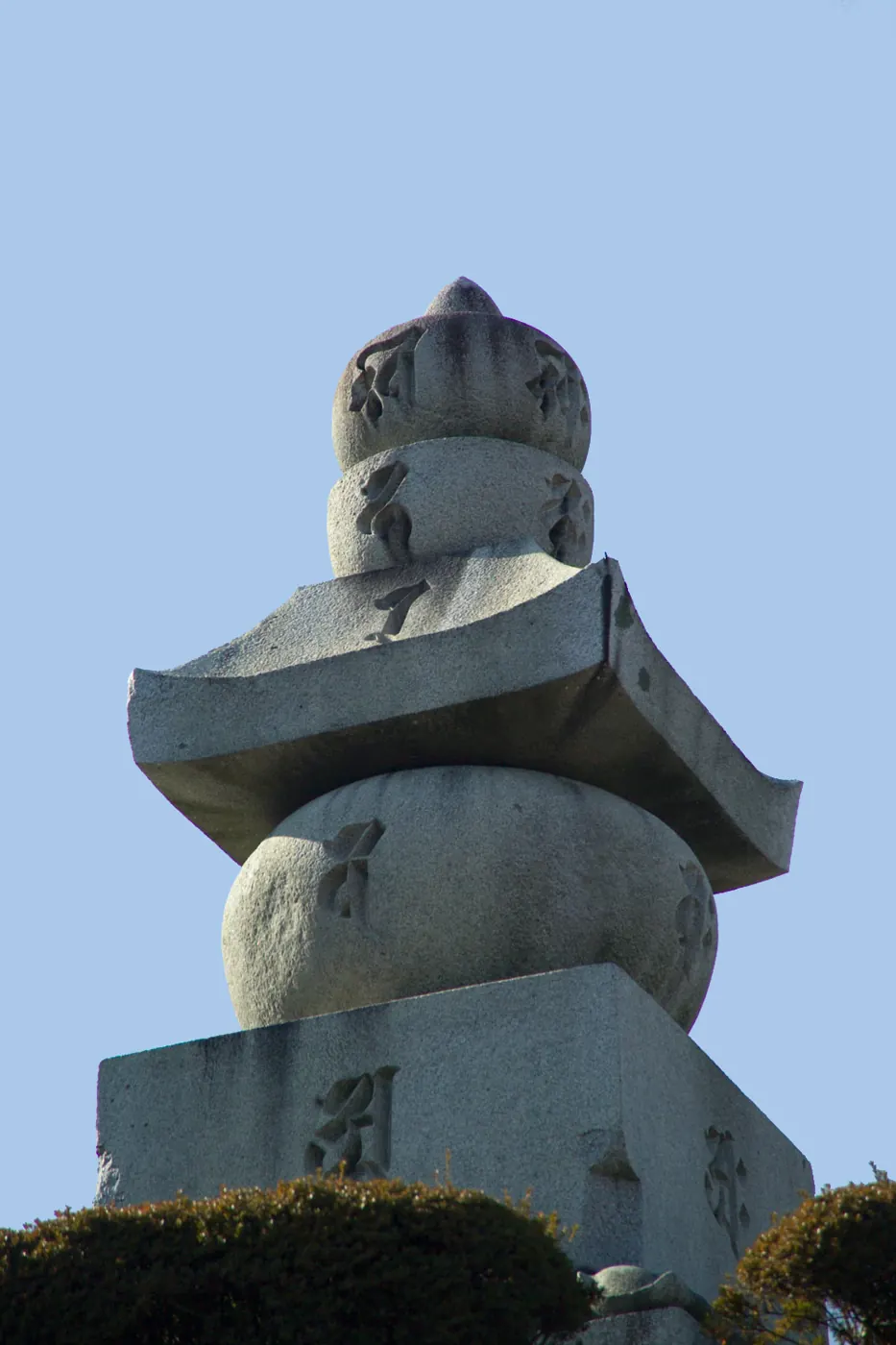 Gorintō五輪塔
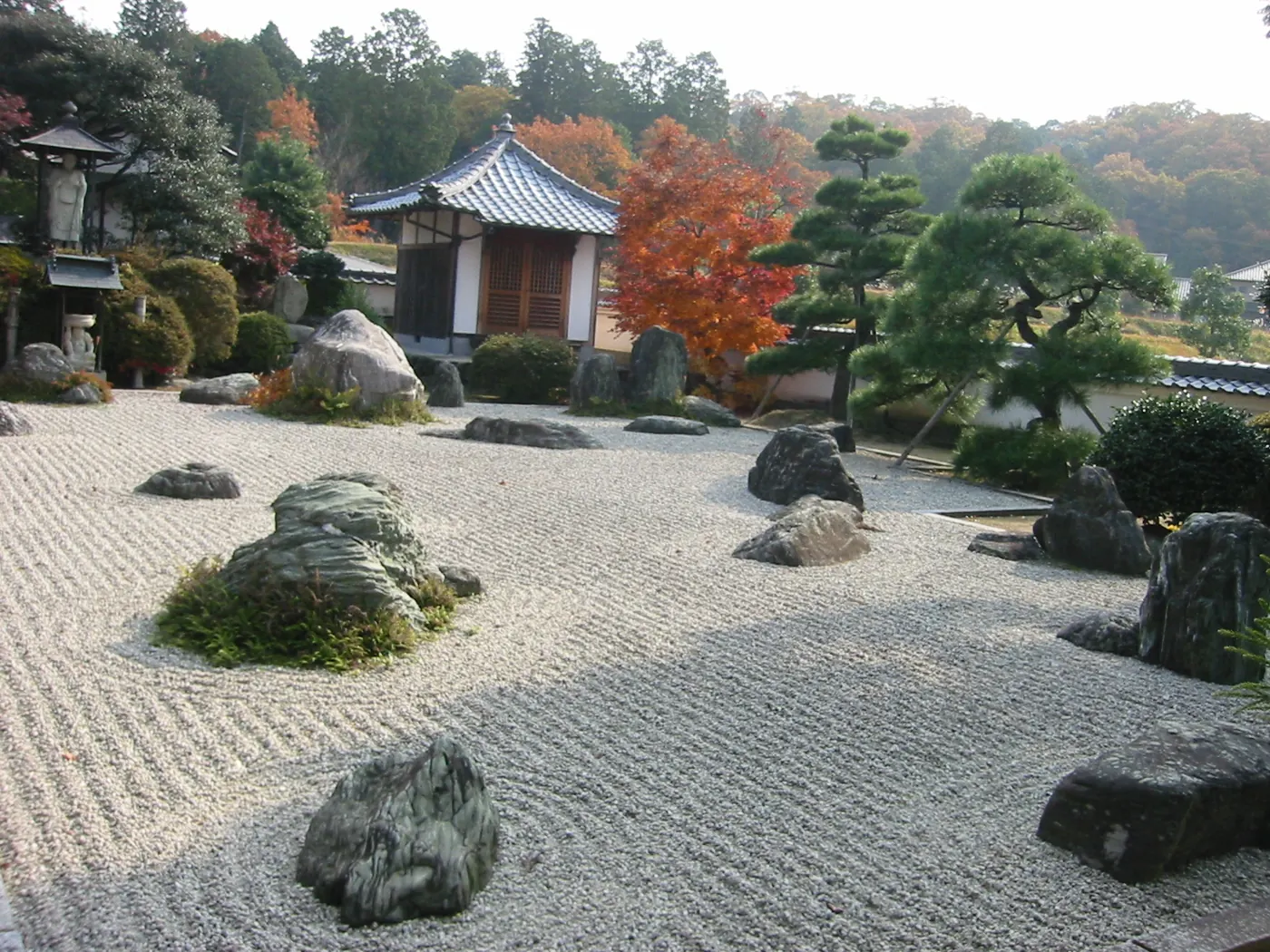 Karesansui枯山水
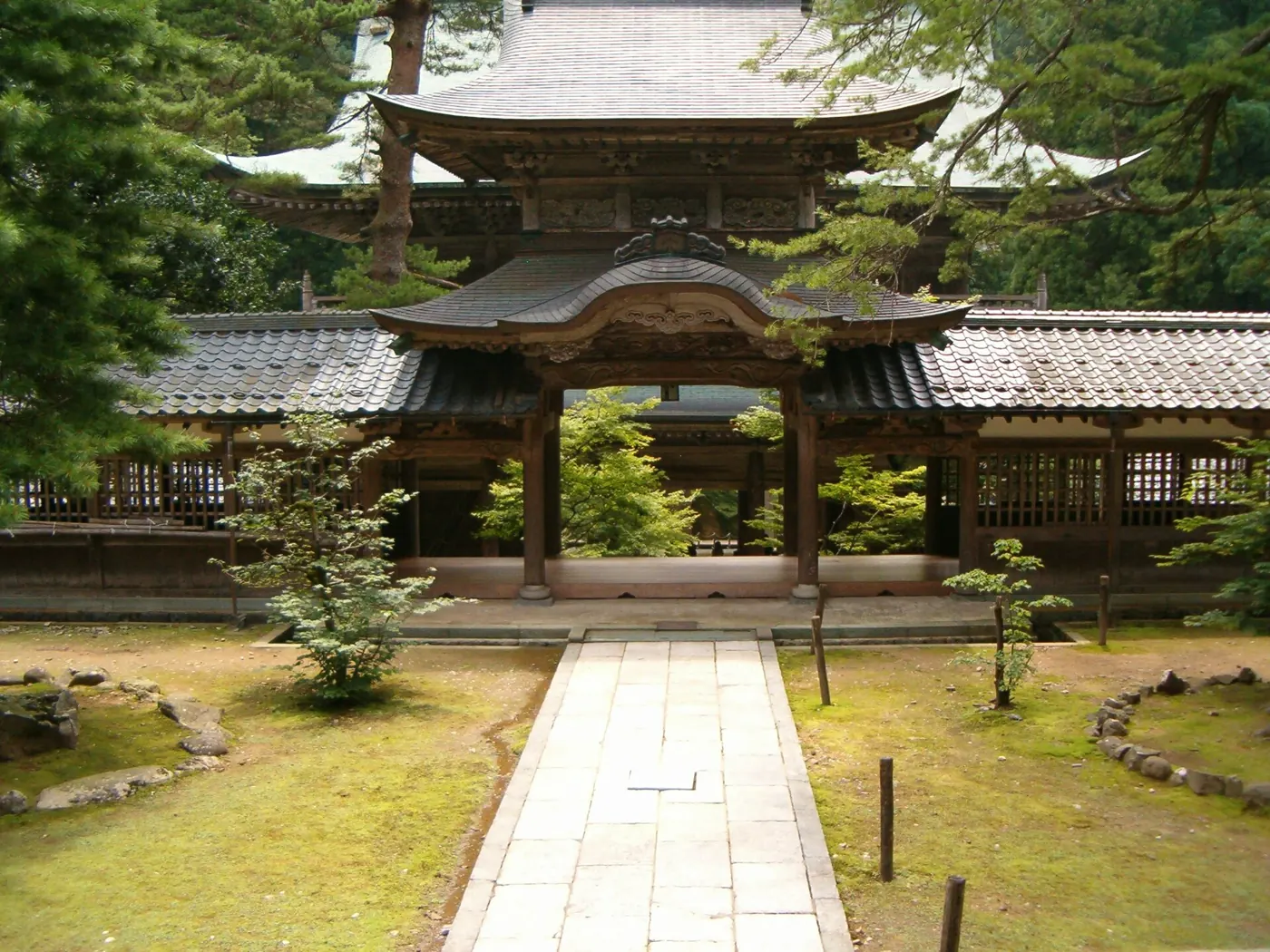 Zen禅宗
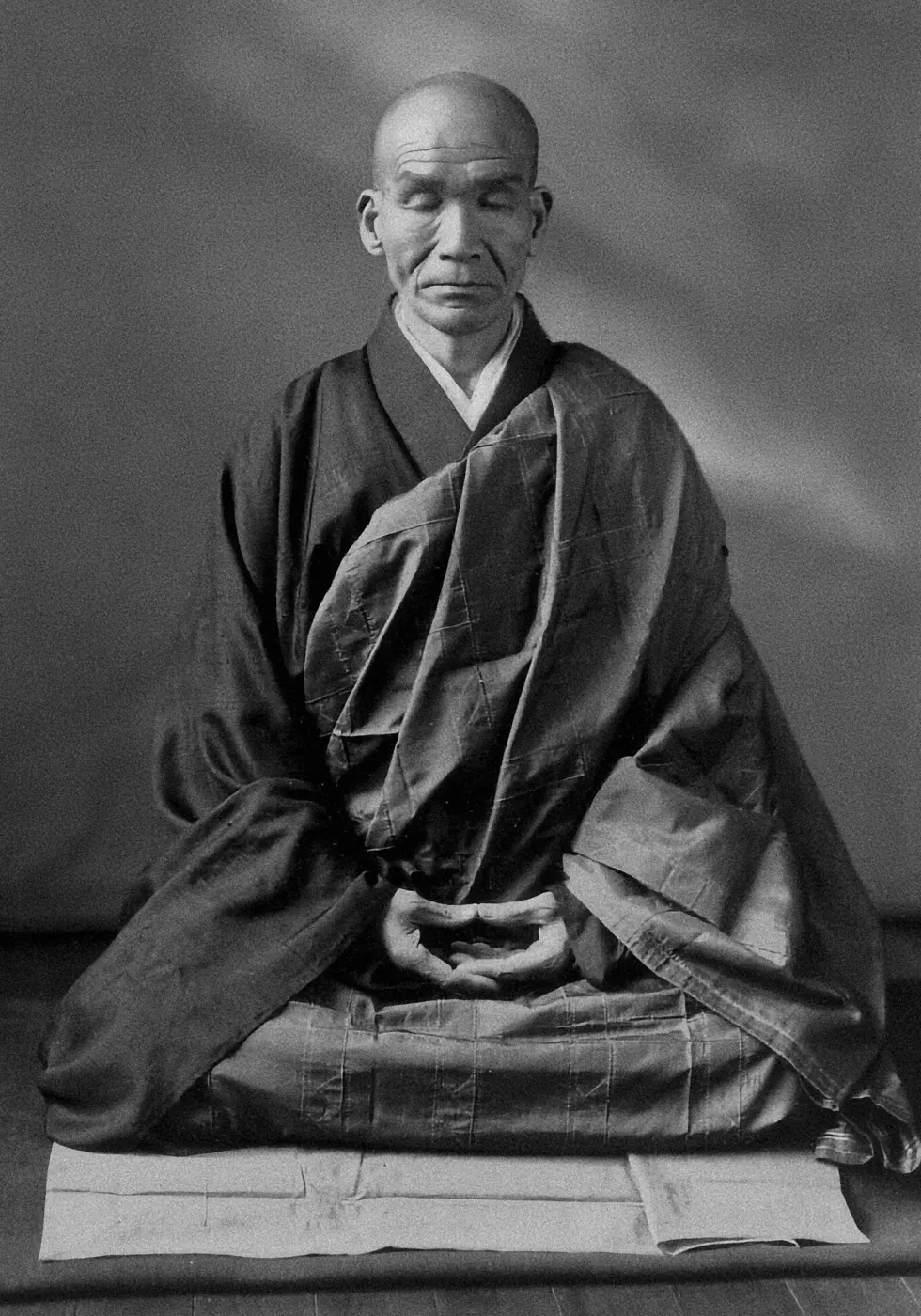 Zazen坐禅
Open the scanner and compare →