What is this? › Crafts & everyday objects
けん玉Kendama
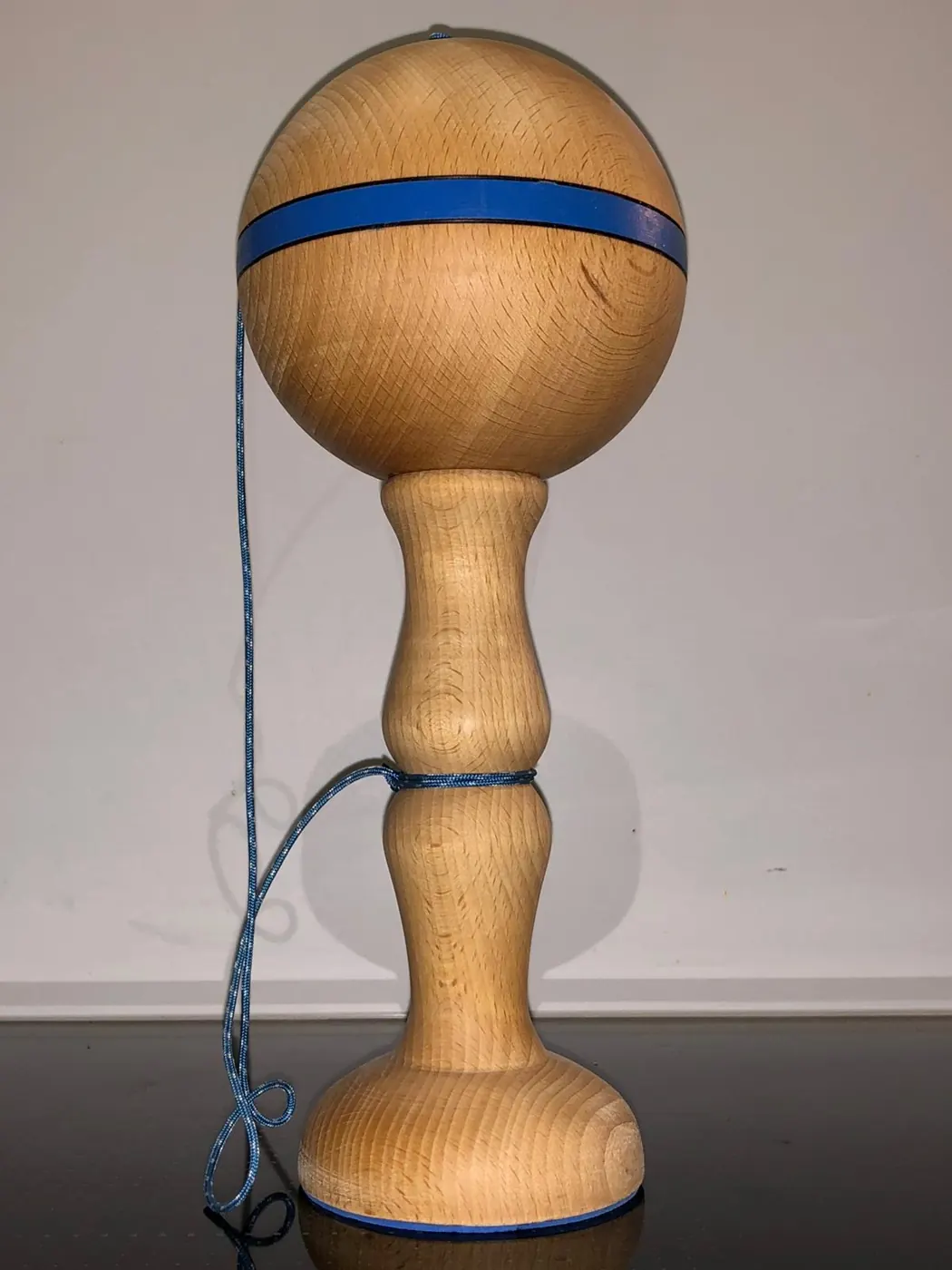
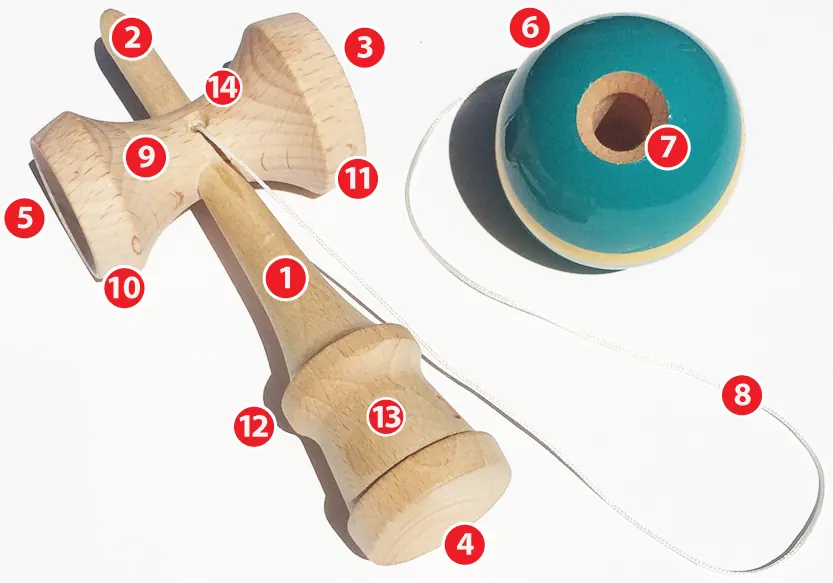
The kendama (けん玉; lit. 'sword and ball'; Japanese pronunciation:) is a traditional Japanese skill toy; nowadays, it is considered a skill sport or competitive discipline. It consists of a handle (ken), a pair of cups (sarado), and a ball (tama) that are all connected together by a string. On one end of the ken is a cup, while the other end of ken is narrowed down, forming a spike (kensaki) that fits into the hole (ana) of the tama. The kendama is the Japanese version of the classic cup-and-ball game, and is also a variant of the French cup-and-ball game bilboquet. Kendama can be held in different grips, and many tricks and combinations can be performed. The game is played by tossing the ball into the air and attempting to catch it on the stick point.
The origins of kendama are disputed, but it is generally believed to have originated during the 17th or 18th century. Kendama started to evolve when it came to Japan during the Edo period, and since then the use of the toy has spread throughout the world. The size and materials used to create kendamas now vary as they are offered in jumbo and mini sizes, and have been created out of plastic, metal, and nylon. There are now kendama competitions held in countries all over the world, the biggest competition being the annual Kendama World Cup in Japan.
Text from Wikipedia: Kendama — CC BY-SA 4.0. Read more on Wikipedia →
旅Try it yourself: Kendama
Live prices and reviews from GetYourGuide. Many tours can be cancelled for free — check each listing.
Ad: we may earn a commission if you book through these links, at no extra cost to you.
Compare whether a rail pass saves money on your route before you buy tickets.
Check prices →Japan eSIM / mobile data
Ad: we may earn a commission if you book through these links, at no extra cost to you.
問Questions visitors ask
What is Kendama?
The kendama (けん玉; lit.
工Crafts & everyday objects
 Katana日本刀
 Yoroi甲冑
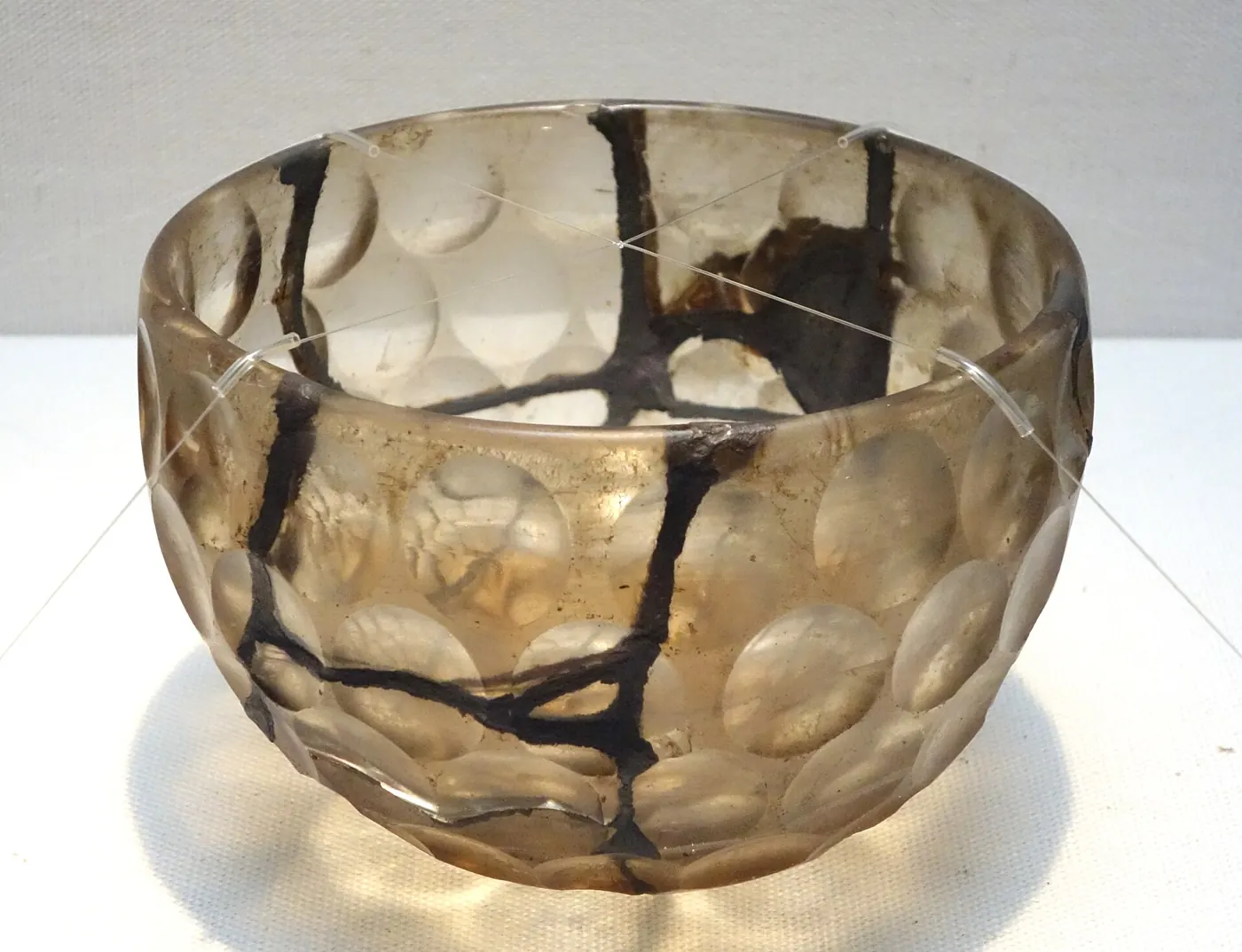 Kintsugi金継ぎ
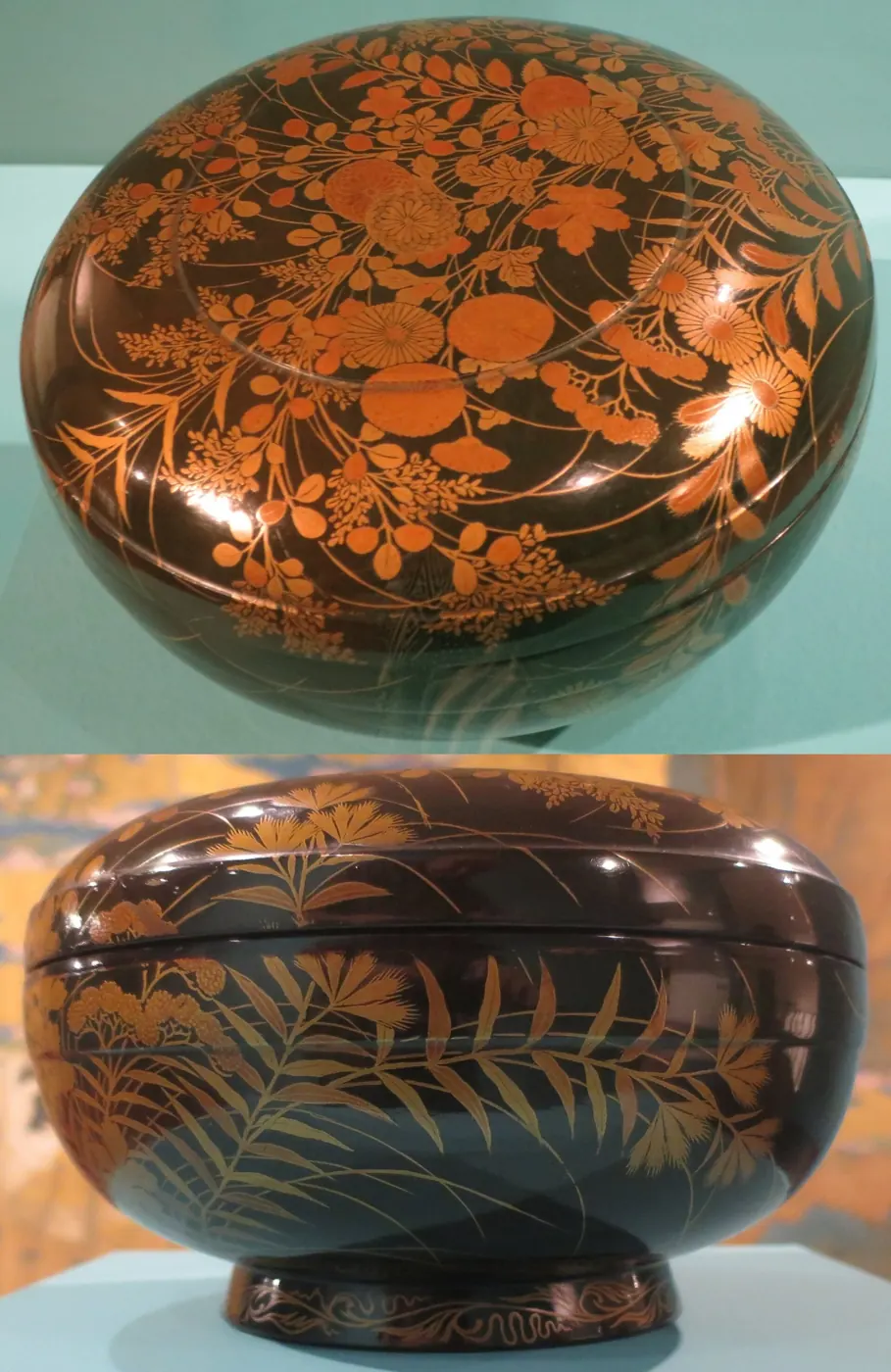 Urushi lacquerware漆器
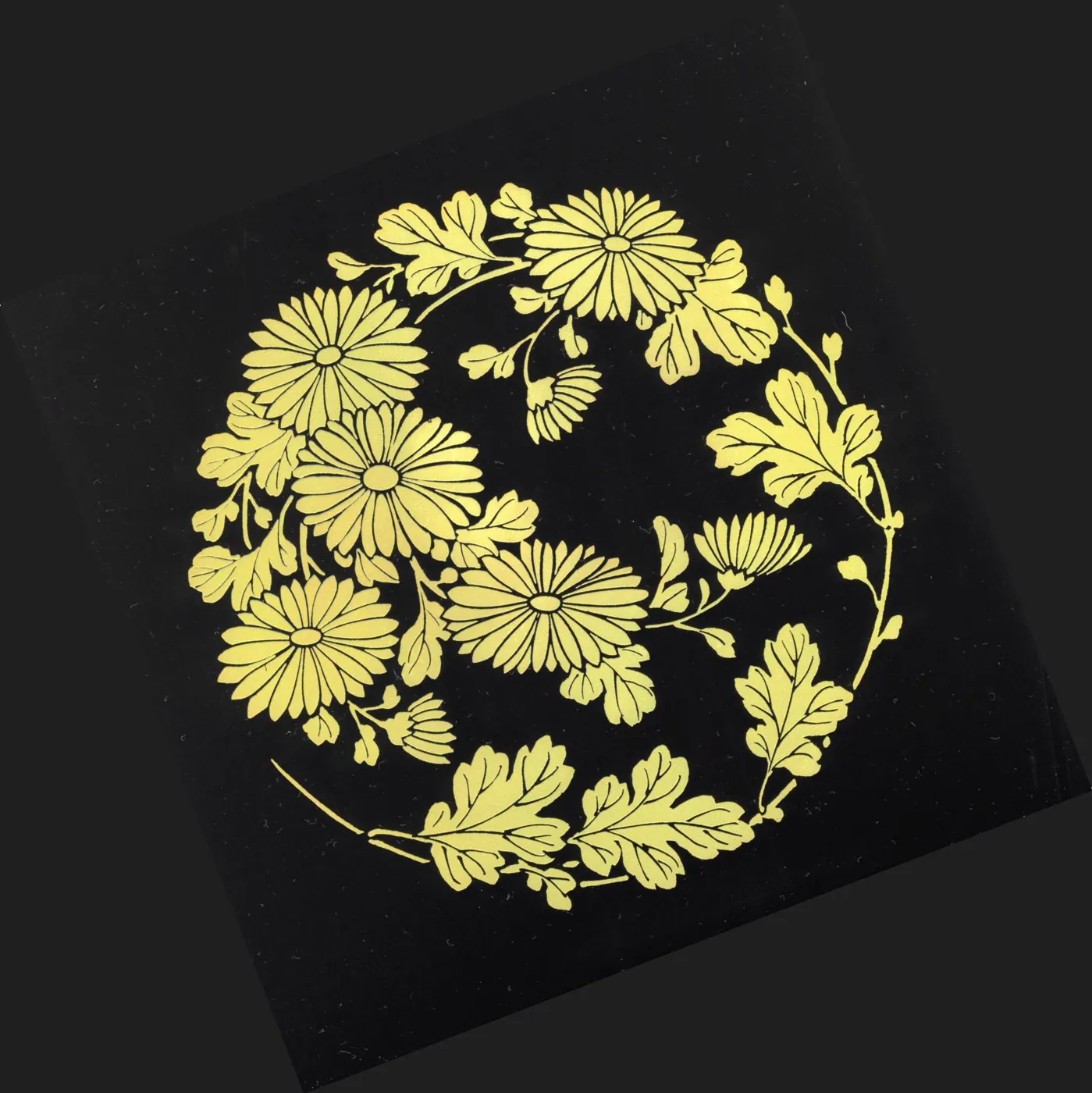 Maki-e蒔絵
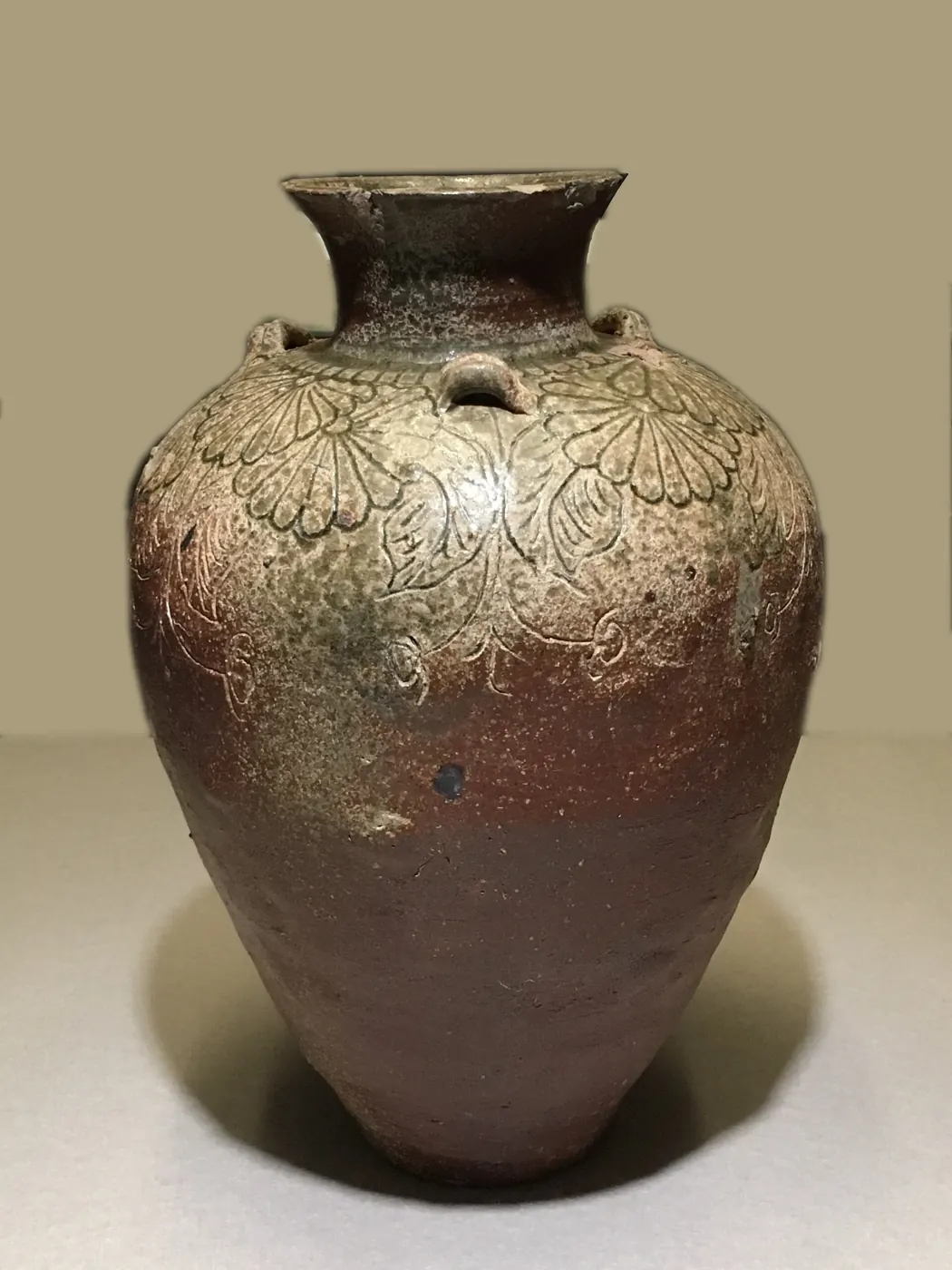 Japanese ceramics陶芸
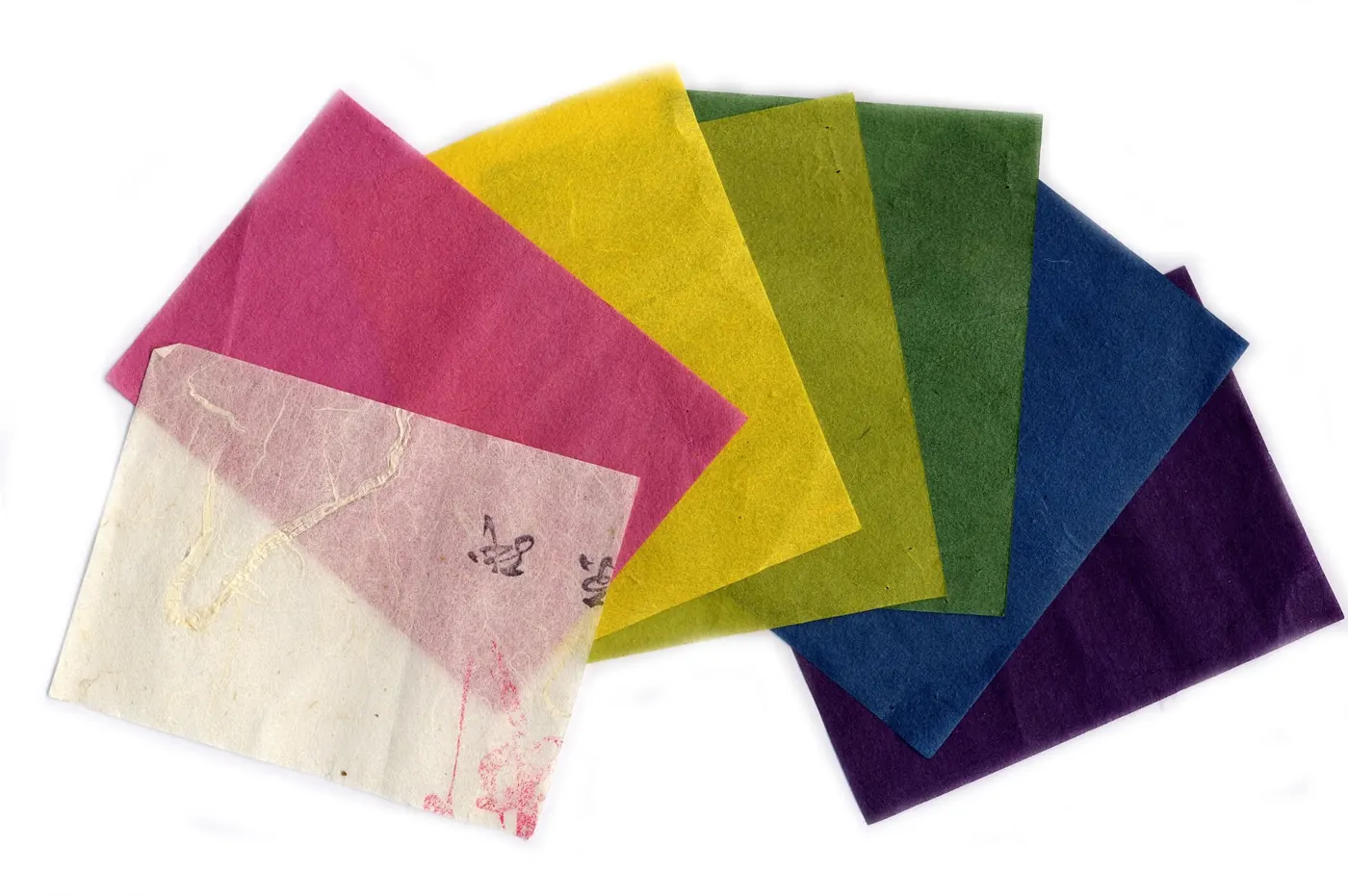 Washi和紙
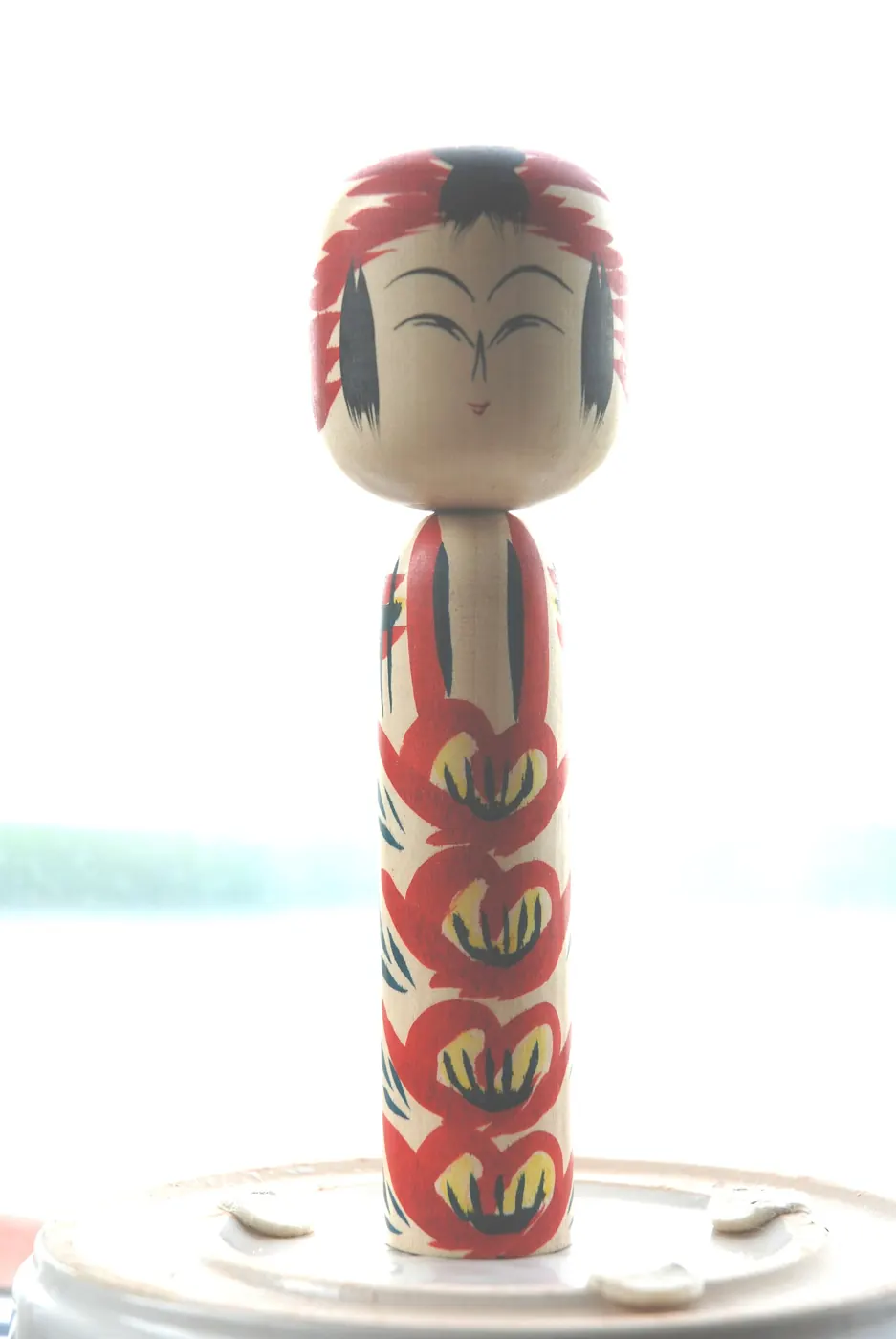 Kokeshi dollsこけし
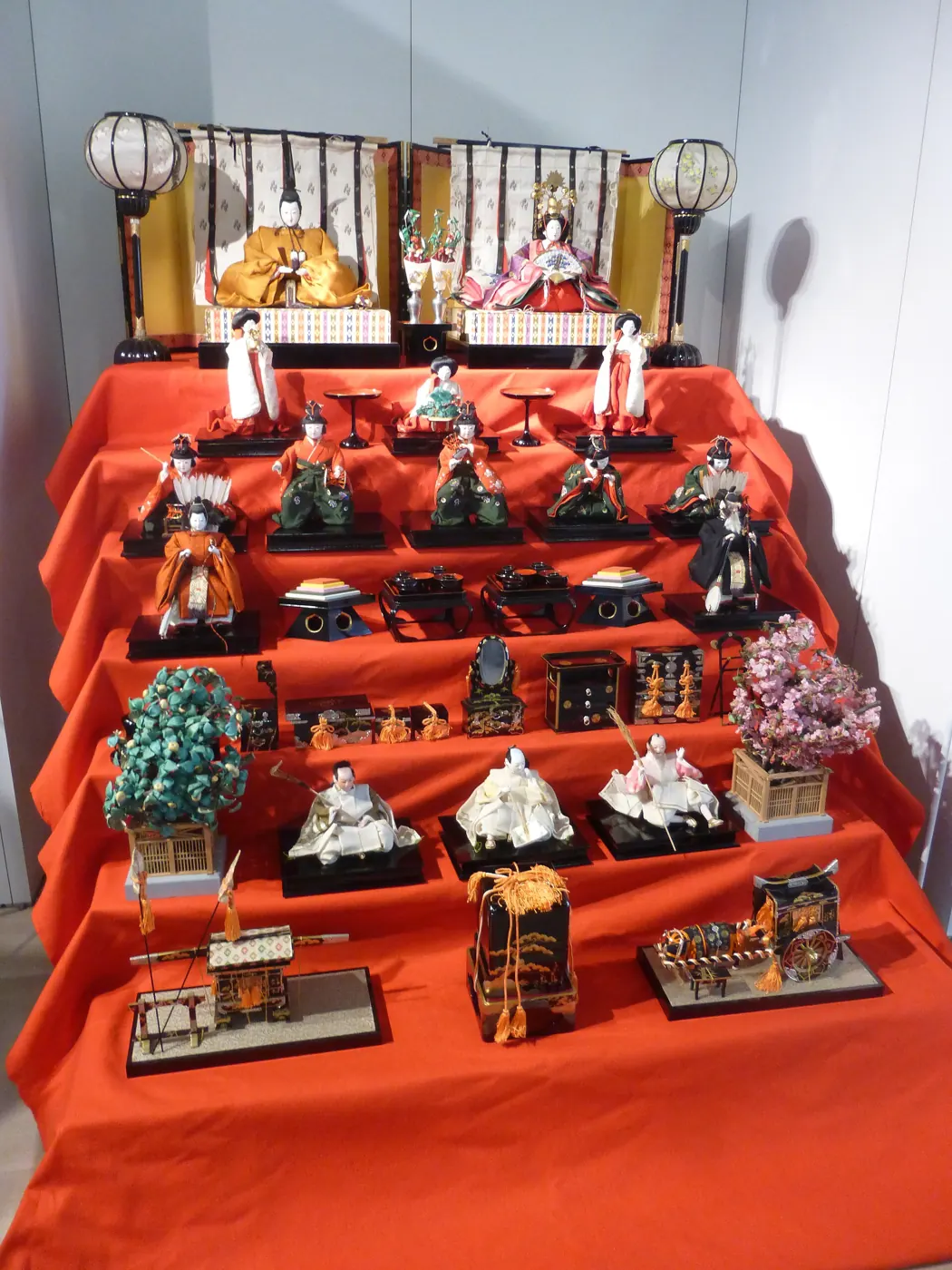 Hina dolls雛祭り
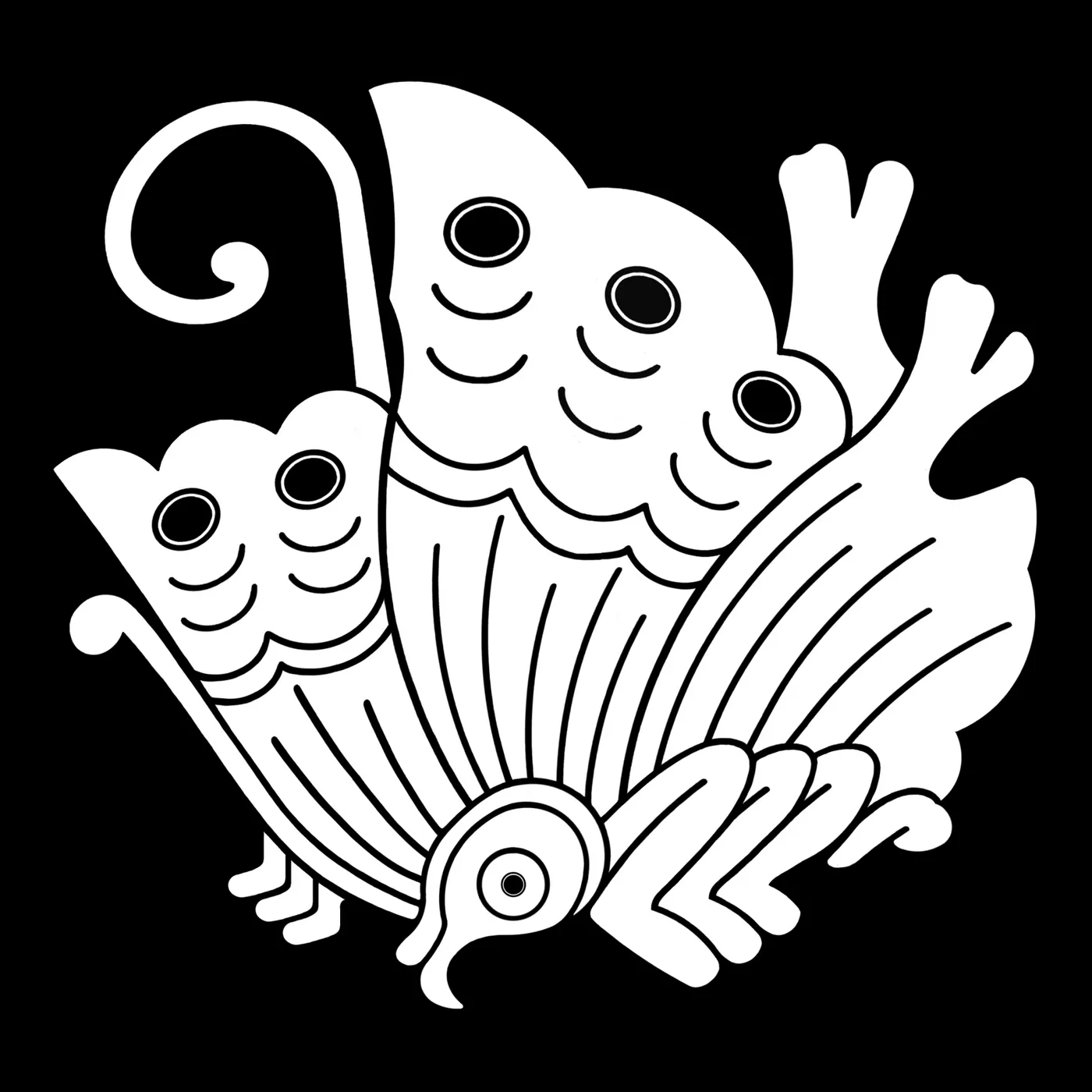 Kamon家紋
 Hanko印章
 Furoshiki風呂敷
Open the scanner and compare →