祓Harae (purification)
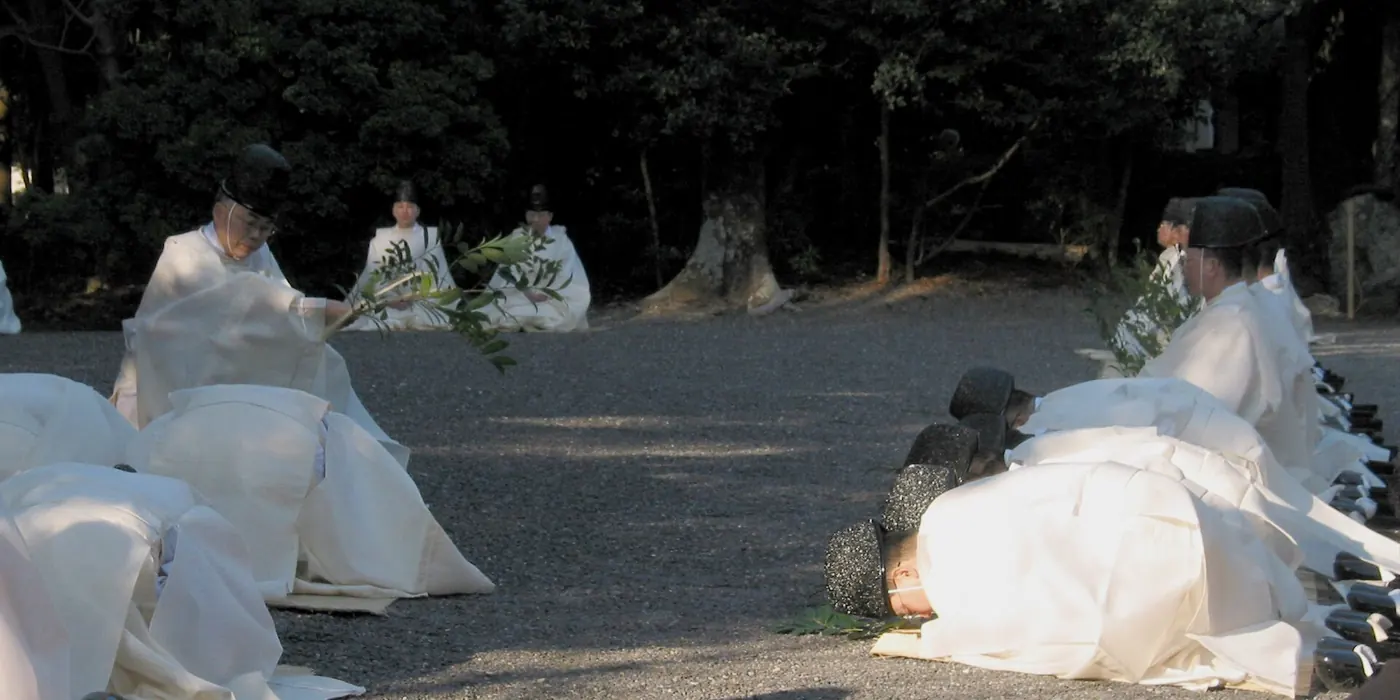
Harae or harai (祓 or 祓い) is the general term for ritual purification in Shinto. Harae is one of four essential elements involved in a Shinto ceremony. The purpose is the purification of pollution or sins (tsumi) and uncleanness (kegare). These concepts include bad luck and disease as well as guilt in the English sense.
Harae is often described as purification, but it is also known as an exorcism to be done before worship. Harae often involves symbolic washing with water, or having a Shinto priest shake a large paper shaker called ōnusa or haraegushi over the object of purification. People, places, and objects can all be the object of harae.
Text from Wikipedia: Harae — CC BY-SA 4.0. Read more on Wikipedia →
Japan Tourism Agency explanations
旅Try it yourself: Harae (purification)
Live prices and reviews from GetYourGuide. Many tours can be cancelled for free — check each listing.
Ad: we may earn a commission if you book through these links, at no extra cost to you.
Compare whether a rail pass saves money on your route before you buy tickets.
Check prices →Japan eSIM / mobile data
Ad: we may earn a commission if you book through these links, at no extra cost to you.
問Questions visitors ask
What is Harae (purification)?
Harae or harai (祓 or 祓い) is the general term for ritual purification in Shinto.
社At a shrine
 Shinto神道
 Kami神
 Shide紙垂
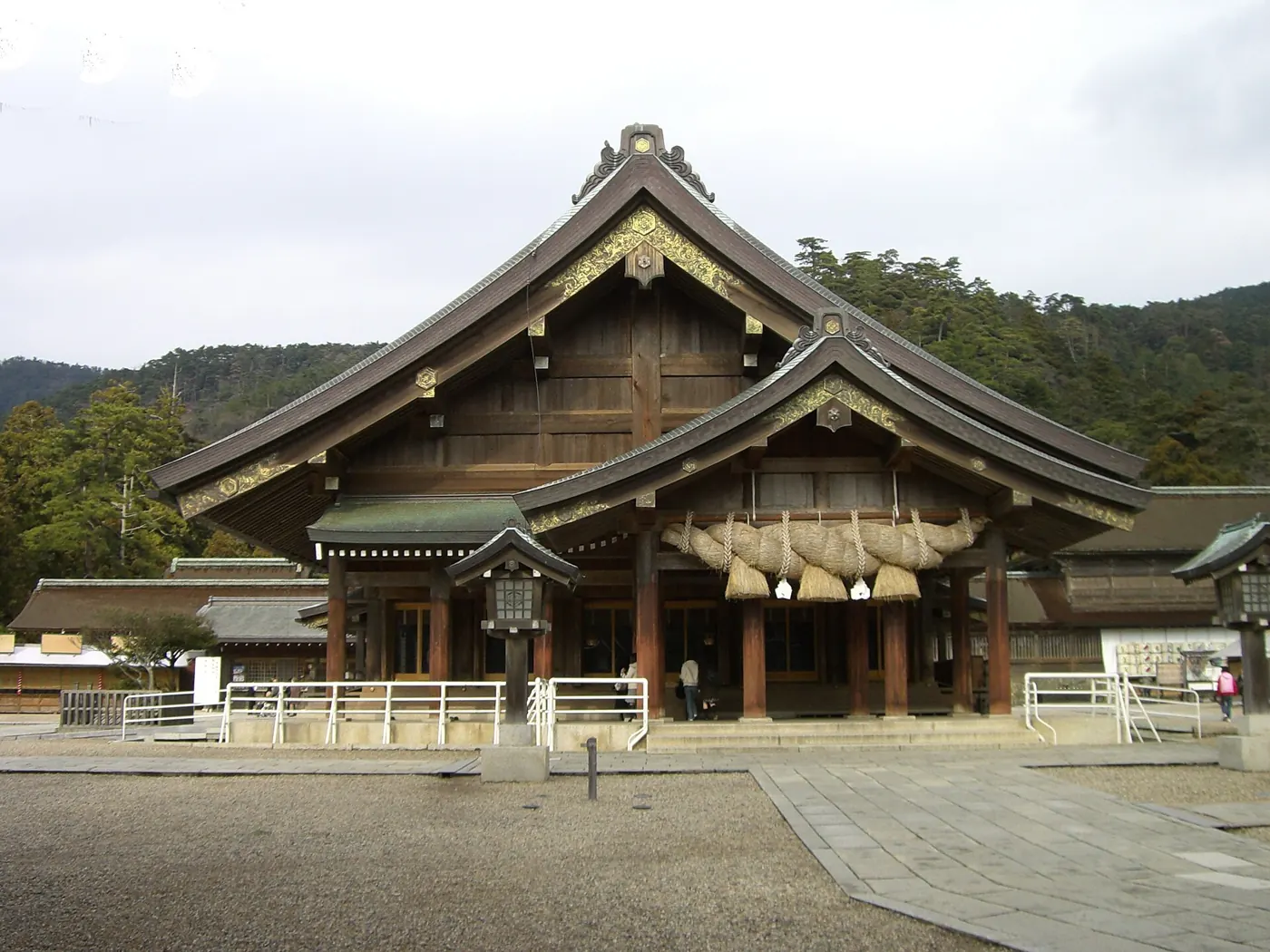 Haiden拝殿
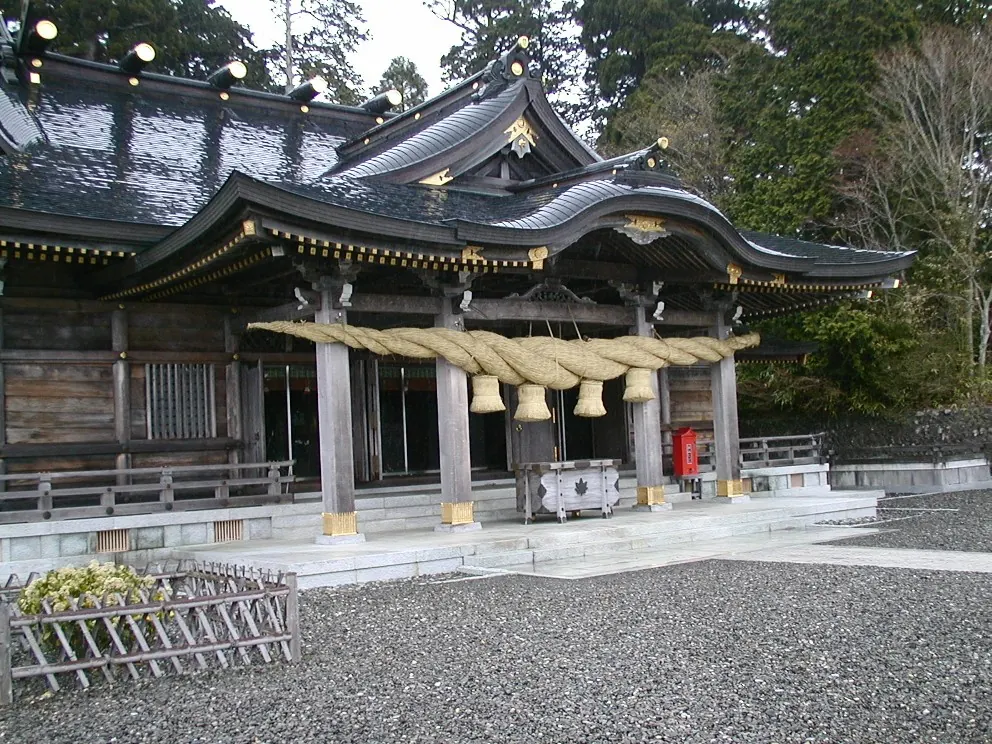 Honden本殿
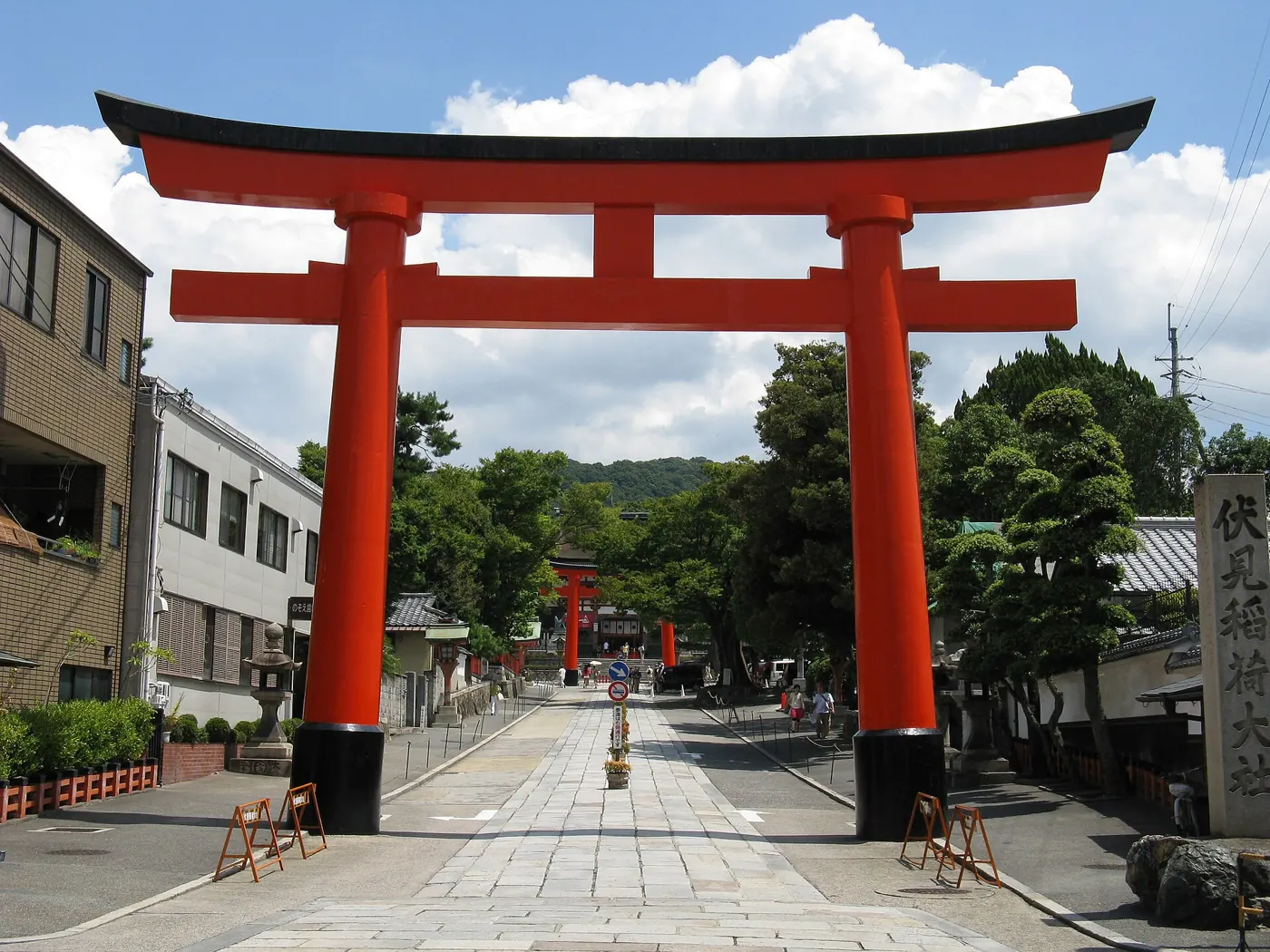 Sandō参道
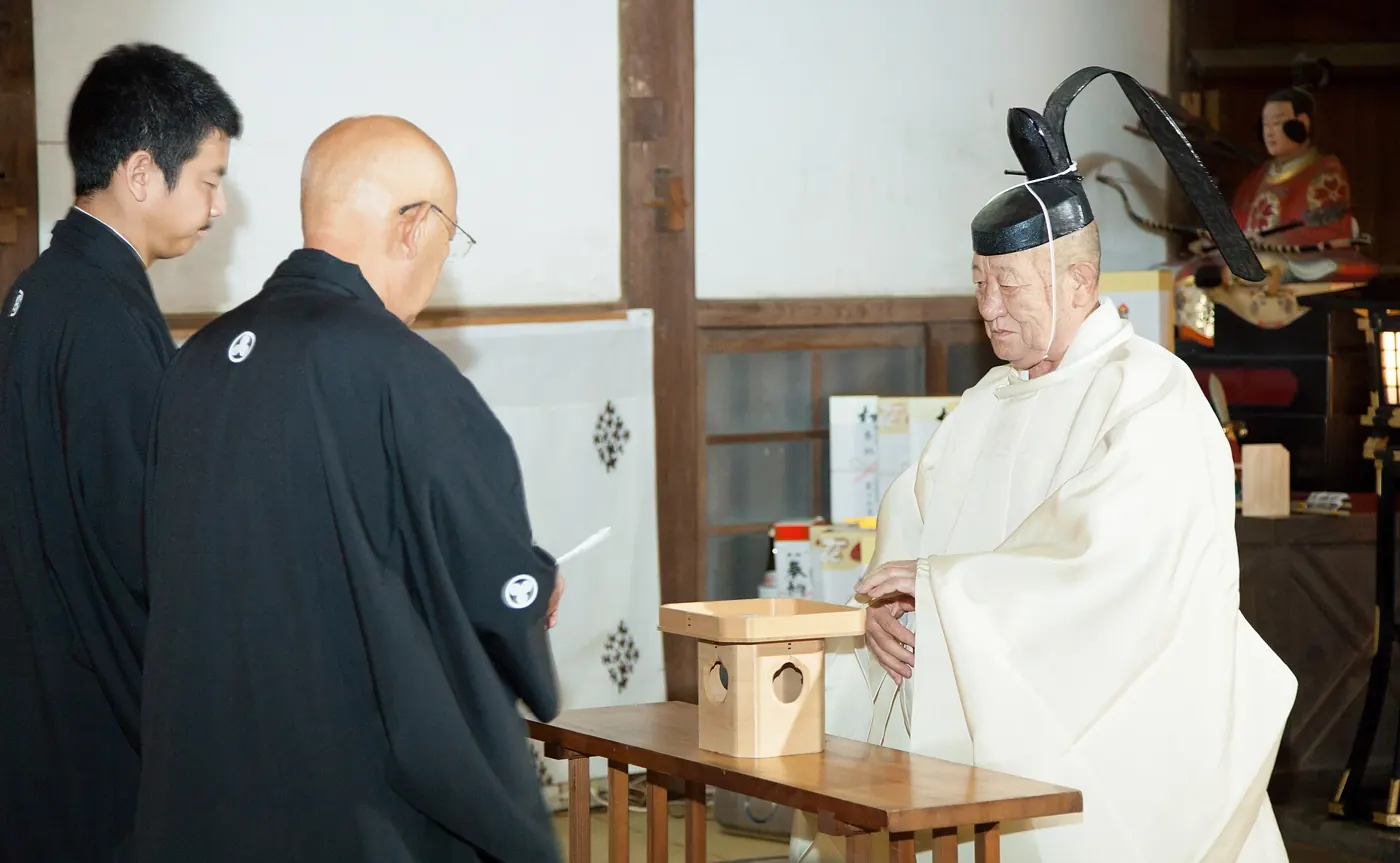 Omikujiおみくじ
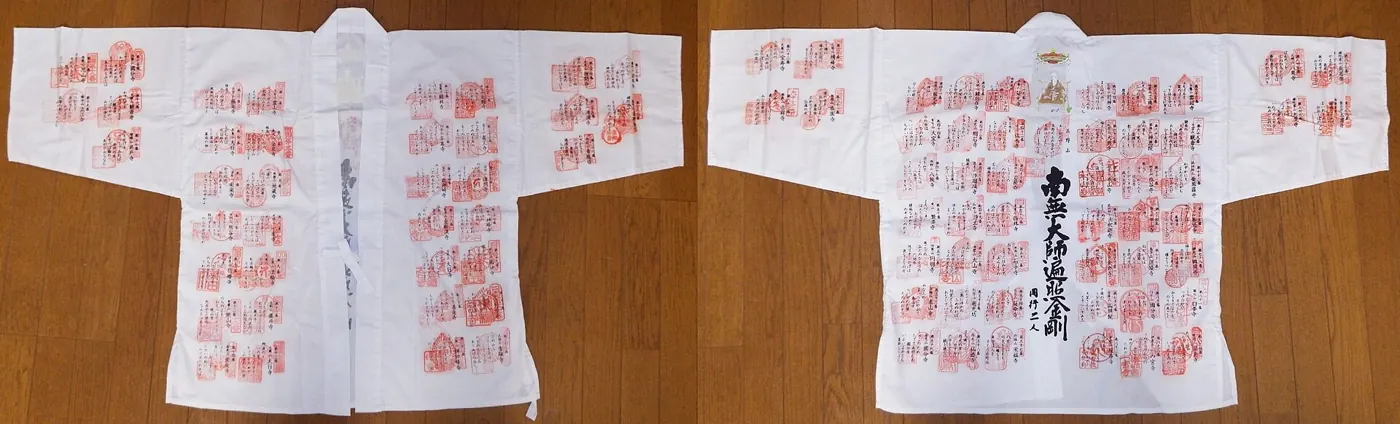 Goshuin朱印
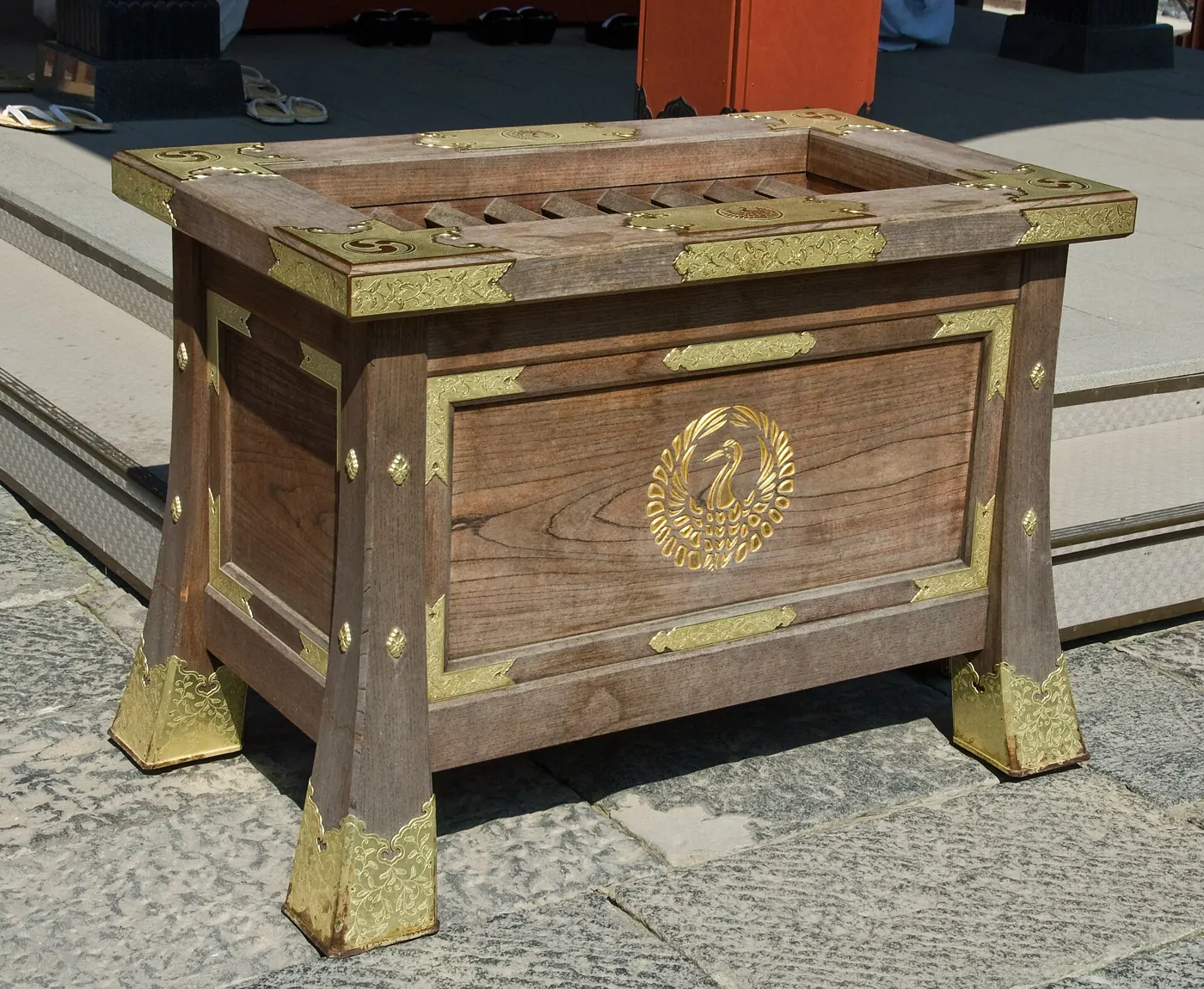 Saisen賽銭
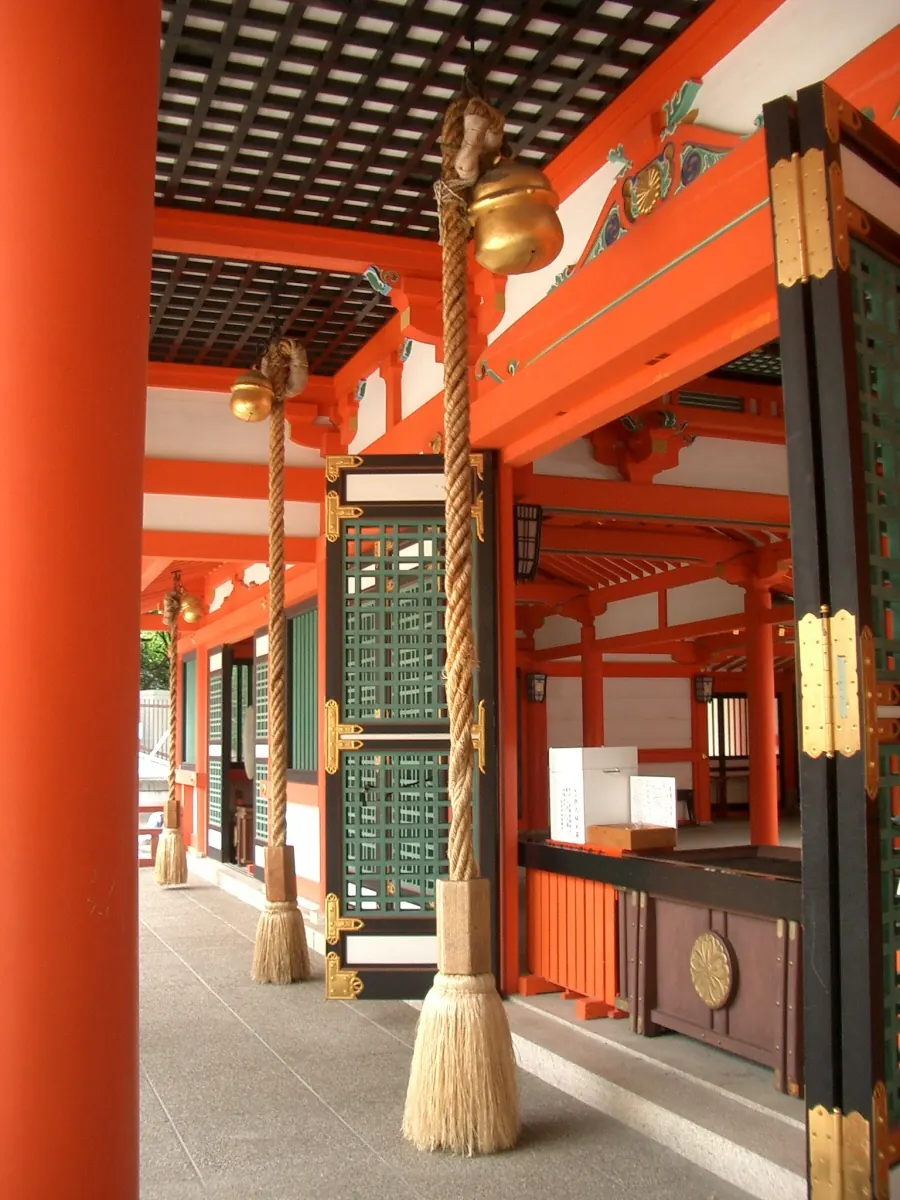 Suzu鈴
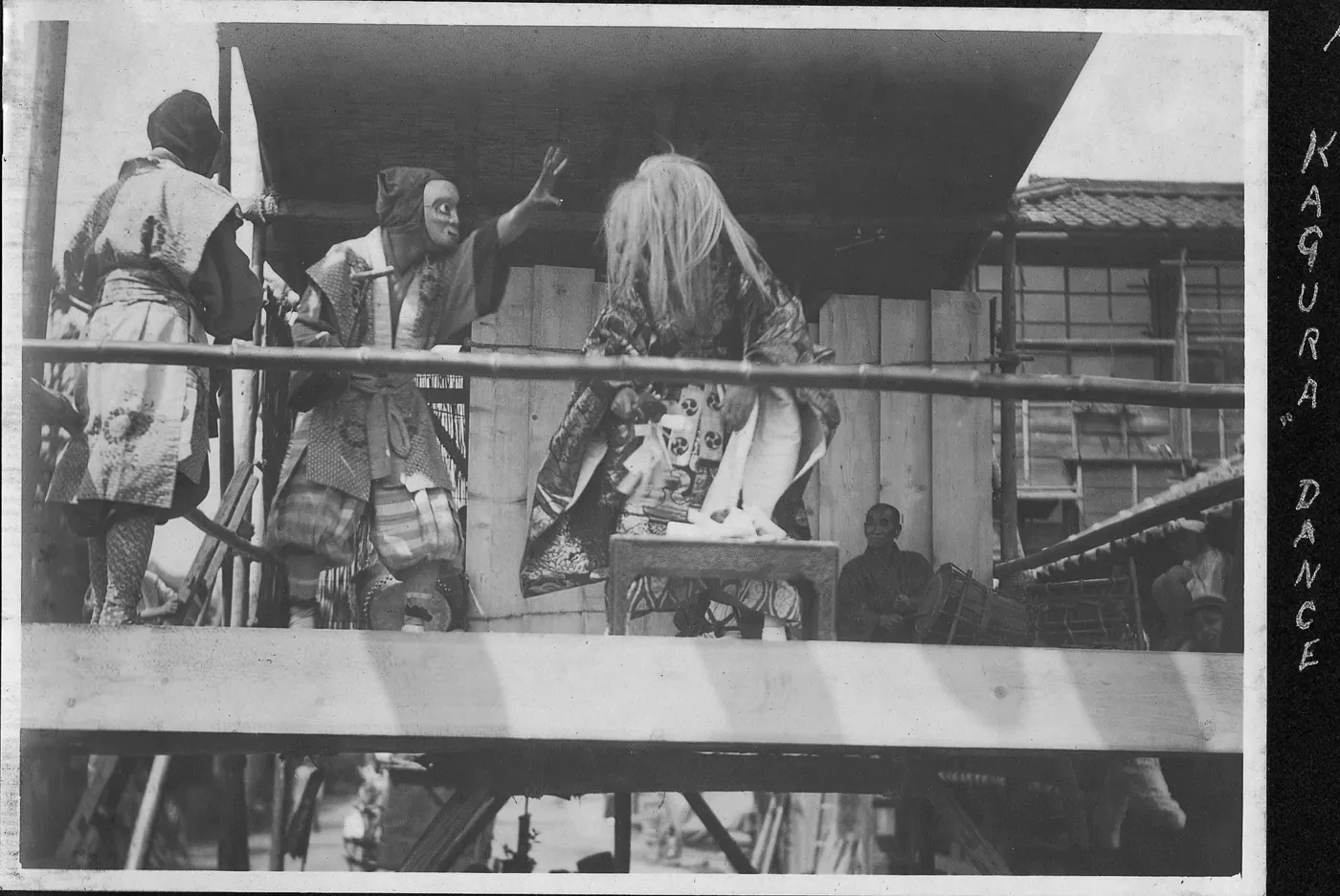 Kagura神楽
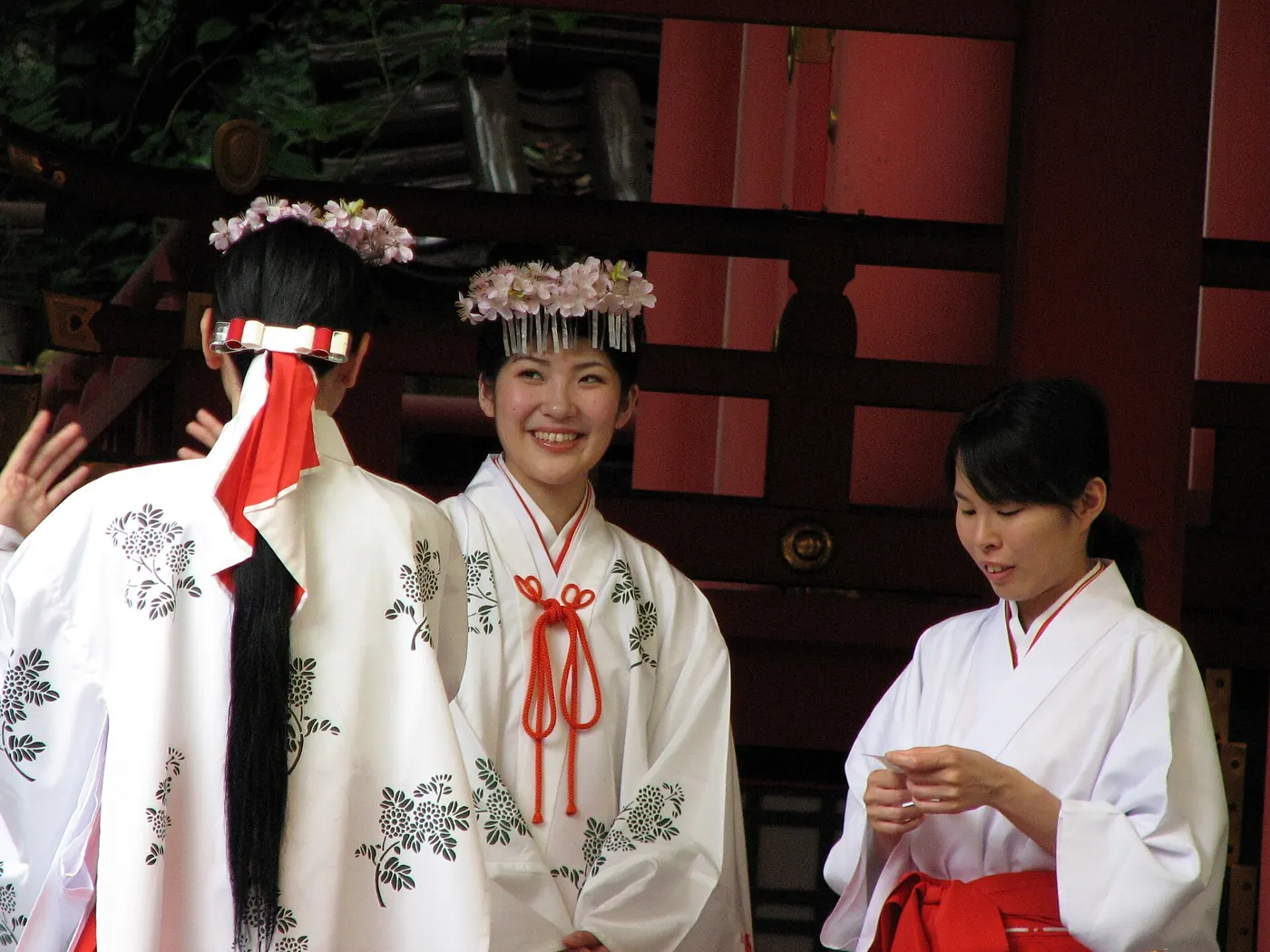 Miko巫女
Open the scanner and compare →