Tennenji Temple: A Paean to Antiquity 天念寺 古代への賛歌
Official explanation
No structure could blend more perfectly into its surroundings than this one, for Tennenji Temple is literally built into the face of a cliff wall. For hundreds of years after it was constructed in the Heian period (794–1185), it was a center for shugendo, arduous training for ascetic Buddhist monks in search of enlightenment. The rigorous discipline they undertook is evident in the legacy of trails they used to crisscross the rugged hills as part of their training. Those in good physical shape who would like to experience something of their regimen today can climb a steep trail to the ridge overlooking the temple. But if you are content with just like a glimpse of what was involved, look up at the top of the ridge where the arch of a stone bridge crosses a narrow chasm between two rocky peaks. Across the road, a carved image of the deity Fudo Myo-o stares out from the face of a huge boulder in the middle of the river.
Shared Spirituality: Shinbutsu shugo
Read the full explanation
The Tennenji Temple Lecture Hall shares space with a Shinto shrine (behind the torii gate on the right). This syncretism of Shinto—the religion with animistic origins native to Japan—and Buddhism is called shinbutsu shugo. Historically, the intermingling and fusion began, according to scholars, at Usa Shrine just west of Bungo Takada. And, although the two religions were never actually fully merged, they did manage to coexist for hundreds of years until the government attempted to separate them in the Meiji period (1868–1912). Unlike most parts of the country, the remote Kunisaki Peninsula was able to circumvent most of the government’s efforts, and Tennenji Temple is one of the best of many examples of shinbutsu shugo that still dot the area.
A Festival of Ogres: Shujo Onie
While the temple-shrine configuration illustrates the historical coexistence of the two religions, a spirited traditional festival keeps the concept alive. Held on the seventh day of the old lunar calendar (usually in February), the event begins with conch trumpets echoing across the valley, calling on participants to purify themselves in the frigid mountain stream in front of the shrine. Huge torches are then lit and carried by the men to the temple, where teams joust, sparks flying as they smash the torches against the stone base of the building.
Primitive Masks and the Main Event
The exuberant main event features a pair of masked oni, the ogres of ancient Japan, in a whirling, leaping dance, wielding blazing torches and flinging sparks over an ecstatic crowd. These oni, while ferocious in appearance, are reincarnated Buddhas, and therefore have been invited in to chase away evil and bring good luck and prosperity to those fortunate enough to be touched by the sparks. In the event’s climax, believers even proffer their bodies to be swatted by the lit torches.
The gods must be benevolent ones—they’ve protected this old wooden building from the heat and the flames for hundreds of years. (For those unable to attend the festival, an explanatory video at the nearby Historical Museum captures much of the atmosphere.)
出典: 地域観光資源の多言語解説文データベース(観光庁) — www.mlit.go.jp/tagengo-db. この英語解説文は観光庁の地域観光資源の多言語解説整備支援事業で作成しました。
Source: Japan Tourism Agency, Multilingual Explanation Database. This English text was produced by the Japan Tourism Agency's multilingual explanation project and is shown unedited. Opening hours and services may have changed since it was written.
旅Kyūshū tours
Live prices and reviews from GetYourGuide. Many tours can be cancelled for free — check each listing.
Ad: we may earn a commission if you book through these links, at no extra cost to you.
Things you may see here
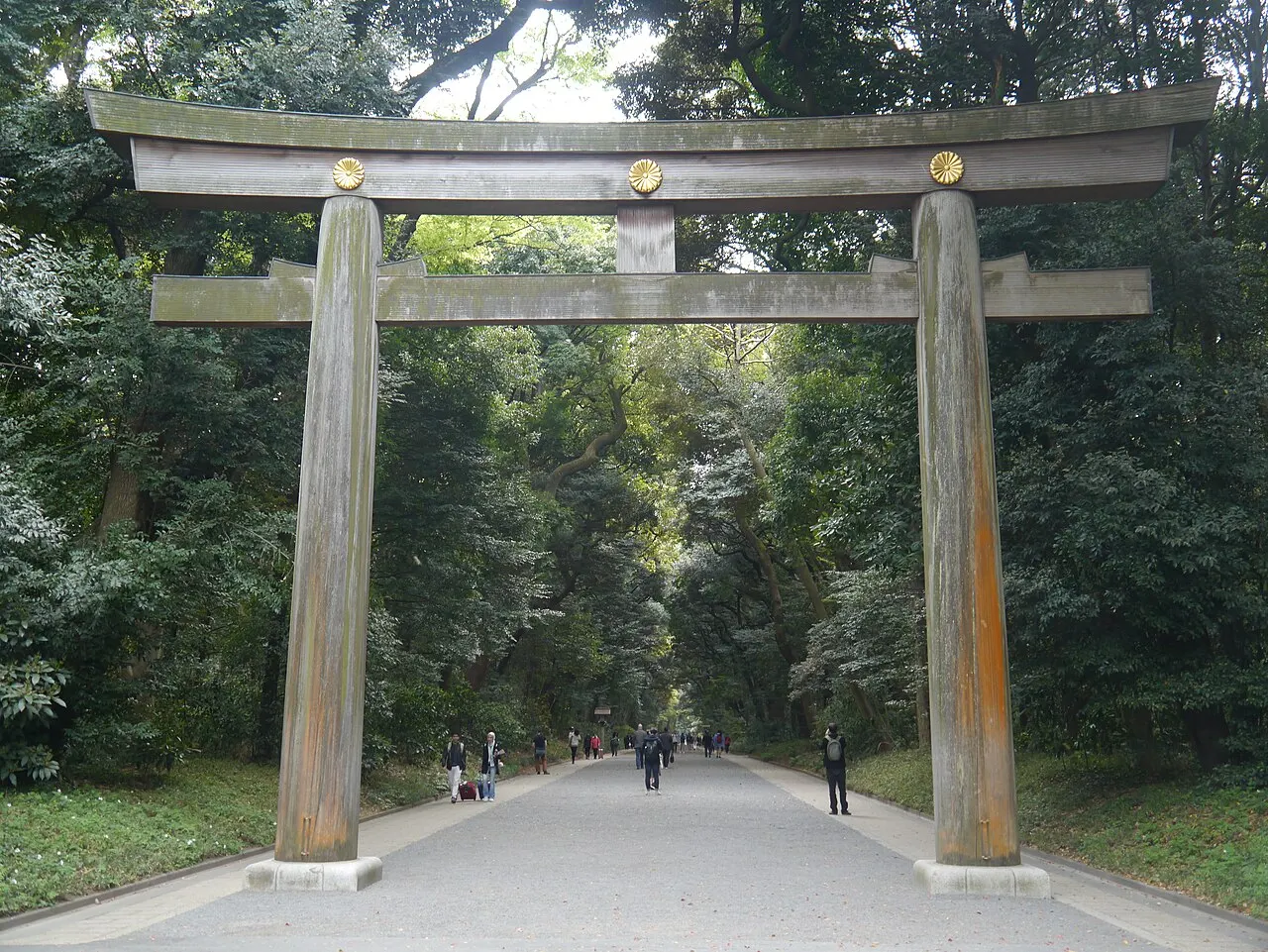 Torii gate鳥居
Getting there
Hotels in Oita
Ad: we may earn a commission if you book through these links, at no extra cost to you.
More temples in Oita
Open the scanner and compare →