Tennenji Temple 天念寺
Official explanation
This ancient wooden temple is literally built into the face of a cliff wall. For hundreds of years after its construction in the Heian period (794–1185), it was a center for shugendo, arduous training for ascetic Buddhist monks in search of enlightenment. The trails they used in their regimen crisscross the hills and valleys of this peninsula and are a favorite of hikers and pilgrims. The Buddhist Temple Lecture Hall (on the left) shares space with a Shinto shrine (behind the torii gate on the right), an example of the coexistence of Buddhism and Shinto that was characteristic of this area. A spirited traditional festival called Shujo Oni-e, held at the temple on the seventh day of the old calendar (usually in February), illustrates how the two religions sometimes shared more than space. The exuberant main event features a pair of dancing masked oni (the ogres of ancient Japan), wielding torches and flinging sparks over the crowd of attendees. While ferocious in appearance, the oni are actually reincarnated Buddhas, welcomed in to chase away evil and bring good luck and prosperity to those fortunate enough to be touched by the sparks.
出典: 地域観光資源の多言語解説文データベース(観光庁) — www.mlit.go.jp/tagengo-db. この英語解説文は観光庁の地域観光資源の多言語解説整備支援事業で作成しました。
Source: Japan Tourism Agency, Multilingual Explanation Database. This English text was produced by the Japan Tourism Agency's multilingual explanation project and is shown unedited. Opening hours and services may have changed since it was written.
旅Kyūshū tours
Live prices and reviews from GetYourGuide. Many tours can be cancelled for free — check each listing.
Ad: we may earn a commission if you book through these links, at no extra cost to you.
Things you may see here
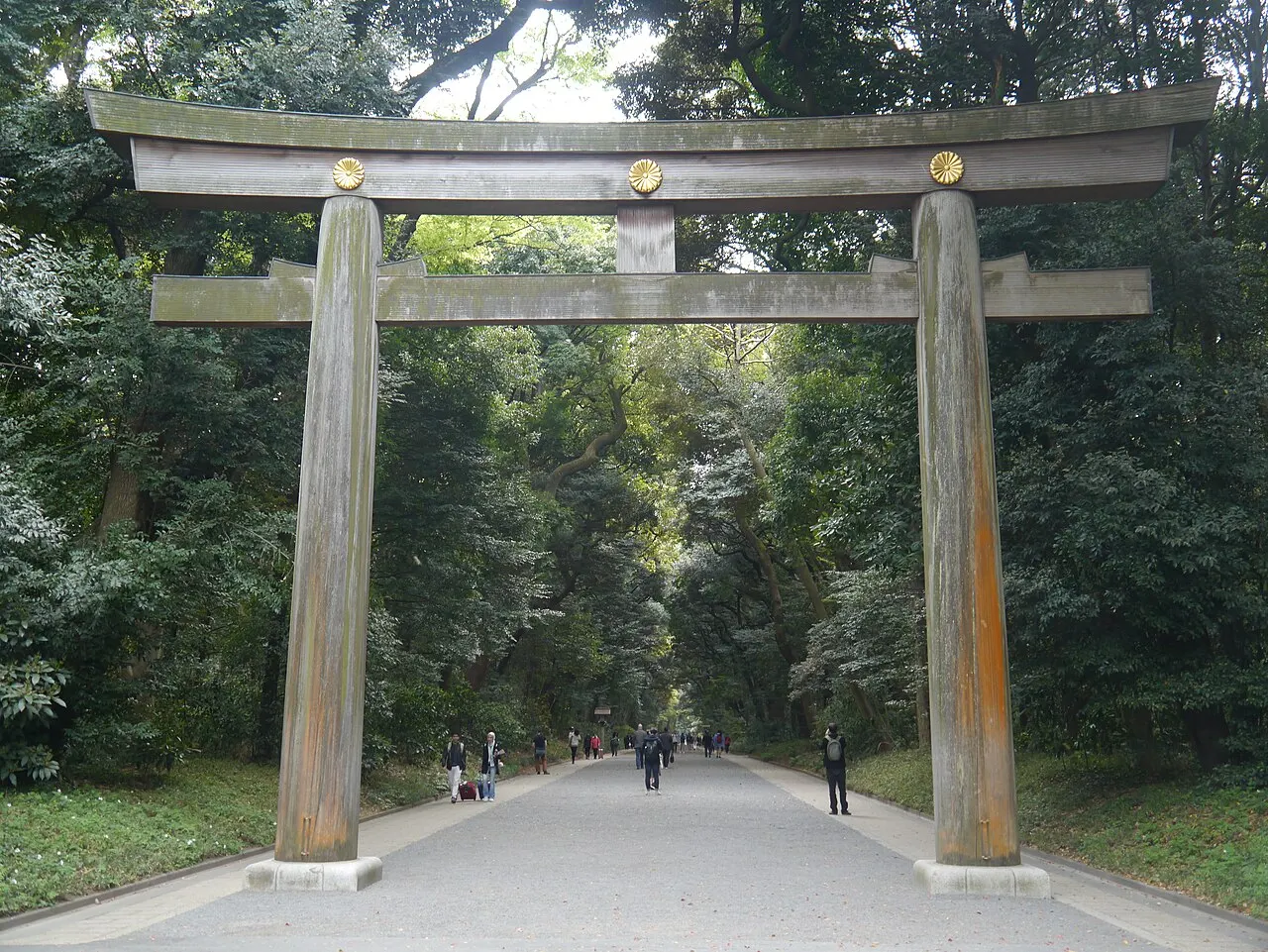 Torii gate鳥居
Getting there
Hotels in Oita
Ad: we may earn a commission if you book through these links, at no extra cost to you.
More temples in Oita
Open the scanner and compare →