八幡神Hachiman
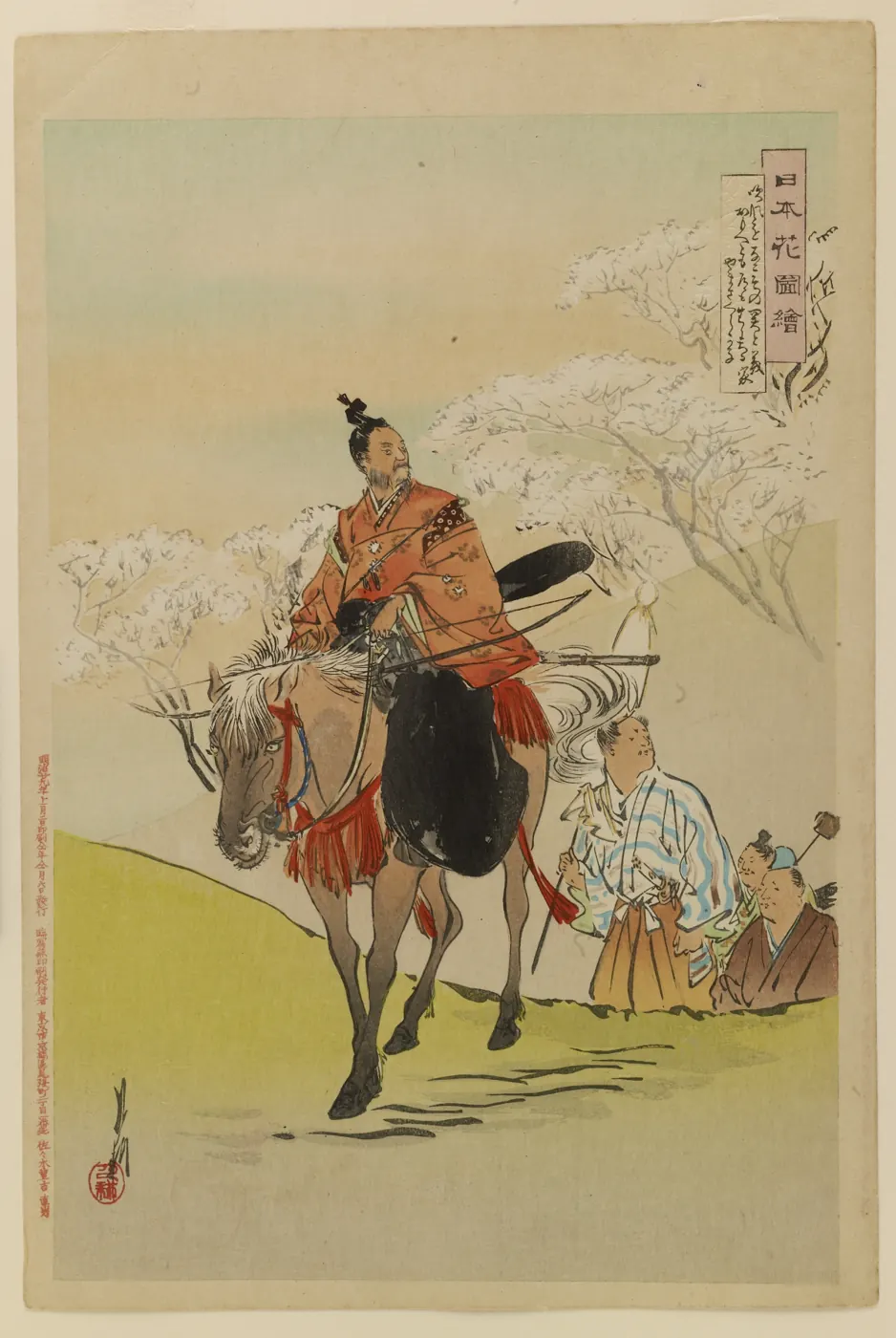
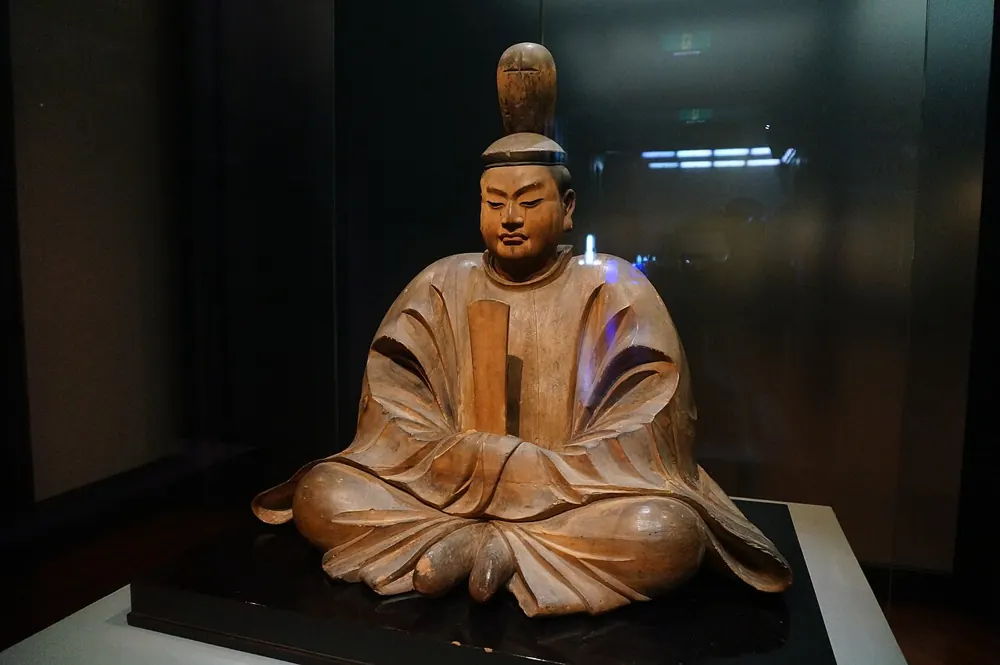
Hachiman (八幡神, Hachiman-shin; also read Hachiman no Kami) is a syncretic Japanese deity identified as the divine spirit of the semi-legendary Emperor Ōjin.
He is regarded as an ancestral kami of the Imperial House of Japan and is worshipped together with Empress Jingū and Hachiman's himegami as the Hachiman Mikami (八幡三神).
Through Shinto–Buddhist syncretism, Hachiman became incorporated into the Buddhist pantheon as Great Bodhisattva Hachiman (八幡大菩薩, Hachiman Daibosatsu) and was widely worshipped as the guardian deity of Buddhist temples.
Beginning in the Heian period, Hachiman became the tutelary kami of the Minamoto clan and was subsequently adopted by the samurai class more broadly. Hachiman worship spread throughout Japan, and about 2,500 shrines are dedicated to him, second in number only to those of Inari.
Text from Wikipedia: Hachiman — CC BY-SA 4.0. Read more on Wikipedia →
見Where to see it
Japan Tourism Agency explanations
旅Try it yourself: Hachiman
Live prices and reviews from GetYourGuide. Many tours can be cancelled for free — check each listing.
Ad: we may earn a commission if you book through these links, at no extra cost to you.
Compare whether a rail pass saves money on your route before you buy tickets.
Check prices →Japan eSIM / mobile data
Ad: we may earn a commission if you book through these links, at no extra cost to you.
問Questions visitors ask
What is Hachiman?
Hachiman (八幡神, Hachiman-shin; also read Hachiman no Kami) is a syncretic Japanese deity identified as the divine spirit of the semi-legendary Emperor Ōjin.
Where can I see Hachiman?
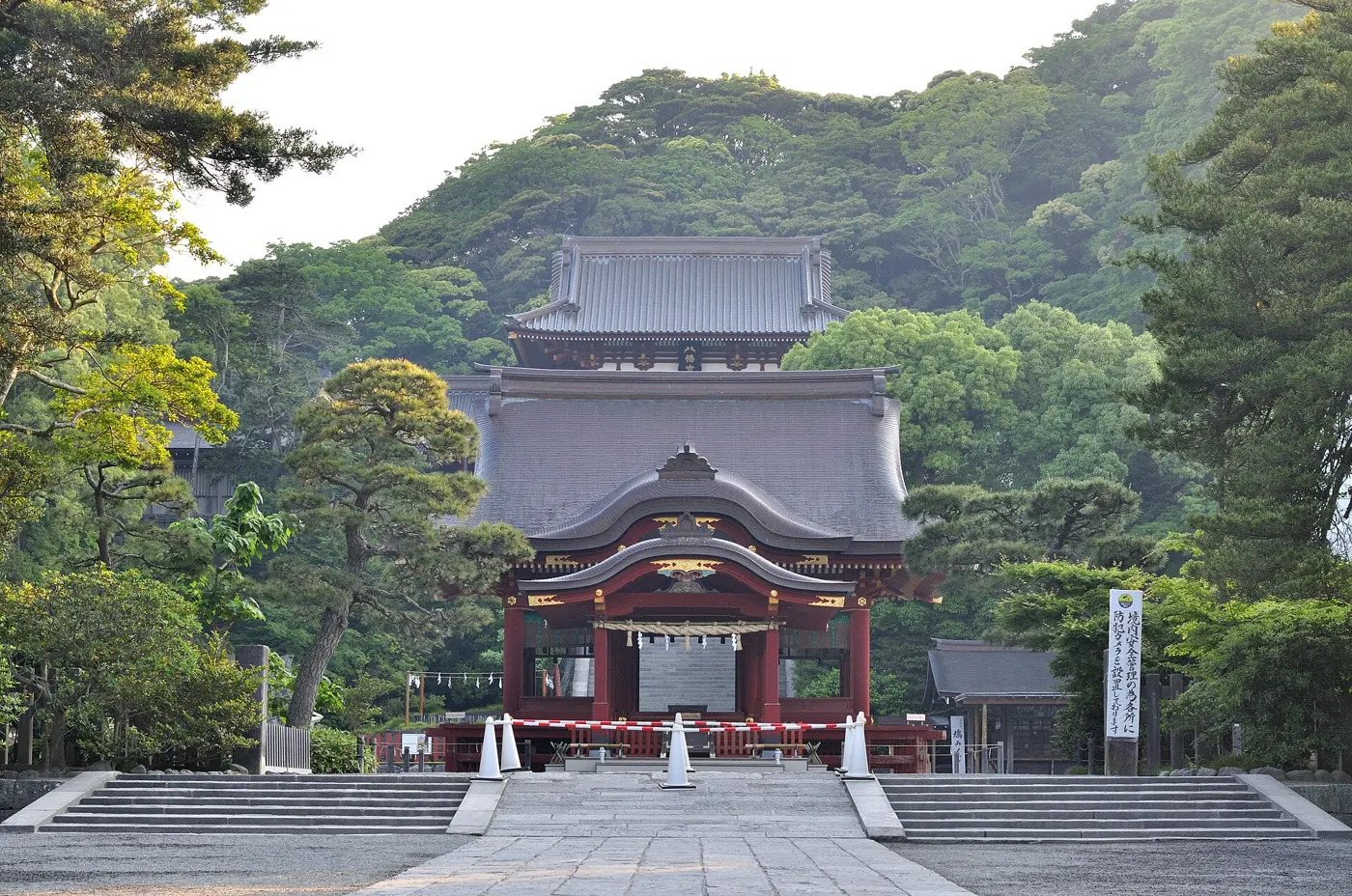
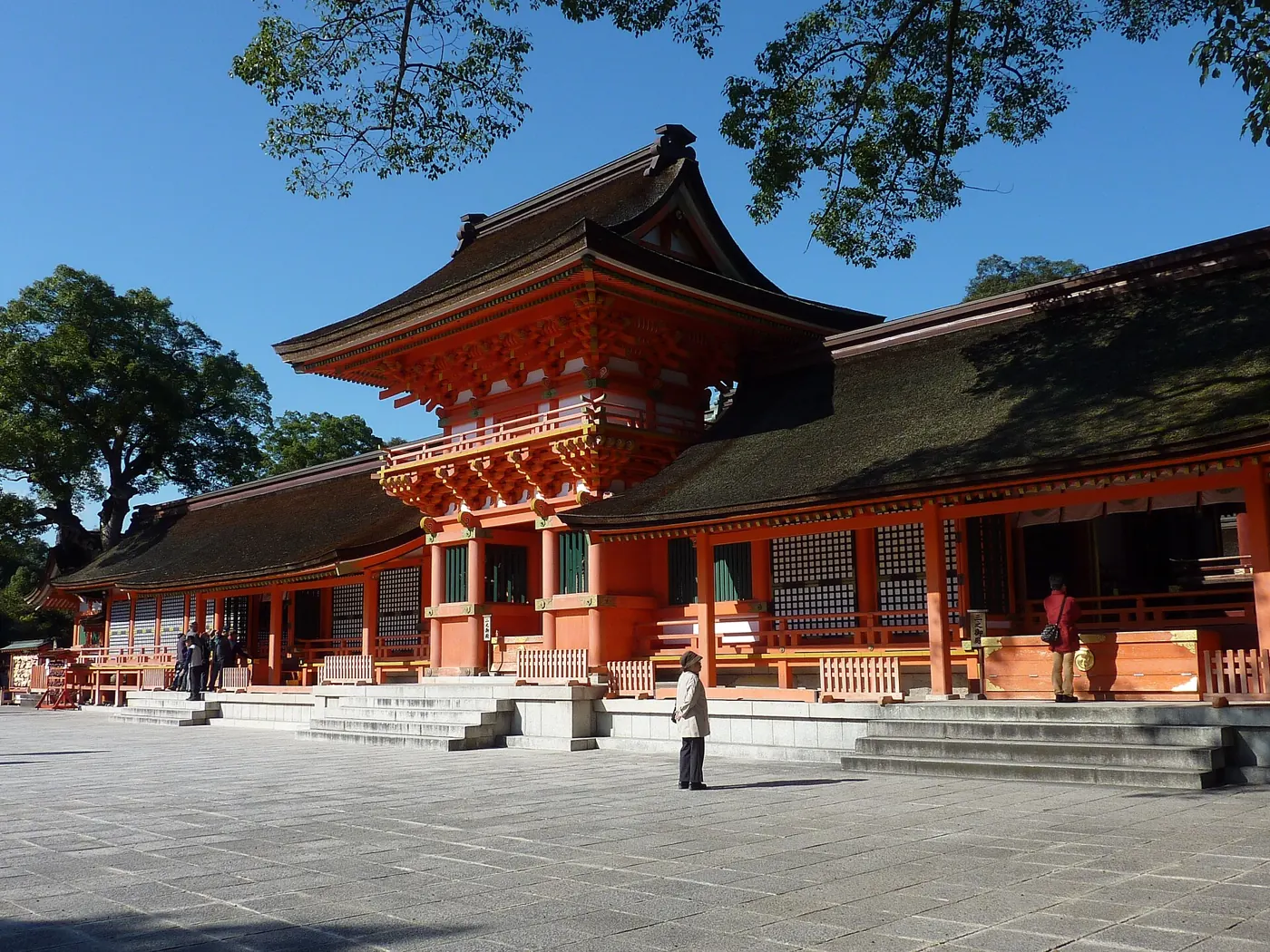
Places on Torii Guide where it is mentioned include: Tsurugaoka Hachimangū, Usa Jingū.
社At a shrine
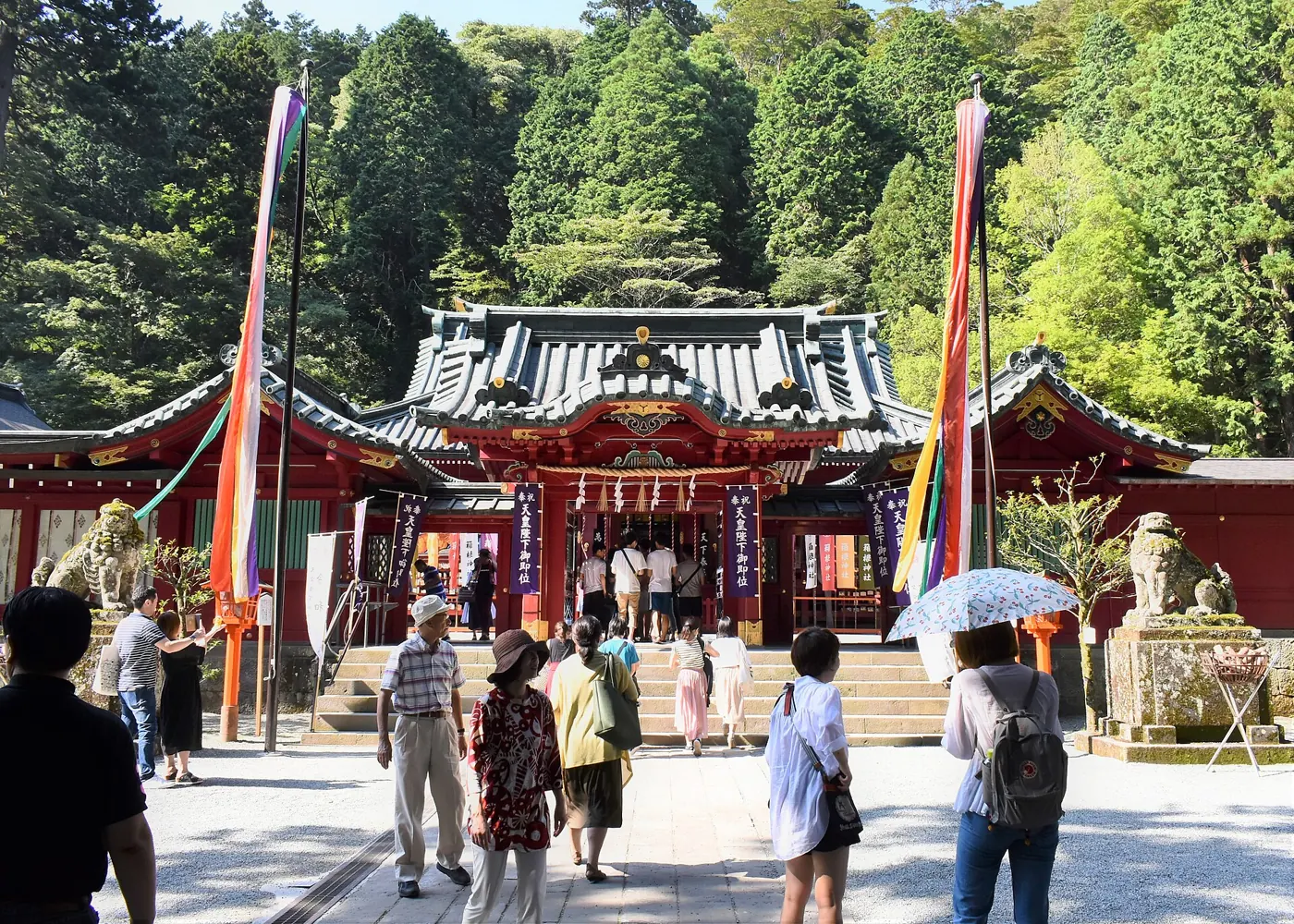 Shinto神道
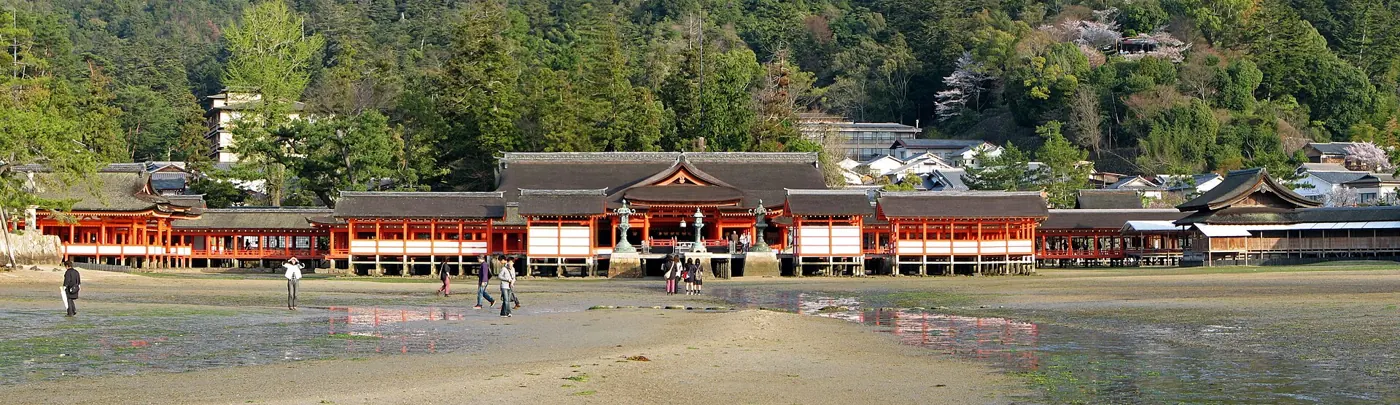 Kami神
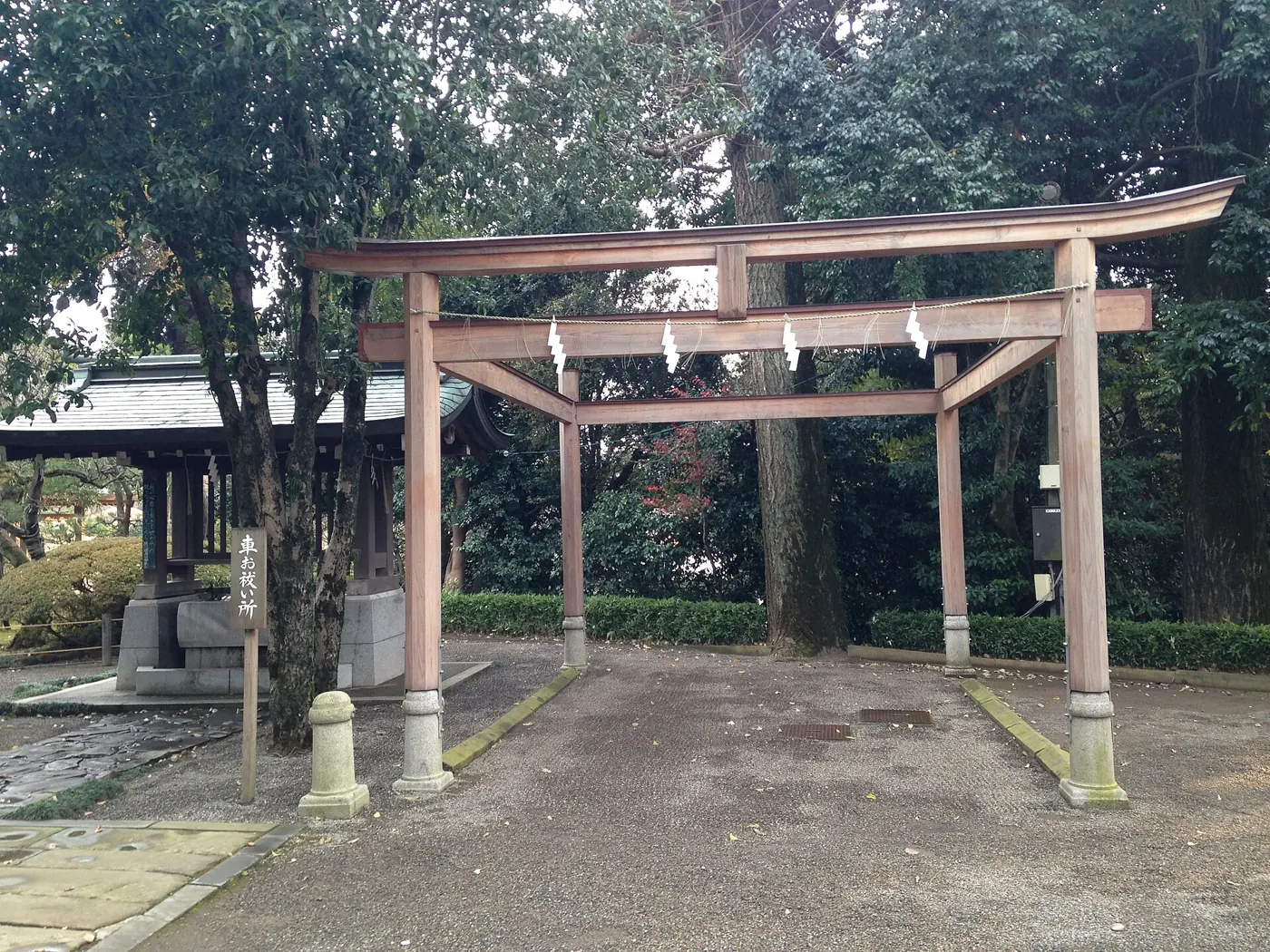 Shide紙垂
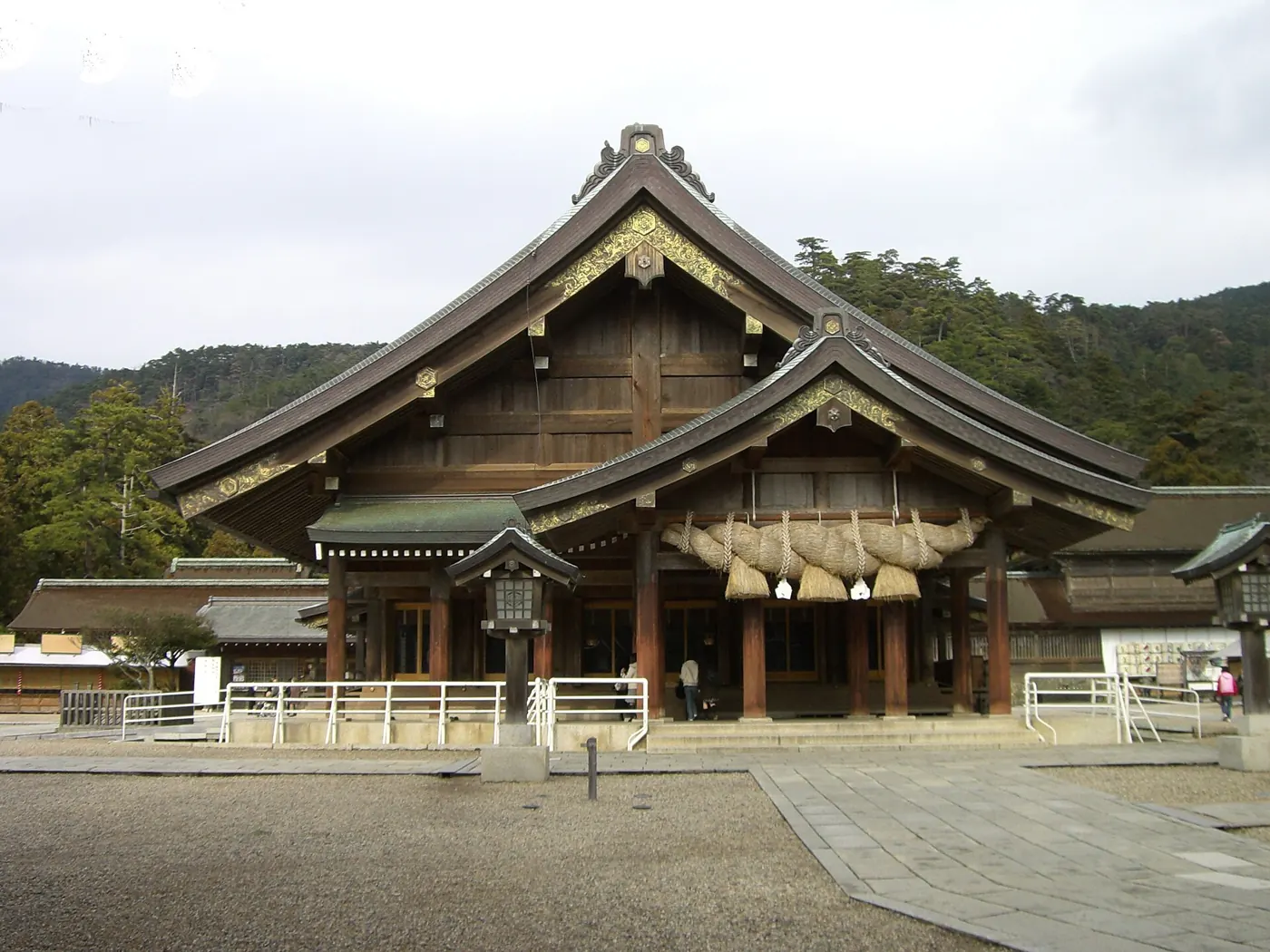 Haiden拝殿
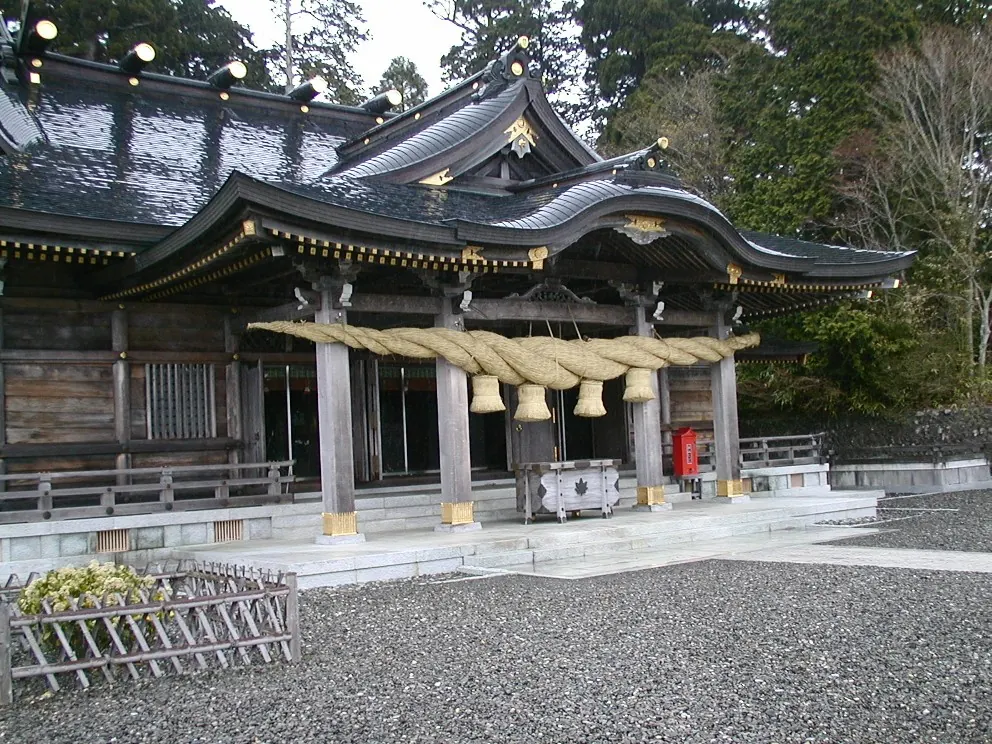 Honden本殿
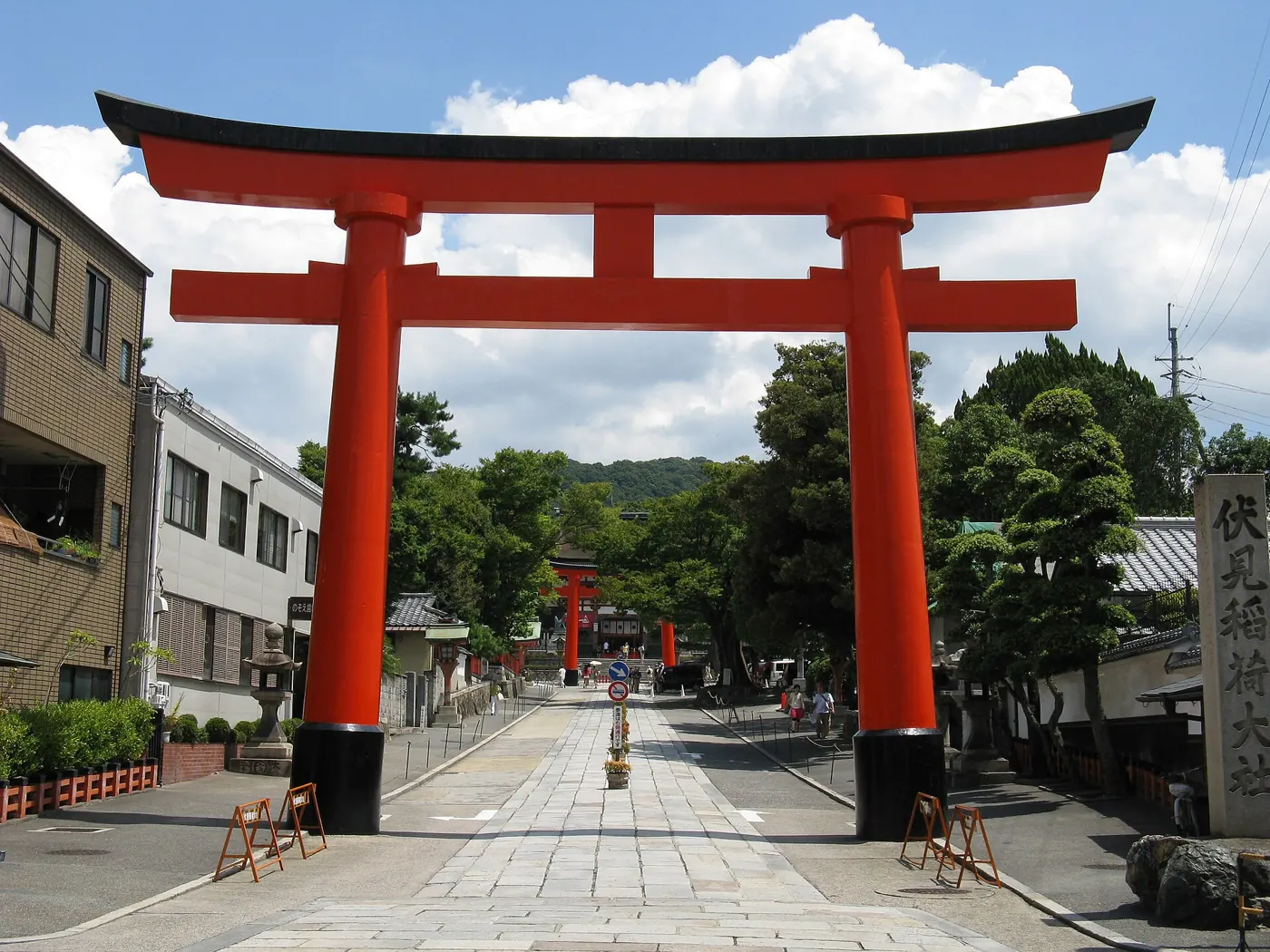 Sandō参道
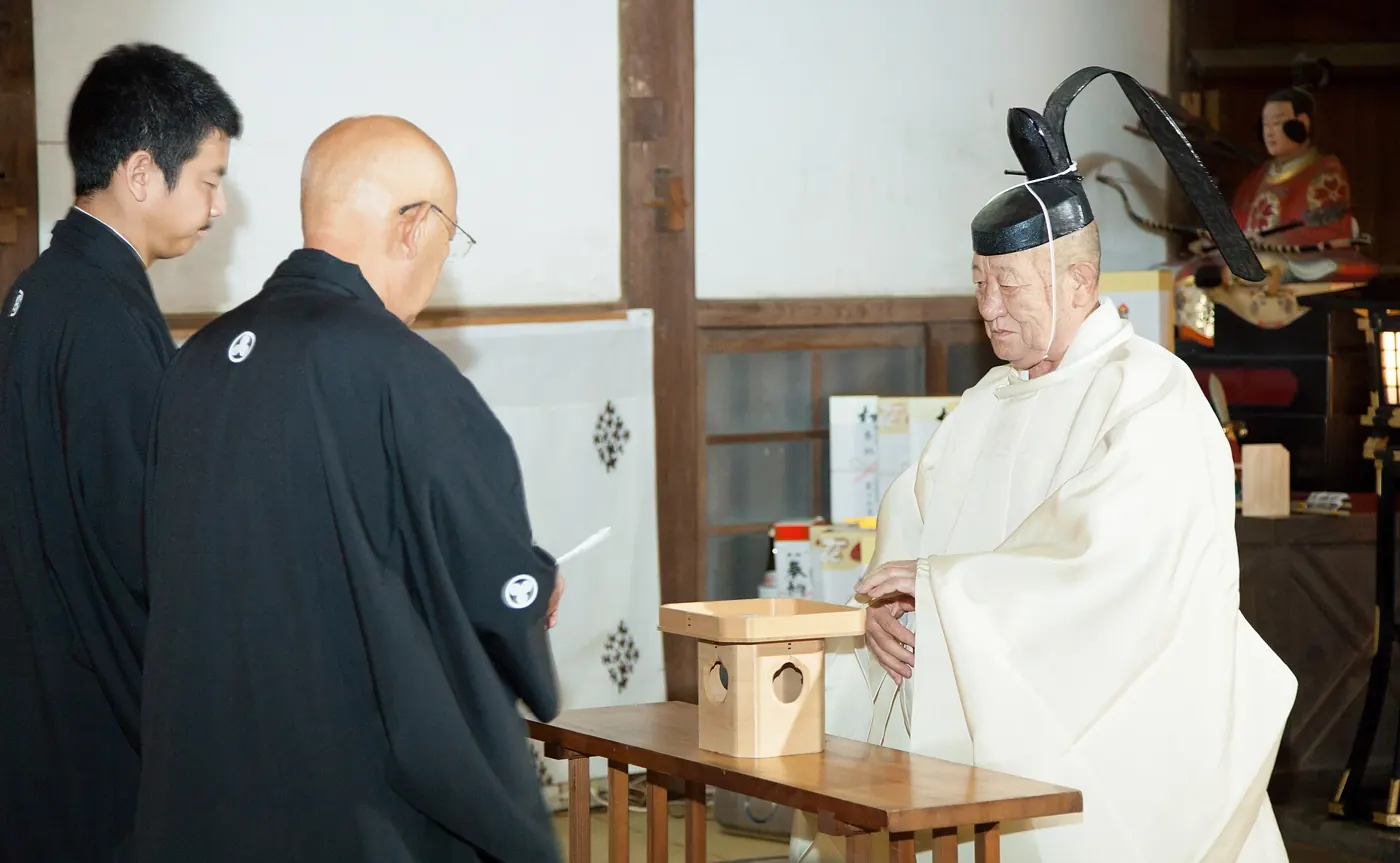 Omikujiおみくじ
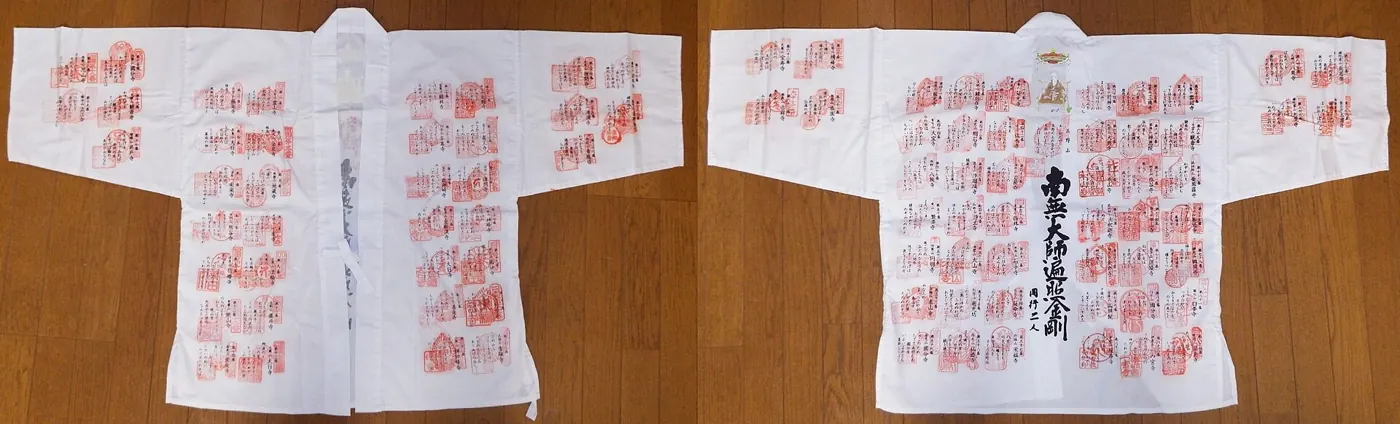 Goshuin朱印
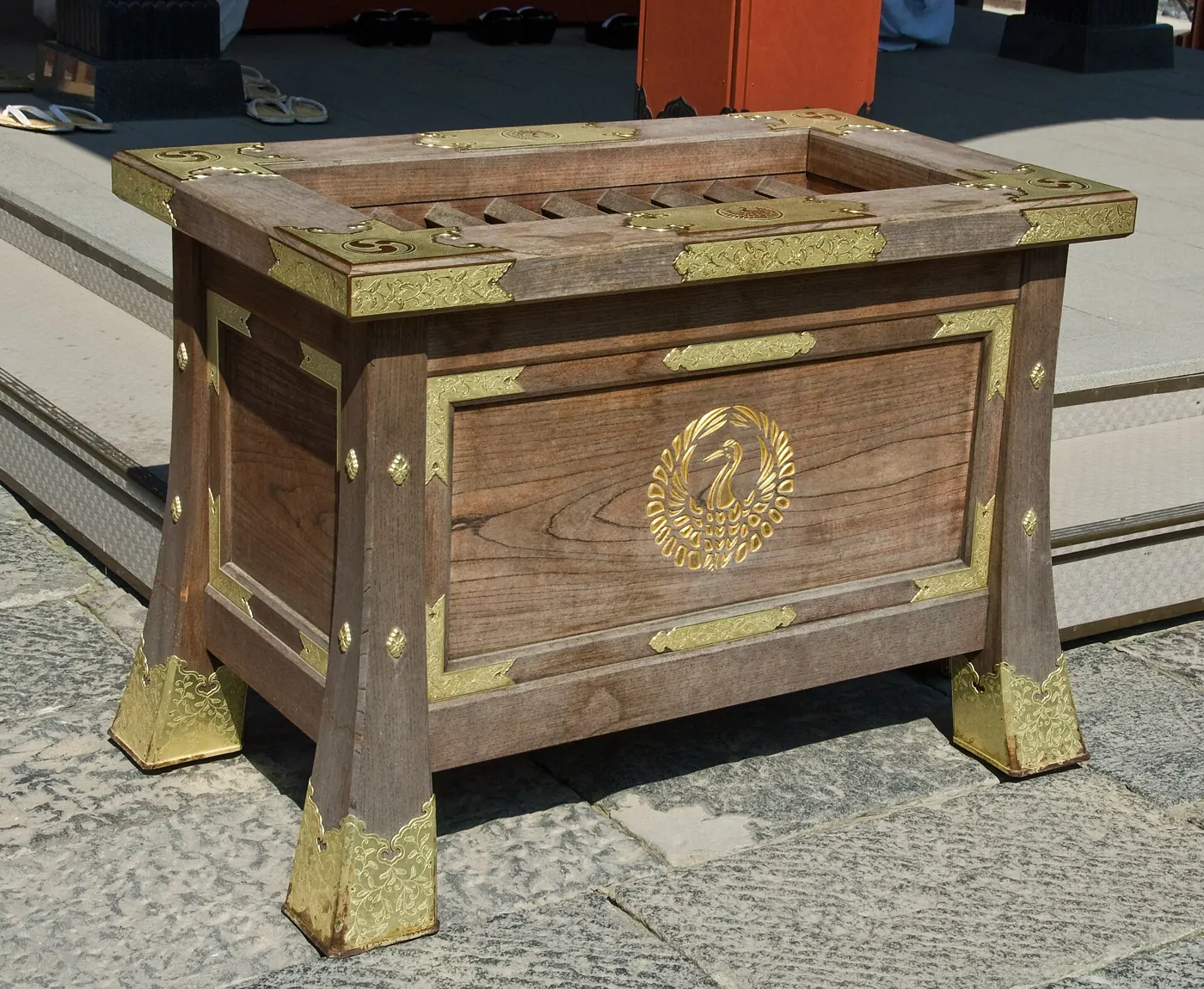 Saisen賽銭
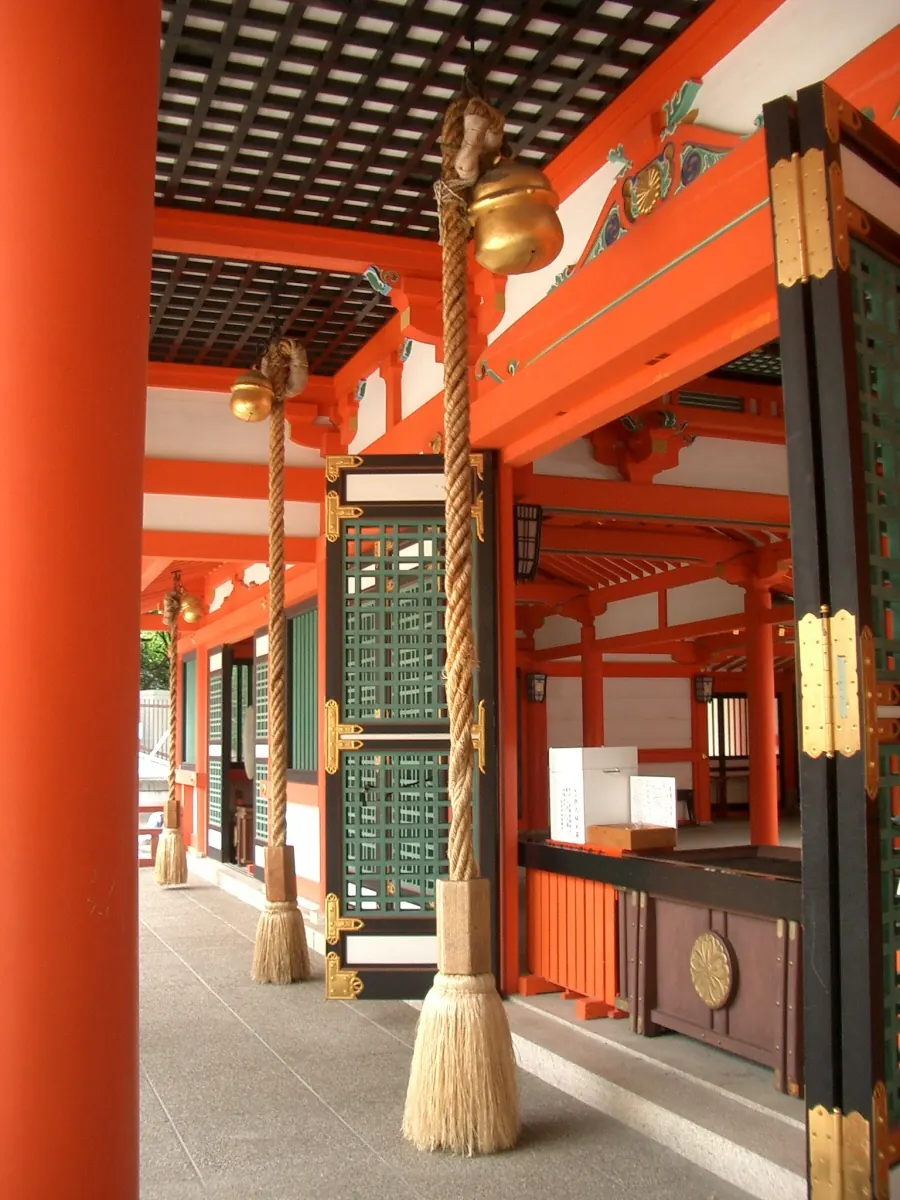 Suzu鈴
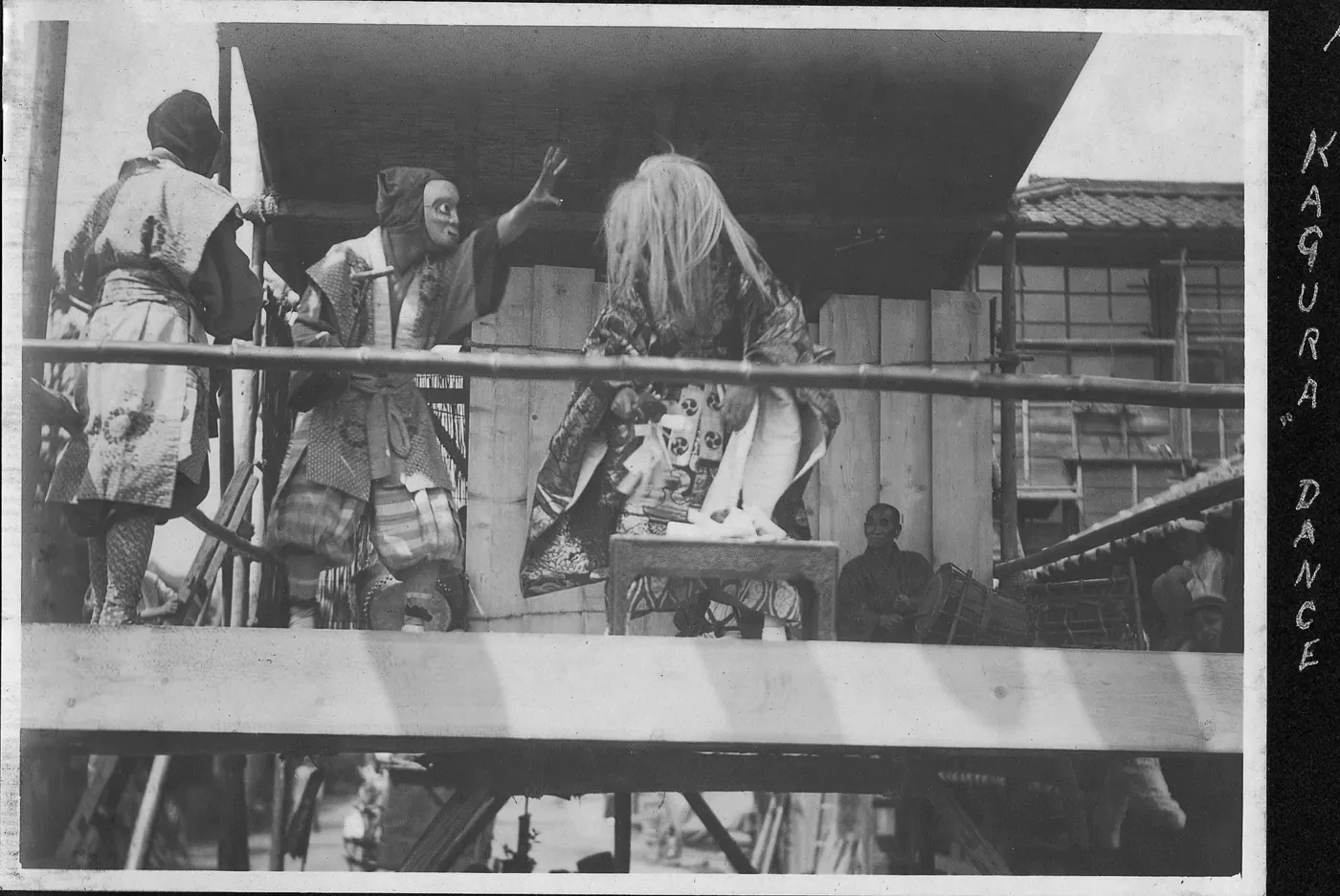 Kagura神楽
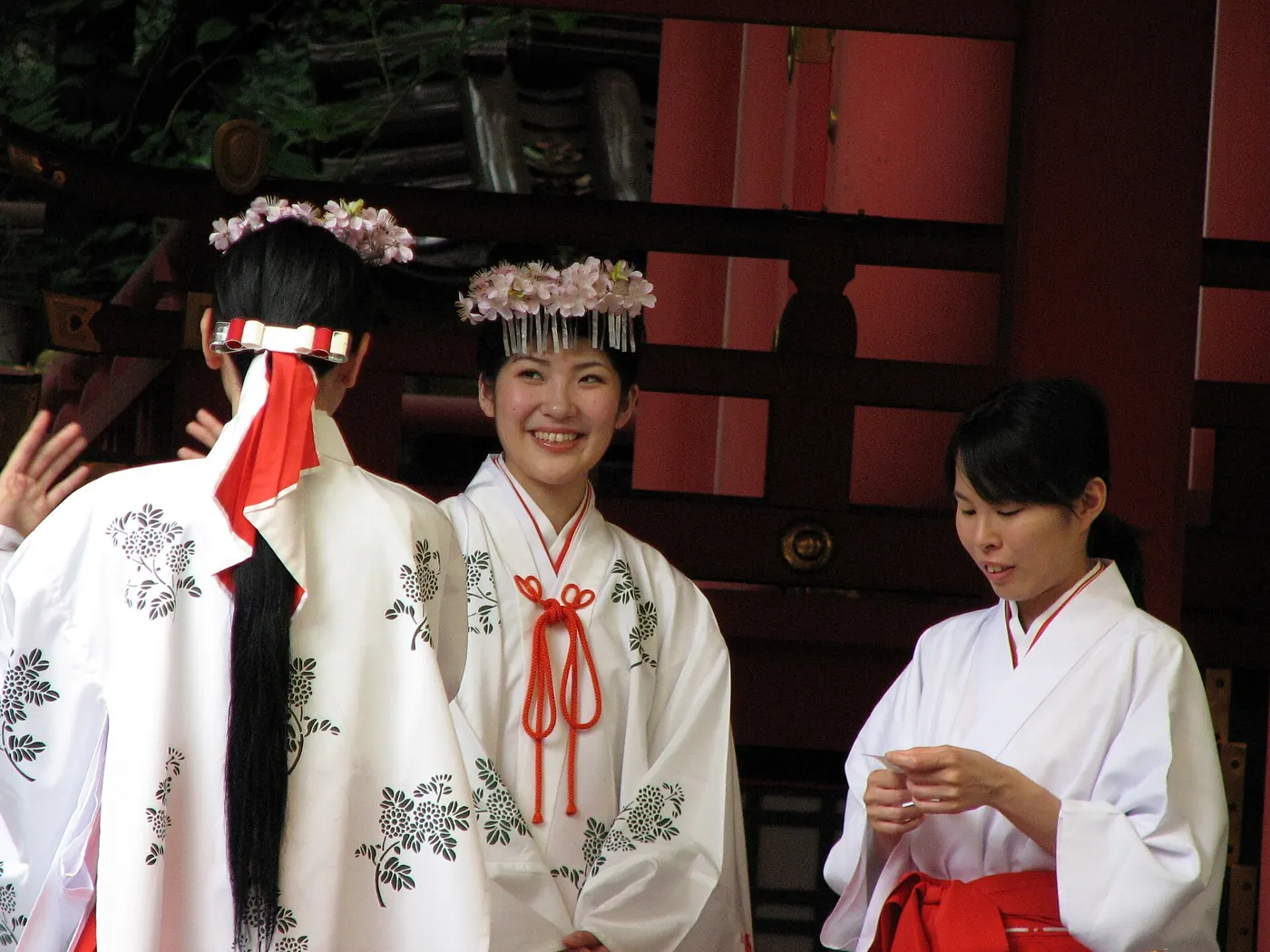 Miko巫女
Open the scanner and compare →