印籠Inrō
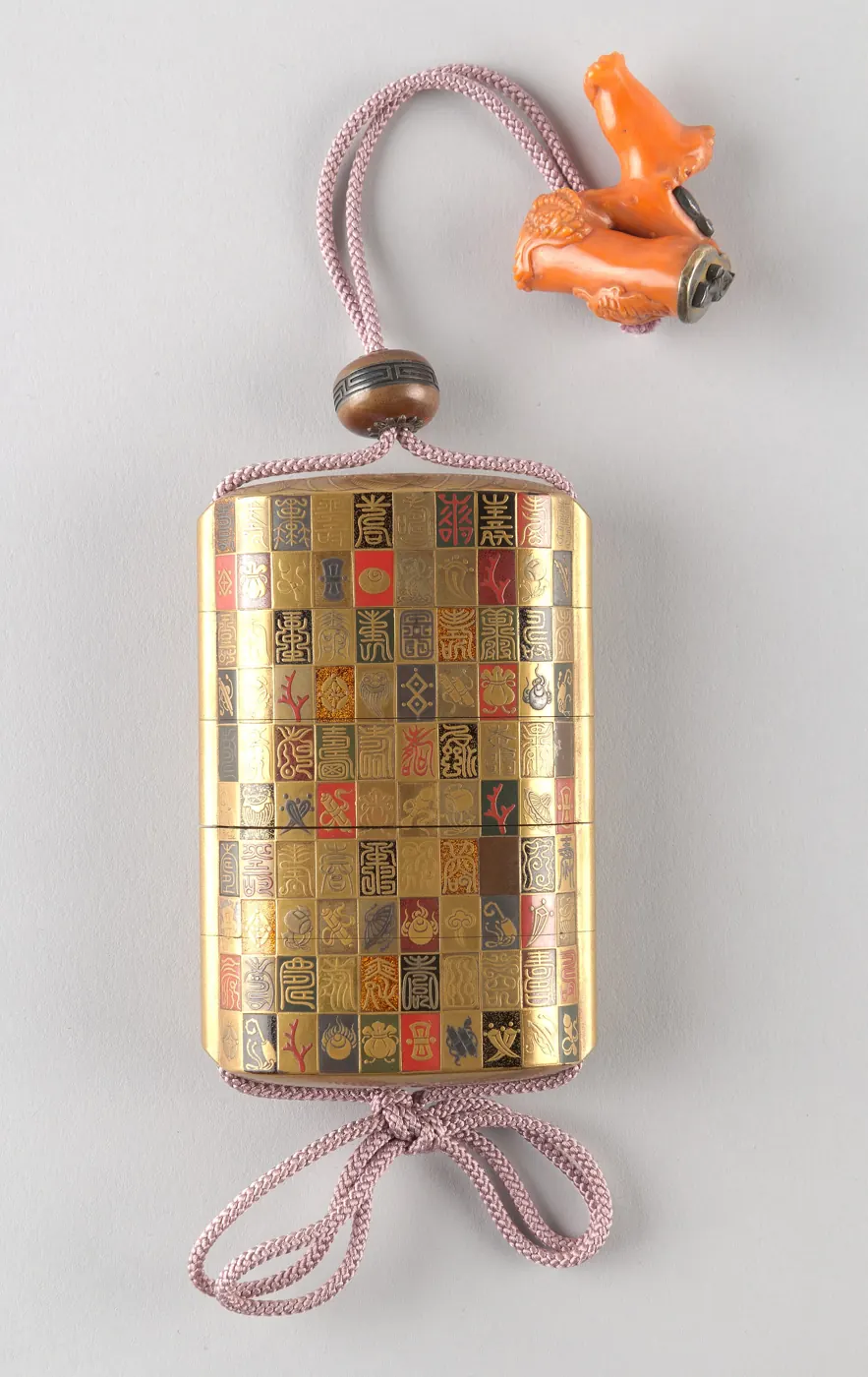
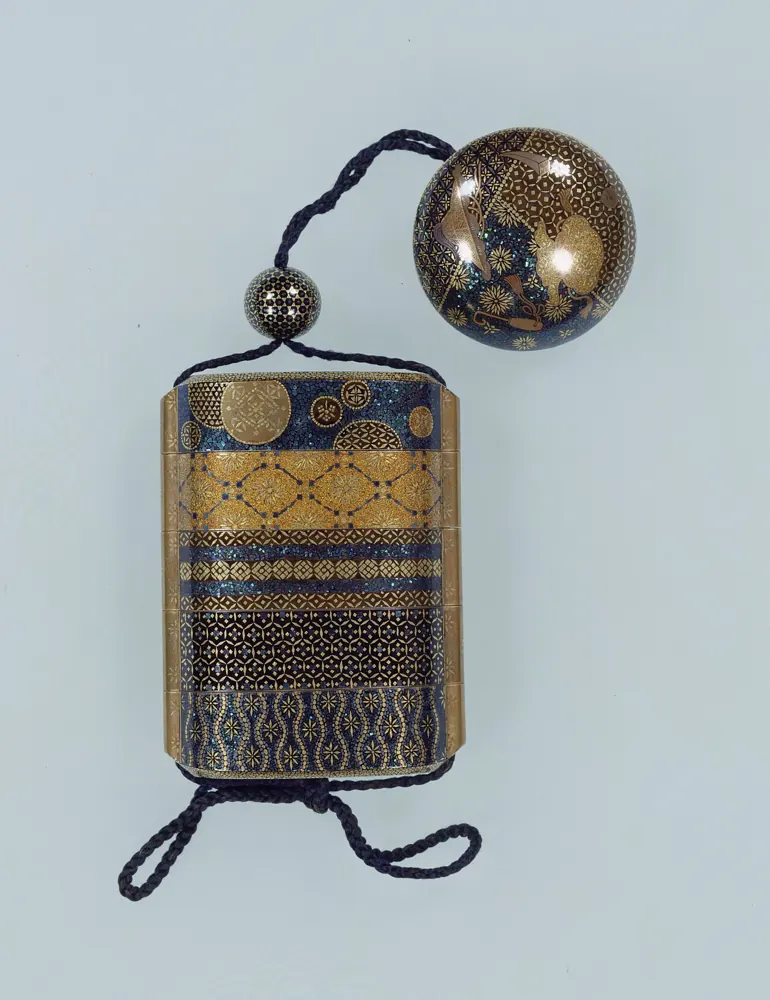
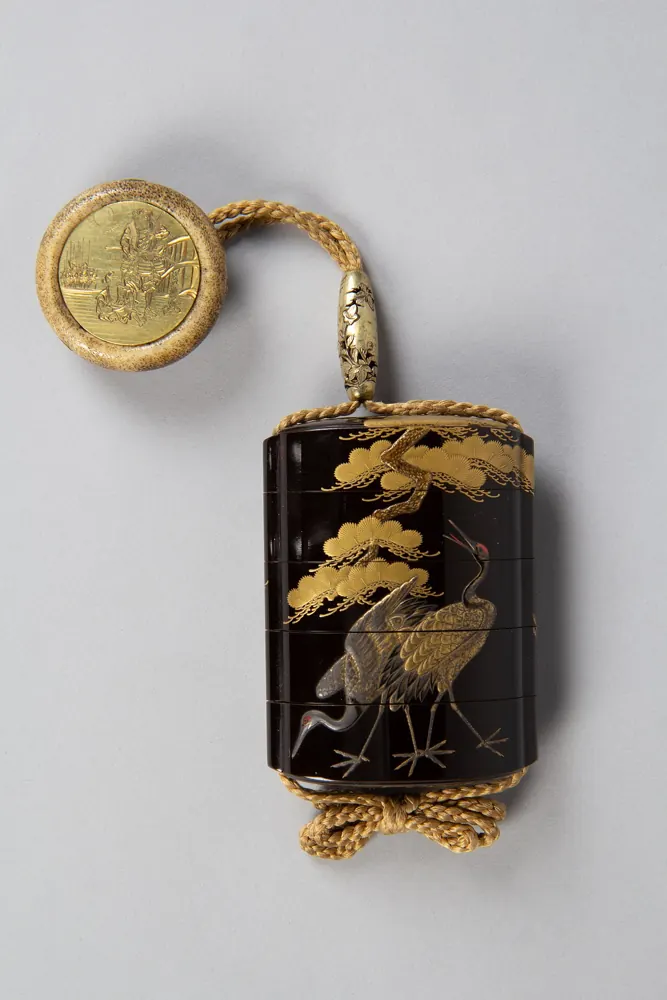
An inro (印籠, Inrō; lit. "stamp case") is a traditional Japanese case for holding small objects, suspended from the obi (sash) worn around the waist when wearing a kimono. They are often highly decorated with various materials such as lacquer and various techniques such as maki-e, and are more decorative than other Japanese lacquerware.
Because traditional Japanese dress lacked pockets, objects were often carried by hanging them from the obi in containers known as sagemono (a hanging object attached to a sash). Most sagemono were created for specialized contents, such as tobacco, pipes, writing brush and ink, but the type known as inro is suitable for carrying small things, and was created in the Sengoku period (1467–1615) as a portable identity seal and medicine container for travel.
In the middle of the Edo period (1603–1868), inro became popular as men's accessories, and wealthy merchants of the chōnin and samurai classes collected inro often beautifully decorated with lacquer. As the technique developed from the late Edo period to the Meiji period (1868–1912) and the artistic value of inro increased, inro were no longer used as an accessory and came to be regarded as an art object for collection.
The term inro is a combination of the kanji for in (印), which means a seal or stamp, and the kanji for rō (籠), which means a basket.
글: 위키백과: Inro — CC BY-SA 4.0. 위키백과에서 더 읽기 →
일본 관광청 영어 해설
旅직접 해 보기: Inrō
가격과 후기는 GetYourGuide의 실시간 정보입니다. 무료 취소가 되는 투어도 많습니다(각 페이지 확인).
광고: 이 링크로 예약하시면 운영자가 수수료를 받을 수 있으며, 이용자 요금은 그대로입니다.
Compare whether a rail pass saves money on your route before you buy tickets.
가격 보기 →Japan eSIM / mobile data
광고: 이 링크로 예약하시면 운영자가 수수료를 받을 수 있으며, 이용자 요금은 그대로입니다.
問자주 묻는 질문
Inrō란?
An inro (印籠, Inrō; lit.
工공예와 물건
 일본도日本刀
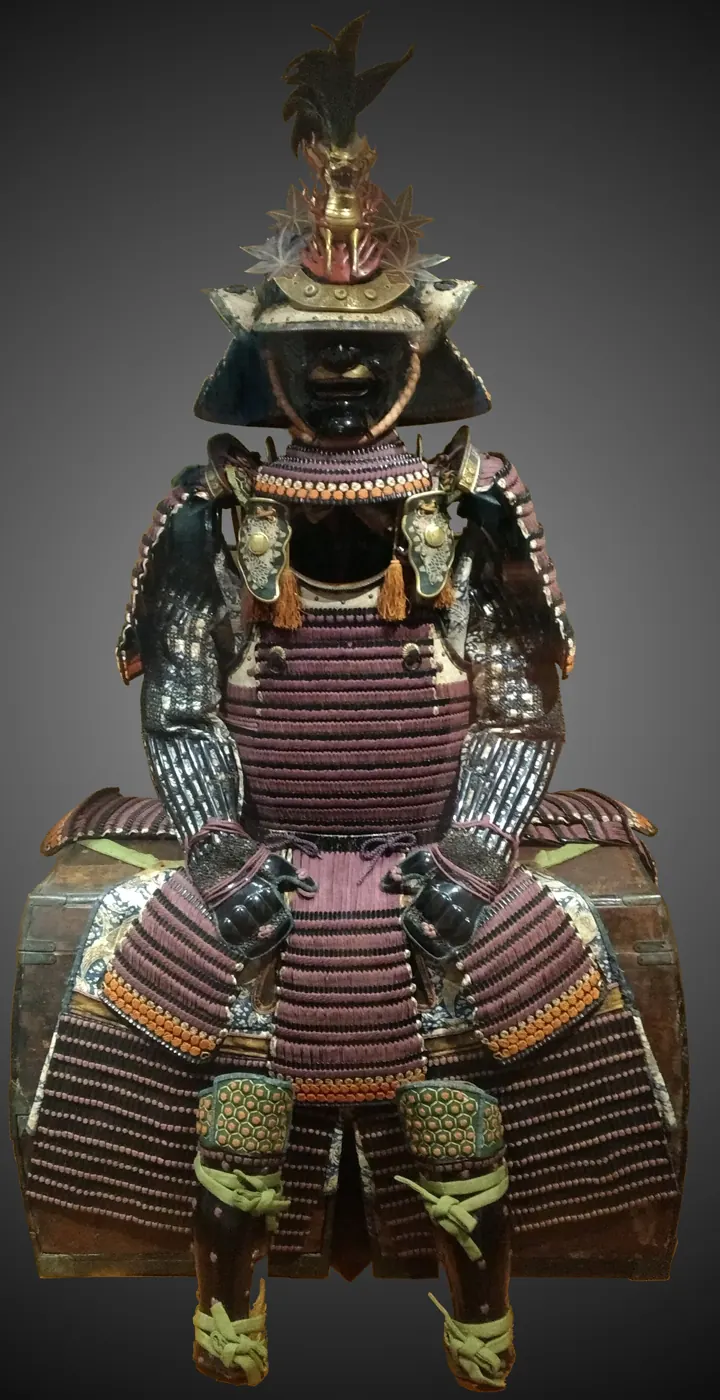 일본 갑옷甲冑
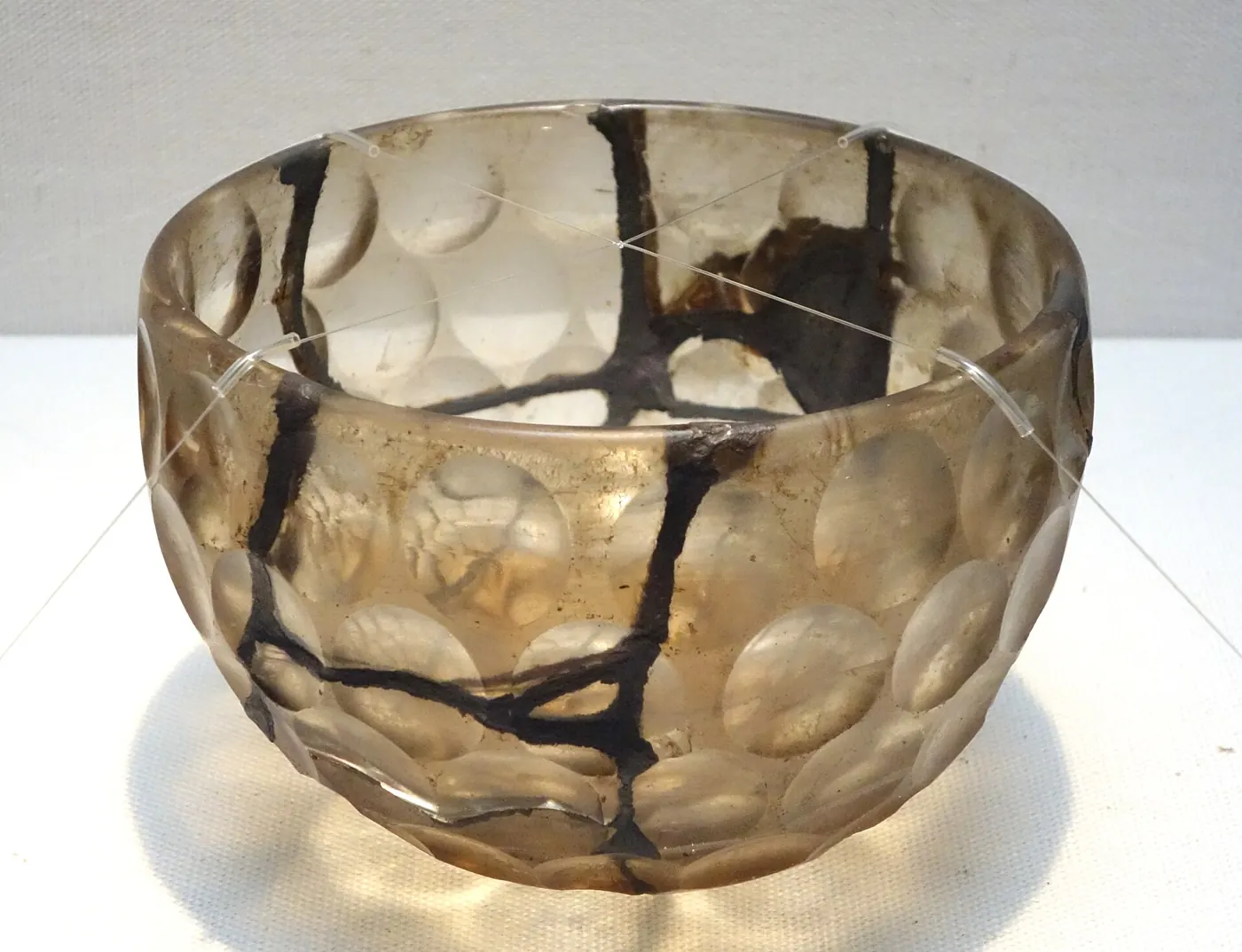 긴쓰기金継ぎ
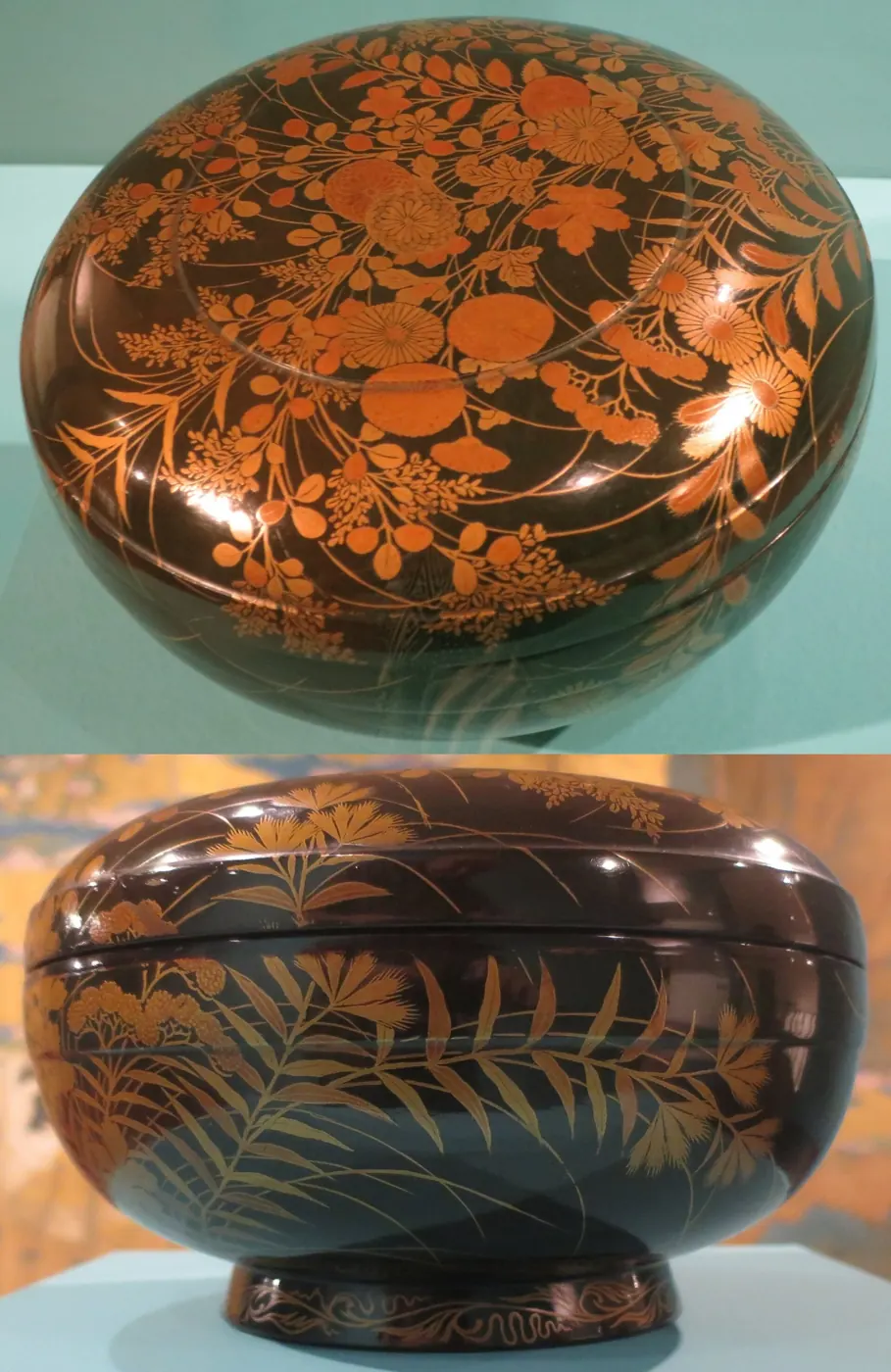 칠기漆器
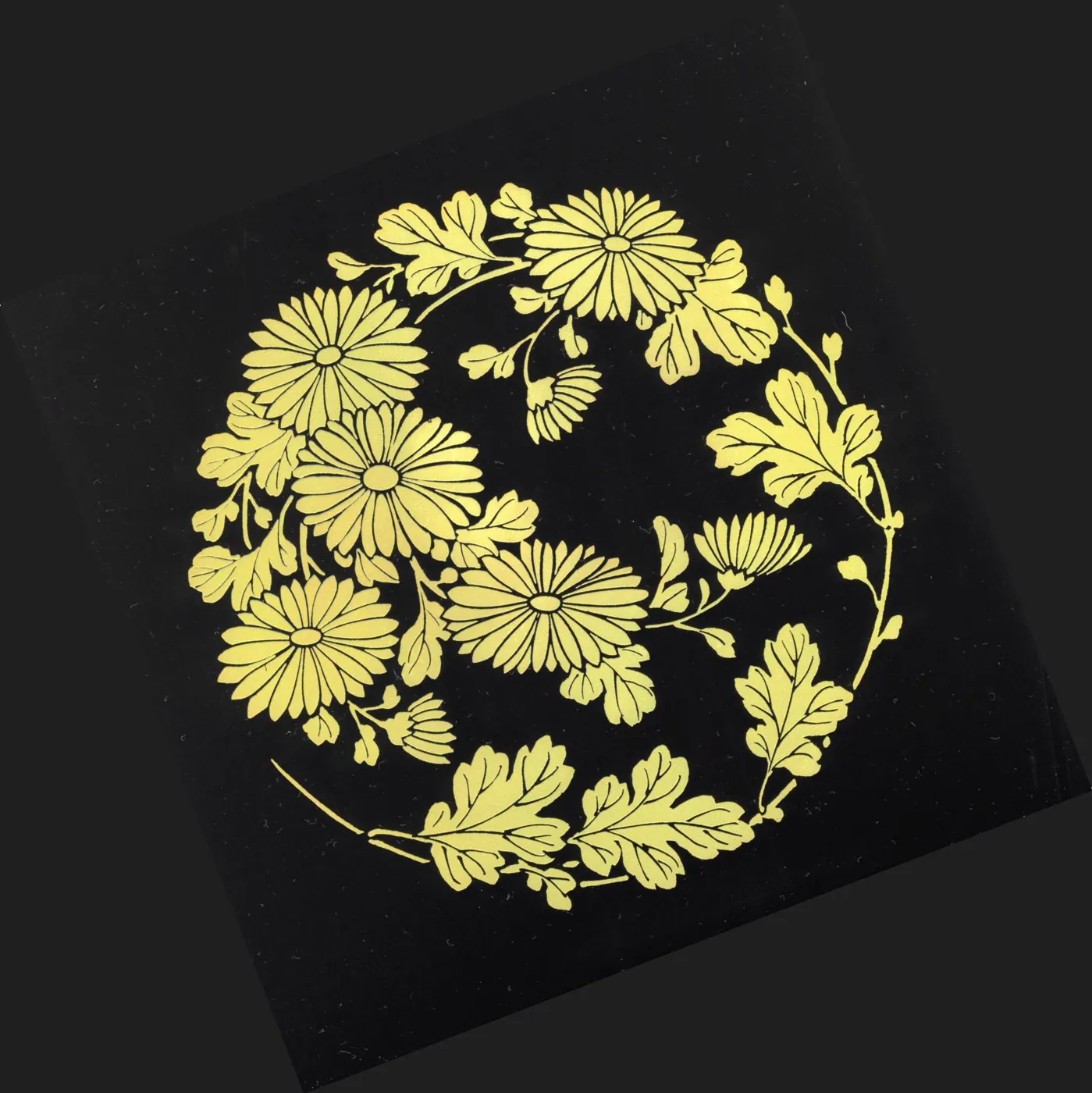 마키에蒔絵
 도예陶芸
 화지和紙
 고케시こけし
 히나마쓰리雛祭り
 가몬家紋
 도장印章
 후로시키風呂敷
찍어서 비교하기 →