印籠Inrō
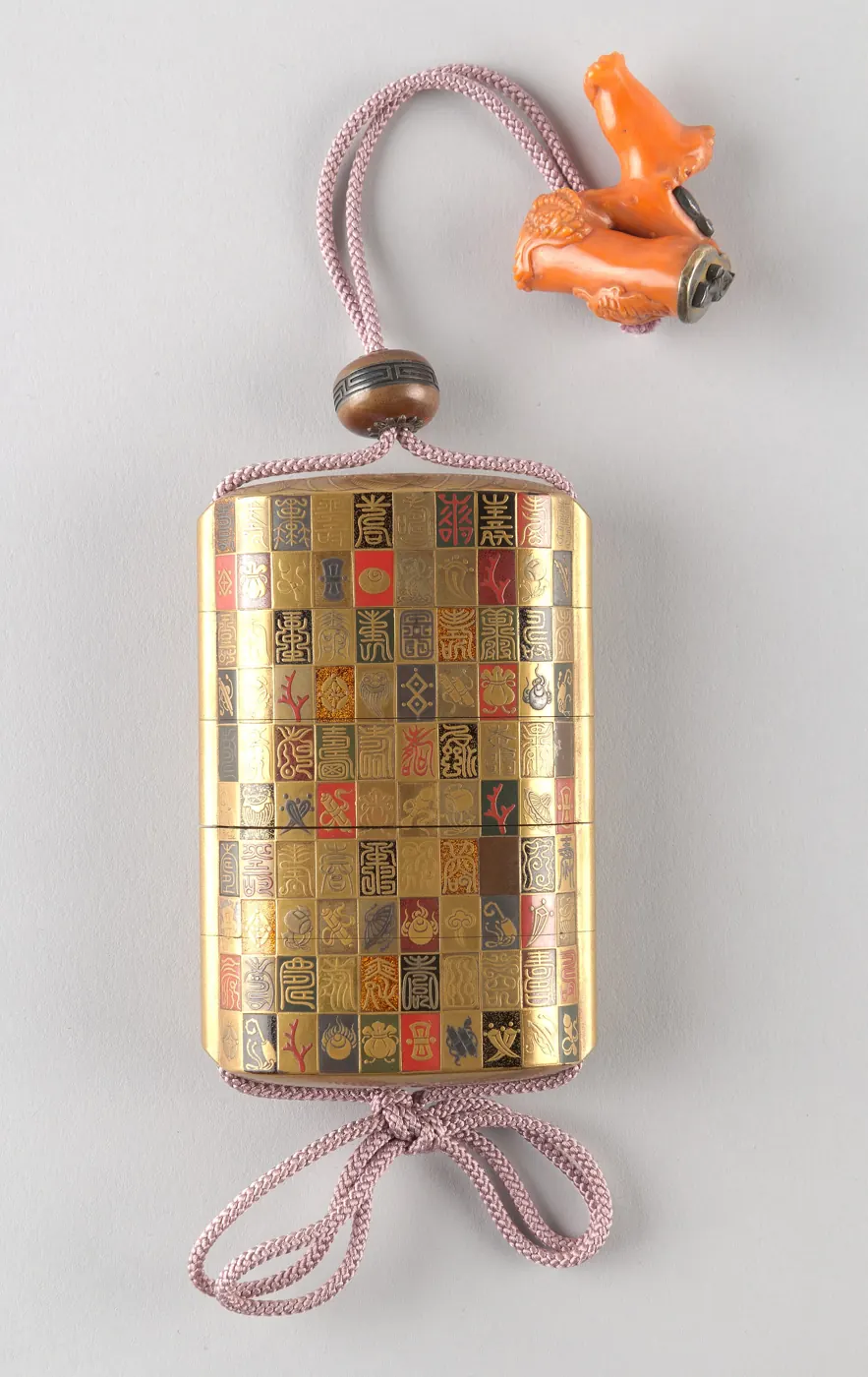
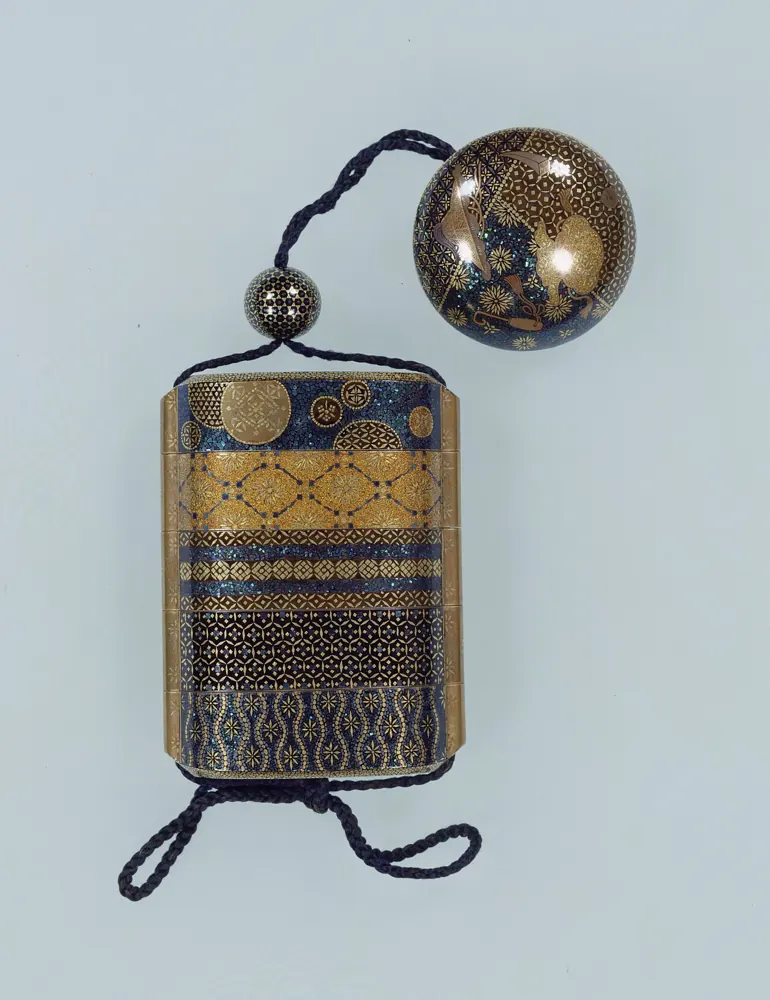
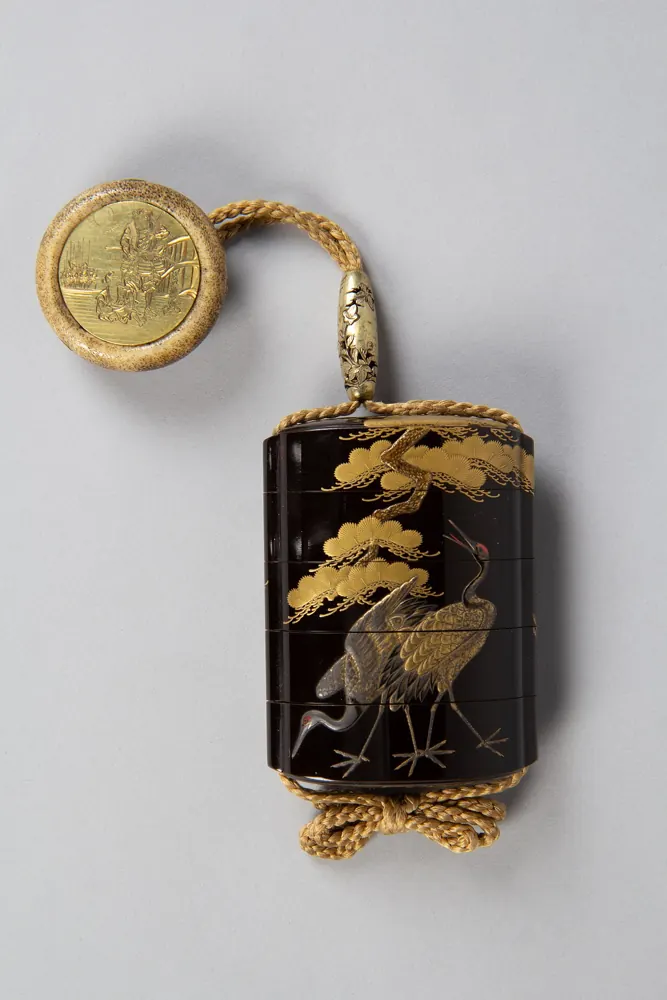
An inro (印籠, Inrō; lit. "stamp case") is a traditional Japanese case for holding small objects, suspended from the obi (sash) worn around the waist when wearing a kimono. They are often highly decorated with various materials such as lacquer and various techniques such as maki-e, and are more decorative than other Japanese lacquerware.
Because traditional Japanese dress lacked pockets, objects were often carried by hanging them from the obi in containers known as sagemono (a hanging object attached to a sash). Most sagemono were created for specialized contents, such as tobacco, pipes, writing brush and ink, but the type known as inro is suitable for carrying small things, and was created in the Sengoku period (1467–1615) as a portable identity seal and medicine container for travel.
In the middle of the Edo period (1603–1868), inro became popular as men's accessories, and wealthy merchants of the chōnin and samurai classes collected inro often beautifully decorated with lacquer. As the technique developed from the late Edo period to the Meiji period (1868–1912) and the artistic value of inro increased, inro were no longer used as an accessory and came to be regarded as an art object for collection.
The term inro is a combination of the kanji for in (印), which means a seal or stamp, and the kanji for rō (籠), which means a basket.
文字来源:维基百科: Inro — CC BY-SA 4.0. 在维基百科阅读更多 →
日本观光厅的英文解说
旅亲自体验:Inrō
价格与评论来自 GetYourGuide 实时信息。许多行程可免费取消(请见各页)。
广告:通过这些链接预订,本站可能获得佣金,您的费用不变。
Compare whether a rail pass saves money on your route before you buy tickets.
查看价格 →Japan eSIM / mobile data
广告:通过这些链接预订,本站可能获得佣金,您的费用不变。
問常见问题
什么是Inrō?
An inro (印籠, Inrō; lit.
工工艺与器物
 日本刀
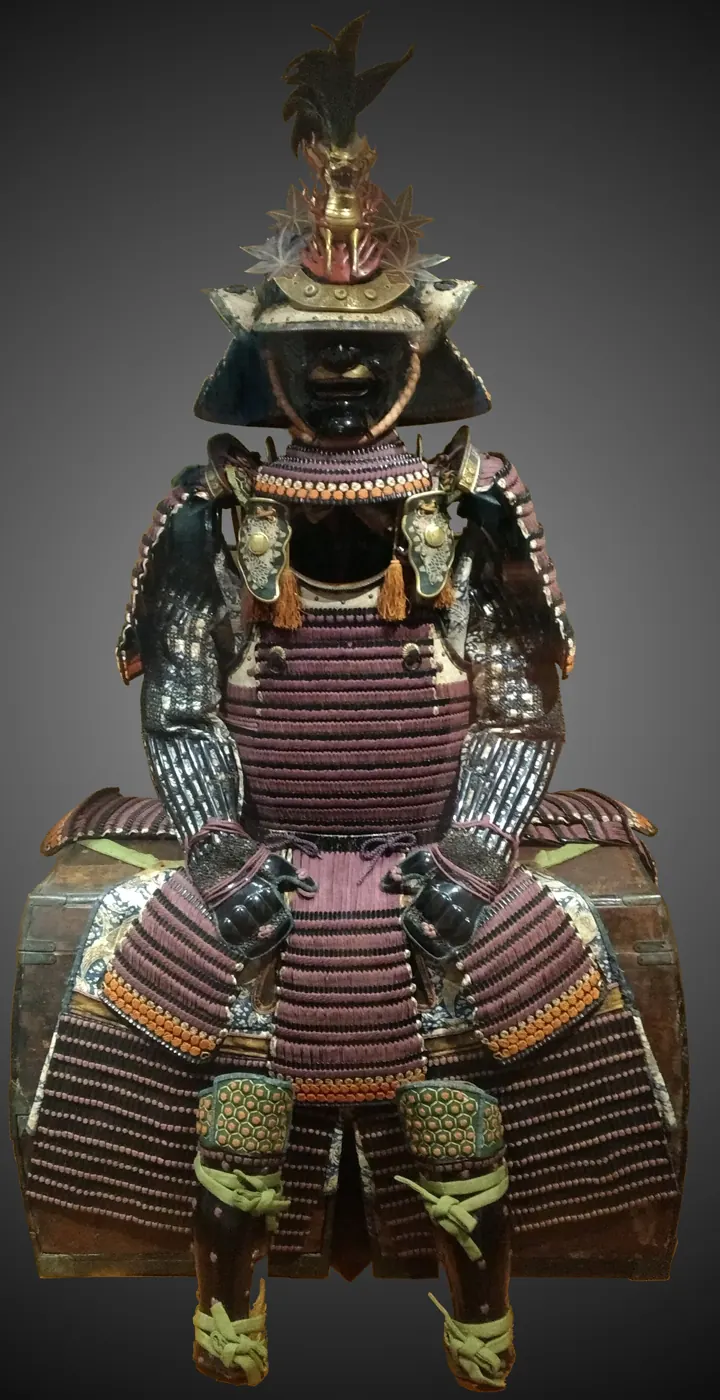 日本盔甲甲冑
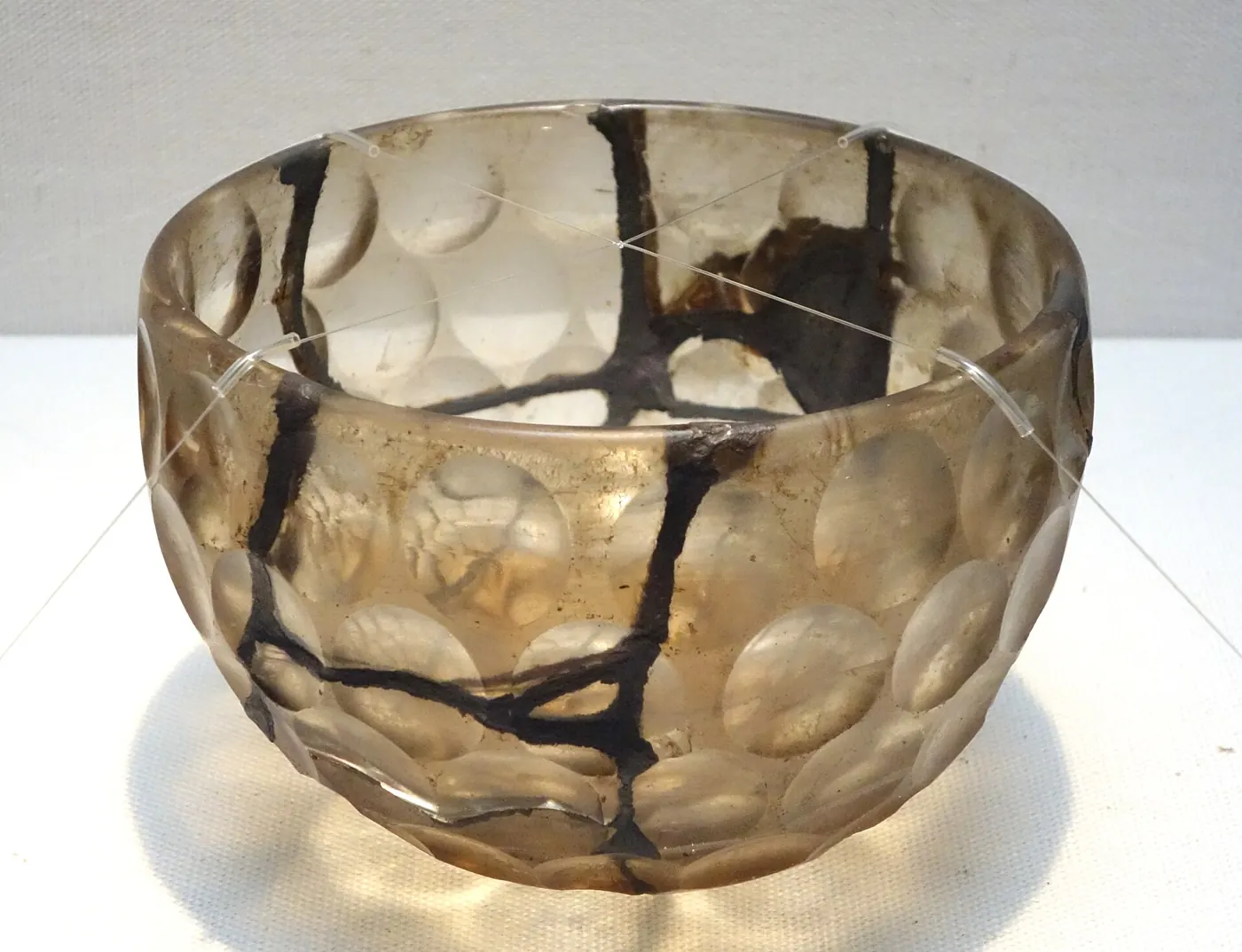 金継ぎ
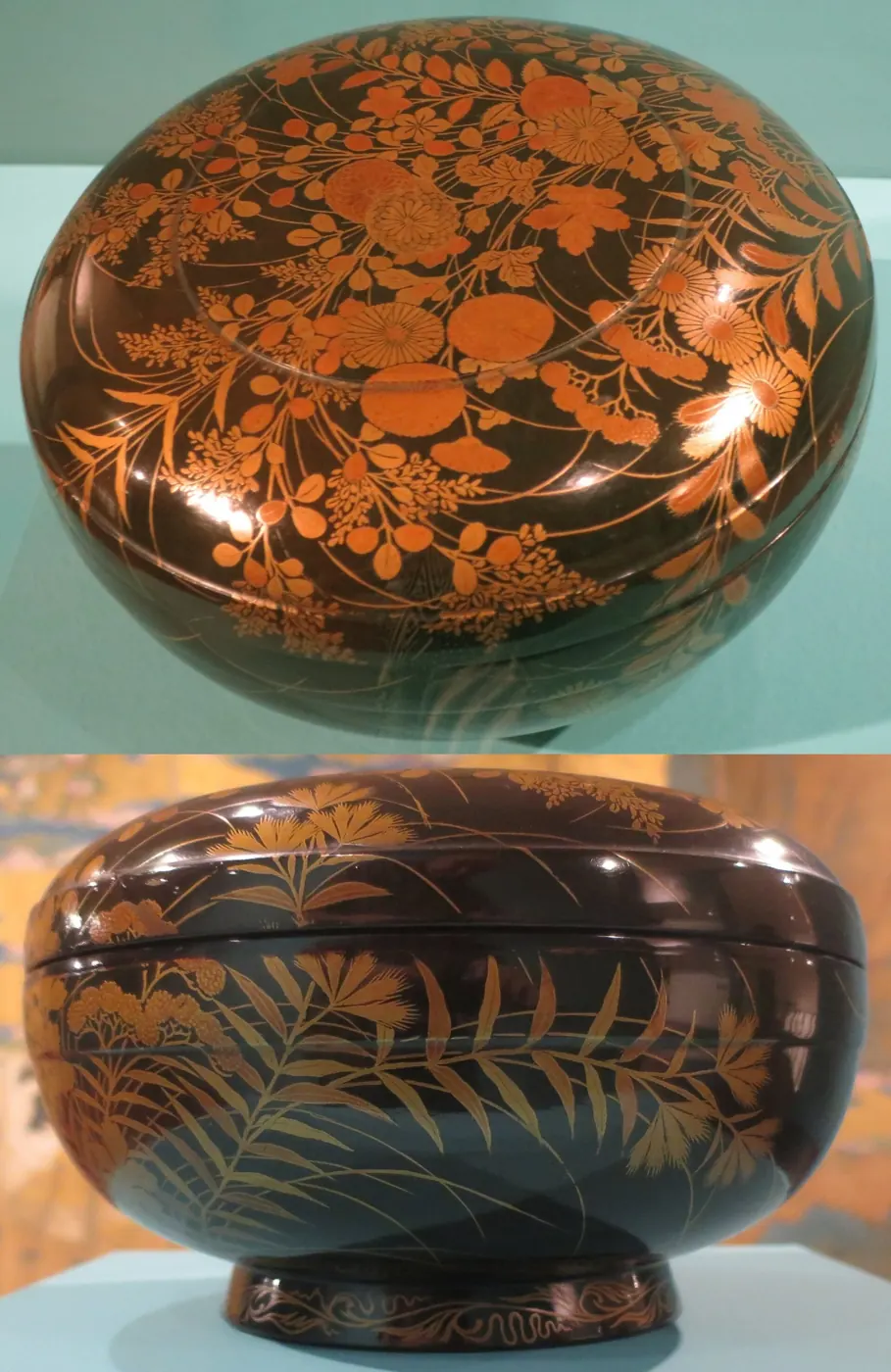 漆器
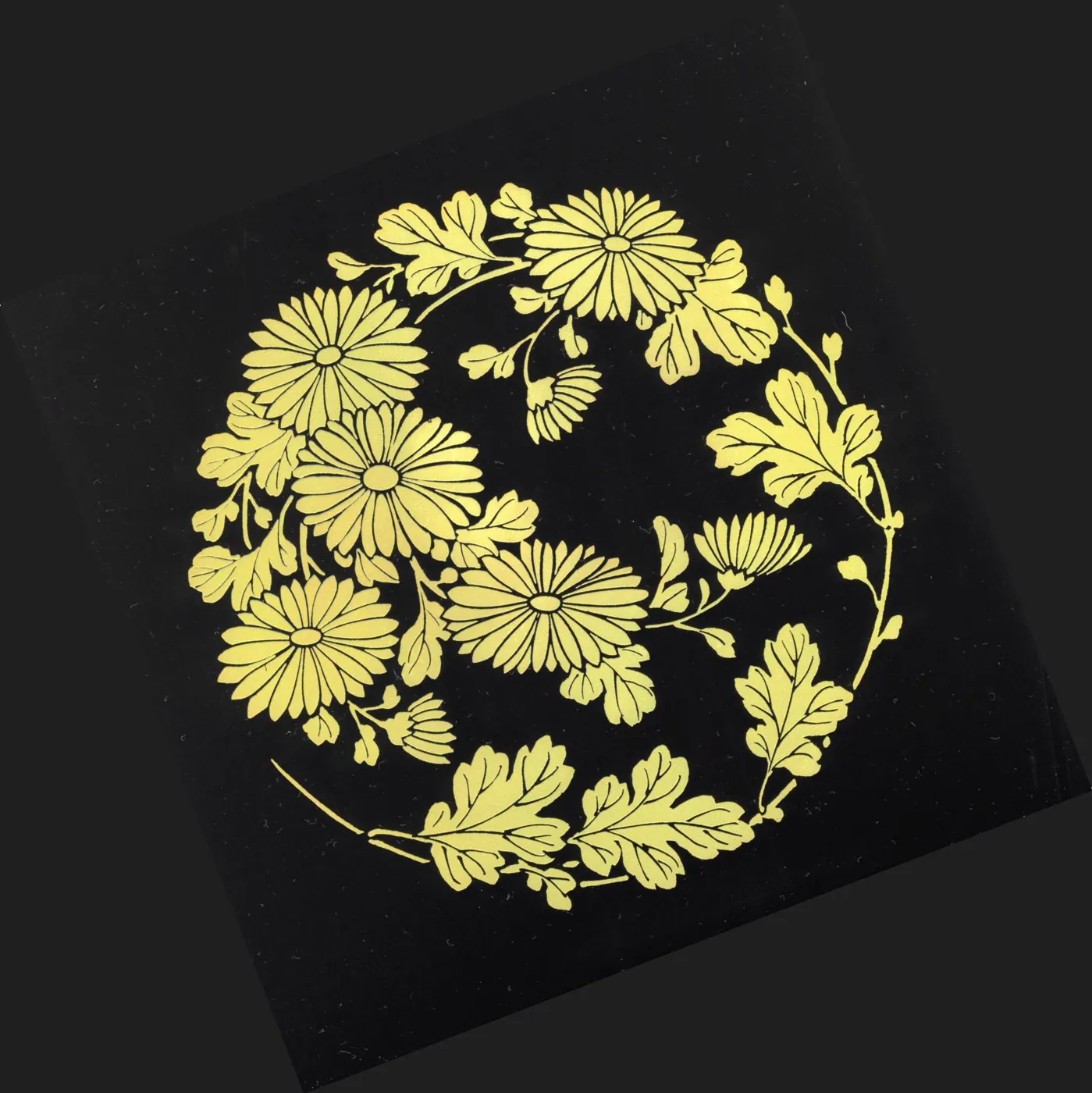 蒔繪蒔絵
 製陶陶芸
 和纸和紙
 木芥子こけし
 女儿节雛祭り
 定纹家紋
 印章
 風呂敷
打开识别并比对 →