What is this? › Festivals & the seasons
節気The 24 solar terms (sekki)
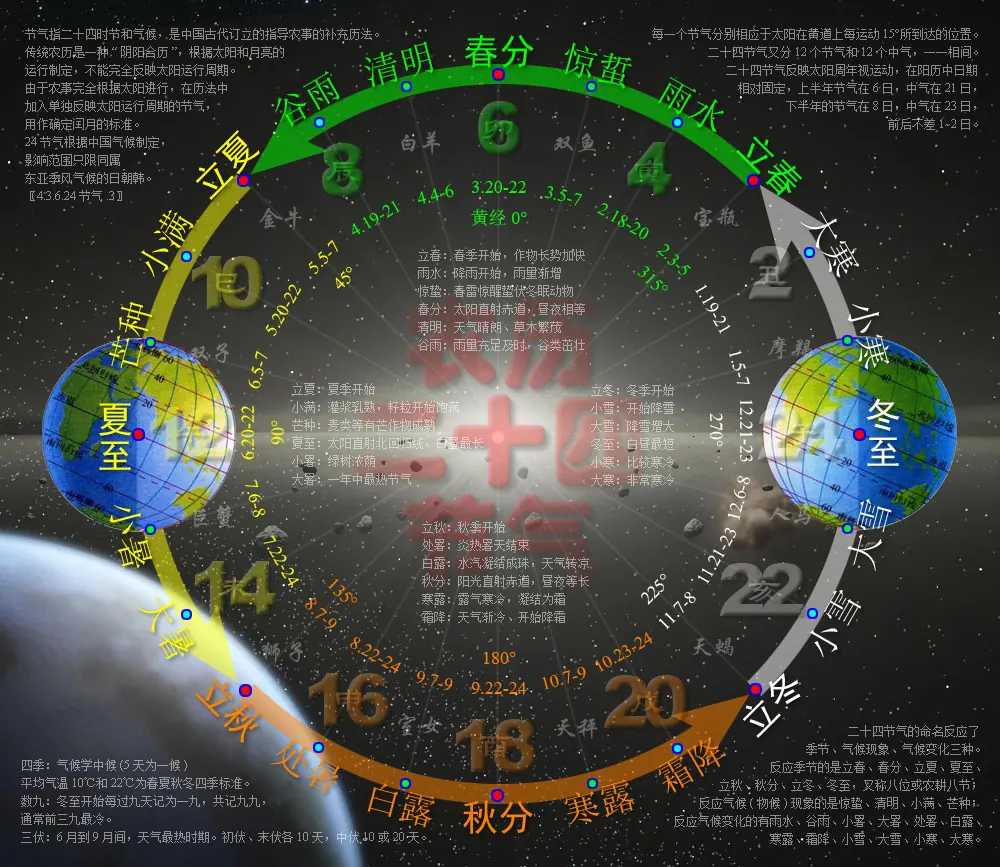
A solar term (or jiéqì, traditional Chinese: 節氣; simplified Chinese: 节气) is any of twenty-four moments in traditional Chinese lunisolar calendars that matches a particular astronomical event and signifies some natural phenomenon. The points are spaced 15° apart along the ecliptic and are used by Chinese lunisolar calendar to stay synchronized with the seasons, which is crucial for agrarian societies. The solar terms are also used to calculate intercalary months; which month is repeated depends on the position of the sun at the time.
According to the Book of Documents (書經; Shūjīng), the first determined term was Dongzhi (Winter Solstice) by Dan, the Duke of Zhou (周公旦; Zhōu Gōng Dàn), while he was trying to locate the geological center of the Western Zhou dynasty, by measuring the length of the sun's shadow on an ancient type of sundial called tǔguī (土圭). Then four terms of seasons were set, which were soon evolved as eight terms; not until the Taichu Calendar of 104 BC were all twenty-four solar terms officially included in the Chinese calendar.
Because the Sun's speed along the ecliptic varies depending on the Earth-Sun distance, the number of days that it takes the Sun to travel between each pair of solar terms varies slightly throughout the year, but it is always between 15 and 16 days.
Text from Wikipedia: Solar term — CC BY-SA 4.0. Read more on Wikipedia →
旅Try it yourself: The 24 solar terms (sekki)
Live prices and reviews from GetYourGuide. Many tours can be cancelled for free — check each listing.
Ad: we may earn a commission if you book through these links, at no extra cost to you.
Compare whether a rail pass saves money on your route before you buy tickets.
Check prices →Japan eSIM / mobile data
Ad: we may earn a commission if you book through these links, at no extra cost to you.
問Questions visitors ask
What is The 24 solar terms (sekki)?
A solar term (or jiéqì, traditional Chinese: 節氣; simplified Chinese: 节气) is any of twenty-four moments in traditional Chinese lunisolar calendars that matches a particular astronomical event and signifies some natural phenomenon.
季Festivals & the seasons
 Matsuri祭
 Hanami花見
 Sakuraサクラ
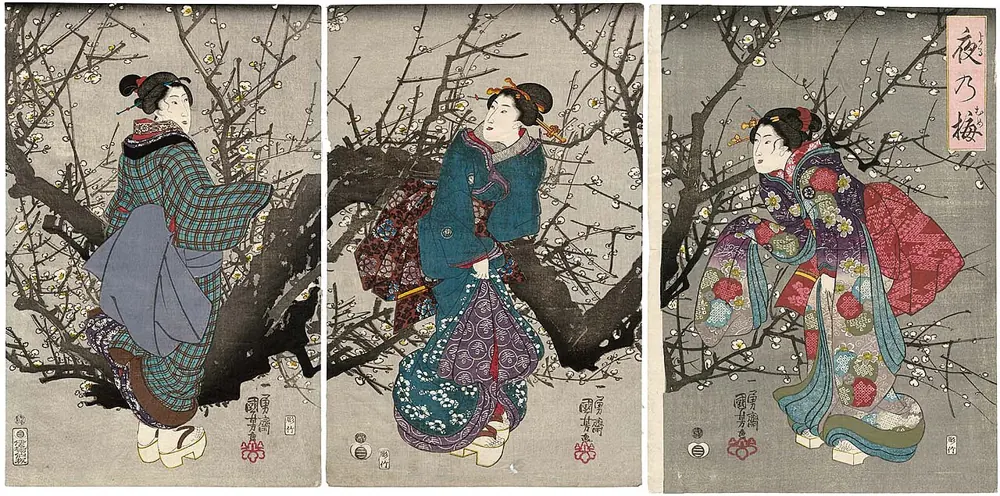 Umeウメ
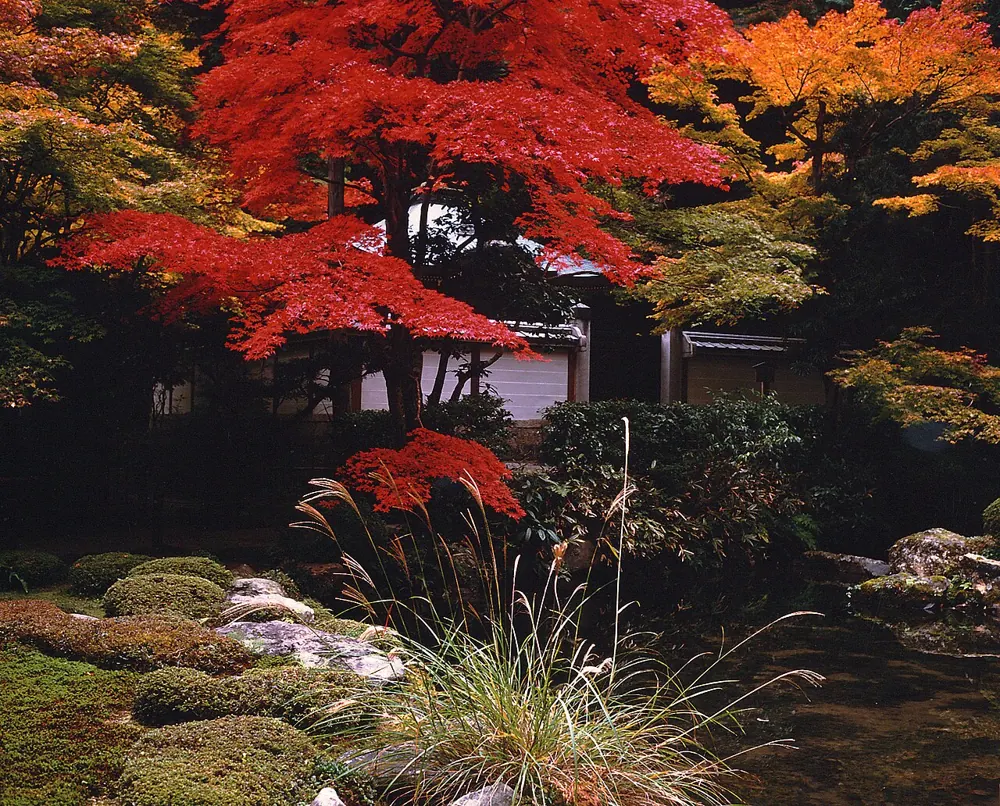 Kōyō紅葉
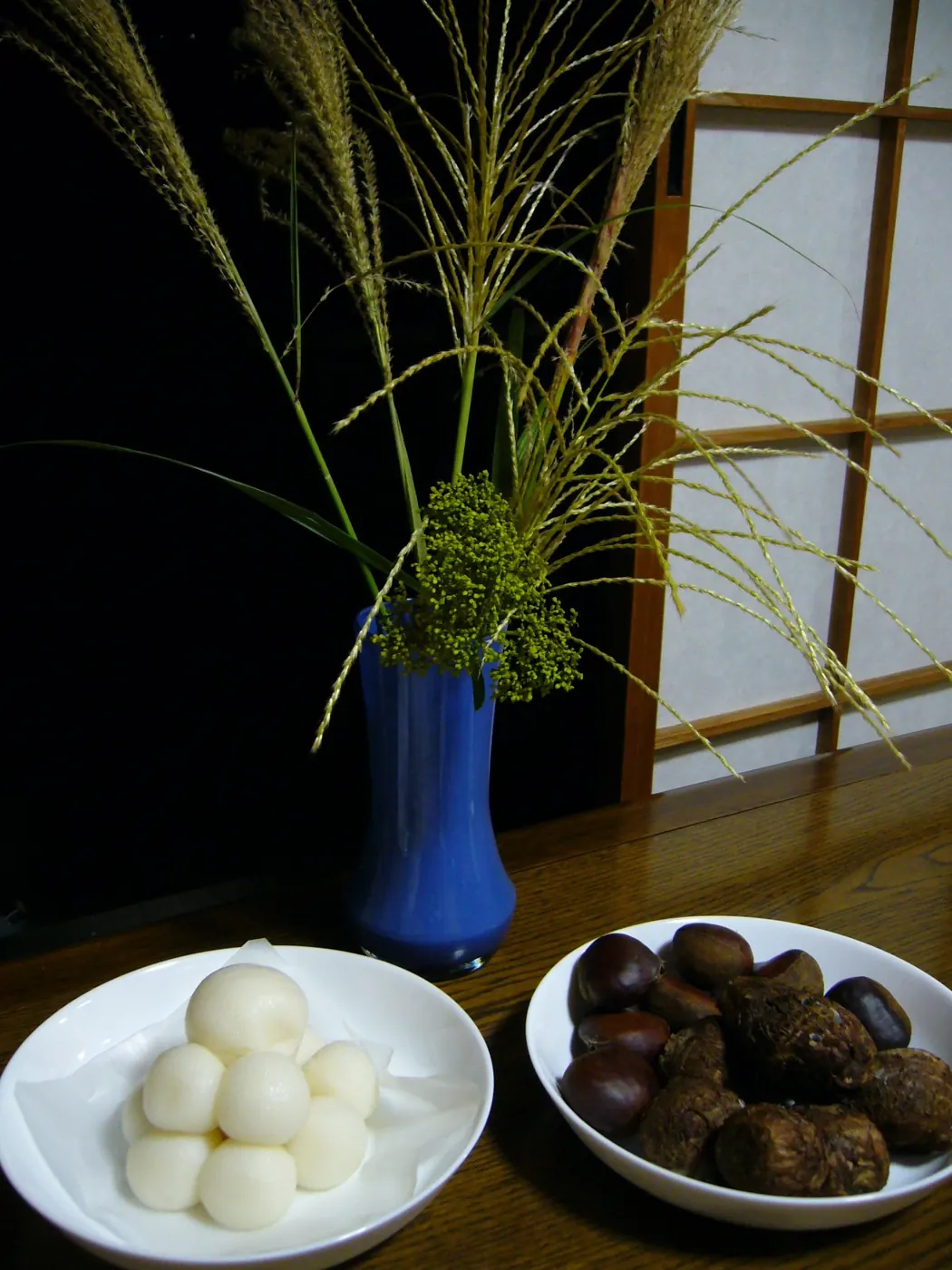 Tsukimi月見
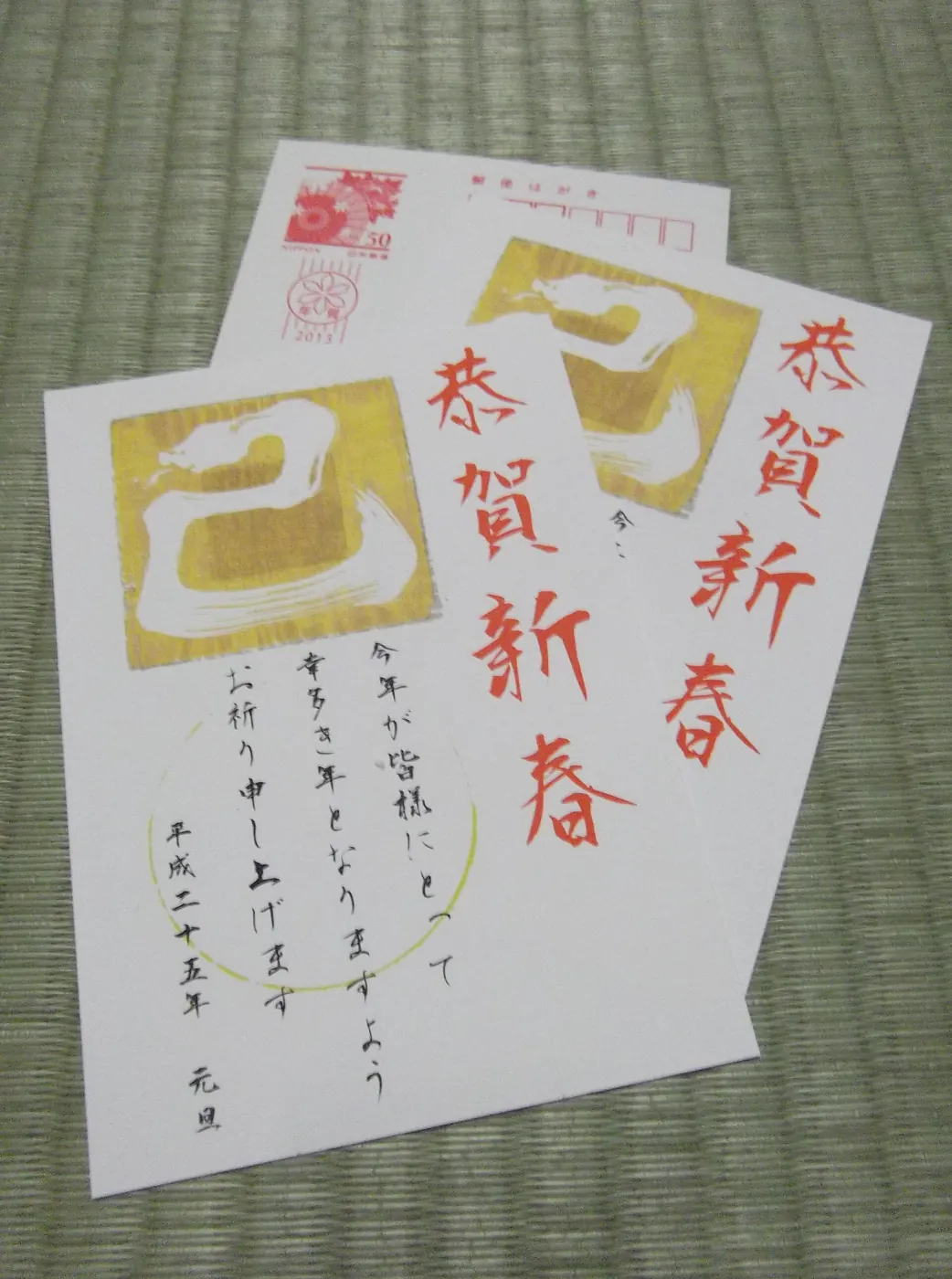 Shōgatsu正月
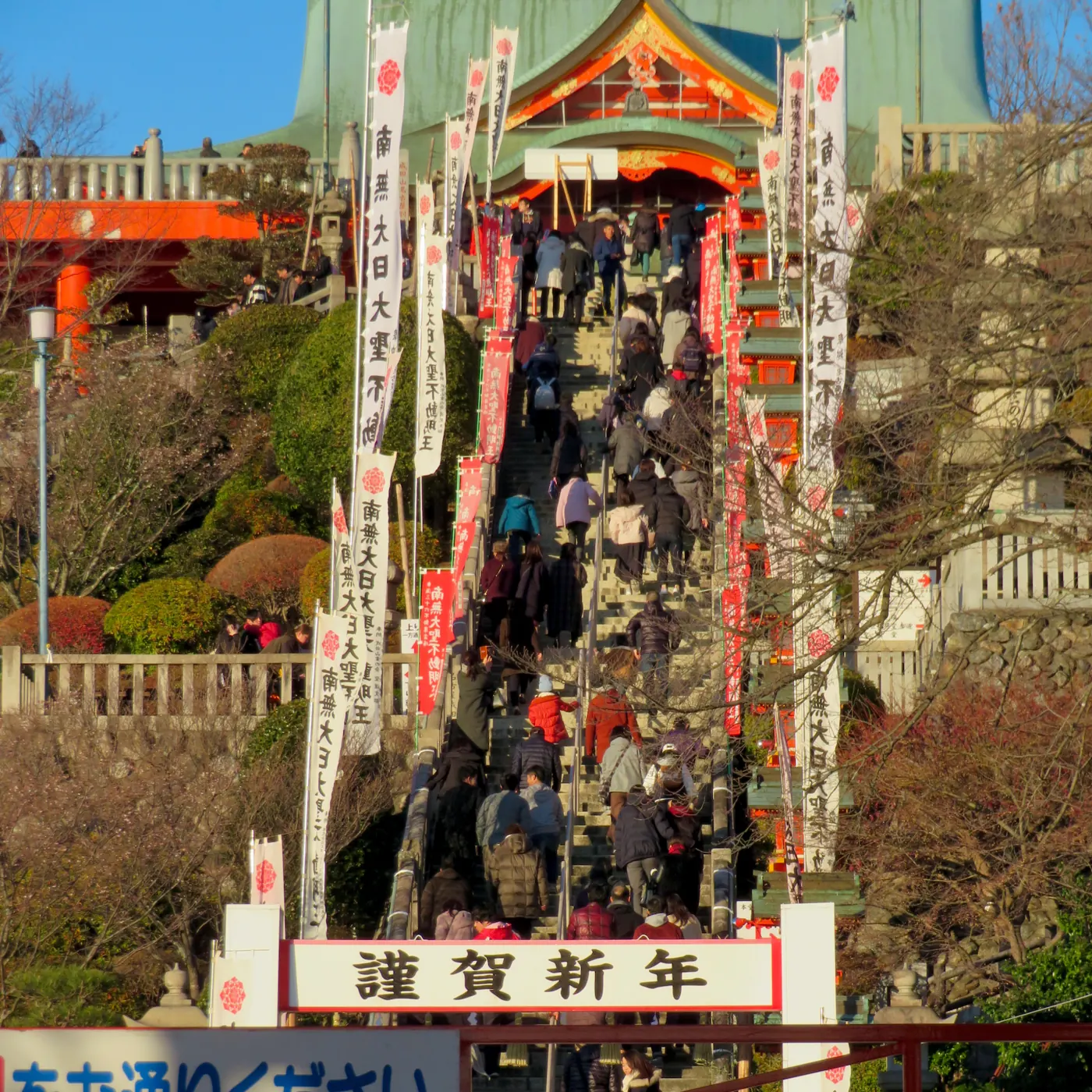 Hatsumōde初詣
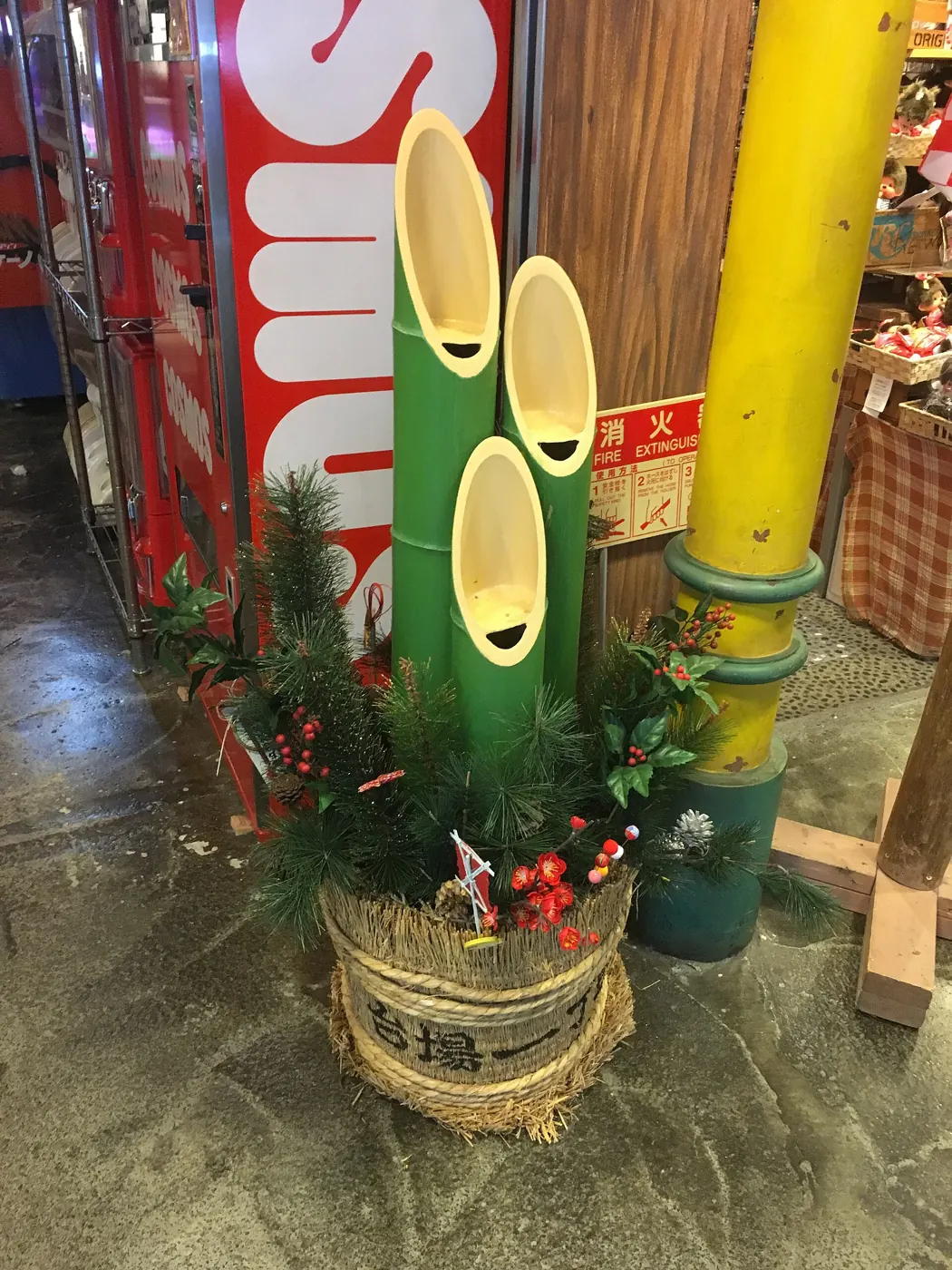 Kadomatsu門松
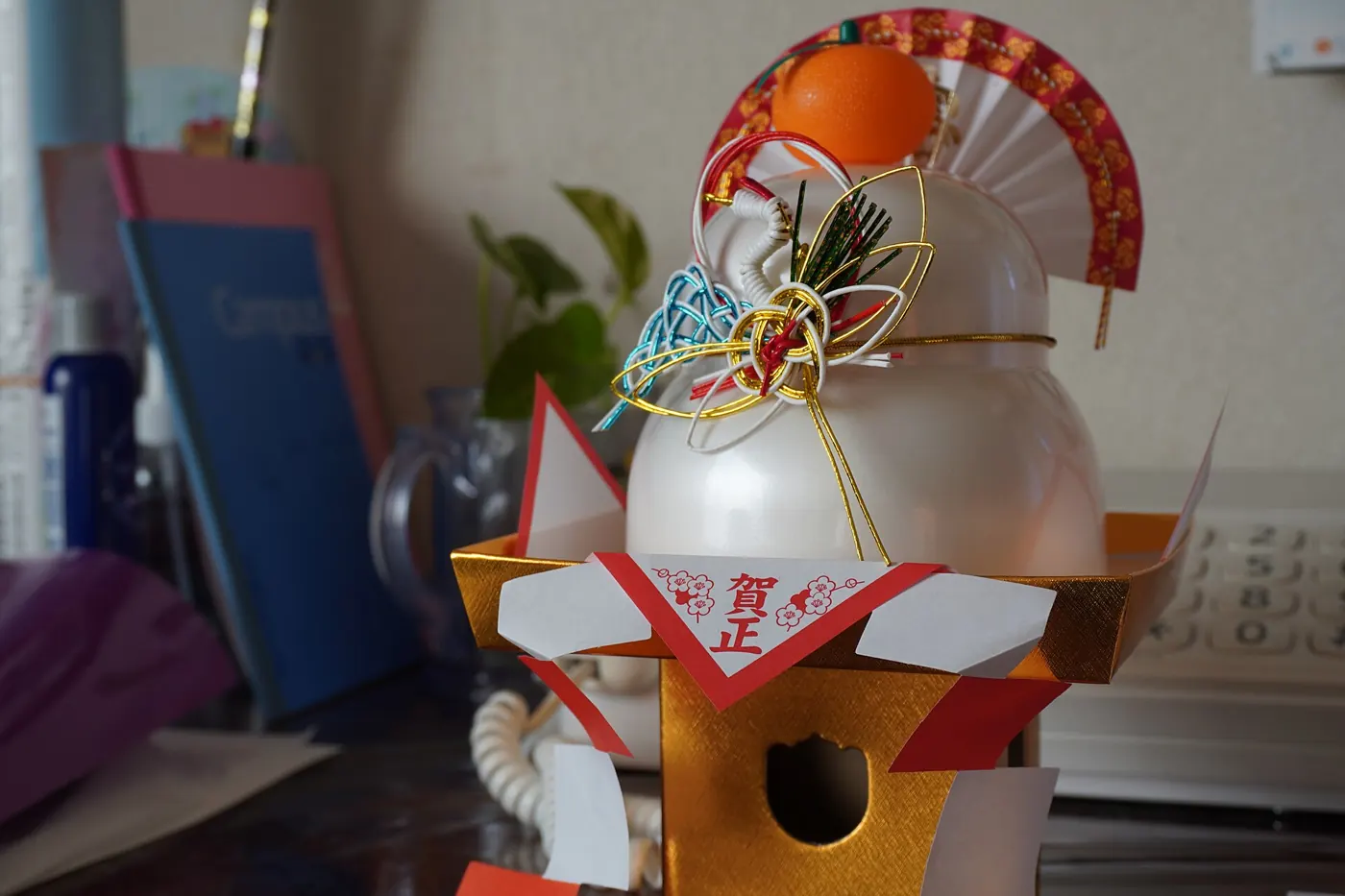 Kagami mochi鏡餅
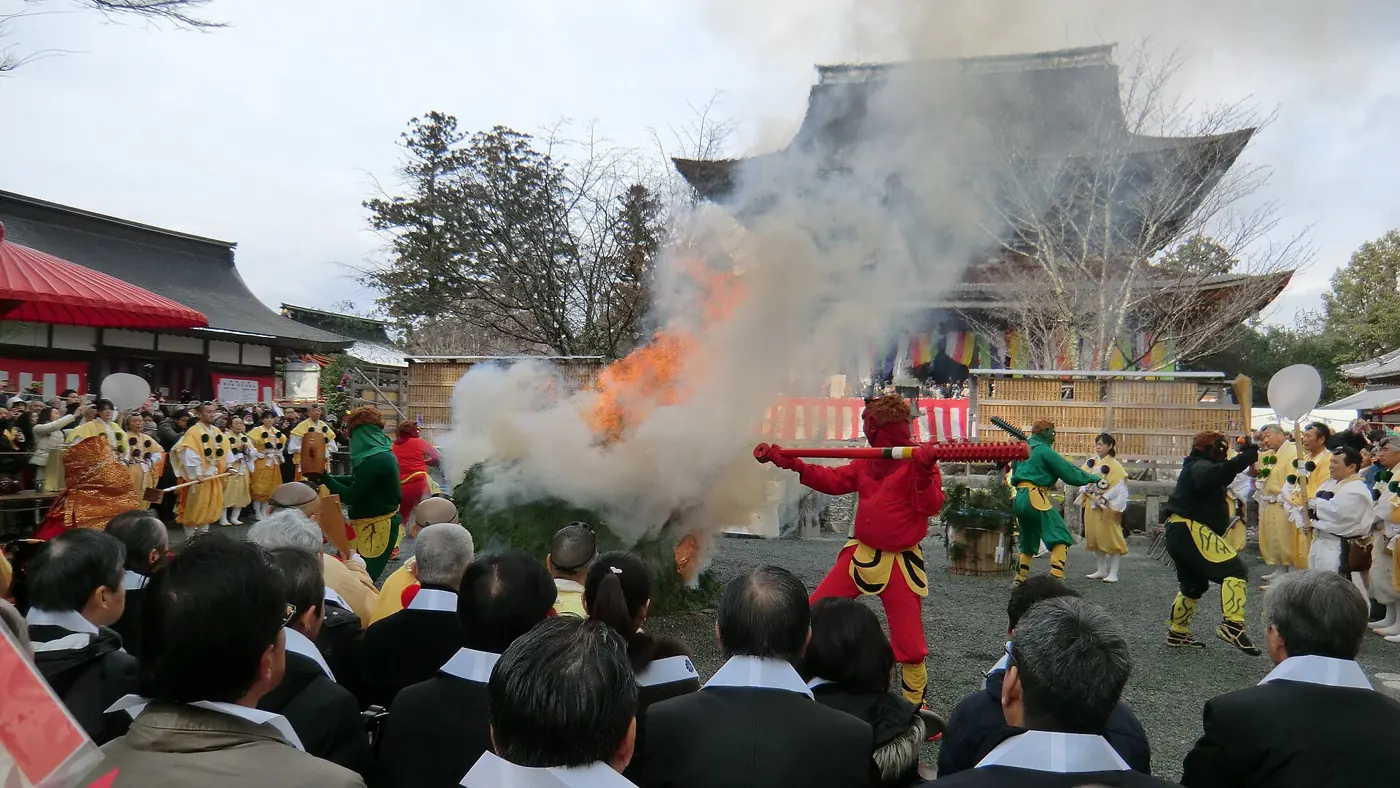 Setsubun節分
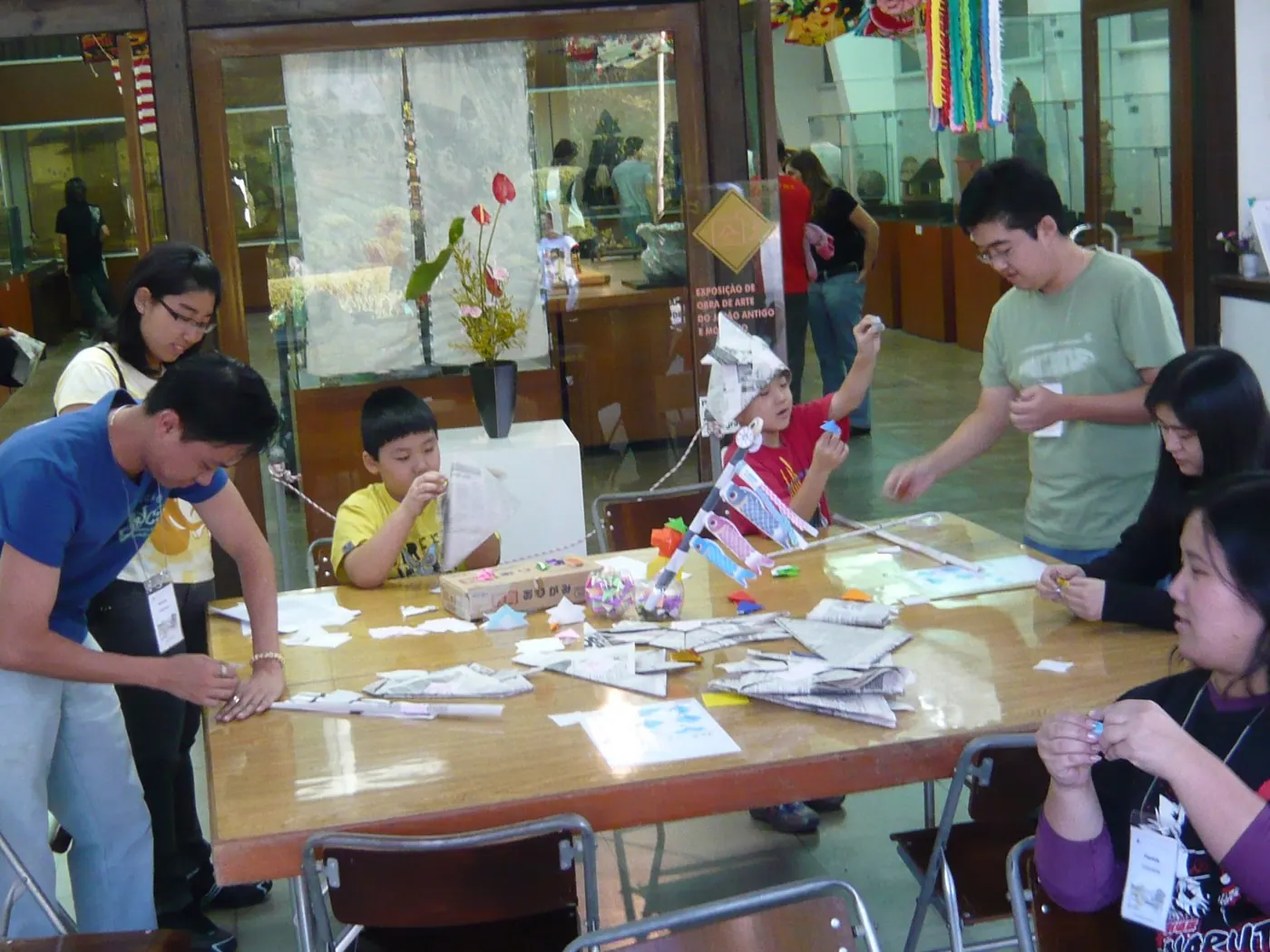 Kodomo no Hiこどもの日
Open the scanner and compare →