What is this? › Festivals & the seasons
花火Hanabi (fireworks festivals)
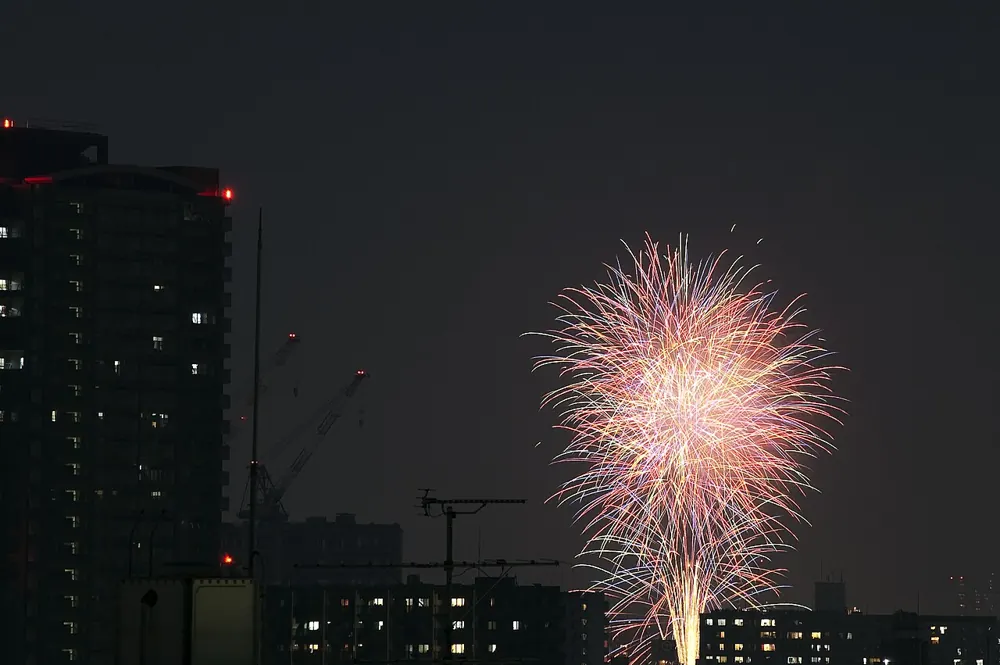
Fireworks are low explosive pyrotechnic devices used for aesthetic and entertainment purposes. They are most commonly used in fireworks displays (also called a fireworks show or pyrotechnics), combining a large number of devices in an outdoor setting. Such displays are the focal point of many cultural and religious celebrations, though mismanagement can lead to fireworks accidents.
Fireworks take many forms to produce four primary effects: noise, light, smoke, and floating materials (confetti most notably). They may be designed to burn with colored flames and sparks including red, orange, yellow, green, blue, purple and silver. They are generally classified by where they perform, either 'ground' or 'aerial'. Aerial fireworks may have their own propulsion (skyrocket) or be shot into the air by a mortar (aerial shell).
Most fireworks consist of a paper or pasteboard tube or casing filled with the combustible material, often pyrotechnic stars. A number of these tubes or cases may be combined so as to make when kindled, a great variety of sparkling shapes, often variously colored.
A skyrocket is a common form of firework, although the first skyrockets were used in warfare.
Text from Wikipedia: Fireworks — CC BY-SA 4.0. Read more on Wikipedia →
Japan Tourism Agency explanations
旅Try it yourself: Hanabi (fireworks festivals)
Live prices and reviews from GetYourGuide. Many tours can be cancelled for free — check each listing.
Ad: we may earn a commission if you book through these links, at no extra cost to you.
Compare whether a rail pass saves money on your route before you buy tickets.
Check prices →Japan eSIM / mobile data
Ad: we may earn a commission if you book through these links, at no extra cost to you.
問Questions visitors ask
What is Hanabi (fireworks festivals)?
Fireworks are low explosive pyrotechnic devices used for aesthetic and entertainment purposes.
季Festivals & the seasons
 Matsuri祭
 Hanami花見
 Sakuraサクラ
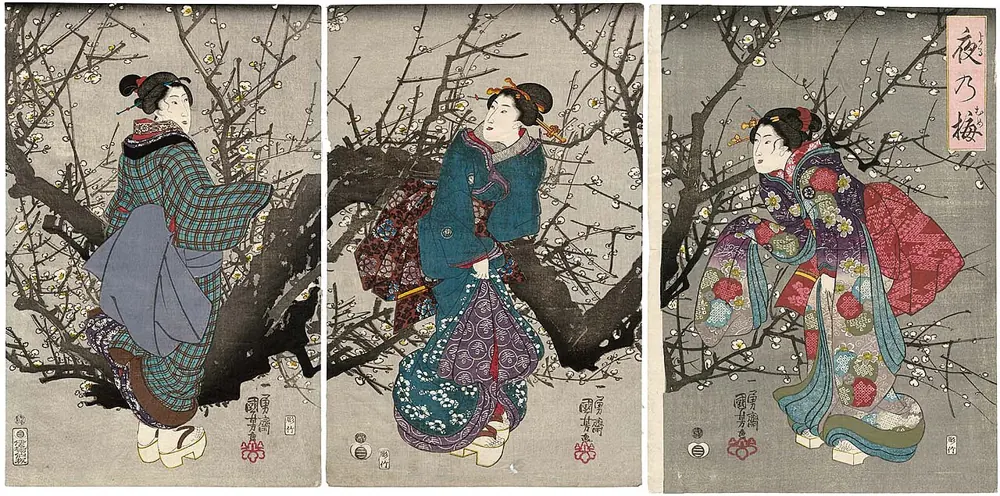 Umeウメ
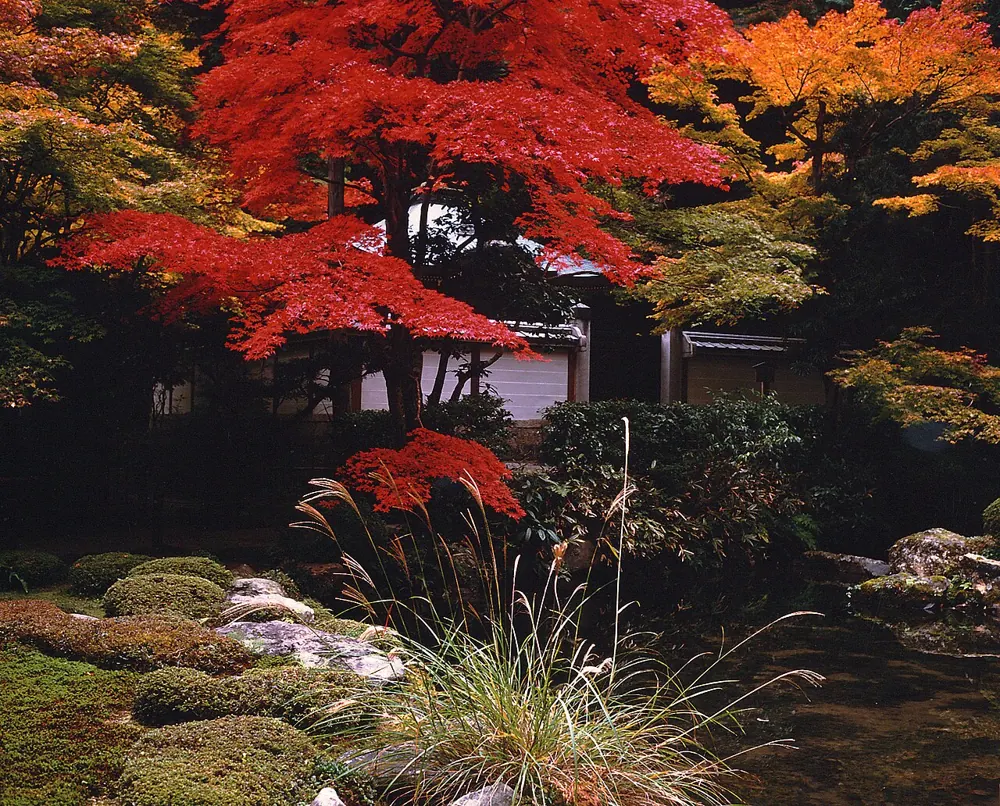 Kōyō紅葉
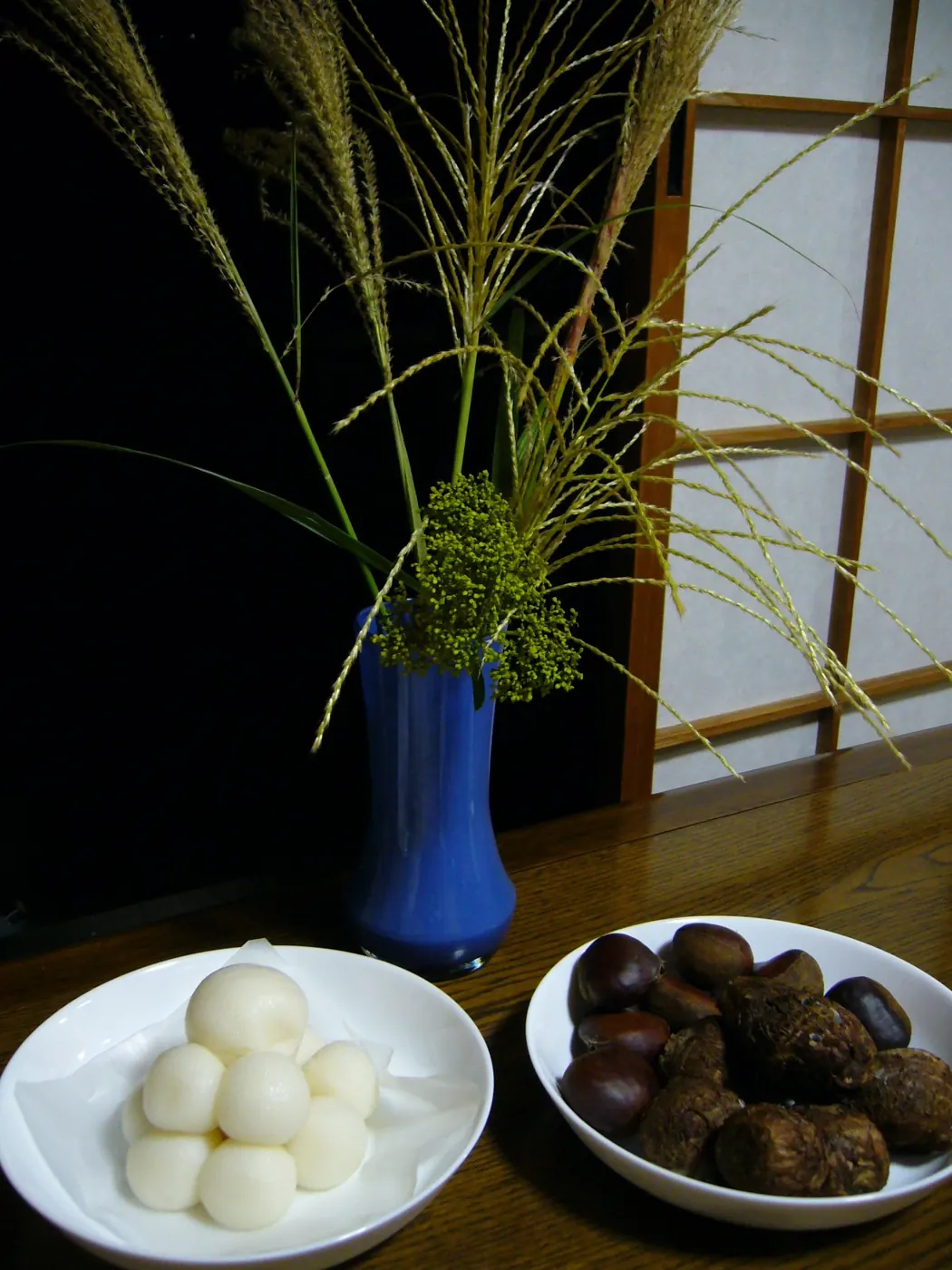 Tsukimi月見
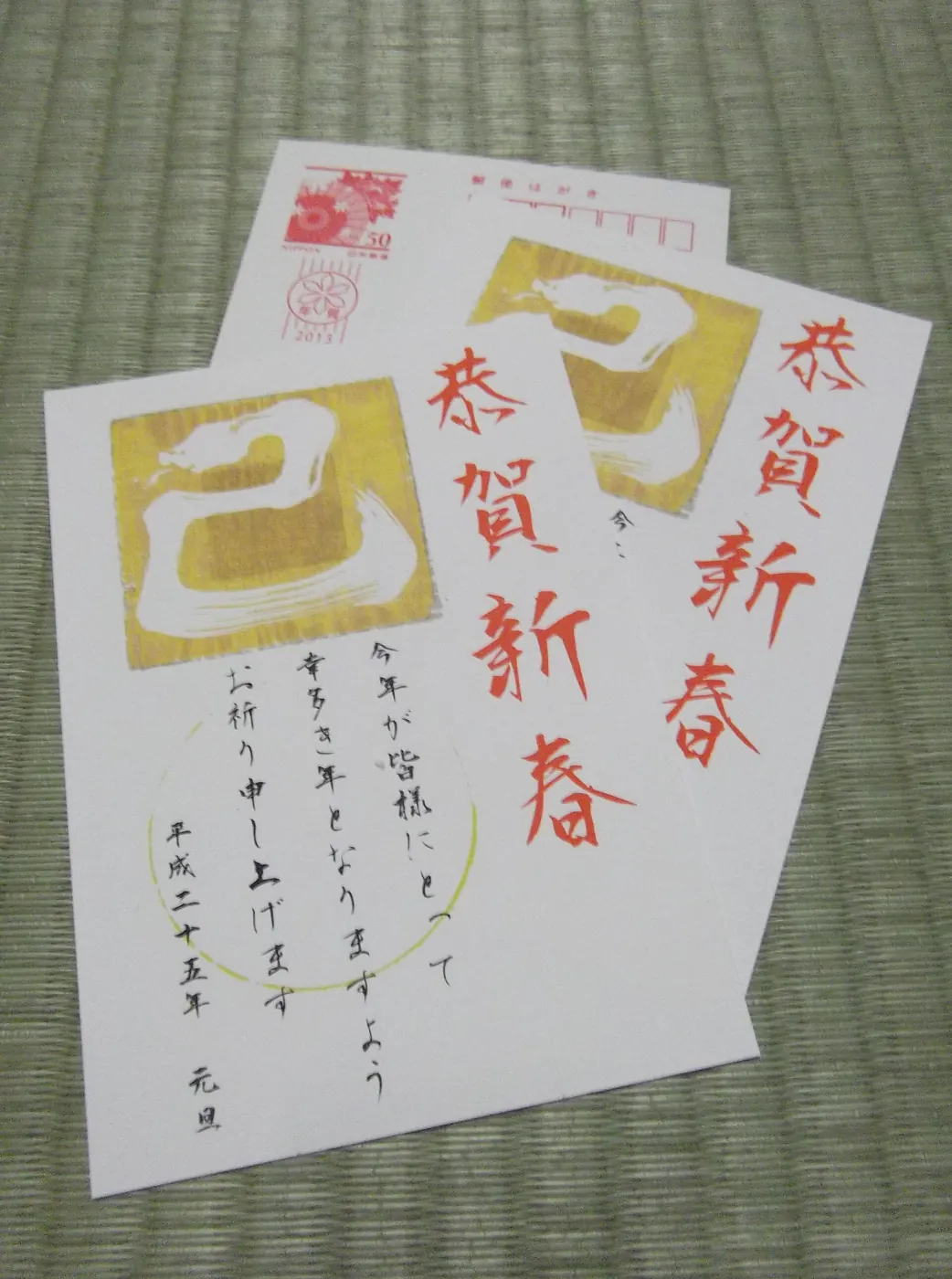 Shōgatsu正月
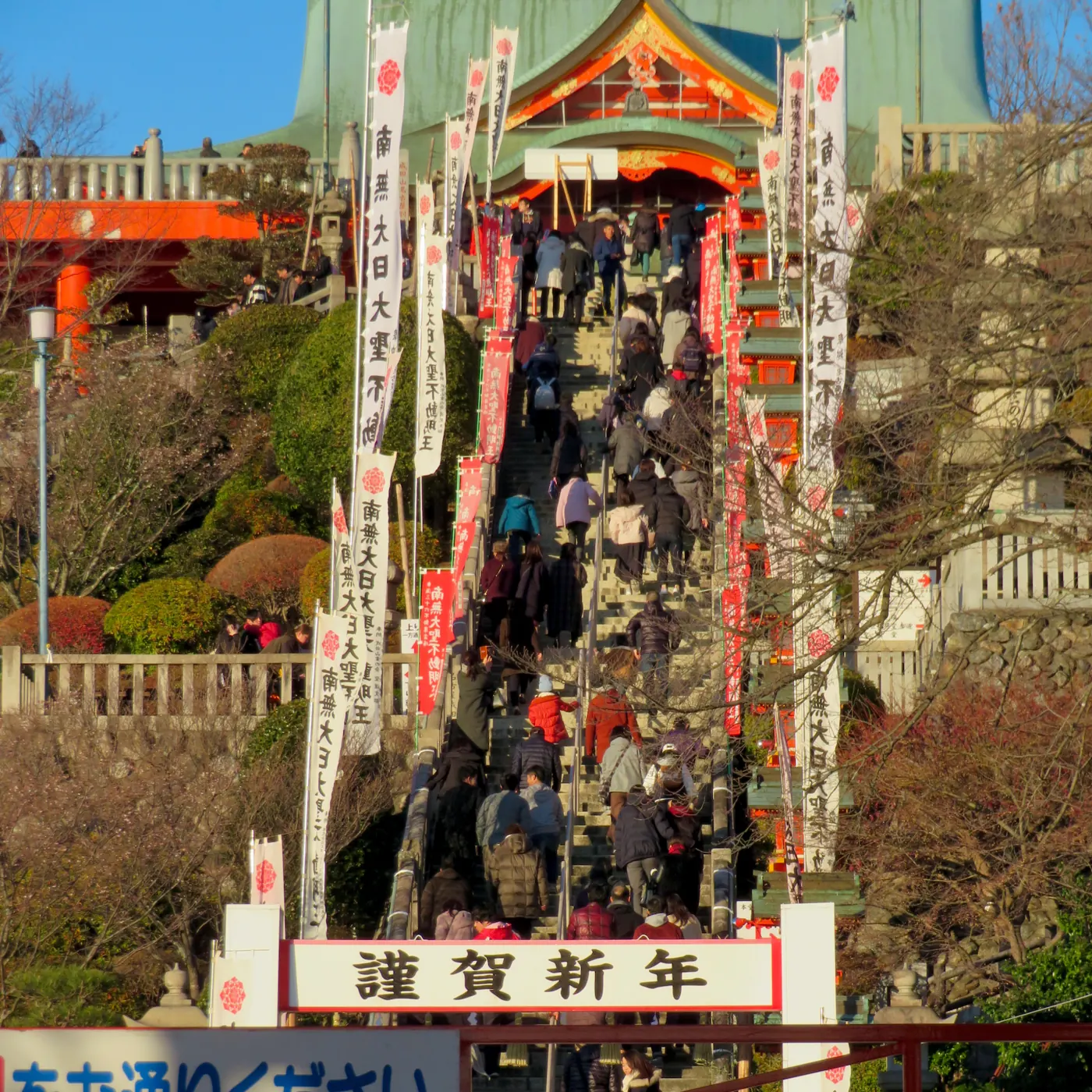 Hatsumōde初詣
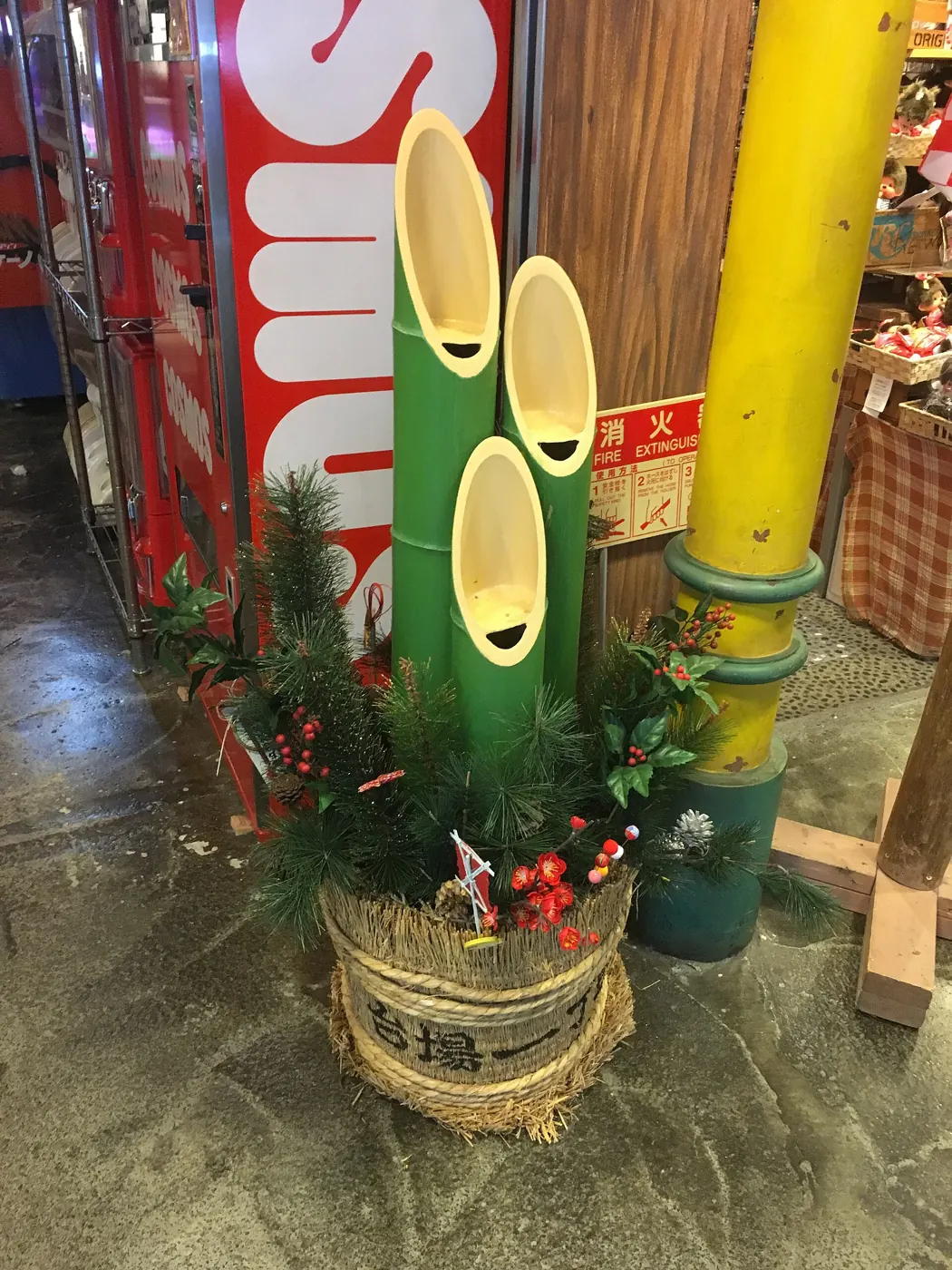 Kadomatsu門松
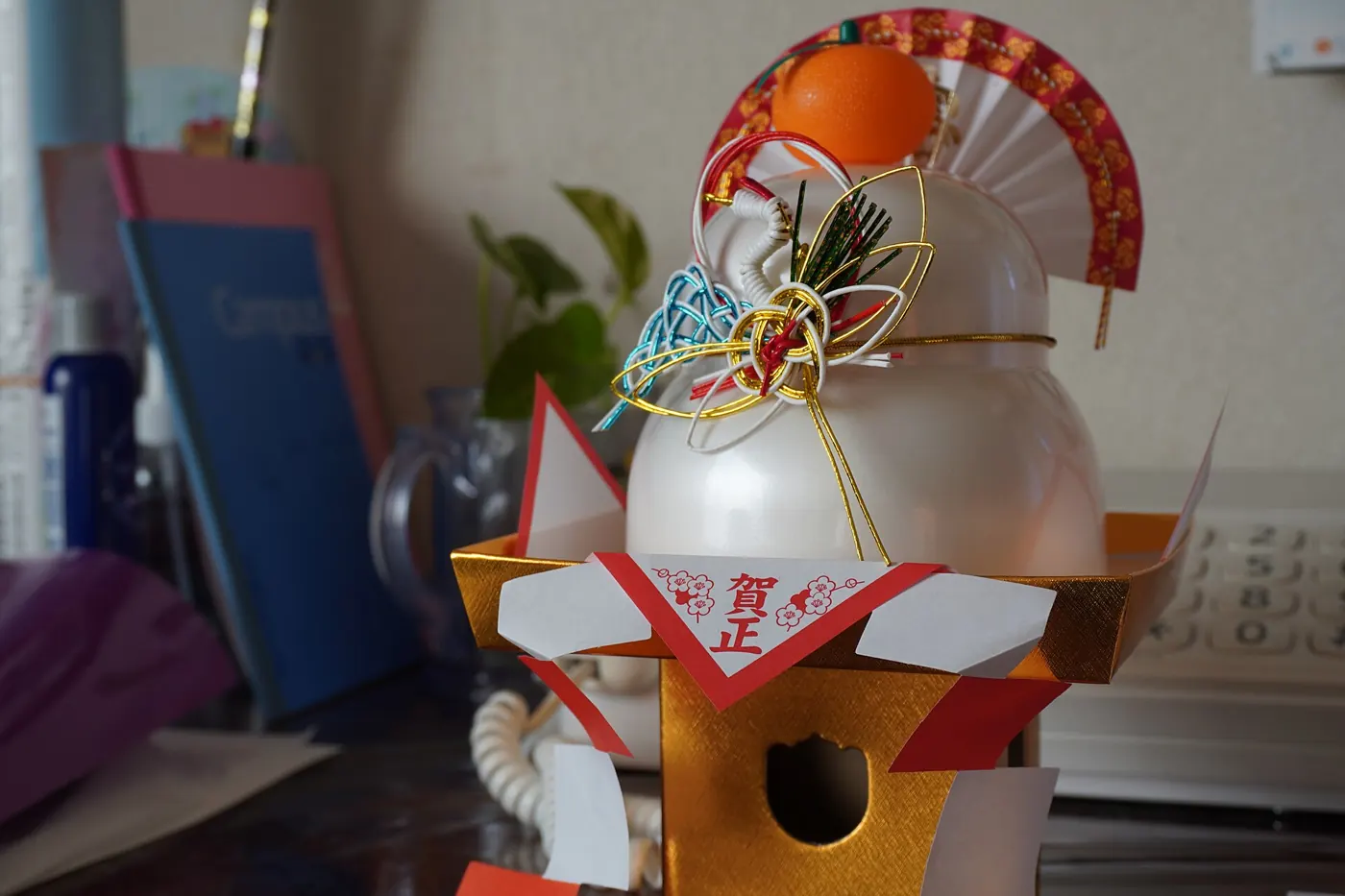 Kagami mochi鏡餅
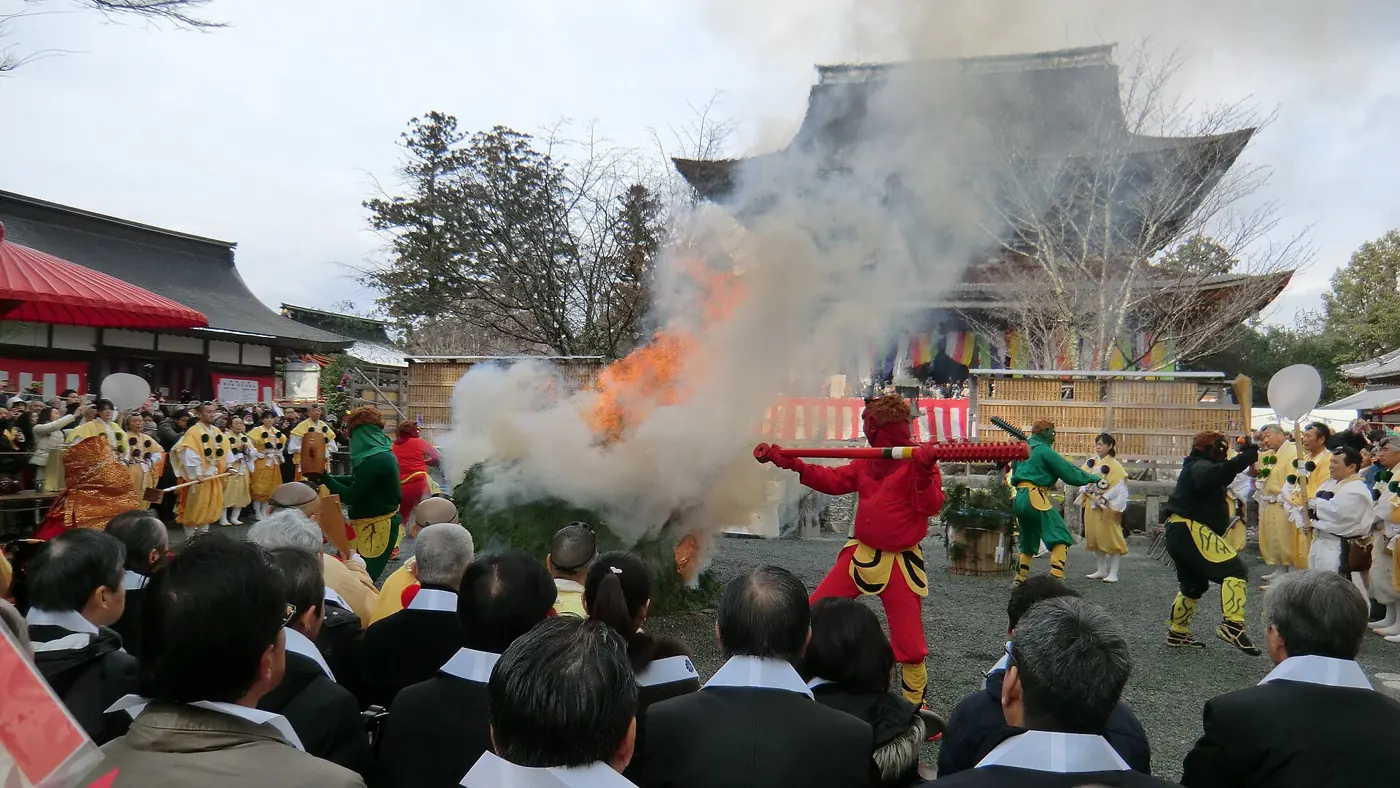 Setsubun節分
 Kodomo no Hiこどもの日
Open the scanner and compare →