破魔矢Hamaya (demon-breaking arrow)
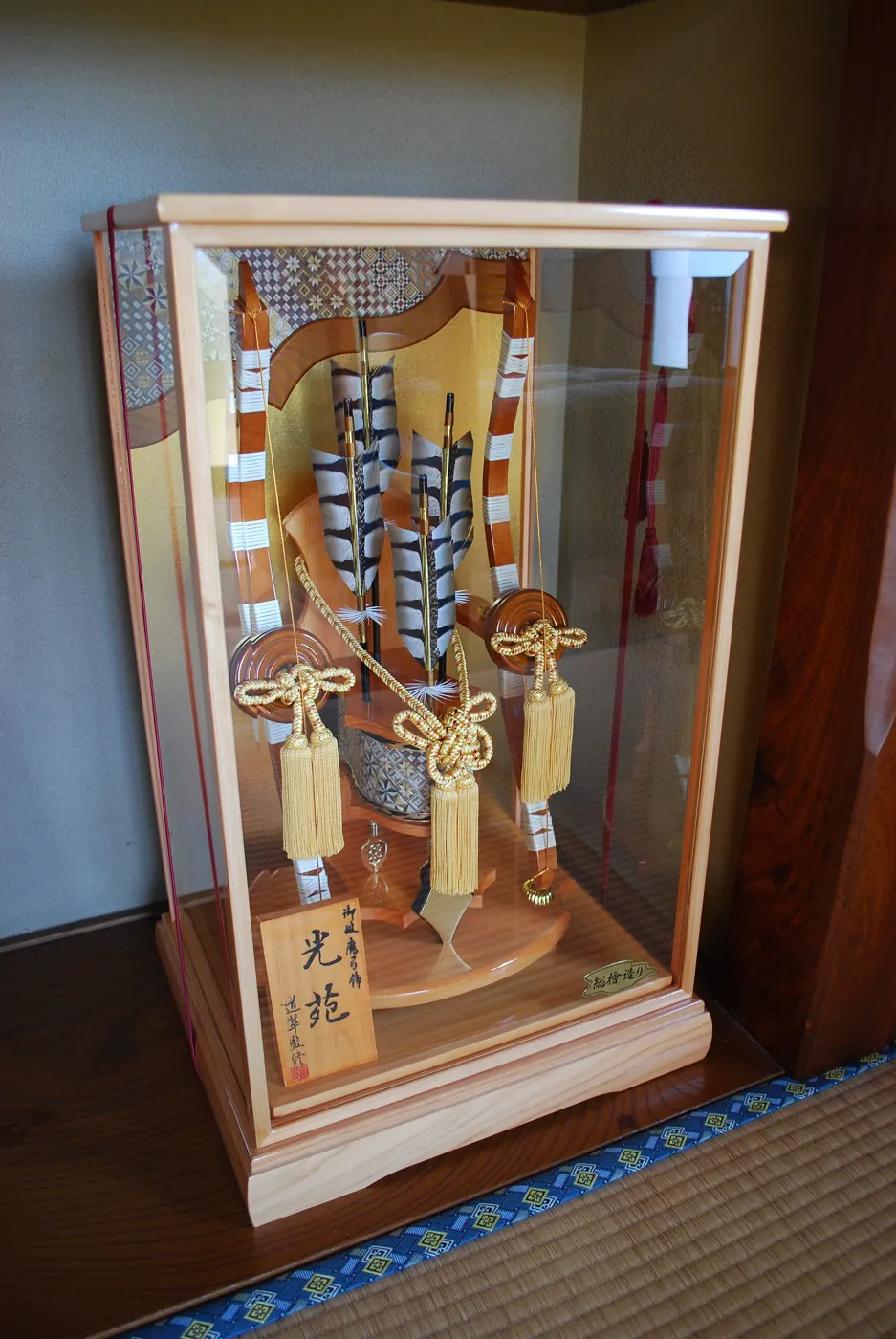
Hamaya (Japanese: 破魔矢; lit. 'evil-destroying arrow') is a type of arrow given at Shinto shrines and Buddhist temples as a Japanese New Year's talisman or sacred tool. It is often paired with a bow called a hama yumi (破魔弓).
In addition to this, hamaya and hama yumi are often set on top of roofs facing northeast or kimon (鬼門; the oni's gate; the direction from which oni are traditionally believed to come) as part of a ceremony to ward off evil from newly constructed buildings. It is also customary for relatives and acquaintances to give hamaya or hama yumi to newborns for their hatsuzekku (初節句; lit. first annual festival; typically Children's Day for a boy and Hinamatsuri for a girl).
Hamaya are said to have originated from the arrows used in an old event called Jarai (射礼), which was held on New Year's Day to test archery skills. Originally, the word hama referred to the kind of targets used in these events. The arrows used to shoot the targets were called hama-ya (hama arrows), and the bows were called hama-yumi (hama bows). Since the homophone hama (破魔) has the meaning of "destroying the evil power of a demon", these meanings merged, and the custom of giving bow-and-arrow toys to families with boys at New Year's was born. Later, they began to be given at Hatsumode as talismans, symbolizing "shooting down" evil and securing good luck for the year.
Text from Wikipedia: Hamaya — CC BY-SA 4.0. Read more on Wikipedia →
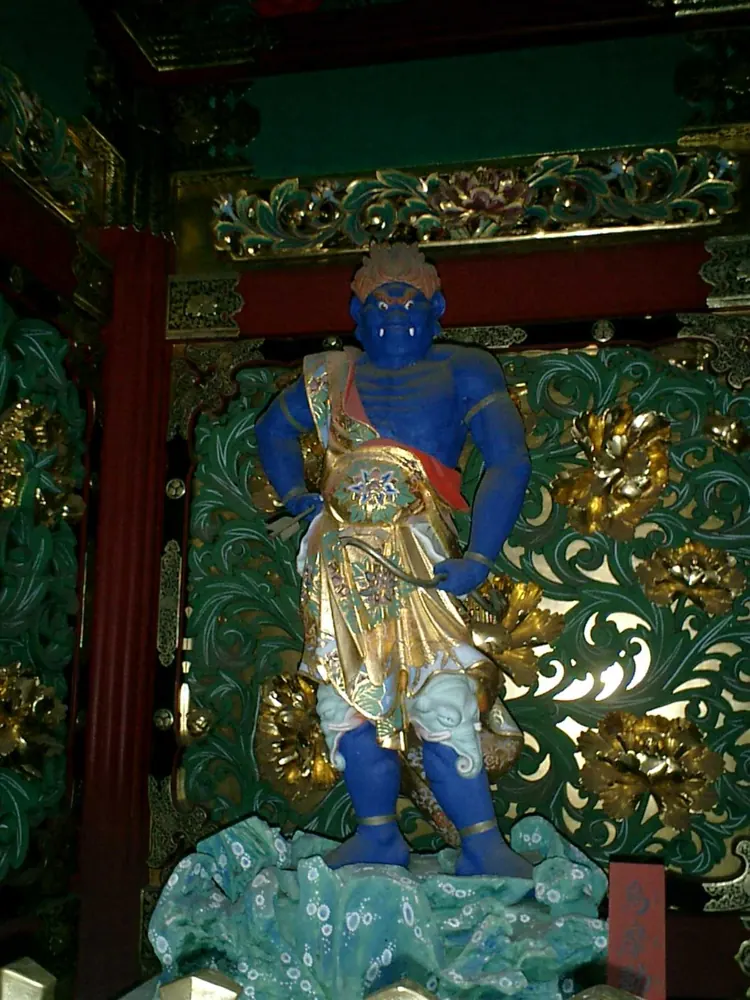
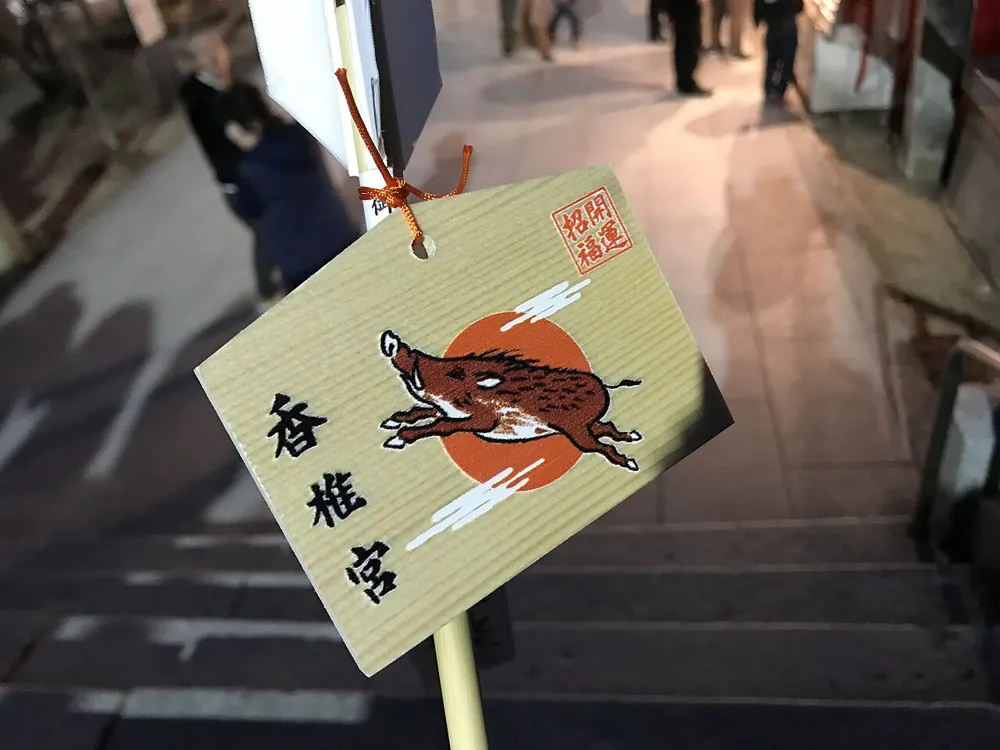
Japan Tourism Agency explanations
旅Try it yourself: Hamaya (demon-breaking arrow)
Live prices and reviews from GetYourGuide. Many tours can be cancelled for free — check each listing.
Ad: we may earn a commission if you book through these links, at no extra cost to you.
Compare whether a rail pass saves money on your route before you buy tickets.
Check prices →Japan eSIM / mobile data
Ad: we may earn a commission if you book through these links, at no extra cost to you.
問Questions visitors ask
What is Hamaya (demon-breaking arrow)?
Hamaya (Japanese: 破魔矢; lit.
社At a shrine
 Shinto神道
 Kami神
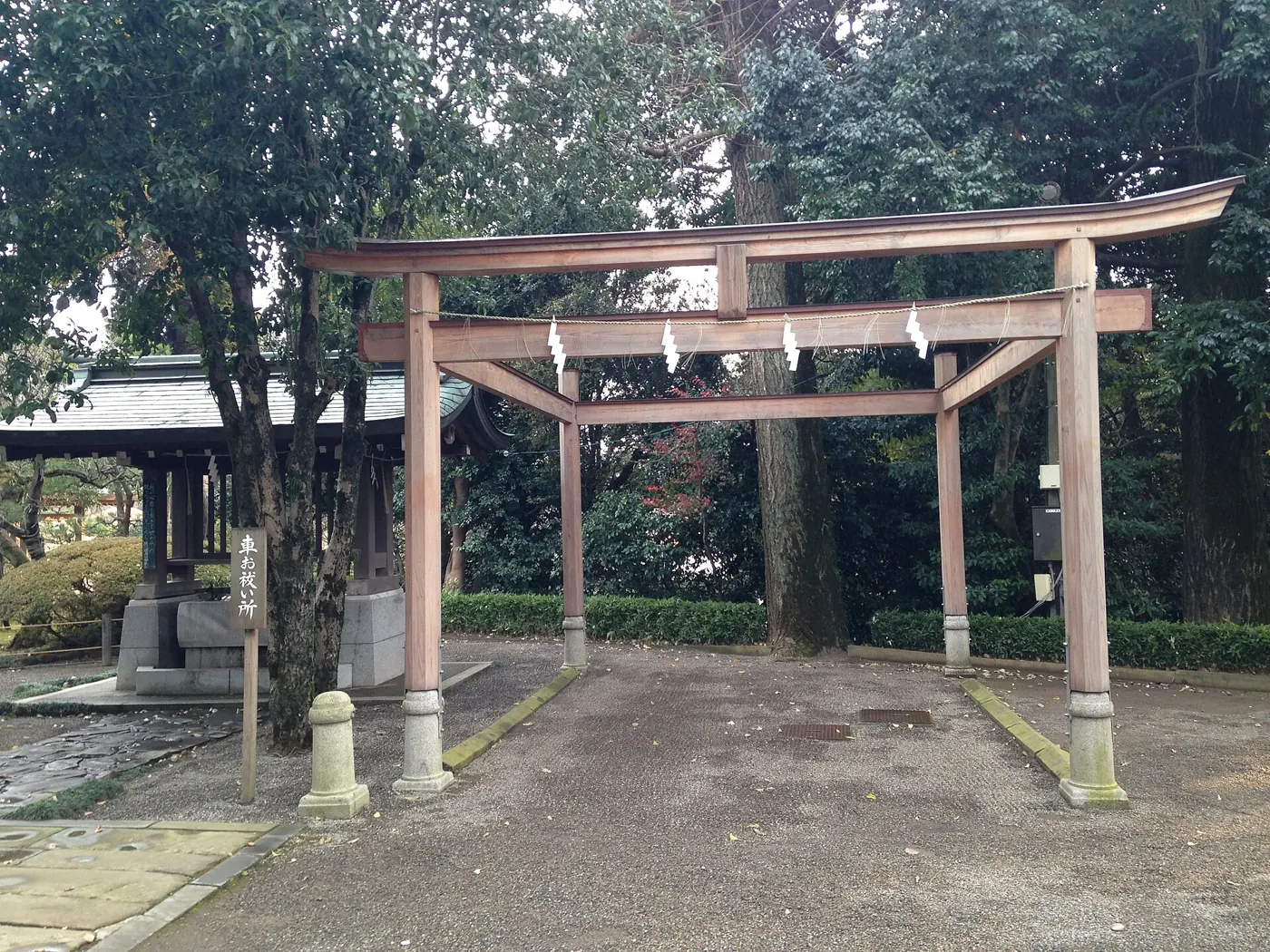 Shide紙垂
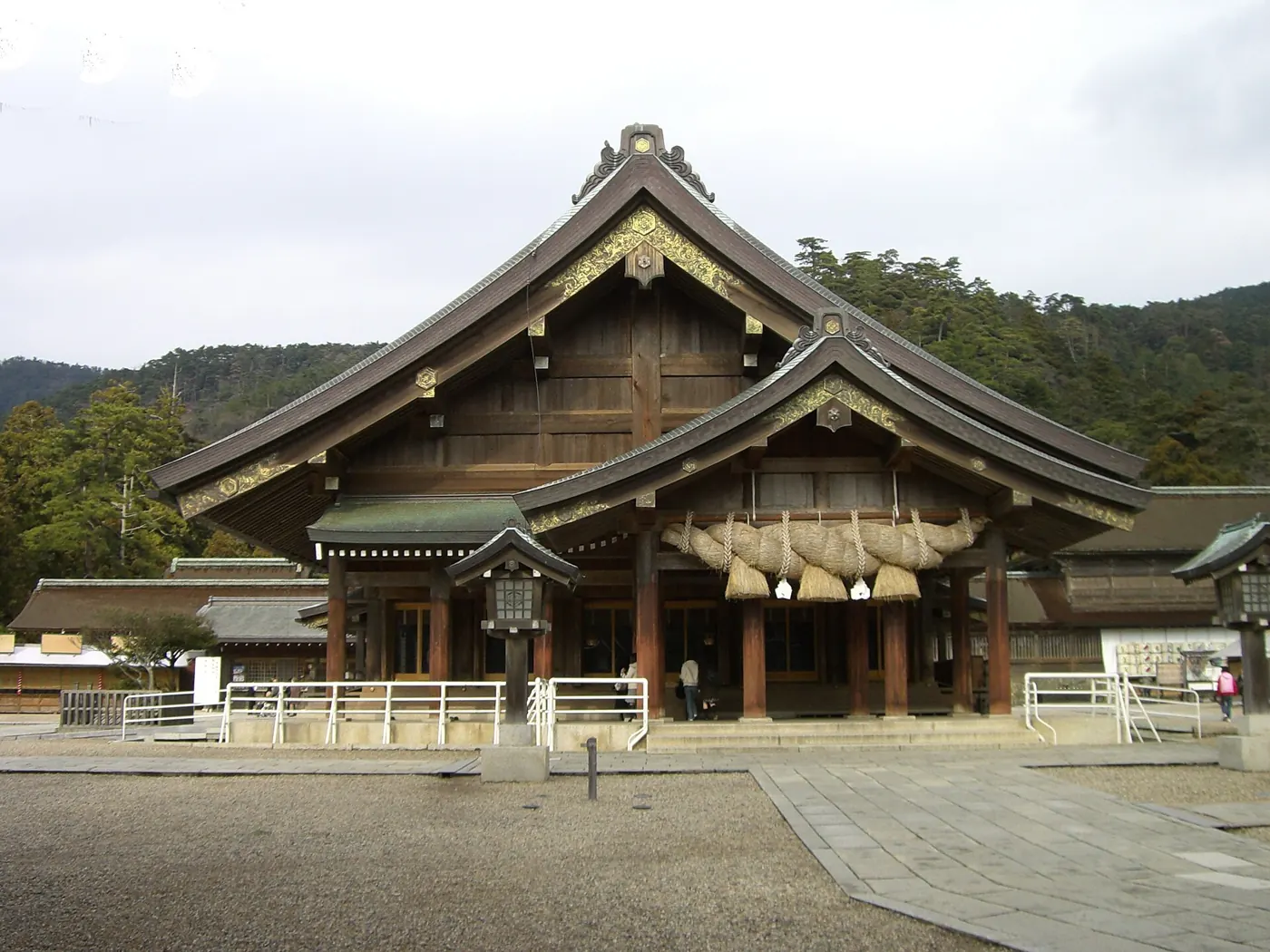 Haiden拝殿
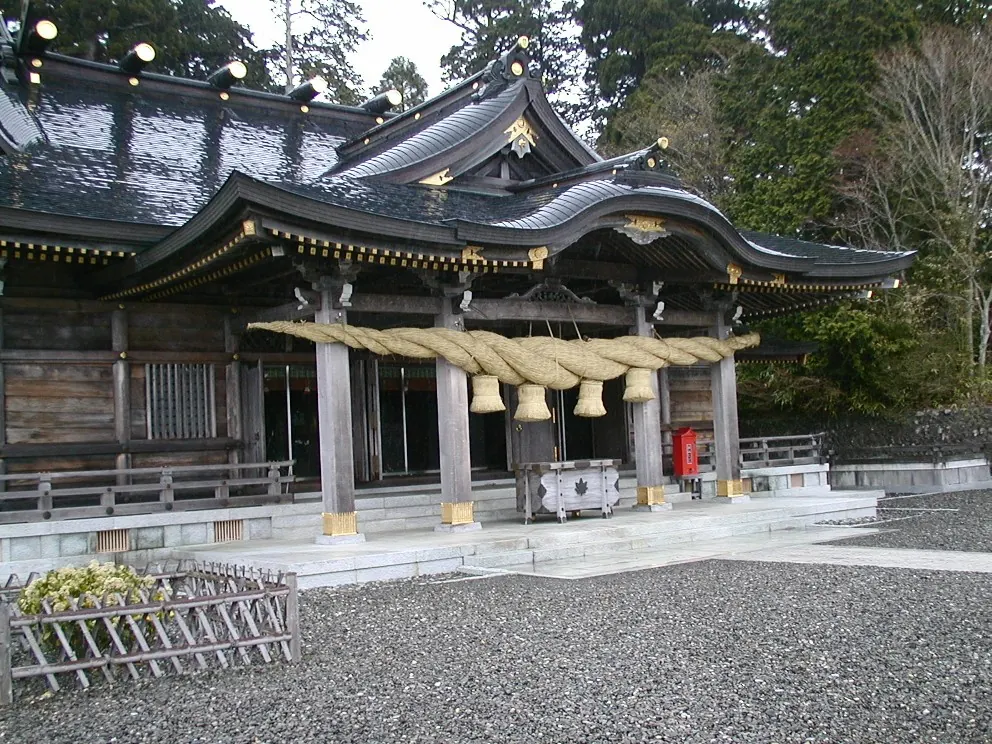 Honden本殿
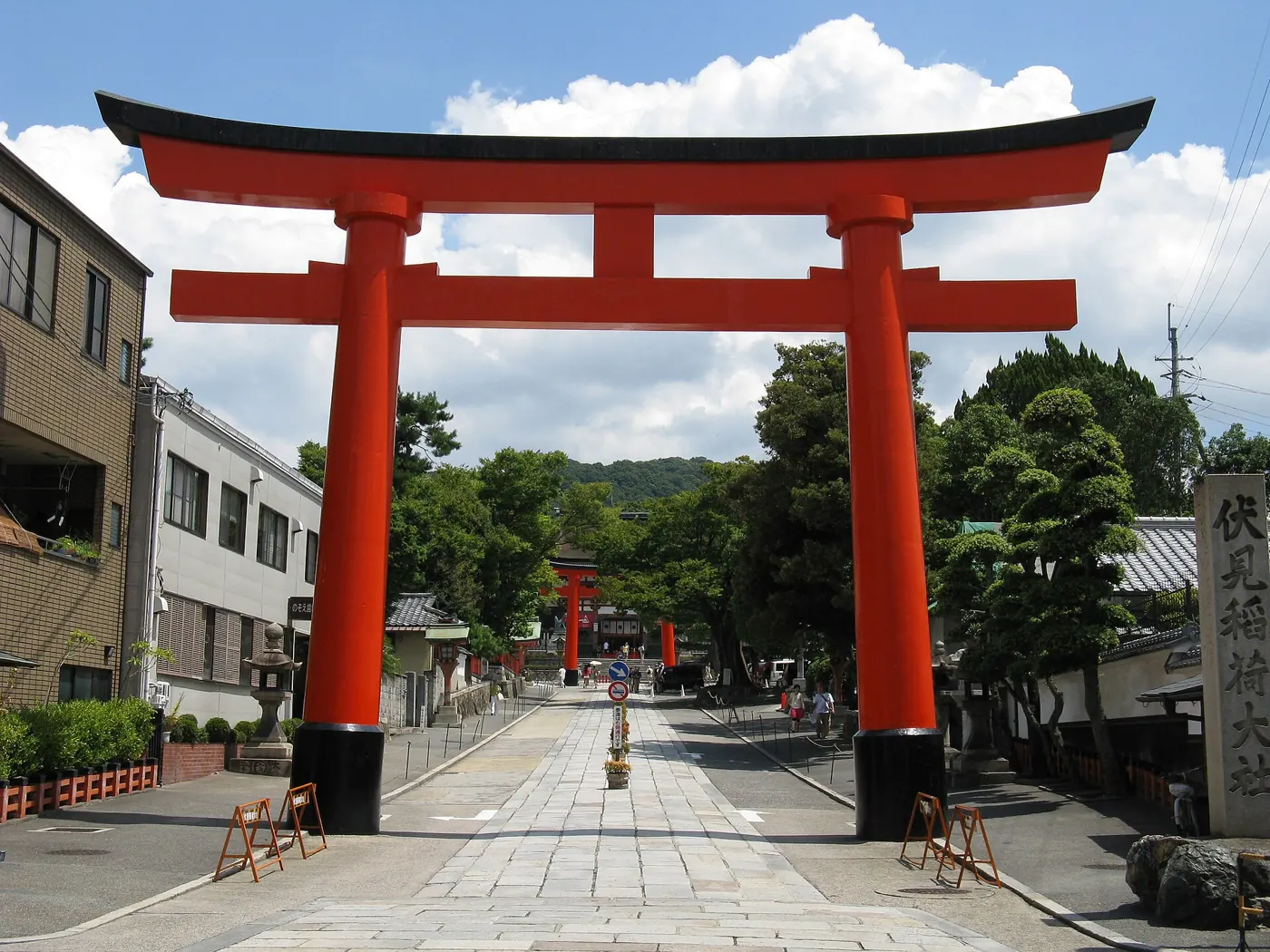 Sandō参道
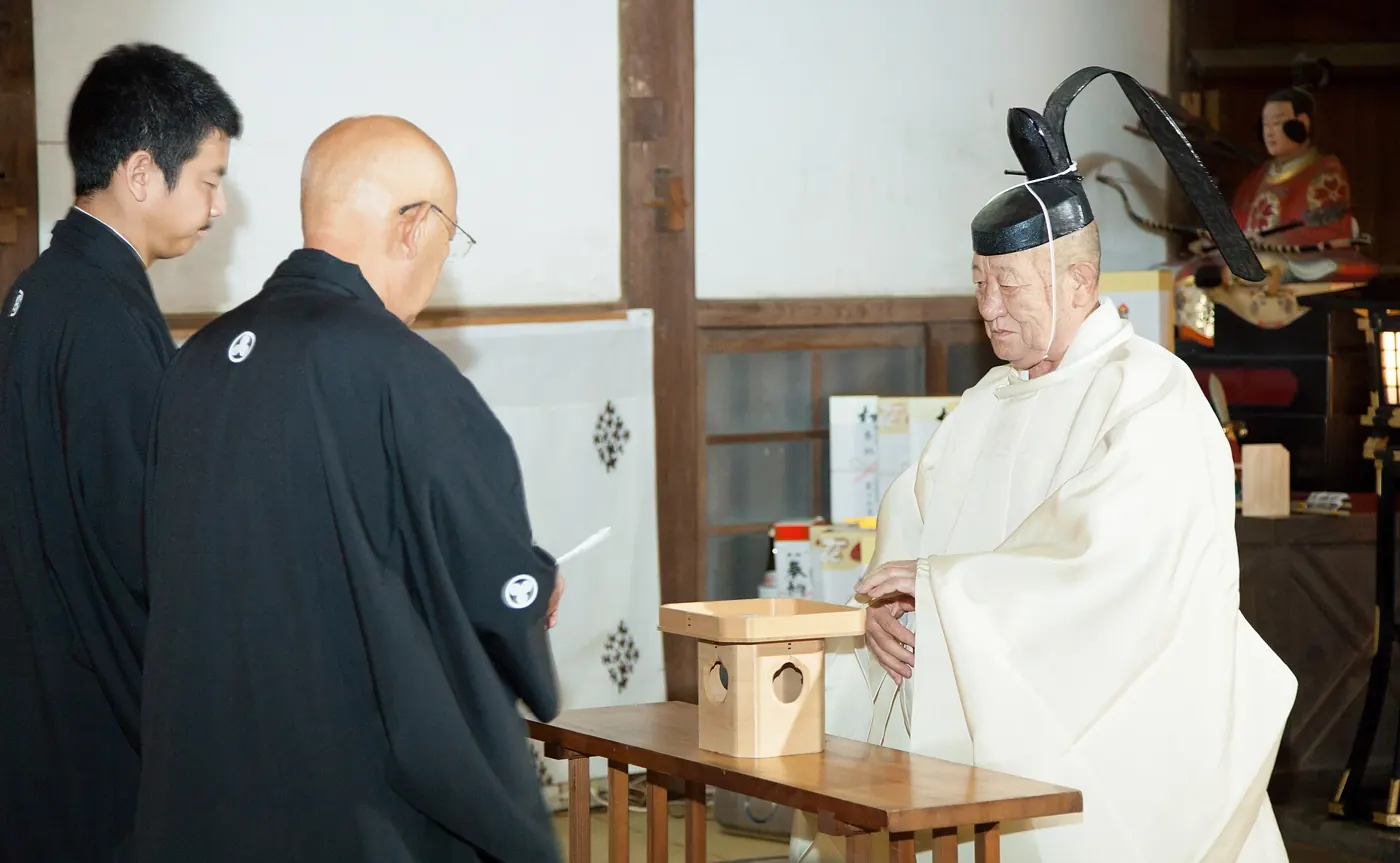 Omikujiおみくじ
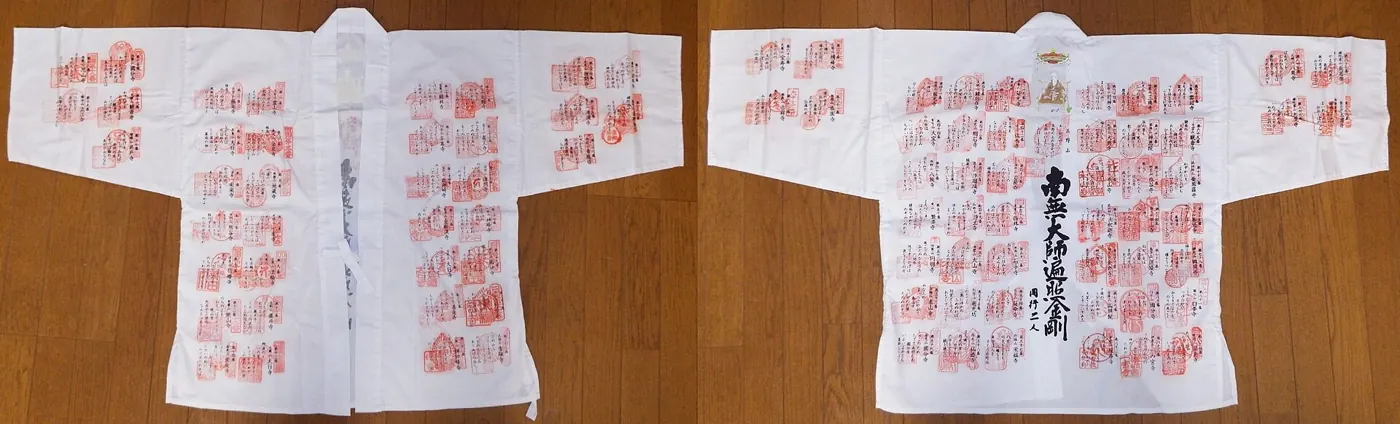 Goshuin朱印
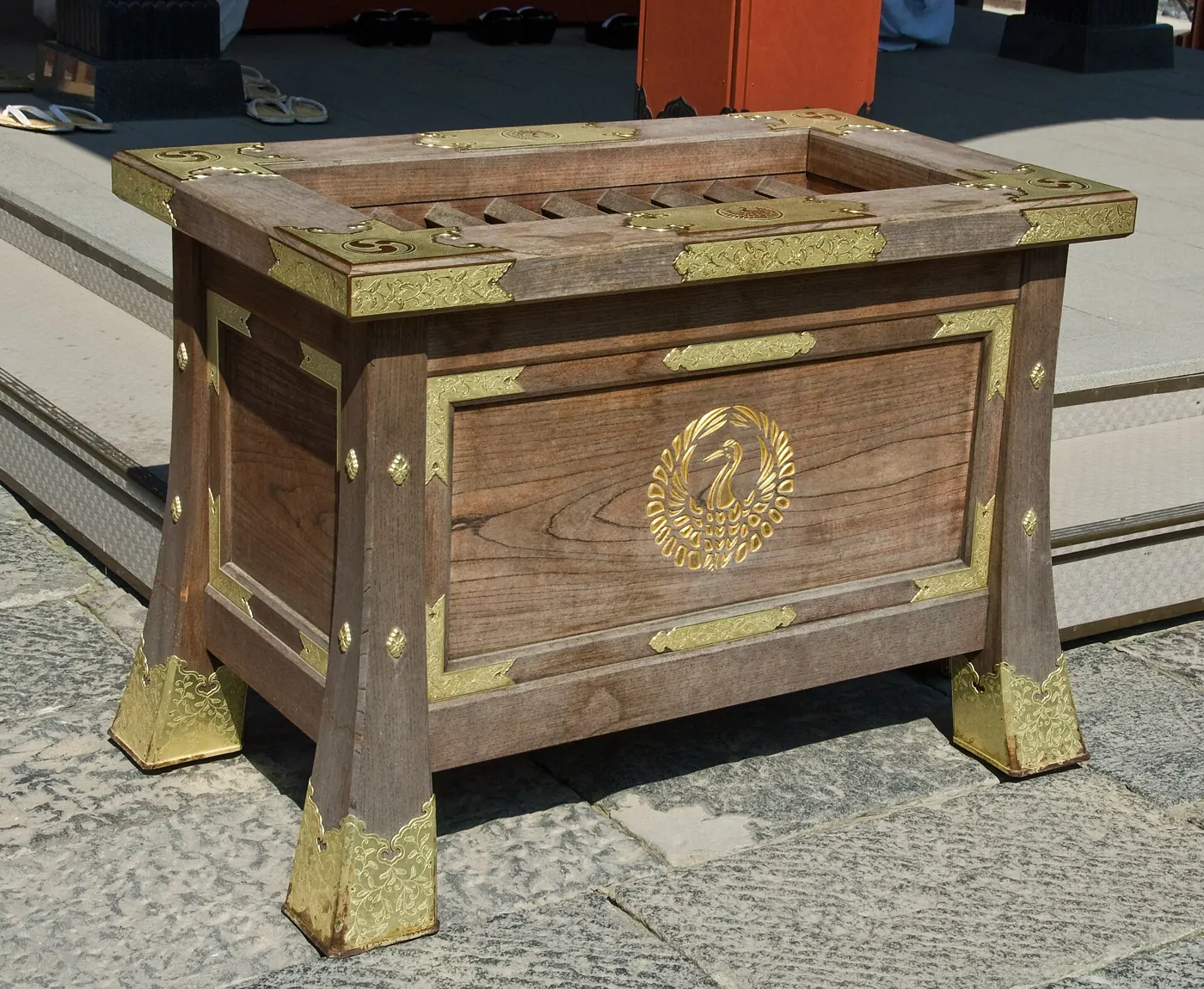 Saisen賽銭
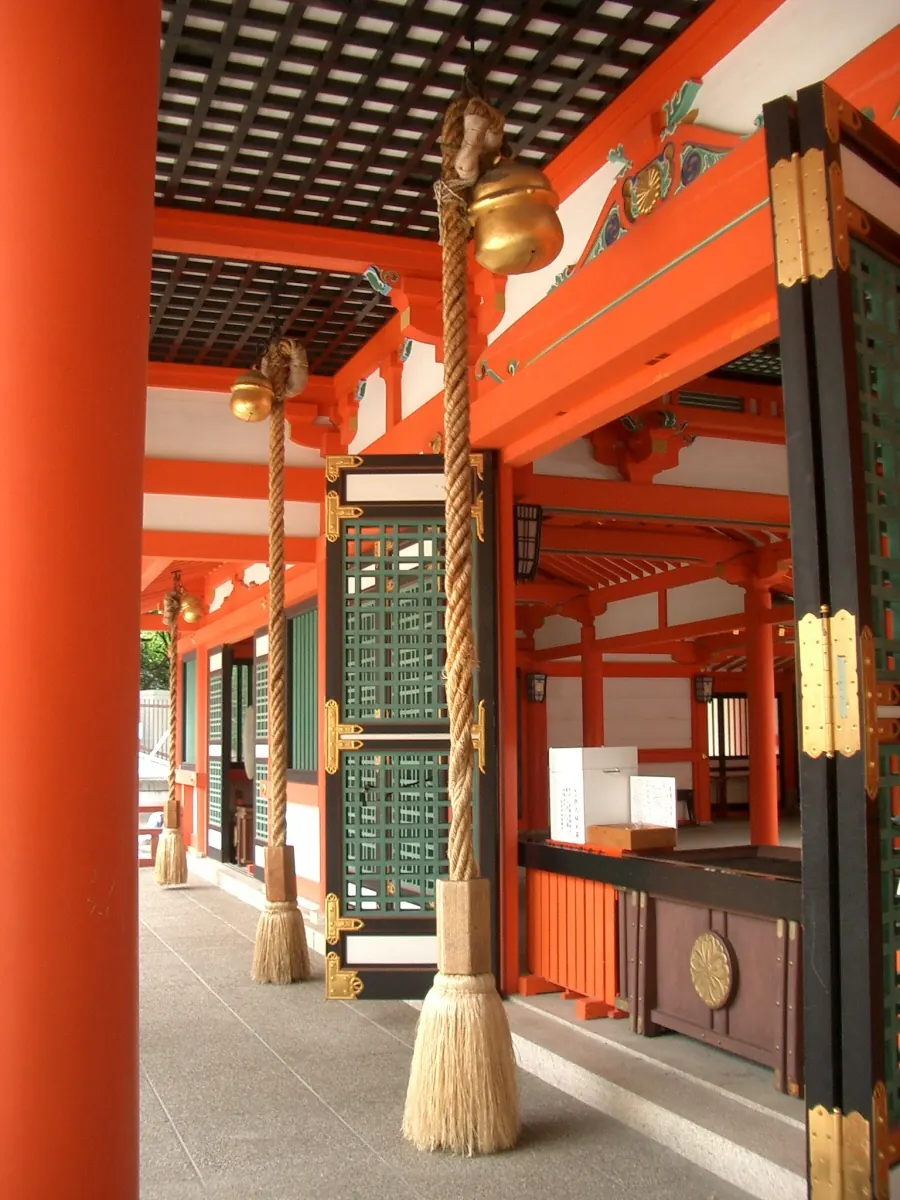 Suzu鈴
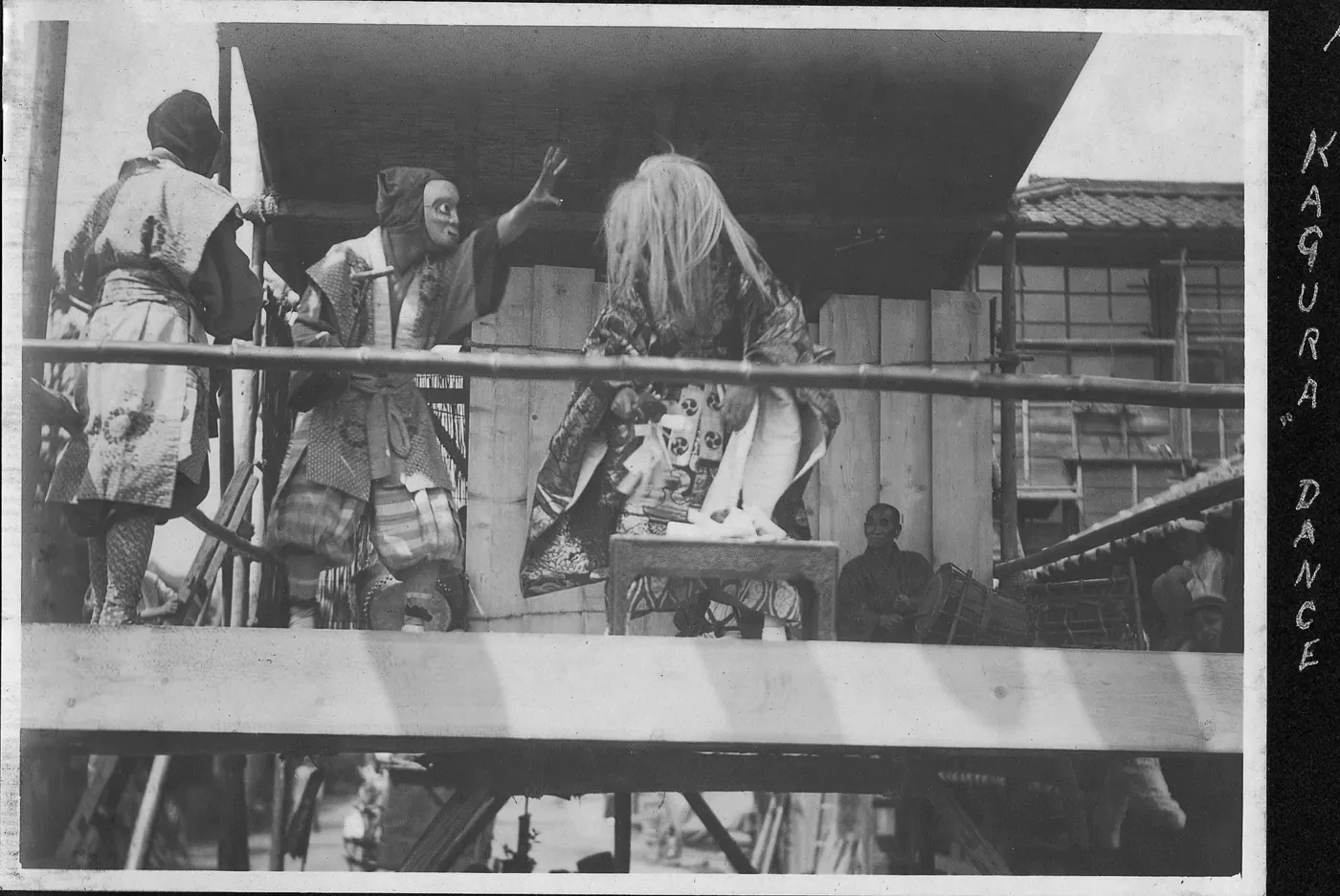 Kagura神楽
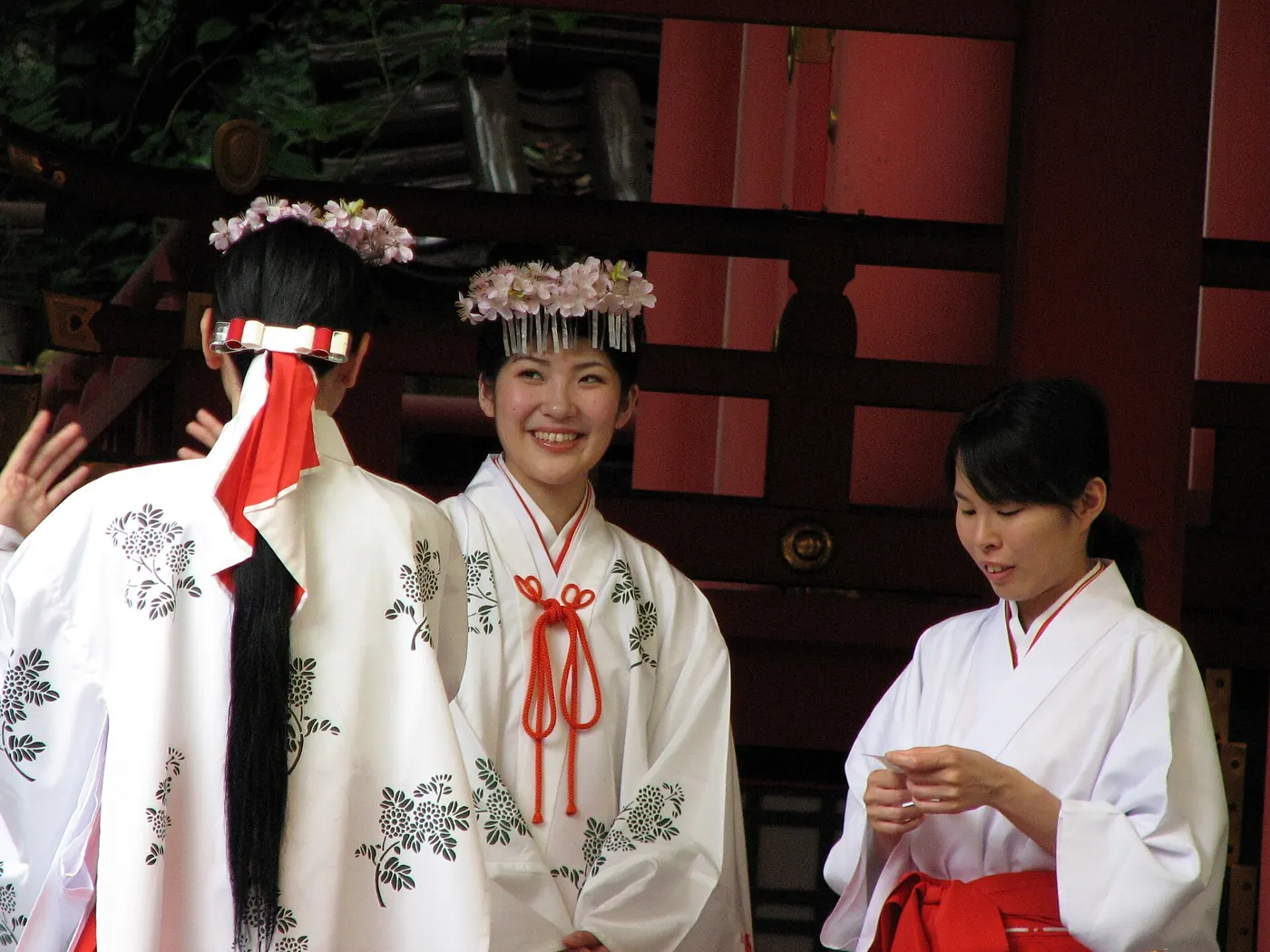 Miko巫女
Open the scanner and compare →