What is this? › Castles, houses & gardens
縁側Engawa (veranda)
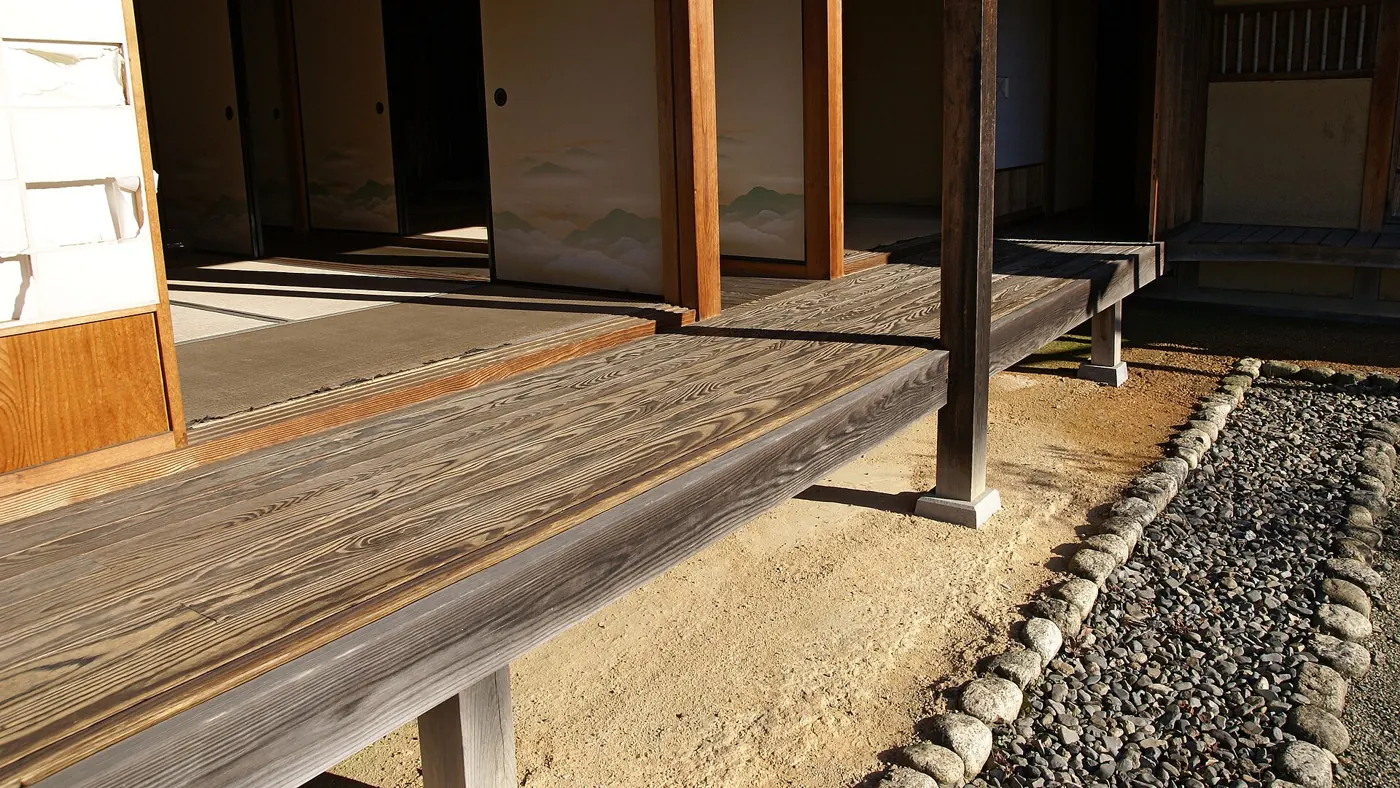
An engawa (縁側/掾側) or en (縁) is an edging strip of non-tatami-matted flooring in Japanese architecture, usually wood or bamboo. The en may run around the rooms, on the outside of the building, in which case they form a veranda that can be used as a porch or sunroom.
Usually, the en is outside the translucent paper shōji, but inside the amado (雨戸) storm shutters (when they are not packed away). However, some en run outside the amado. En that cannot be enclosed by amado, or sufficiently sheltered by eaves, must be finished to withstand the Japanese climate. Modern architecture often encloses an en with sheet glass. An engawa allows the building to remain open in the rain or sun, without getting too wet or hot, and allows flexible ventilation and sightlines.
The area under an engawa is sloped away from the building, and often paved, to carry water away. The area directly outside the paving is usually a collector drain that takes water still further away. The engawa is thus a way to bridge the obstacles good drainage puts between the indoors and the outdoors.
Text from Wikipedia: Engawa — CC BY-SA 4.0. Read more on Wikipedia →
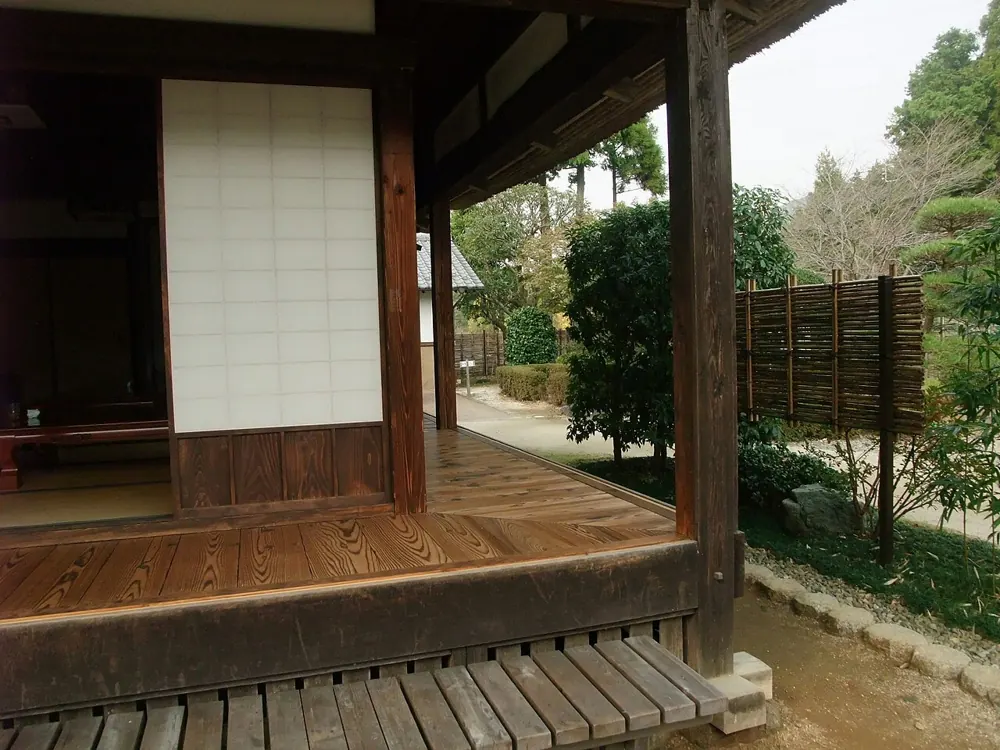
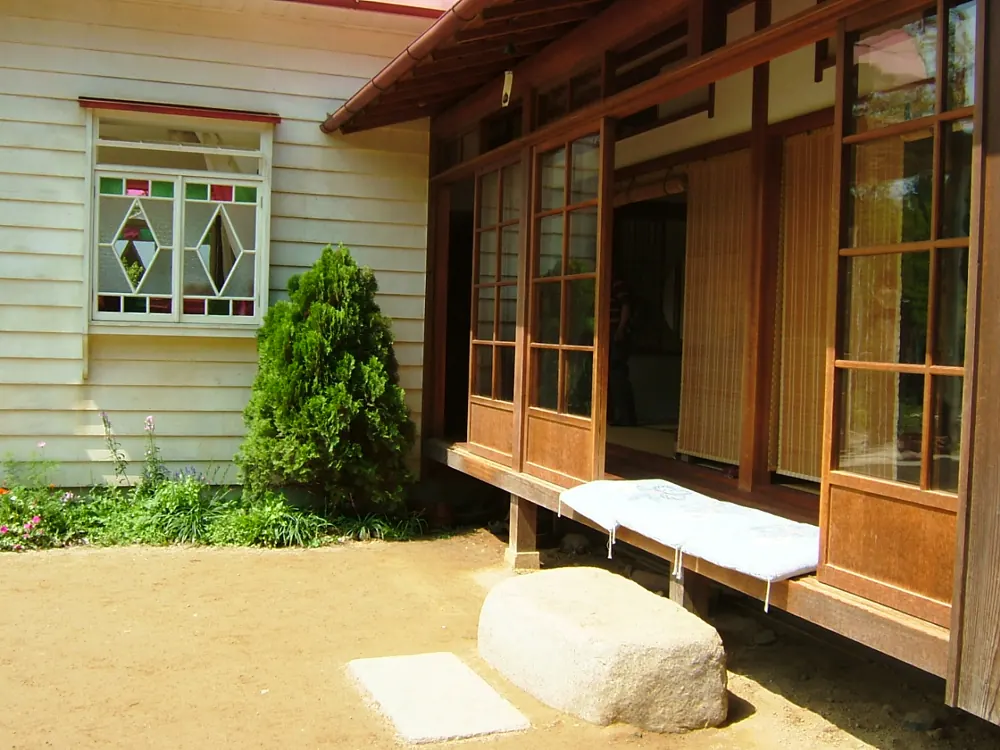
Japan Tourism Agency explanations
旅Try it yourself: Engawa (veranda)
Live prices and reviews from GetYourGuide. Many tours can be cancelled for free — check each listing.
Ad: we may earn a commission if you book through these links, at no extra cost to you.
Compare whether a rail pass saves money on your route before you buy tickets.
Check prices →Japan eSIM / mobile data
Ad: we may earn a commission if you book through these links, at no extra cost to you.
問Questions visitors ask
What is Engawa (veranda)?
An engawa (縁側/掾側) or en (縁) is an edging strip of non-tatami-matted flooring in Japanese architecture, usually wood or bamboo.
城Castles, houses & gardens
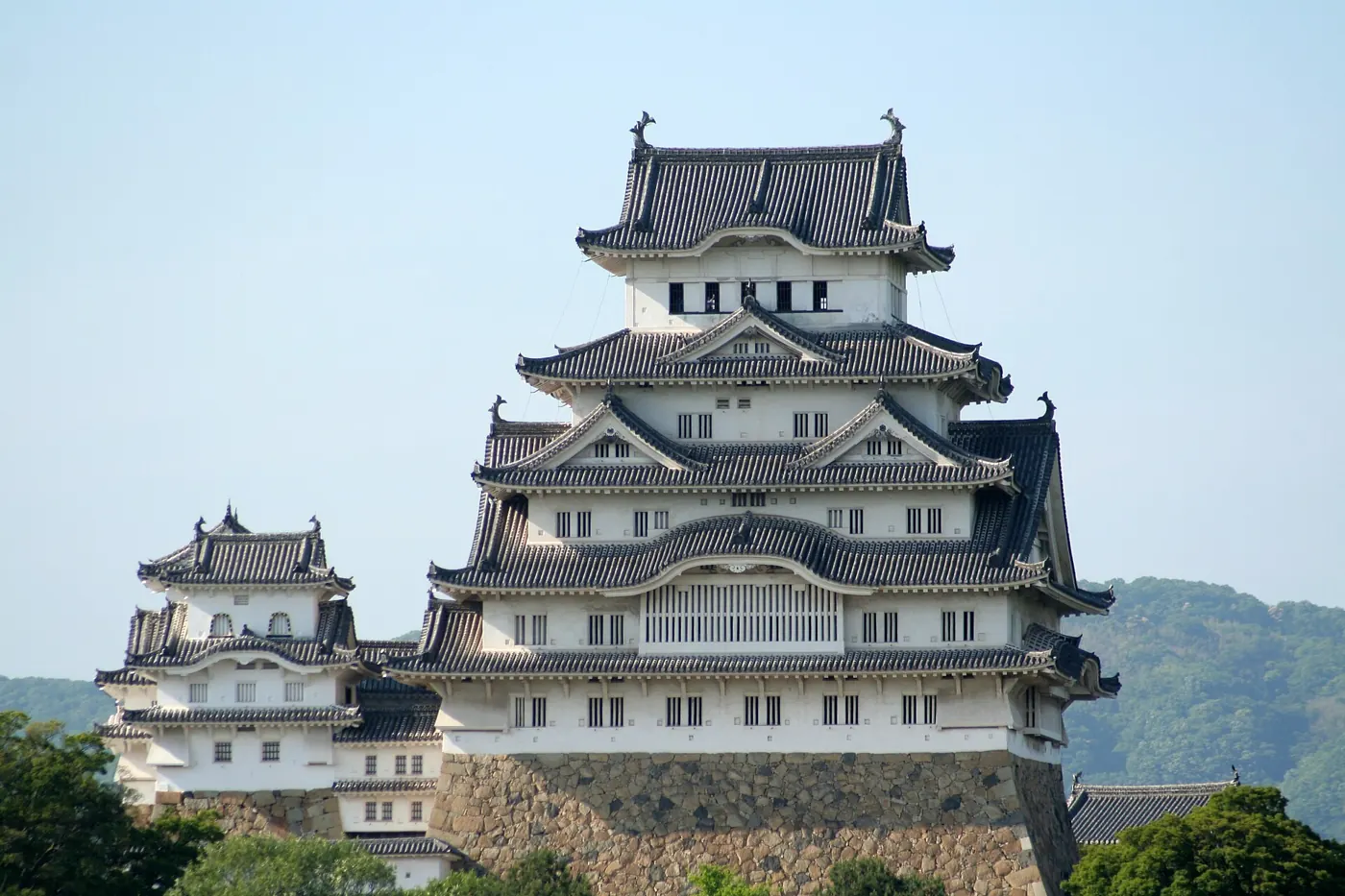 Tenshu天守
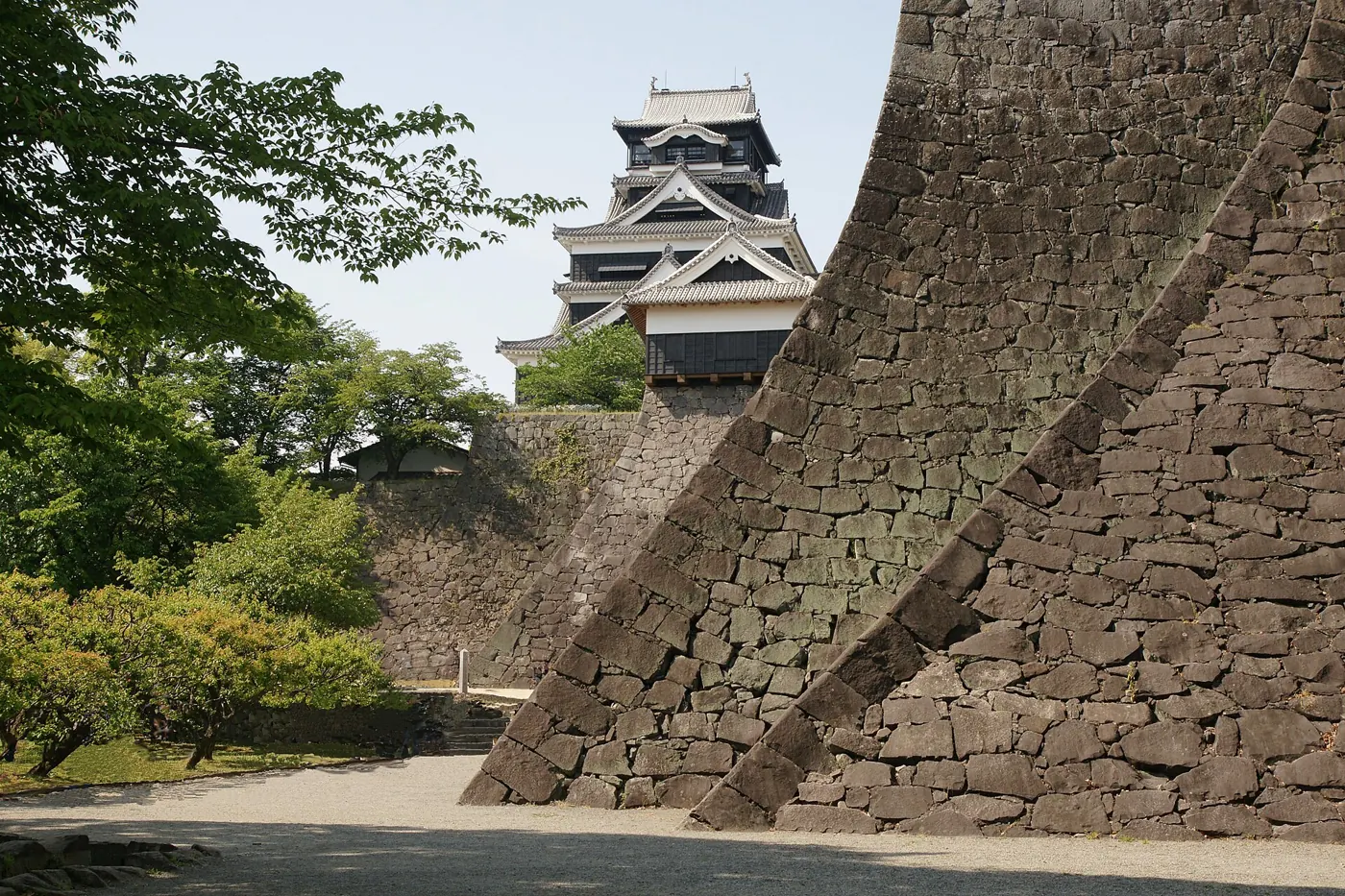 Ishigaki石垣
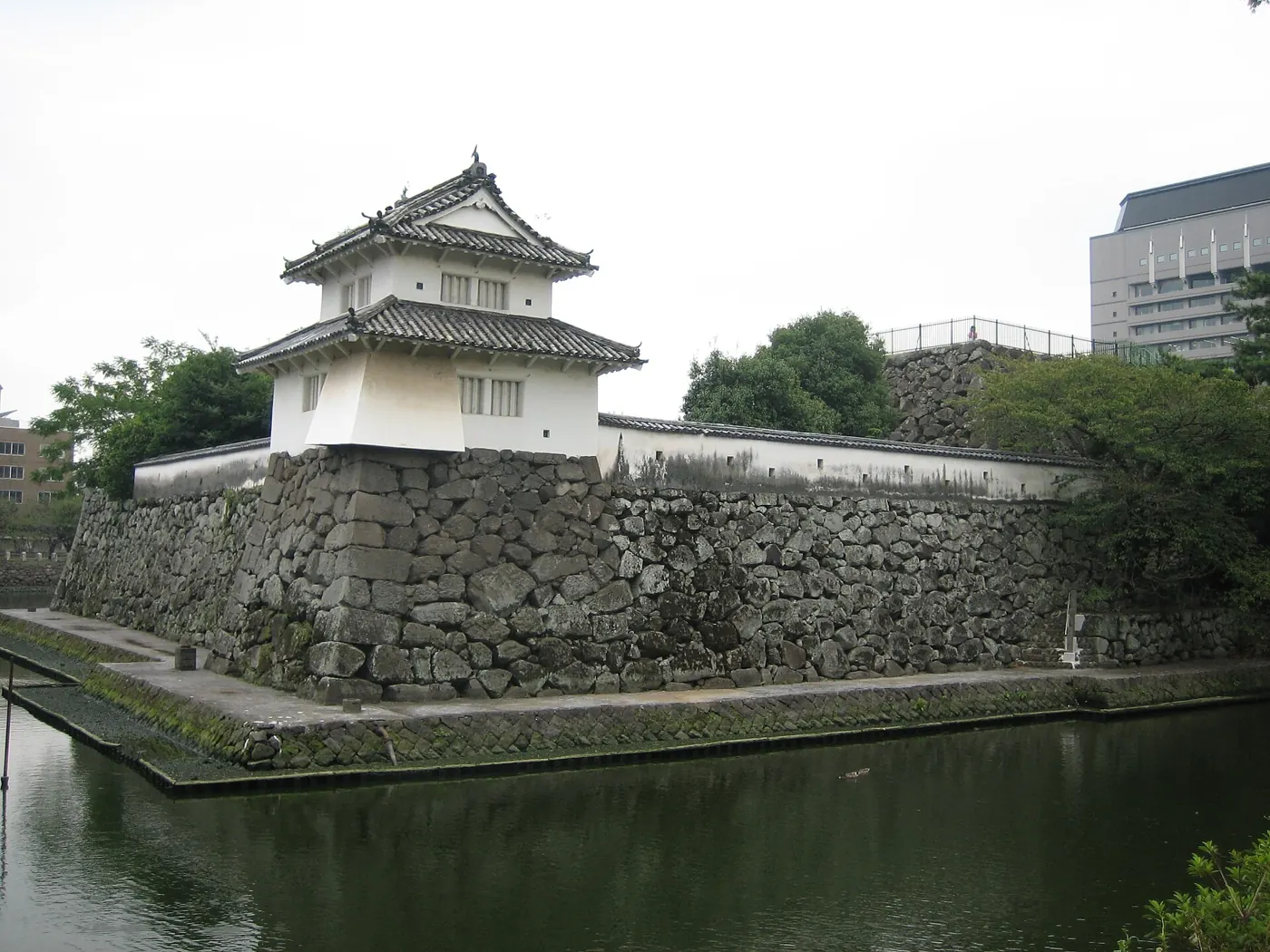 Yagura櫓
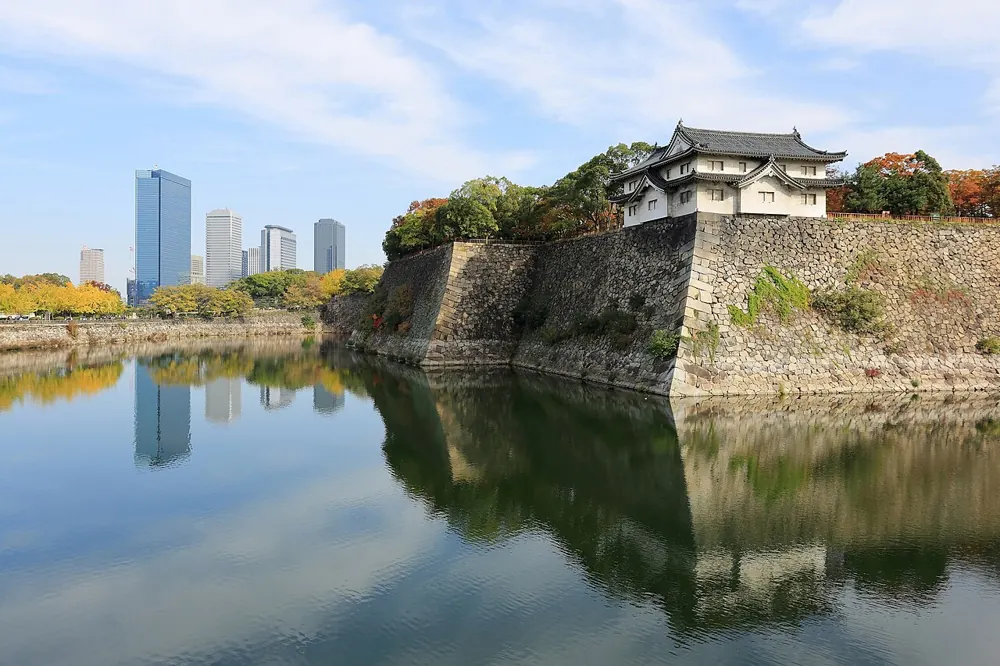 Hori堀
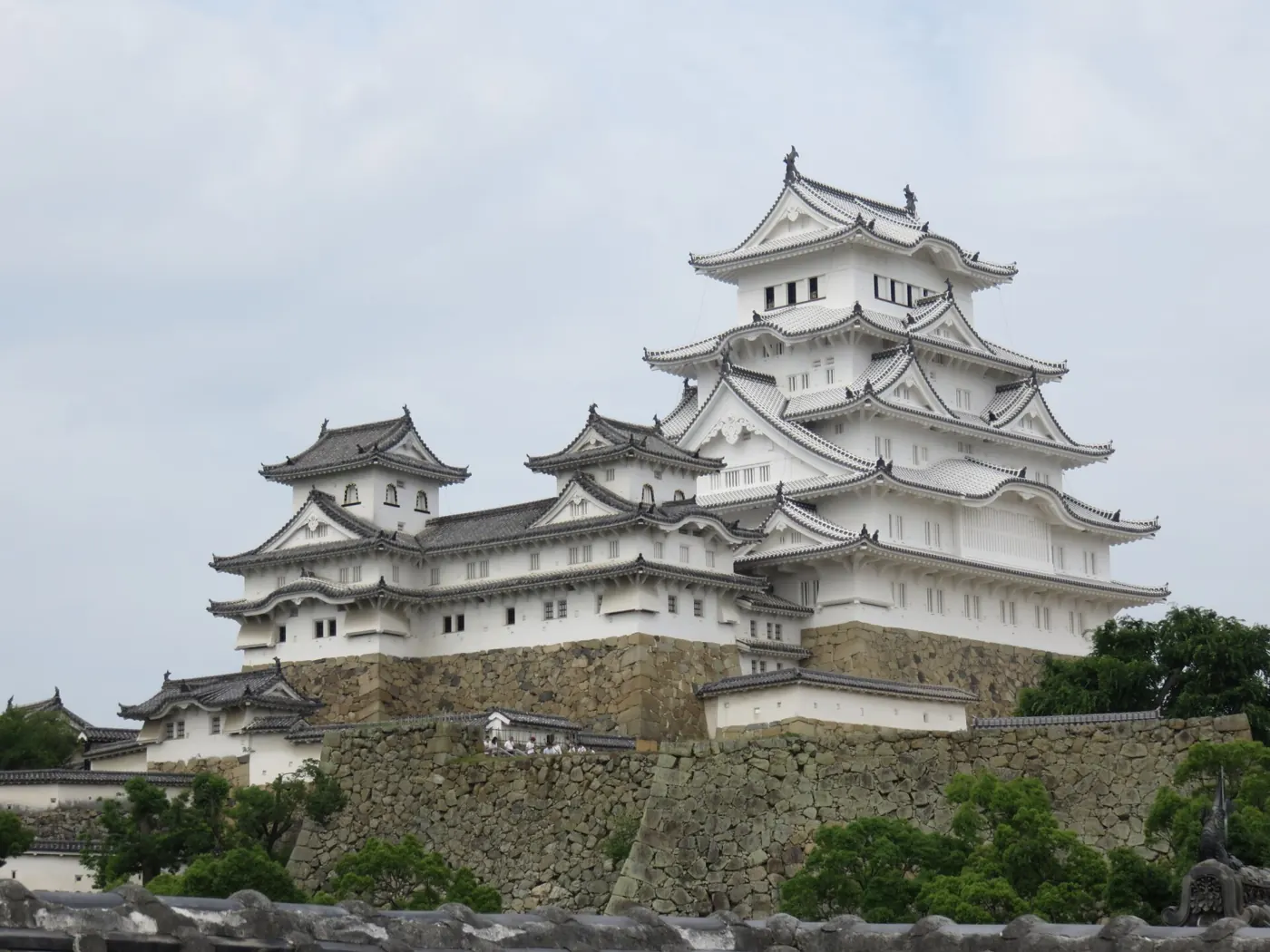 Japanese castles日本の城
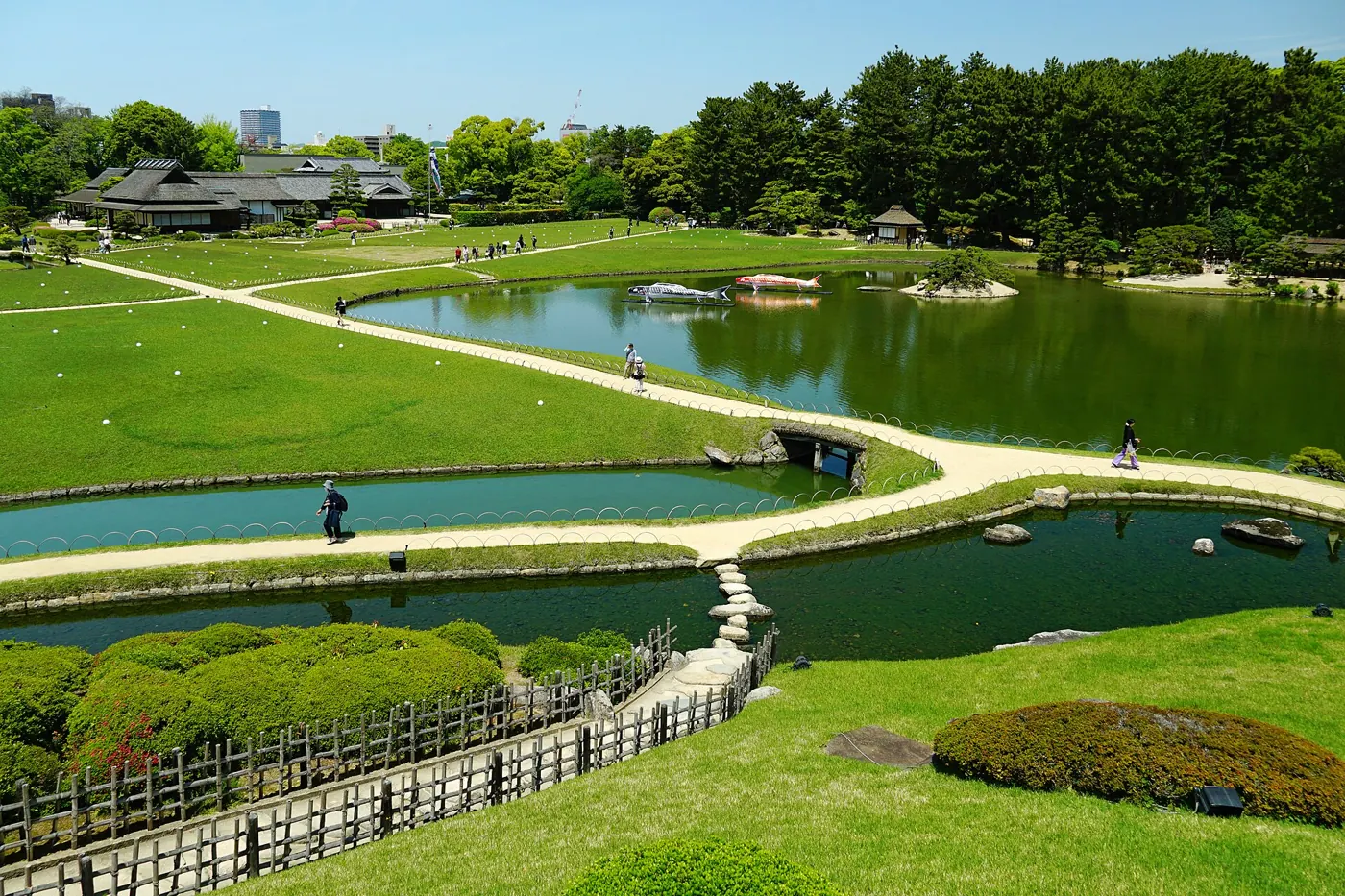 Japanese gardens日本庭園
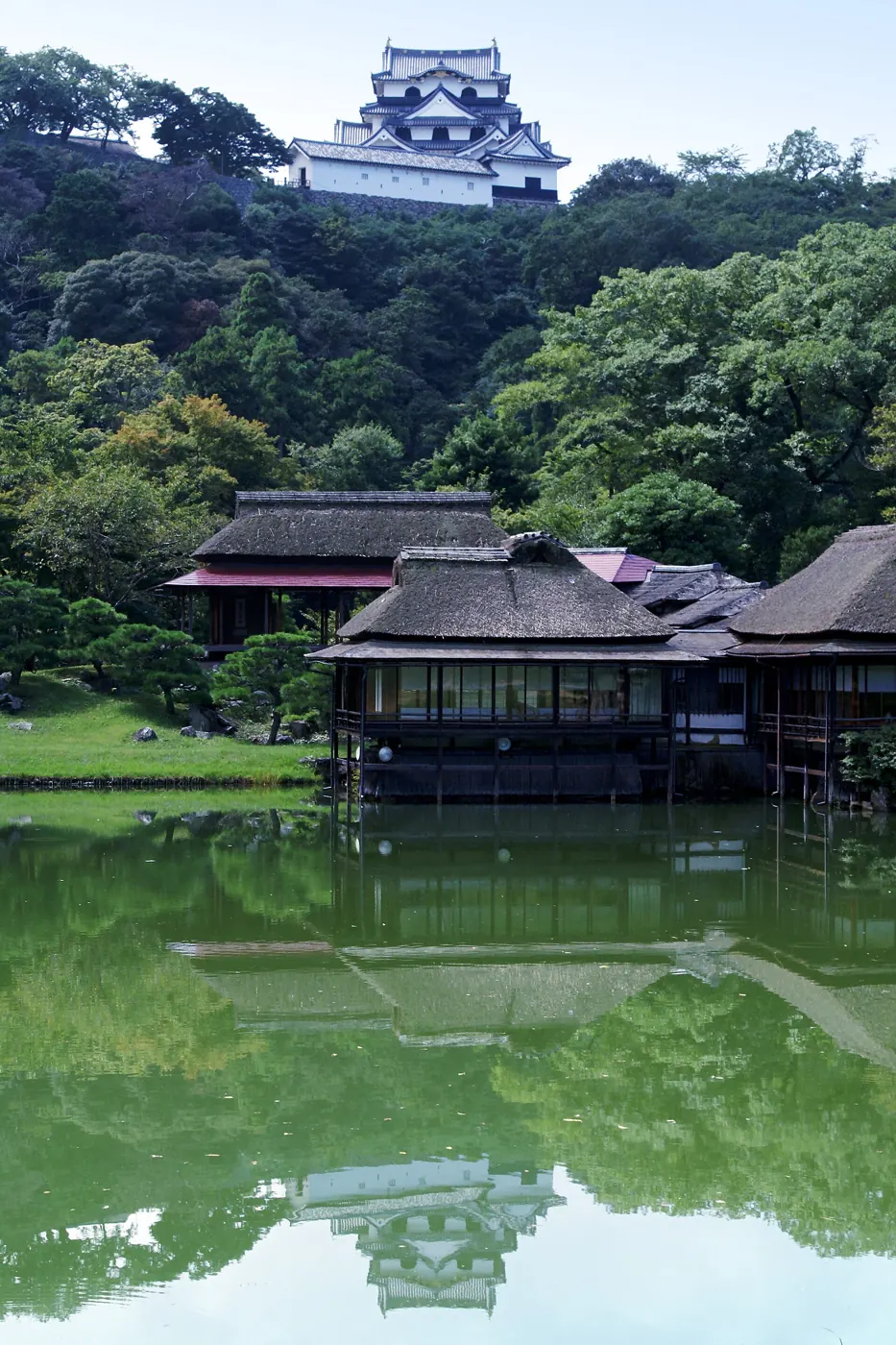 Shakkei借景
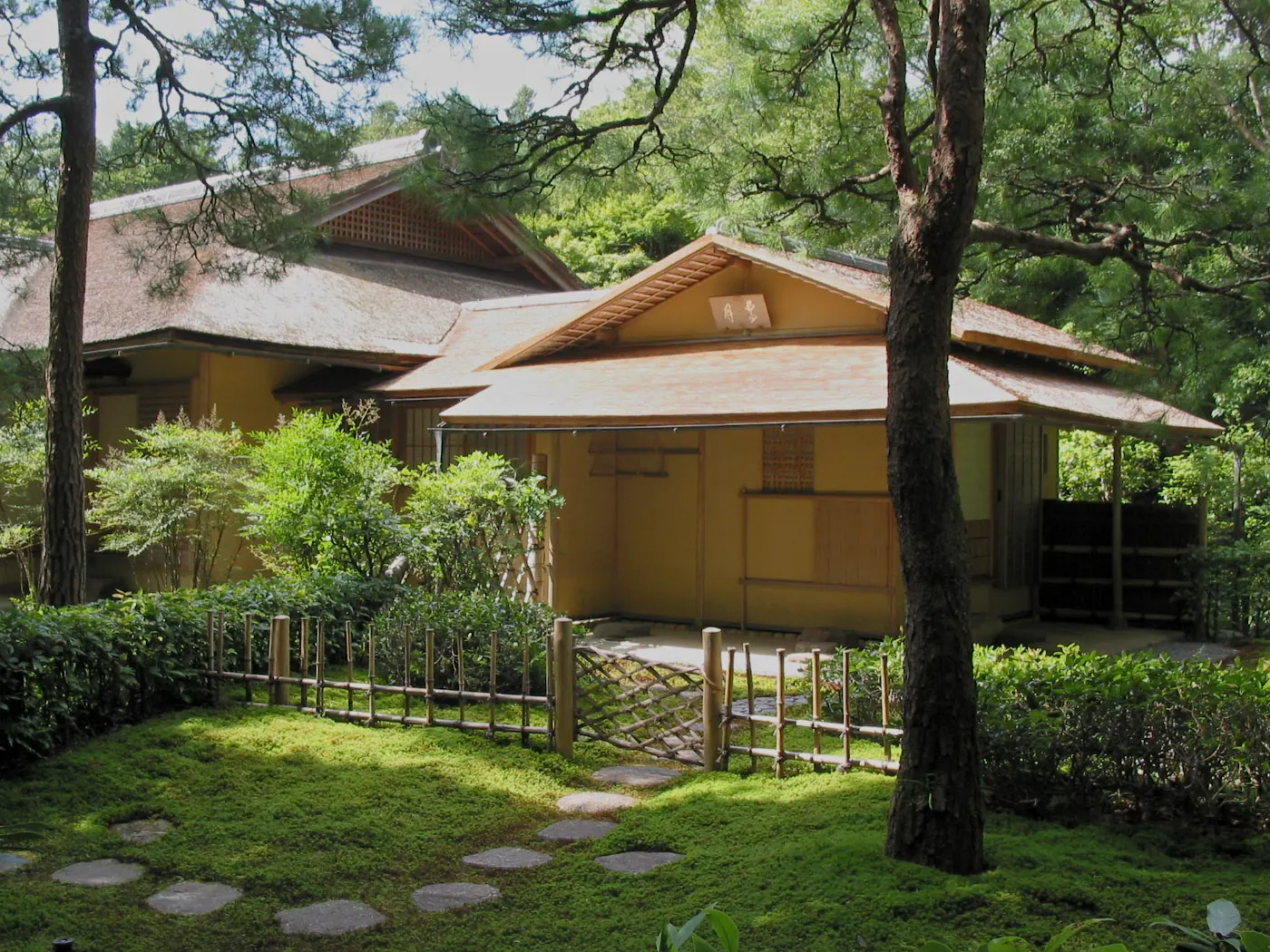 Roji露地
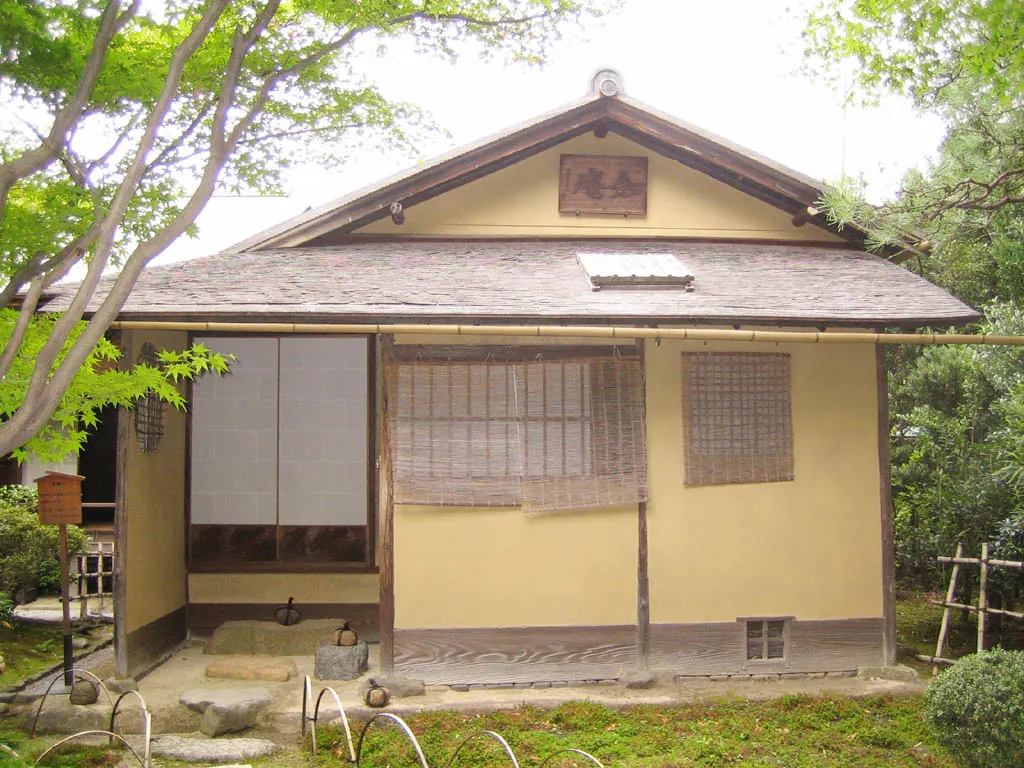 Chashitsu茶室
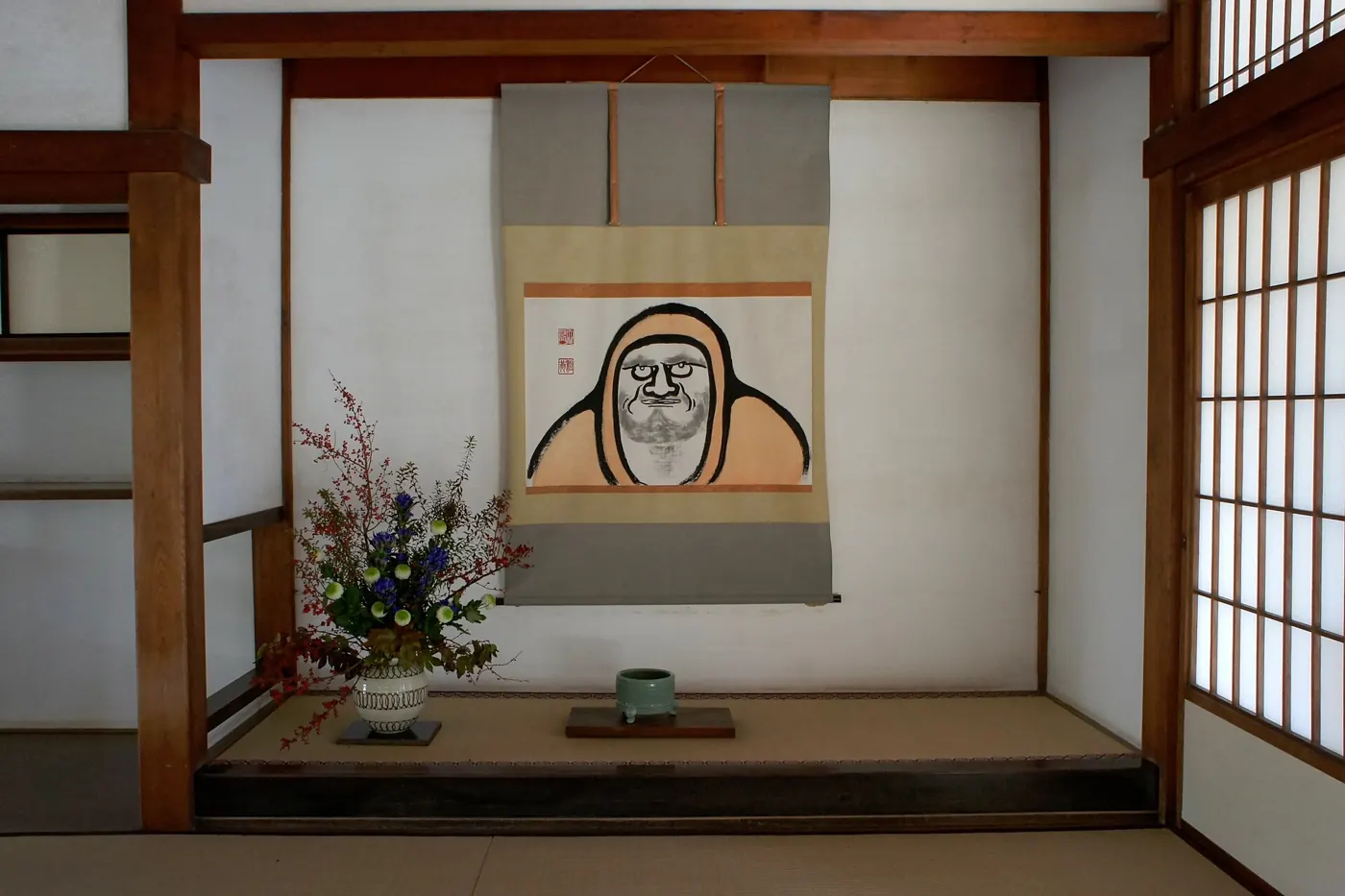 Tokonoma床の間
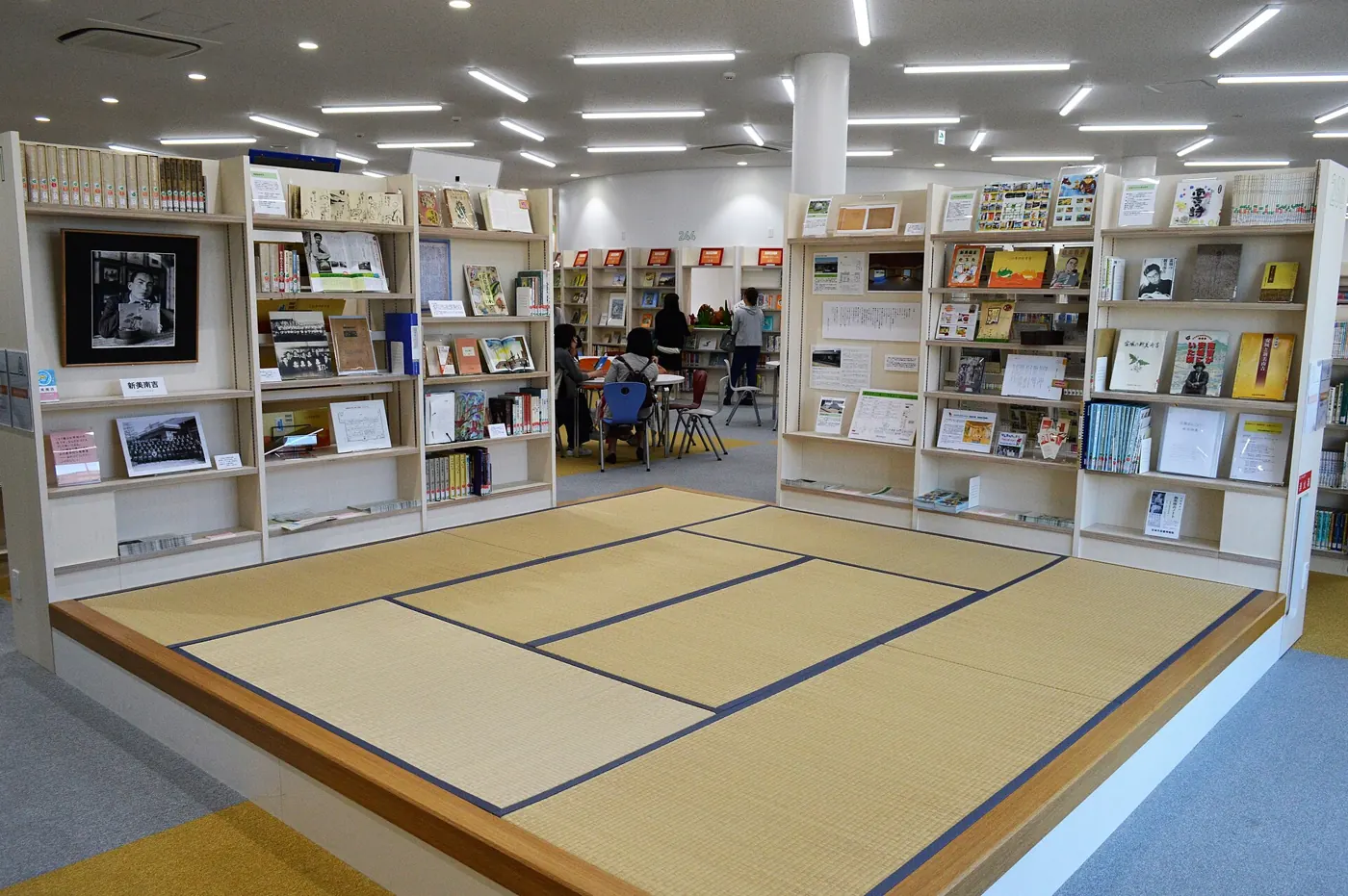 Tatami畳
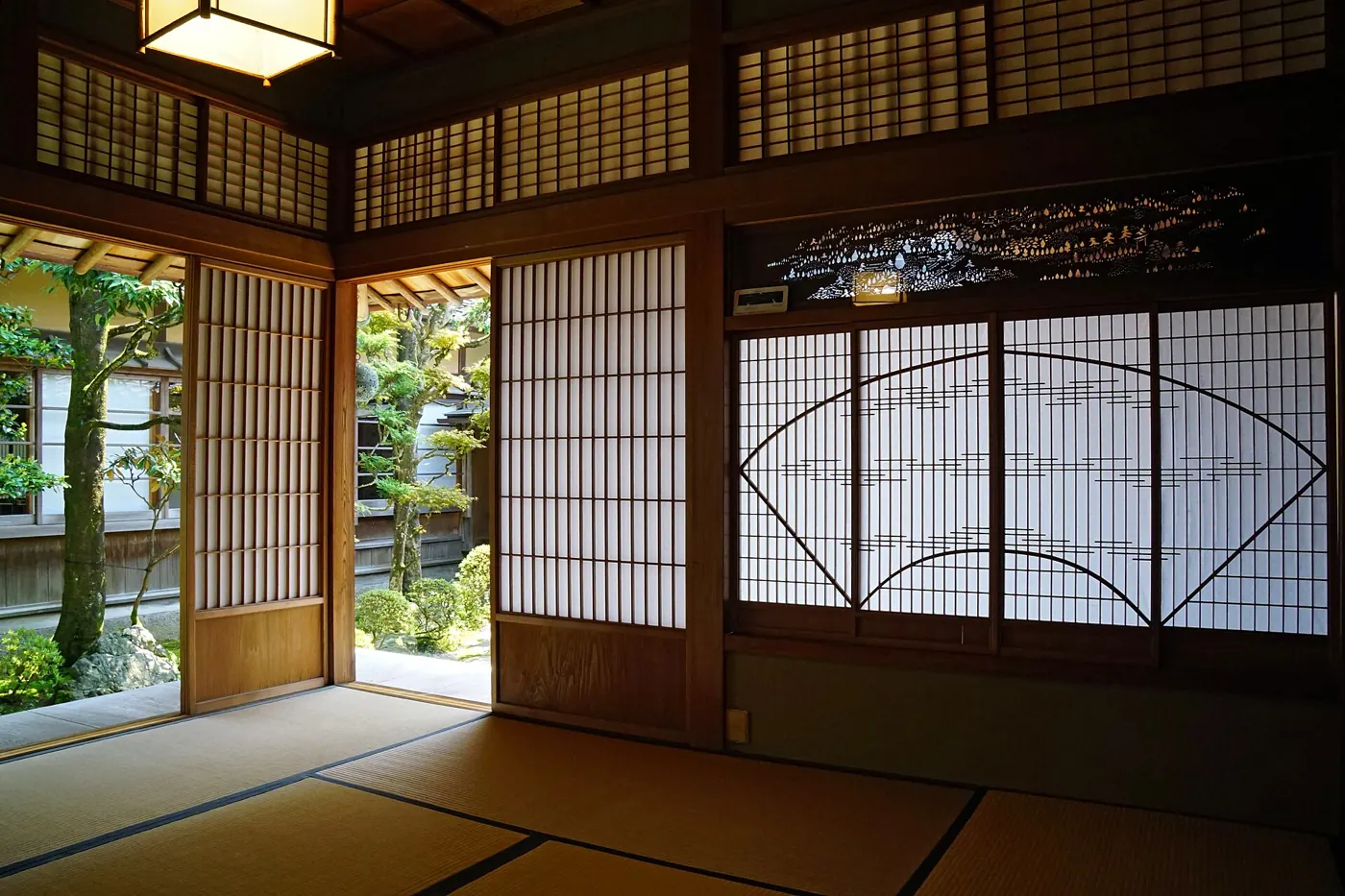 Shōji障子
Open the scanner and compare →