What is this? › Castles, houses & gardens
茶室Chashitsu (tea room)
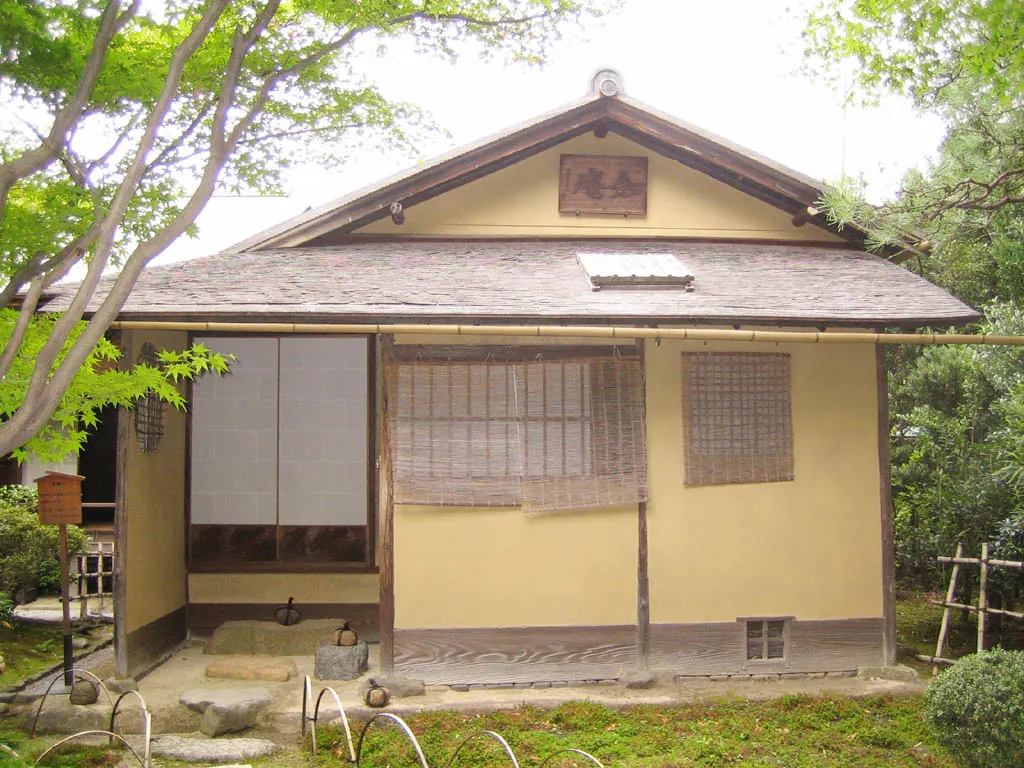
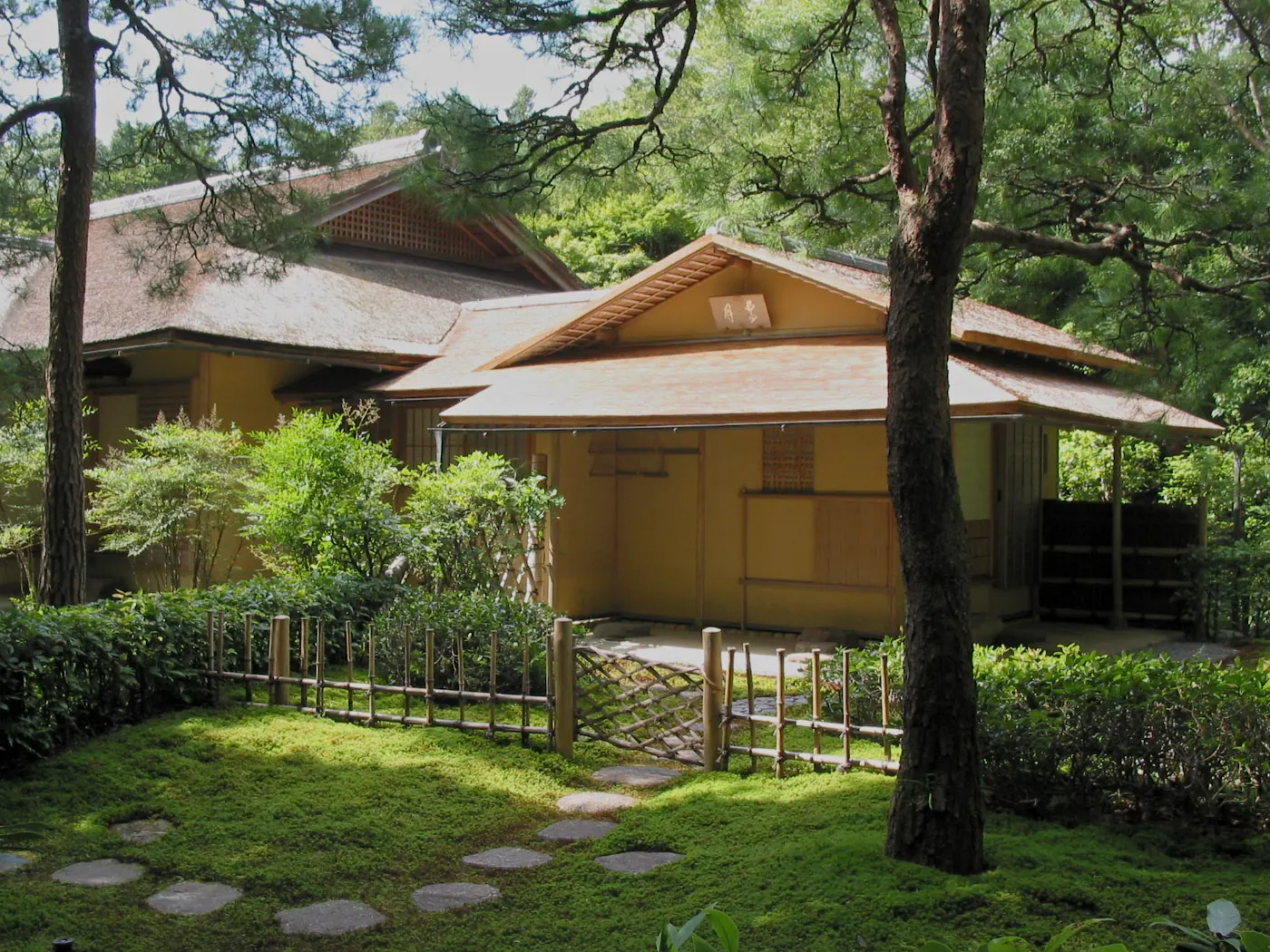
Chashitsu (茶室, 'tea room') in Japanese tradition is an architectural space designed to be used for tea ceremony (chanoyu) gatherings.
The architectural style that developed for chashitsu is referred to as the sukiya style (sukiya-zukuri), and the term sukiya (数奇屋) may be used as a synonym for chashitsu. Related Japanese terms are chaseki (茶席), broadly meaning "place for tea", and implying any sort of space where people are seated to participate in tea ceremony, and chabana, "tea flowers", the style of flower arrangement associated with the tea ceremony.
Typical features of chashitsu are shōji windows and sliding doors made of wooden lattice covered in a translucent Japanese paper; tatami mat floors; a tokonoma alcove; and simple, subdued colours and style. The most typical floor size of a chashitsu is 4.5 tatami mats (7.4 m2; 80 sq ft).
Text from Wikipedia: Chashitsu — CC BY-SA 4.0. Read more on Wikipedia →
見Where to see it
Japan Tourism Agency explanations
旅Try it yourself: Chashitsu (tea room)
Live prices and reviews from GetYourGuide. Many tours can be cancelled for free — check each listing.
Ad: we may earn a commission if you book through these links, at no extra cost to you.
Learn how matcha is prepared and served, step by step.
Check prices →Compare whether a rail pass saves money on your route before you buy tickets.
Check prices →Japan eSIM / mobile data
Ad: we may earn a commission if you book through these links, at no extra cost to you.
問Questions visitors ask
What is Chashitsu (tea room)?
Chashitsu (茶室, 'tea room') in Japanese tradition is an architectural space designed to be used for tea ceremony (chanoyu) gatherings.
Where can I see Chashitsu (tea room)?
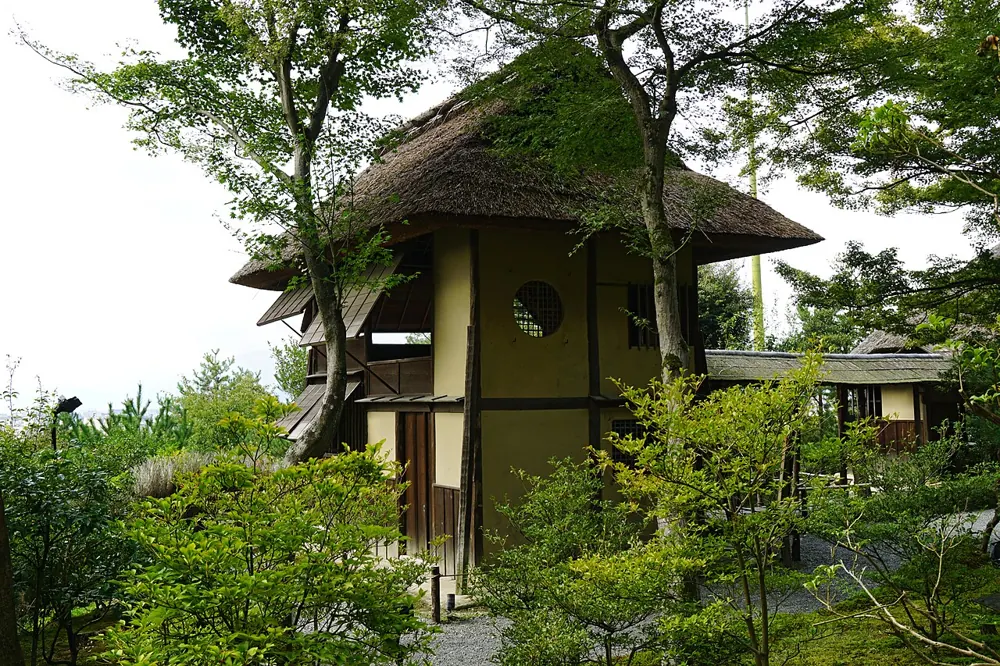
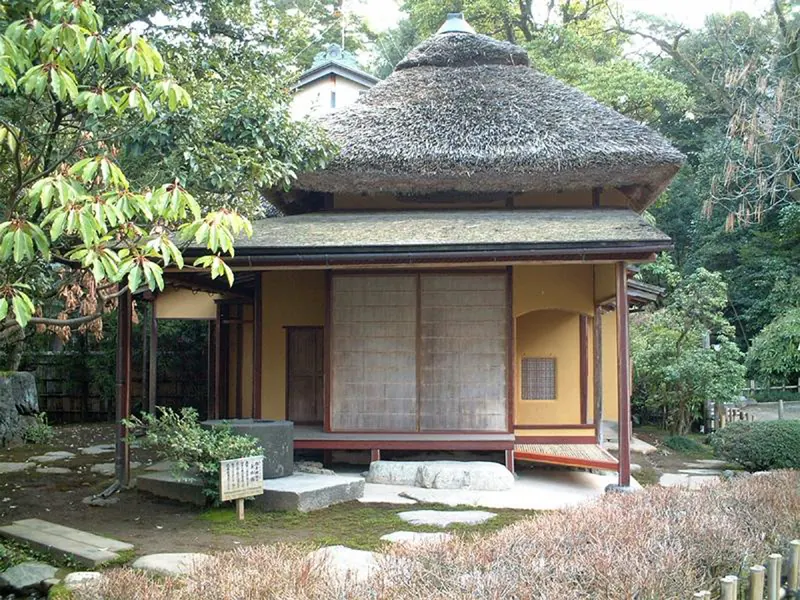
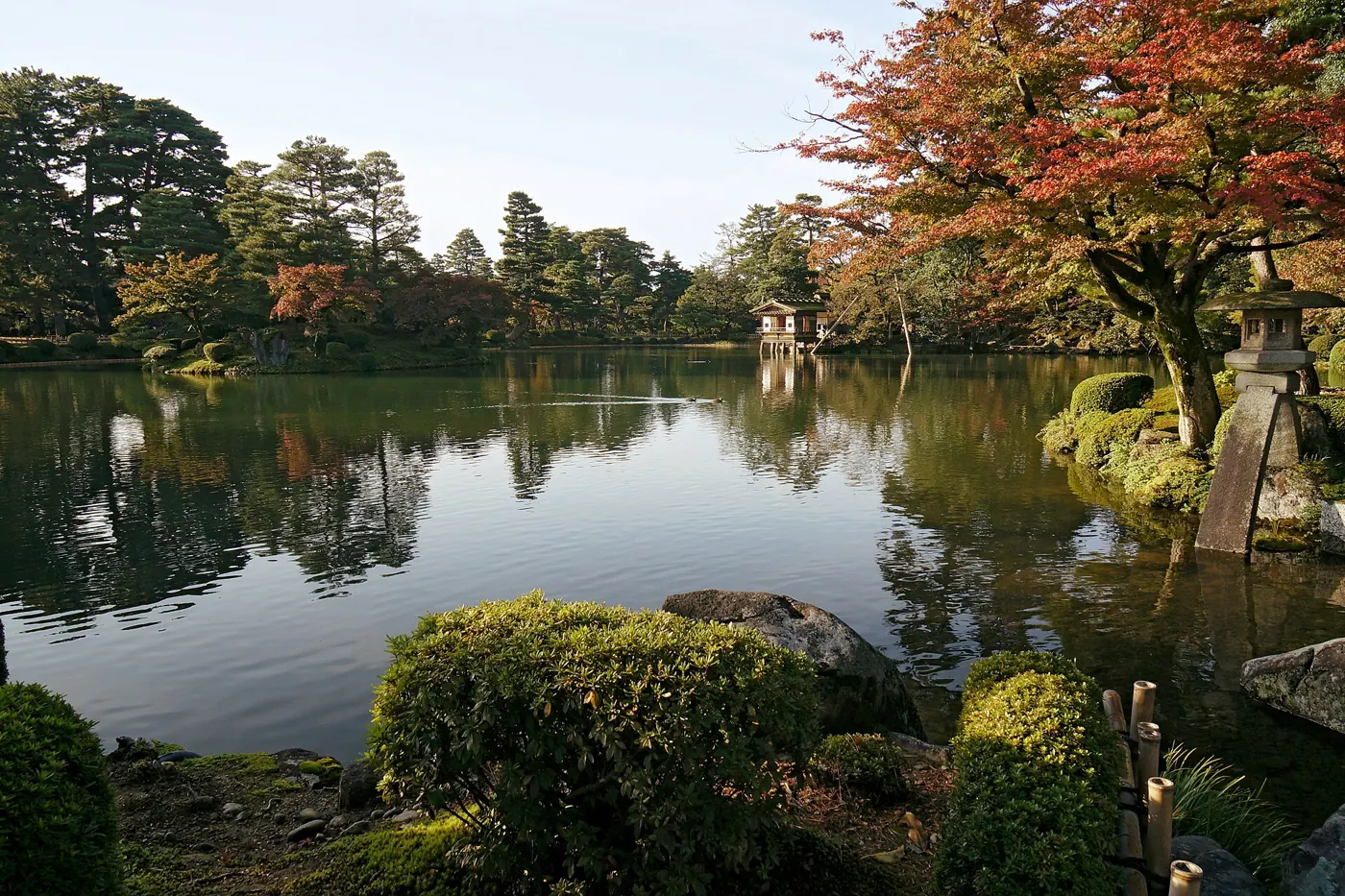
Places on Torii Guide where it is mentioned include: Imperial Palace East Gardens, Kenroku-en Garden.
城Castles, houses & gardens
 Tenshu天守
 Ishigaki石垣
 Yagura櫓
 Hori堀
 Japanese castles日本の城
 Japanese gardens日本庭園
 Shakkei借景
 Roji露地
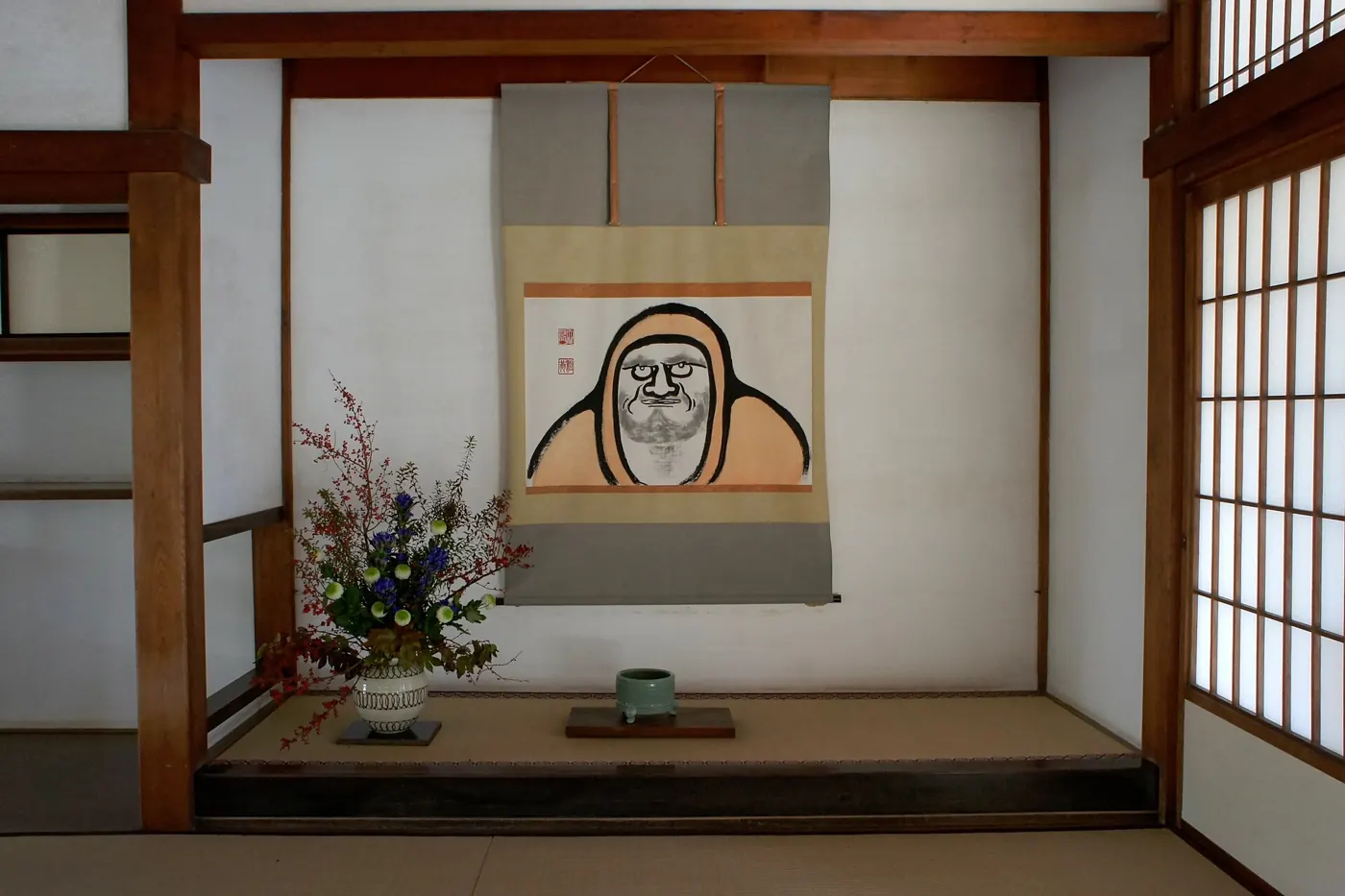 Tokonoma床の間
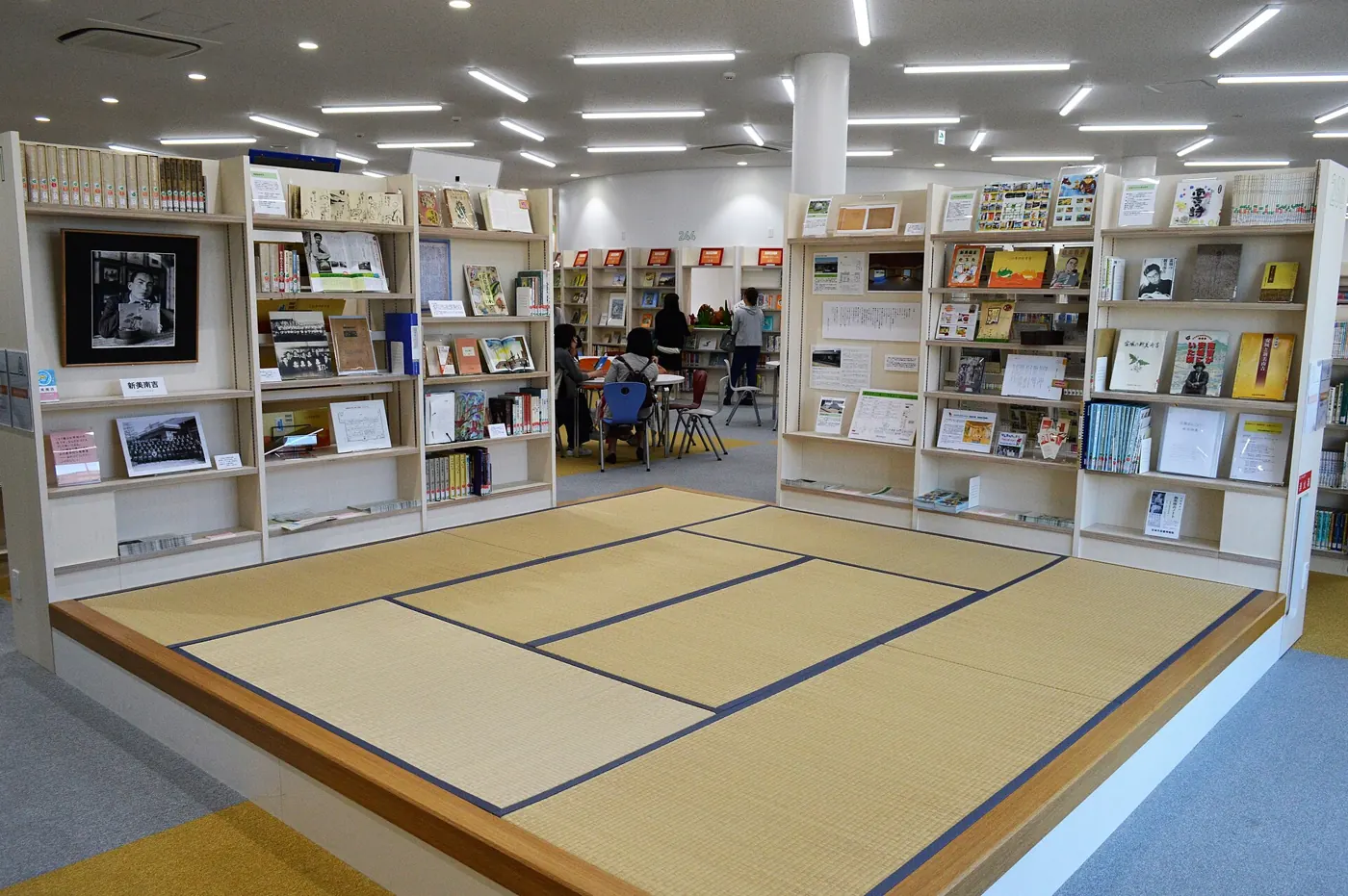 Tatami畳
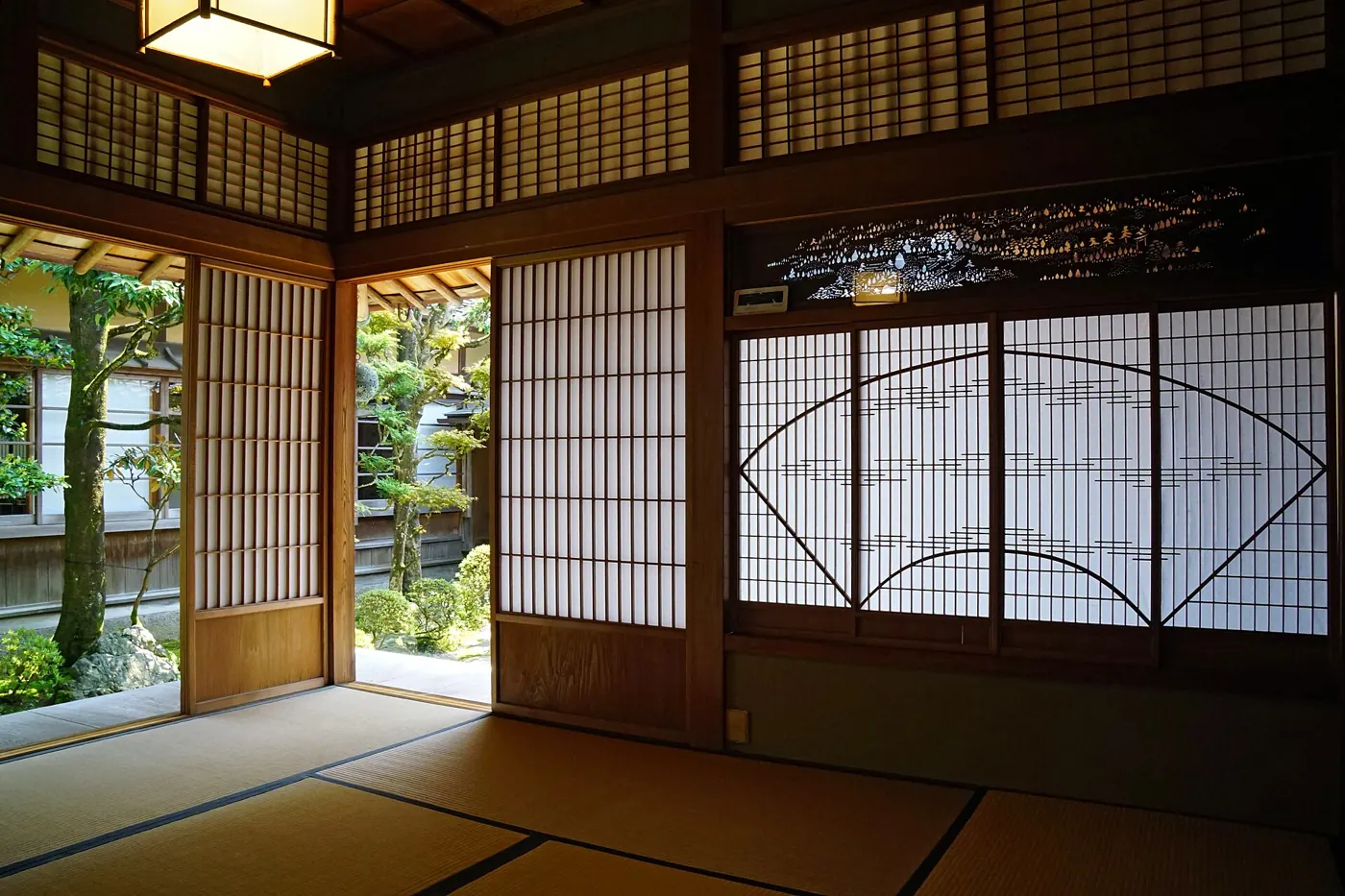 Shōji障子
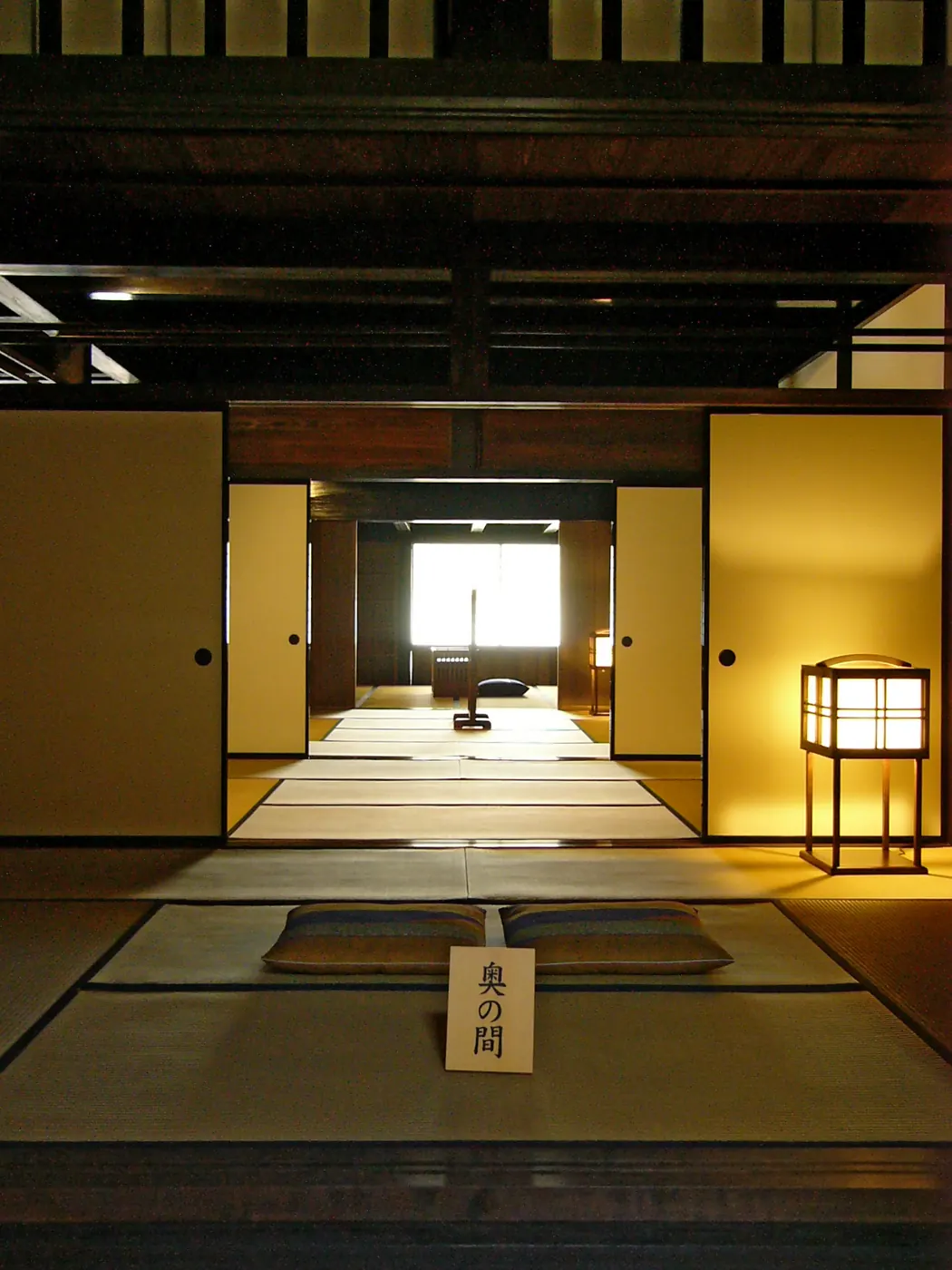 Fusuma襖
Open the scanner and compare →