茶室茶寮
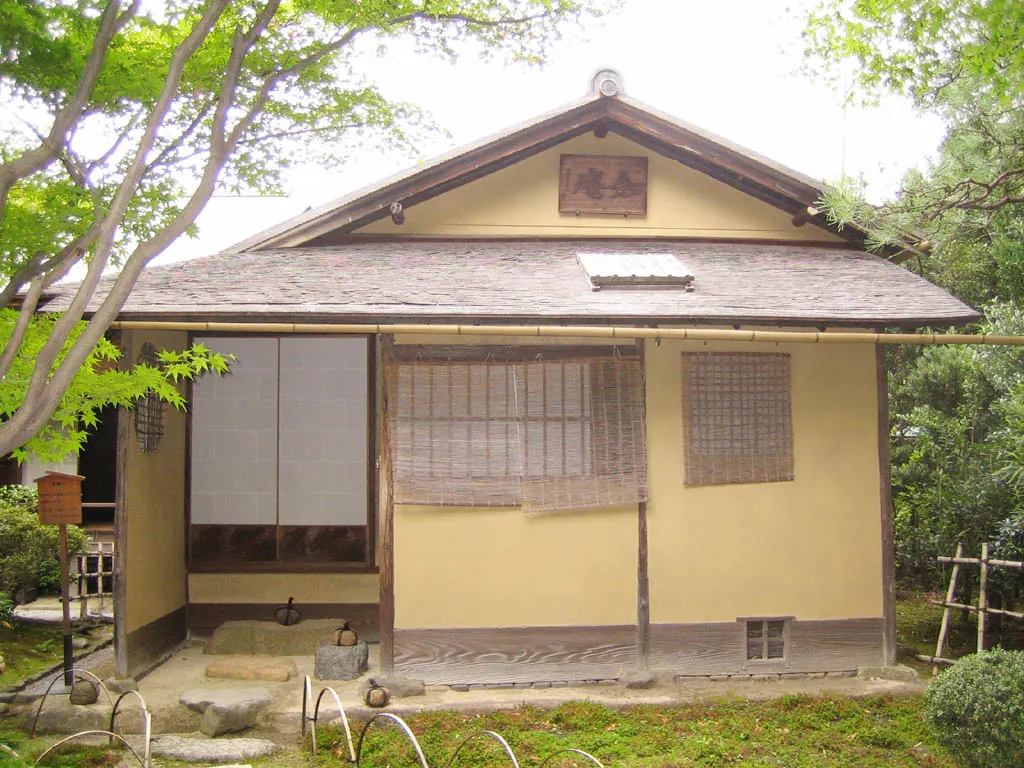
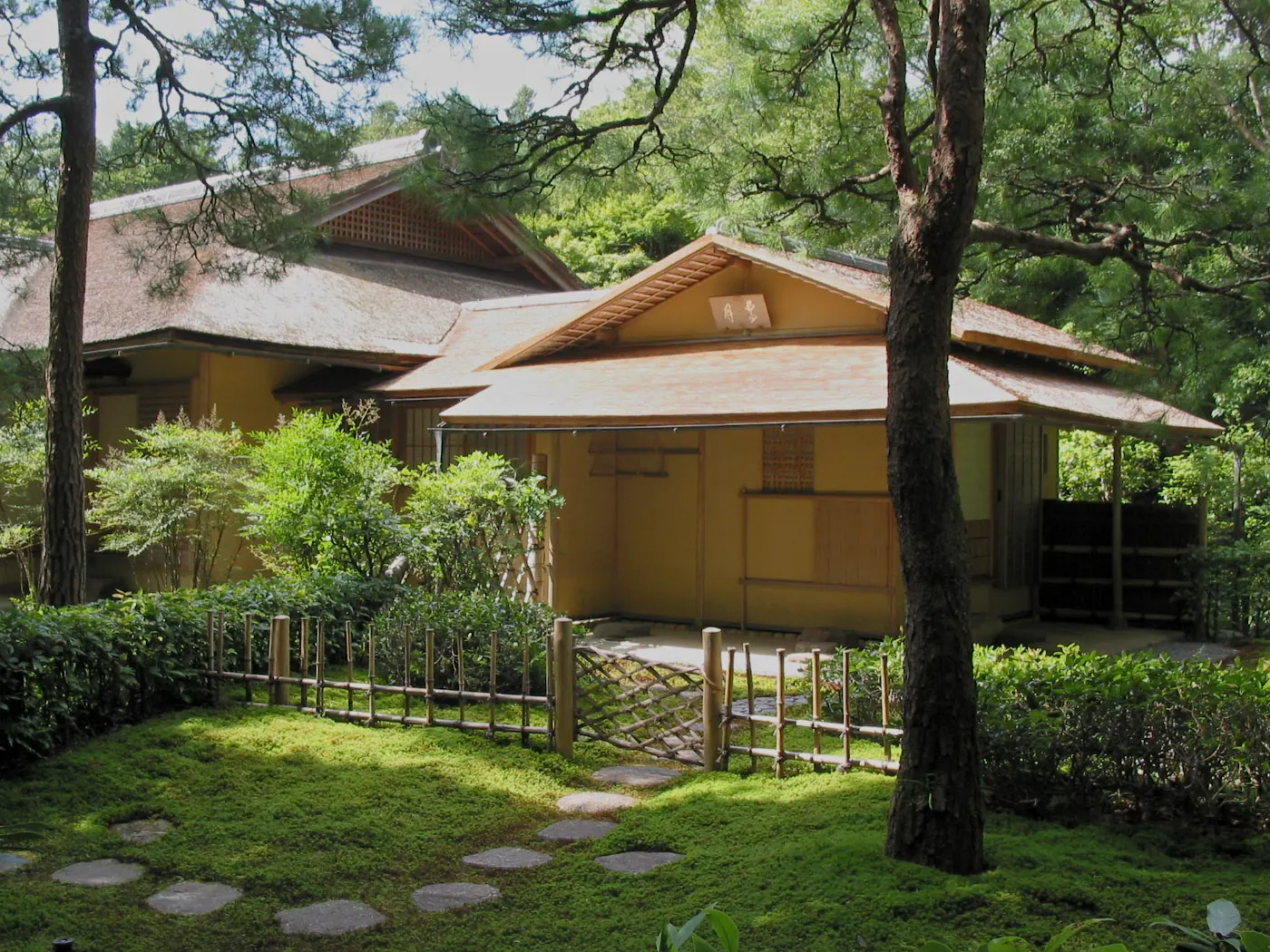
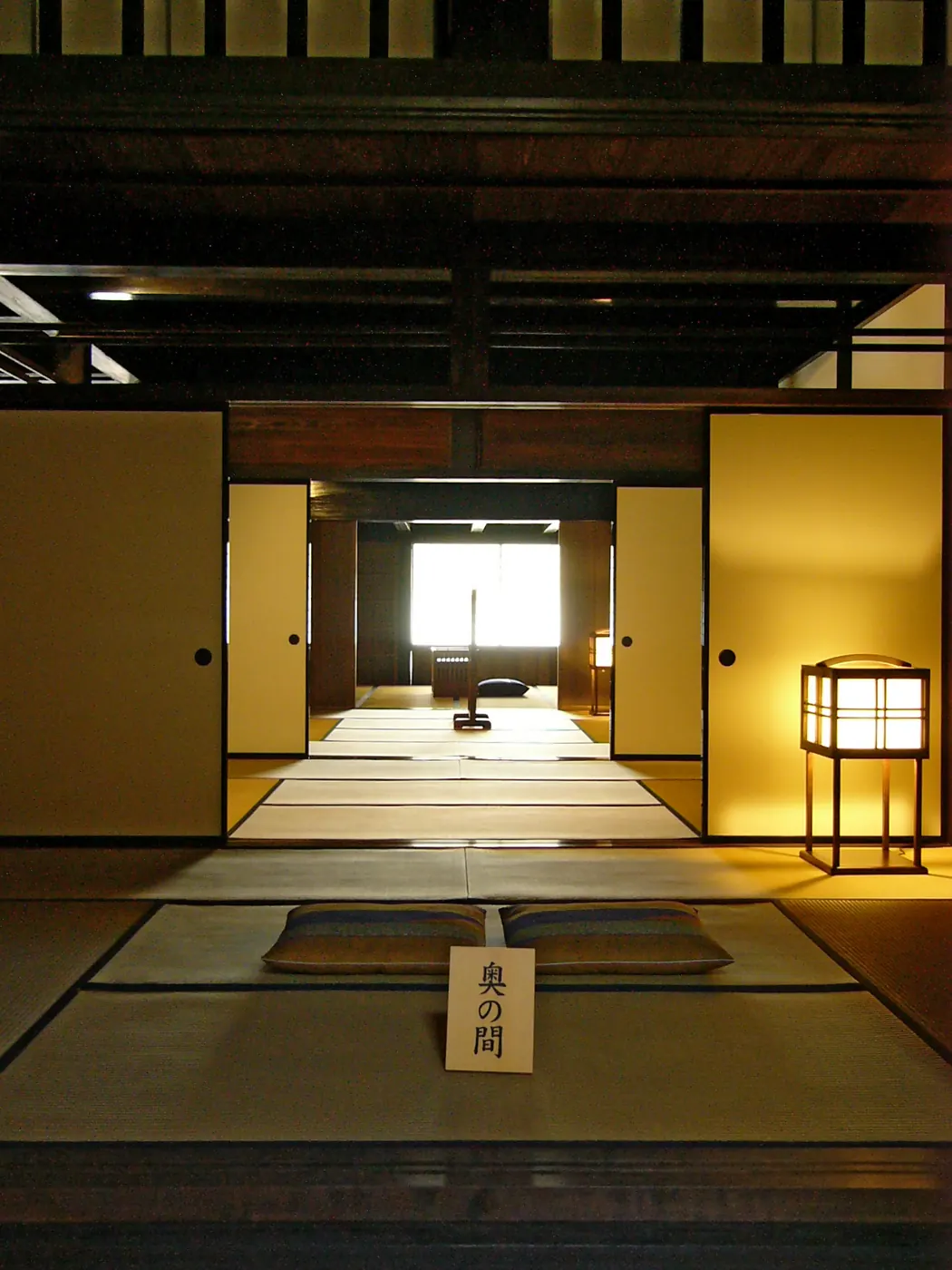
Chashitsu (茶室, 'tea room') in Japanese tradition is an architectural space designed to be used for tea ceremony (chanoyu) gatherings.
The architectural style that developed for chashitsu is referred to as the sukiya style (sukiya-zukuri), and the term sukiya (数奇屋) may be used as a synonym for chashitsu. Related Japanese terms are chaseki (茶席), broadly meaning "place for tea", and implying any sort of space where people are seated to participate in tea ceremony, and chabana, "tea flowers", the style of flower arrangement associated with the tea ceremony.
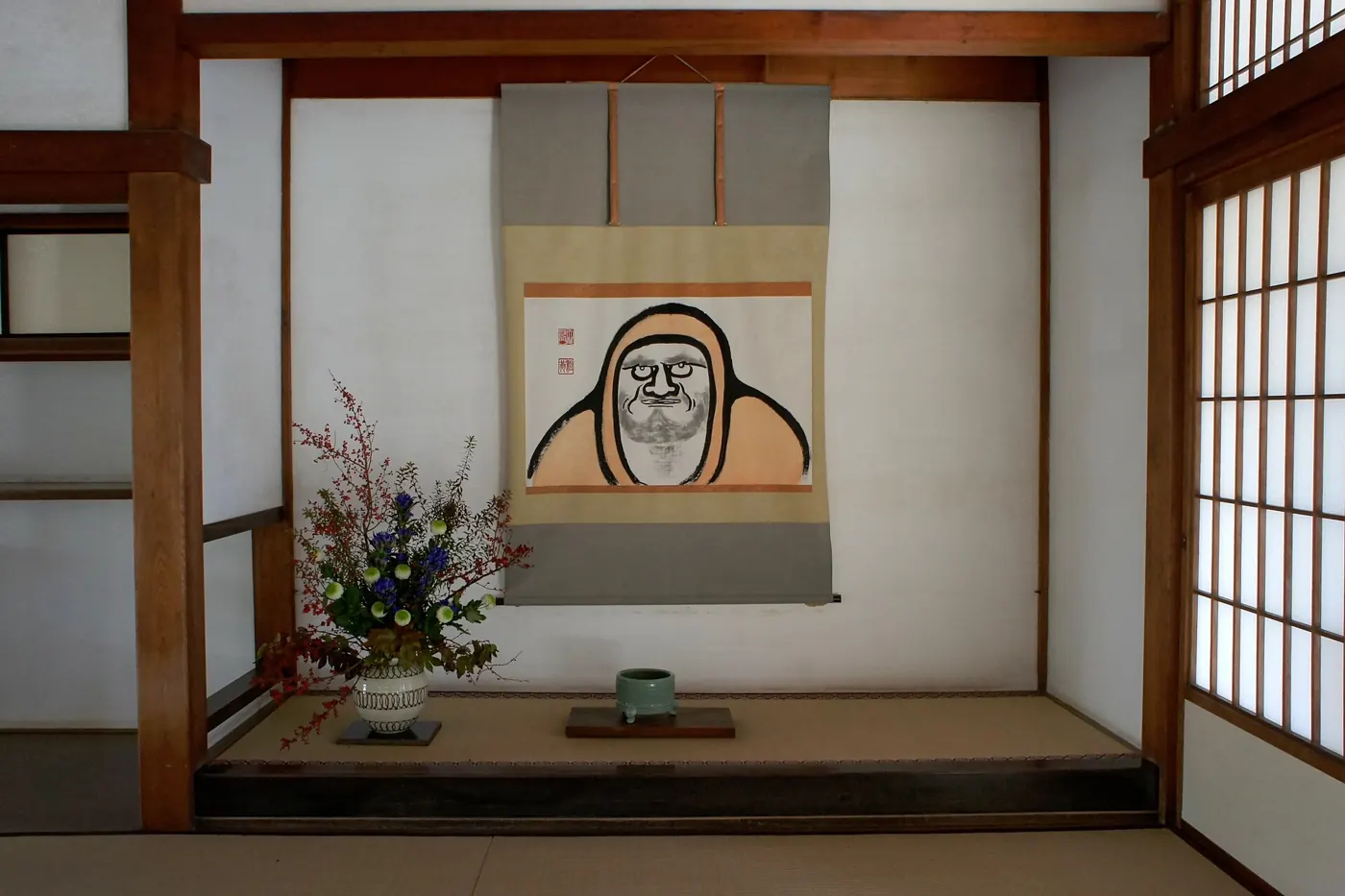
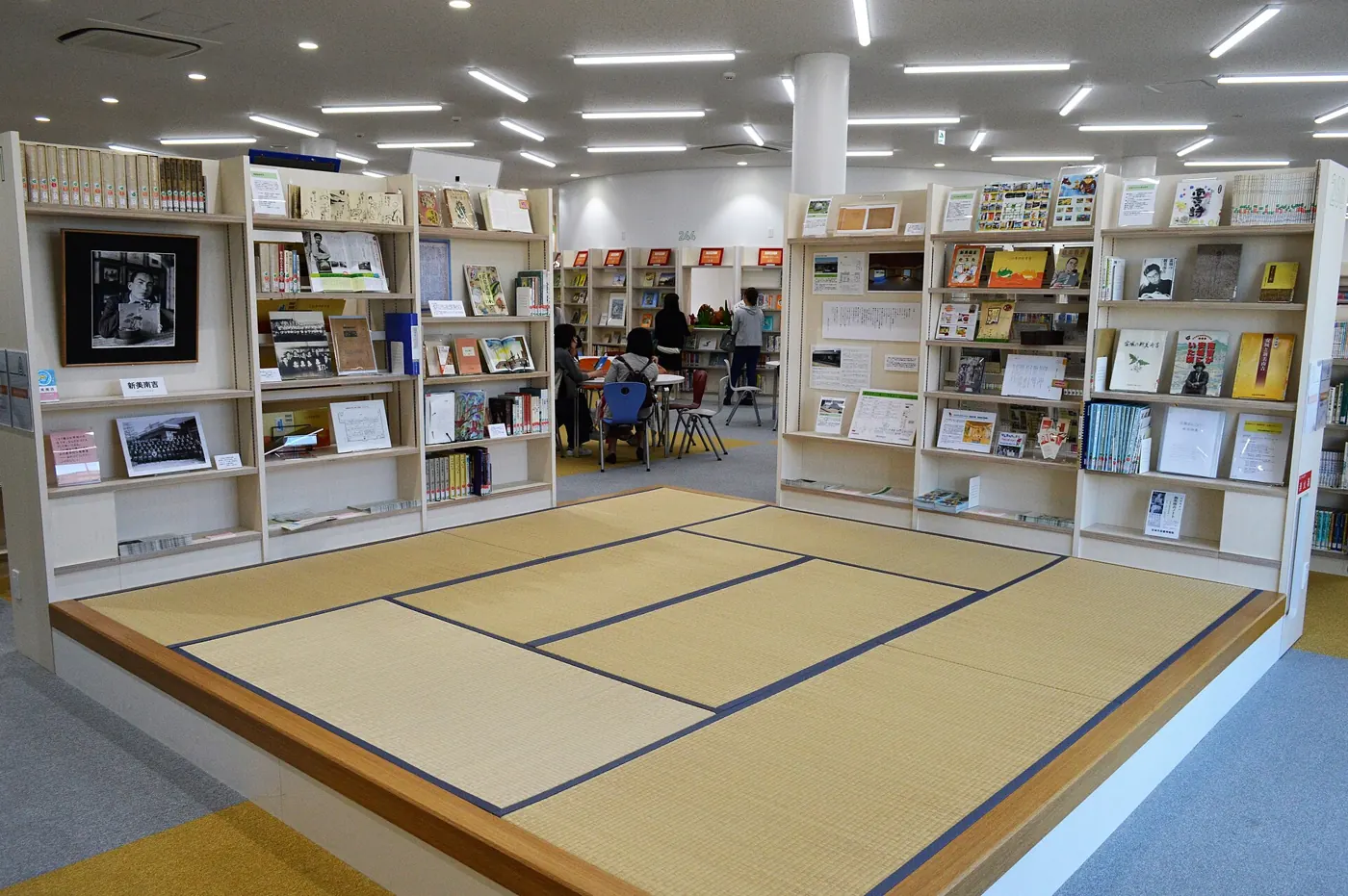
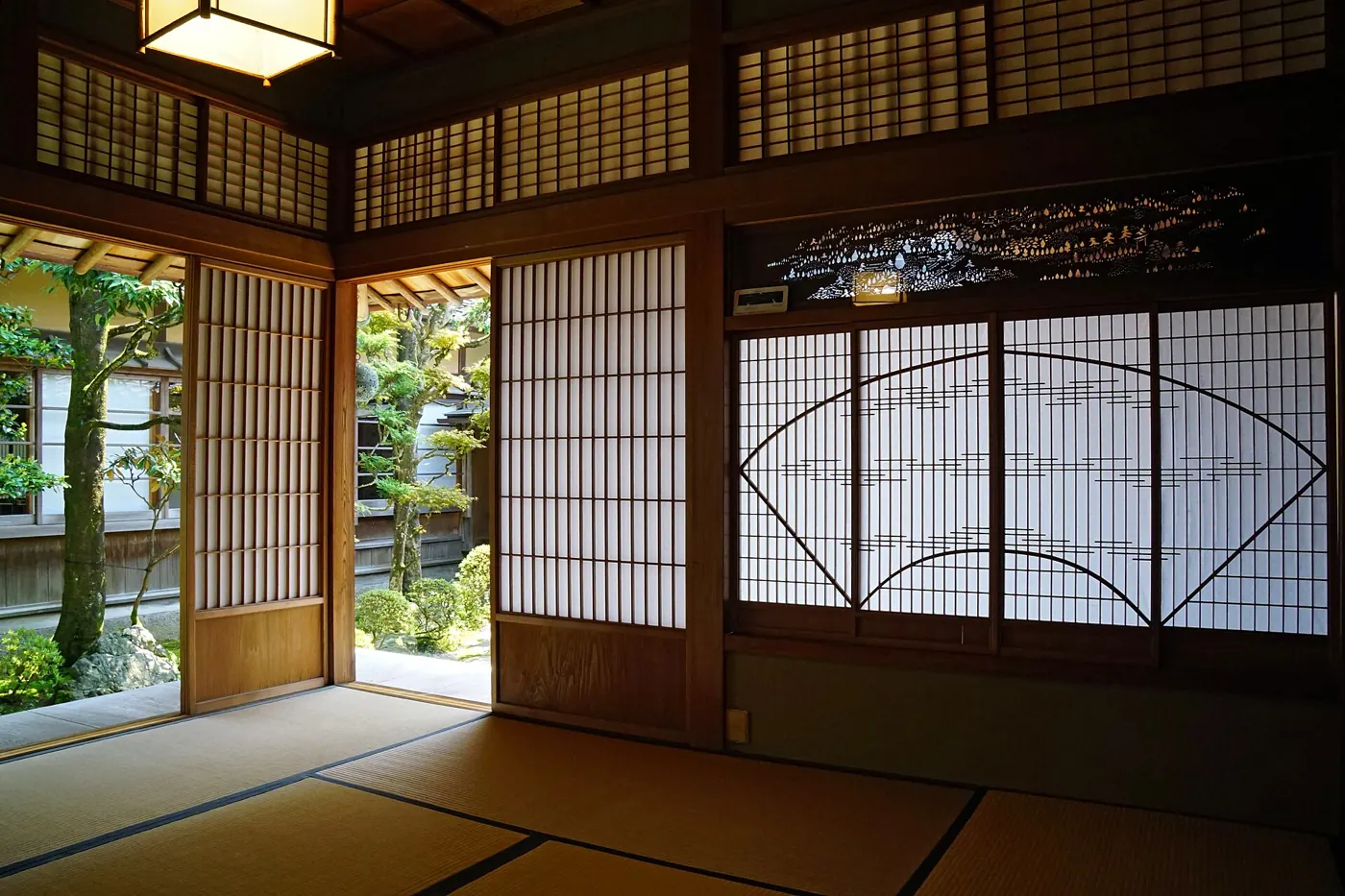
Typical features of chashitsu are shōji windows and sliding doors made of wooden lattice covered in a translucent Japanese paper; tatami mat floors; a tokonoma alcove; and simple, subdued colours and style. The most typical floor size of a chashitsu is 4.5 tatami mats (7.4 m2; 80 sq ft).
文字来源:维基百科: Chashitsu — CC BY-SA 4.0. 在维基百科阅读更多 →
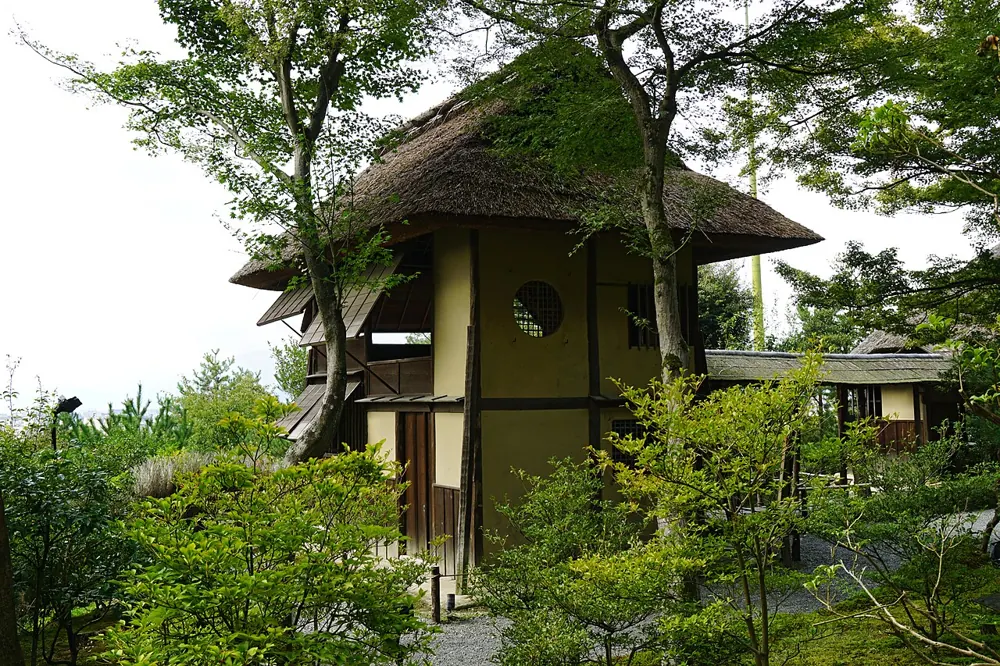
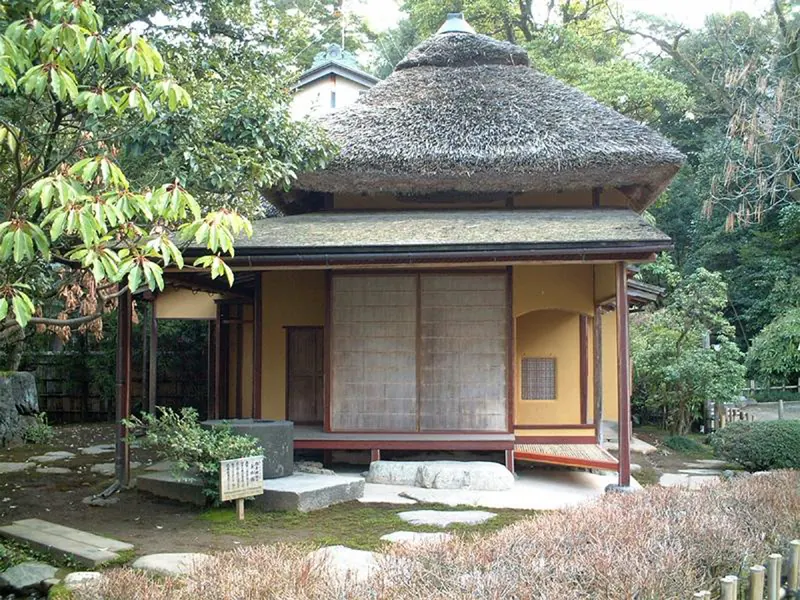
見哪里看得到
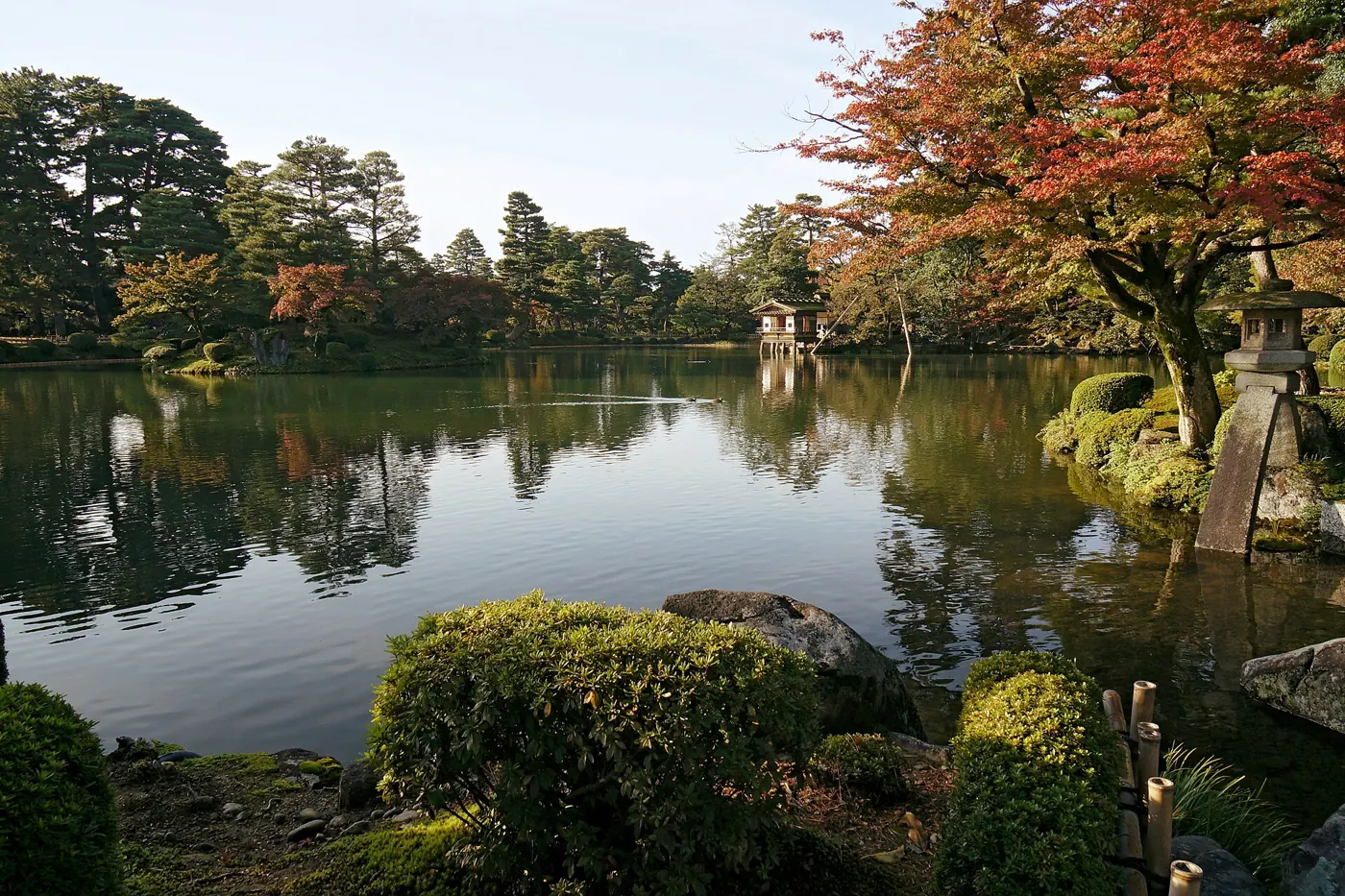
日本观光厅的英文解说
旅亲自体验:茶寮
价格与评论来自 GetYourGuide 实时信息。许多行程可免费取消(请见各页)。
广告:通过这些链接预订,本站可能获得佣金,您的费用不变。
Learn how matcha is prepared and served, step by step.
查看价格 →Compare whether a rail pass saves money on your route before you buy tickets.
查看价格 →Japan eSIM / mobile data
广告:通过这些链接预订,本站可能获得佣金,您的费用不变。
問常见问题
什么是茶寮?
Chashitsu (茶室, 'tea room') in Japanese tradition is an architectural space designed to be used for tea ceremony (chanoyu) gatherings.
哪里可以看到茶寮?
本站介绍的地点中,皇居東御苑, 兼六園等处有提到。
城城、建筑与庭园
 天守
 石牆石垣
 櫓
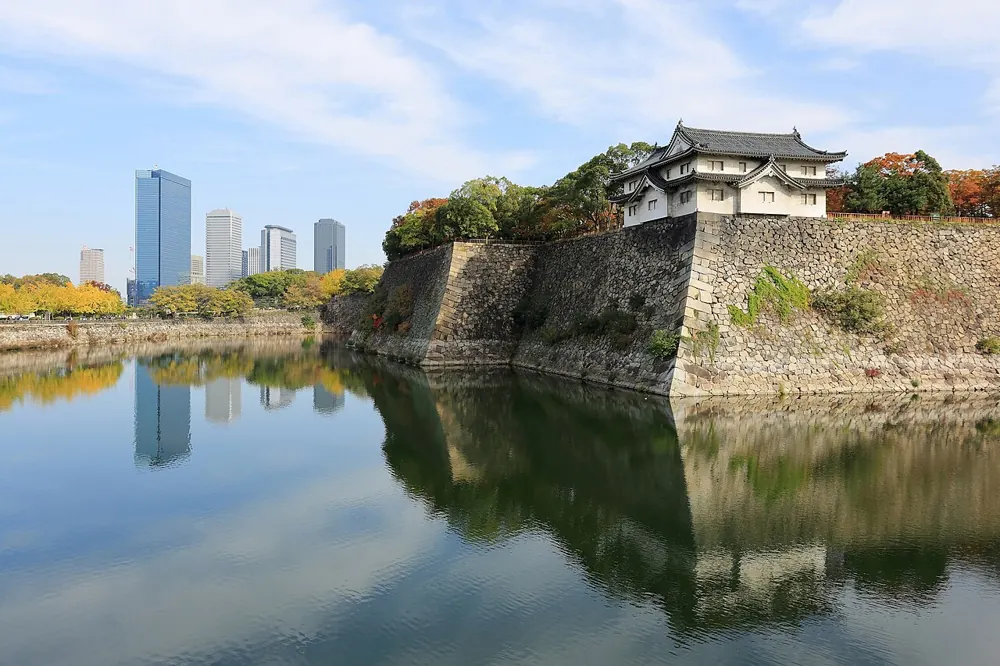 护城河堀
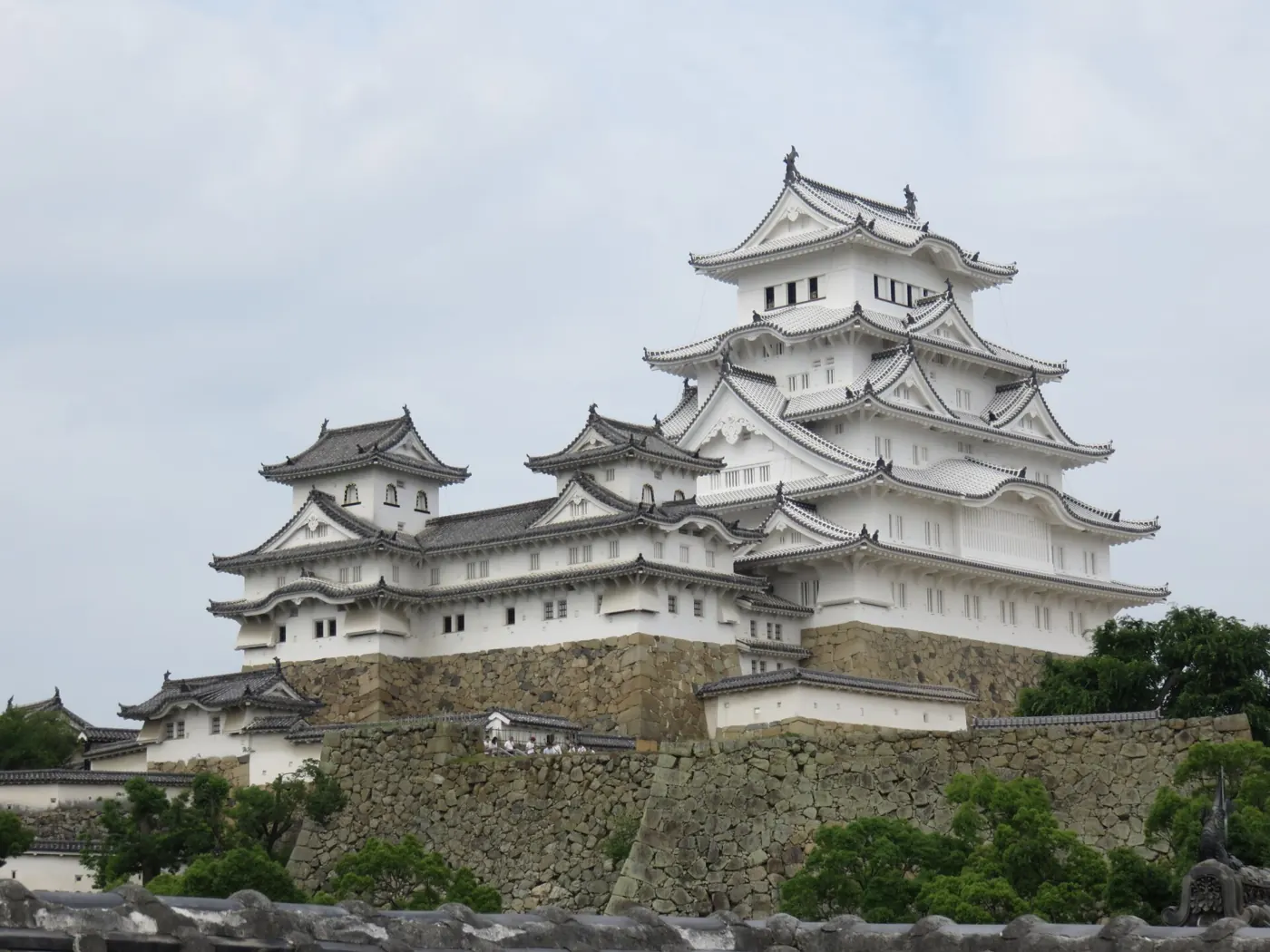 日式城堡日本の城
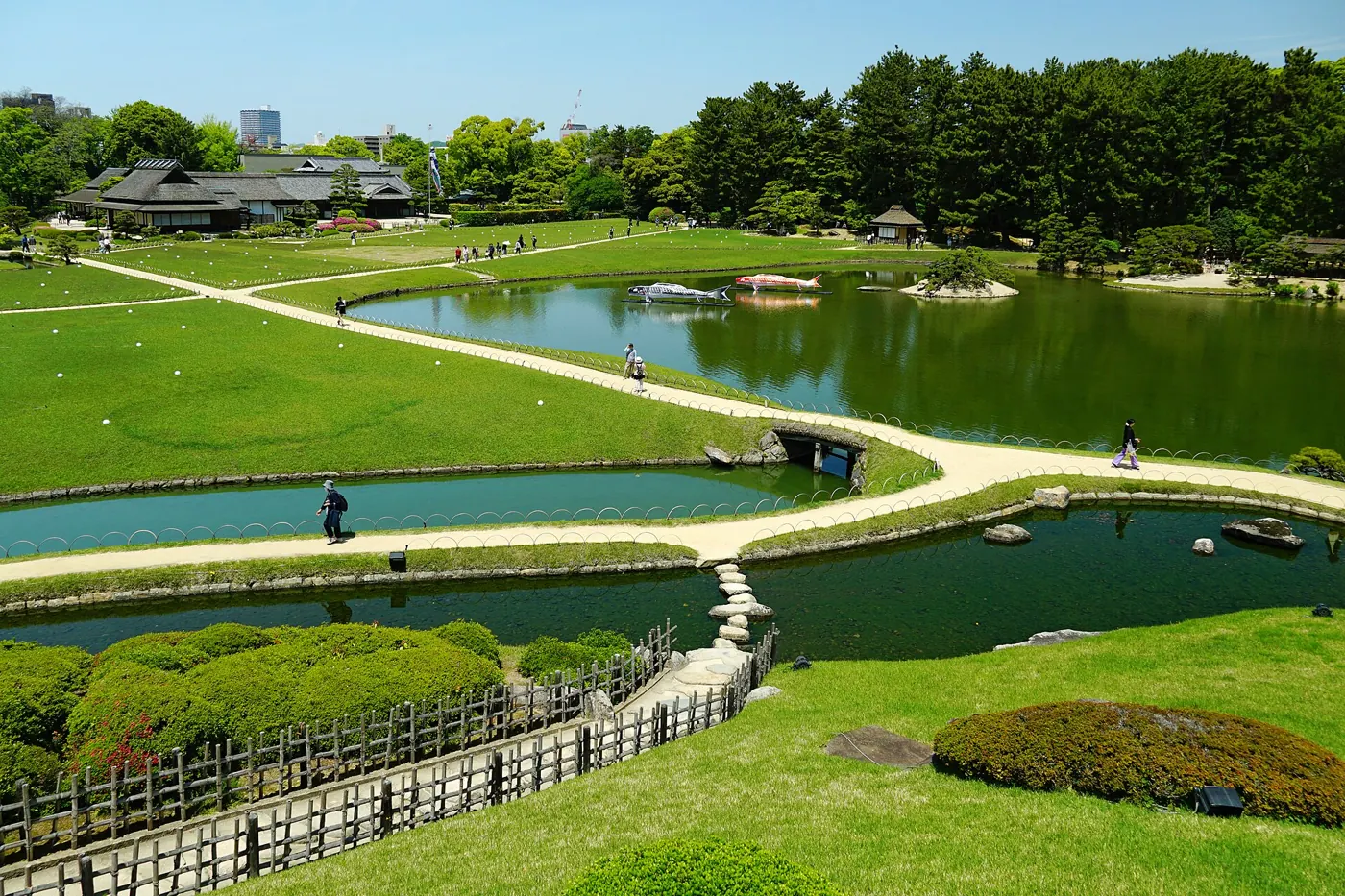 日本庭園
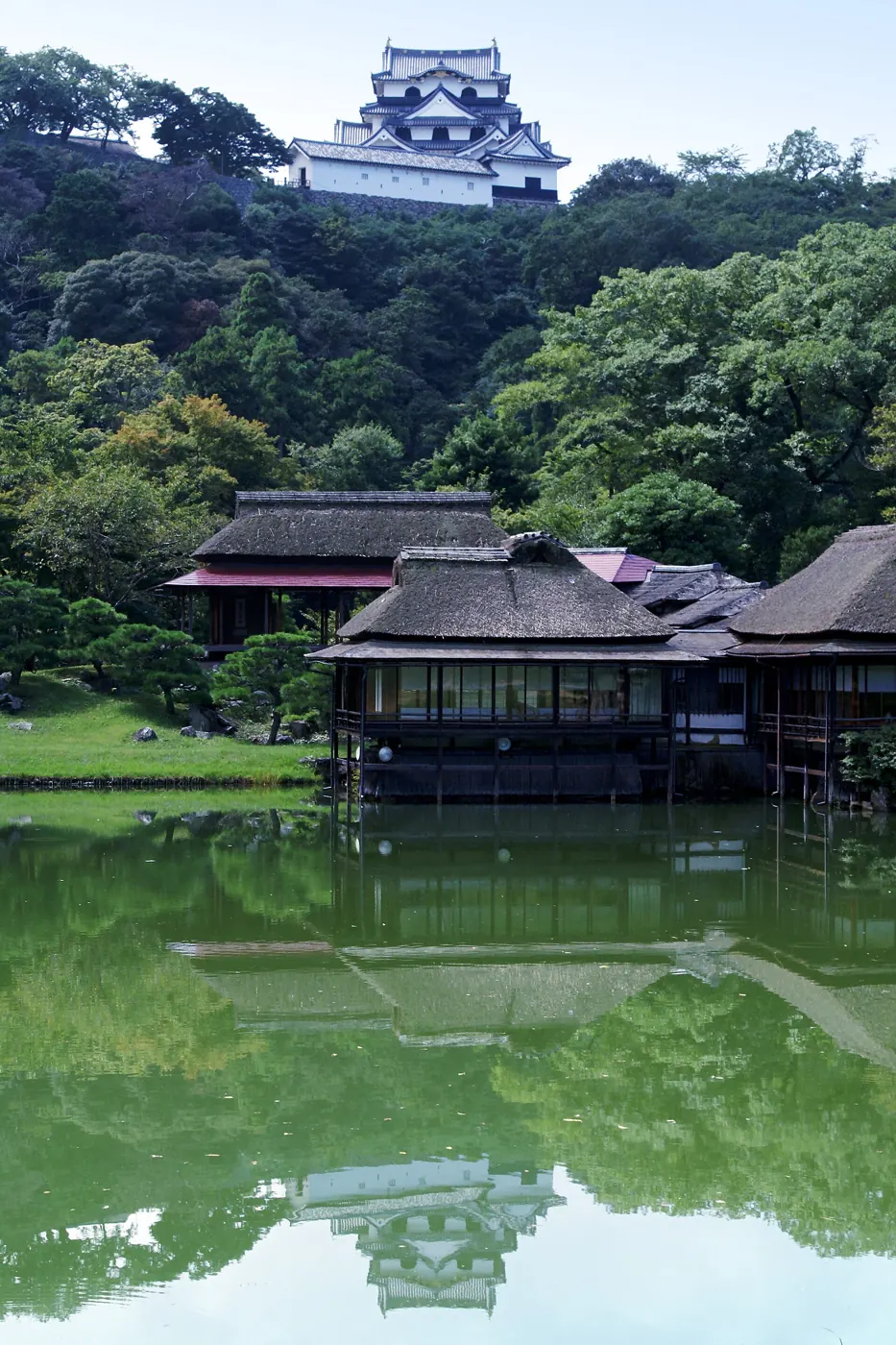 Shakkei借景
 露地
 凹間床の間
 叠席畳
 障子
 襖繪襖
打开识别并比对 →