What is this? › Castles, houses & gardens
堀Hori (moat)
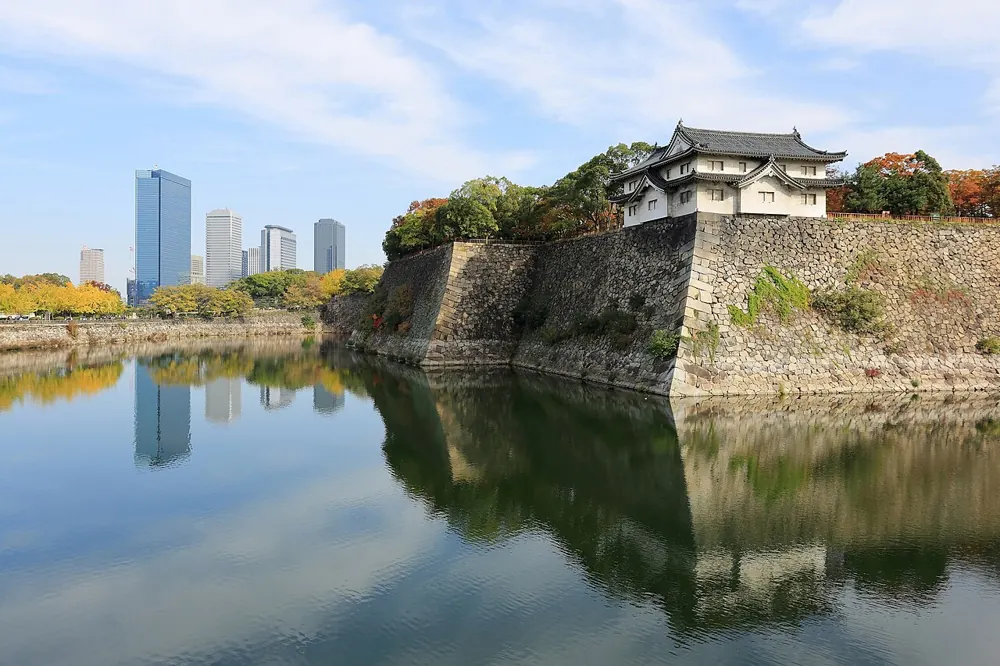
A moat is a deep, broad ditch dug around a castle, fortification, building or garrisoned town, either dry or filled with water, historically to provide the site with a preliminary line of defence, particularly against siege engines. Moats typically deny all direct land access except at a few narrow locations traversed by drawbridges, bridges or causeways, into which a siege will be funneled and thus easier to defend against.
In some places, moats evolved into more extensive water defences, including natural or artificial lakes, dams and sluices. In older fortifications, such as hillforts, they are usually referred to simply as ditches, although the function is similar. In later periods, moats or water defences may be largely ornamental. They could also act as a sewer.
Text from Wikipedia: Moat — CC BY-SA 4.0. Read more on Wikipedia →
見Where to see it
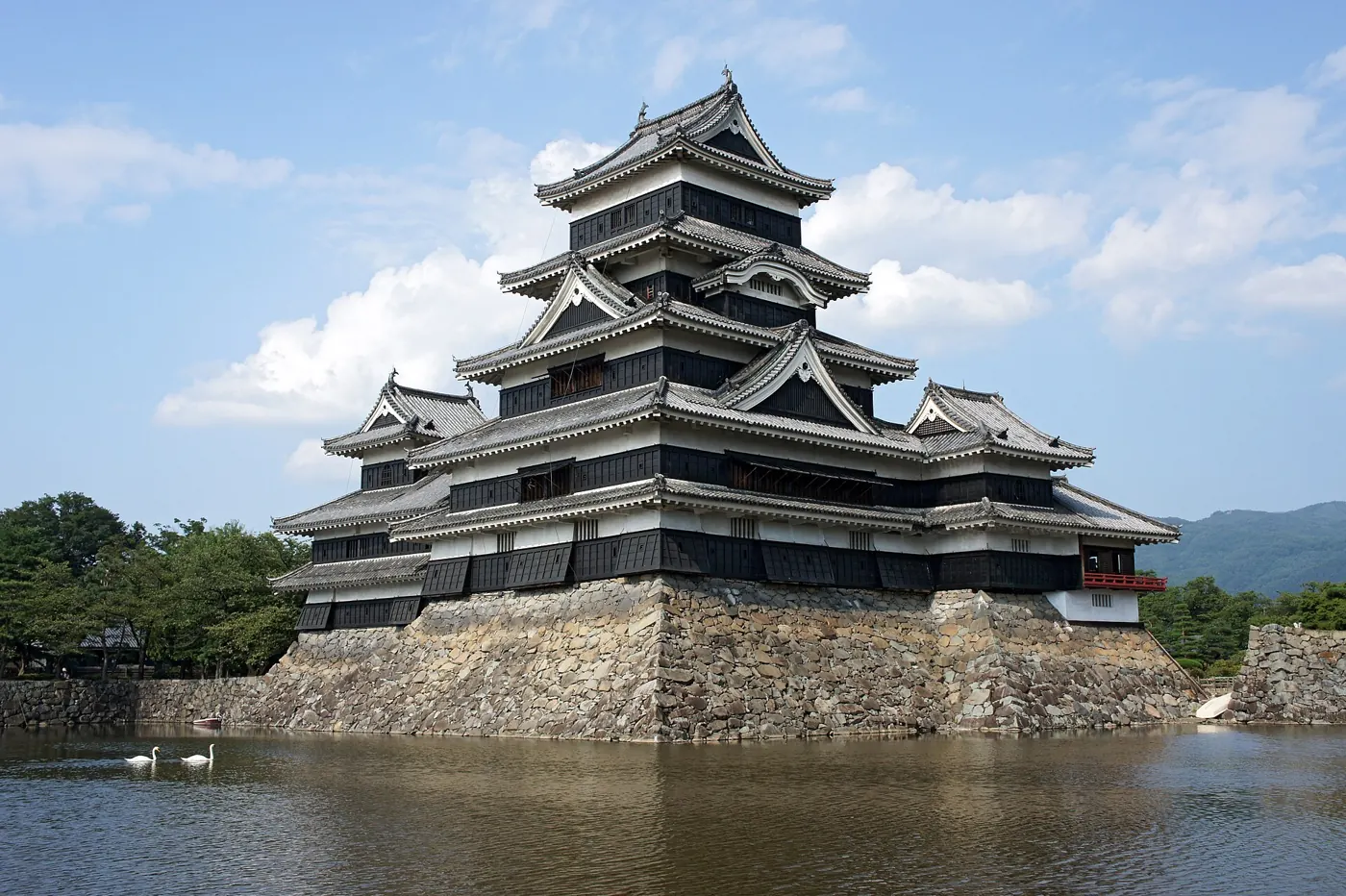
Japan Tourism Agency explanations
旅Try it yourself: Hori (moat)
Live prices and reviews from GetYourGuide. Many tours can be cancelled for free — check each listing.
Ad: we may earn a commission if you book through these links, at no extra cost to you.
Compare whether a rail pass saves money on your route before you buy tickets.
Check prices →Japan eSIM / mobile data
Ad: we may earn a commission if you book through these links, at no extra cost to you.
問Questions visitors ask
What is Hori (moat)?
A moat is a deep, broad ditch dug around a castle, fortification, building or garrisoned town, either dry or filled with water, historically to provide the site with a preliminary line of defence, particularly against siege engines.
Where can I see Hori (moat)?
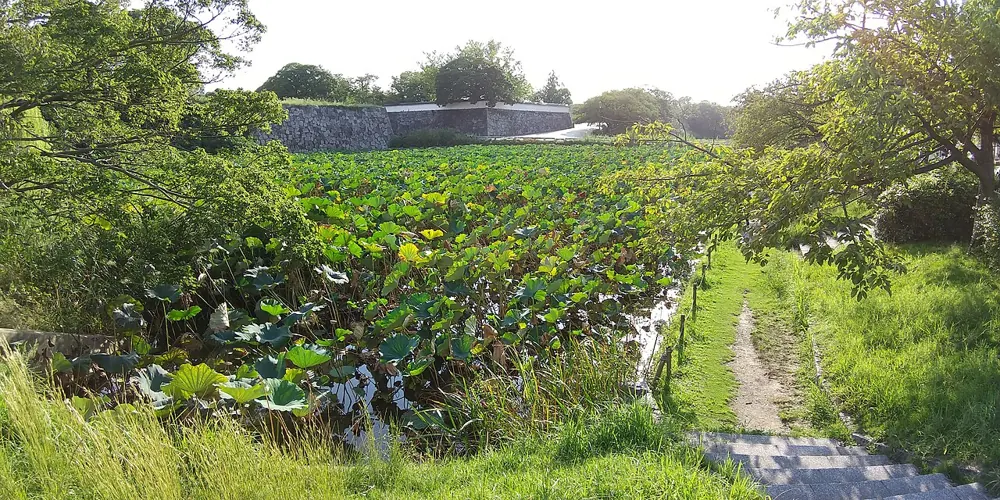
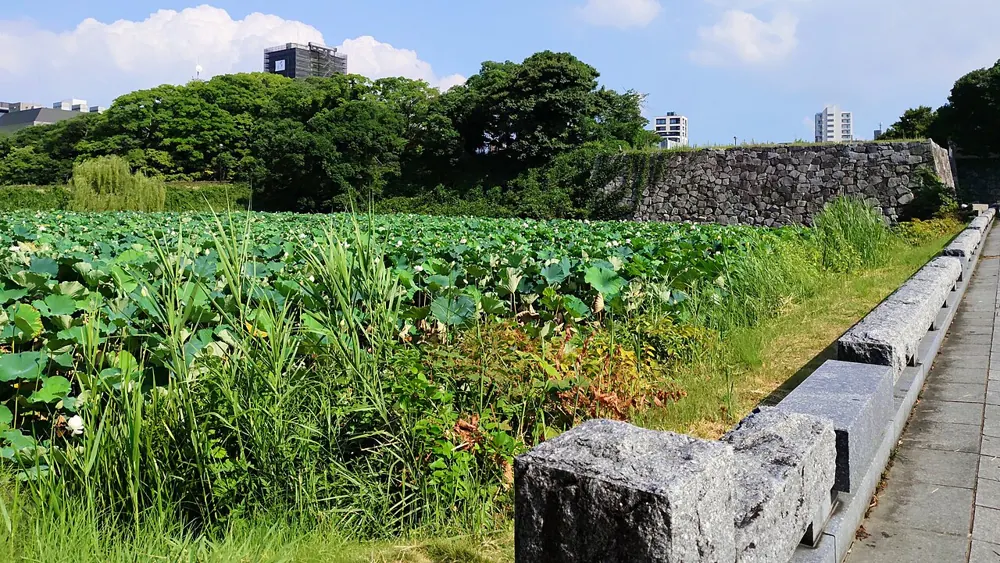
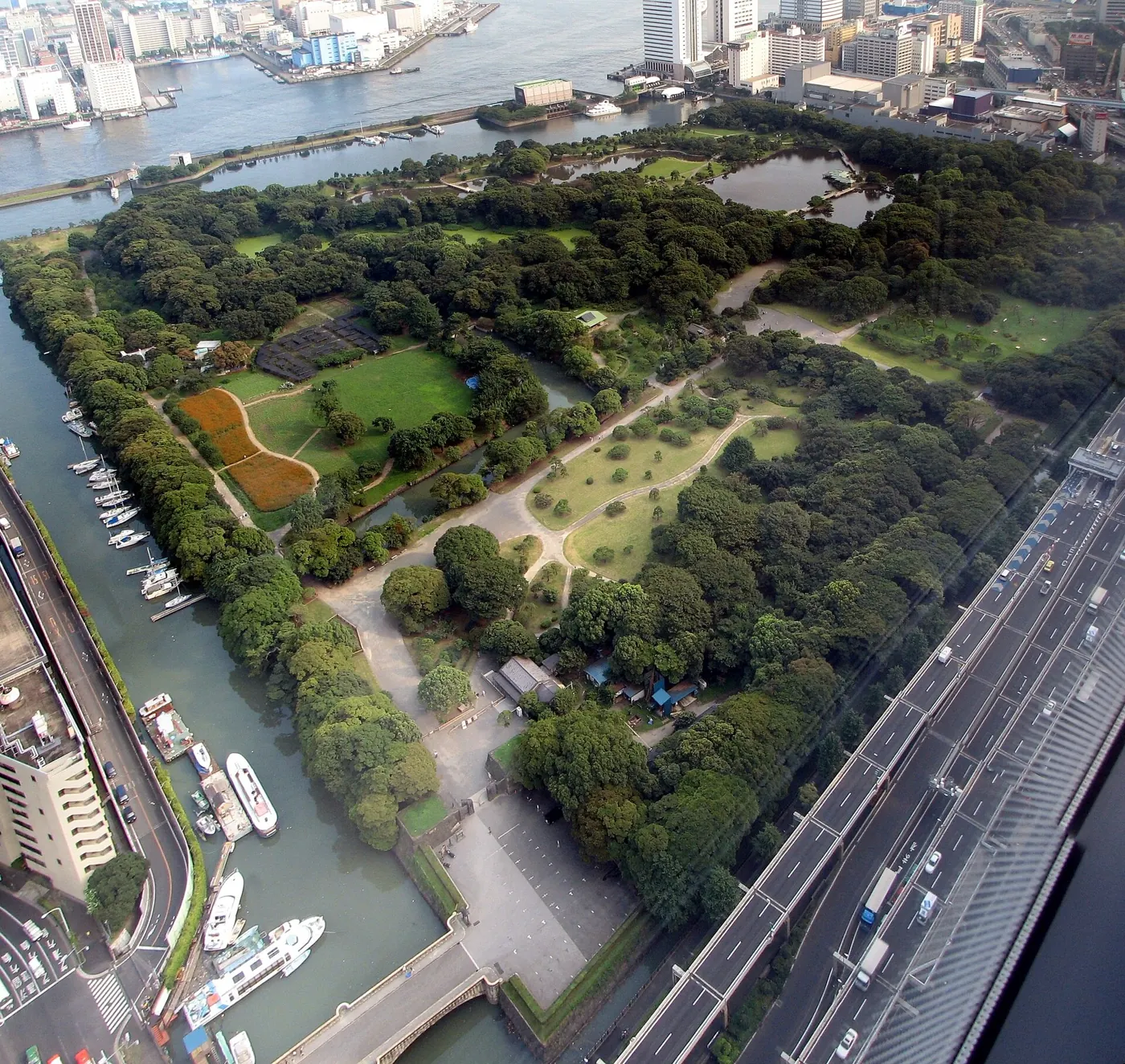
Places on Torii Guide where it is mentioned include: Hama-rikyū Gardens, Matsumoto Castle.
城Castles, houses & gardens
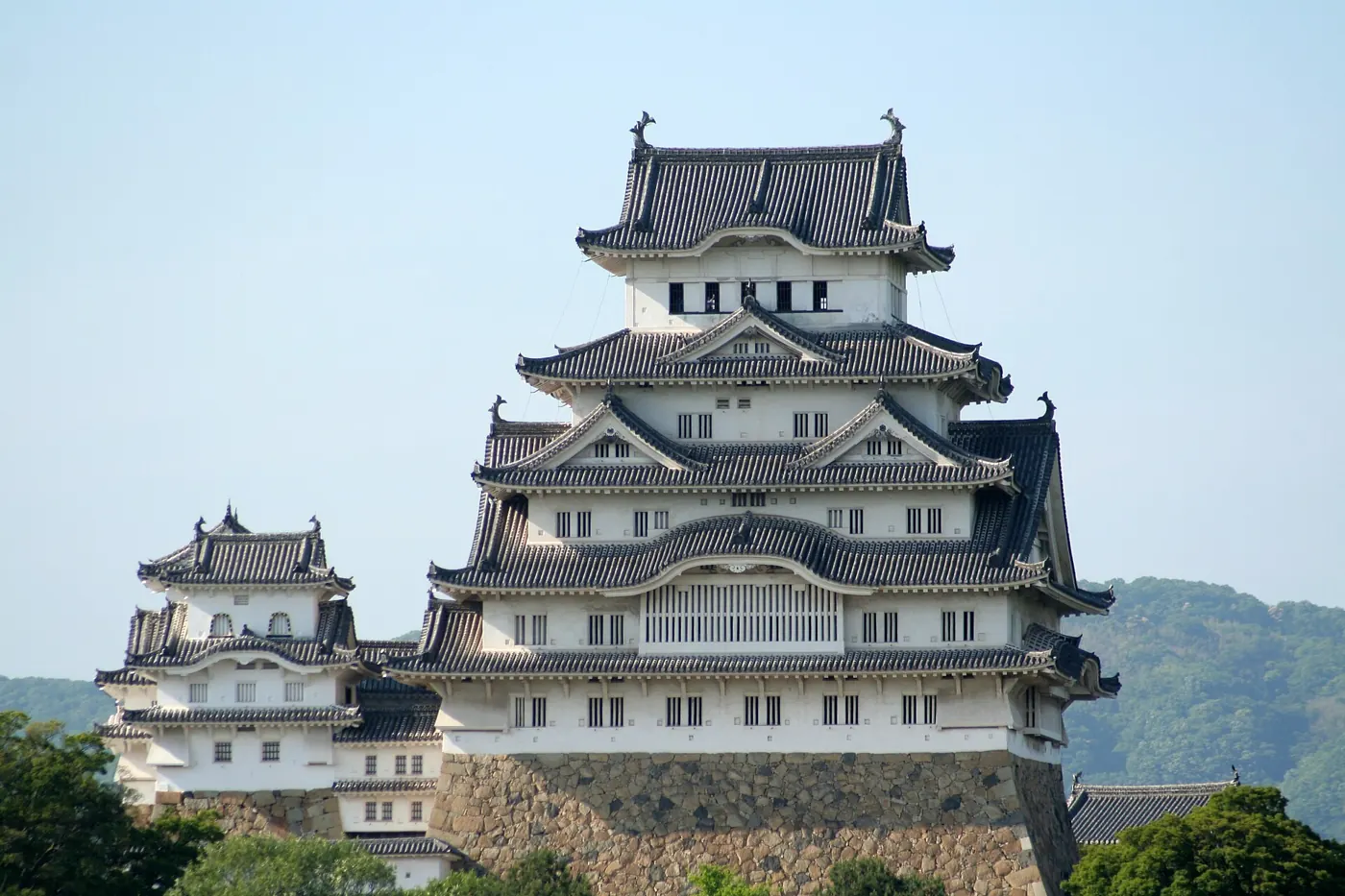 Tenshu天守
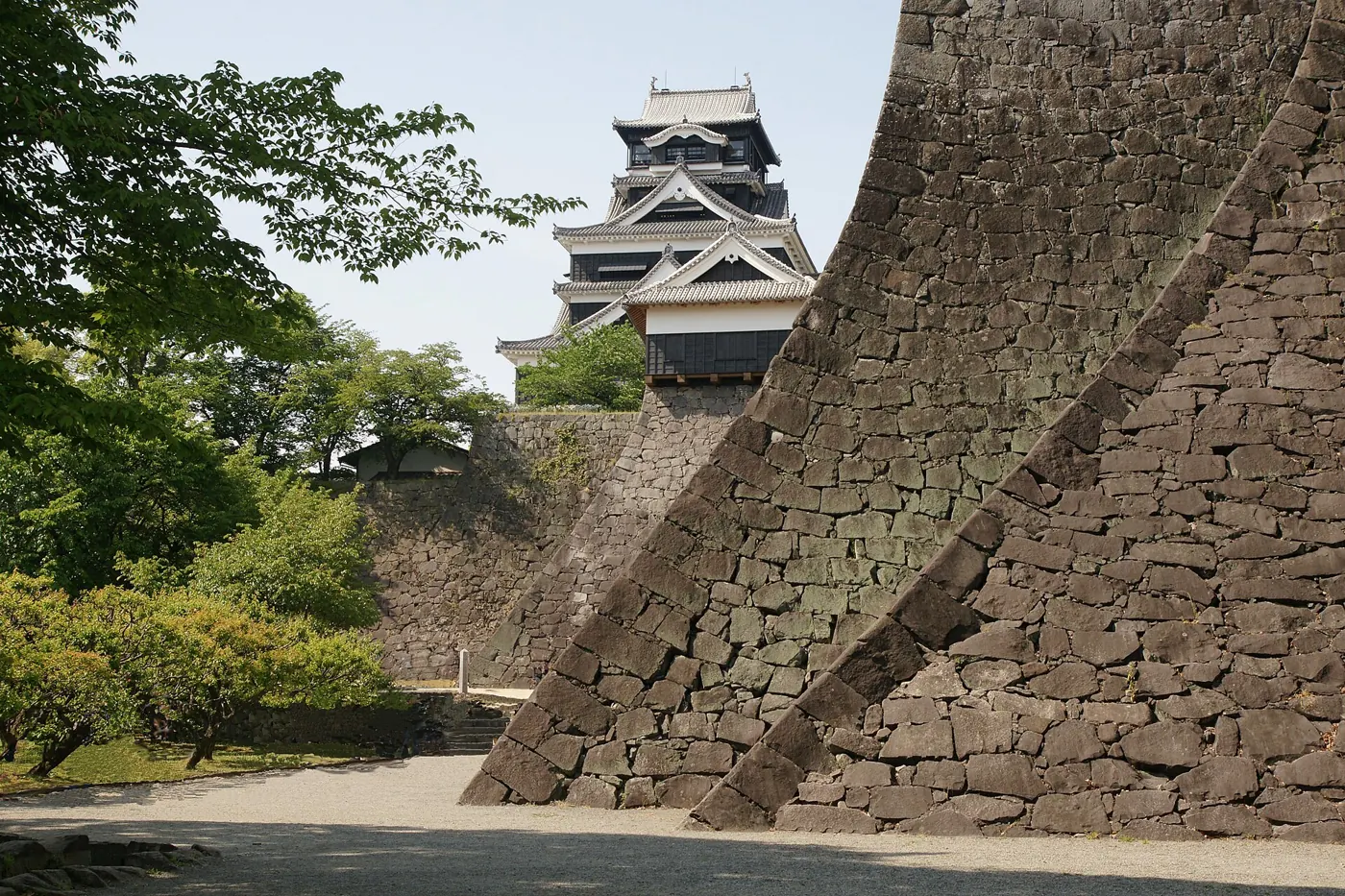 Ishigaki石垣
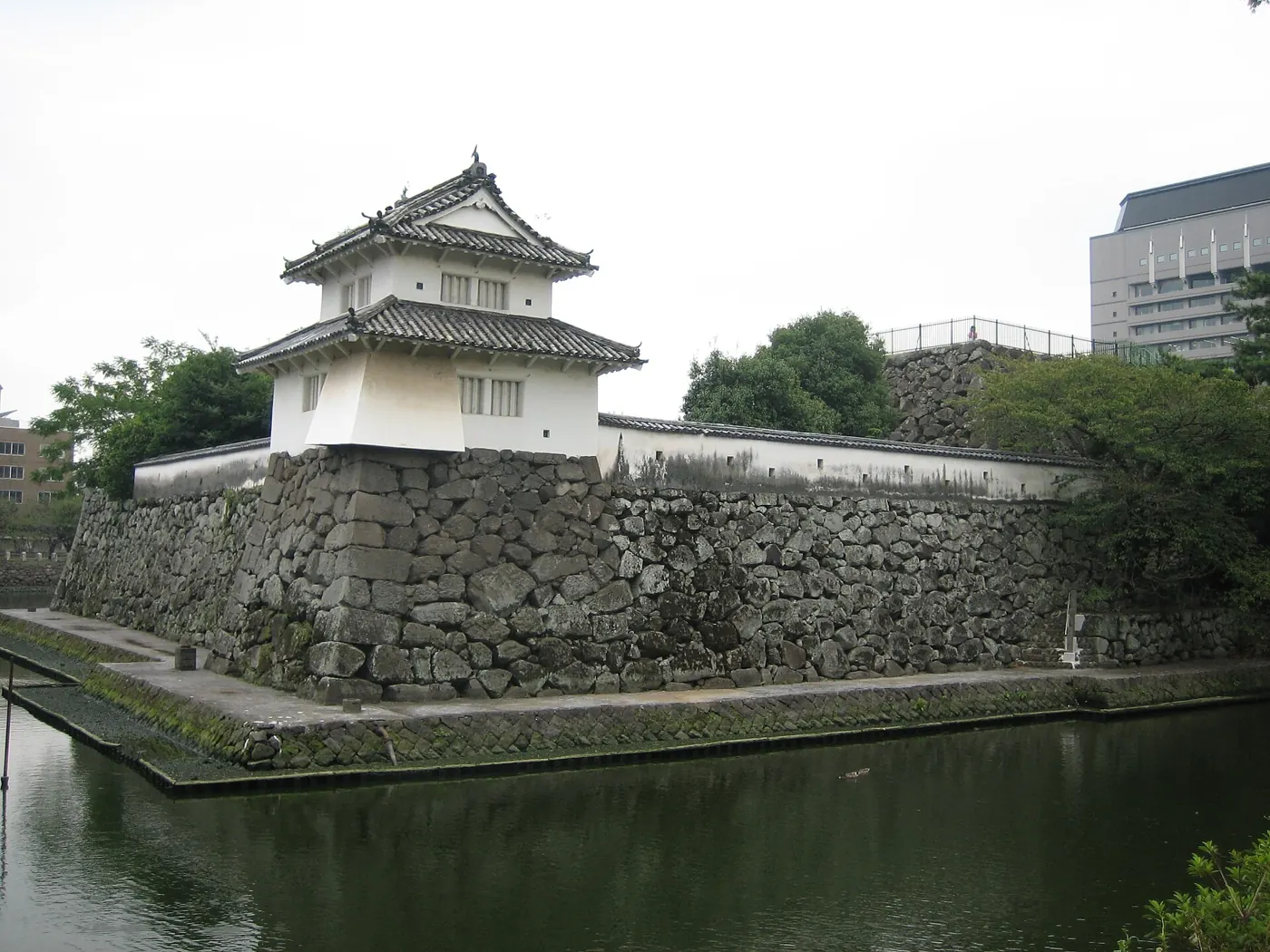 Yagura櫓
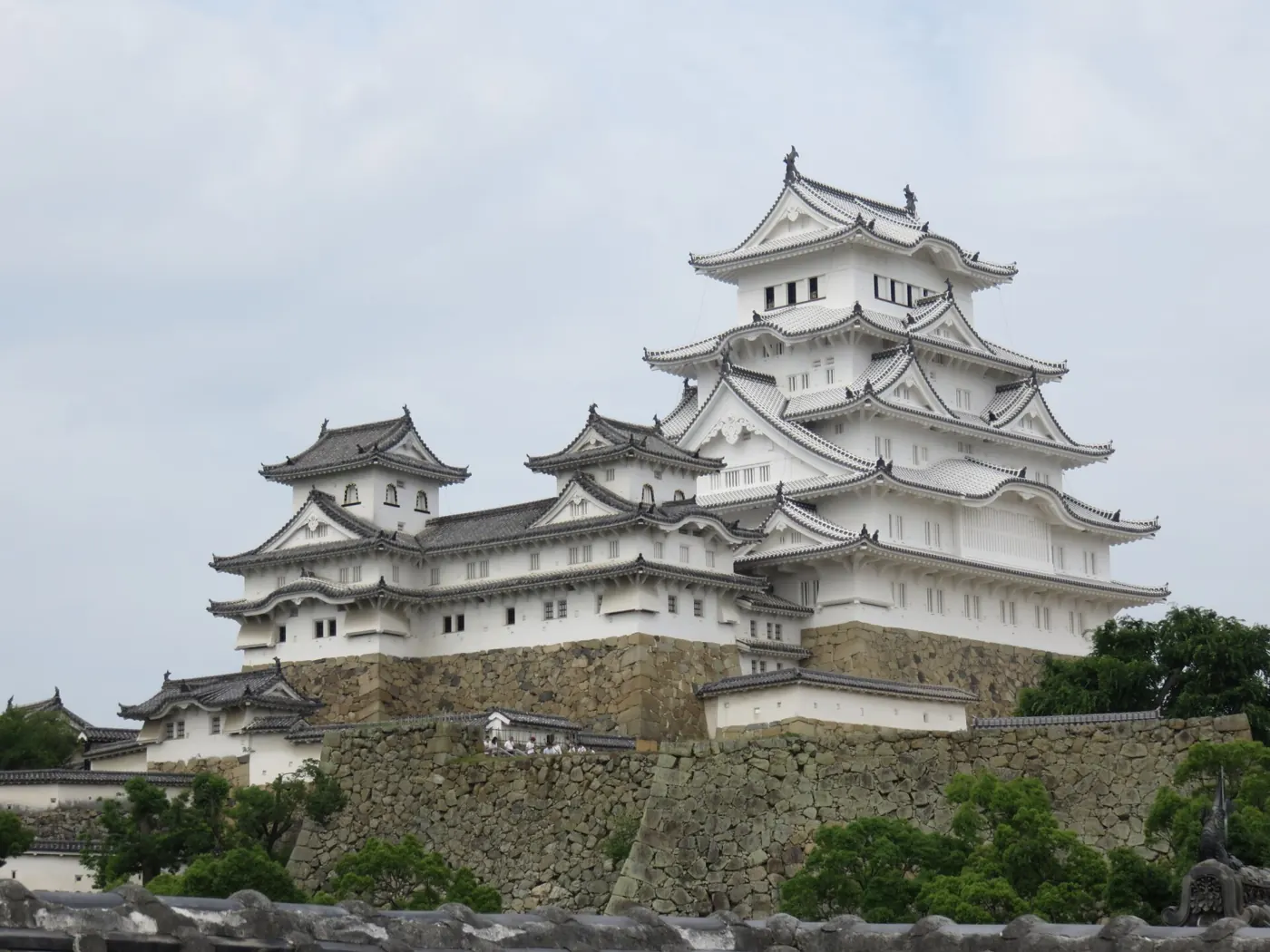 Japanese castles日本の城
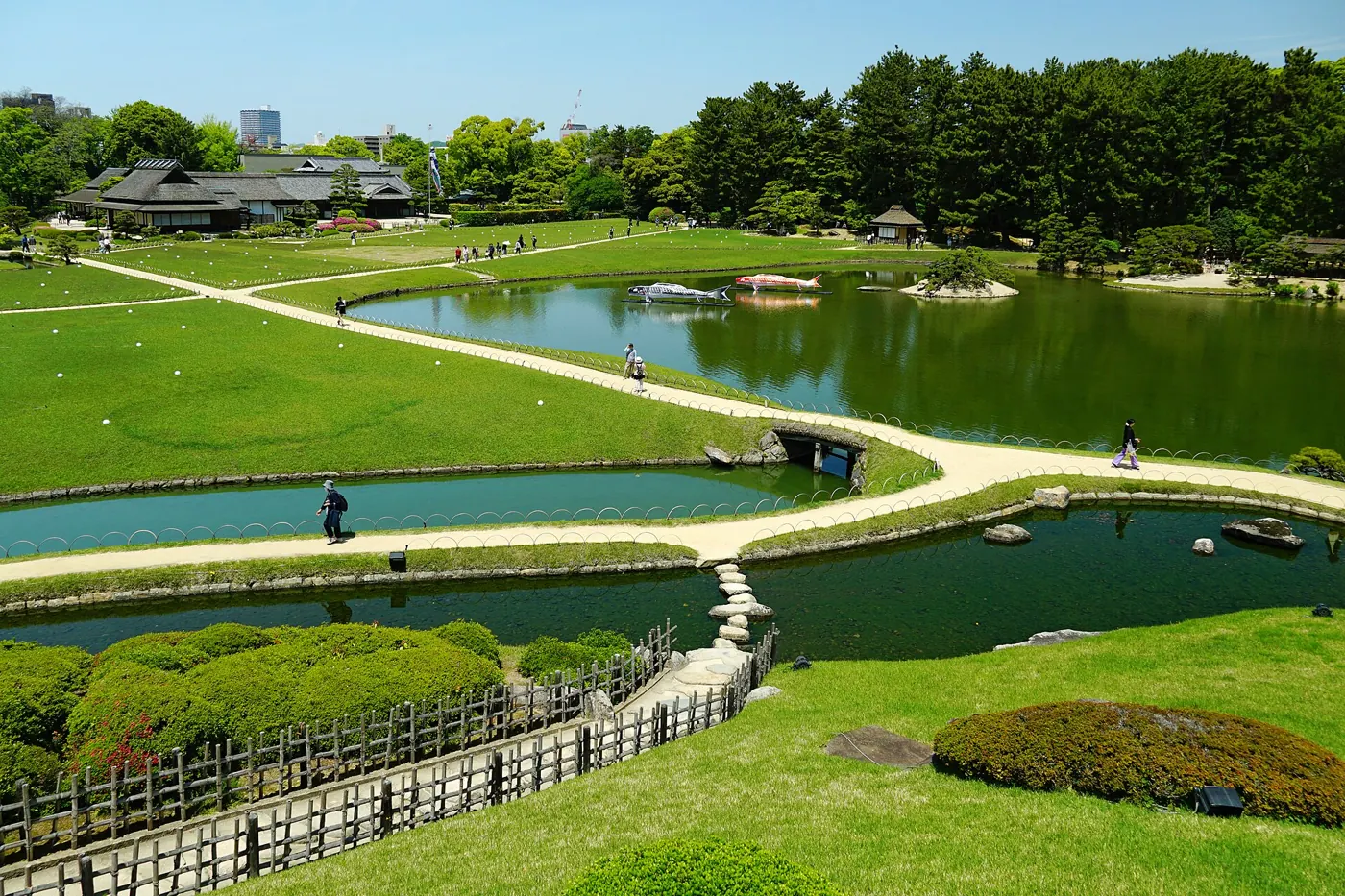 Japanese gardens日本庭園
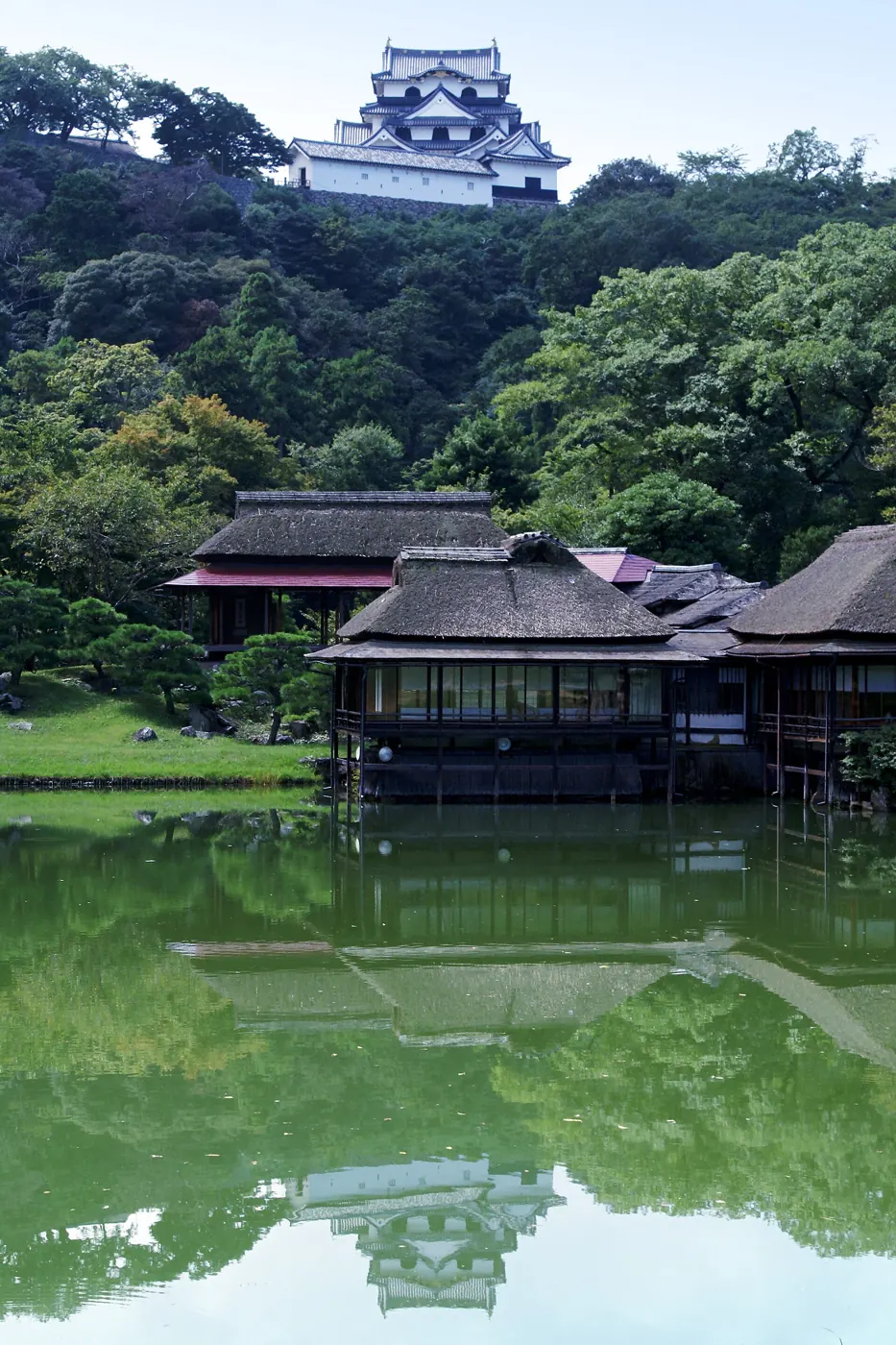 Shakkei借景
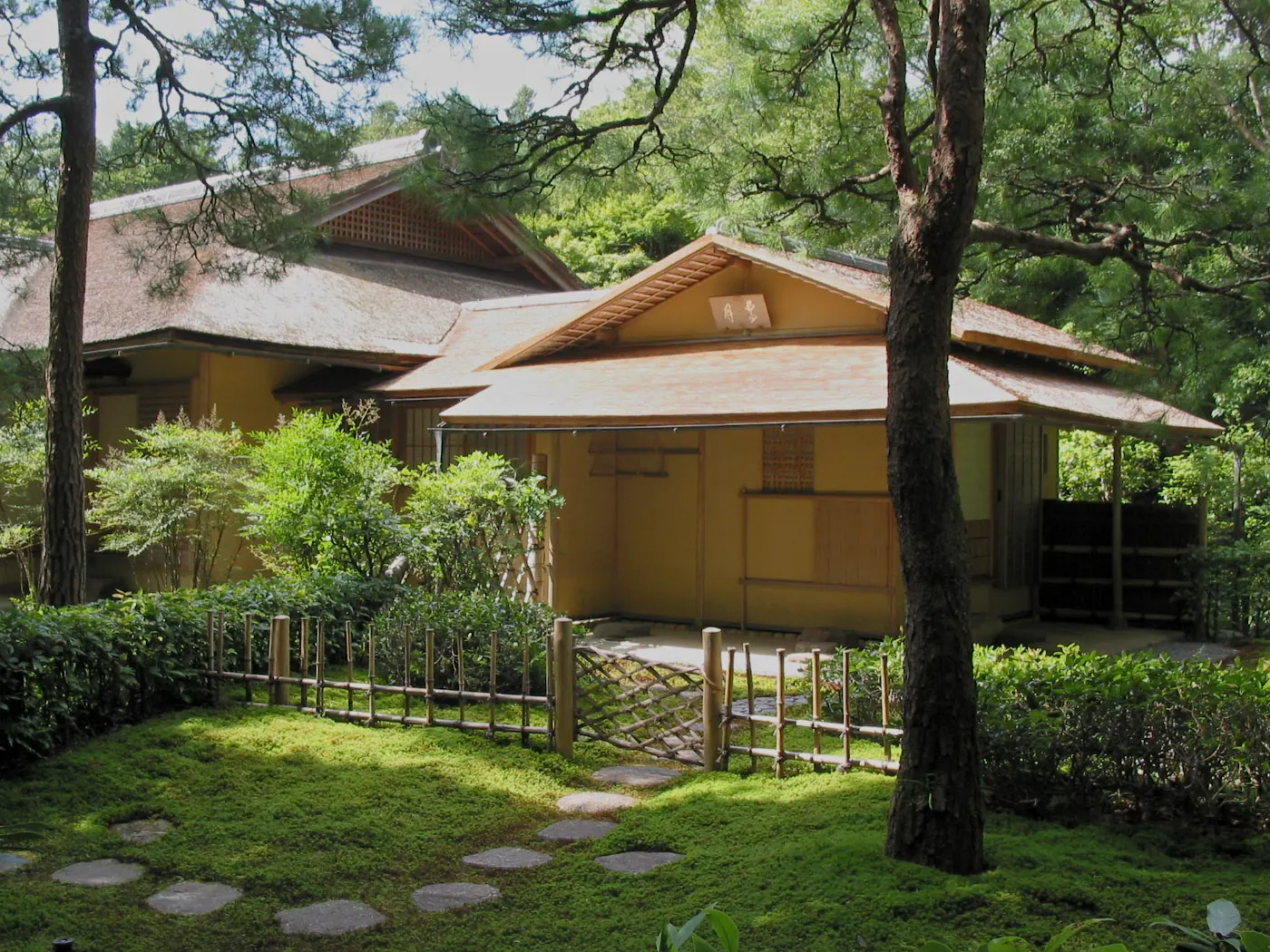 Roji露地
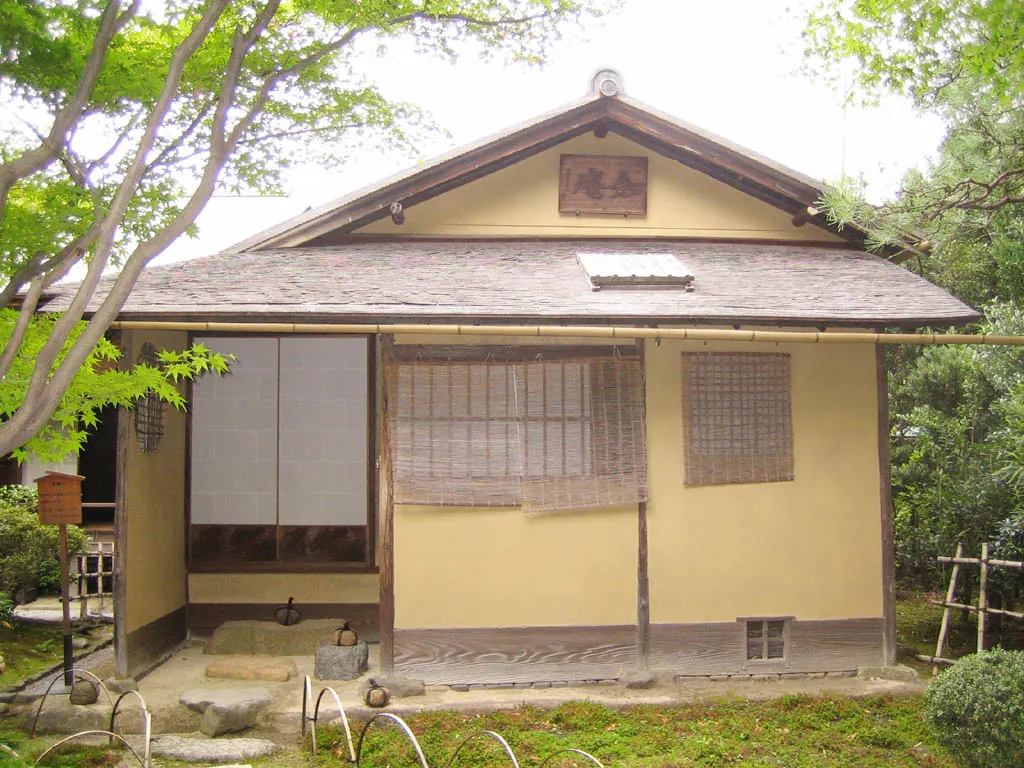 Chashitsu茶室
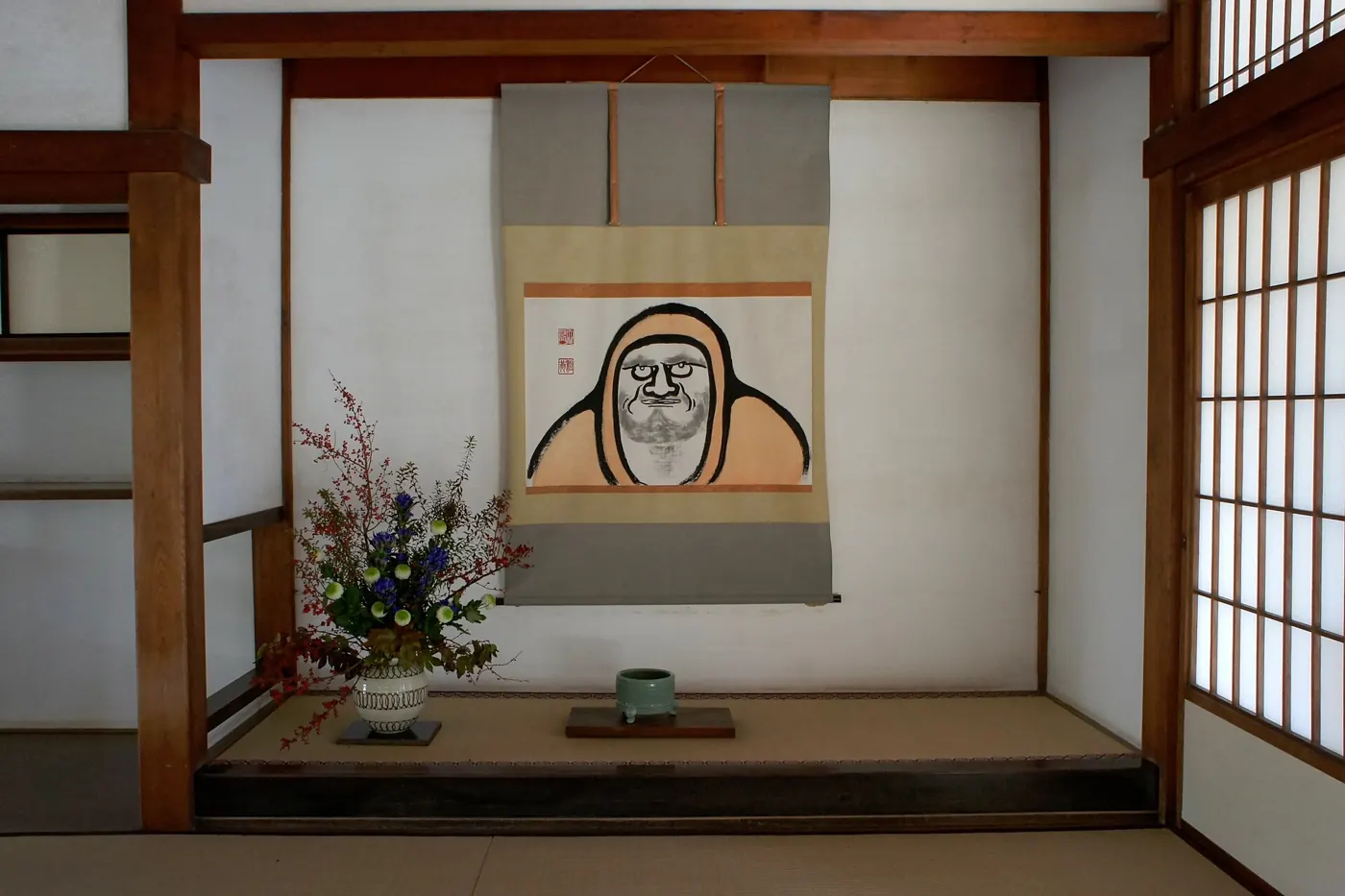 Tokonoma床の間
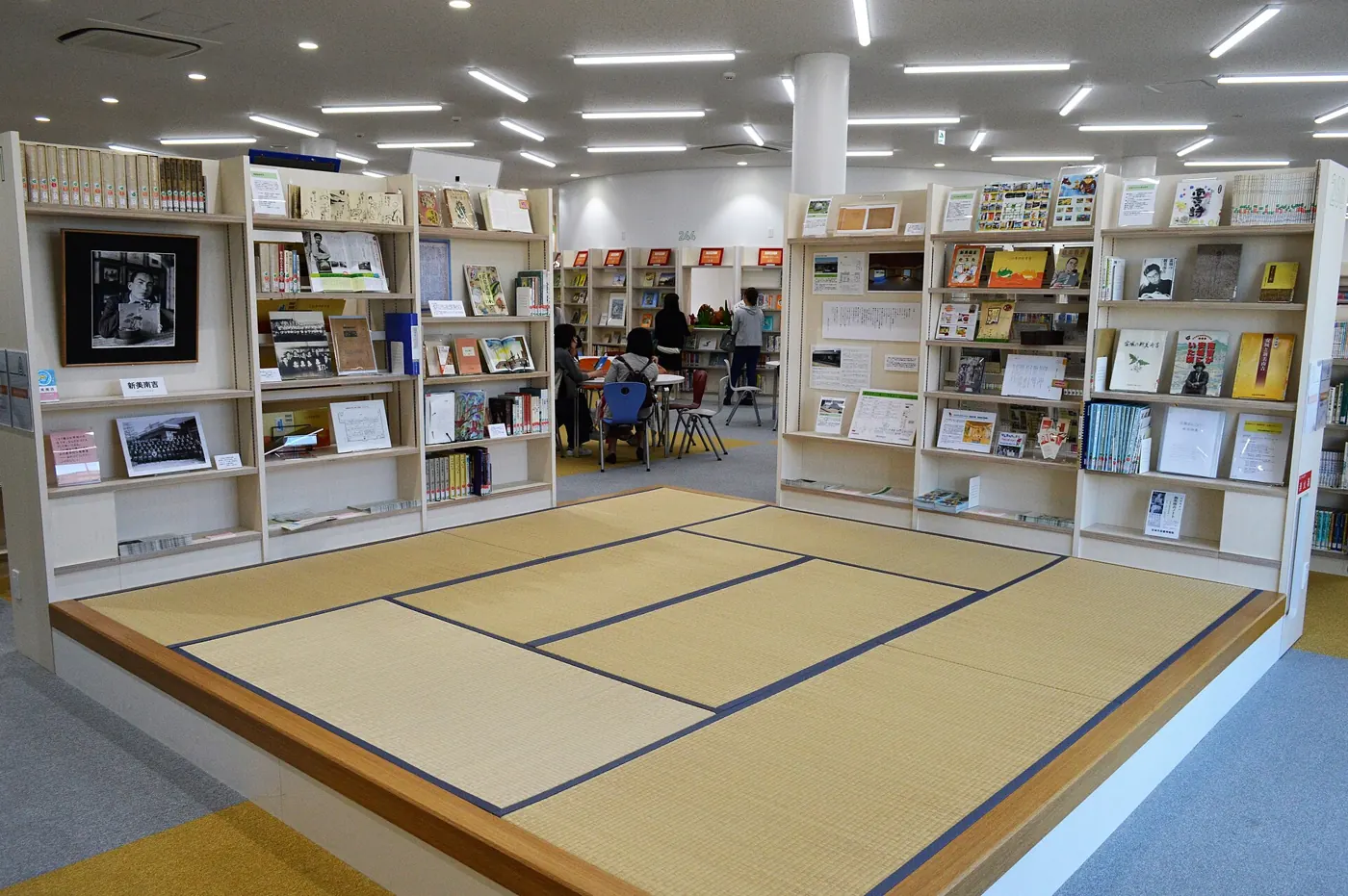 Tatami畳
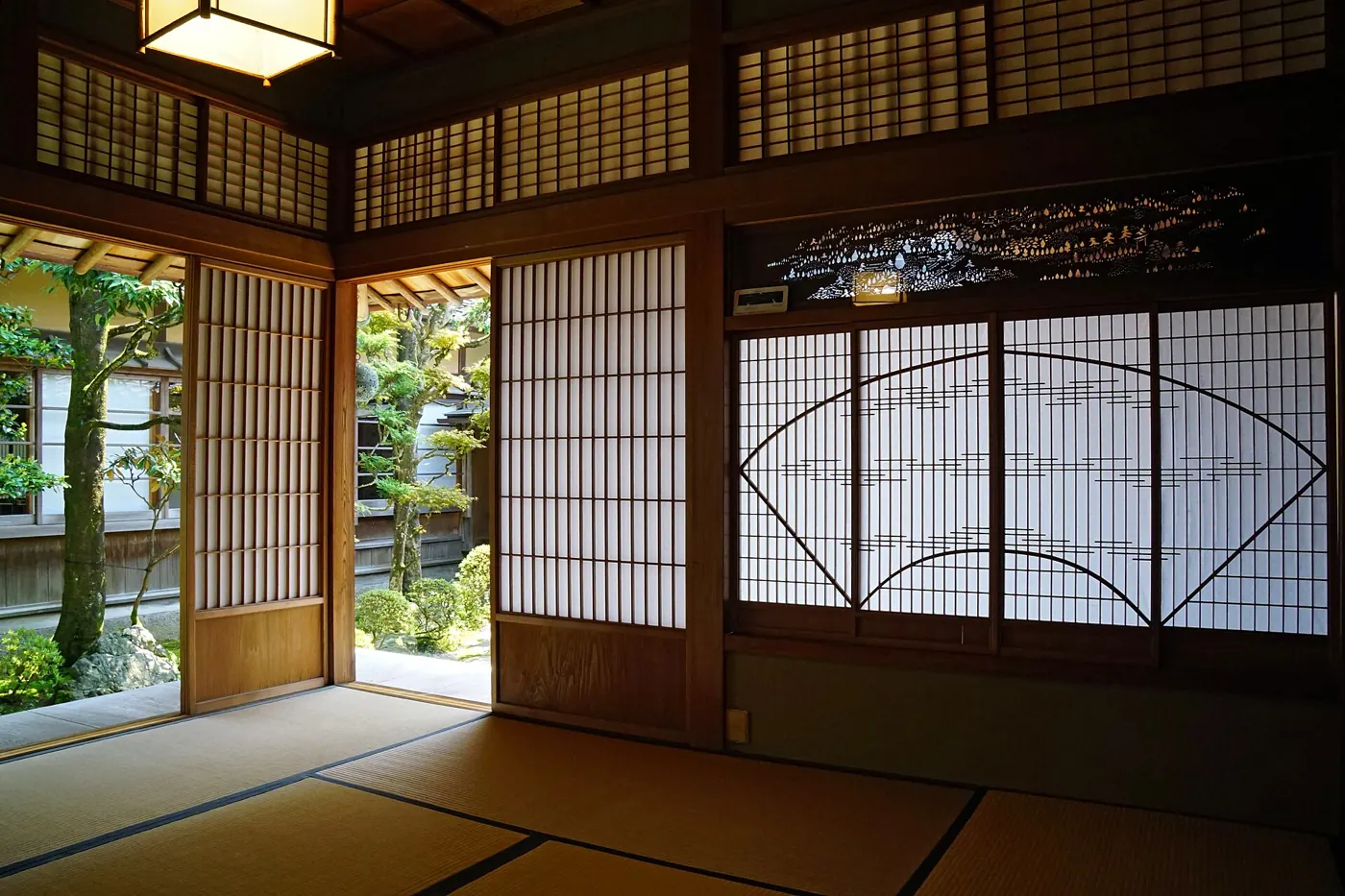 Shōji障子
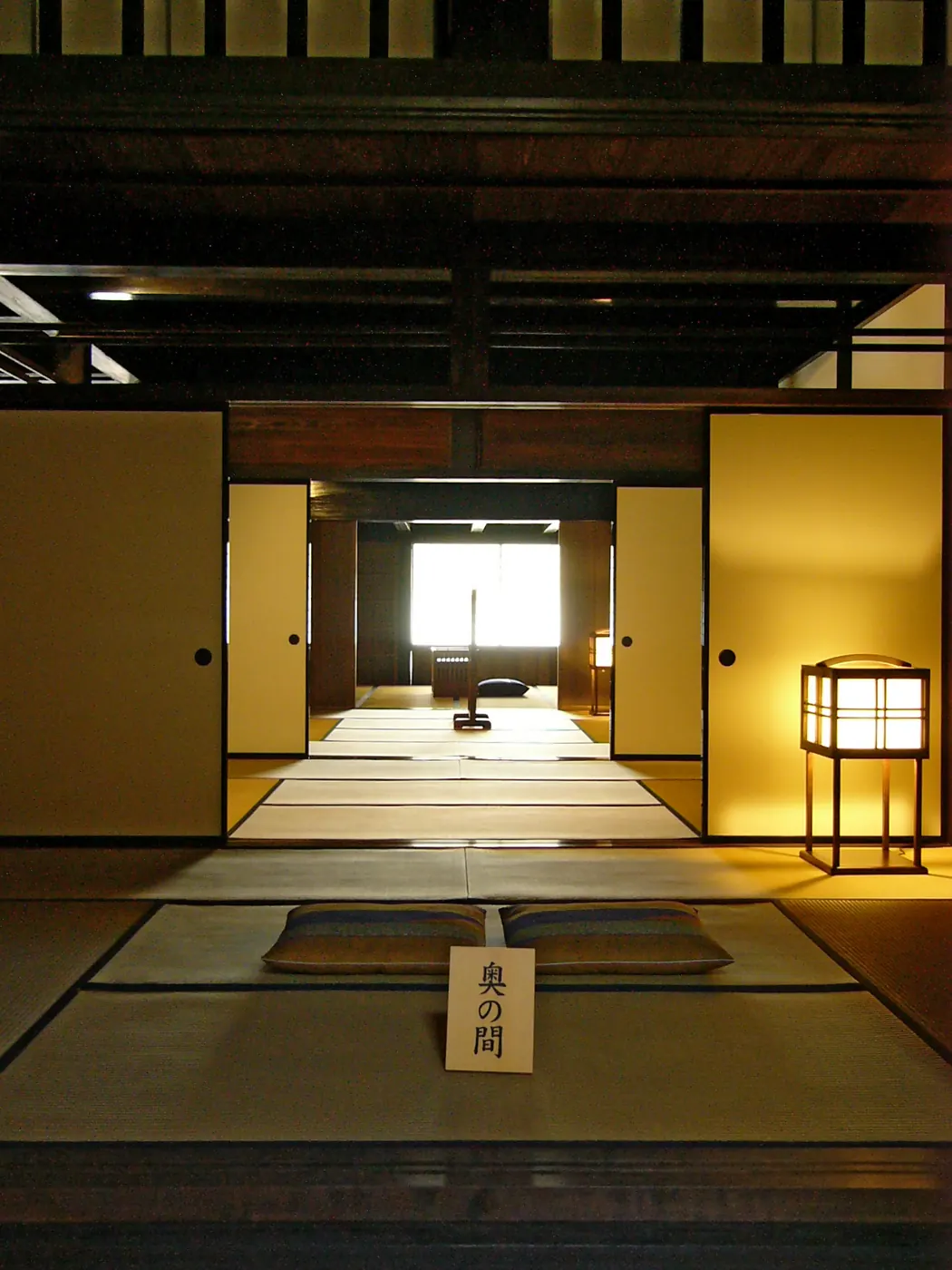 Fusuma襖
Open the scanner and compare →