Zen’ichida Burial Mounds 善一田古墳群
Official explanation
These kofun, or ancient burial mounds, date to the latter sixth through seventh centuries. The tombs were built for local ironworkers, whose profession made them high-ranking members of local society. Pottery from the Korean Peninsula was found in the tombs, indicating active trade and cultural exchange a century before Dazaifu’s construction.
The Zen’ichida Burial Mounds were built in the latter sixth and seventh centuries—relatively late in the Kofun period (third to seventh century). Beginning in the mid-third century, burial mounds were constructed by the ruling elite of various regions across Japan as a display of wealth and power. By the time the Zen’ichida kofun were built, the practice had spread to lesser local elites. Researchers believe the oldest and largest mound at Zen’ichida (No. 18) belonged to a local chieftain.
Read the full explanation
The nine tombs preserved at Zen’ichida have a round, domed shape, which was common for kofun at this time. The innermost burial chambers have walls and ceilings that were made with stones, often massive ones weighing several tons. Because of the region’s acidic soil, no bones or other remains have survived. However, the deceased were buried with their belongings, and many of these have been found. They include a number of iron objects—rare in Japan at the time—such as tools, swords, and horse tack (stirrups and bridle components). These discoveries give archaeologists glimpses into the lives of people at the time.
The technologies of ironworking and horseback riding had arrived through exchange with the Korean Peninsula. Clay vessels from the kingdom of Silla (? CE–935 CE) and even glass beads from what is now Iraq have been found, indicating extensive trade networks linking this society to continental Asia.
A total of 30 mounds have been found in this kofun group, two of which have never been excavated. The construction of kofun in the Dazaifu area (and across the country) is thought to have died out as society moved toward a centralized legal system and local rulers were under less pressure to display their authority.
出典: 地域観光資源の多言語解説文データベース(観光庁) — www.mlit.go.jp/tagengo-db. この英語解説文は観光庁の地域観光資源の多言語解説整備支援事業で作成しました。
Source: Japan Tourism Agency, Multilingual Explanation Database. This English text was produced by the Japan Tourism Agency's multilingual explanation project and is shown unedited. Opening hours and services may have changed since it was written.
旅Kyūshū tours
Live prices and reviews from GetYourGuide. Many tours can be cancelled for free — check each listing.
Ad: we may earn a commission if you book through these links, at no extra cost to you.
Things you may see here
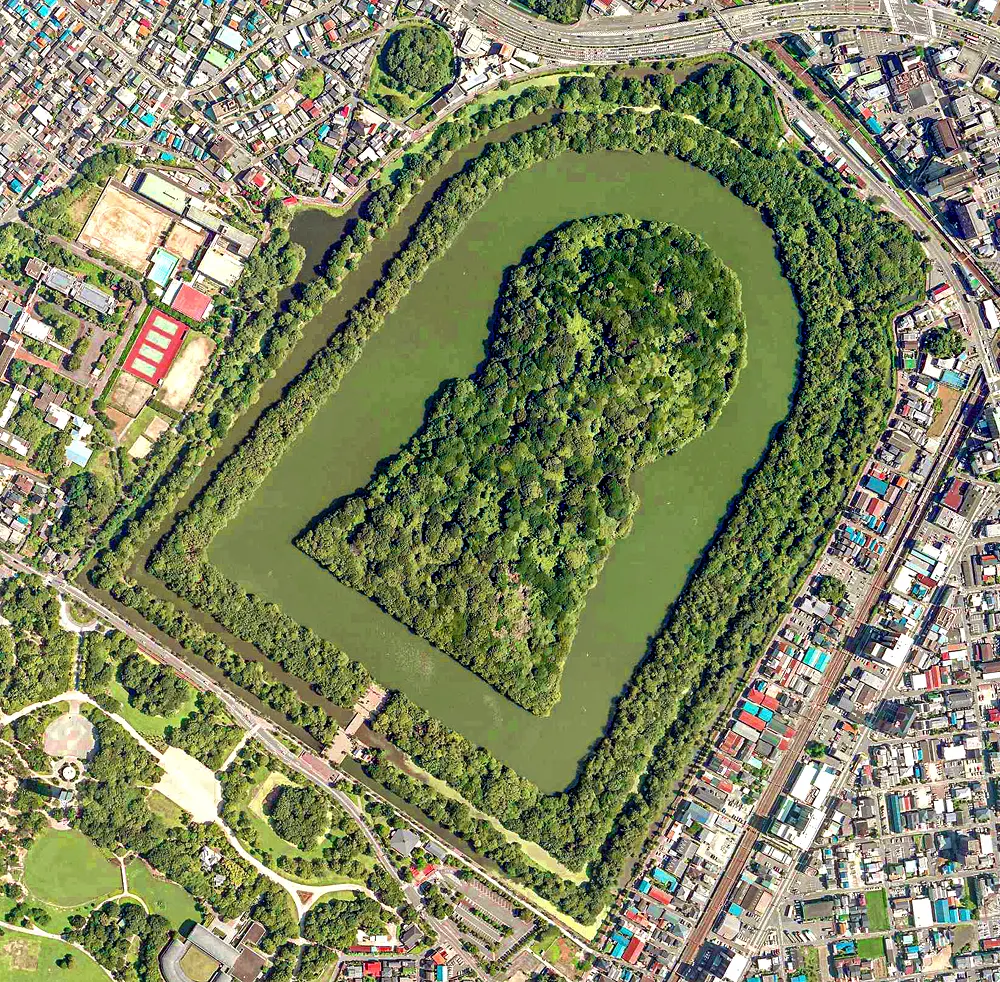 Kofun古墳
Getting there
Hotels in Kyūshū
Ad: we may earn a commission if you book through these links, at no extra cost to you.
More kofuns in Fukuoka
Open the scanner and compare →