障子쇼지
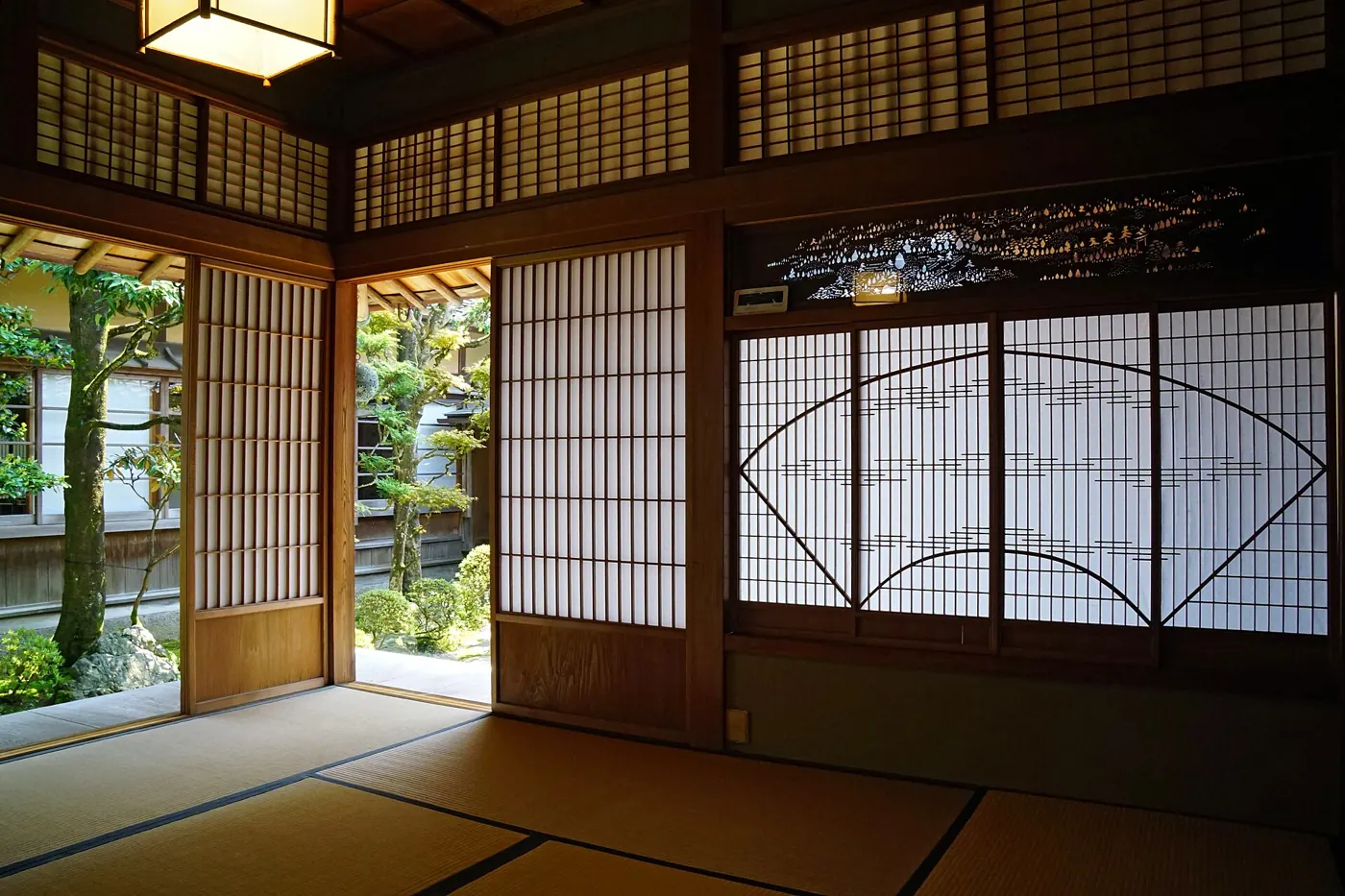
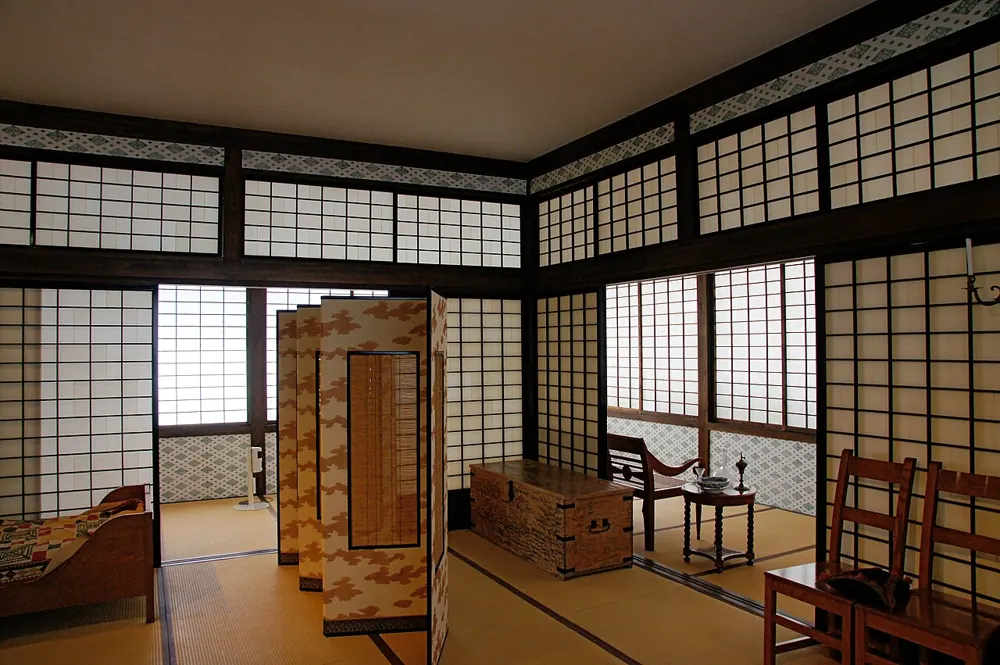
A shoji (障子; shōji, Japanese pronunciation:) is a door, window or room divider used in traditional Japanese architecture, consisting of translucent (or transparent) sheets on a lattice frame. Where light transmission is not needed, the similar but opaque fusuma is used (oshiire/closet doors, for instance). Shoji usually slide, but may occasionally be hung or hinged, especially in more rustic styles.
Shoji are very lightweight, so they are easily slid aside, or taken off their tracks and stored in a closet, opening the room to other rooms or the outside. Fully traditional buildings may have only one large room, under a roof supported by a post-and-lintel frame, with few or no permanent interior or exterior walls; the space is flexibly subdivided as needed by the removable sliding wall panels. The posts are generally placed one tatami-length (about 1.82 metres (6.0 ft)) apart, and the shoji slide in two parallel wood-groove tracks between them. In modern construction, the shoji often do not form the exterior surface of the building; they sit inside a sliding glass door or window.
Shoji are valued for not setting a sharp barrier between the interior and the exterior; outside influences such as the swaying silhouettes of trees, or the chorus of frogs, can be appreciated from inside the house.
글: 위키백과: Shoji — CC BY-SA 4.0. 위키백과에서 더 읽기 →
일본 관광청 영어 해설
旅직접 해 보기: 쇼지
가격과 후기는 GetYourGuide의 실시간 정보입니다. 무료 취소가 되는 투어도 많습니다(각 페이지 확인).
광고: 이 링크로 예약하시면 운영자가 수수료를 받을 수 있으며, 이용자 요금은 그대로입니다.
Compare whether a rail pass saves money on your route before you buy tickets.
가격 보기 →Japan eSIM / mobile data
광고: 이 링크로 예약하시면 운영자가 수수료를 받을 수 있으며, 이용자 요금은 그대로입니다.
問자주 묻는 질문
쇼지란?
A shoji (障子; shōji, Japanese pronunciation: [ɕo:(d)ʑi]) is a door, window or room divider used in traditional Japanese architecture, consisting of translucent (or transparent) sheets on a lattice frame.
城성·건물·정원
 천수각天守
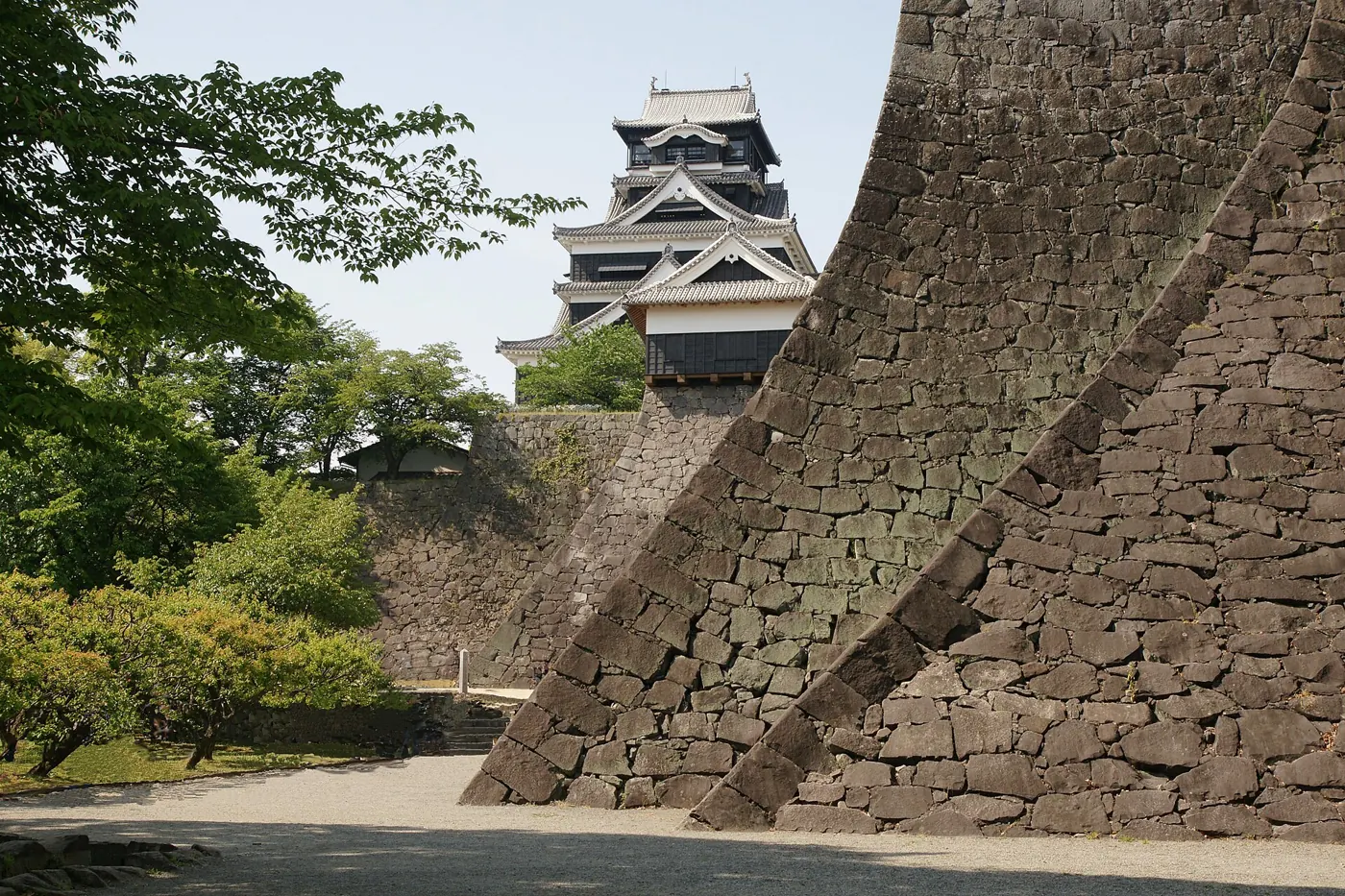 Ishigaki石垣
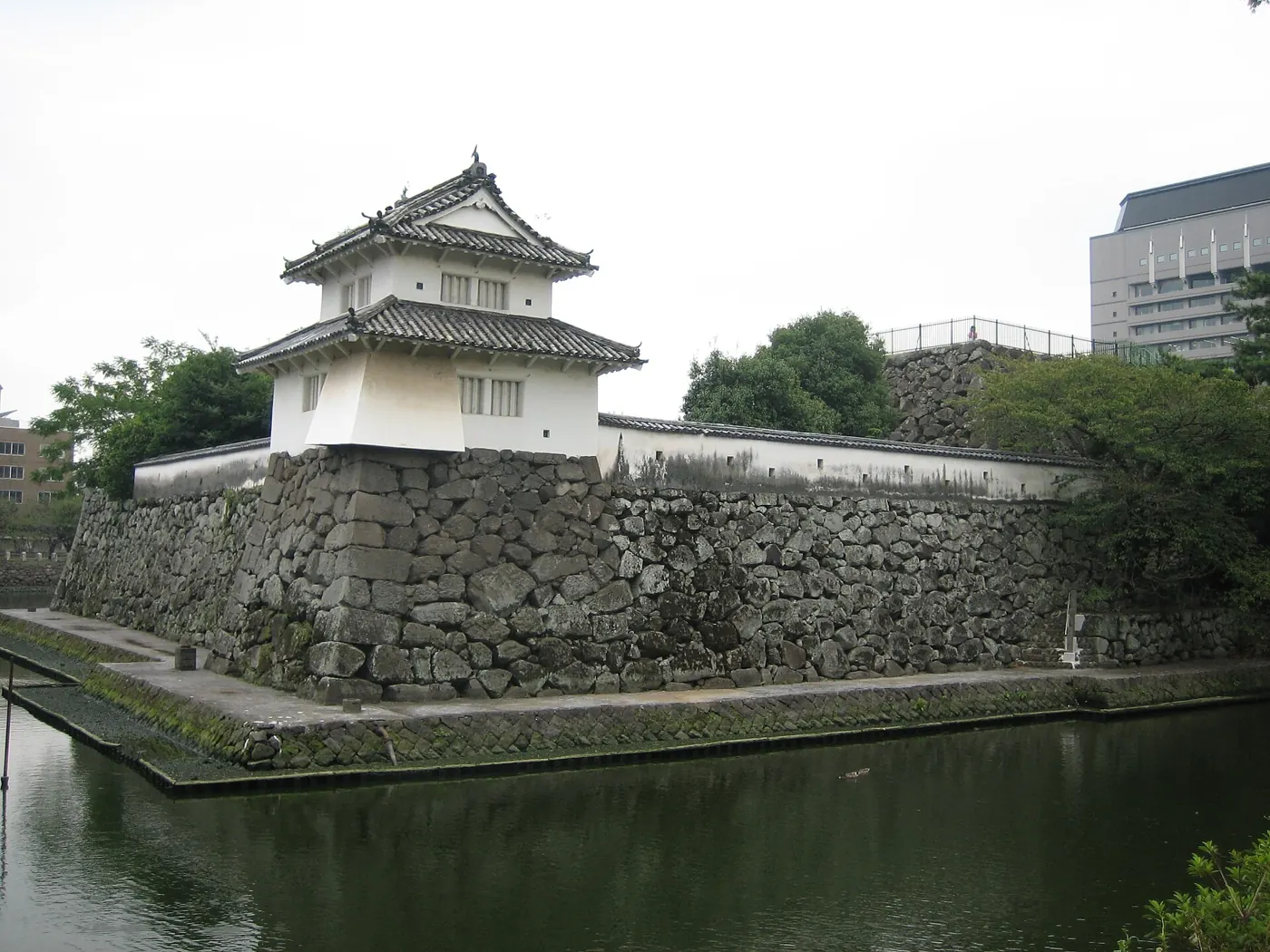 Yagura櫓
 해자堀
 일본의 성日本の城
 일본 정원日本庭園
 Shakkei借景
 노지露地
 다실茶室
 도코노마床の間
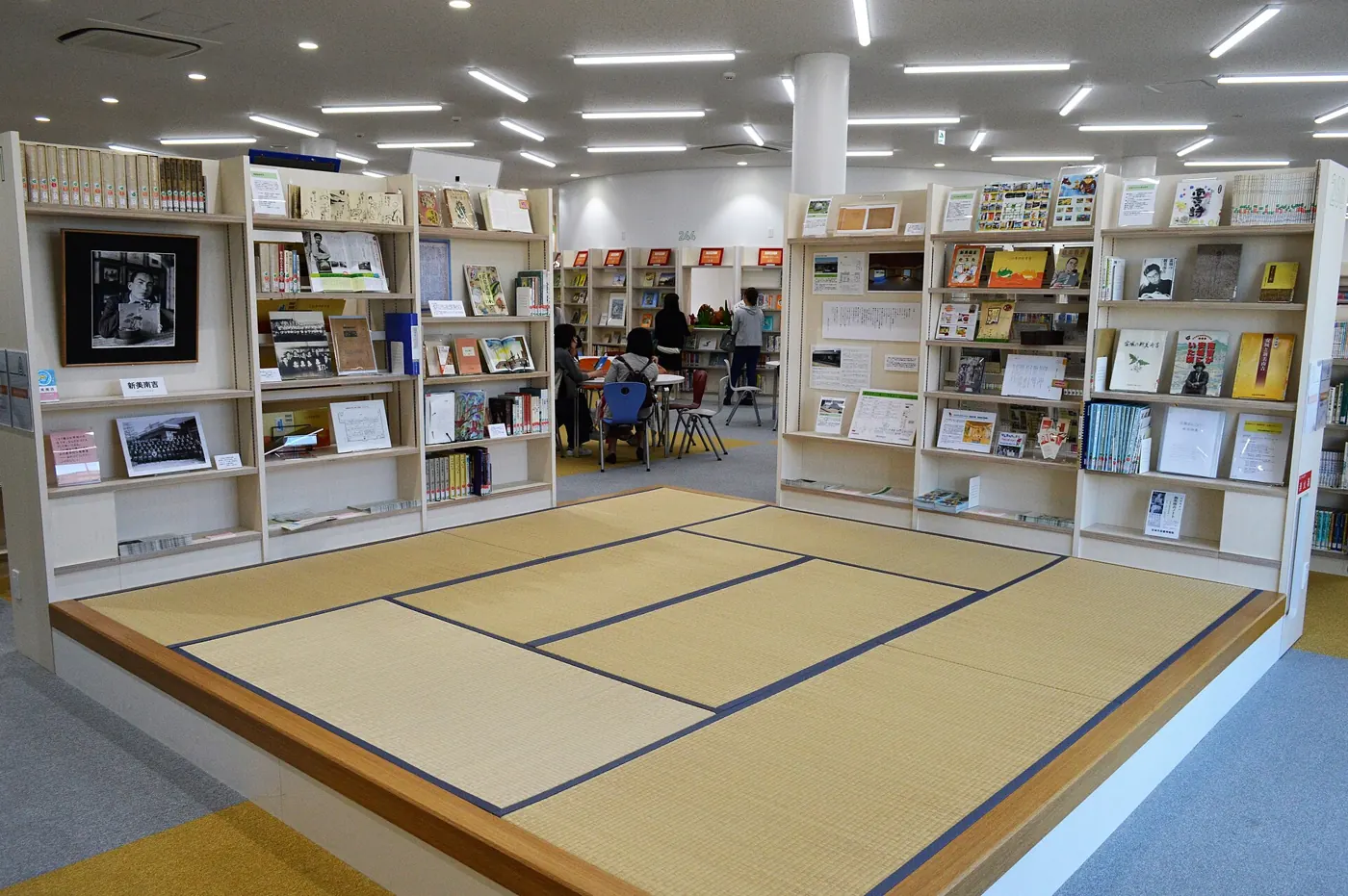 다다미畳
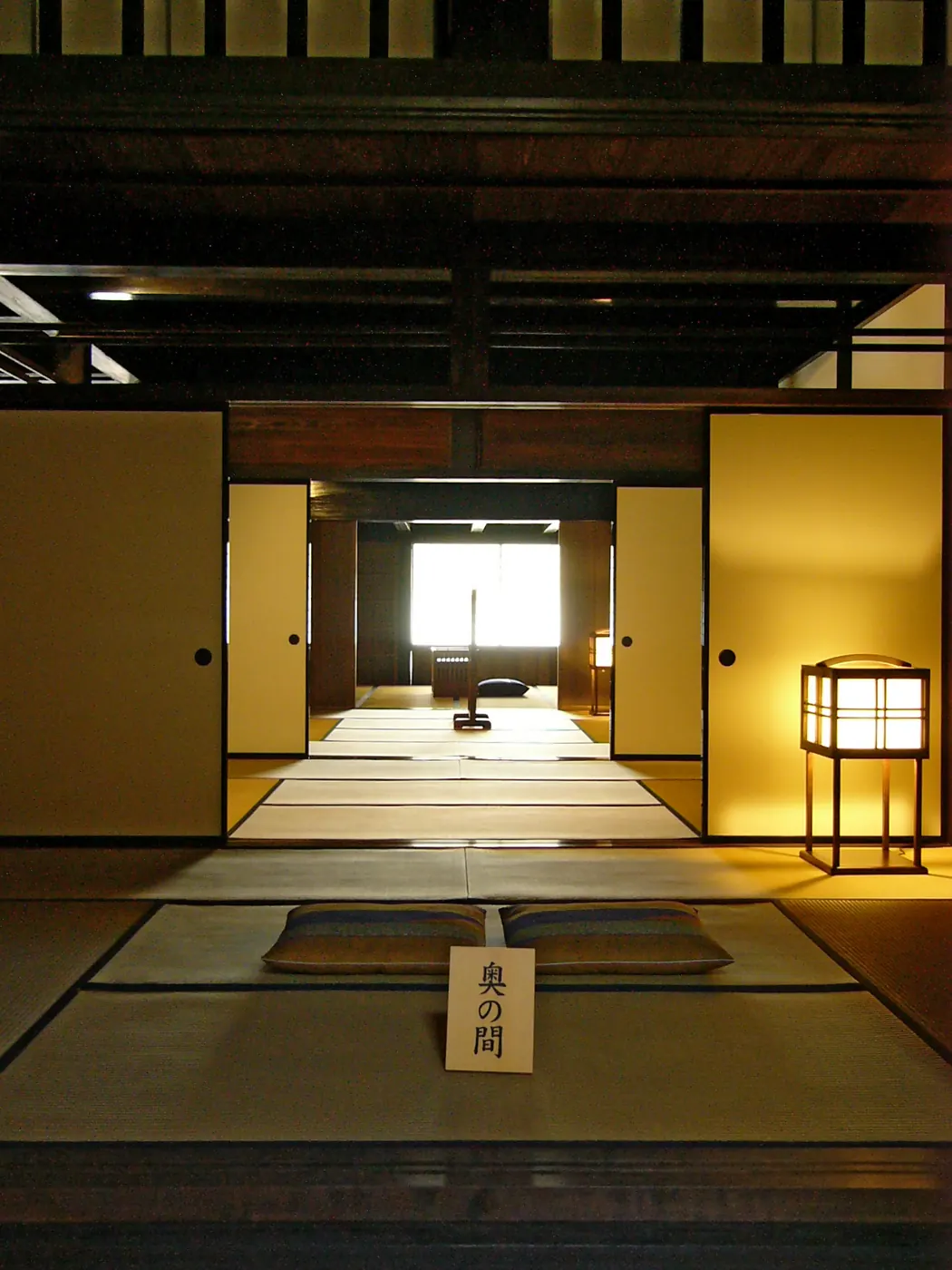 후스마襖
찍어서 비교하기 →