What is this? › Travel customs
新幹線Shinkansen
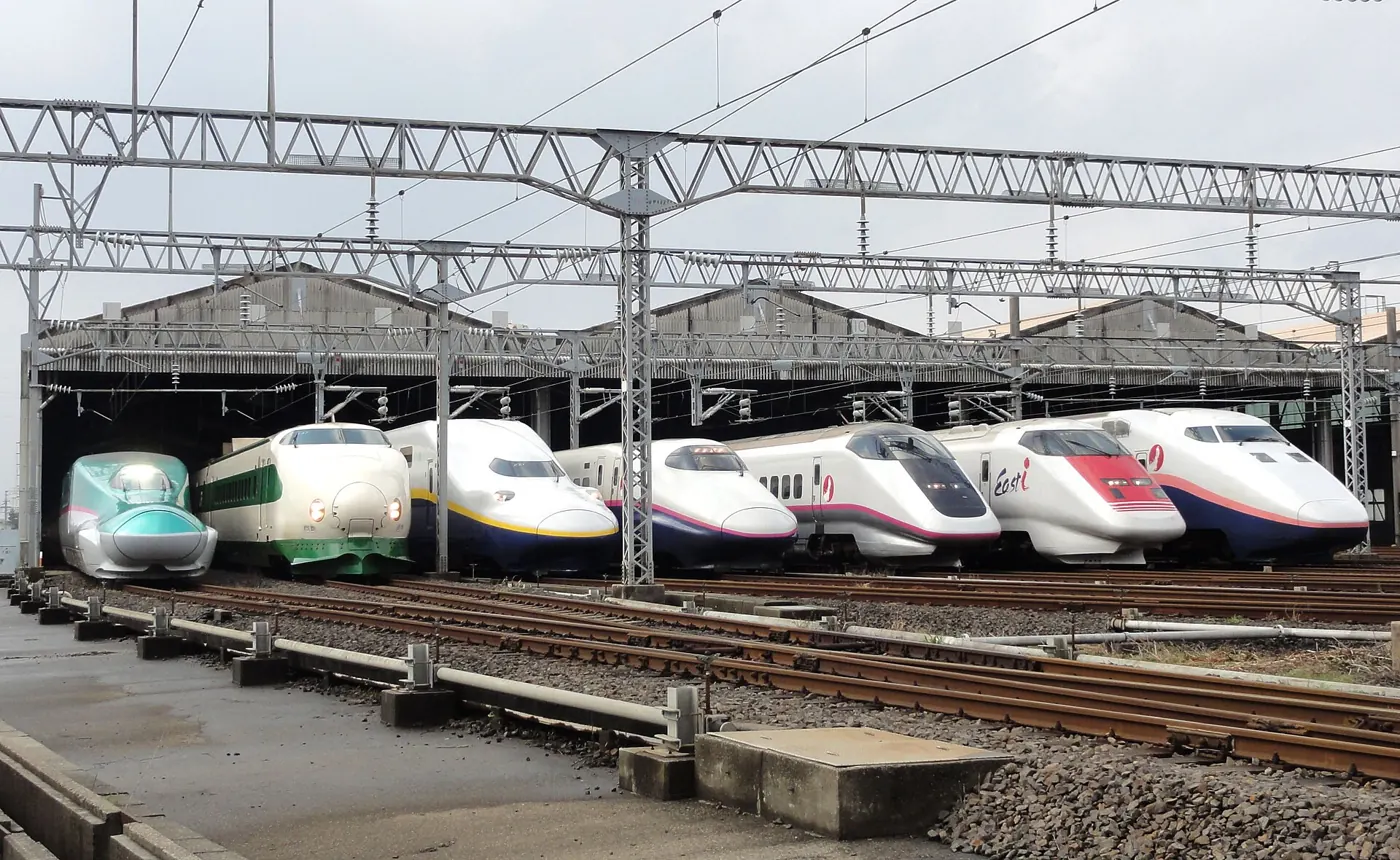
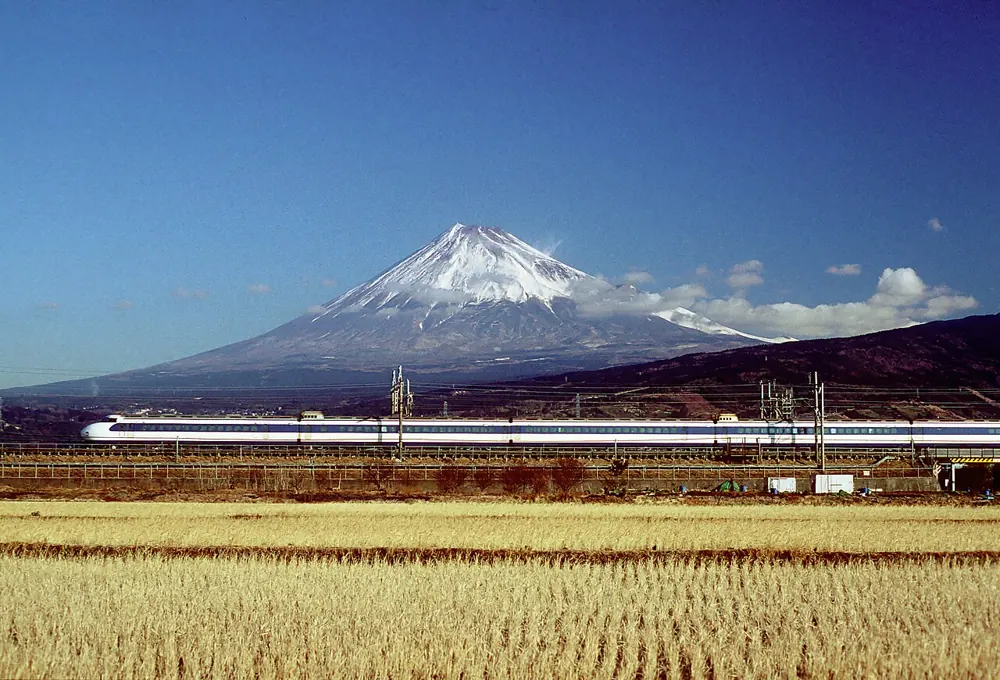
The Shinkansen (Japanese: 新幹線; , lit. 'new main line'), colloquially known in English as the bullet train, is a network of primarily high-speed railway lines in Japan. The system was developed to provide connections between Tokyo and other regions of the country. In addition to long-distance services, some sections in and around the largest metropolitan areas are used for commuter travel.
The first line, the Tōkaidō Shinkansen, opened shortly before the 1964 Tokyo Summer Olympics. The 552.6-kilometre (343.4 mi) route connects Tōkyō, Yokohama, Nagoya, and Ōsaka, the four largest cities in Japan. It remains the busiest line in the network, carrying 161 million passengers in fiscal 2023 and more than 6.5 billion passengers in total since opening. During peak periods, up to 16 trains per hour operate in each direction, using 16-car trainsets with a seating capacity of 1,323 and a minimum scheduled headway of three minutes.
Since the opening of the Tōkaidō Shinkansen, the network has expanded to include 2,951.3 kilometres (1,833.9 mi) of lines with maximum operating speeds ranging from 260 to 320 kilometres per hour (160 to 200 mph), the latter achieved on a 387.5-kilometre (240.8 mi) section of the Tōhoku Shinkansen.
Text from Wikipedia: Shinkansen — CC BY-SA 4.0. Read more on Wikipedia →
Japan Tourism Agency explanations
旅Try it yourself: Shinkansen
Live prices and reviews from GetYourGuide. Many tours can be cancelled for free — check each listing.
Ad: we may earn a commission if you book through these links, at no extra cost to you.
Compare whether a rail pass saves money on your route before you buy tickets.
Check prices →Compare whether a rail pass saves money on your route before you buy tickets.
Check prices →Japan eSIM / mobile data
Ad: we may earn a commission if you book through these links, at no extra cost to you.
問Questions visitors ask
What is Shinkansen?
The Shinkansen (Japanese: 新幹線; [ɕiŋkaꜜɰ̃seɴ] , lit.
旅Travel customs
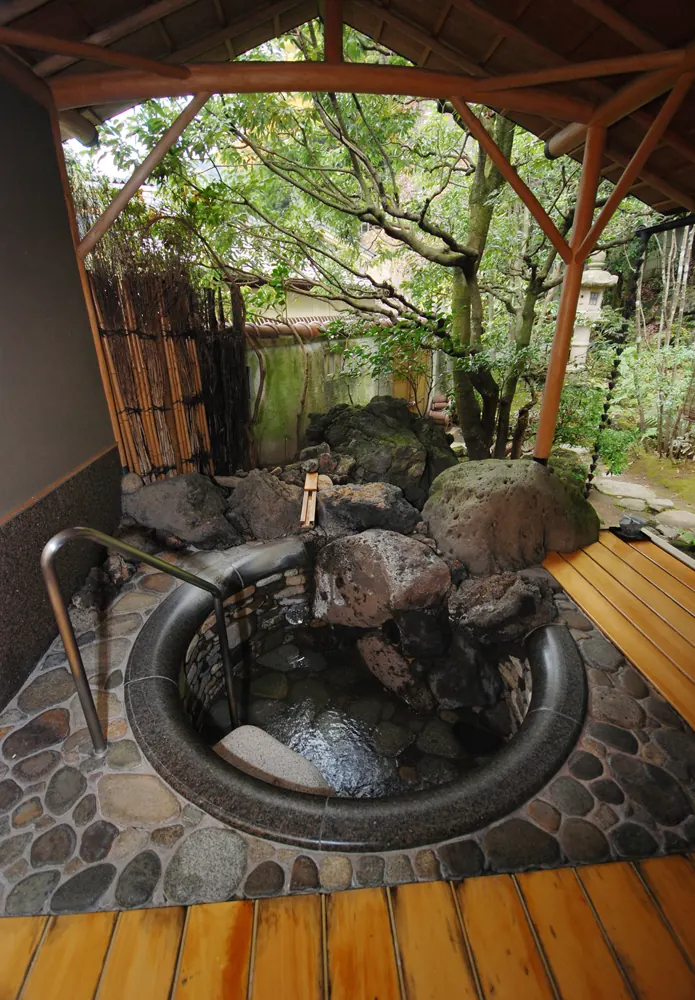
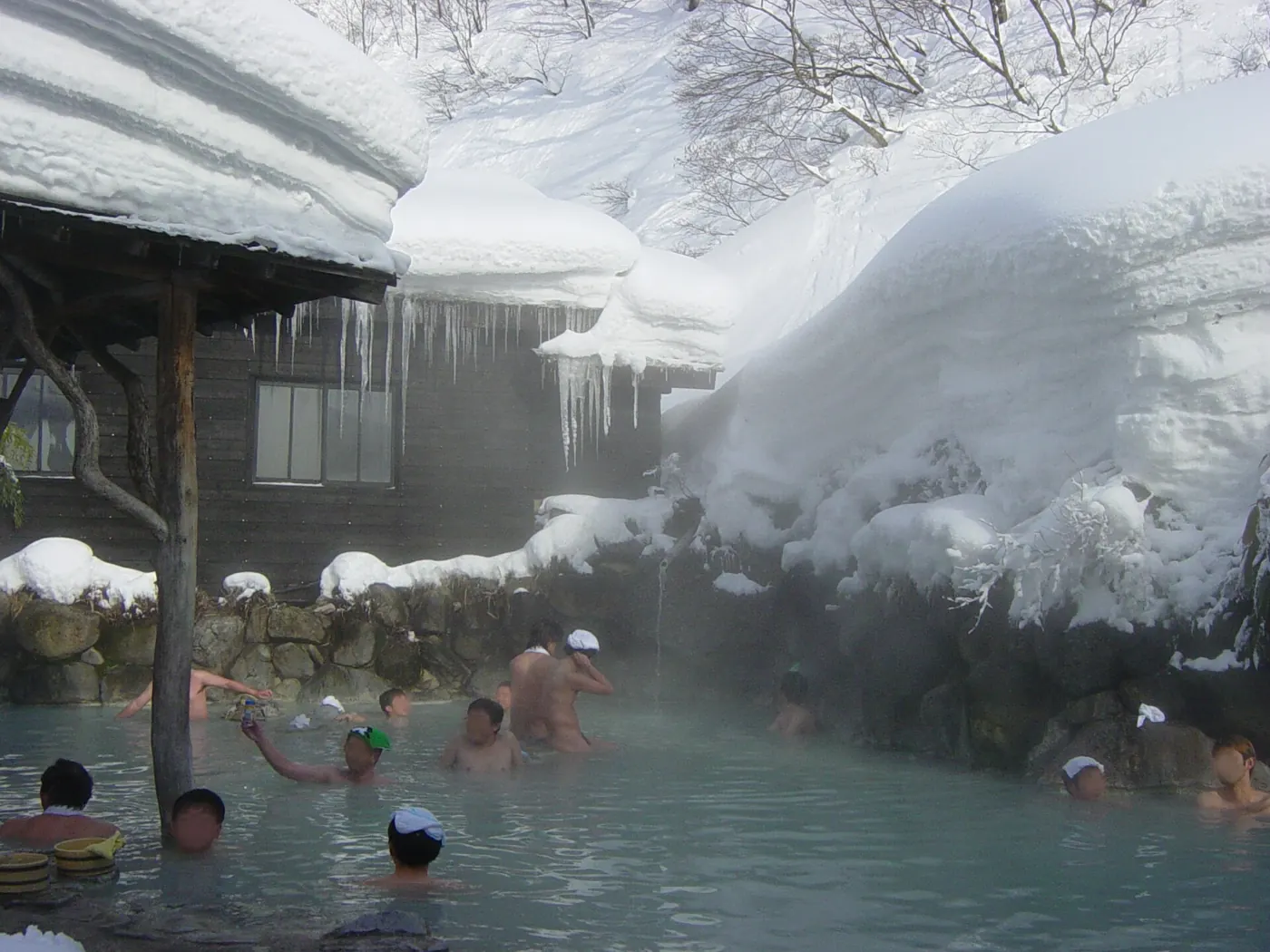 Onsen温泉
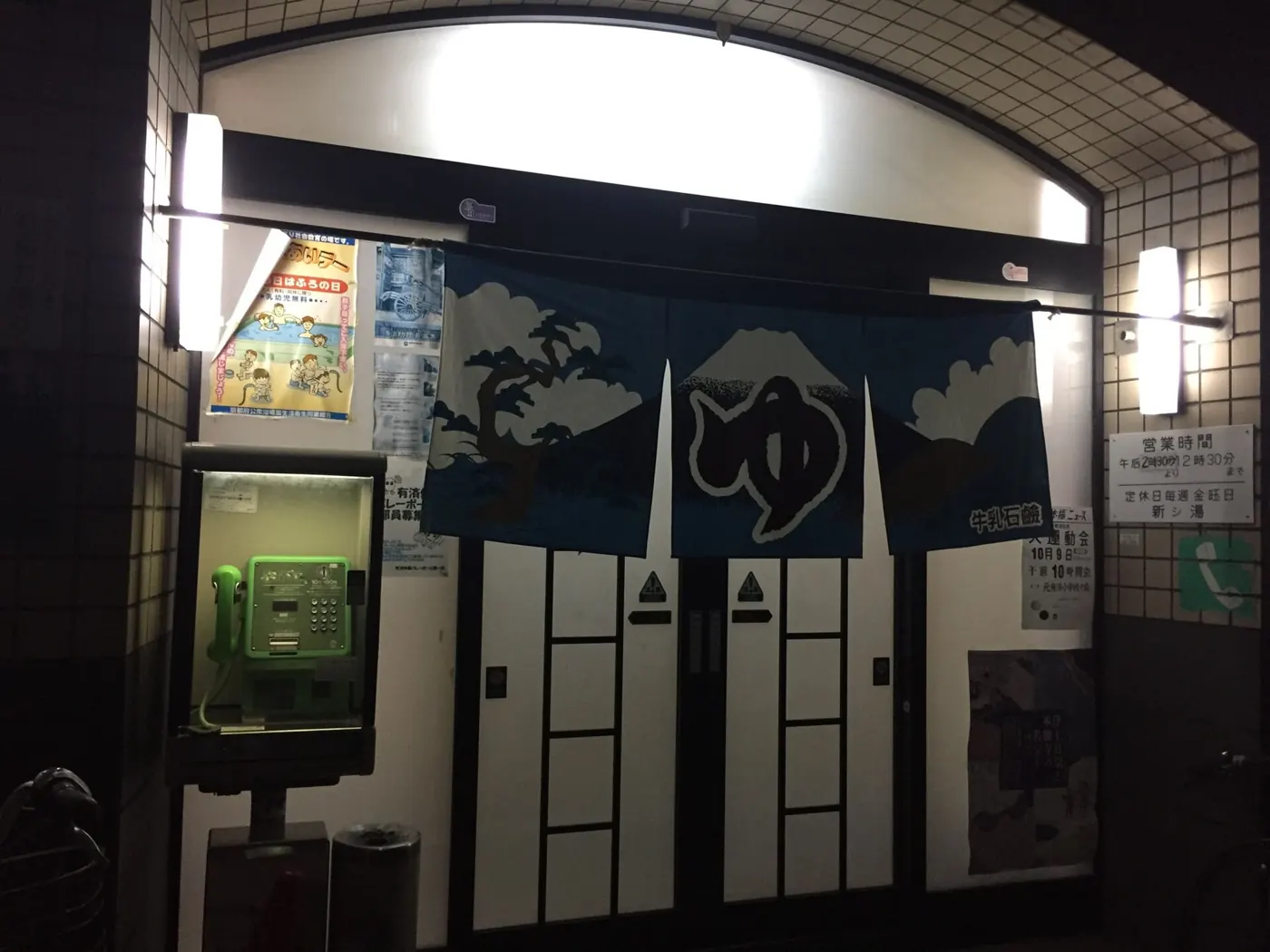 Sentō銭湯
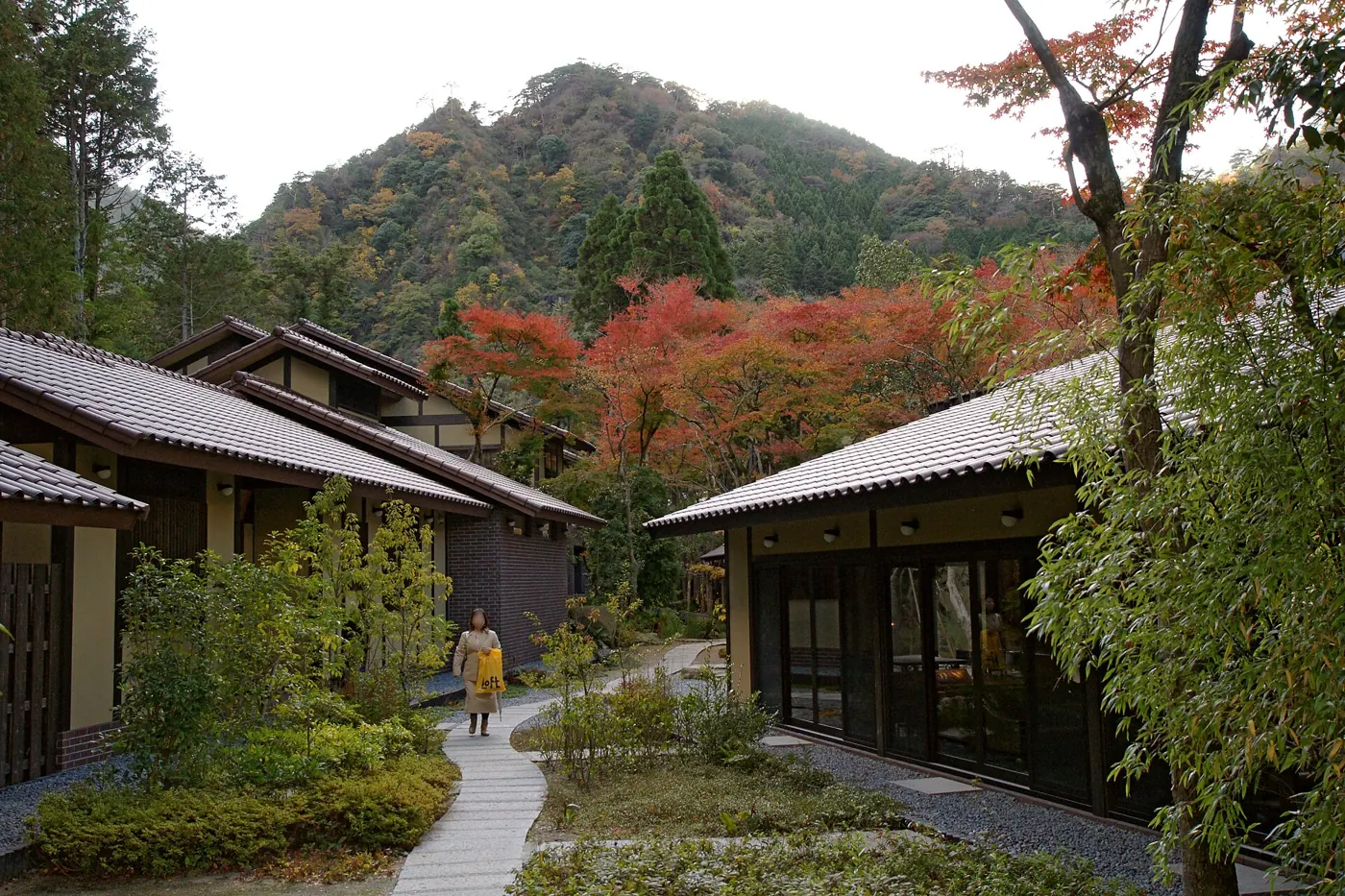 Ryokan旅館
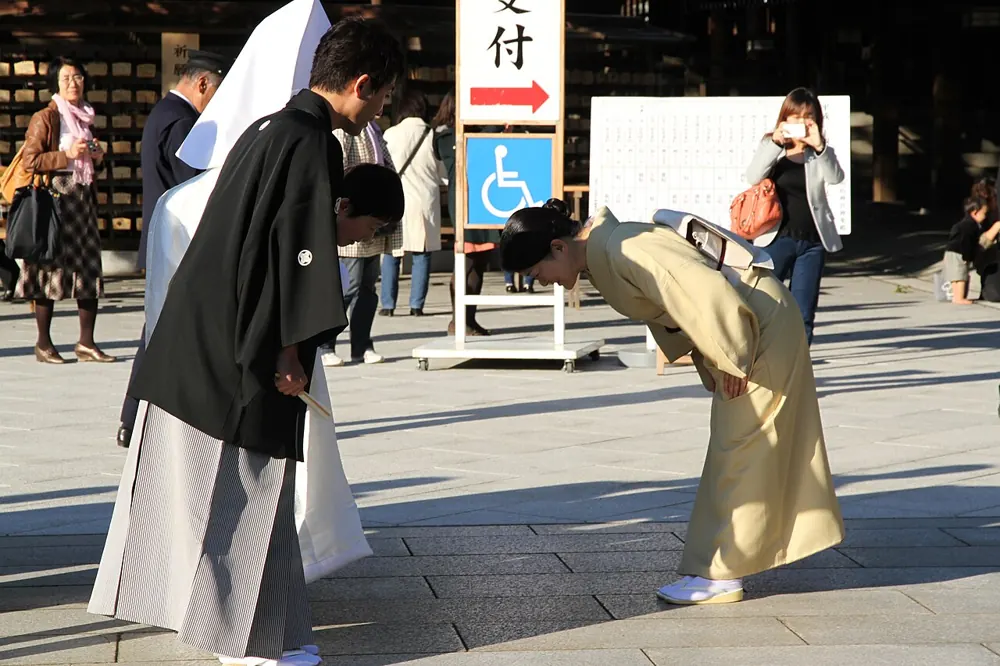 Ojigiお辞儀
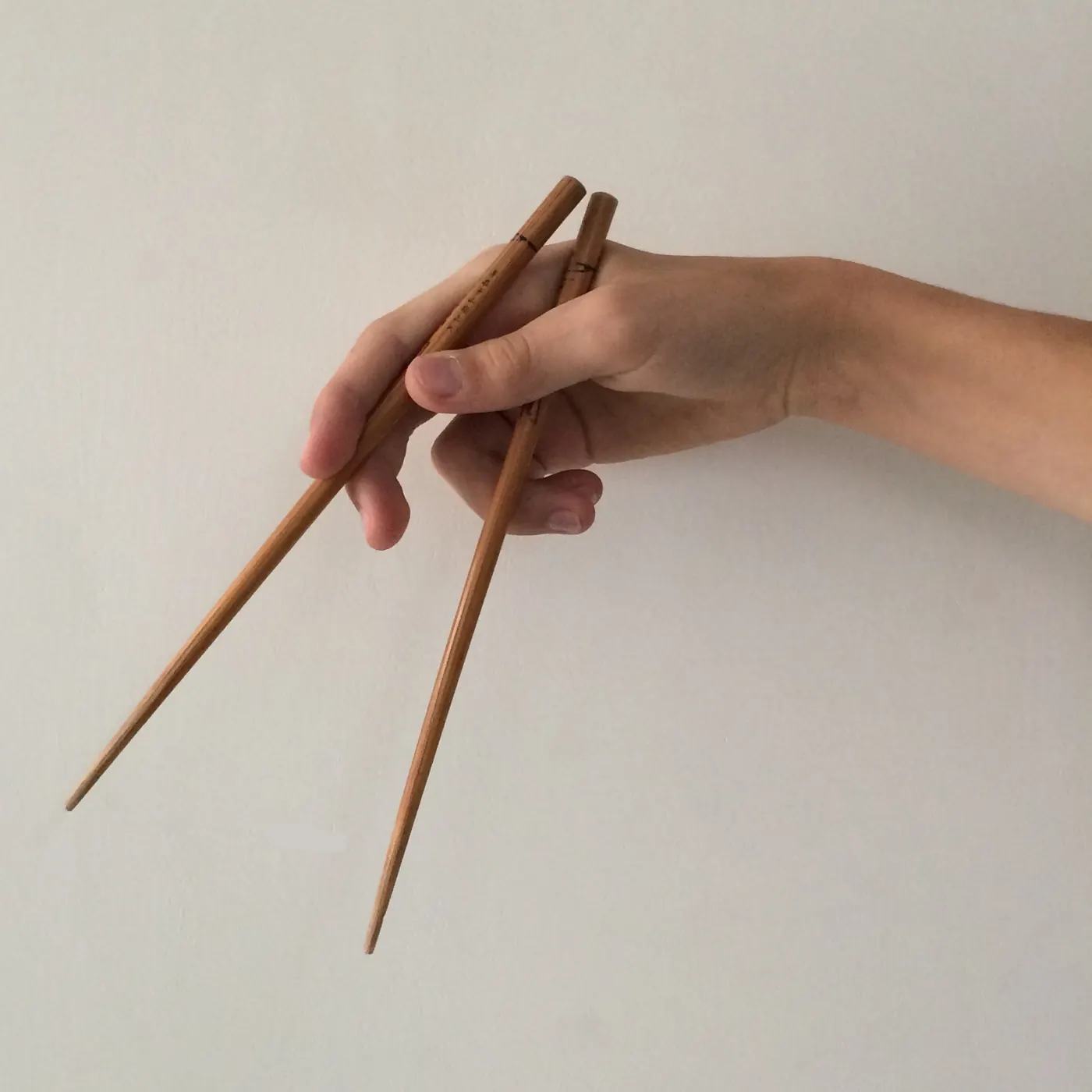 Hashi箸
 Omotenashiおもてなし
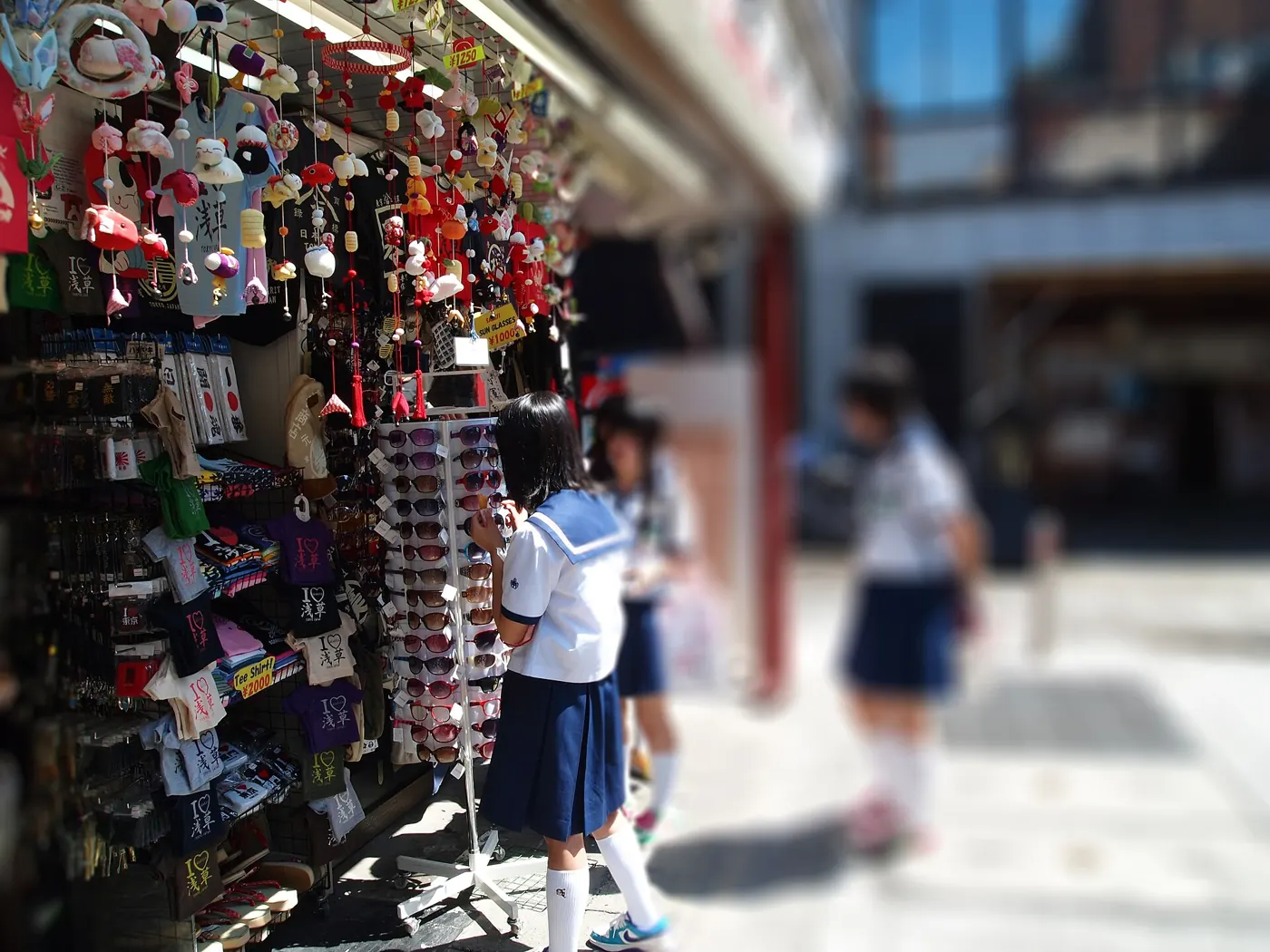 Omiyage土産
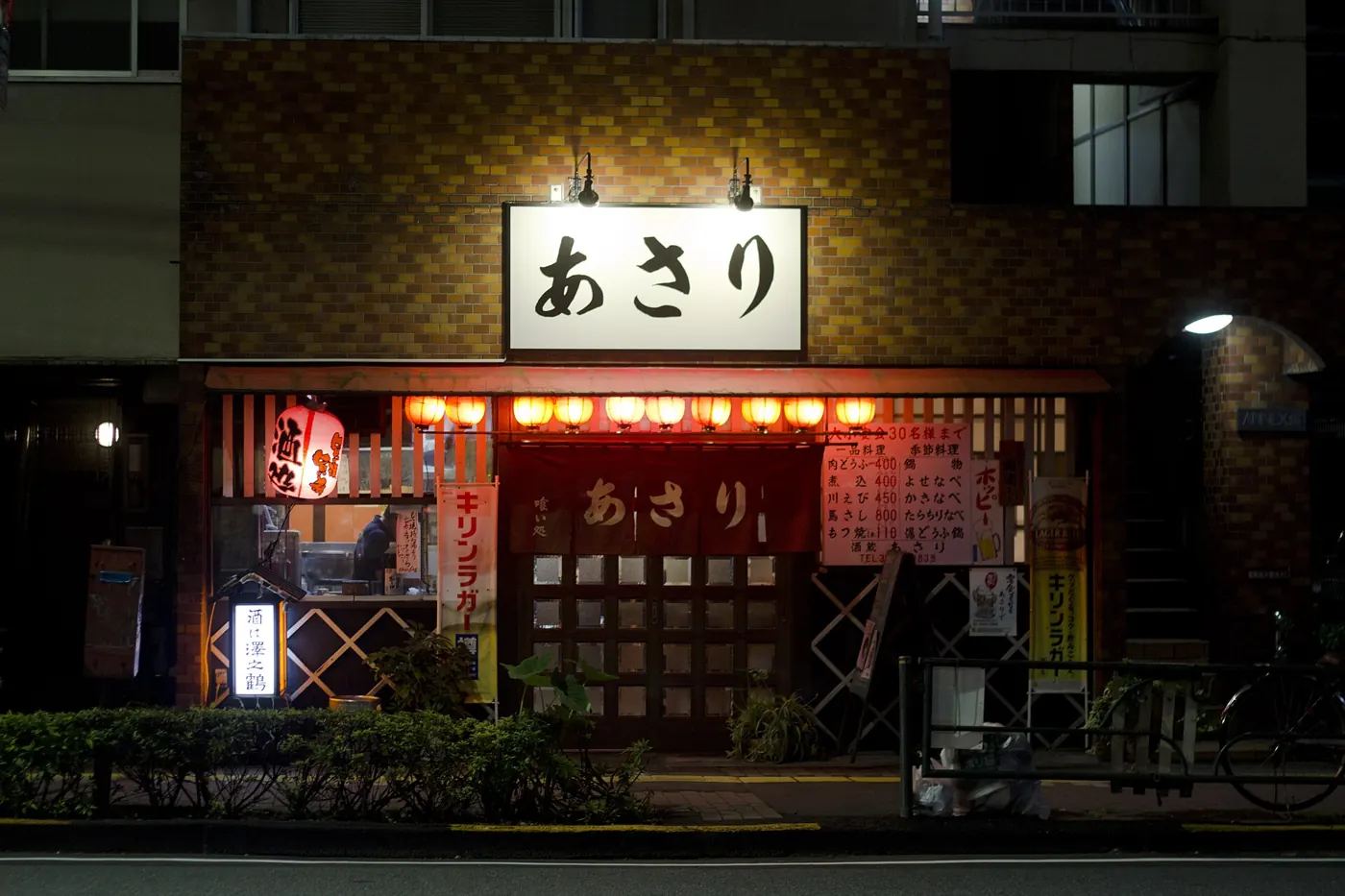 Izakaya居酒屋
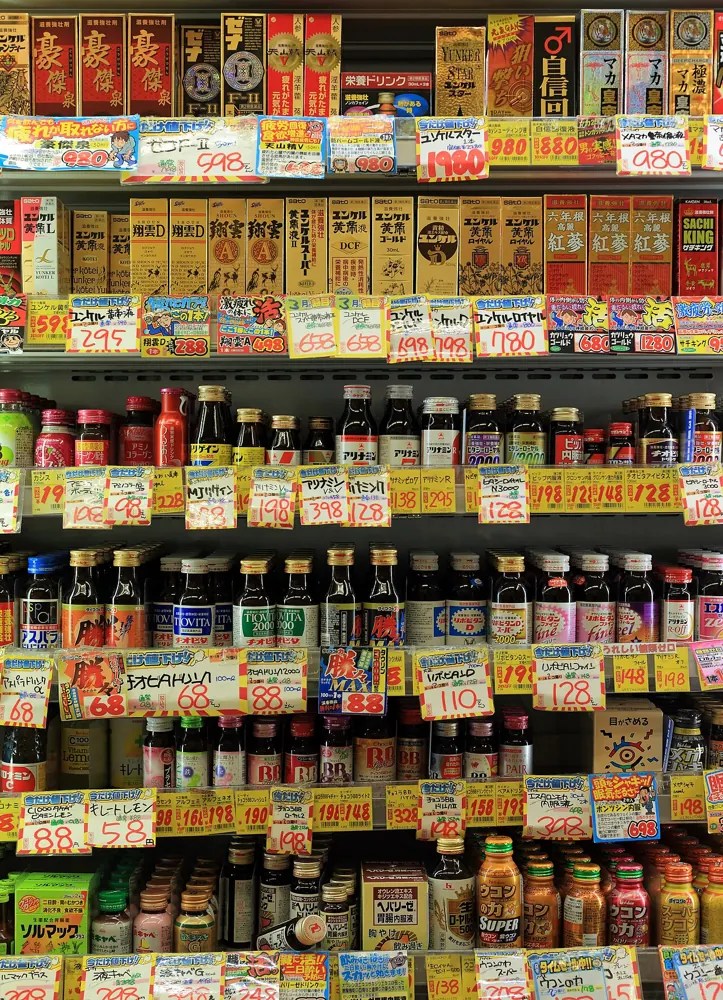 Konbiniコンビニエンスストア
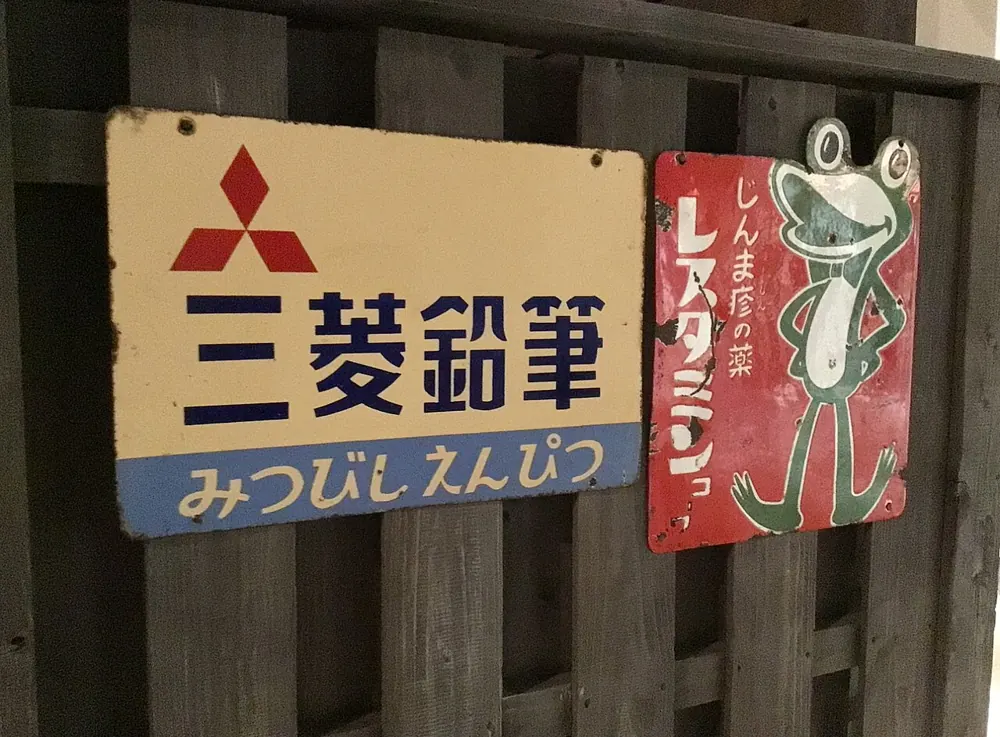 Kanji漢字
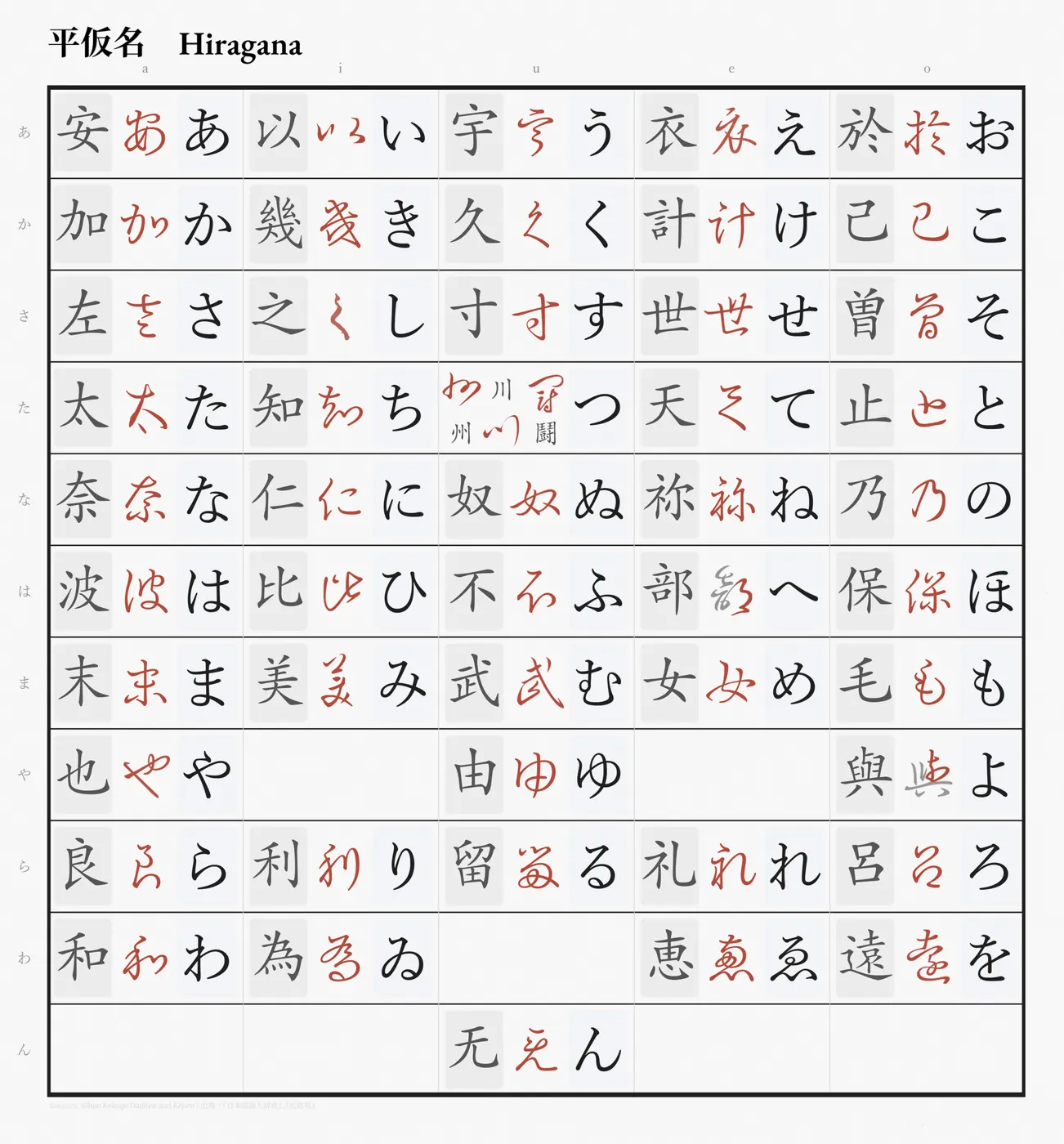 Hiragana平仮名
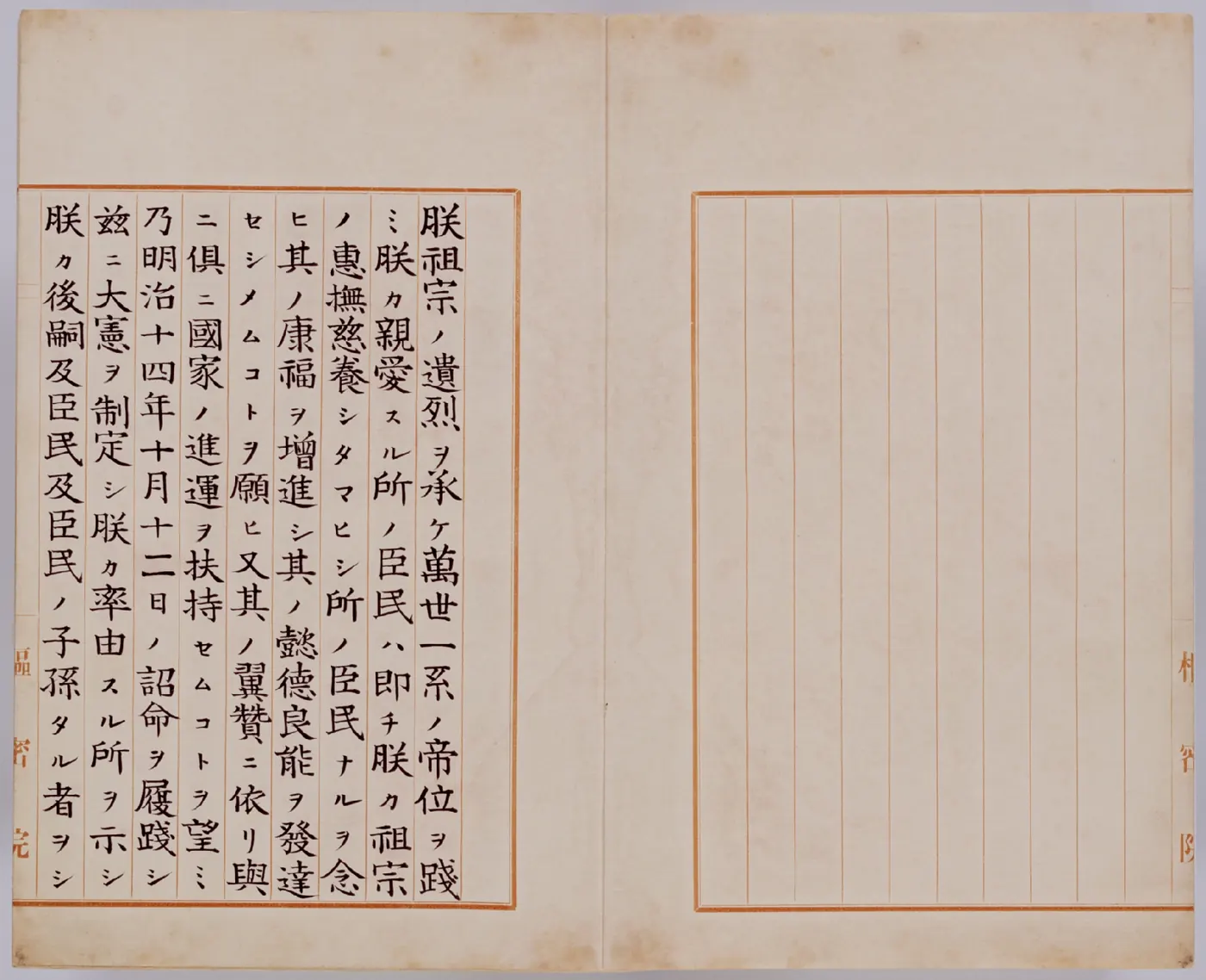 Katakana片仮名
Open the scanner and compare →