What is this? › Travel customs
平仮名Hiragana
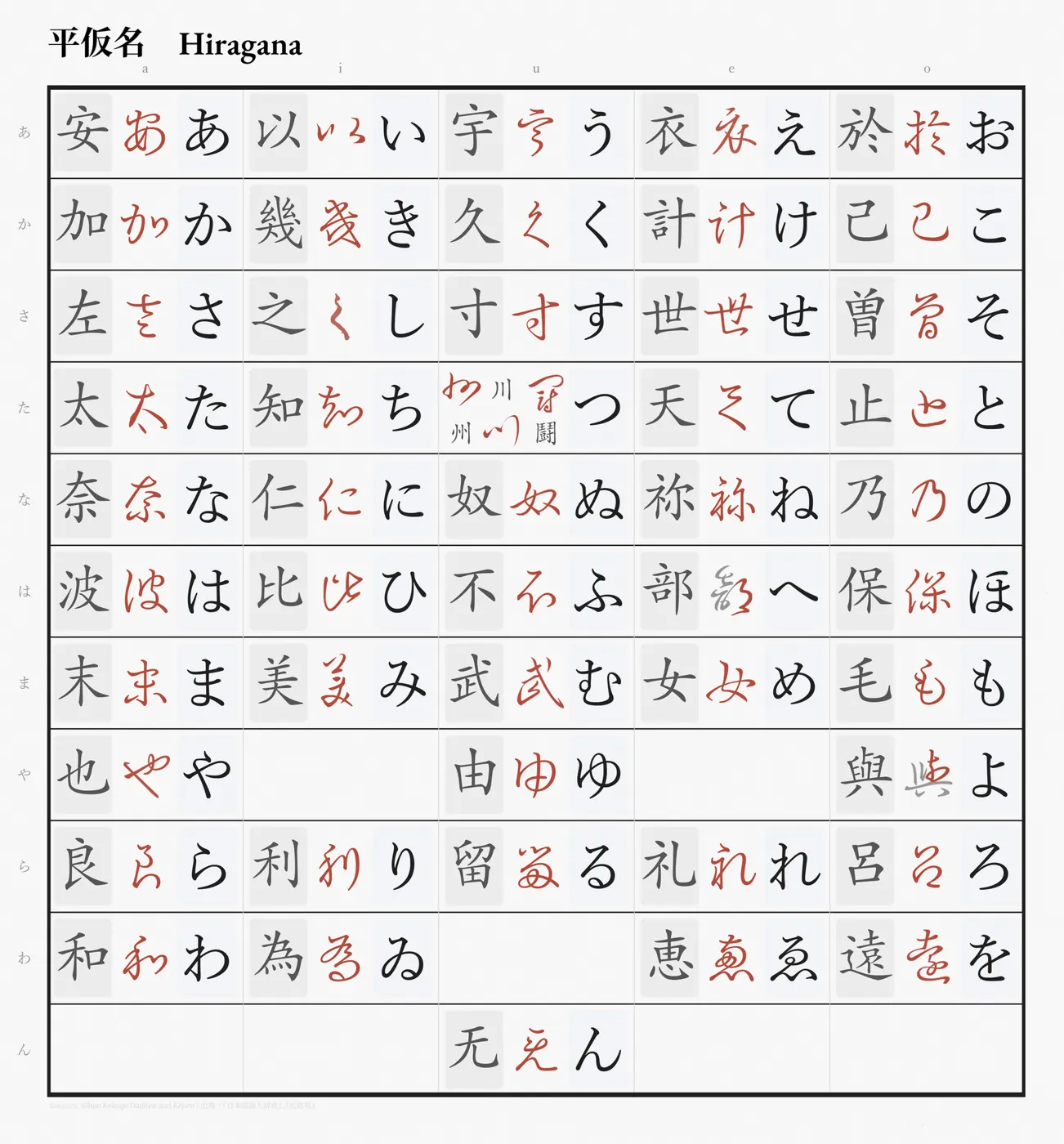
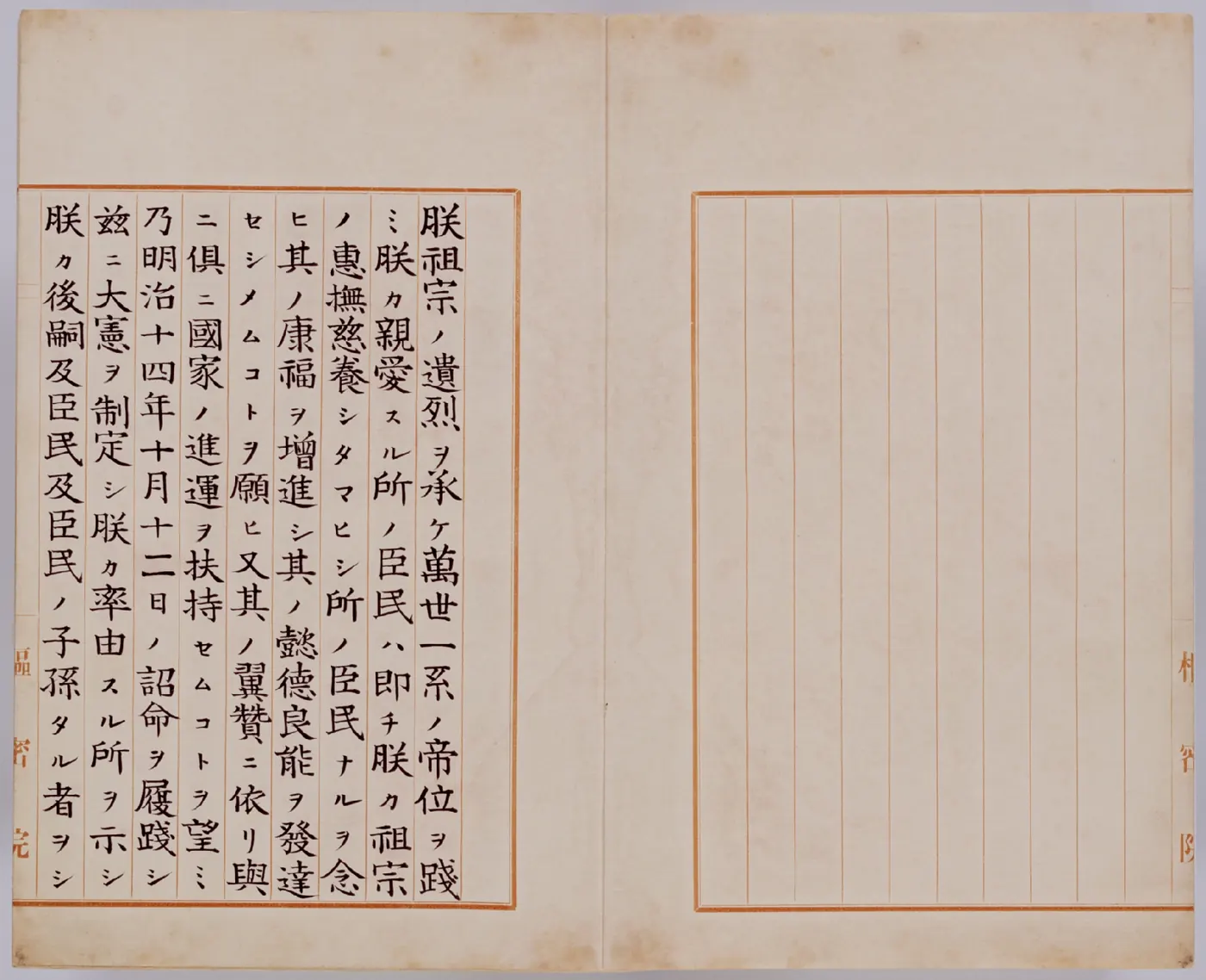
Hiragana (平仮名, ひらがな; IPA:) is a Japanese syllabary, part of the Japanese writing system, along with katakana as well as kanji (Chinese characters).
It is a phonetic lettering system. The word hiragana means "common" or "plain" kana (originally also "easy", as contrasted with kanji).
Historically, hiragana developed from cursive forms of kanji via man'yōgana, with each sign originating as a simplified cursive rendering of a whole kanji—for example, あ (a) from 安 (an).
Hiragana and katakana are both kana systems. With few exceptions, each mora in the Japanese language is represented by one character (or one digraph) in each system. This may be a vowel such as /a/ (hiragana あ); a consonant followed by a vowel such as /ka/ (か); or the nasal sonorant /N/ (ん). Because the characters of the kana do not represent single consonants (except in the case of the aforementioned ん), the kana are referred to as syllabic symbols and not alphabetic letters.
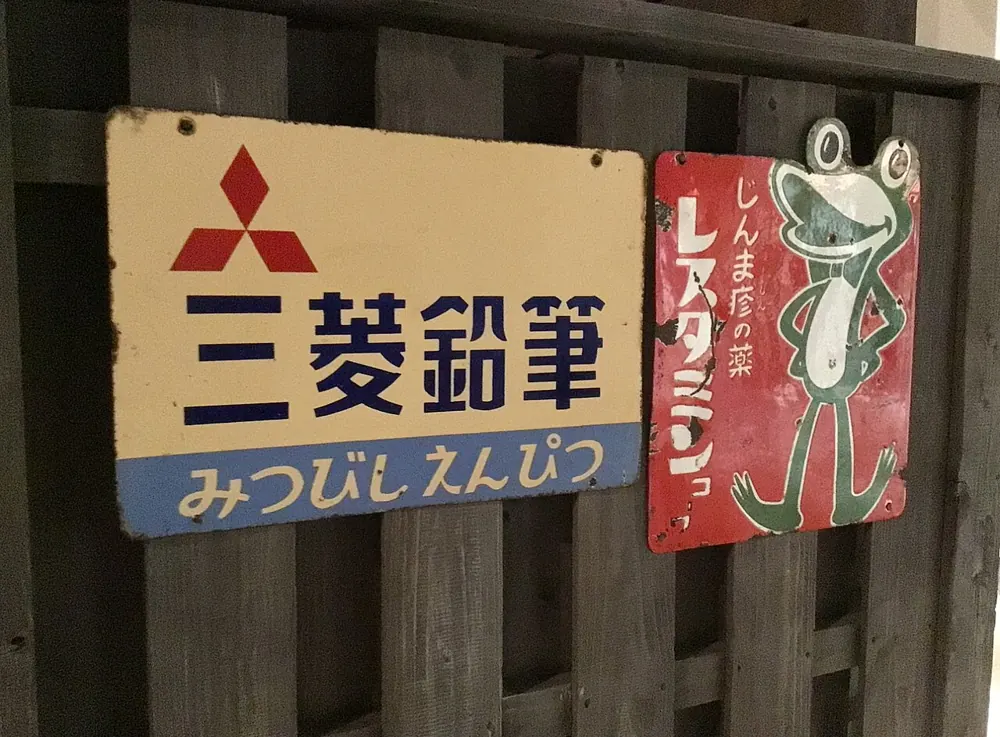
Hiragana is used to write okurigana (kana suffixes following a kanji root, for example to inflect verbs and adjectives), various grammatical and function words including particles, and miscellaneous other native words for which there are no kanji or whose kanji form is obscure or too formal for the writing purpose.
Text from Wikipedia: Hiragana — CC BY-SA 4.0. Read more on Wikipedia →
Japan Tourism Agency explanations
旅Try it yourself: Hiragana
Live prices and reviews from GetYourGuide. Many tours can be cancelled for free — check each listing.
Ad: we may earn a commission if you book through these links, at no extra cost to you.
Compare whether a rail pass saves money on your route before you buy tickets.
Check prices →Japan eSIM / mobile data
Ad: we may earn a commission if you book through these links, at no extra cost to you.
問Questions visitors ask
What is Hiragana?
Hiragana (平仮名, ひらがな; IPA: [çì.
旅Travel customs
 Onsen温泉
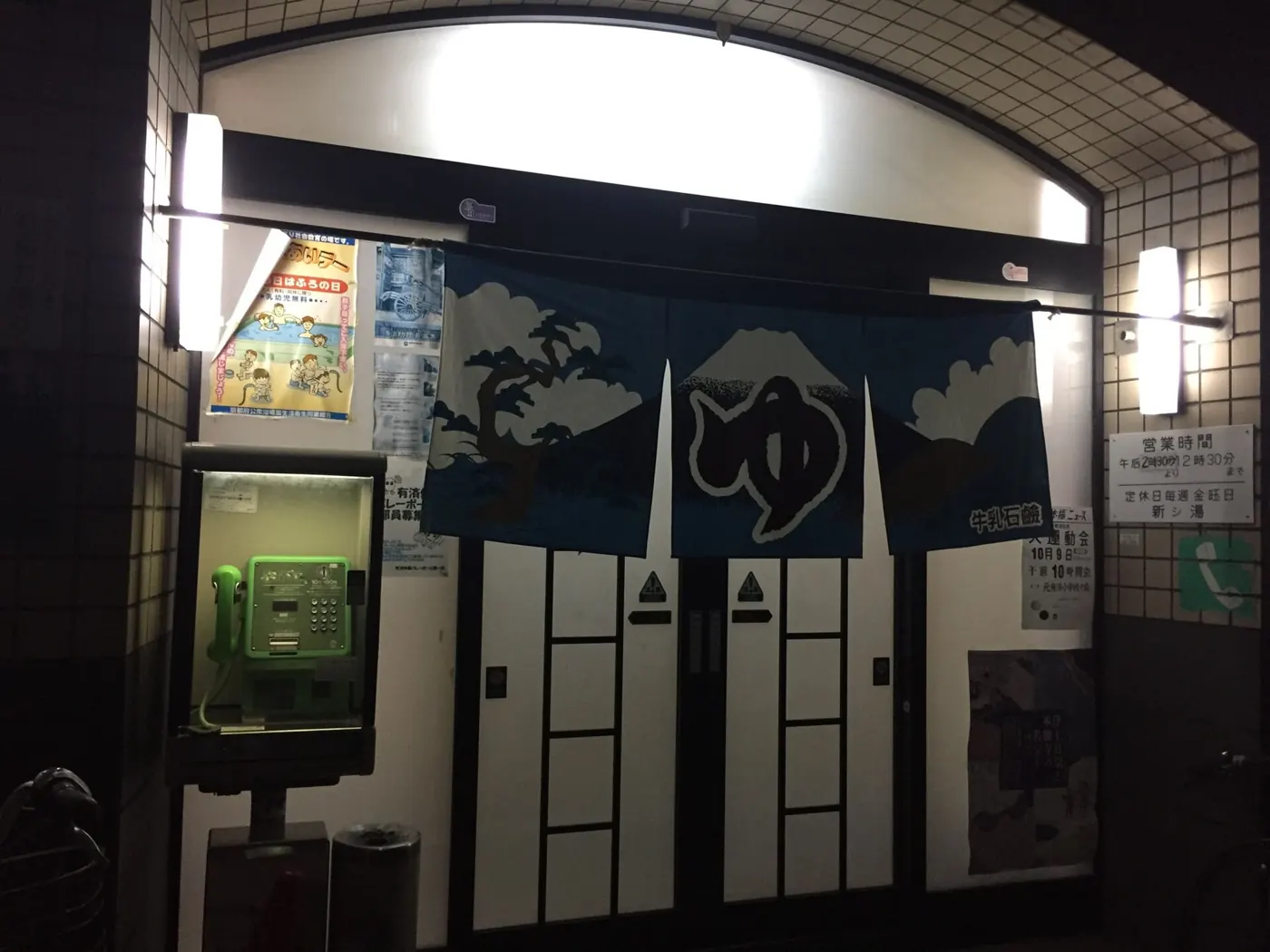 Sentō銭湯
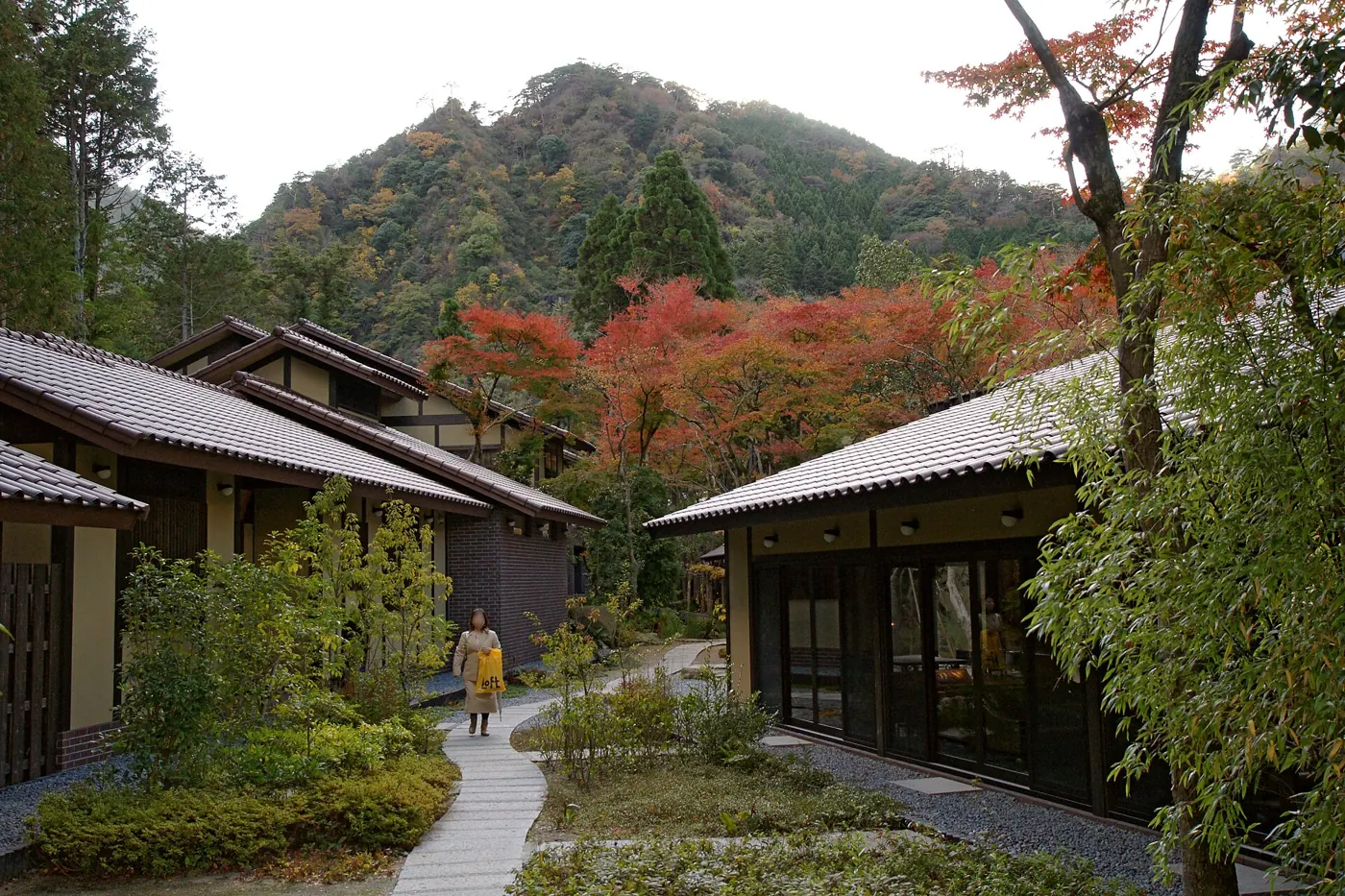 Ryokan旅館
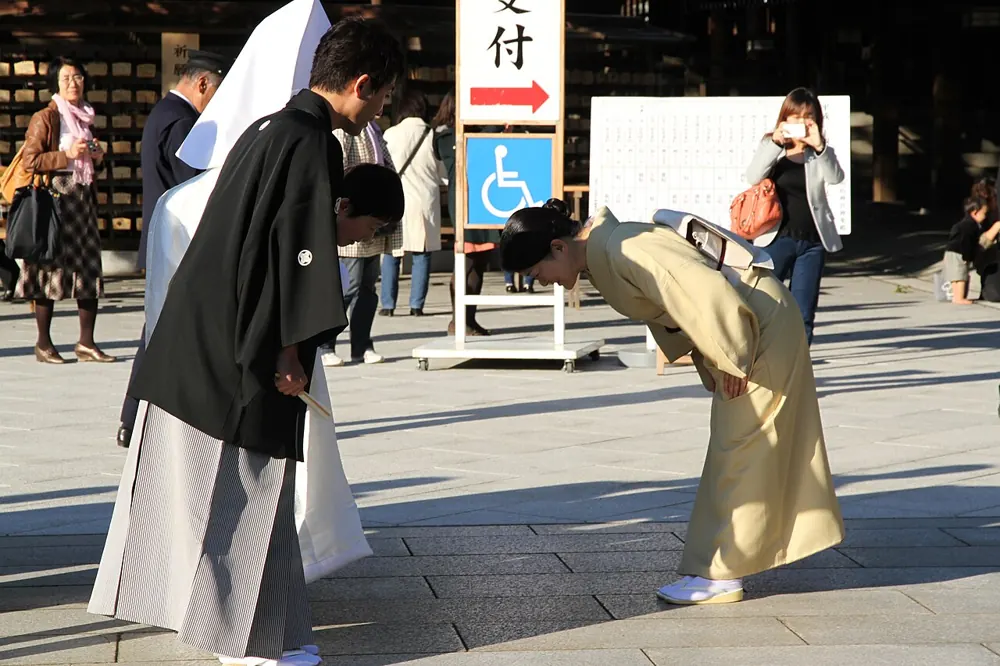 Ojigiお辞儀
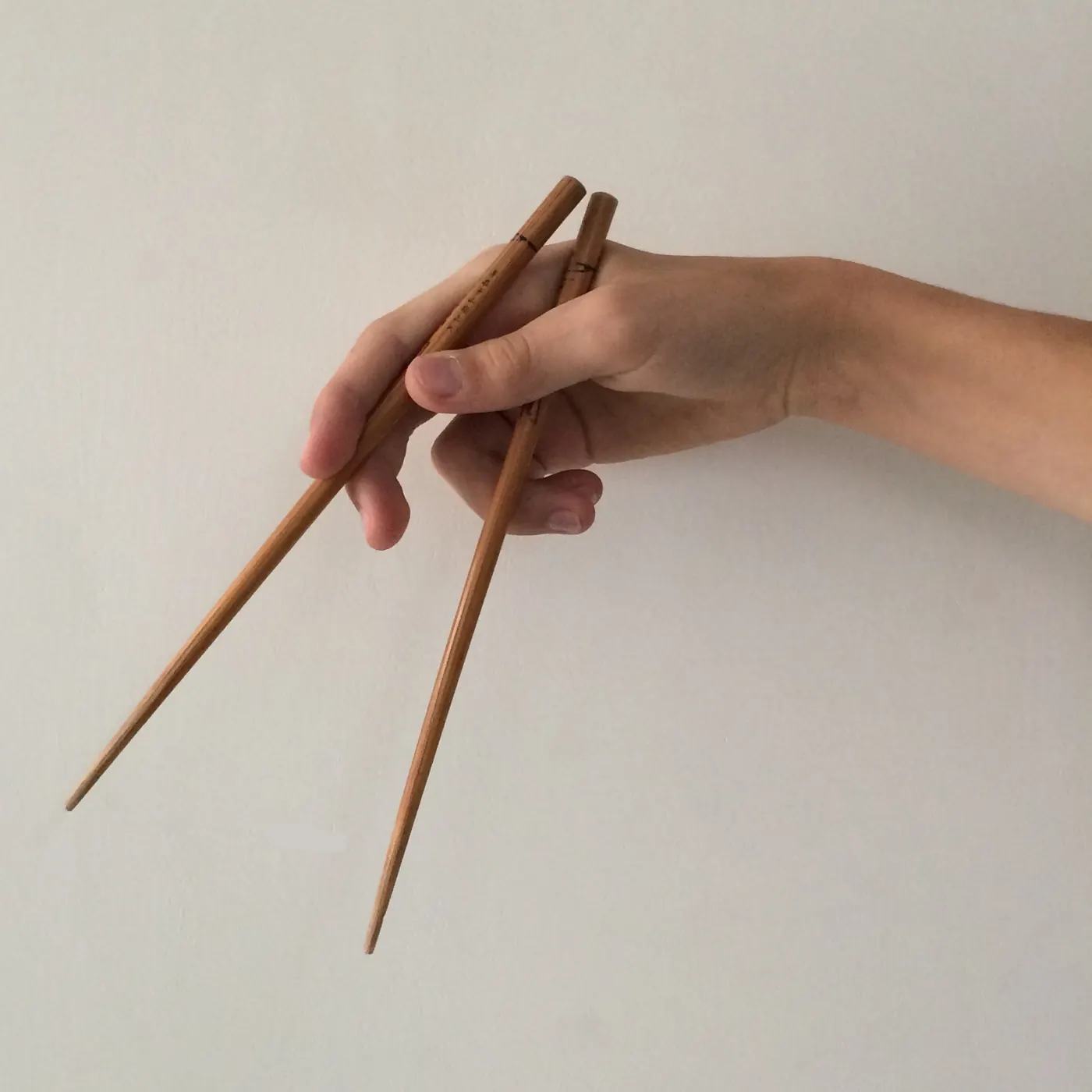 Hashi箸
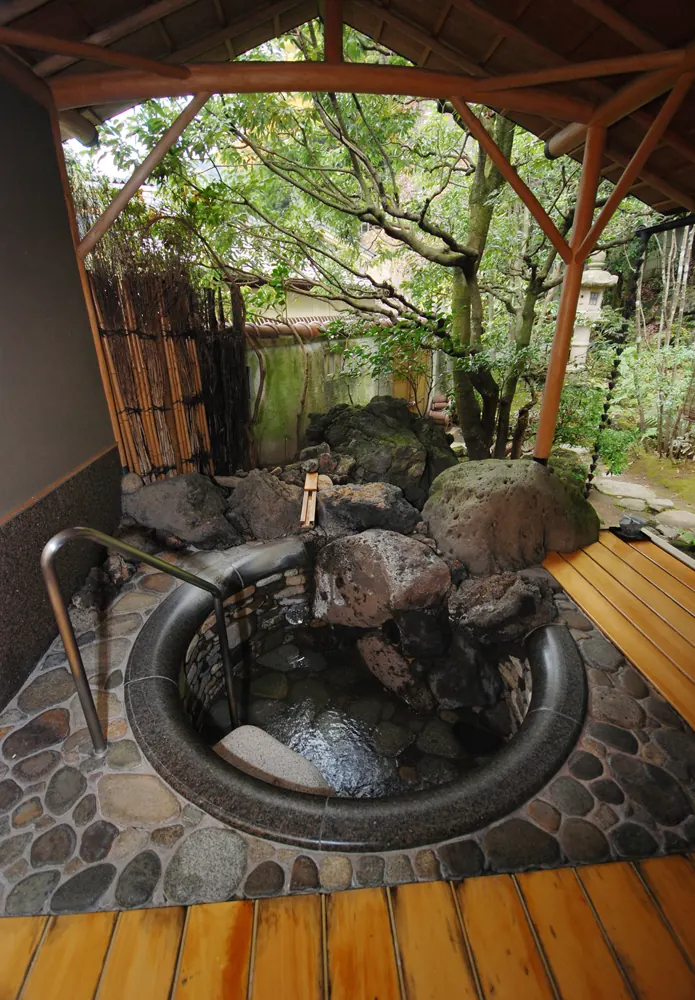 Omotenashiおもてなし
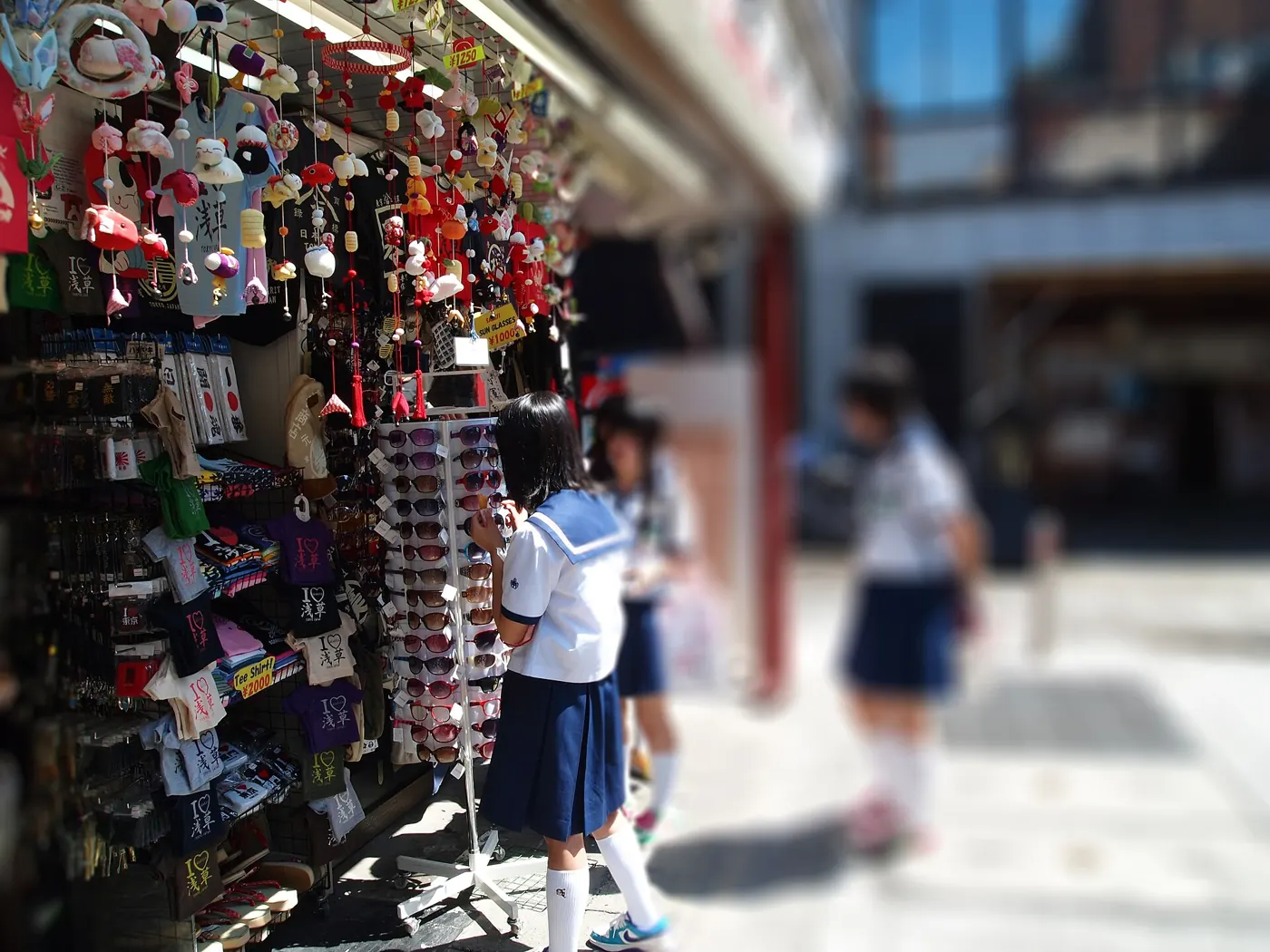 Omiyage土産
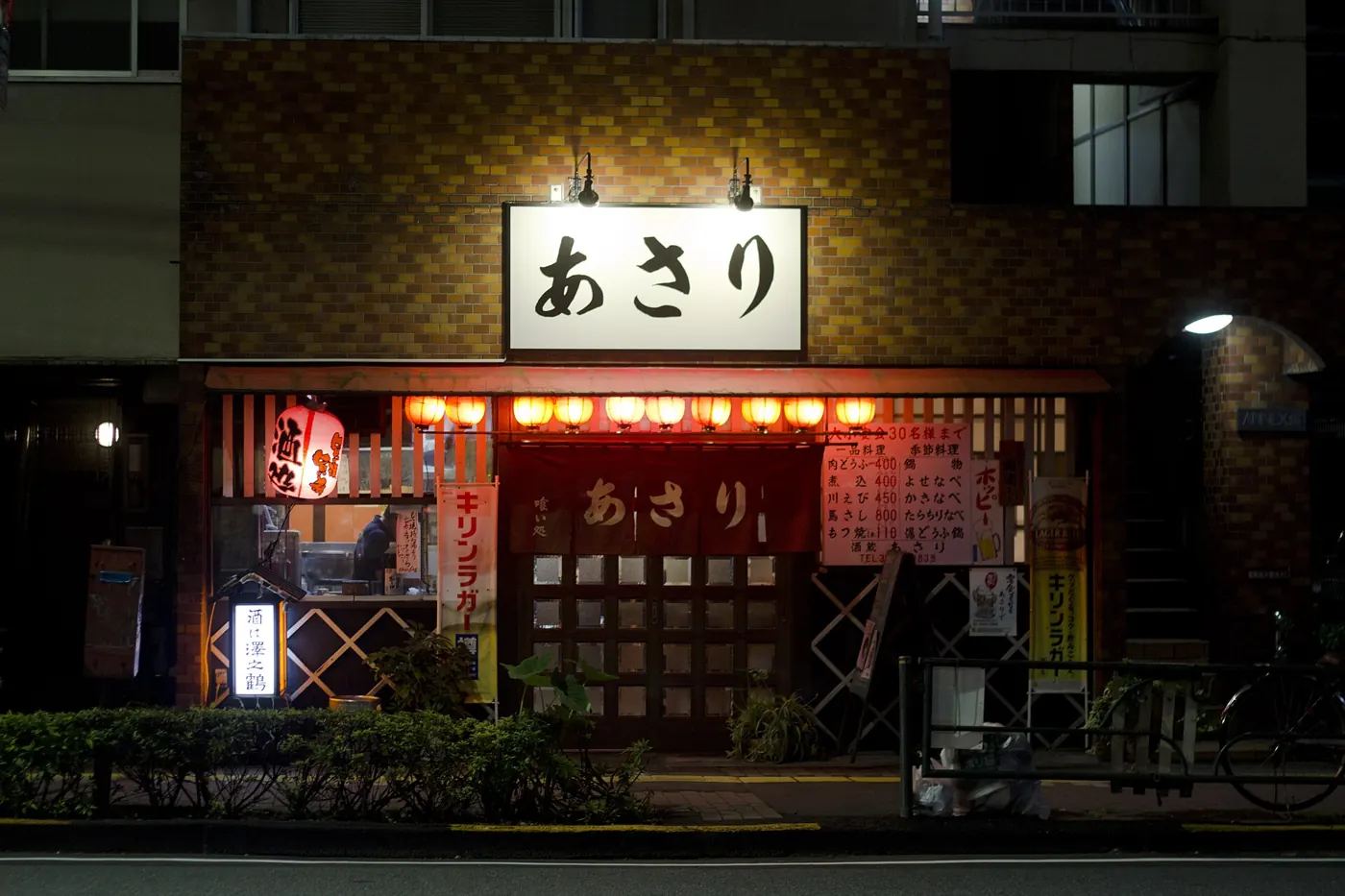 Izakaya居酒屋
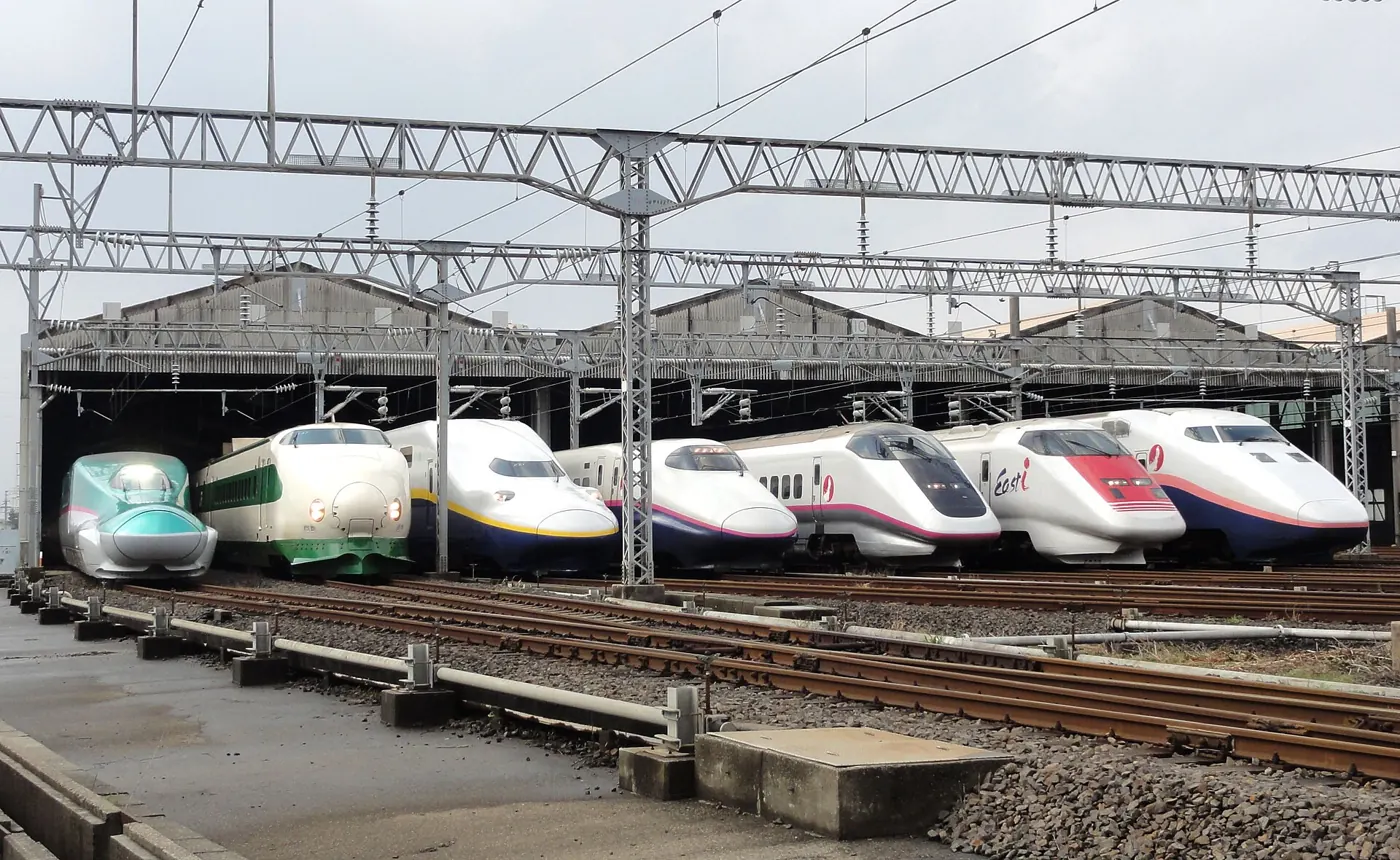 Shinkansen新幹線
 Konbiniコンビニエンスストア
 Kanji漢字
 Katakana片仮名
Open the scanner and compare →